Original Author: Dr Zhiying Shao
Original published date: 9th April 2014
Updated by: Dr Hafsa Waseela Abbas
Update date: June 2025
Review date: June 2027
About
Dr Zhiying Shao (Julie) is a clinical oncologist based in Xuzhou, China. She is actively involved in both clinical and research work. She was among the initial volunteers at FST supporting the cause of raising cancer awareness and writing an inspiring one-off article providing insight into TCM voluntarily.
What Is Traditional Chinese Medicine (TCM)?
Traditional Chinese medicine (TCM) is a kind of complementary and alternative medicine (CAM), which is often used with other conventional treatments: surgery, chemotherapy, radiotherapy, and targeted therapy to help patients feel better efficiently (Cancer Research UK, 2022). TCM is a holistic system of medicine including herbal medicine, acupuncture, massage therapy, moxibustion, tuina, dietary therapy, and qi gong. Qi gong (pronounced chee goong) and tai chi (pronounced tie chee) focus on movement exercises whereas Qi gong also incorporates traditional breathing exercises (Cancer Research UK, 2022). Tuina (pronounced twee-nah) is an Ancient Chinese massage therapy that aims to lower muscular and joint pain and improve blood circulation (Rush and Cronkleton, 2024).
The World Health Organisation (2023) has emphasized how the integration of TCM in the healthcare system can help prevent and manage chronic diseases caused by lifestyle factors. It can improve clinical outcomes when combined with conventional therapy (World Health Organisation, 2023). This rests on identifying the multifaceted factors. From a social perspective, there is sensitivity to cultural diversity and the practice of natural sources. Governmental intervention and national policy to understand the clinical effectiveness, safety regulations, and how it saves the National Health Service economically. This lowers the waiting time, and burden of staff and elevates the biological and cultural diversity within healthcare. There is an economic factor that should be considered when practitioners are trained through continuous education, research, and development to be better informed. Researchers can also evaluate the bioactive compounds present in TCM and compare cancer incidence rates nationally and whether there is a demand for TCM. Over time, this has significantly developed and the number of countries that recognize the importance of TCM has escalated from 58 WHO member states in 2012 to 79 in 2018 (World Health Organisation, 2023).
Unlike mainstream Western medicine, which includes surgery, chemotherapy, and radiotherapy, which aim to kill tumour cells or relieve specific symptoms related to cancer, TCM treats the patient as a whole rather than a specific part of the body with disease and focuses on balancing the flow of energy within the body to maintain good health. This is referred to as Qi (pronounced as Chee) and is distinguishable from Yin and Yang focusing on the harmonization of health, well-being, and peace. Affliction with illness can disrupt the balance, and the goal of treatment is to focus on the target area of the body or the energy channel in question (Cancer Research UK, 2022). There has been a long history of using TCM in treating various diseases including gastric cancer in China. Therefore, personal and family clinical history and lifestyle factors are paramount.
Herbal medicines are commonly extracted from the leaves, stems, roots, seeds, or flowers of herbal plants and are formulated as tea, powders, tinctures (solutions), and capsules (Cancer Research UK, 2022). They are not only practiced in China but also applied in Western culture and civilization. Western herbal medicine is regulated by the UK’s Medicines and Health Products Regulatory Agency. It compromises a wealth of herbs predominantly from Europe and North America and to an extent China and India (Cancer Research UK, 2022).
When considering TCM, it is important to discuss with your healthcare professional before using products, especially herbal remedies, and enquire how much experience they have in TCM.

Figure 1: Traditional Chinese Medicine (Creative Commons, 2025)
Why TCM?
Conventional treatment, such as surgery, chemotherapy, and radiotherapy, works like a double-edged sword, which means not only tumour cells but some normal cells are damaged during the process.
Meanwhile, patients will build up energy to fight against cancer. This is why some patients experience tiredness or are at risk of infection during the treatment. Therefore, some patients may need additional suits of armour to protect their normal tissues. TCM can help strengthen the patient’s immunity, reducing the side effects of chemotherapy and radiotherapy, or enhancing the effects of other treatments.
In the theory of TCM, four gentlemen decoction known as Si Jun Zi Tang in China is a classical Chinese herb remedy for regulating spleen-stomach function, and interestingly Yang Qi that generated and transformed from spleen. This essential recipe includes four Chinese herbs presented in Figure 2. TCM believes that these four herbs are mild, just like noblemen with moderate virtue, and referred to as four gentlemen. More interestingly, they hold their positions with different features in the formula (i.e. monarch, minister, assistant, and guide, respectively).
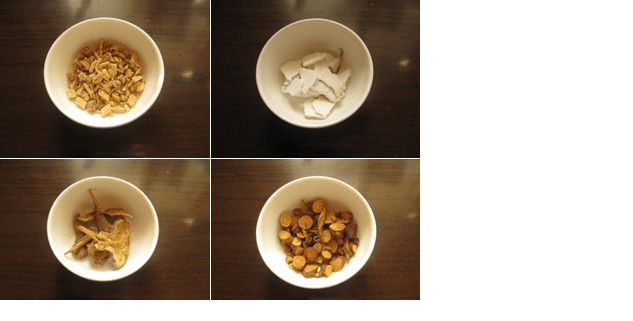
Figure 2: The four gentlemen decoction. Ginseng Root (Ren Shen) (Top Right); Atractylodes Macrocephala (Bai Zhu) – (Bottom Right); Licorice Root (Gan Cao) – (Top Left); Poria, China root (Fu Ling) – (Bottom Left)
How Does The Four Gentlemen’s Decoction Help To Treat Gastric Cancer?
The focus of gastric cancer is attributed to the 10% global annual incidence rate and 14.5% of all cancer mortality that originate from upper digestive tract cancers (oral, oesophagus (food pipe), and gastric (stomach). Please see Figure 3 which illustrates the structure and function of these organs. The employment of conventional treatment methods has proven to limit improvement in the 5-year survival rate and is commonly associated with drug resistance and adverse effects (Bray et al., 2024). This drove 40% of patients to undergo CAM to elucidate its anti-tumour effects in combination with conventional therapy (Huang et al., 2024).
Cooperating, the gentlemen’s decoction can restore the function of the spleen and stomach, and improve Yang Qi in patients’ bodies. Clinically, it is easy for patients with gastric cancer to become empty of nutrients (malnutrition), due to cancer itself, as well as eating and digesting disorders.
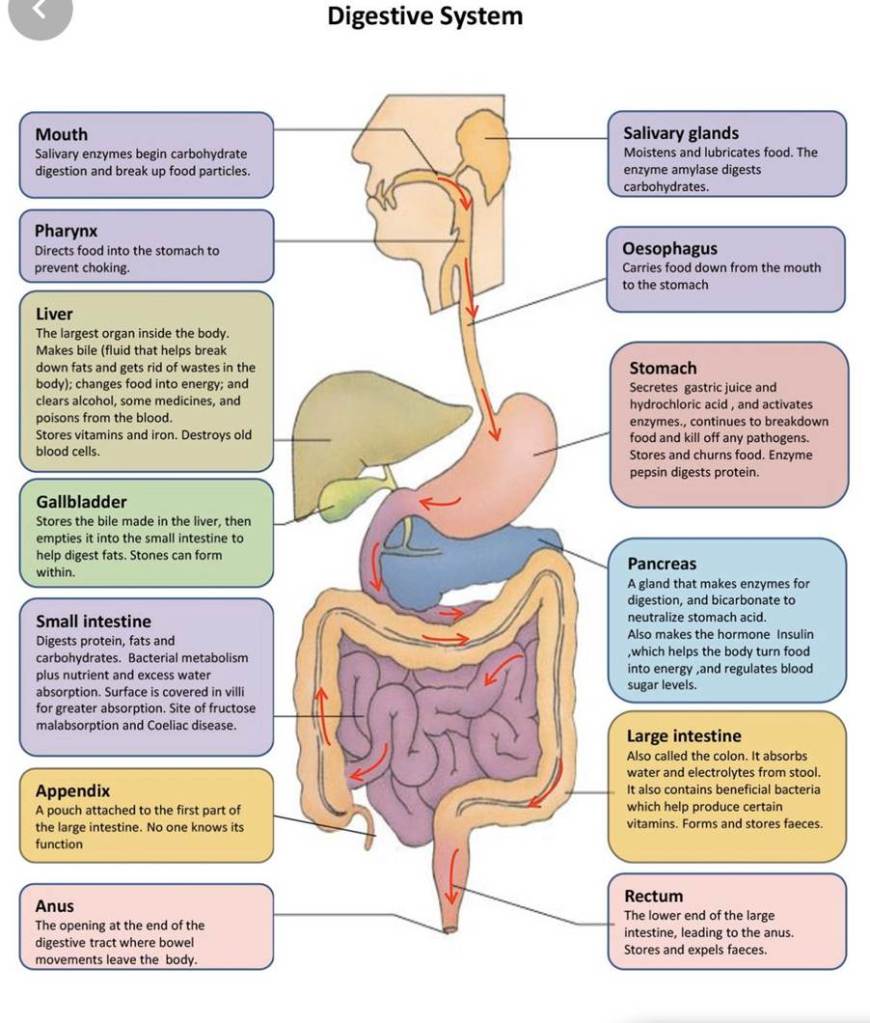
Figure 3: The Digestive system
Furthermore, the stimulation from surgery will also make the situation worse, and damage patients’ immune function. In the theory of TCM, most of these patients are considered to be Qi-deficient in the spleen and stomach, which conforms to the indications of four gentlemen decoction.
It is widely used in gastric disorders where some are presented in Figure 4, such as chronic gastritis (CG), peptic ulcer, and chronic enteritis caused by spleen-stomach Qi deficiency, especially for patients with a pale face, poor appetite, white and thin tongue, weak pulse, and tiredness. Such clinical presentations cause further investigation to maintain energy flow.
Several studies have illustrated TCM efficacy in promoting recovery after surgery, prolonging the overall survival of patients with advanced-stage gastric cancer, as well as improving quality of life when integrated with chemotherapy. However, according to the patient’s health condition, adding or reducing some components can tailor the formula. For instance, Pinellia Rhizome (Ban Xia) for symptoms of vomiting, or Ripe Fruit of Zhi Shi (Zhi Ke) and Tangerine Peel (Chen Pi) for distention and fullness in the chest.
Although Four Gentlemen decoction has been used safely for centuries, some patients do not respond positively or can cause harm if taken incorrectly. Therefore, it is important to consult a registered TCM doctor when considering it.

Figure 4: Types of gastric disorders and affected sites
Recent Research Study On The Link Between TCM And Gastric Cancer
Huang et al. (2024) conducted a randomized clinical trial study on Chinese herbal drugs (CHD). They discovered that 126 potential CHD increased their efficacy and lowered adverse effects when it is rationally applied in combination with conventional therapy to treat upper digestive tract cancers. There were four CHD that increased the 5-year survival rate, namely Sishen Jiedu Decoction, Pingxiao Tablet, Fuzheng Guben Granule, and Buyand Huanwu Tang (Huang et al., 2024).
Sishen Jiedu Decoction is a 14-herb prescription. Pingxiao Tablet is an anticancer drug derived from the TCM theory in blood regulation and approved by the National Medical Products Administration (NMPA). Fuzheng Guben Granule is a 13-herb prescription whereas, Buyang Huanwu Tang is a classical TCM formula (Huang et al., 2024). Both Sishen Jiedu Decoction and Fuzheng Guben Granule were produced by registered TCM doctors.
The anti-metabolite drug 5-fluorouracil (5-FU) and its oral pro-drug, tegafur (S-1) and capecitabine have been used to treat gastric cancer when combined with CHD. As a single agent (monotherapy), 5-FU blocks DNA synthesis which in turn can halt the growth of cancer cells. Please see Figure 5. Fluorodeoxyuridine monophosphate (FdUMP), fluorodeoxyuridine triphosphate (FdUTP), and fluorouridine triphosphate (FUTP) are active metabolites produced when 5-FU enters cells via the transport system of the nitrogen-rich base uracil (Ghafouri-Fard et al., 2021). FdUMP can indirectly cause deoxyribonucleic acid (DNA) damage by inhibiting the enzyme Thymidylate Synthase (TS). This increases deoxynucleotide imbalance. FdUTP directly damages DNA whereas FUTP incorporates into RNA causing further DNA damage (Ghafouri-Fard et al., 2021). All three pathways and inflammatory mediators can inhibit cancer cell growth result in cell death (apoptosis) and exacerbate self-degradation to balance energy sources during development (Ghafouri-Fard et al., 2021).

Figure 5: The mode of action of 5-fluorouracil (5-FU)
The Proprietary Herbal Drug (PHD), Bo-Er-Ning Capsule (BENC) consists of 11 herbs. Upon treatment in patients with Stage IV gastric cancers, there was a better overall response rate (ORR) when combined (56.67%) than alone (36.67%) (Yan-wei. 2015). 40% of the subjects had >10% increase in the Karnofsky Performance Scale (KPS). The KPS is an assessment tool to determine a patient’s functional status perform daily activities and improve the quality of life. Patients under cancer treatment experience fatigue and other related symptoms as common side effects of conventional therapy. There was a 2.14-fold and 1.62-fold difference in the number of patients who experienced gastrointestinal disorder and myelosuppression than S-1 (Tegafur) monotherapy. Myelosuppression is the reduction of blood cells that commonly occurs post-chemotherapy and in blood-related conditions, for instance, anaemia and abnormal bleeding. This demonstrates the efficacy of combinatorial treatment. A better KPS and ORR were also observed with other CHDs like the 11-herb prescription Shenyi Jianzhong Decoction in patients with gastric cancer (Xin and Yahui, 2017).
Another study discovered the PHD Yangzheng Xiaoji Capsule elucidated its anti-tumour potential when combined with capecitabine rather than alone. These results were brought to light when measuring the serum tumour marker, carcinoembryonic antigen (CEA), and low levels were discovered (Qiang et al., 2018). This is another presentation of the use of CHD in anti-tumour therapy.
The anti-tumour potential of CHD is demonstrated even after surgery. 5-FU combined with the 5-herb prescription Xiaoai Decoction had shown a higher survival rate and longer progression-free survival (PFS) and medial overall survival (mOS). The one-year survival for the combined therapy was 87.2% compared to 76.1%. The two-year survival for the combined therapy was 19.1% compared to 10.8%. The PFS was 20.98 months for combined therapy in comparison to 18.71 months. The mOS was 18.41 months compared to 16.51 as a single therapy. These results suggest the Xiaoai Decoction increases the sensitivity of cancer cells towards 5FU (Wei et al., 2018).
The association of multiple agents with CHD further presents anti-cancer effects. Cisplatin, a platinum-based agent, 5-FU, and Bo-Ern-Ning Capsule (BENC) enhanced survival rates from 18.75 months alone to 23.57 months in stage IV gastric patients. There was a higher KPS score when combining the BENC with CF than other regimens. Enrichment analysis presented how BENC induced statistically significant results of gene expression and cellular mechanisms like cell cycle arrest, proliferation, and apoptosis compared to control (Huang et al., 2024).
Other Types of TCM
Acupuncture
Acupuncture is a traditional technique applied 2500 years ago where thin needles are inserted at specific points or through the use of electrocurrents to activate the release of the body’s natural painkillers, block the pain receptors in the brain in particular, the neck, back, knee, and other joints. Please see Figure 6 and 7. It helps decrease headaches and there are several types that vary in the location, duration and intensity – Please see Figure 8 (National Centre for Complementary and Integrative Health, 2019). Tension headaches are caused by stress or worry. Migraines are triggered by the interplay of genes and environmental factors. Acupuncture can help relieve allergy symptoms. Moxibustion can be applied in collaboration with acupuncture where the burning of mugwort (moxa) pictured improves the flow of energy and healing – please see Figure 9. The use of sterile needles and delivery of treatment is vital to prevent infections, injury to the central nervous systems, and punctured or collapsed organs (National Centre for Complementary and Integrative Health, 2019).
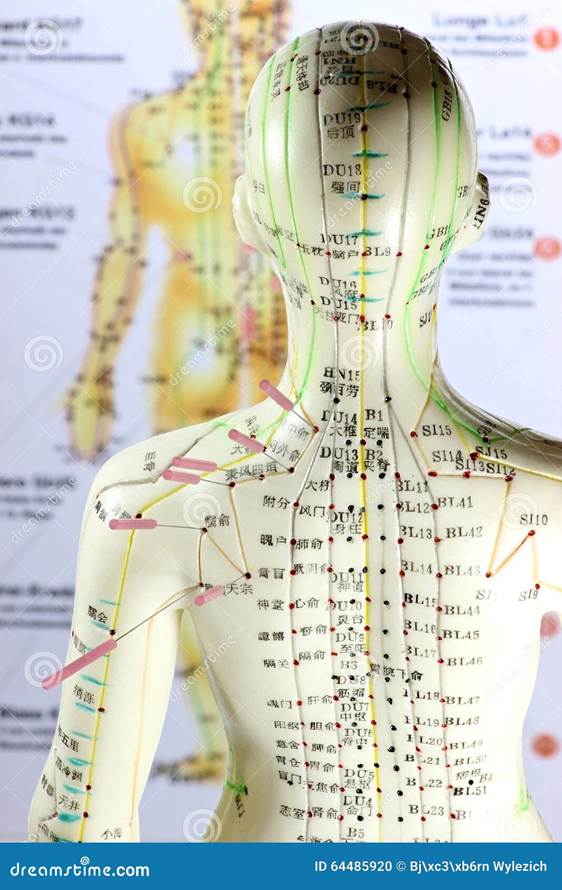
Figure 6: Acupuncture points.

Figure 7: Reflex zones on the feet where acupuncture or massage therapy is applied to release Qi and lower pain.

Figure 8: Types of headache
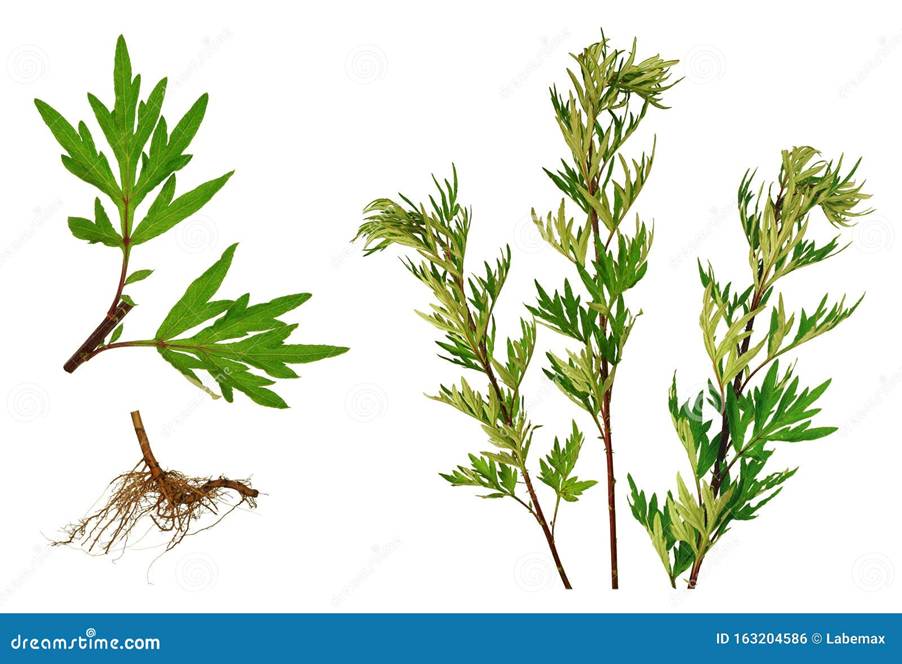
Figure 9: Mugwort
Tai Chi
Tai Chi increases relaxation and mental focus through the use of gentle movement exercises and postures – Figure 10. It is commonly performed on elderly patients who experience pain in the knee, body, and back, and those with neurological or cardiovascular conditions. For instance, dementia, Parkinson’s disease, and heart failure to improve the quality of life. Tai Chi and Qi appear as safe practices but consultation with a health provider is needed.
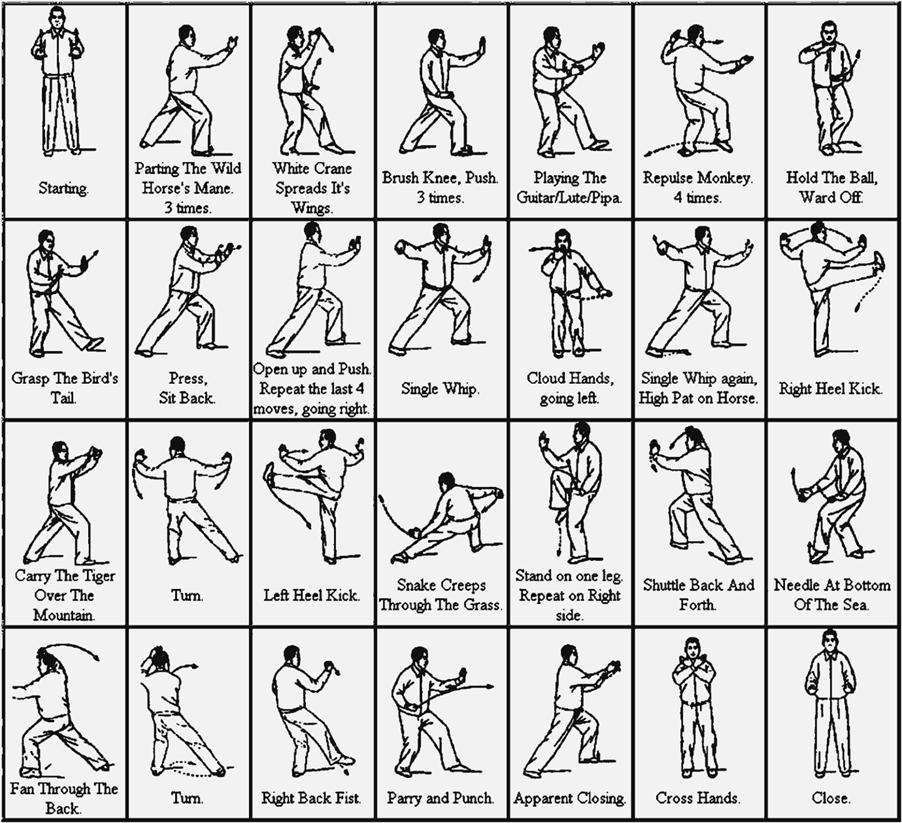
Figure 10: Steps involved in the Tai Chi
Tuina
Tuina is a traditional Chinese therapeutic massage that uses oscillation and pressure techniques that vary in speed and force. It has a similar concept to the principles of acupuncture but uses fingers rather than needles at target points. The aim is to promote energy flow and body balance to relieve pain in muscles, joints, and bones and improve blood circulation. Other advantages are boosting emotional well-being, and holistic healing within oneself and the environment (Rush and Cronkleton, 2024). It can also help alleviate symptoms associated with digestive, and respiratory conditions.
Each Tuina session lasts between 30 minutes to an hour to restore Qi (Rush and Cronkleton, 2024). To an extent, some of the massage techniques like stretching and joint mobilization overlap with chiropractic and osteopathic medicine. However, there are eight principle techniques: palpitation (mo), rejoining (jie), opposing (duan), lifting (ti), pressing (an), kneading (mo), pushing (tui), and holding (na) (Rush and Cronkleton, 2024). Other techniques may include rolling for sprains and strain injuries, nei gung for full body manipulation, and applying one finger to stimulate the pressure points (Rush and Cronkleton, 2024). Further studies are needed to assess the beneficial value of Tuina massage to promote its clinical use.
Conclusion
There is an ongoing development in enhancing the international recognition of the use of TCM and CHDs limiting the capacity of cancer cells to migrate, invade, and metastasize and further increasing sensitization to chemotherapy, radiotherapy, and other conventional therapies. Evidence-based practice is strengthened through power analysis in well-designed preclinical and clinical studies ensuring larger sample sizes from multicentres, and the presence of positive controls using standardized protocols that can be achieved with high-performance liquid chromatography (HPLC). This increases reliability and lowers the risk of inconsistent results.
Currently, many TCM studies are in Chinese, and having UK standard English and multiple languages can help increase accessibility for worldwide researchers and ensure reproducible data is analyzed. For instance, active compounds in CHD were not studied that can be identified and monitored in the human circulation before the use of experimental models to demonstrate efficacy. This will help to study any adverse effects. The experimental method can be replicated in other countries to ensure the data is reproducible and increase validation. The philosophy of artificial intelligence can also help increase efficiency. Overall, overcoming these limitations will help offer a thorough understanding and management of precancerous conditions and those with upper digestive tract cancers.
Further reading and references.
Bray, F., Laversanne, M., Sung, H., Ferlay, J., Siegel, R.L., Soerjomataram, I. and Jemal, A. (2024). Global Cancer Statistics 2022: GLOBOCAN Estimates of Incidence and Mortality Worldwide for 36 Cancers in 185 Countries. CA: A Cancer Journal for Clinicians, 74(3), pp.229–263. doi:https://doi.org/10.3322/caac.21834.
Cancer Research UK (2022) Herbal medicine and cancer. Available at: https://www.cancerresearchuk.org/about-cancer/treatment/complementary-alternative-therapies/individual-therapies/herbal-medicine (Accessed: 15th June 2025)
Ghafouri-Fard, S., Abak, A., Tondro Anamag, F., Shoorei, H., Fattahi, F., Javadinia, S.A., Basiri, A. and Taheri, M. (2021). 5-Fluorouracil: A Narrative Review on the Role of Regulatory Mechanisms in Driving Resistance to This Chemotherapeutic Agent. Frontiers in Oncology, [online] 11, p.658636. doi:https://doi.org/10.3389/fonc.2021.658636.
Huang, A.S., Wu, J., AMIN, A., Fu, X.-Q. and Yu, Z.-L. (2024). Traditional Chinese medicine in treating upper digestive tract cancers. Molecular Cancer, 23(1). doi:https://doi.org/10.1186/s12943-024-02149-x.
National Centre for Complementary and Integrative Health (2019) Traditional Chinese Medicine: What You Need To Know. Available at: https://www.nccih.nih.gov/health/traditional-chinese-medicine-what-you-need-to-know (Accessed: 15th June 2025)
National Centre for Complementary and Integrative Health (2022) Acupuncture: Effectiveness and Safety Available at: https://www.nccih.nih.gov/health/acupuncture-effectiveness-and-safety (Accessed: 15th June 2025)
National Centre for Complementary and Integrative Health (2023) Tai Chi: What You Need To Know Available at: https://www.nccih.nih.gov/health/tai-chi-what-you-need-to-know (Accessed: 15th June 2025)
Qiang, J.Z., Le, W., Jian, H., Ju, L.H., Jun, C.X., Zhe, Q.J., Meng, J.M., Jing, W.X. and Na, G. (2018) Observation on the clinical efficacy of Yangzheng Xiaoji capsule combined with capecitabine in the treatment of advanced gastric cancer. Home Medicine. 150.
Rush, T. and Cronkleton, E. (2024) Potential Benefits of Tuina Massage. Available at: https://www.healthline.com/health/tuina (Accessed: 16th June 2025)
Wei, L., Shuai, Z., Jiang, D. and Hua, L. (2018) Effects of Xiaoaitang based on the pathogenesis theory of cancerous toxin combined with laparoscopic assisted distal gastrectomy in the treatment of elderly patients with gastric cancer. Journal of Practical Oncology. 33:222–7.
World Health Organisation (2023) Integrating traditional and complementary medicine into health systems: social, economic and health considerations. Available at: https://cdn.who.int/media/docs/default-source/universal-health-coverage/who-uhl-technical-brief-traditionalcomplementary-medicine.pdf (Accessed: 15th June 2025)
Xin, W. and Yahui, H. (2017) Analysis of Shenyi Jianzhong Decoction Combined with S-1 in Treatment of Advanced Gastric Cancer. Acta Chinese Medicine. 32:1844–8.
Yan-wei, G. (2015) Clinical Study of Chemotherapy Plus Boerning Capsules for Advanced Gastric Cancer. Nei Mongol Journal of Traditional Chinese Medicine. 34:65–6.
 The Farah Saeed Project
Leave a comment