Article by Hafsa and Najib 17th April 2020
Article updated by Dr Hafsa Waseela Abbas 6th August 2025
World Health Organisation: What is COVID-19?
Coronavirus disease (COVID-19) is an infectious disease caused by the severe acute respiratory syndrome coronavirus 2 (SARS-CoV-2 virus). It initially began in Wuhan, China, in December 2019 and became an international emergency when multiple cases spread across Asia and then worldwide. It was declared a global pandemic on 30th January 2020 (World Health Organisation, 2025). Millions of people were affected, and until December 12, 2021, over 269 million cases and 5.3 million deaths have been reported (Marzi et al., 2022). Later, the United Nations (2023) announced there were 765,222,932 cases and 6.921,614 deaths as of May 2023. Please see Figure 1. It had affected the health, societal, economic, and political sectors, which further exacerbated inflation, instability, and humanitarian crises.

Figure 1: The incidence and mortality May 2023 (UN Nations, 2023)
Normally, people with COVID-19 manifest mild to moderate respiratory symptoms and can recover without specialised treatment. On the other hand, other patients did not respond positively despite medical attention due to the seriousness of the COVID-19 impact and passed away. Children, the elderly, and patients with co-morbidities like cancer, heart disease, diabetes, and respiratory disease are at the highest risk, where their immune system is weakened and more prone to infection and inflammation.
The dual rates of mortality and incidence called for swift research and manufacturing of COVID-19 vaccines. However, despite their introduction and self-management principles to lower the risk of COVID-19, the World Health Organisation (2025) reported that COVID-19 activity rose. The number of positive cases reached 11% across 73 countries in mid-February 2025, compared to the peak incidence in July 2024, when it was 12% from 99 countries. The countries mainly affected were the Eastern Mediterranean, Southeast Asia, and the West Pacific (World Health Organisation, 2025).
In the most recent epidemiological week, from 6th July to 13th July 2025, Europe had the highest number of cases (5617). In descending order, this was followed by America (2354), the Mediterranean (638), South East Asia (364), Africa (64), and the Pacific (0).
In the four complete epidemiological weeks (28-day period) between 16th June and 13th July 2025, 90 countries reported 122,852 cases. This was different from 396,078 cases from 95 countries in the previous 28-day period. On the other hand, a total of 906 new COVID-19 deaths were reported in 40 countries across five WHO regions from 16th June 2025 to 13th July 2025. This is relatively lower compared to the 1,114 new deaths reported from 39 countries in the previous 28-day period. Twelve countries from the Americas, Europe, and Southeast Asia had an increase in new deaths of over 10%. In June 2025, 89% of reported deaths with age information occurred in the ageing population, 65 years and above (World Health Organisation, n.d).
Reflecting back during COVID-19
Upon reflecting, our main focus was on raising awareness through education and improving well-being locally, nationally, and globally. We supported the local community through humble donations, creating infographics, and forwarding the latest updates from the World Health Organisation (WHO), National Health Service (NHS), and the Centers for Disease Control and Prevention (CDC). There was a series of videos boosting the wellness of people across the UK.
The children were comforted through our Little Farah Magazine that provided a balance of faith, education, and fun puzzles to boost their cognition, understanding, and positive emotion and well-being as we embrace the guidelines during lockdown.
During the spiritual time of Ramadan, the Founder of FST and her husband wrote an article about nutritious food that had high antioxidant and anti-inflammatory content. Ramadan is the ninth month of the Islamic calendar, during which many Muslims around the world fast (do not eat or drink) during the day and can only eat before dawn and after sunset. Eid al-Fitr (Festival of Breaking the Fast) is the celebration marking the end of Ramadan.
“Health is a state of body. Wellness is a state of being.”
J. Stanford
The Structure Of COVID-19 virus
Coronaviruses are enveloped, positive-sense, single-stranded RNA viruses. There are four types: Alphacoronavirus (αCoV), Betacoronavirus (βCoV), Deltacoronavirus (δCoV), and Gammacoronavirus (γCoV) (Sapkota, 2025). The αCoV and βCoV forms are found in bats and rats, whilst δCoV and γCoV are found in birds. The SARS-CoV-2 virus, which caused the pandemic, is a βCoV and has a spherical shape that measures between 80 and 160 nm in length.
There are four structural proteins: envelope (E), Spike (S), membrane (M), and nucleocapsid (N), please see Figure 2 (Sapkota, 2025). The S, M, and E proteins produce the envelope of the virus, where M is more abundant due to its shape. The S protein polymers give the crown-like appearance. Other roles of S and M are viral assembly during replication. N also has other functions where it joins with RNA to form a nucleocapsid inside the envelope and is involved in processes related to the viral genome, replication, and response to viral infection (Sapkota, 2025).
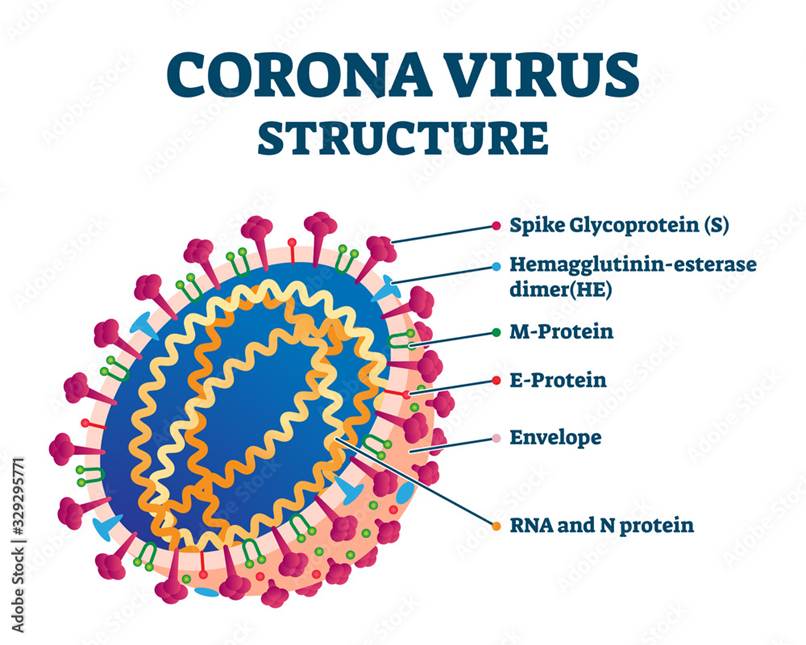
Figure 2: The structure of the coronavirus
The RNA genome of SARS-CoV-2 has 29891 nucleotides that encode 9860 amino acids. Most of the viral RNA is found in the first open reading frame (ORF) (Sapkota, 2025). ORF is the length of genetic material where the DNA is transcribed into RNA and translated to form a protein. Please see Figure 3. The ribosome that operates in producing proteins is able to translate by adding an amino acid, the building blocks of proteins, until it reaches a stop codon that does not code for an amino acid (Shchelochkov, 2025). A codon is three nucleotides that encode a particular amino acid. There are 64 different codons: 61 specify amino acids and 3 are used as stop codons (Shchelochkov, 2025)
COVID-19 has 12 functional ORFs. The ORF of the COVID-19 genome translates two polyproteins, pp1a and pp1ab. It encodes for 16 non-structural proteins (NSP): NSP3 papain-like protease (PLpro), NSP5 protease (Mpro), RNA-dependent RNA polymerase (NSP12), and helicase (NSP13). Non-structural proteins PLpro and Mpro split the viral polyprotein (Marzi et al., 2022). Mpro functions in polyprotein processes whilst other NSP partake in the transcription and replication of the virus. The other 11 functional ORFs encode structural proteins, for instance, protein E, M, S, and E, and accessory proteins that interfere with the immune response (Sapkota, 2025).

Figure 3: The Open Reading Frame
Recombinant is the appearance of a new variant when there are two or more existing variants (Hello Care, 2025). Genomic sequencing analysis helps to identify the COVID-19 variants. Spike mutations are on the surface that allow infections via ACE2 receptors. It has spike mutations at position 445 to increase affinity towards the receptor. Other mutations are T22N, F595, G1845, A435S, V445H, and T478I. Mutations at 435 decrease the potency of antibodies that fight off infection. Mutations at 478 decrease the chances of class 1 or 2 antibodies (Hello Care, 2025).
The most recent COVID-19 variant, NB.1.8.1, is under monitoring (VUM) and is descended from JN.1, a sublineage of the Omicron variant that originates from recombinant XDV lineage. It was first detected in January 2025, a subvariant of the Omicron variant descending from recombinant XDV lineage. Please see Figure 4.
However, according to the World Health Organisation, in the week ending on 13th July 2025, NB.1.8.1 accounted for 29% of all submitted sequences and remained stable since 15th June 2025. The most prevalent variant, XFG, accounted for 49% of all submitted sequences in the week ending on 13 July 2025. This is a substantial increase from 26% in the week ending on 15 June 2025 and is particularly prevalent in America, Europe, and the Western Pacific (World Health Organisation, n.d).
Current evidence indicates neither XFG nor NB.1.8.1 is a public health risk in contrast to other circulating SARS-CoV-2 variants (World Health Organisation (n.d.). They are under VUM alongside XEC, KP.3.1.1. and KP.3. The variant of interest is JN.1 (World Health Organisation (n.d.).
The WHO Technical Advisory Group on COVID-19 Vaccine Composition (TAG-CO-VAC) continues to monitor and review the impact of SARS-CoV-2 evolution on the performance of available vaccines. In May 2024, monovalent vaccines targeting JN.1 or KP.2 remain appropriate and LP.8.1.

Figure 4 The formation of COVID-19 variants
What are the signs and symptoms?
Coronaviruses are passed between animals and humans. It can also be transmitted via hand contact on the shopping carts, elevators, and other areas. Therefore, hand washing practice is important. People with heart disease, asthma, lung diseases, diabetes, low immunity, the elderly, and young children are at risk of getting the virus. The European Food Safety Authority (2020) has informed that the virus cannot spread through food, but contaminated food (has germs and is not clean). This can then make us feel unwell.
The main symptoms of the COVID-19 pandemic are hyperthermia (high temperature), where heat is felt in the chest or back area, with shivering. This is fever. Continuous dry cough that lasts more than an hour and several coughing episodes (three or more) within 24 hours. Lack of sensation to smell or taste. Please see Figure 5. Less common are dyspnoea (shortness of breath), lethargy (tiredness) (National Health Service, 2023; World Health Organisation, 2023). Such symptoms overlap with colds and influenza. These symptoms wear off within several weeks, but for other patients, a longer recovery period is required. However, ongoing symptoms could be related to a more serious issue and are investigated by initially contacting their G.P. (National Health Service, 2023).
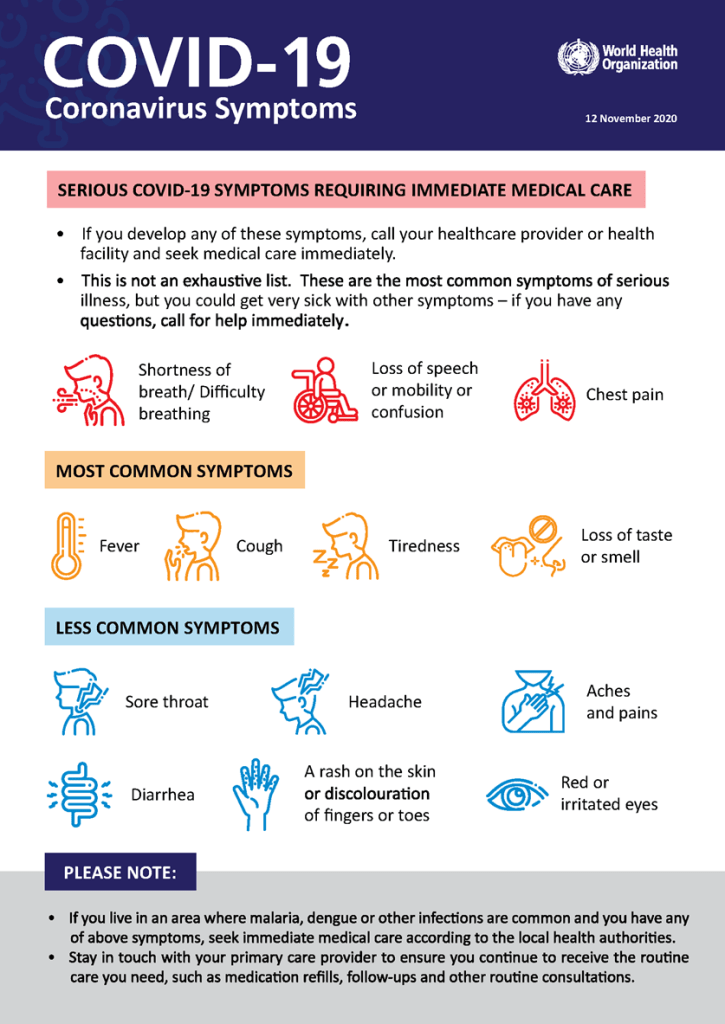
Figure 5 World Health Organisation, 2023
After experiencing symptoms, it is advised to do a COVID-19 rapid lateral flow test. On the other hand, most people do not need to take the test if they have apparent symptoms.
Department of Health and Social Care: Introduction to Rapid Lateral Flow Testing
If the patient has tested positive and is under 18, during the symptomatic period, the National Health Service advises staying at home and limiting social contact for three days after taking the post-lateral flow test or if the person does not feel well or has a high temperature (National Health Service, 2023; World Health Organization, 2023)
If the patient has tested positive and is above 18, they must stay at home for 5 days after taking the post-lateral flow test (National Health Service, 2023; World Health Organization, 2023). Patients who are immunocompromised (low immune system) or have an infection need to stay at home for 10 days after taking the post-lateral flow test (National Health Service, 2023; World Health Organization, 2023).
How To Prevent COVID-19
National Health Service: How was the COVID-19 vaccine made, and how do you know it is safe?
Management of COVID-19, organised by the National Health Service, Public Health England, and the World Health Organisation, includes respiratory disease programmes, availability of information resources, maintaining the healthcare system capacities with efficient clinical pathways to support access to diagnosis and treatment in patients with COVID-19 and post-COVID-19, especially those in high-risk groups. To empower the public and people working in the health and social sector with evidence-based guidance and policy. Routine public health measures for COVID-19 surveillance and response systems, such as eGISRS and Coronavirus Network (CoViNet), and monitoring viruses via TAG-CO-VAC.
Upon assessment for treatment, the healthcare professional will advise the treatment most suitable for the patient. Patients who are at high risk, have COVID-19 symptoms, or a positive test for COVID-19, must contact their G.P., NHS 111, or a hospital specialist at their earliest convenience (National Health Service, 2023).
It is important to note that infections caused by viruses should not be confused with those caused by bacteria. Inhibition of bacterial growth or their complete eradication can be achieved by completing a course of antibiotics. However, symptoms caused by viruses can lessen with Paracetamol or Ibuprofen, but should not be overly used (UK Government, 2020). Vaccines, on the other hand, modulate the immune system to protect the body from the virus. The three main approved vaccines are presented in Table 1.
The uptake of the COVID-19 vaccine among the high-risk population is low and indicates disparities across regions and income. 1.68% of older adults had a dose in 2024 across 75 WHO member states. There is a total of 194 member states of the WHO based on regional distribution. Most uptake of the COVID-19 vaccine was from America and Europe compared to other regions. Simultaneous results were found when comparing income level. Higher uptake in people of higher(4.3%) and upper middle class (1.2%), in contrast to 0.5 % in low middle income and low income countries.
According to the latest WHO global risk assessment, there is a decline in the effect of COVID-19 between 2023 and 2024 in comparison to 2020 to 2023. Amongst the reasons are population immunity through infection, vaccination, or a combination of both factors. Another reason for this transition is the similarity between JN.1 sublineages and other sublineages. The drastic improvement in accessibility to diagnostic tests like lateral flow, scans, and care management has improved (World Health Organisation, 2025).
On the contrary, full vaccination does not stop a patient from contracting COVID-19. One can still have COVID-19 even if they do not present any symptoms or if they have previously had the virus.
Other preventative measures
1. Quarantine
During isolation or quarantine, the National Health Service (2023) advised resting and drinking lots of water.
If breathlessness occurs, please see Figure 6 try these techniques.
- One should relax and not panic.
- Please sit upright in a chair, breathe slowly through the nose and then out through the mouth with lips close together.
- Try turning the heat down or opening the window.
- Please lean forward slightly by placing your hands down on your knees or something stable, like a chair, to help with breathing.
- Do not use the fan to cool the room, as it can spread the virus (National Health Service, 2023).

Figure 6 A woman is breathing through air.
If coughing is experienced as presented in Figure 7:
Please try having a teaspoon of honey; do not give honey to babies under 12 months.
Do not lie on your back if you have a cough; lie on your side or sit upright instead.
Cover your mouth and nose with a bent elbow or tissue when you cough or sneeze. Dispose of used tissues immediately and clean your hands regularly with alcohol-based hand rub or soap and water (National Health Service, 2023).
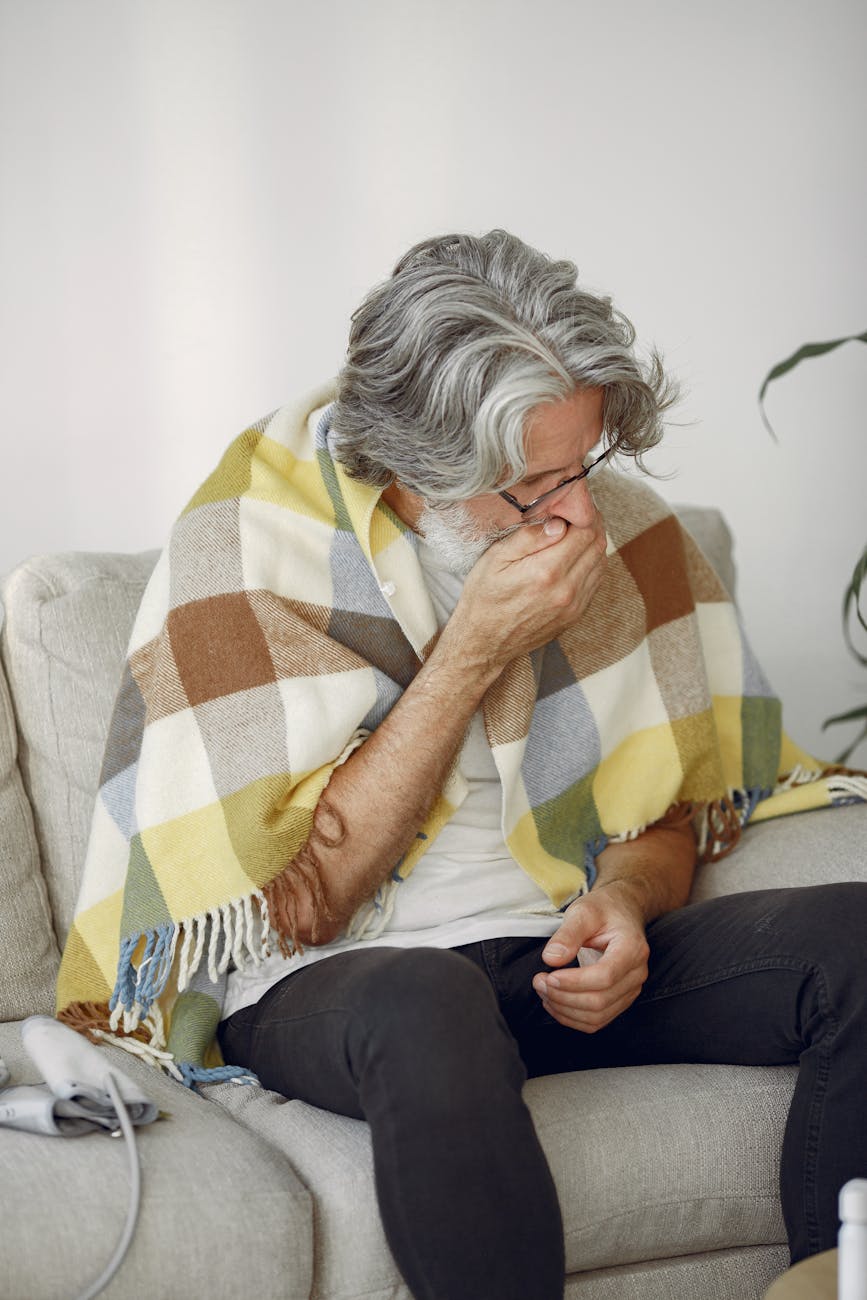
Figure 7: A person coughing and method he does to prevent coughing and COVID-19 spread.
If experiencing aches or discomfort:
Please take paracetamol or ibuprofen (National Health Service, 2023).
Please keep rapid lateral flow tests at home.
If the test is positive, call your GP surgery, NHS 111, or hospital specialist. An example of the test results is presented in Figure 8.
If the test result is negative, but one still has symptoms of COVID-19, please attempt to do a total of 3 rapid lateral flow tests over 3 days.

Figure 8: An example of a test result.
2. The Use Of A Mask
The mask aims to protect contact with COVID-19 virus. There are a range of masks for differential purposes. Please see Figure 9.
- Please ensure your hands are clean before placing the mask on, before and after use, or if touching it at any time.
- Please wear a mask that is appropriately fitted if physical distancing is not possible or you are in a poorly ventilated area.
- Please ensure your mask covers the nose, mouth, and chin.
- Please dispose of the mask in a clean plastic bag regularly if it is made of fabric, or dispose of it if it is a medical mask.
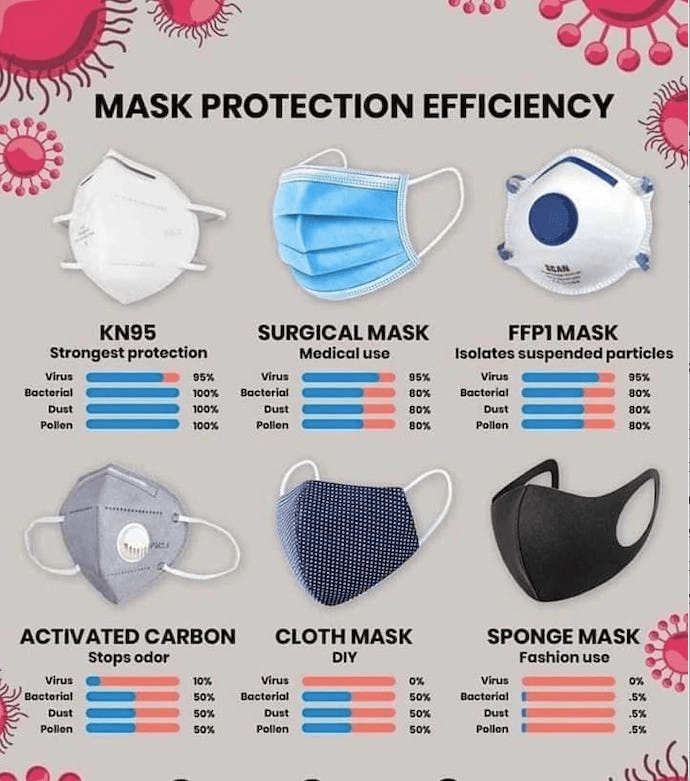
Figure 9: Types of masks
3.Types Of Social Places
When considering places, please avoid the 3Cs.
Spaces that are Closed. Crowded. Close contact.
The NHS advised meeting outdoor rather than indoor spaces.
In crowded places, open windows for ventilation and avoid wearing masks without valves.
Please avoid close contact with someone who breathes, speaks, coughs, or sneezes, as viruses can be transmitted by these small droplets. Please see Figure 10.
Please do not touch surfaces, then contact your eyes, nose, or mouth.
Please keep a physical distance of at least 1 metre from others, even if they do not appear unwell.
To get vaccinated and follow NHS guidance on vaccination.
(World Health Organisation, 2023)
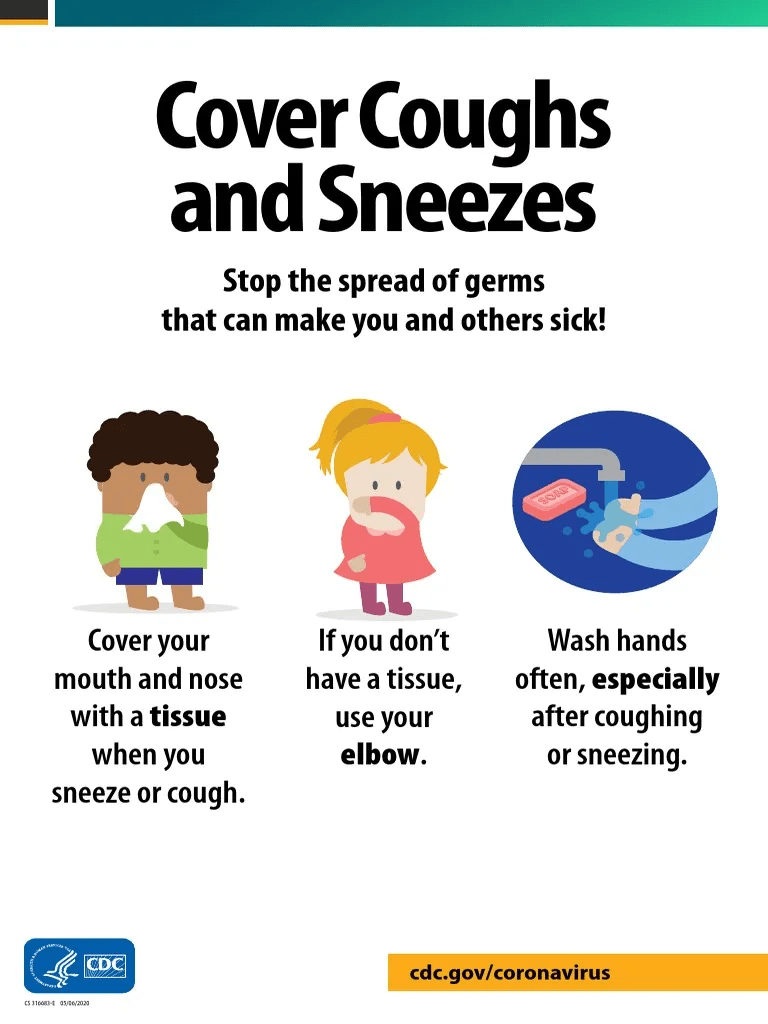
Figure 10: Key tips to do indoors and outdoors.
4. Diet
To some, herbal and natural medicine is not a good strategy for treatment. However, in evidence-based medicine, many herbs and natural foods contain chemicals that lower symptoms. A combination of conventional and natural therapy is essential to manage symptoms and the curative technique.
Having a balanced diet is essential for overall health and well-being. Fruits, vegetables, spices and herbs have antioxidant and anti-inflammatory properties. Antioxidants help protect our bodies from chemicals that can harm us if their levels are high. Inflammation is how our body reacts to infection, making us feel unwell.
Among the advice provided by the World Health Organisation, National Health Service, and other health authorities, to:
Drinking lots of water
Water helps the blood to transport nutrients around the body to keep us healthy. It also helps to maintain our temperature and remove waste we do not need (World Health Organisation, 2020). It also helps to produce lymph, a fluid that carries immune cells (UC Health, 2025). Therefore, it is advised to drink at least 8 cups of water a day.
There are alternative drinks if the patient does not wish to drink water. For example, fruits and vegetables that contain water, such as the following:
- Lemon juice (diluted in water and unsweetened)
- Cucumbers
- Watermelon
- Celery
(UC Health, 2025)
Please see Figure 11.

Figure 11: Fruits that have high water content

Smoothies
Smooth drinks with fresh fruits or vegetables, are also beneficial. Here are some to try:
Smoothie one
One apple, one tomato (remove the seeds), and one orange blended with 2 cups of water.
Smoothie two
One celery with one apple and 2 cups of water.
Hot Beverages
Please take care with caffeine when drinking tea and coffee.
Green tea has lots of health advantages. It has antioxidants that boost the immune system. It also contains amino acids that help produce compounds in T cells, lowering inflammation and fighting infection.
Matcha Powder hot or cold tea is useful.
(UC Health, 2025; World Health Organisation, 2020)


Sugary Drinks
Sugary drinks to avoid (World Health Organisation, 2020):
- Fizzy drinks
- Sweetened fruit juices
- Syrups
- Still drinks
- Fruit juice concentrates
Eating Fruits And Vegetables
It has been advised to try to eat two cups of fruit (4 servings) and 2.5 cups of vegetables (5 servings).
Eating fruits with high vitamin C content can help produce white blood cells to fight infection (Martineau et al. 2017). Examples of fruits are: citrus (oranges, Tangerines, grapefruits) and kiwi fruits.
Moreover, despite their health benefits, some of the citrus fruits, such as grapefruit and pineapple, are not good to have with medications, as they can stop or affect how they work.
Similarly, having high potassium can cause your heart to stop working properly.
Green vegetables have vitamins C and A, especially broccoli, kale, peppers, and spinach.
Carrots, apricots, squash, cantaloupe, and sweet potato have Vitamin A to help with inflammation and respond to toxins (UC Health, 2020).

Figure 12: A wide range of fruits and vegetables

Garlic
Garlic contains a natural chemical called allicin to help fight infection and boost T cells, release less stress hormones to boost the immune system (UC Health, 2020; World Health Organisation, 2020).
Practical recipes 1
- Grind one clove of garlic with fresh ginger.
- Add a tablespoon of lemon./lime
- Stir the mixture and have it once in the morning.

Preparation Of Fruits and Vegetables
Preparation of fruits and vegetables may also influence the outcome. It is advised to:
- Keep fresh food away from cooked food.
- Wash fruits and vegetables with one tablespoon of salt in a bowl of water, or you can add a small teaspoon of vinegar before use.
- Heat food to around 70 degrees
- Do not overcook, as it will remove or damage vital vitamins.
- Consume raw vegetables and fresh fruits.
- Limit food that has high sugar, salt, and fat.
- Canned vegetables and fruits are good to eat, but choose varieties without added sugar or salt.
Poultry And Fish
Poultry like chicken and turkey have vitamin B6 needed to produce healthy red blood cells and maintain the lymphatic system. Fish like salmon, tuna, and pulses of chickpeas also have vitamin B6 (UC Health, 2020; World Health Organisation, 2020). Please see Figure 13.
It is advised to consume 160 g of meat and beans. Red meat can be eaten once (1) or twice (2) weekly, whilst poultry should be eaten more often, twice (2) or thrice (3) per week (World Health Organisation, 2020).

Figure 13: Examples of Poultry
To select white meat and fish as they are low in fat in comparison to red meat.
To avoid consuming processed meat as they have high fat and salt content (World Health Organisation, 2020).
When cooking meat and poultry, use unsaturated fats, for instance, olive oil, sunflower oil, and corn oil in comparison to saturated fats, for example, coconut oil, butter, ghee, and lard. Please see Figure 14.
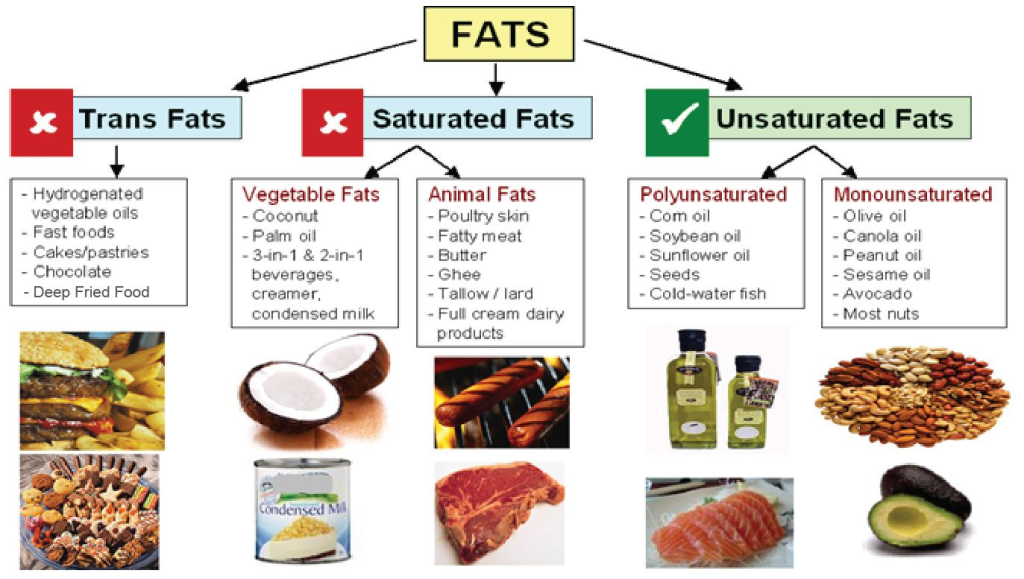
Figure 14: Types Of Fats
Pulses

Figure 15: Health benefits of a range of pulses
Have you tried Bisara
Bisara is a North African dish that is both healthy and enjoyable to have with your family. It is made with Fava beans; however, other countries use other types of beans.
1) 1 and a half or 2 cups of split Fava beans in warm water overnight.
2) The following day, remove the water, add the fava beans to a pot with around 3 and a half or 4 cups of water, and let it boil under low temperature for up to an hour.
3) Stir it, then add 1 red onion (chopped small), 3 or 4 chopped cloves of garlic, 1 teaspoon cumin powder, and half a teaspoon of salt.
4) You will find a paste similar to Tahina has been made. Add the Bisara to a bowl and decorate with one tablespoon of virgin olive oil and ground cumin.
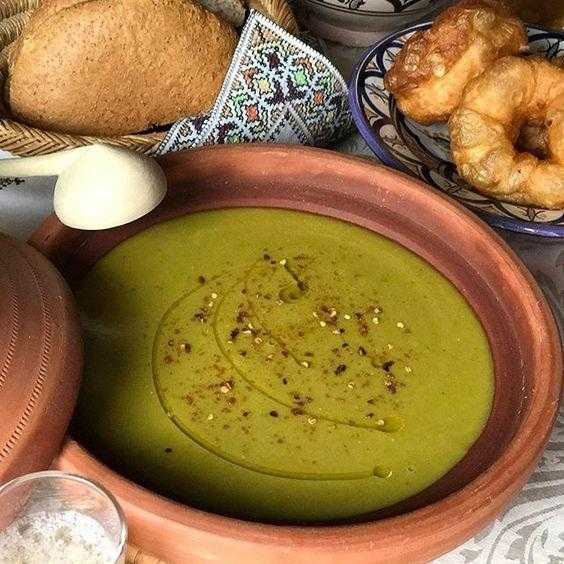
Figure 16: A dish of Bisara
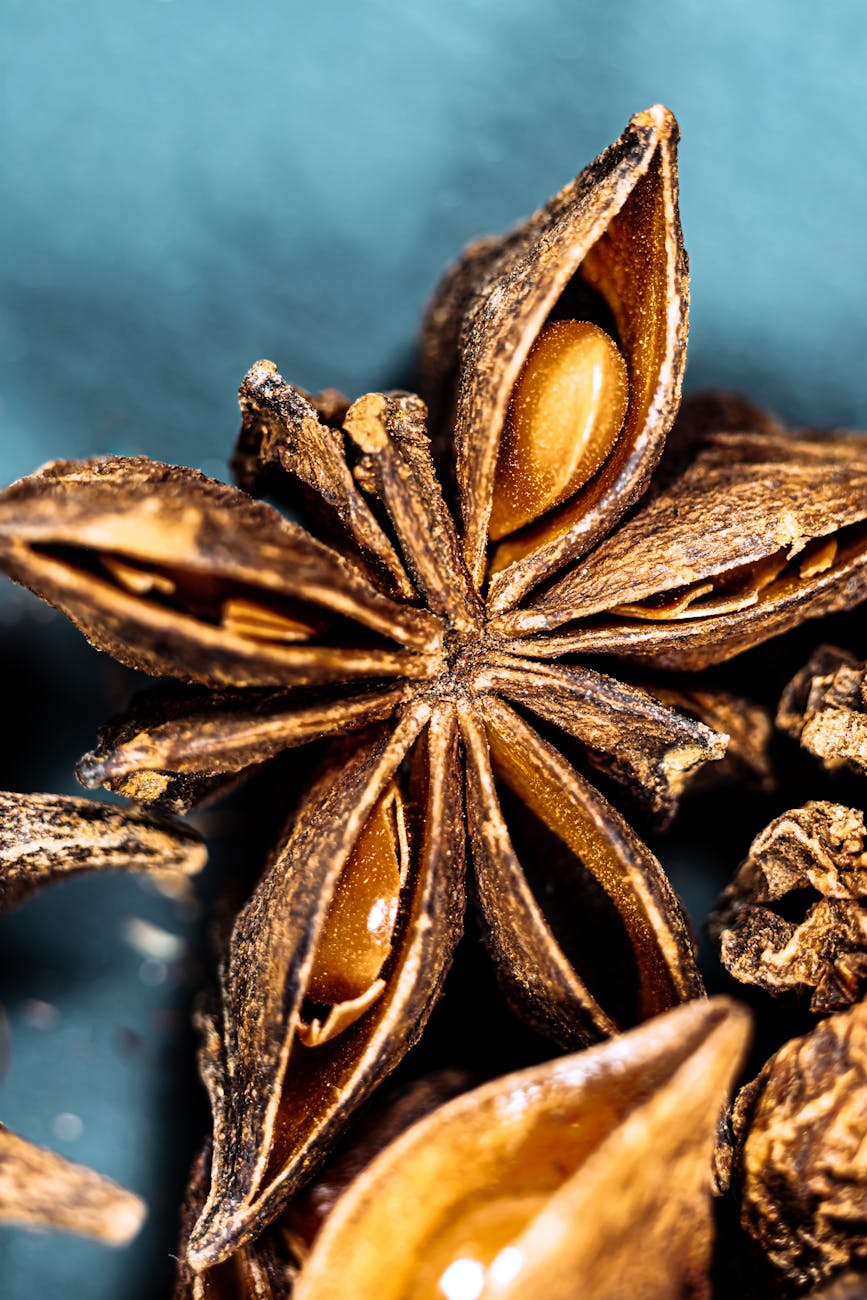
Spices: Aniseed
Aniseed stars can be added to rice or curry, whereas as a seed, it can be used as a remedy as follows:
1.)One tablespoon of Thyme (clean) with one tablespoon of aniseeds can be ground together.
2) Take one teaspoon in the morning, followed by a cup of warm water.
You can also boil the water and add aniseed to it. This can be followed by straining it and can be drunk cold or hot once a day.
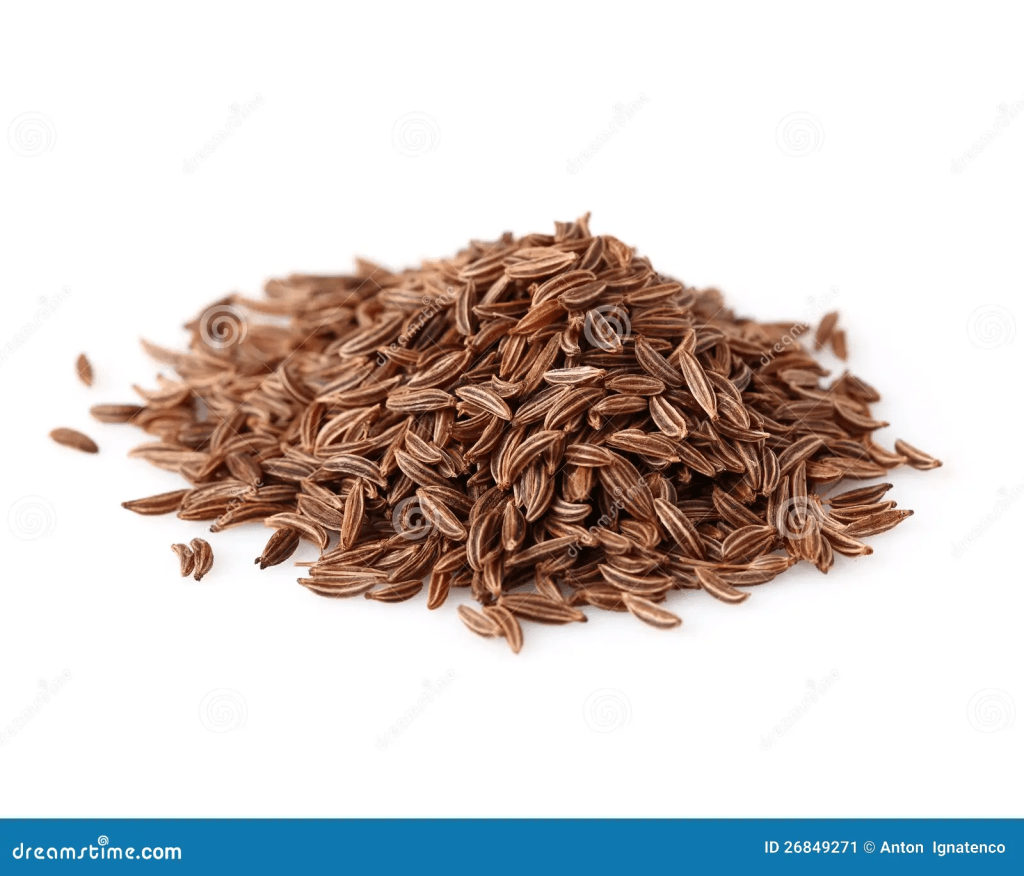
Spices: Cumin Seeds and Thyme
Add warm water to half a tablespoon of cumin seeds or Thyme, strain it, and drink it. Pictured is cumin seeds.
Spices: Cardomom
Add 2 cardamoms with 2 cloves to boiling water in a pan. Breathe the scent a few times in the morning and evening.

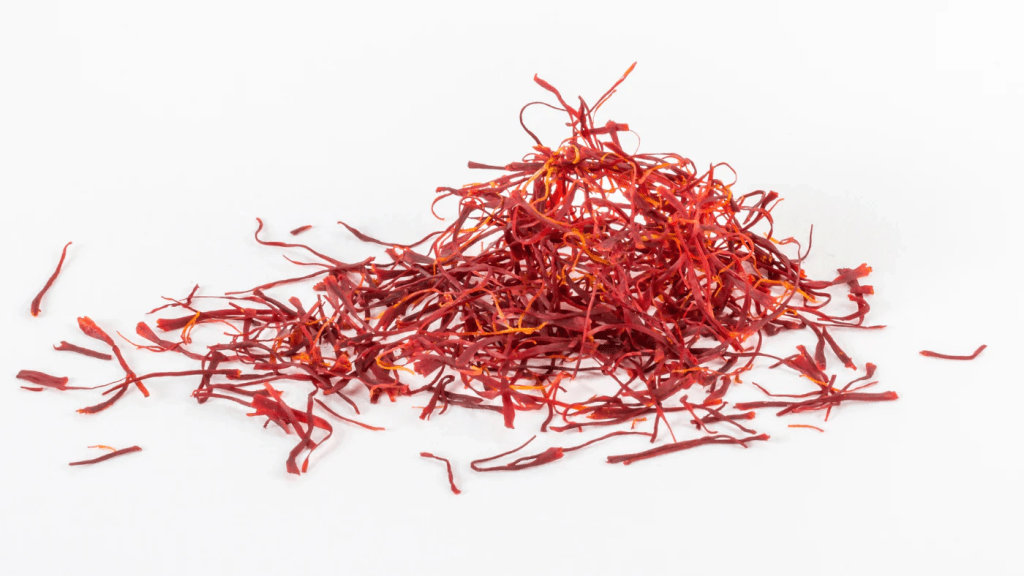
Saffron
Add a few saffron threads to hot water, strain, and drink it.

Tumeric
Add a half a teaspoon of tumeric with the other half being honey.

Fenugreek Seeds
It is beneficial as oil for chest massage or as a seed where you can add it to dates.
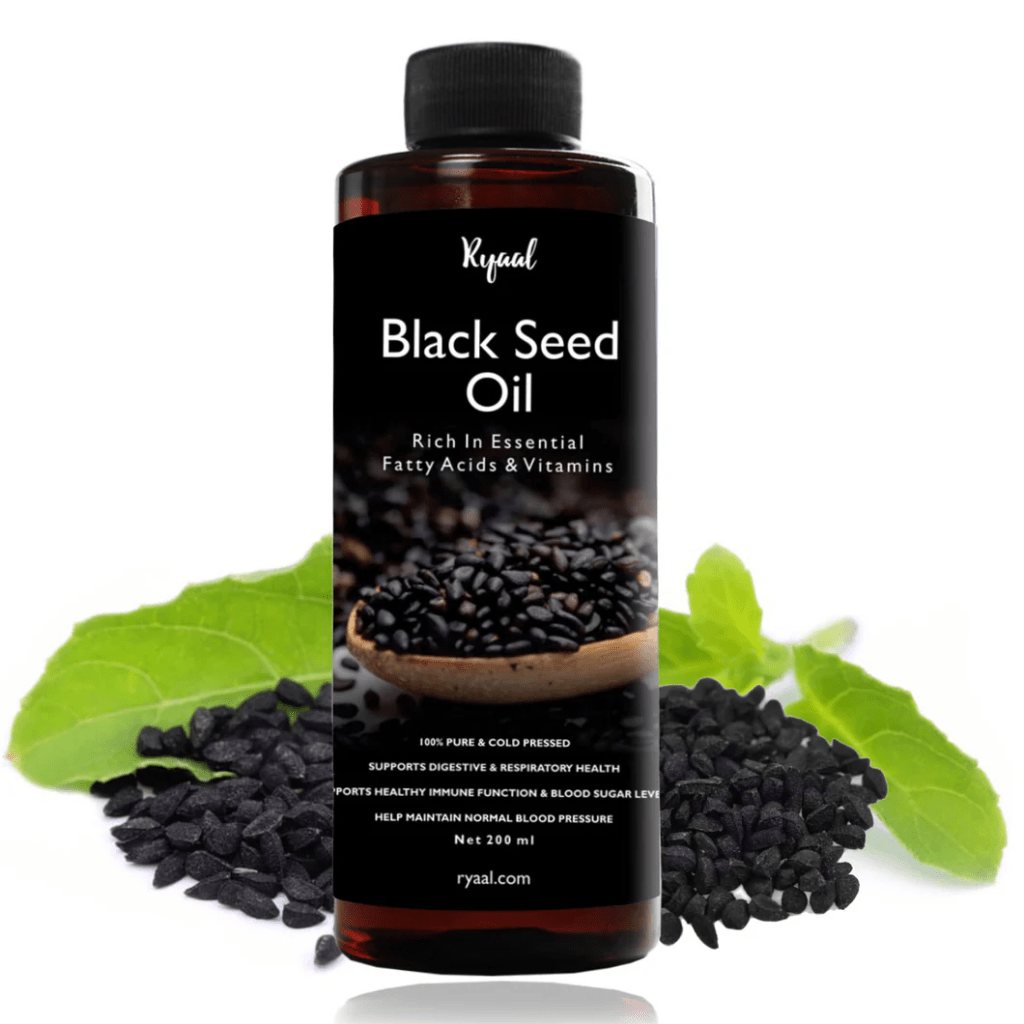
Black Seed (Nigella Sativa)
For centuries, black seeds have been known for their healing abilities; however, many are still unaware of how to use them.
As a seed, you can add half a teaspoon to a date and eat it in the morning.
Black seeds can also be added if you are making homemade bread.
Another tip is to add half a teaspoon with honey and have it in the morning, and once before you go to sleep.
Black seed oil
This is equally beneficial, where you can massage your chest with it, or you can add a little oil below your nose and above your lips.
You can also have one teaspoon in the morning.
Black seed oil can also be added as a dressing to a salad.
Cereals And Grains
Quinoa
One cup of quinoa to 1 and a half cups of water to boil until cooked.
It can be prepared in various ways, where instead of rice, you can add it to vegetable curry or chicken curry.
It can also be added to salad and soup.
As a dessert, you can add one teaspoon of cinnamon powder with sultanas to a bowl of quinoa like cereal meal (World Health Organisation, 2023).
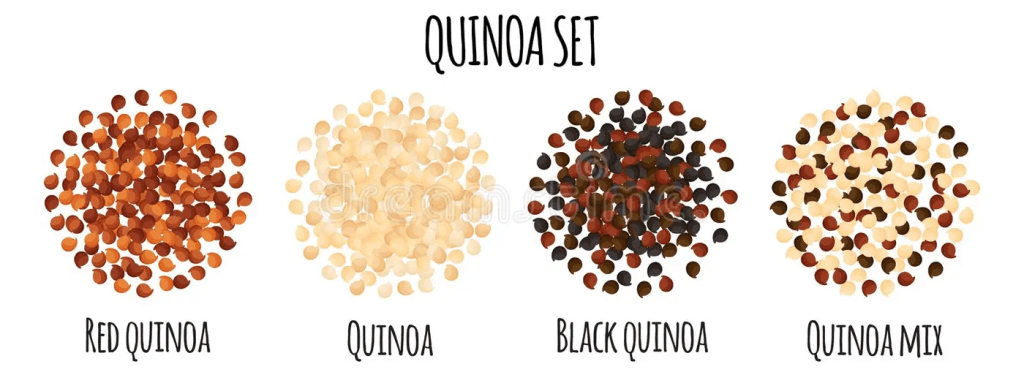
Figure 17: Types of Quinoa

Dates
Dates are a great source of vitamins and minerals, for instance, magnesium. This is not only beneficial to have in Ramadan but every day.
4. Herbal Medicine
Herbal medicine is extracted from main natural plants. Most herbs are safe to use at the right concentration. It is a complex topic, but many researchers and the public alike have begun to observe its health advantages. Further clinical trial studies are needed to understand its natural chemicals and to manufacture new treatments.
Researchers discovered chloroquine phosphate, a chemical that is structurally an analogue of quinine, can be extracted from the bark of chinchona trees – please see Figure 19 and 20. Clinical studies have shown it can alleviate symptoms for most COVID-19 patients (Nature Plants, 2020).
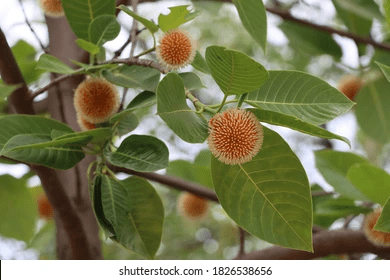
Figure 19: A closer view of the Chinchona Trees

Figure 20: Chinchona View (Far view)
Another chemical, diammonium glycyrrhizinate, is an extract of liquorice roots. Please see Figure 21. It is known for its use in coughs and colds. Researchers have recently revealed how its anti-inflammatory role is enhanced when conjugated with Vitamin C as a COVID-19 therapy (Nature Plants, 2020).

Keeping Up To Date With The Latest On COVID-19 By World Health Organisation
https://www.who.int/health-topics/coronavirus#tab=tab_1
Question and Answer
https://www.who.int/news-room/questions-and-answers/item/coronavirus-disease-covid-19

References
European Food Safety Authority (2020) Coronavirus: no evidence that food is a source or transmission route. Available at: http://www.efsa.europa.eu/en/news/coronavirus-no-evidence-food-source-or-transmission-route (Accessed: 14th April 2020)
European Medicines Agency (n.d.) Annex I Summary Of Product Characteristics. Available at: https://www.ema.europa.eu/en/documents/product-information/xevudy-epar-product-information_en.pdf (Accessed: 4th August 2025)
Hello Care (2025) There’s a new COVID variant driving up infections. What to know about NB.1.8.1. Available at: https://hellocare.com.au/theres-a-new-covid-variant-driving-up-infections-what-to-know-about-nb-1-8-1/ (Accessed: 4th August 2025)
Maas, B.M., Strizki, J., Miller, R.R., Kumar, S., Brown, M., Johnson, M.G., Cheng, M., De Anda, C., Rizk, M.L. and Stone, J.A. (2024). Molnupiravir: Mechanism of action, clinical, and translational science. Clinical and Translational Science, 17(2). doi:https://doi.org/10.1111/cts.13732.
Martineau, A., Jolliffe, D., Hooper, R., Greenberg, L., Aloia, J., Bergman, P., Dubnov-Raz, G., Esposito, S., Ganmaa, D., Ginde, A., Goodall, E., Grant, C., Griffiths, C., Janssens, W., Laaksi, I., Manaseki-Holland, S., Mauger, D., Murdoch, D., Neale, R., Rees, J., Simpson, S., Stelmach, I., Kumar, G., Urashima, M. and Camargo, C., (2017) Vitamin D supplementation to prevent acute respiratory tract infections: systematic review and meta-analysis of individual participant data. BMJ, p.i6583.
Marzi, M., Vakil, M.K., Bahmanyar, M. and Zarenezhad, E. (2022). Paxlovid: Mechanism of Action, Synthesis, and In Silico Study. BioMed Research International, 2022(7341493), pp.1–16. doi:https://doi.org/10.1155/2022/7341493.
National Health Service (2023) COVID-19 symptoms and what to do. Available at: https://www.nhs.uk/conditions/covid-19/covid-19-symptoms-and-what-to-do/ (Accessed: 3rd August 2025)
National Health Service (2023) Treatments for COVID-19 Available at: https://www.nhs.uk/conditions/covid-19/treatments-for-covid-19/ (Accessed: 3rd August 2025)
Nature Plants (2020) Redeploying plant defences. Nature Plants, 6(3), pp.177-177.
Sapkota, A. (2025) SARS-CoV-2 Structure & Genome: Key Proteins & RNA Features. Available at: https://microbenotes.com/structure-and-genome-of-sars-cov-2/ (Accessed: 4th August 2025)
Shchelochkov, O. (2025) Open Reading Frame Available at: https://www.genome.gov/genetics-glossary/Open-Reading-Frame (Accessed: 5th August 2025)
UC Health (2020) You Are What You Eat: Choose Foods that Boost Immunity and Fight Infection Available at: https://www.uchealth.com/en/media-room/covid-19/boost-immunity-with-food (Accessed: 4th August 2025)
UK Government (2020) Commission on Human Medicines advice on ibuprofen and coronavirus (COVID-19) Available: https://www.gov.uk/government/news/commission-on-human-medicines-advice-on-ibuprofen-and-coronavirus-covid-19 (Accessed: 14th April 2020)
United Nations (2023) WHO chief declares end to COVID-19 as a global health emergency. Available at: https://news.un.org/en/story/2023/05/1136367 3rd August 2025 (Accessed: 5th August 2025)
World Health Organisation (2020) Nutrition advice for adults during the COVID-19 outbreak Available at: http://www.emro.who.int/nutrition/nutrition-infocus/nutrition-advice-for-adults-during-the-covid-19-outbreak.html (Accessed: 14th April 2020)
World Health Organisation (2023) Advice for the public: Coronavirus disease (COVID-19) https://www.who.int/emergencies/diseases/novel-coronavirus-2019/advice-for-public (Accessed: 5th August 2025)
World Health Organisation (2025) COVID-19 – Global Situation https://www.who.int/emergencies/disease-outbreak-news/item/2025-DON572 (Accessed: 3rd August 2025)
World Health Organisation (n.d.) WHO COVID-19 dashboard Available at: https://data.who.int/dashboards/covid19/summary (Acccessed: 3rd August 2025)
 The Farah Saeed Project
Leave a comment