What is a learning disability?
A learning disability is defined as a form of intellectual disability where there is a deterrent in how social and adaptive one can be. They commonly have an IQ of less than 70.
What is SEND?
Special Educational Needs and Disabilities (SEND) refers to children and young people who are in need of additional support in order to succeed with their physical, communication, emotional, mental health, and social needs.
How many people have a learning disability worldwide?
1-3% of the world population.
How many people with learning disabilities are in the UK?
Some sources indicate 1.5 million people.
According to the UK Government, there are more than 1.7 million pupils in England who have SEND. This is a 5.6% increase (93700) compared to 2024. Some of the students have an education, health, and care (EHC) plan, which increased to 5.3% compared to 4.8% in 2024. This is especially common with those with autism spectrum disorder (ASD), speech, language, and communication needs. The number of students who have no EHC plan has increased to 14.2% compared to 13.6% in 2024.
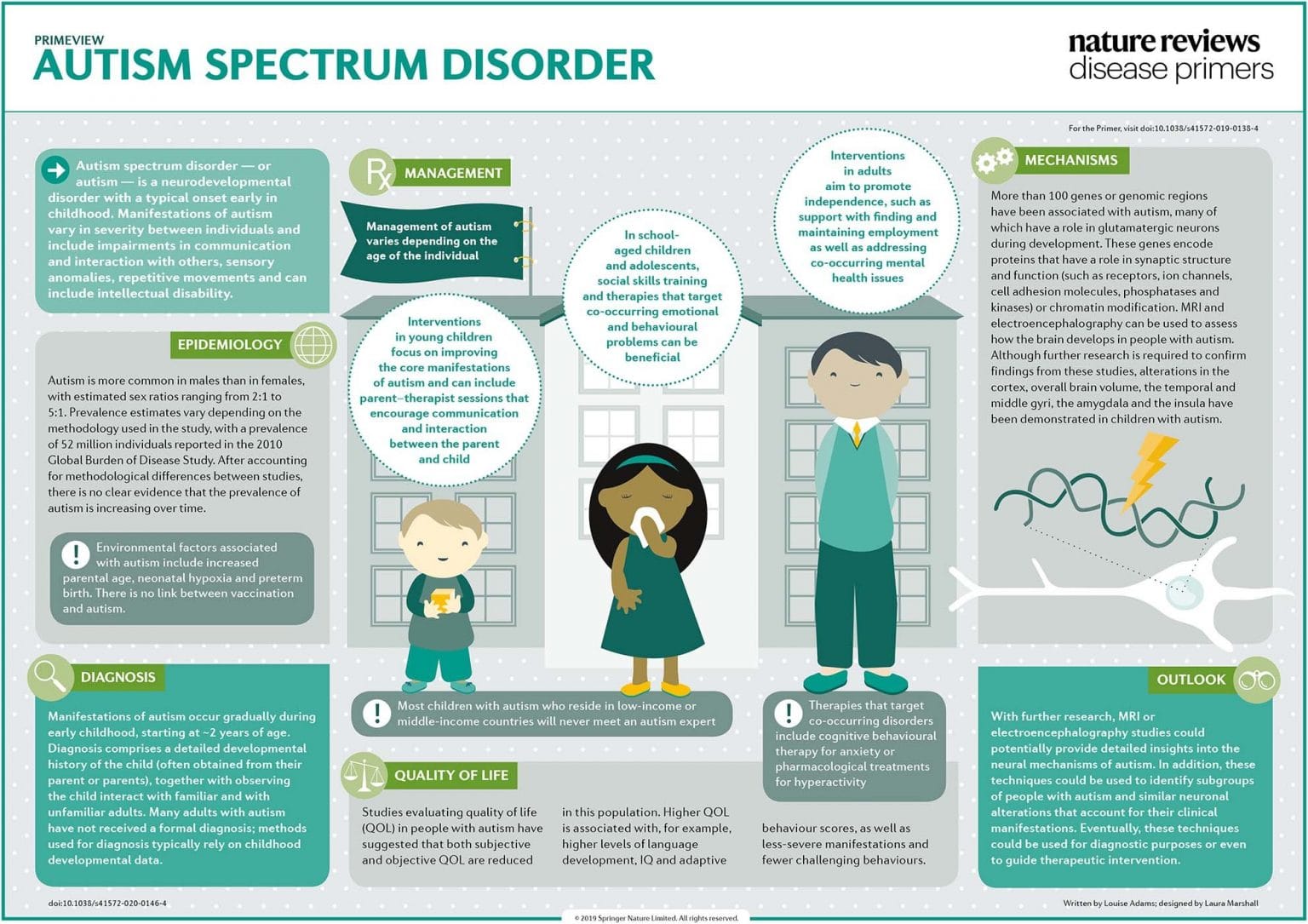
Autism spectrum disorder (ASD) is a neurodevelopmental disorder that mainly affects children and rarely adults. There approximately 1.1% of the UK’s adult population is diagnosed. 80% face difficulties in getting a diagnosis, and many adults have yet to receive a formal diagnosis.
Why Is Learning Disability Relevant To Cancer?
Did you know that adults die 19-23 years earlier from cancer, and 42% of deaths can be prevented?
Moreover, approximately 4000 children and young people are diagnosed with Cancer annually. 80% require treatment, particularly radiotherapy and chemotherapy. There are 15 most common cancers. The most common cancer in children is the brain. The impact of treatment can affect their cognitive development, which is related to thinking, memory, understanding, and processing. This may appear within 12 hours after the first treatment.
Therefore, how many of those patients may also have SEND?
Every cancer patient must have an Educational Health and Care Plan (EHCP) to help identify the additional support they need, particularly when it is diagnosed late with symptoms impacting their education.
Kennedy et al. (2026) have performed a comprehensive study with their team on the connection between learning disability and cancer.
What limitations did Kennedy et al. (2026) find in cancer patients with learning disabilities that lead to poor health outcomes?
- Communication difficulties
- Lack of reasonable adjustments in a clinical environment
- Misdiagnoses or Late diagnosis
- 45% of deceased adult cancer patients with learning disabilities were diagnosed at stage 4.
- More patients with learning disabilities had a minimum of one urgent suspected cancer referral.
- There was a greater proportion of individuals with an LD (n = 6851 [3.8%]) who had at least one urgent suspected cancer referral compared to those without referral (99,807 [2.9%].
- Urgent suspected cancer referrals are evaluated within two weeks with red flags by their GP to a specialist.
- Cancer patients with learning disabilities had less urgent suspected cancer referrals to be evaluated within 28 days of a new red flag symptom if no referral occurred in the past 12 months, and among those diagnosed with cancer within a year before diagnosis.
- Cancer patients with moderate or severe learning disability or Down syndrome had a lower incidence of getting a referral than cancer patients without a learning disability.
- More diagnoses were detected outside the urgent suspected cancer referral pathways. This led to a poor prognosis and fewer available treatments.
- Cancer patients with learning disability received treatment within six months (n = 1243 [66.5%]), and there were fewer compared to those without learning disability (27,609 [79.7%]). This led to shorter overall survival.
- The number of people treated decreased with the severity of their learning disability.
- Cancer patients with Down syndrome were less likely to receive treatment within six months.
This is common in most cancer types.
- Cancer patients with Down syndrome were less likely to receive treatment within six months.
- Clinicians give less intensive/palliative care to increase survival in patients with learning disabilities.
- Less attendance in screening programmes, particularly for breast, bowel, and prostate cancers, compared to the general population.
- Prostate cancer screening requires patient request and referral rather than invitation.
- Bowel screening uptake: 50.3% (learning disability) vs 66.8% (general population)
- Breast screening uptake: 47.2% (learning disability) vs 61.9% (general population)
- Other possible reasons are a lack of information concerning cancer screening, diagnosis, or cause-specific mortality.
- Screening tests may also be less effective.
A third of women with learning disabilities have adequate cervical smears. Three-quarters do not. - Lack of research performed.
- Many have a small sample size or a lack of representation. Limited studies explored diagnostic pathways with learning disabilities.
- Lack of staff training.
- Inflexible appointment systems
What cancers are common in patients with learning disabilities reported by Kennedy et al. (2026)?
Brain cancers, especially those with neurofibromatosis gene mutations.
Sarcoma (soft tissue tumours).
Gastrointestinal tumours (digestive system) – this is common in patients who are also obese/overweight.
Testicles (male reproductive system).
Gynaecological (female reproductive system) – this is common in patients who are also obese/overweight.
Unknown primary tumours.
Endocrine (glands that produce hormones).
Haematological cancers (blood cancers).
The least common cancers are prostate, breast, and skin cancers, which may be possibly associated with lower risk or perhaps underdiagnosis. Another possible explanation is their lower attendance in screening programmes. However, they had a fourfold increased risk of death after cancer diagnosis in cancer patients with a learning disability.
What were the inverse relationships reported by Kennedy et al. (2026)?
Low tobacco and alcohol use in patients with learning disabilities is inversely linked with lung and head and neck cancer.
Learning disability is inversely linked with cervical (female reproductive system) and oropharyngeal cancer (mouth/throat), but is highly linked to human papillomavirus (HPV). Further studies are needed to associate the link between HPV and learning disabilities.
What is next?
The NHS Long Term Plan, NICE guidance, and the Learning from Lives and Deaths (LeDeR) programme aim to tackle the health inequalities and inequities in patients with learning disabilities to help overcome delayed diagnosis, limited treatment access, and poor prognosis.
More research is needed to assess how GPs conduct relevant investigation especially infections or hospitalisations.
The high rates of cancers with unknown primary may be implicated by consent and decision-making.
Additional adjustments for learning disabilities are needed to ensure each stage of the cancer pathway flows effectively, from screening to treatment and follow-up.
The EHCP plan should be applied to ensure support for special educational needs can help improve the well-being of cancer patients with learning disabilities.
References
August, K. (2019) Written Evidence. Available at: https://committees.parliament.uk/writtenevidence/100668/html/ (Accessed: 23rd February 2026)
Kennedy, O.J., Chauhan, U., Gorman, L., Lorigan, P., Merriel, S., Van Staa, T., Wright, A. and Ashcroft, D.M. (2026) Cancer diagnoses, referrals, and survival in people with a learning disability in the UK: a population-based, matched cohort study. The Lancet Regional Health 60, pp. 101519
National Institute Of Health, Care and Excellence (2025) How common is it?. Available at: https://cks.nice.org.uk/topics/autism-in-adults/background-information/prevalence/(Accessed: 23rd February 2026)
UK Government (2025) Special educational needs in England Available at: https://explore-education-statistics.service.gov.uk/find-statistics/special-educational-needs-in-england/2024-25 (Accessed: 23rd February 2026)
 The Farah Saeed Project
Leave a comment