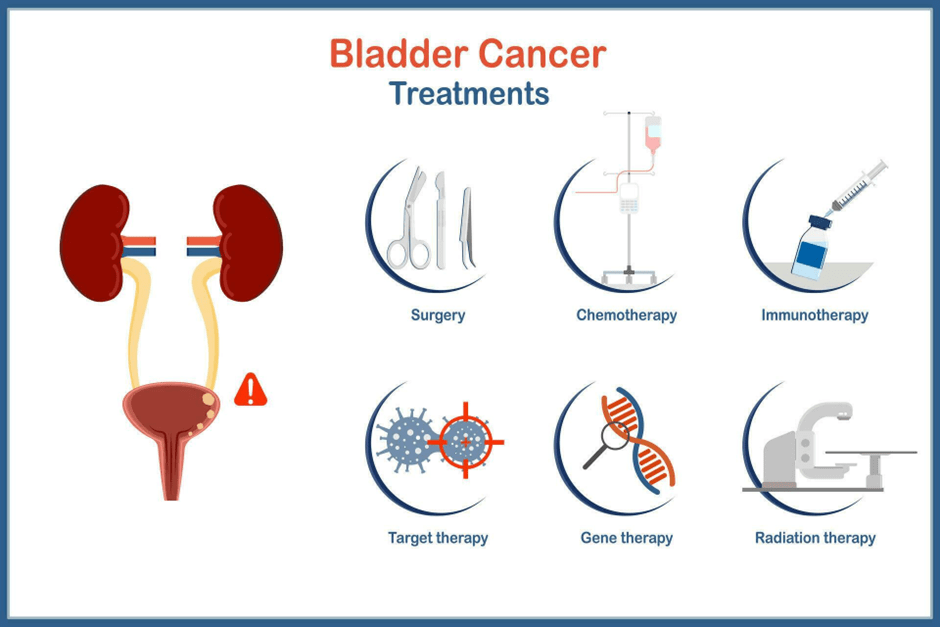
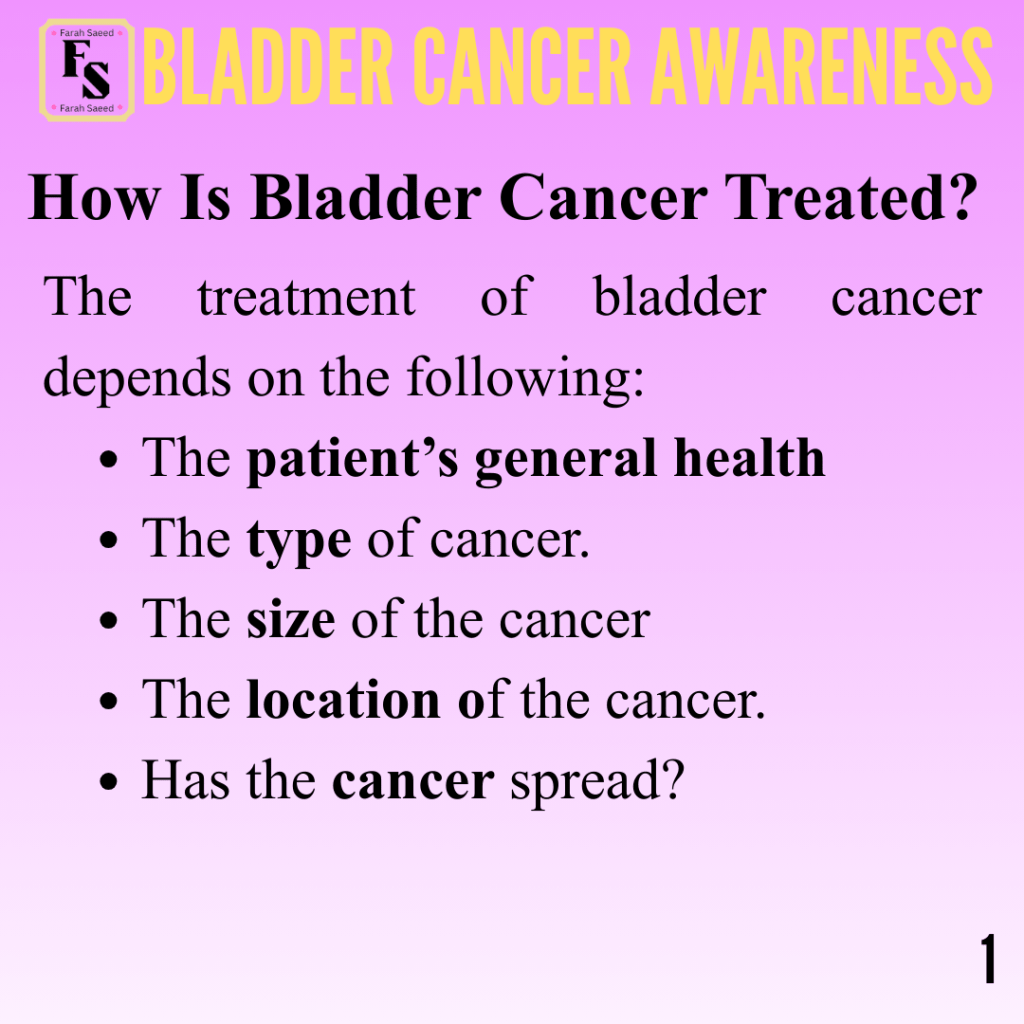
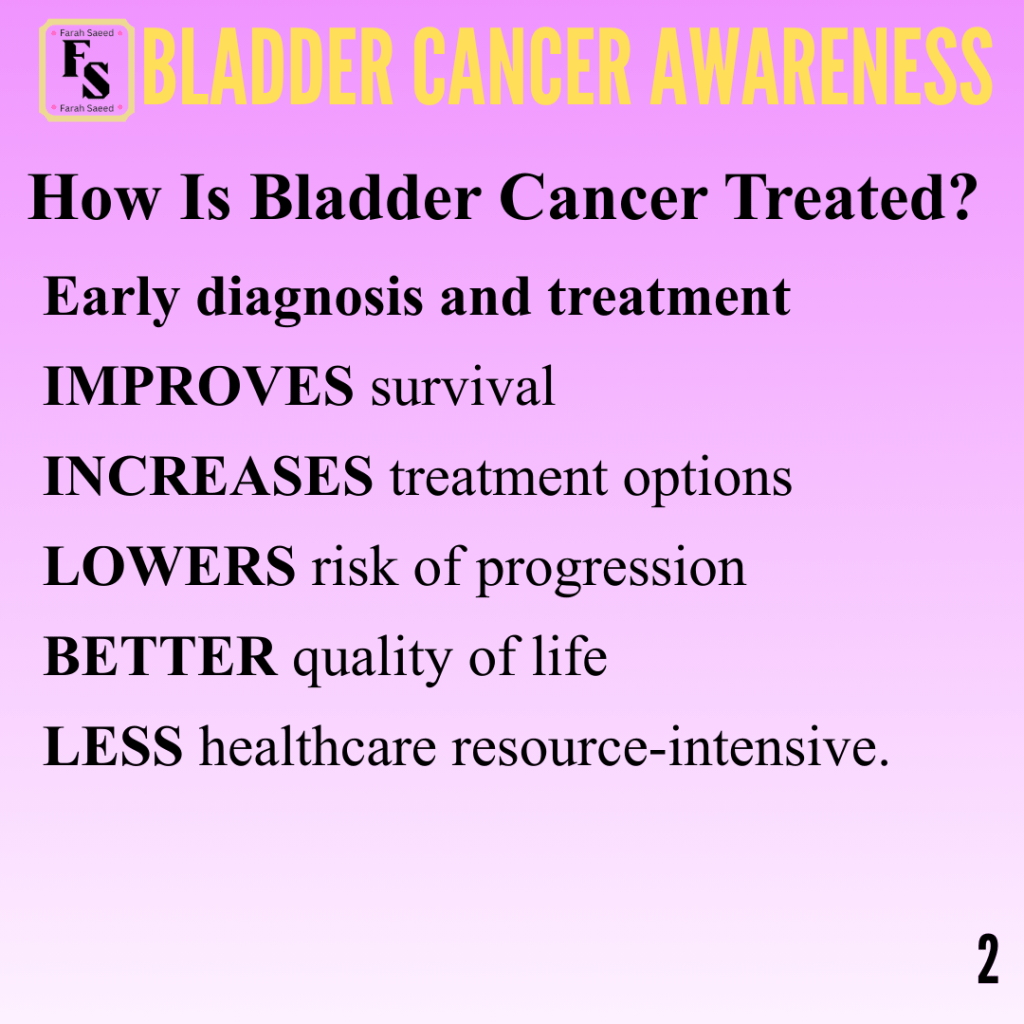
How Is Bladder Cancer Treated and Prevented?
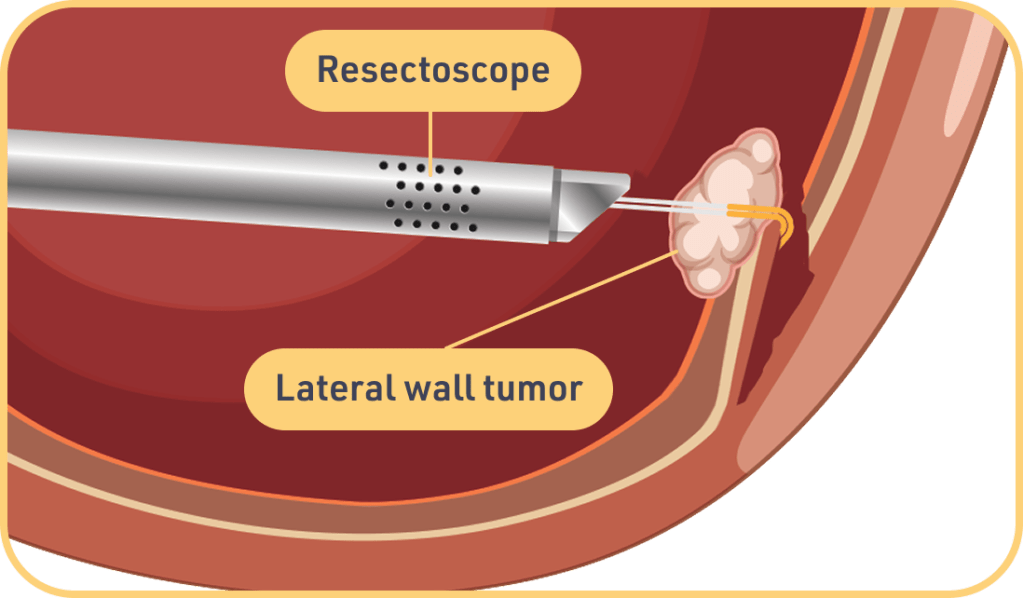
European Association of Urology: TURBT
Cancer Research UK: TURBT overview
NHS Guidelines For Treatment
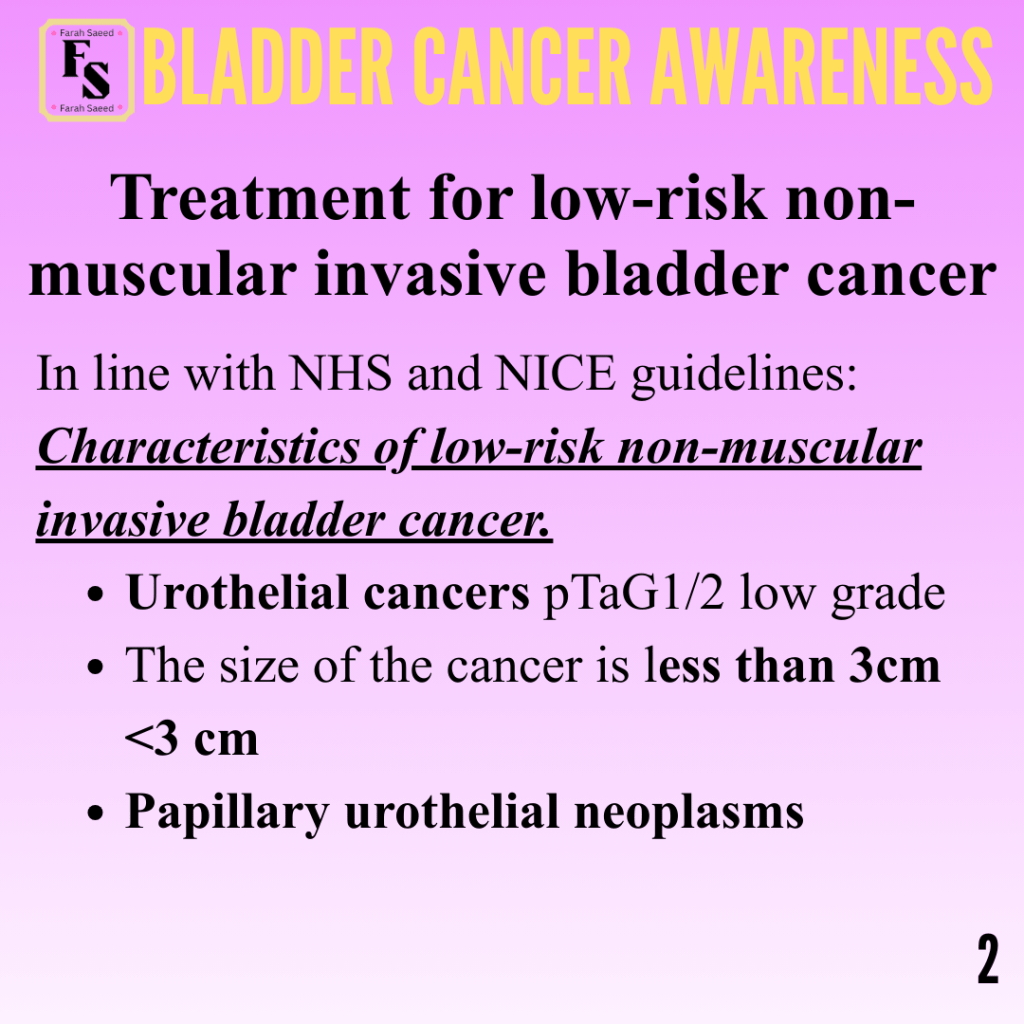
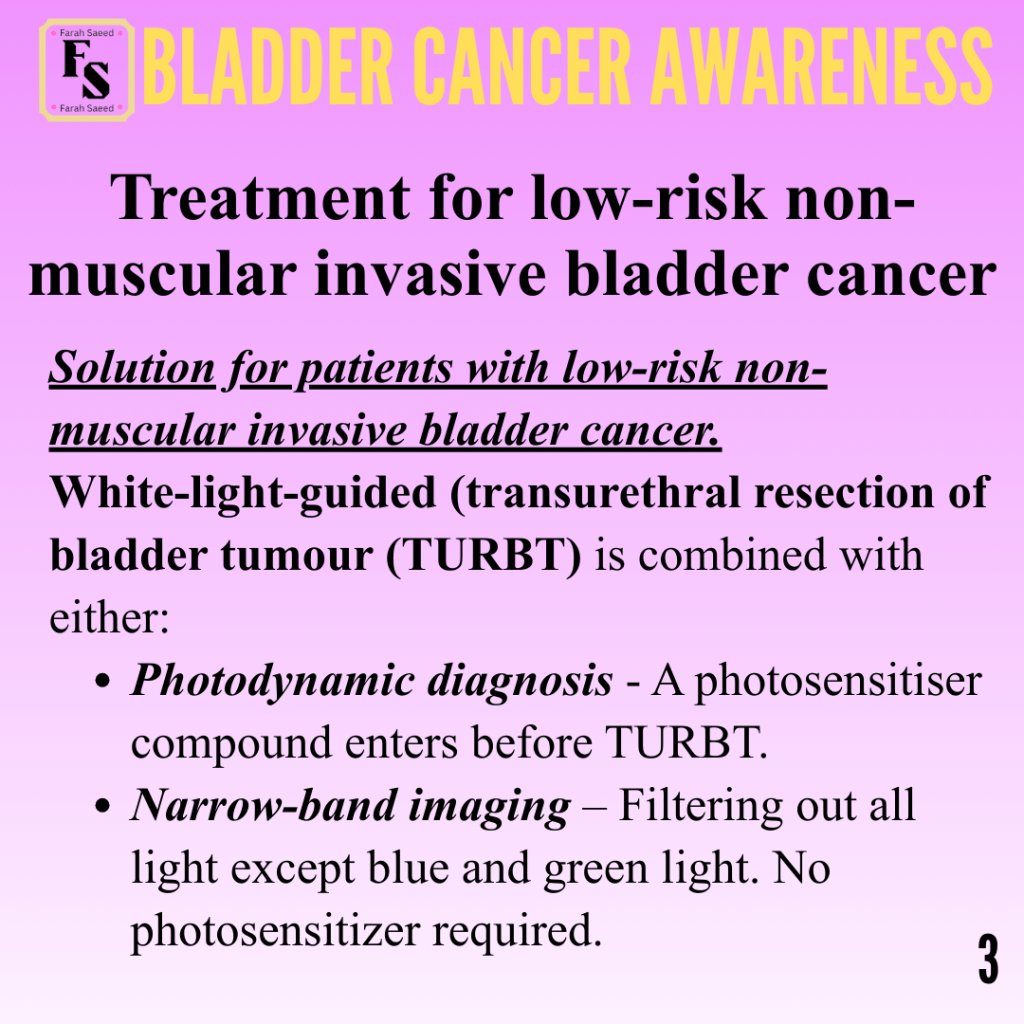
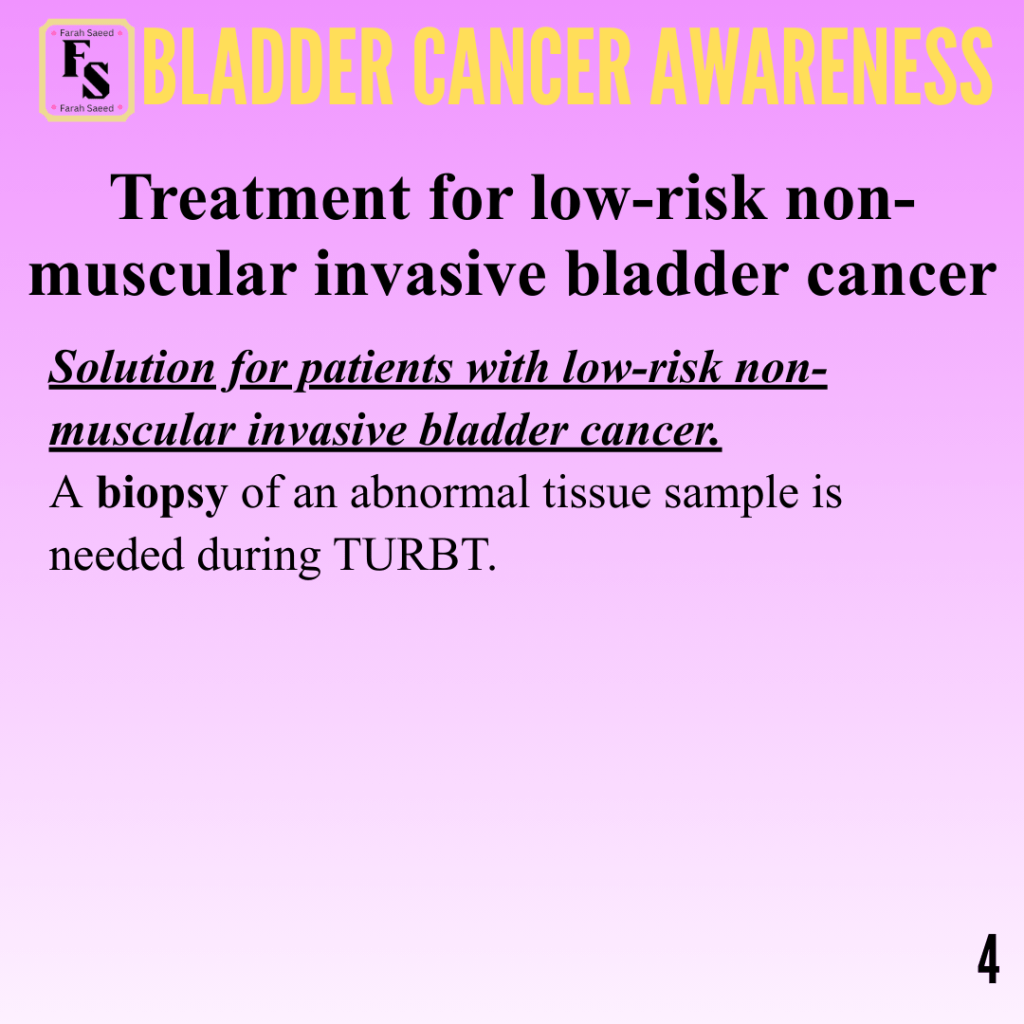
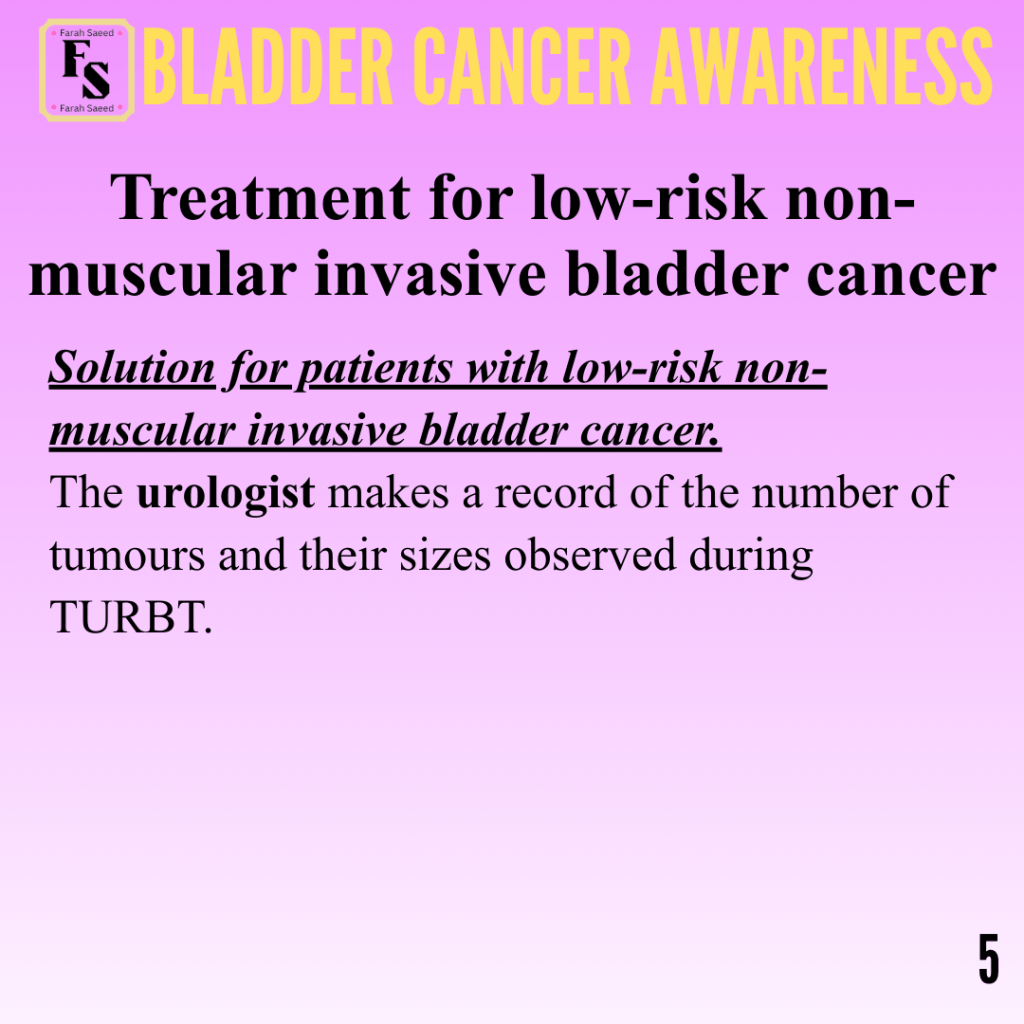
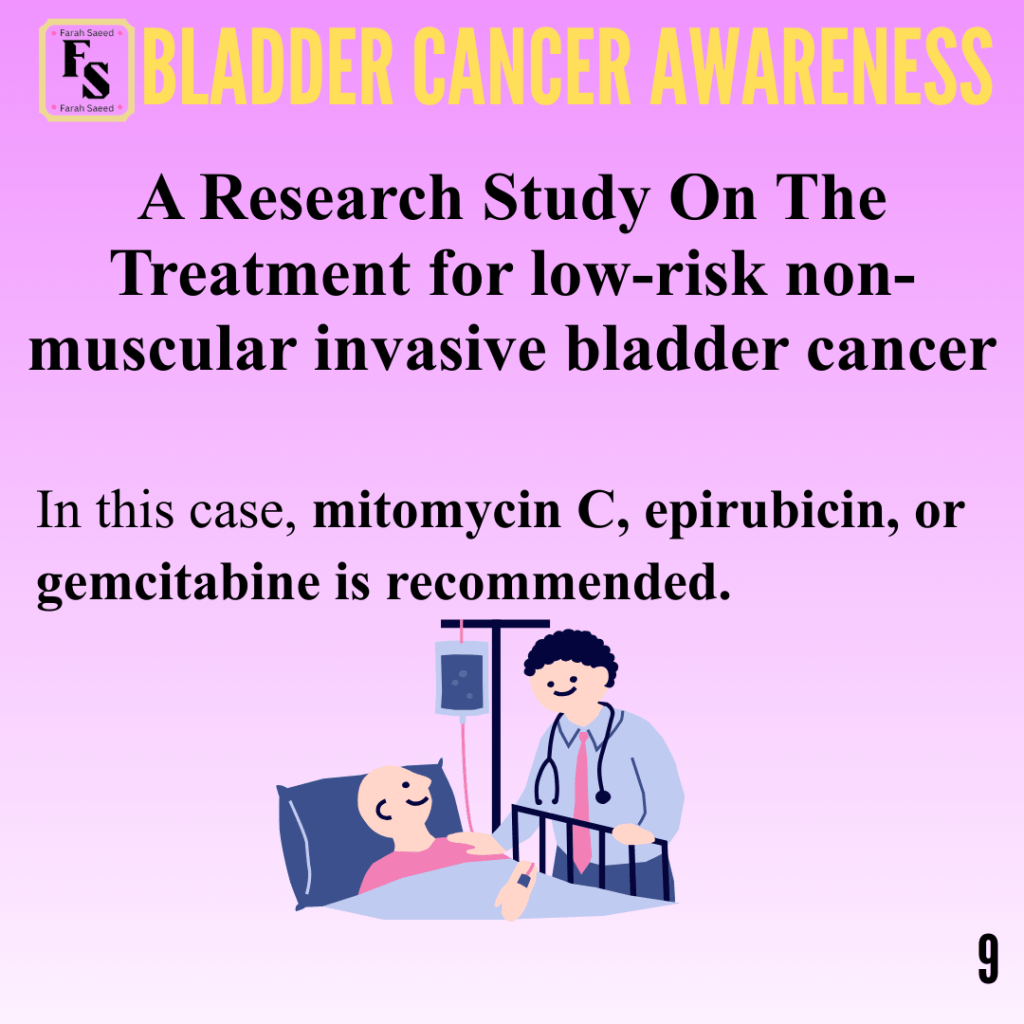
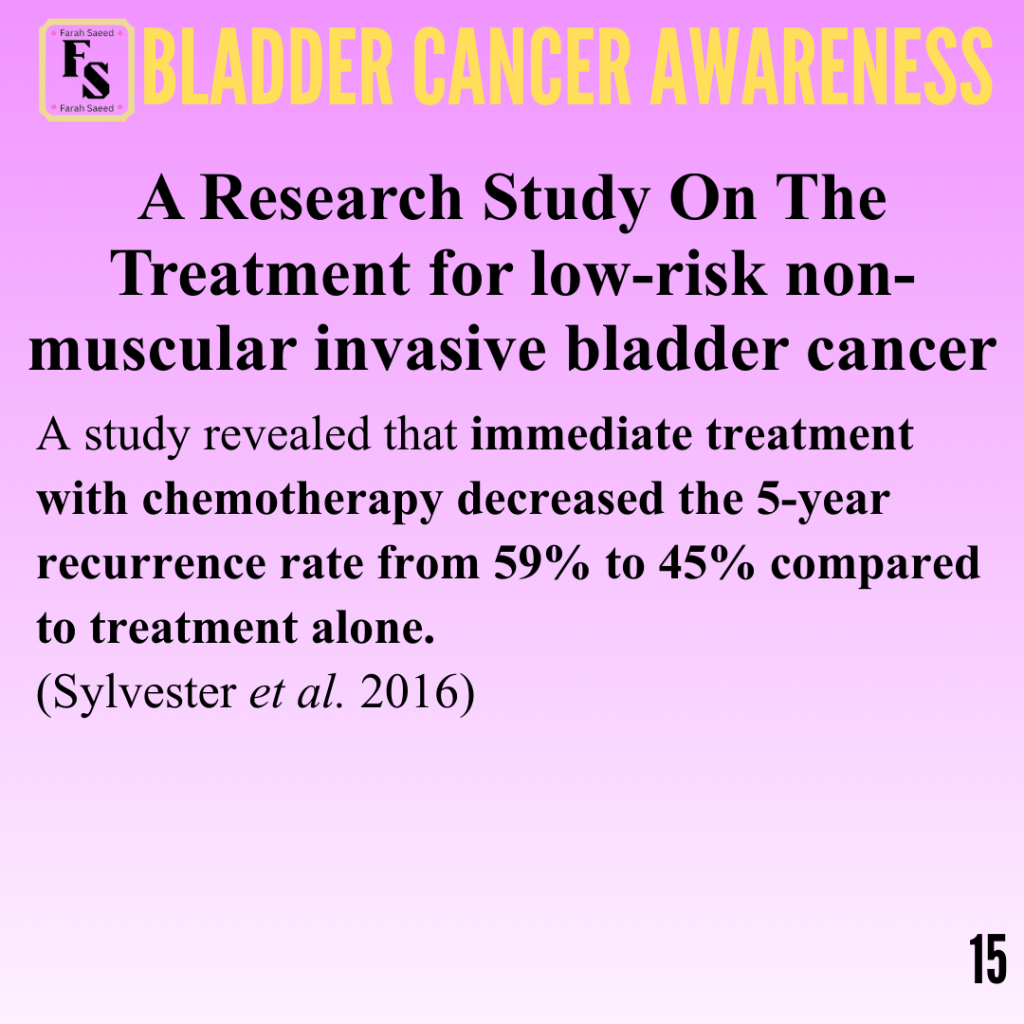
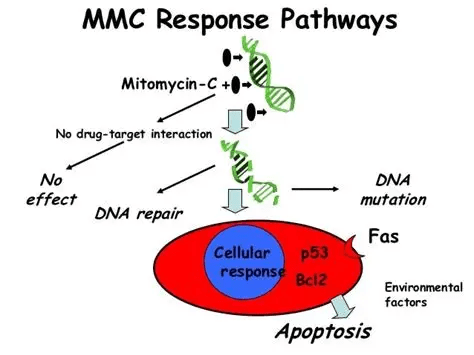
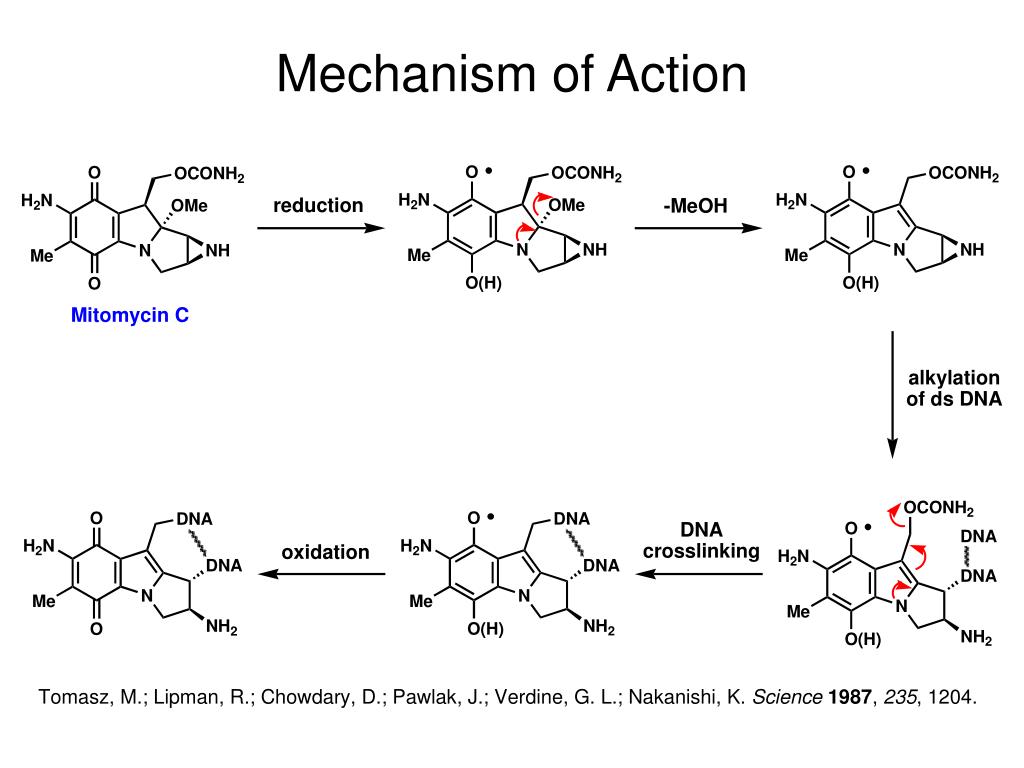
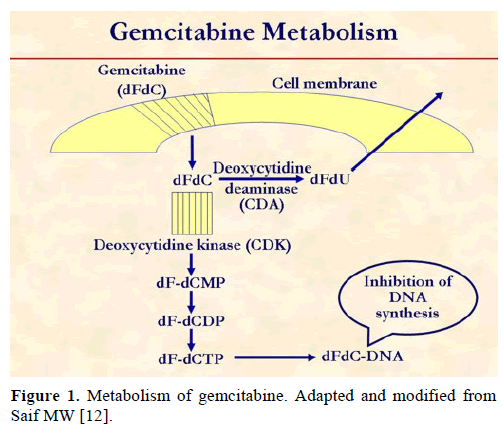
Treatment for low-risk non-muscular invasive bladder cancer

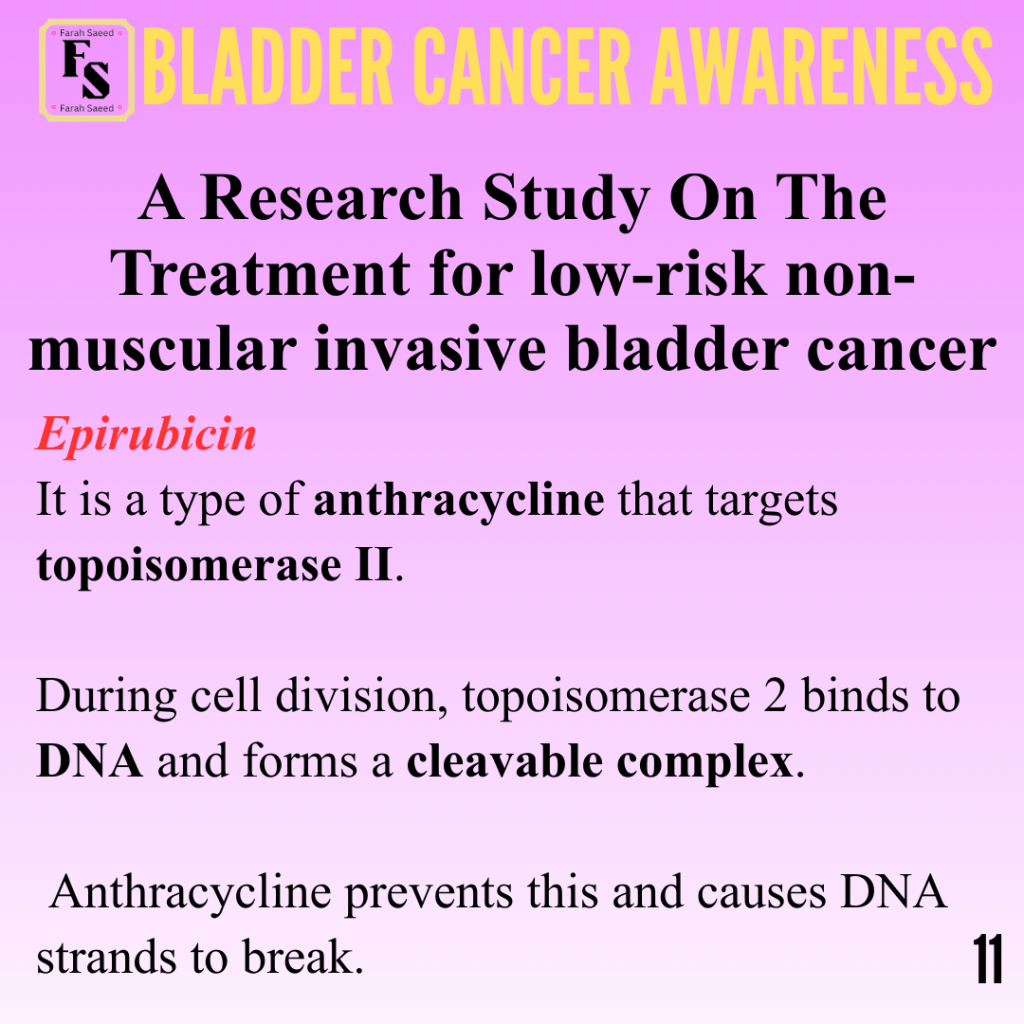
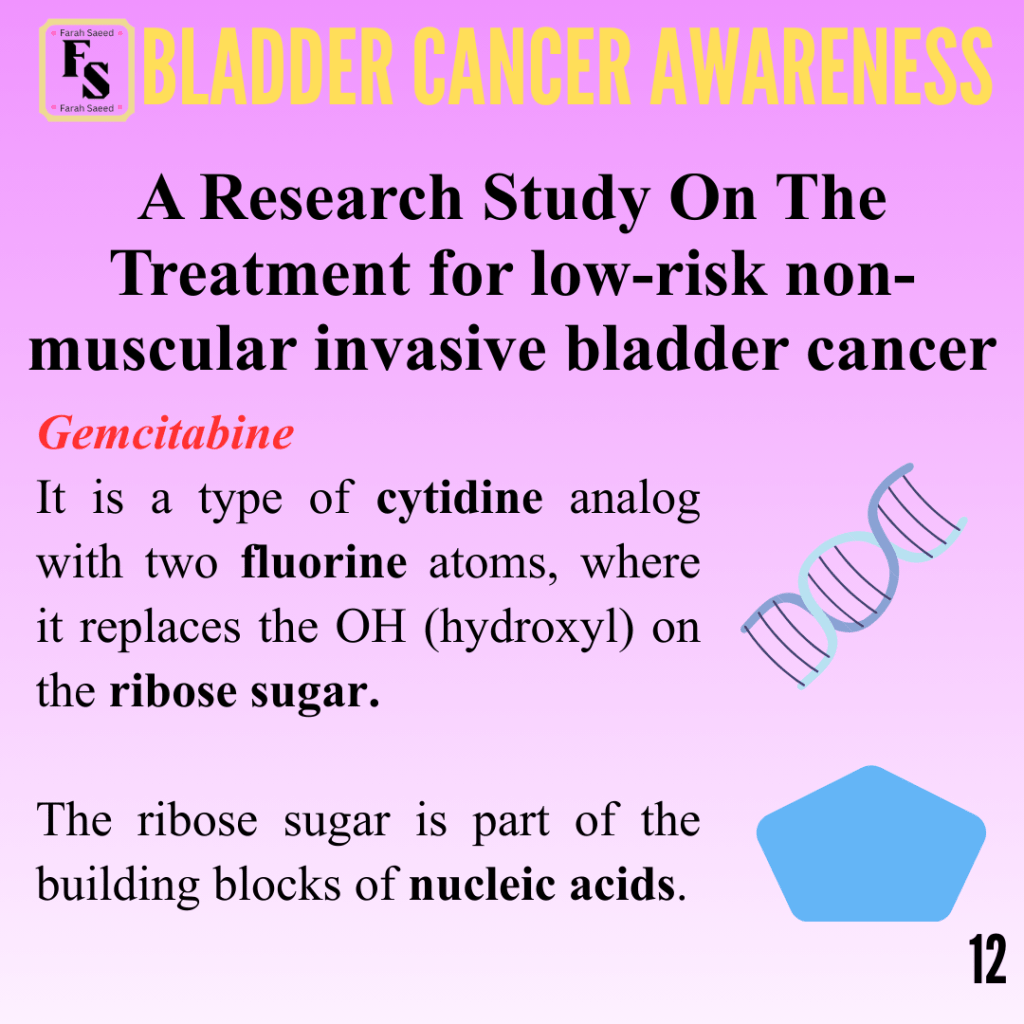
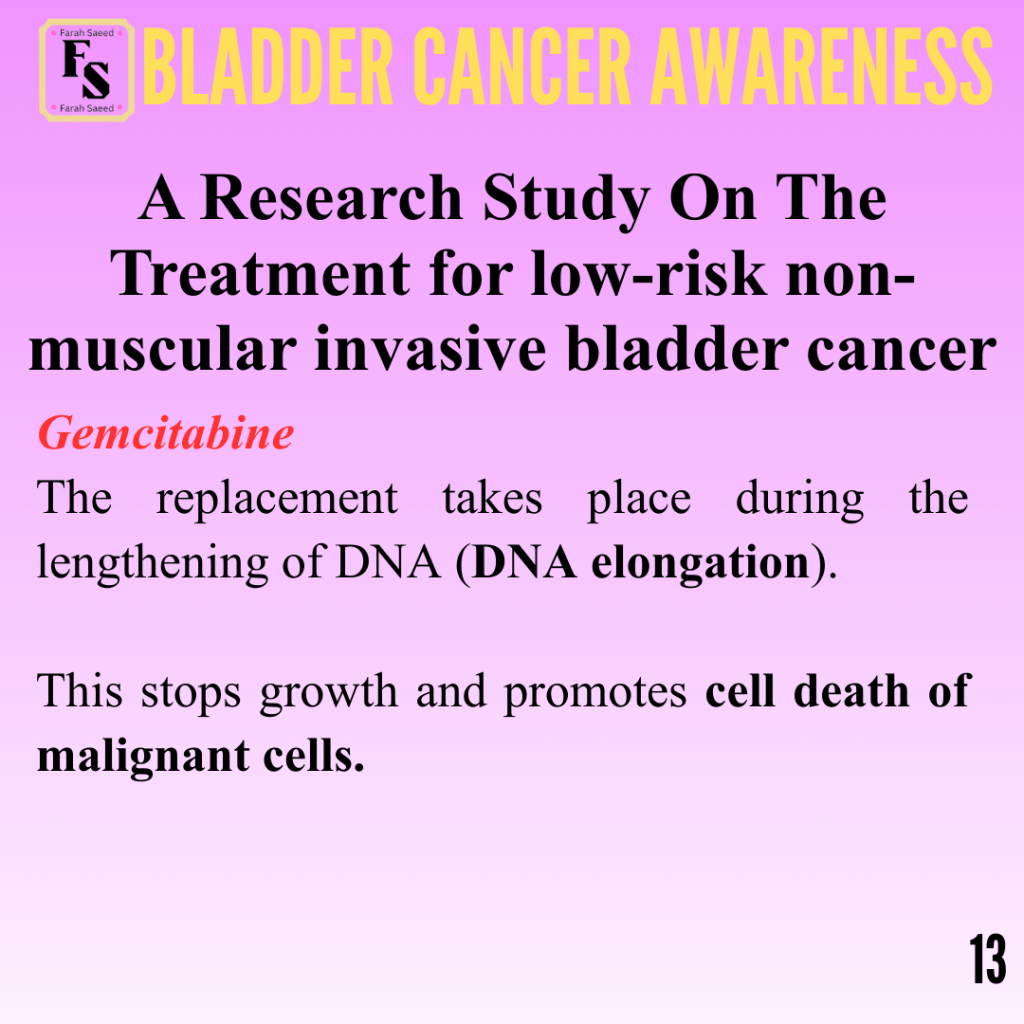
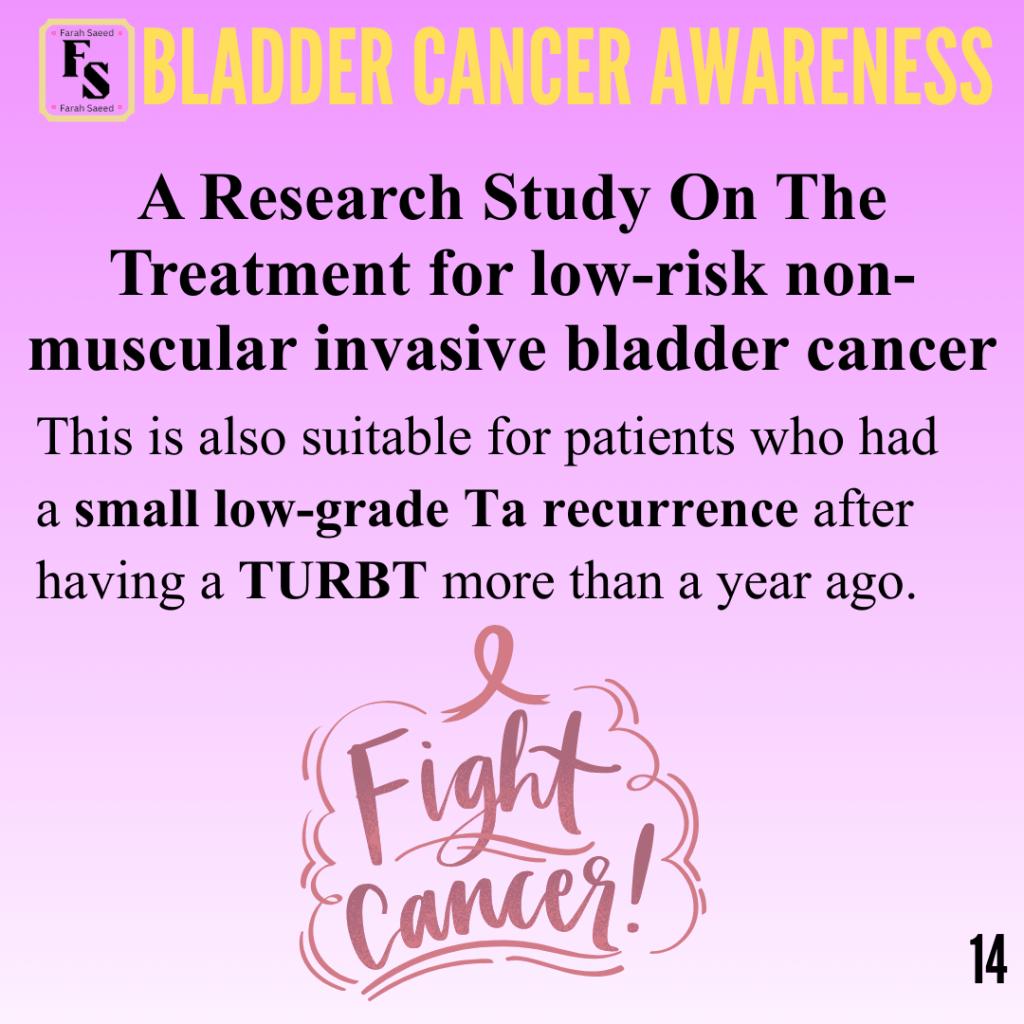
Treatment for intermediate-risk non-muscular invasive bladder cancer
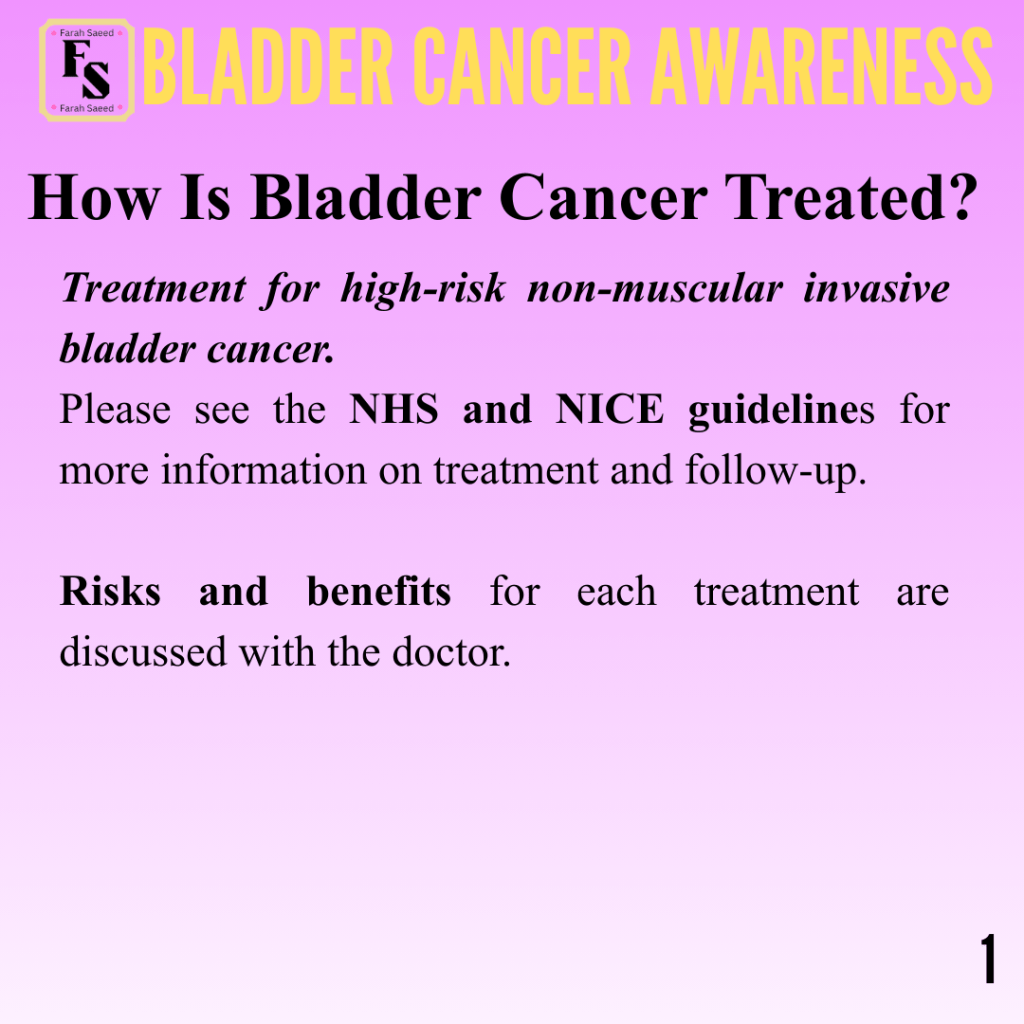
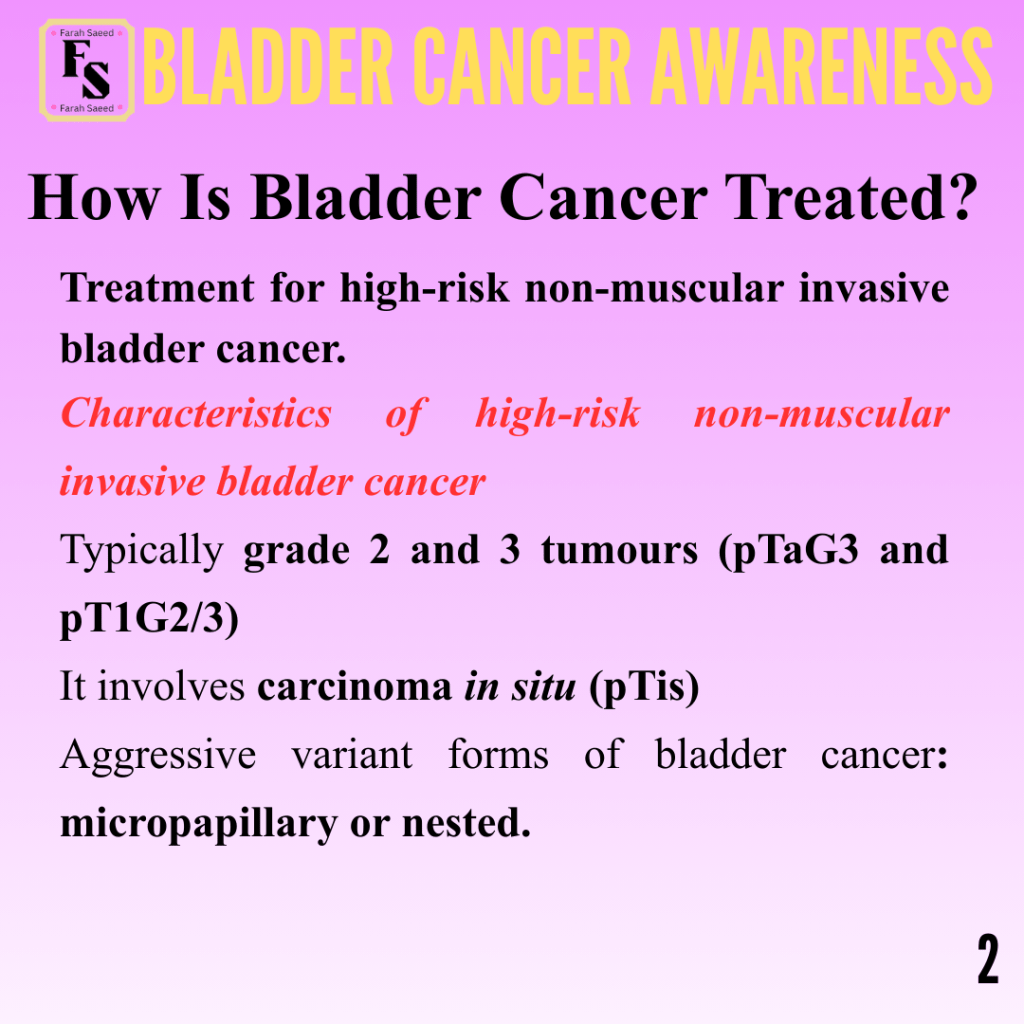
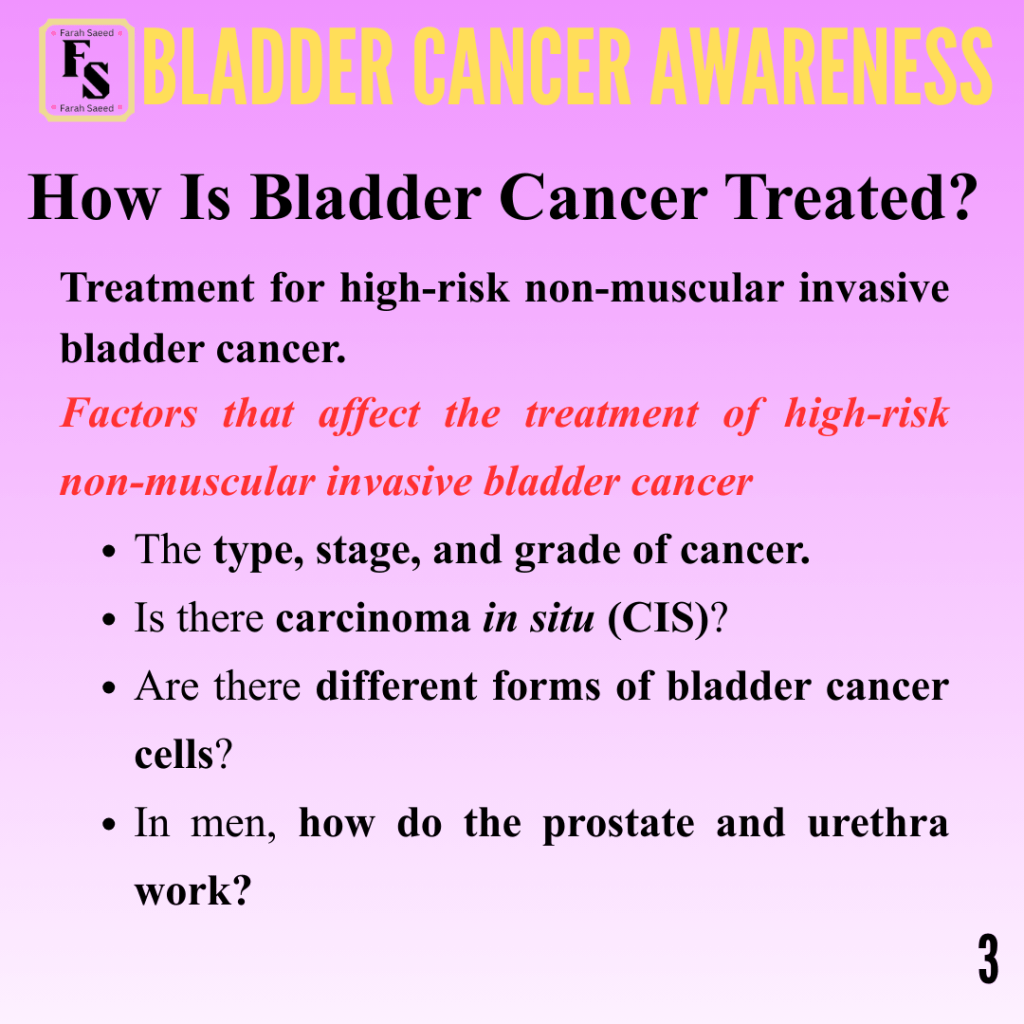
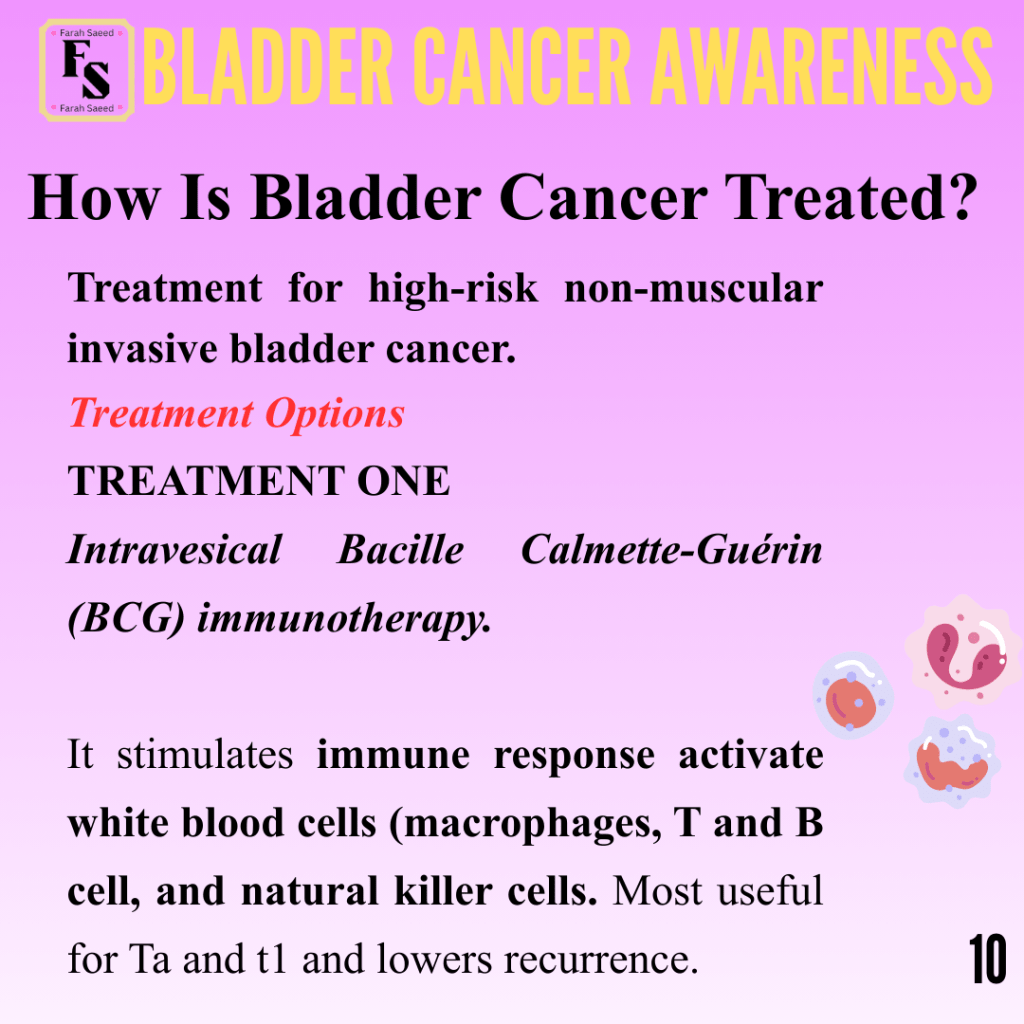
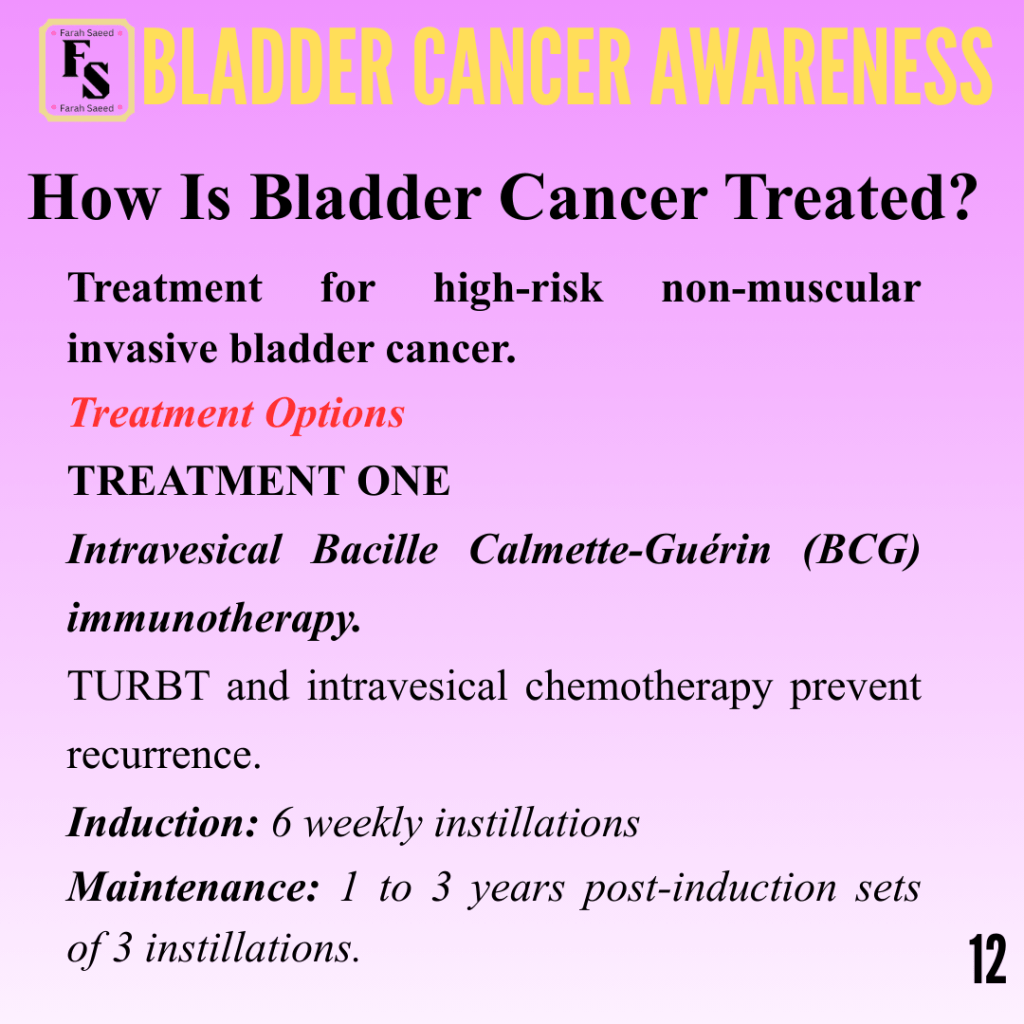
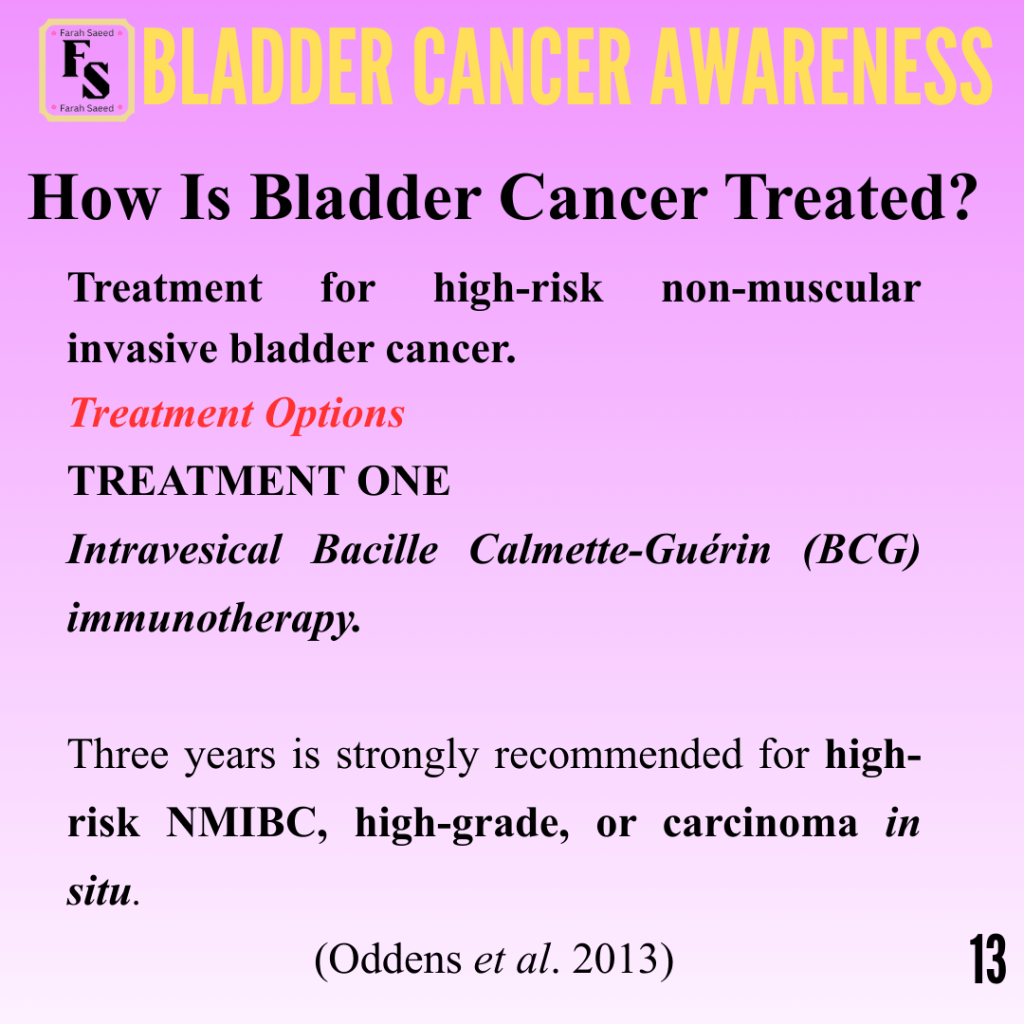
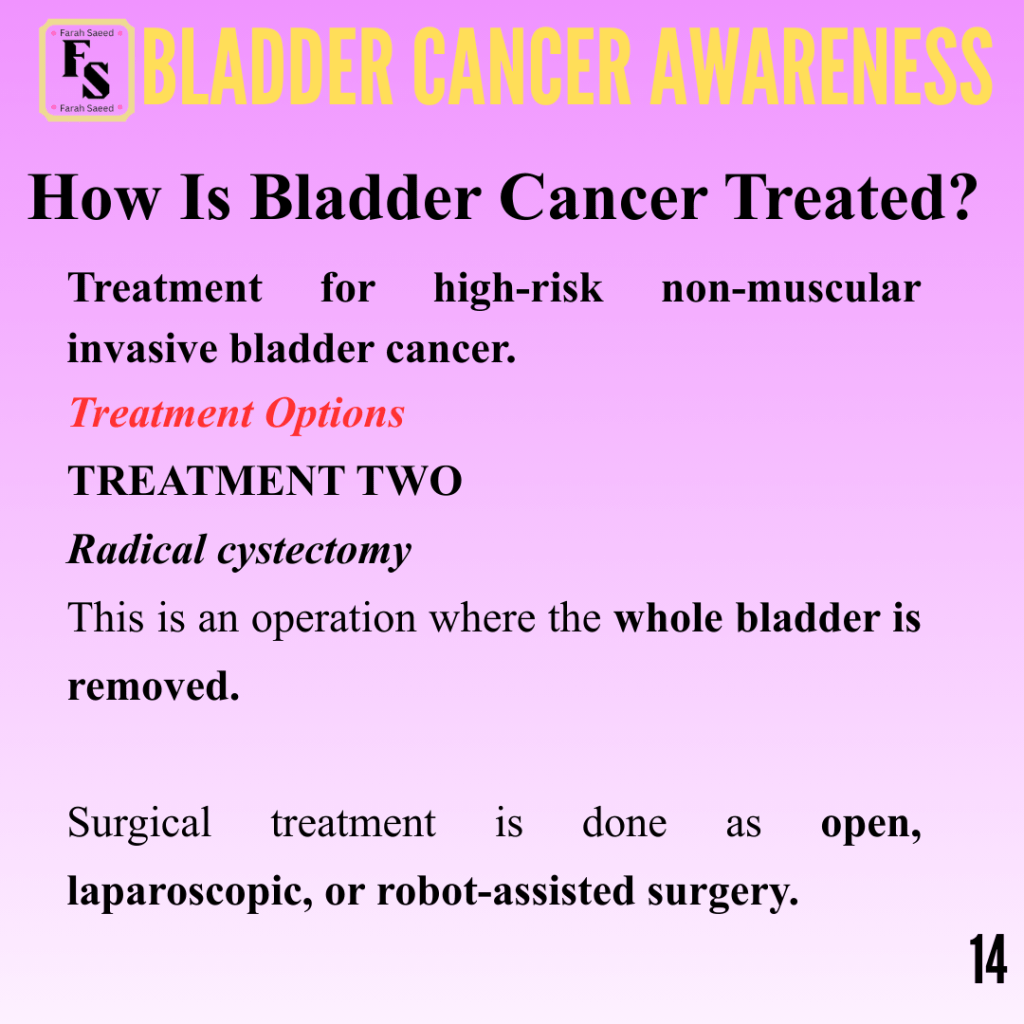
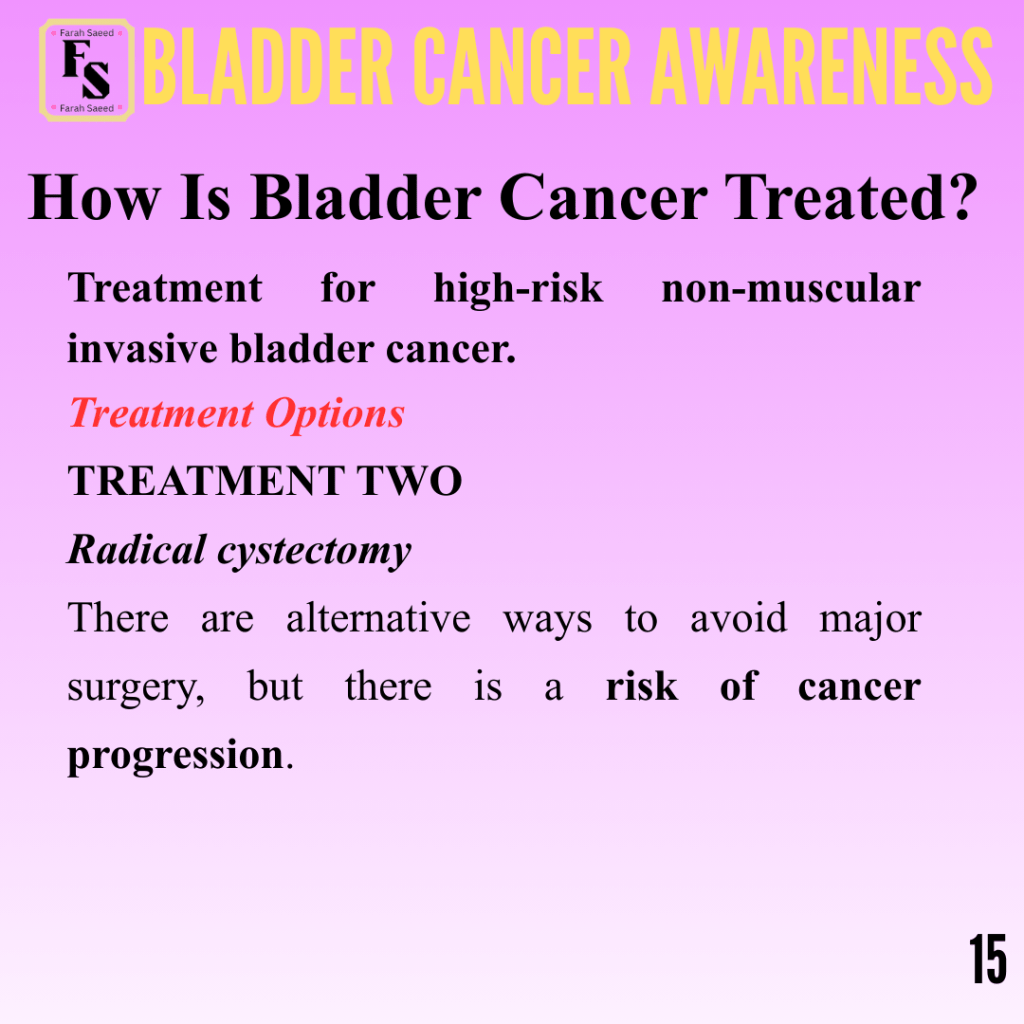
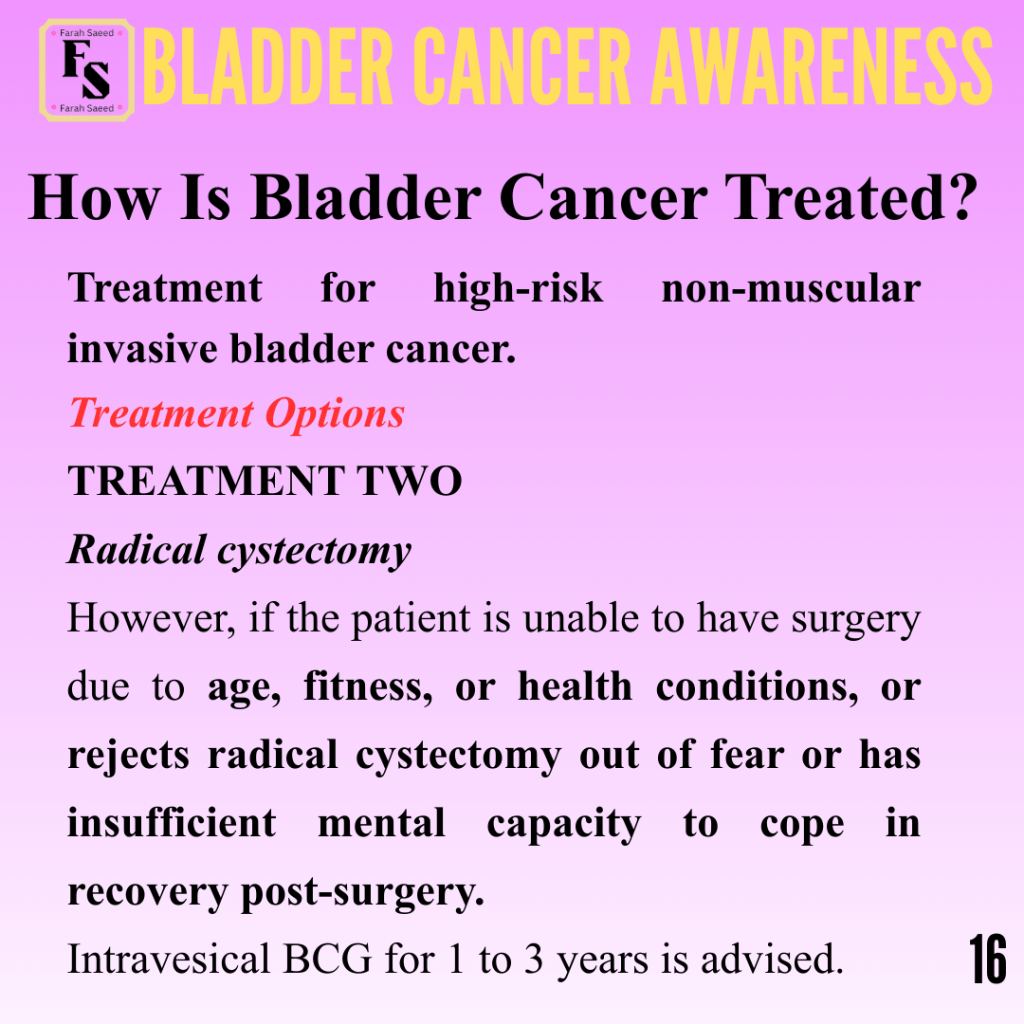
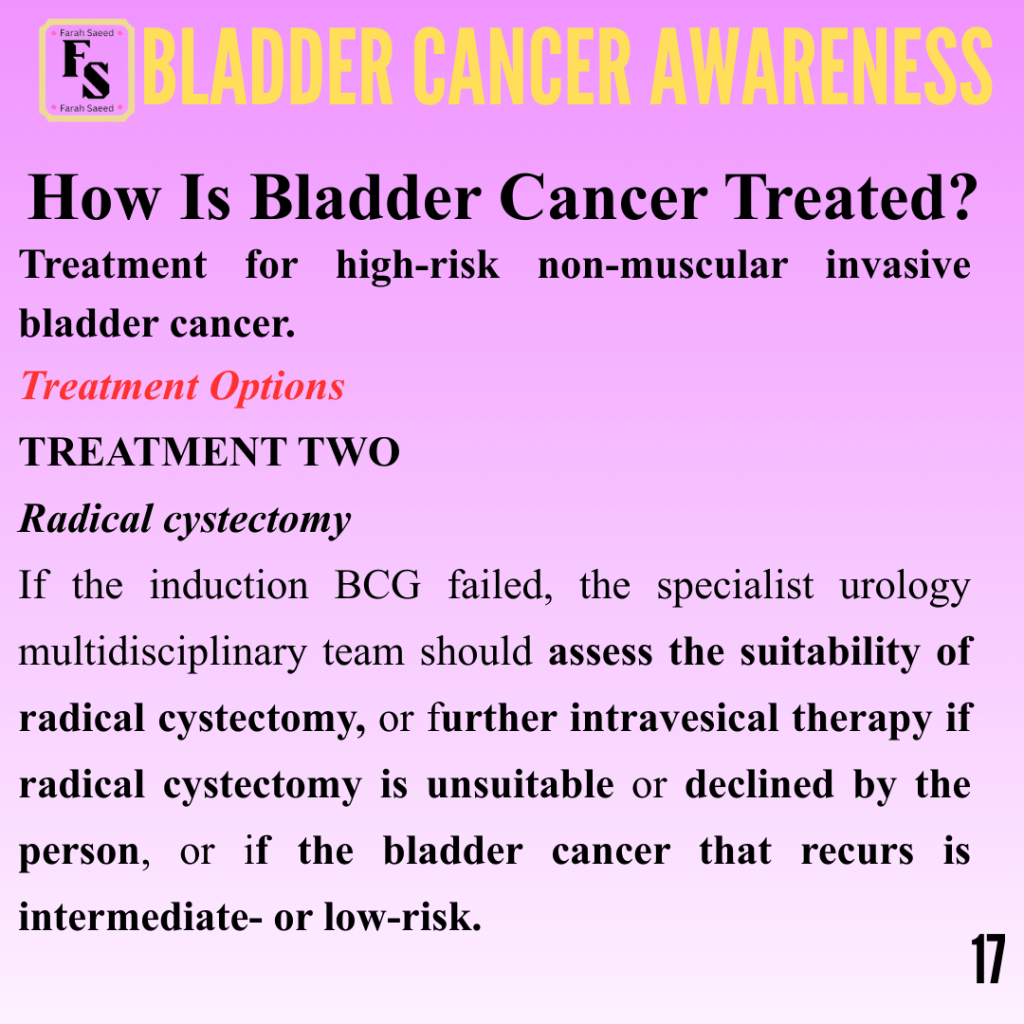
Treatment for high-risk non-muscular invasive bladder cancer
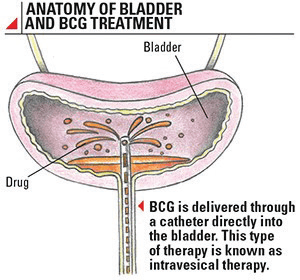
BCG Common Questions HCA Healthcare UK: World-Class Private Healthcare
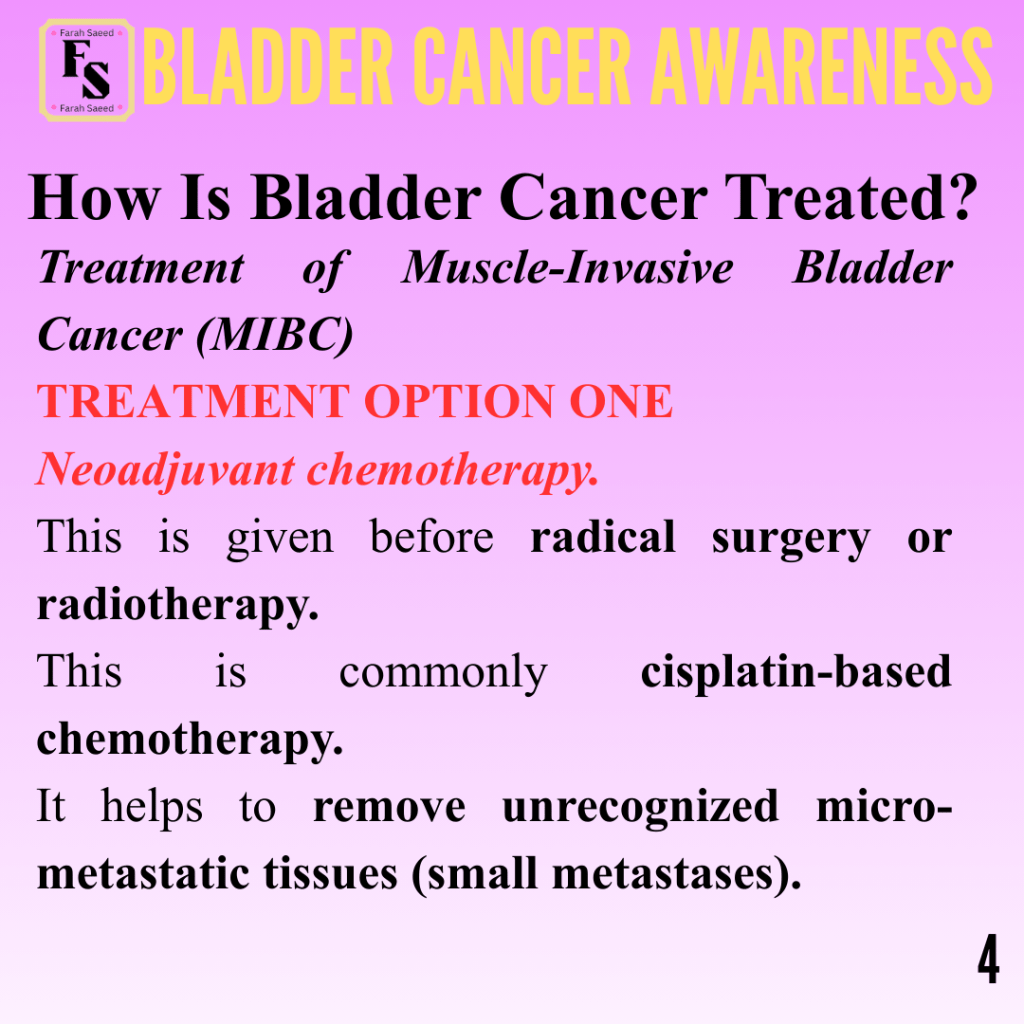
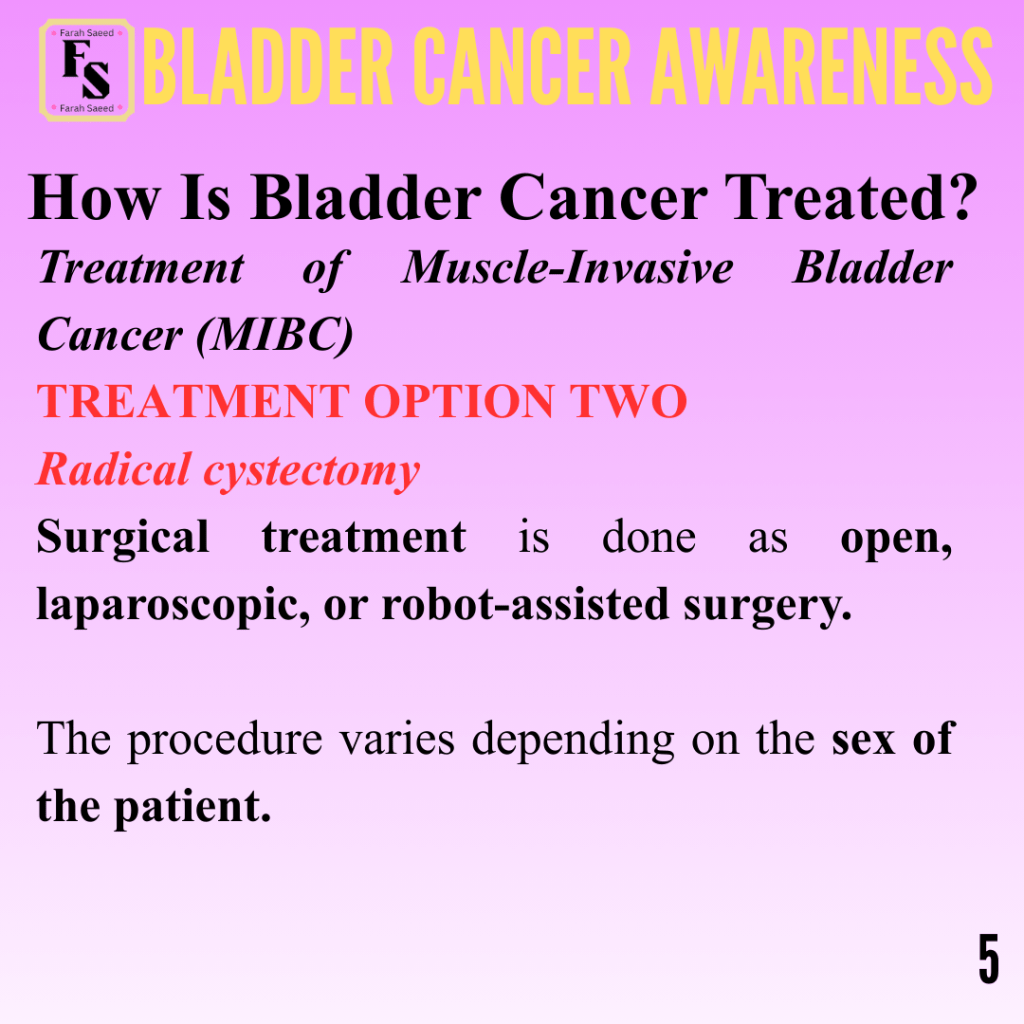
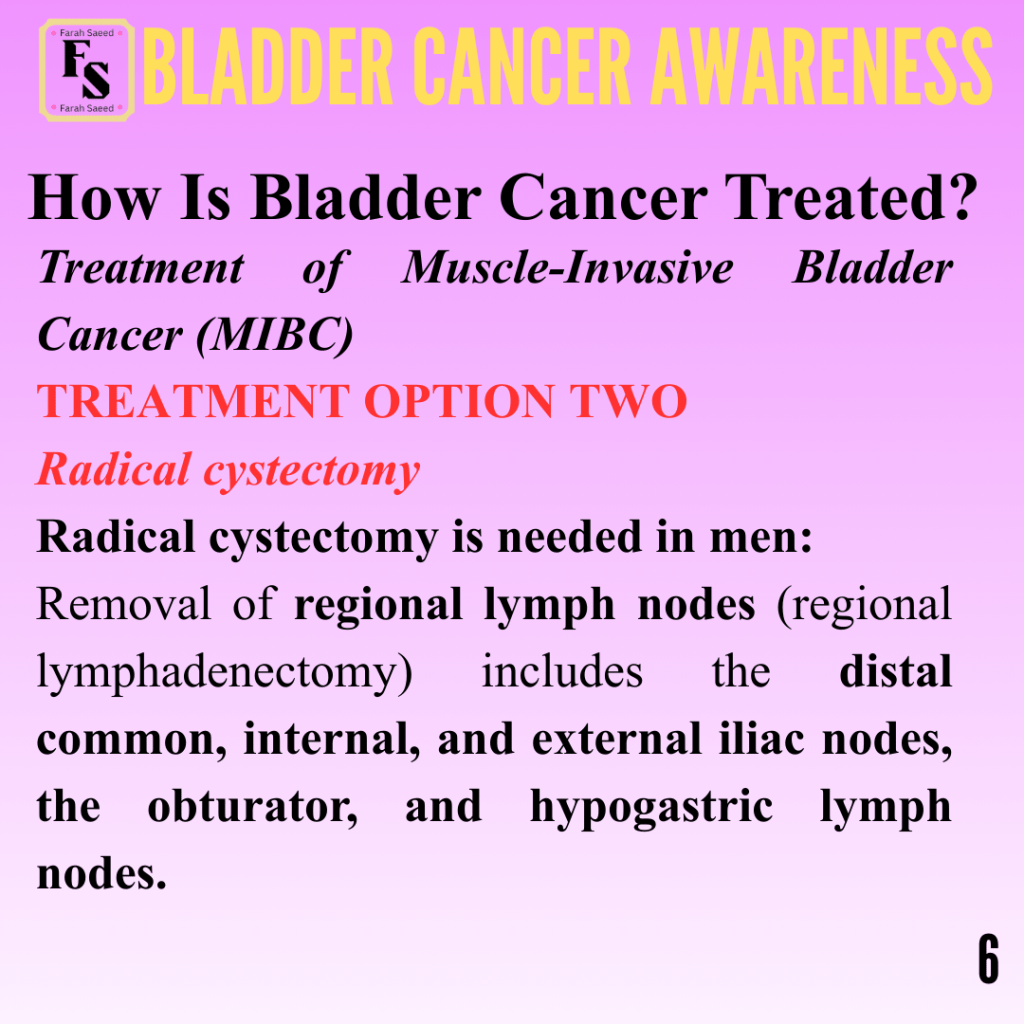
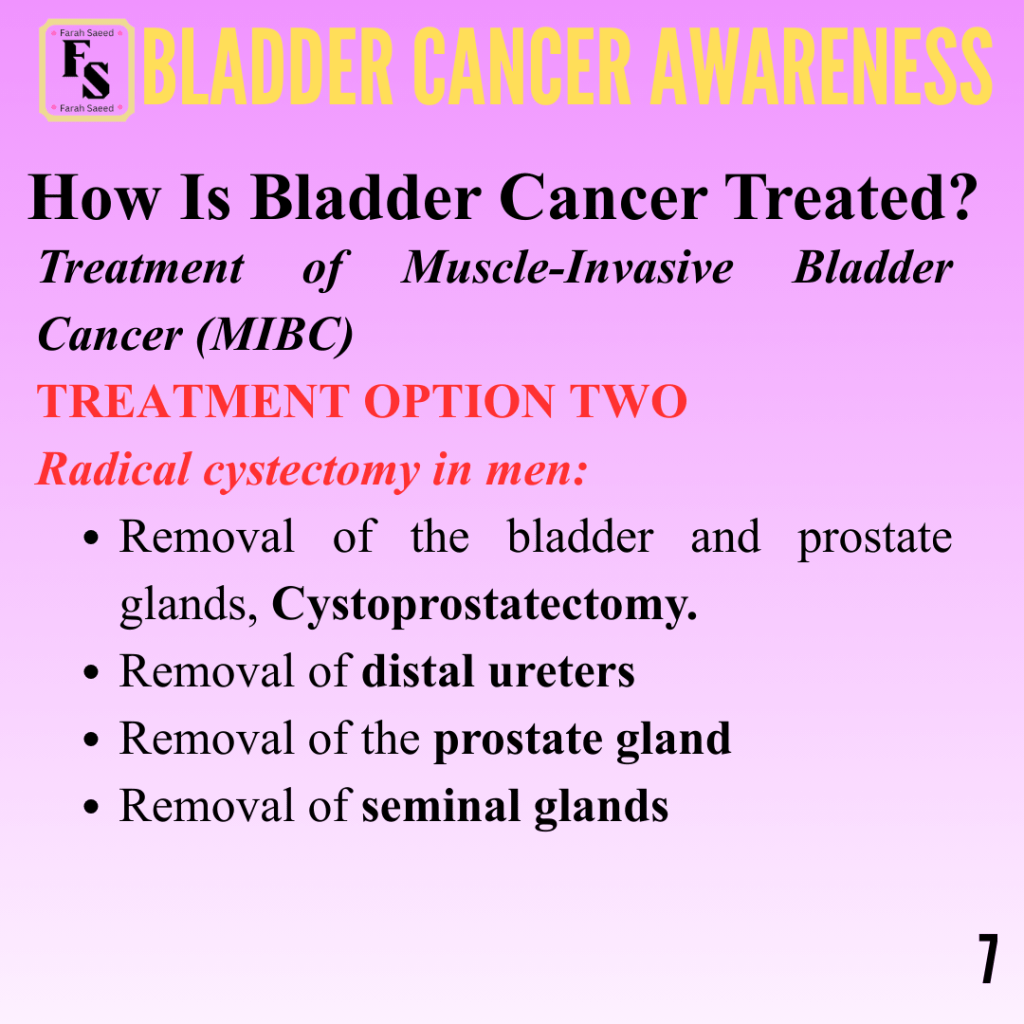
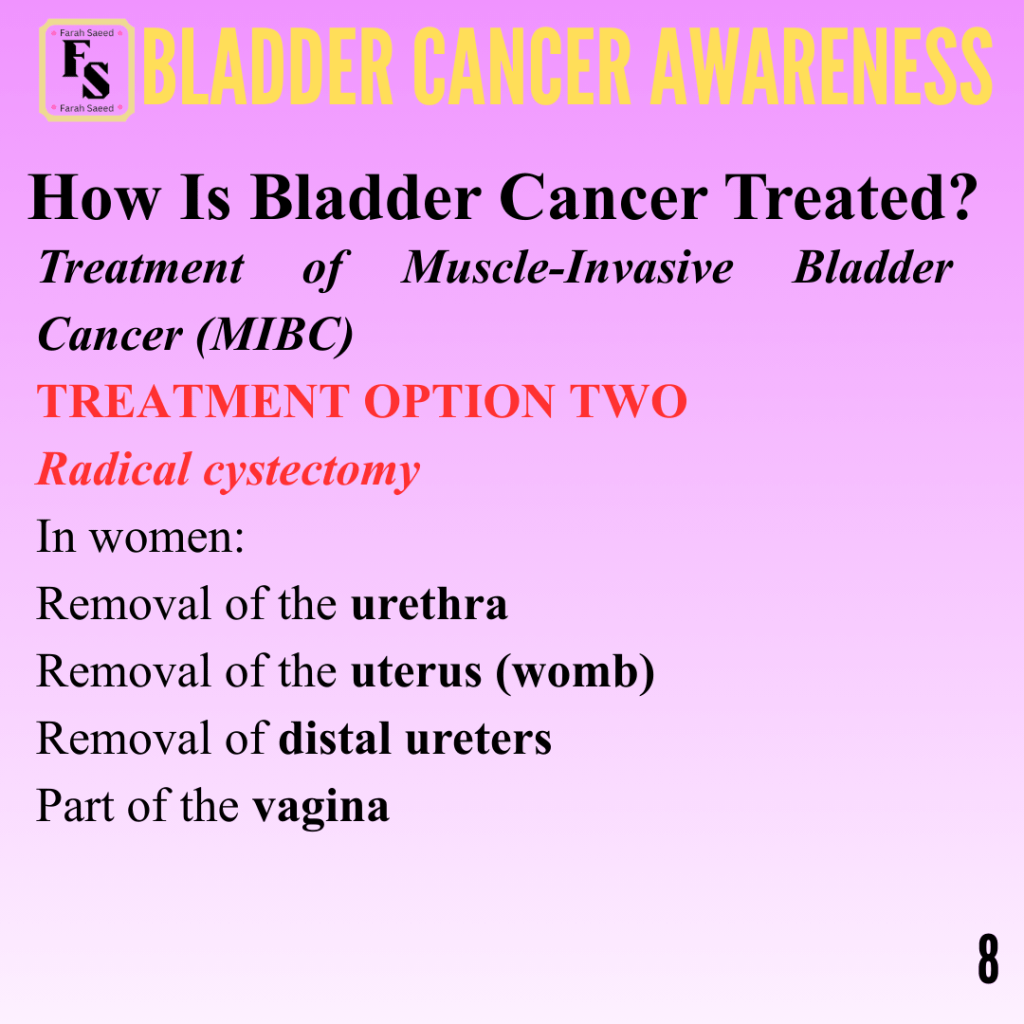
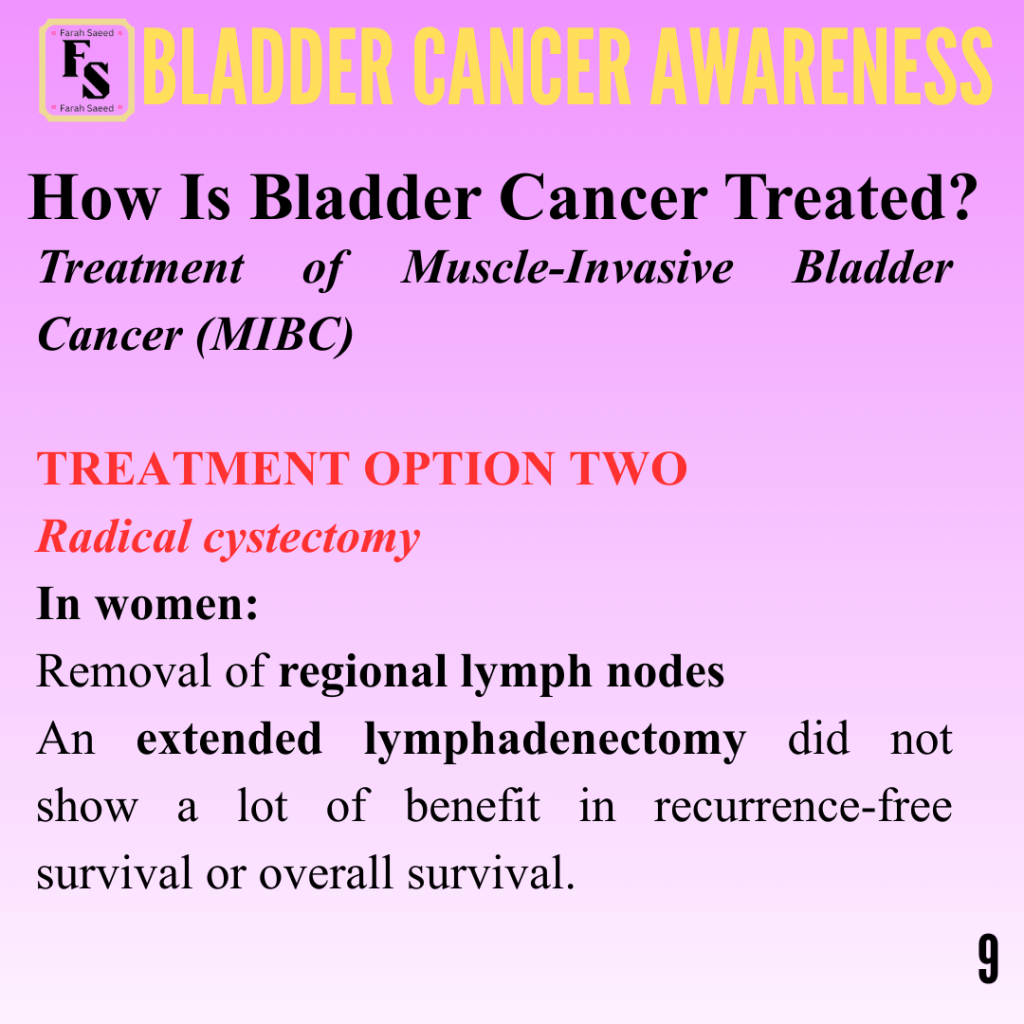
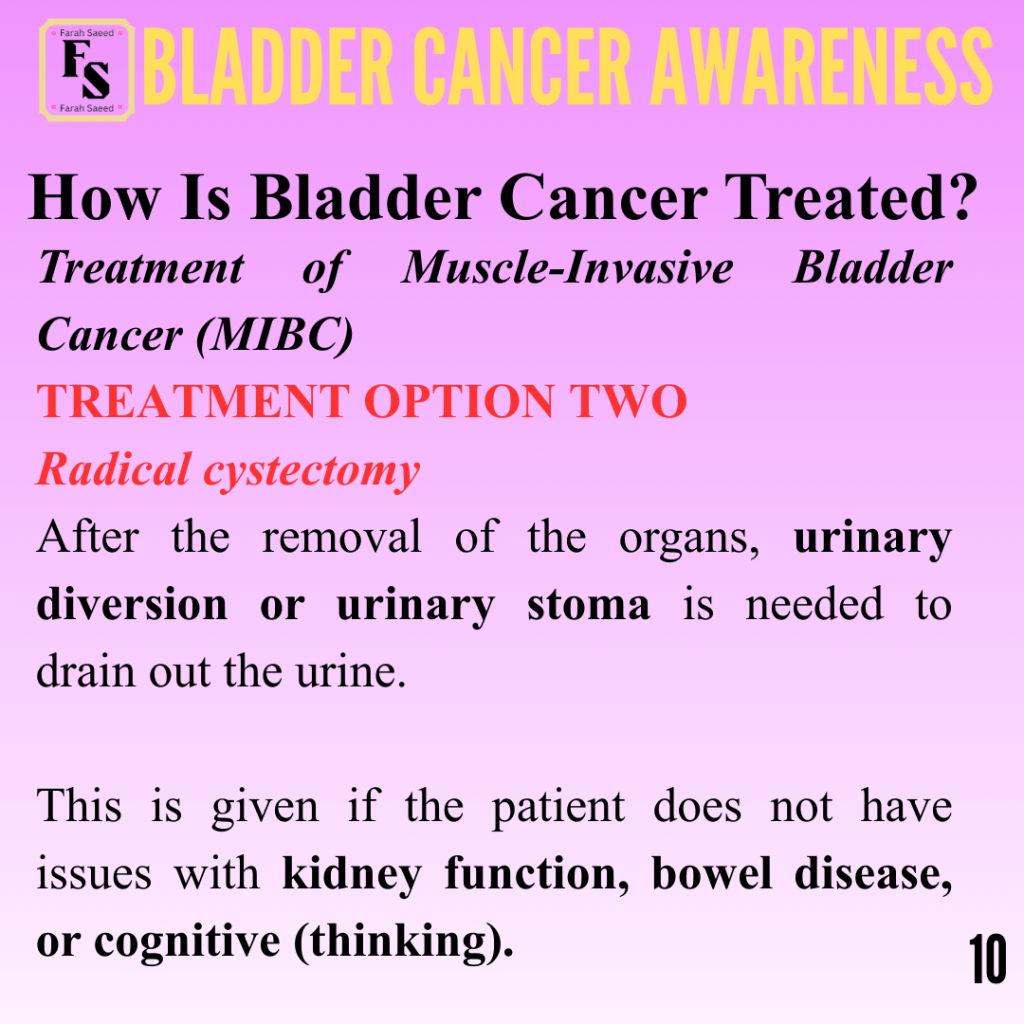
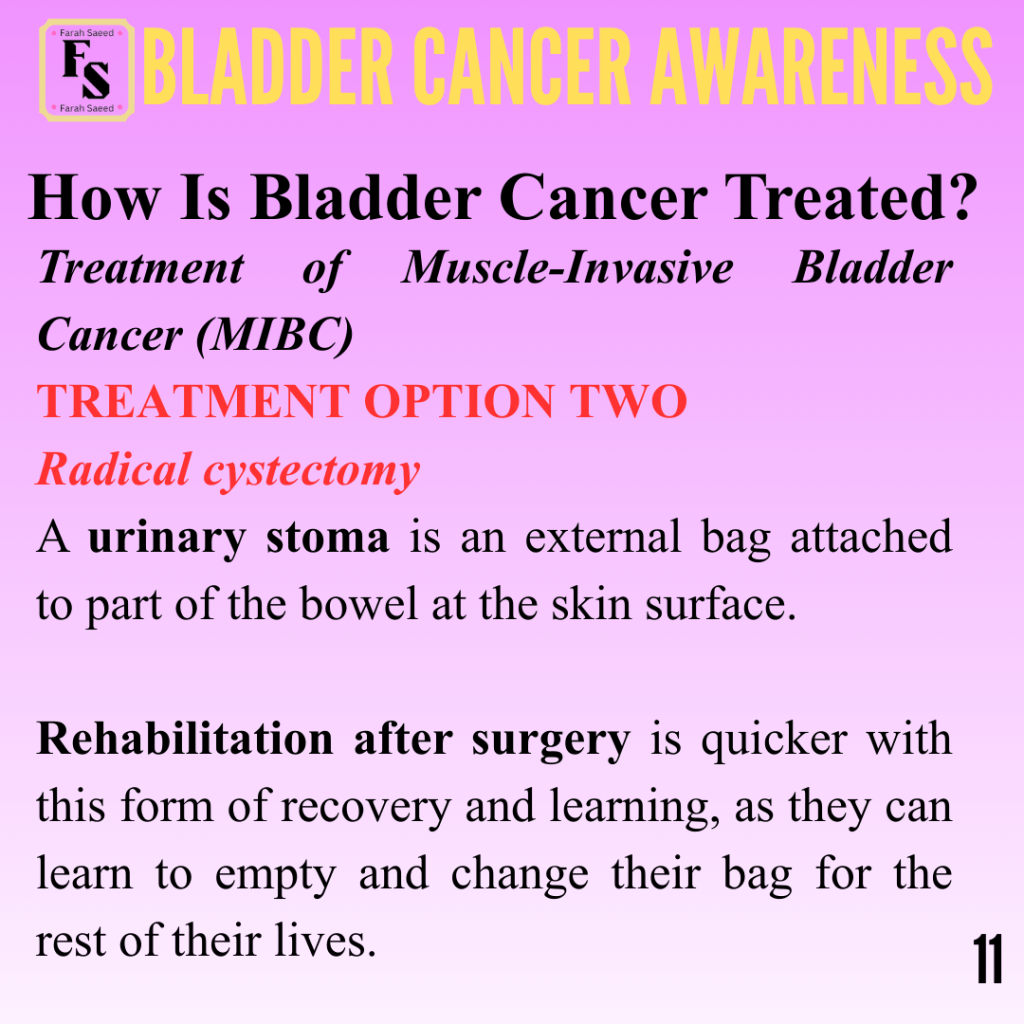
Treatment of Muscle-Invasive Bladder Cancer (MIBC)
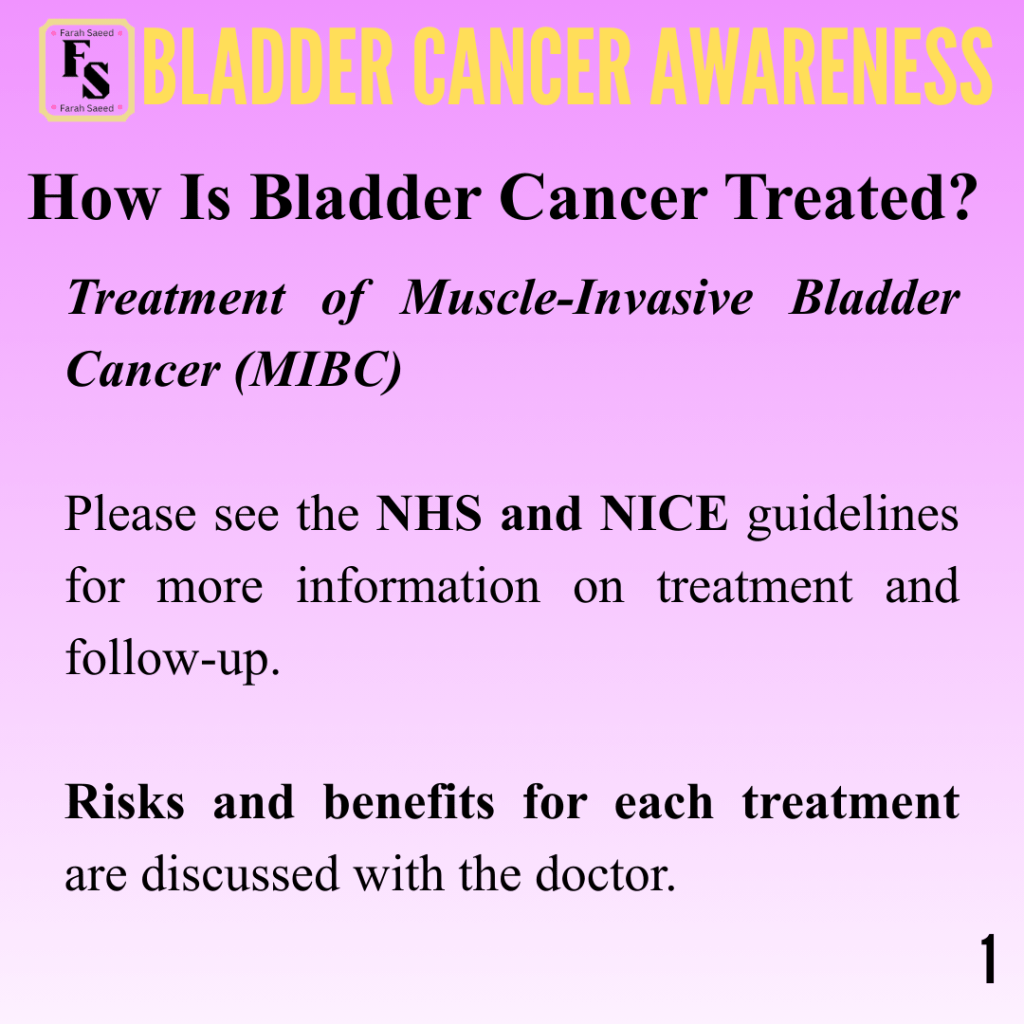
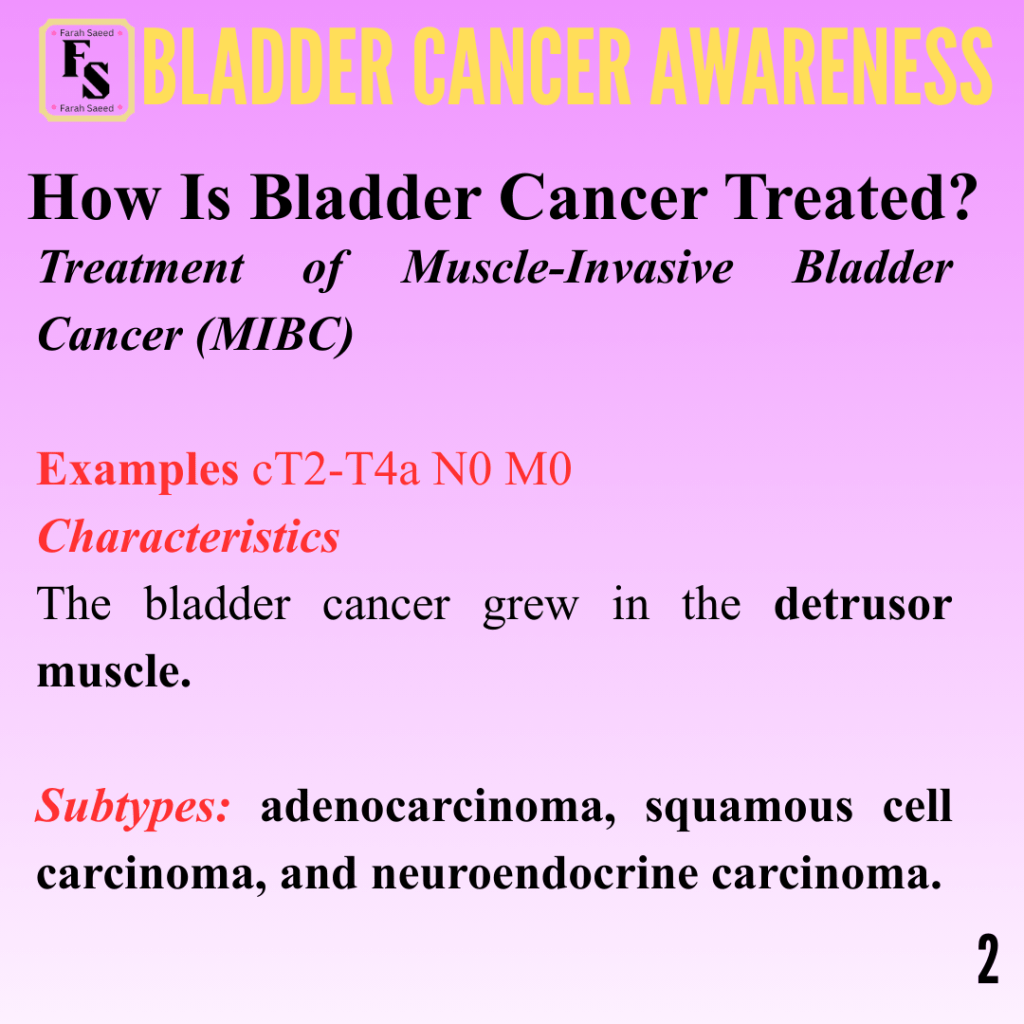
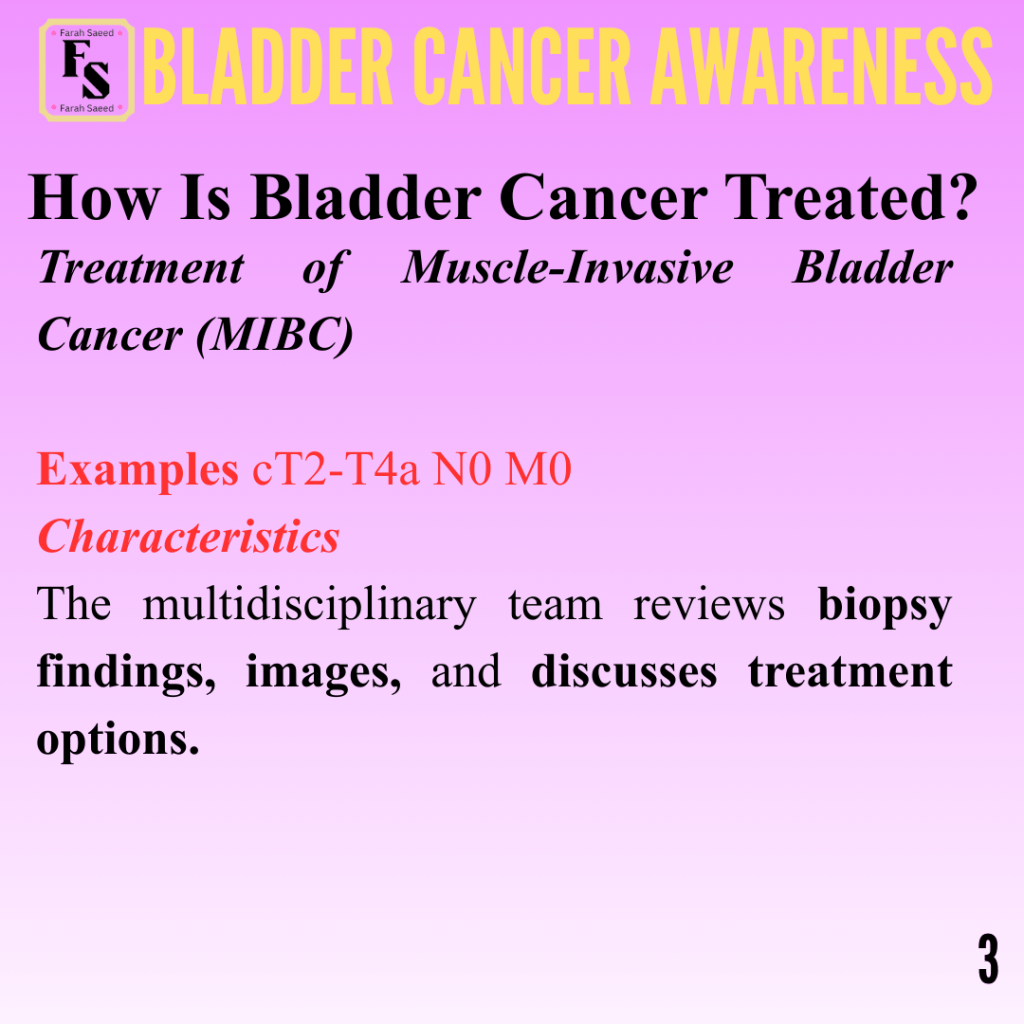
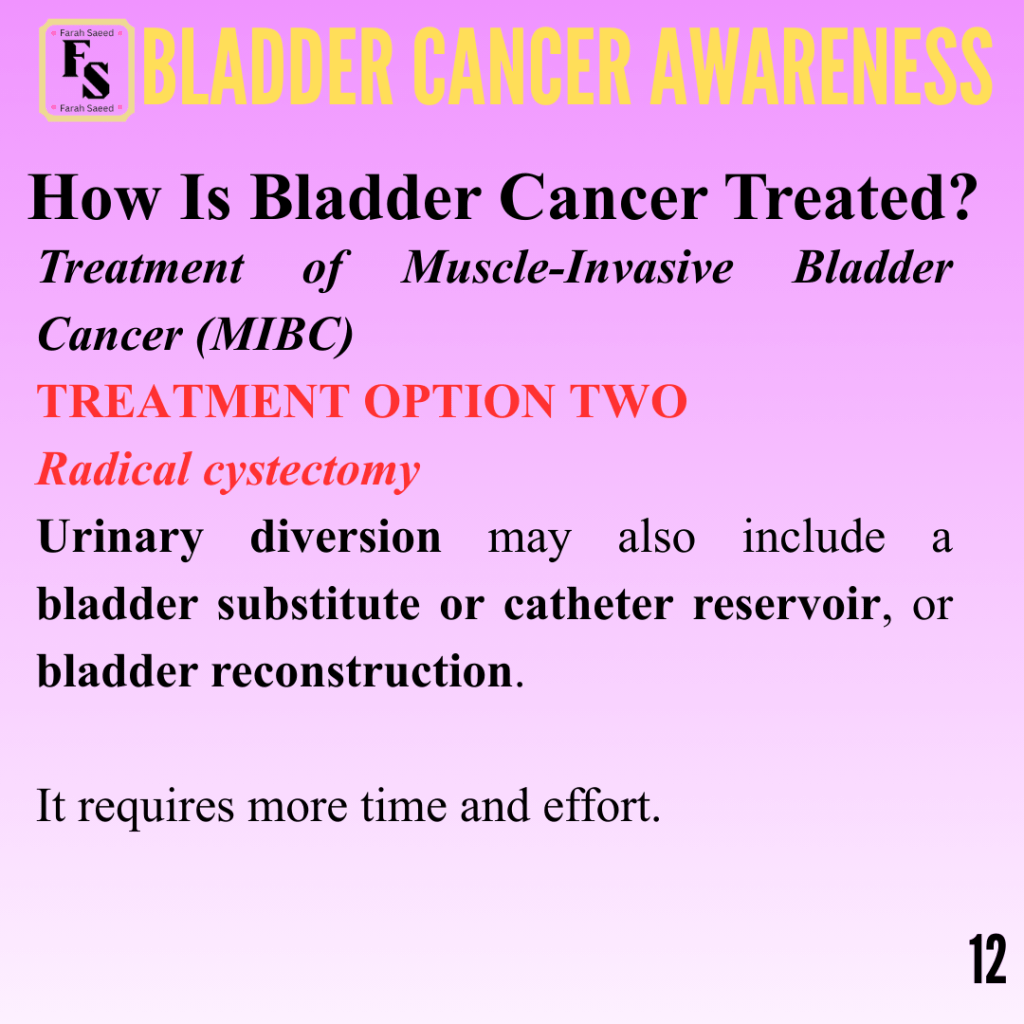
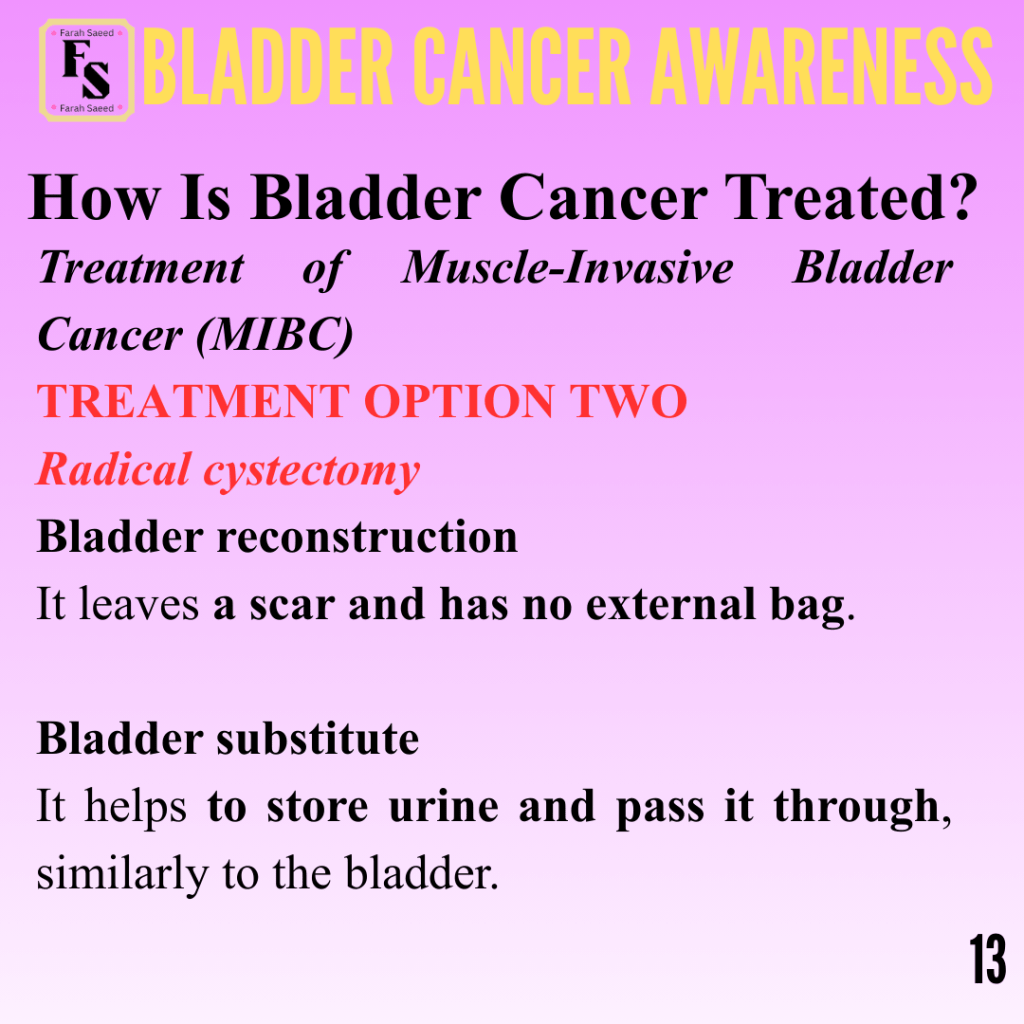
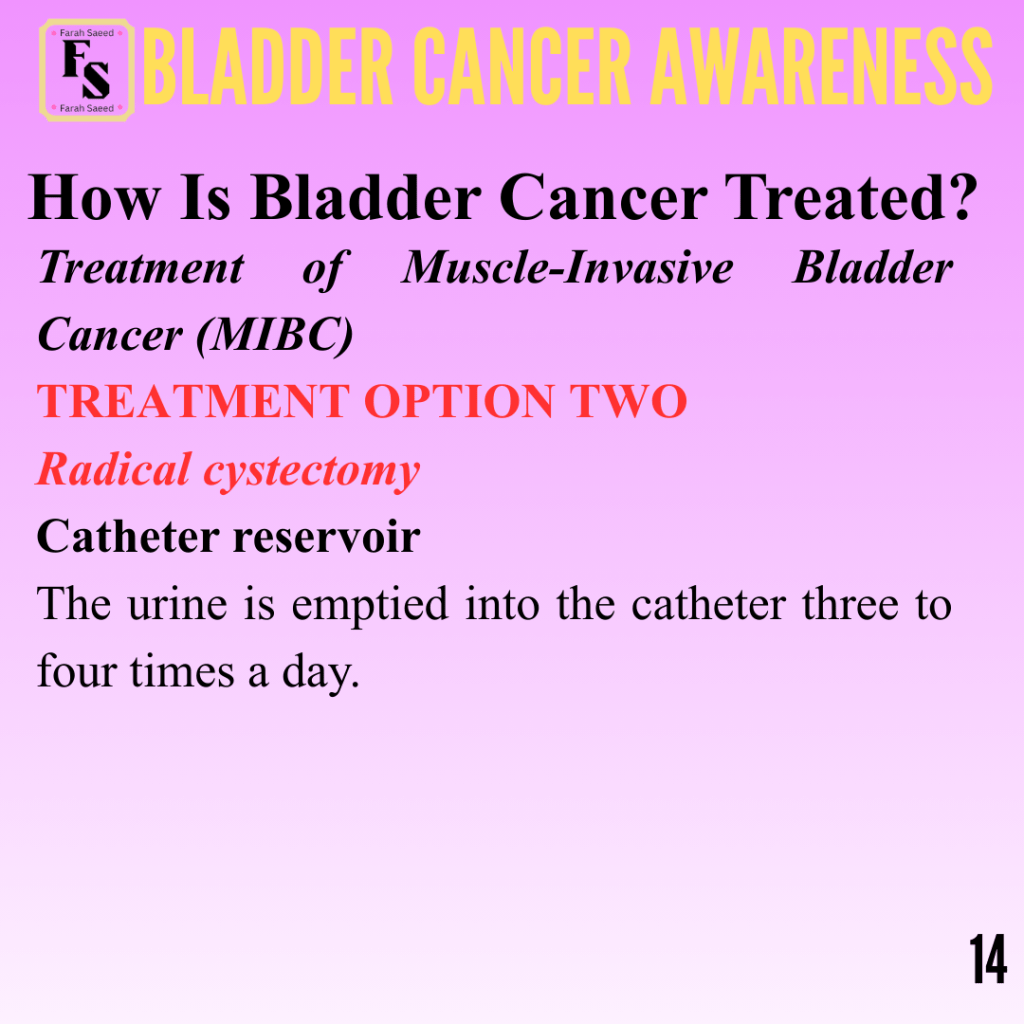
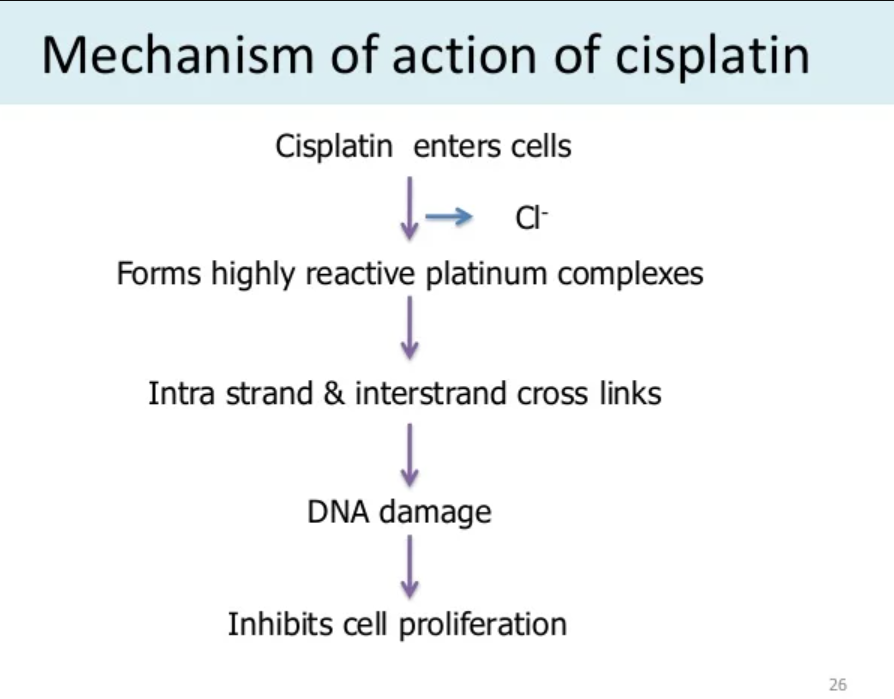
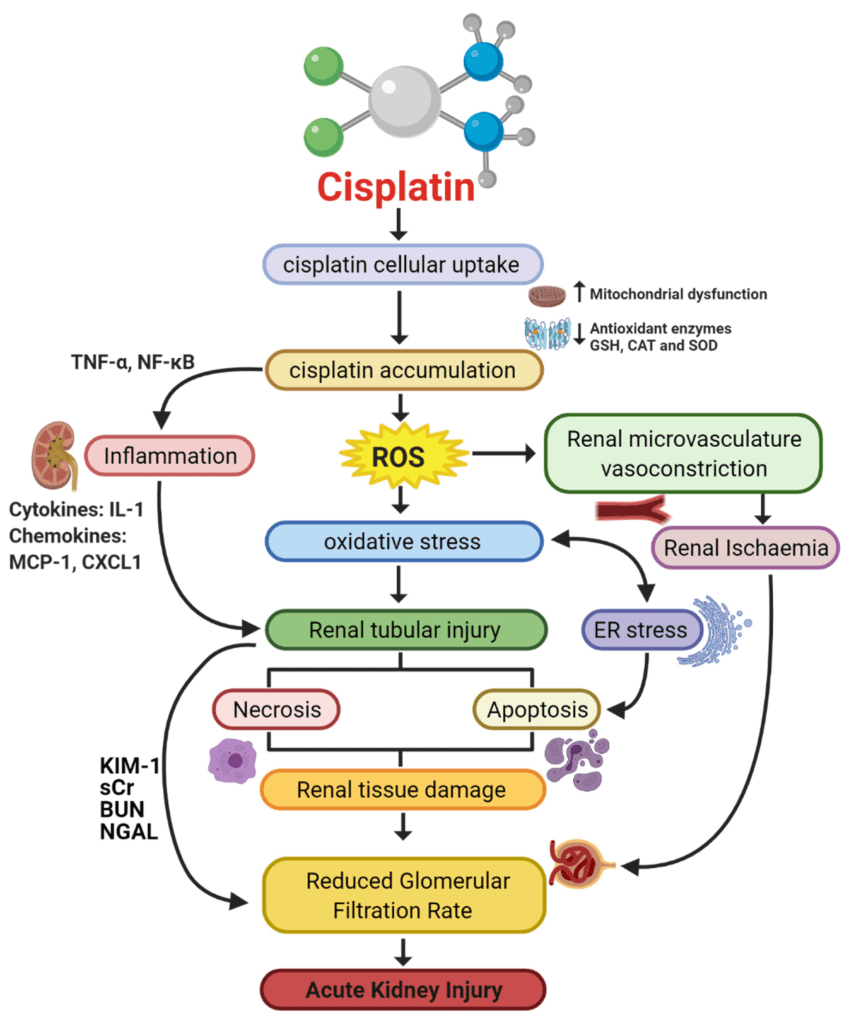
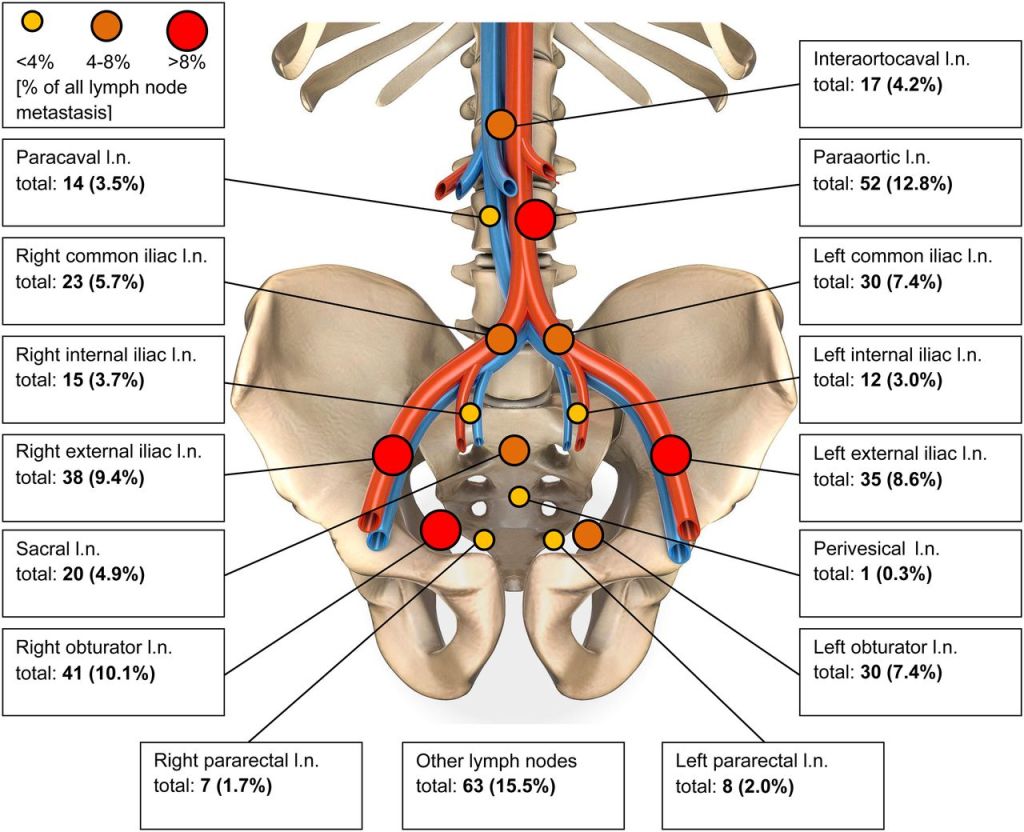
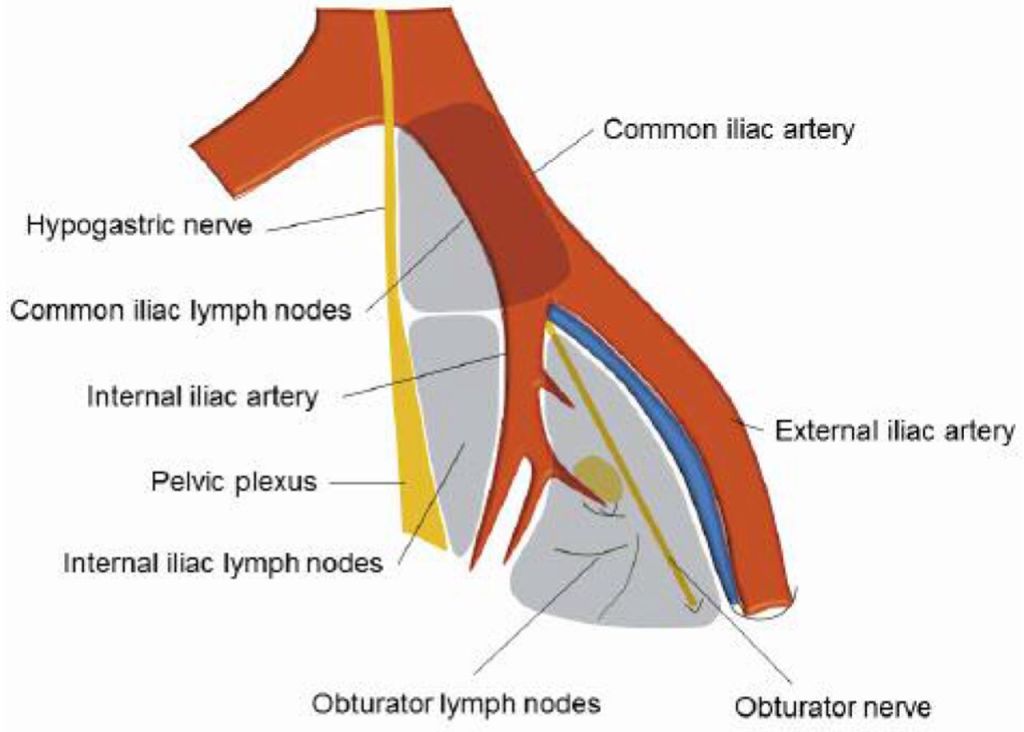
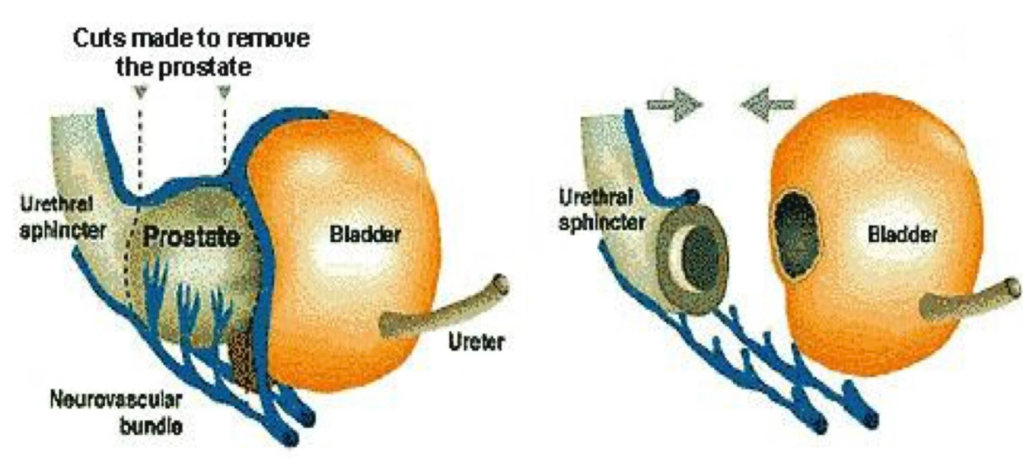

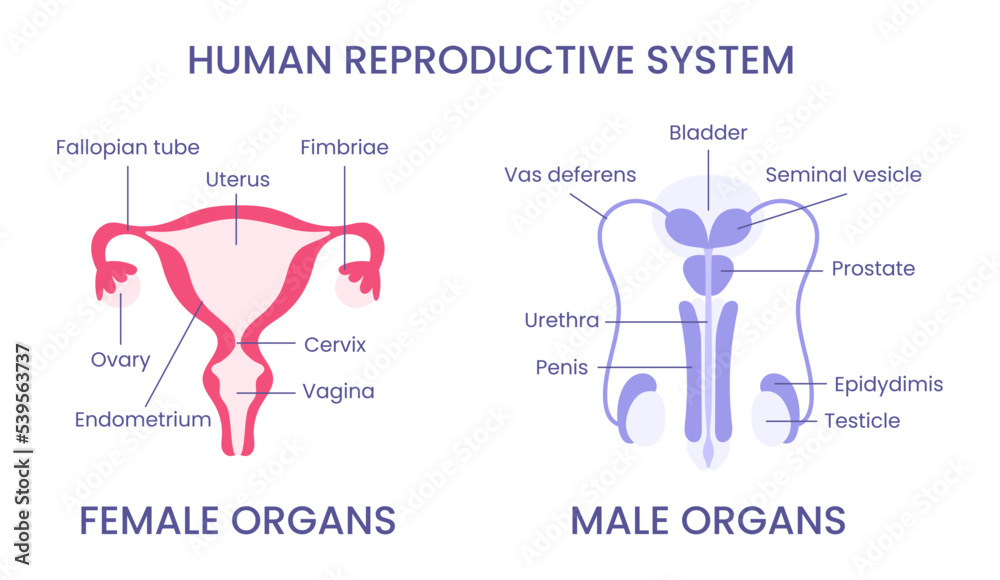
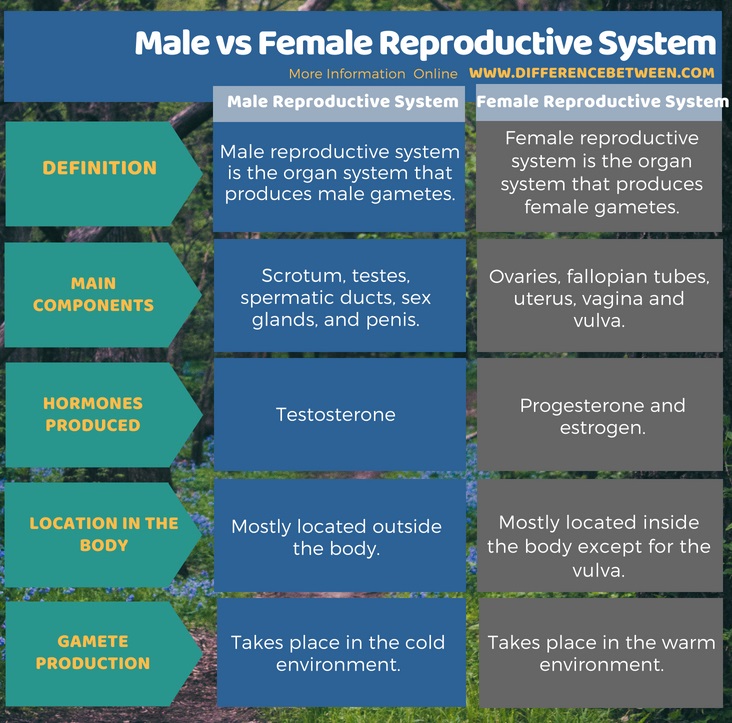
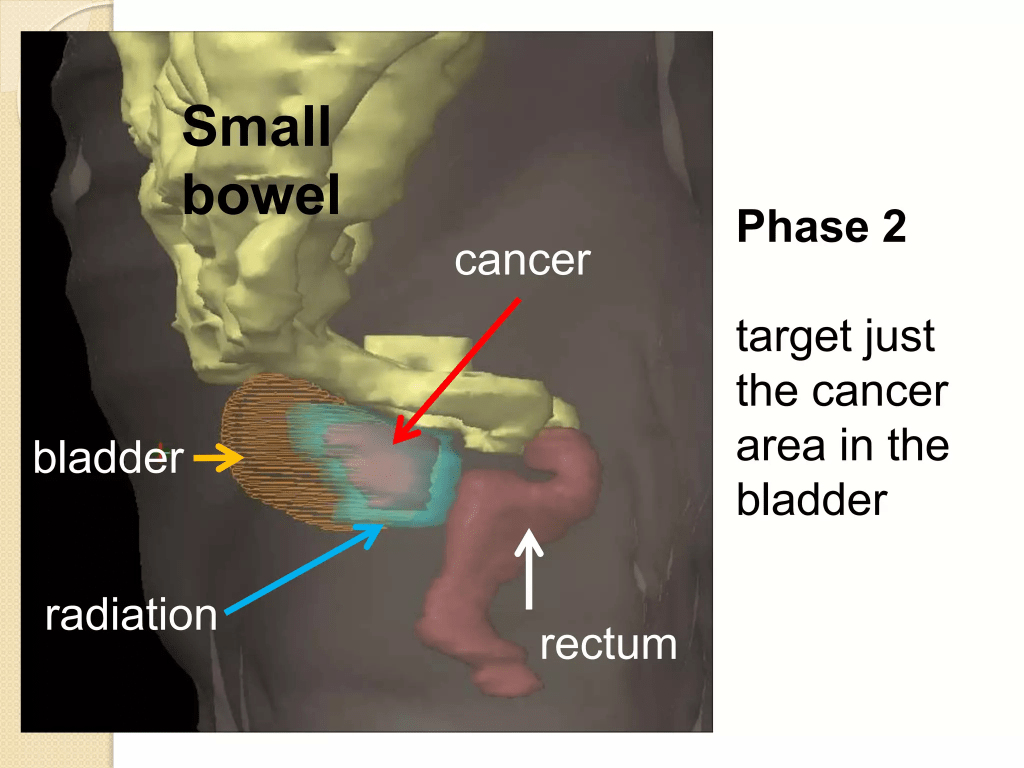
Top Doctors UK: An expert guide: Treating bladder cancer with radiotherapy
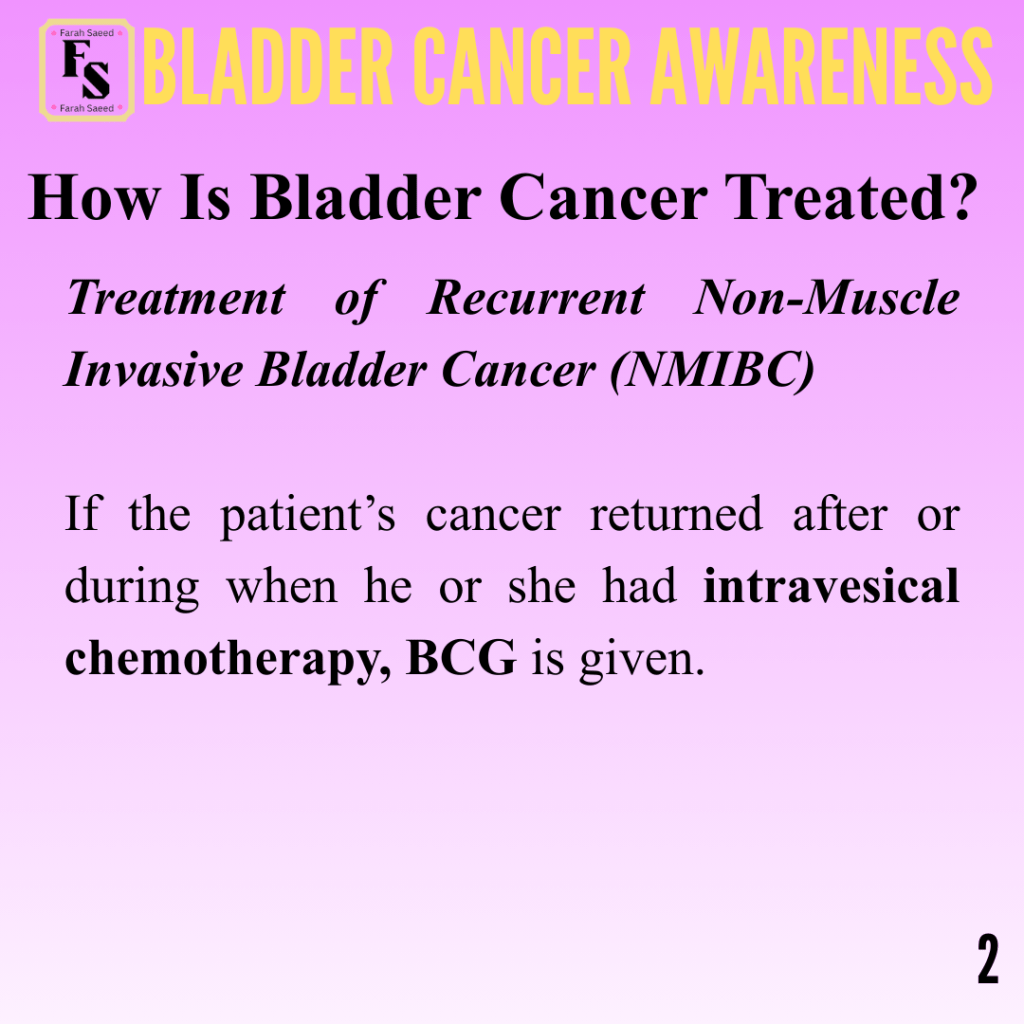
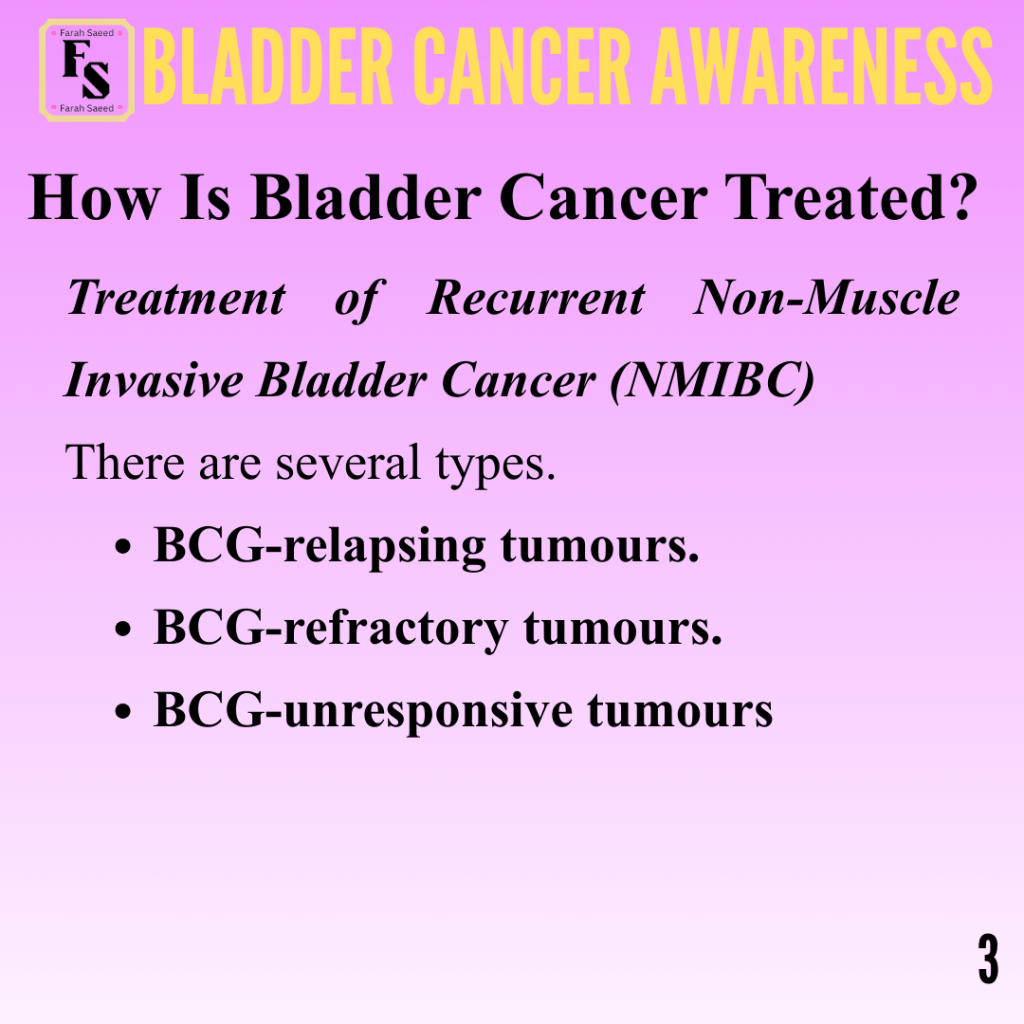
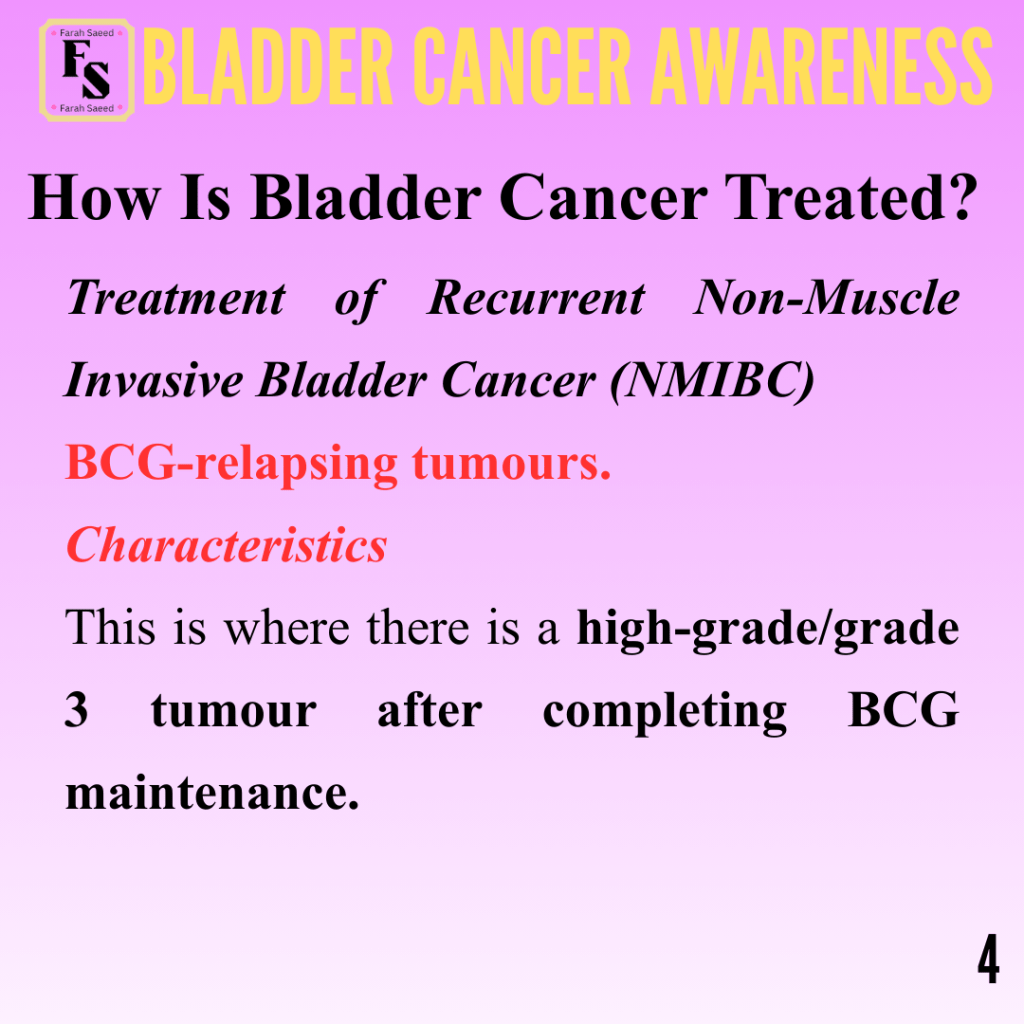
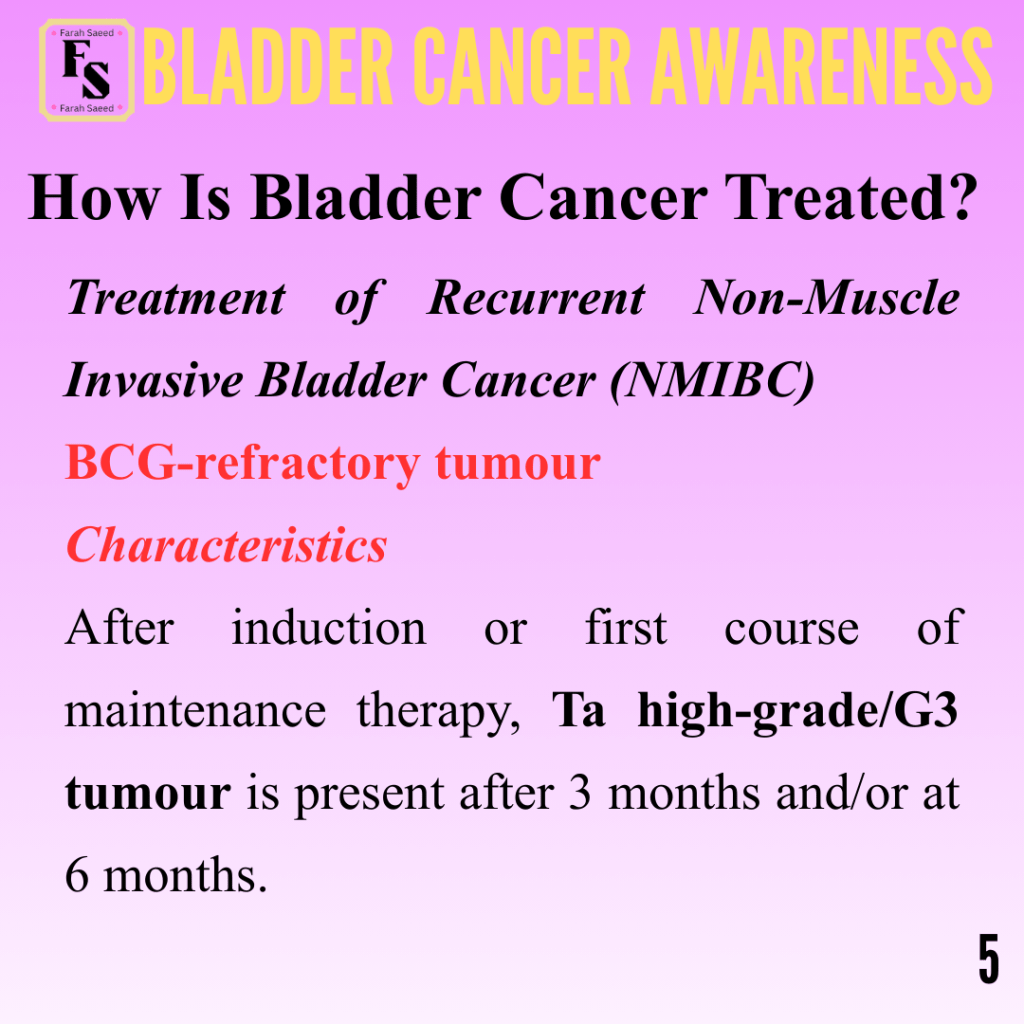
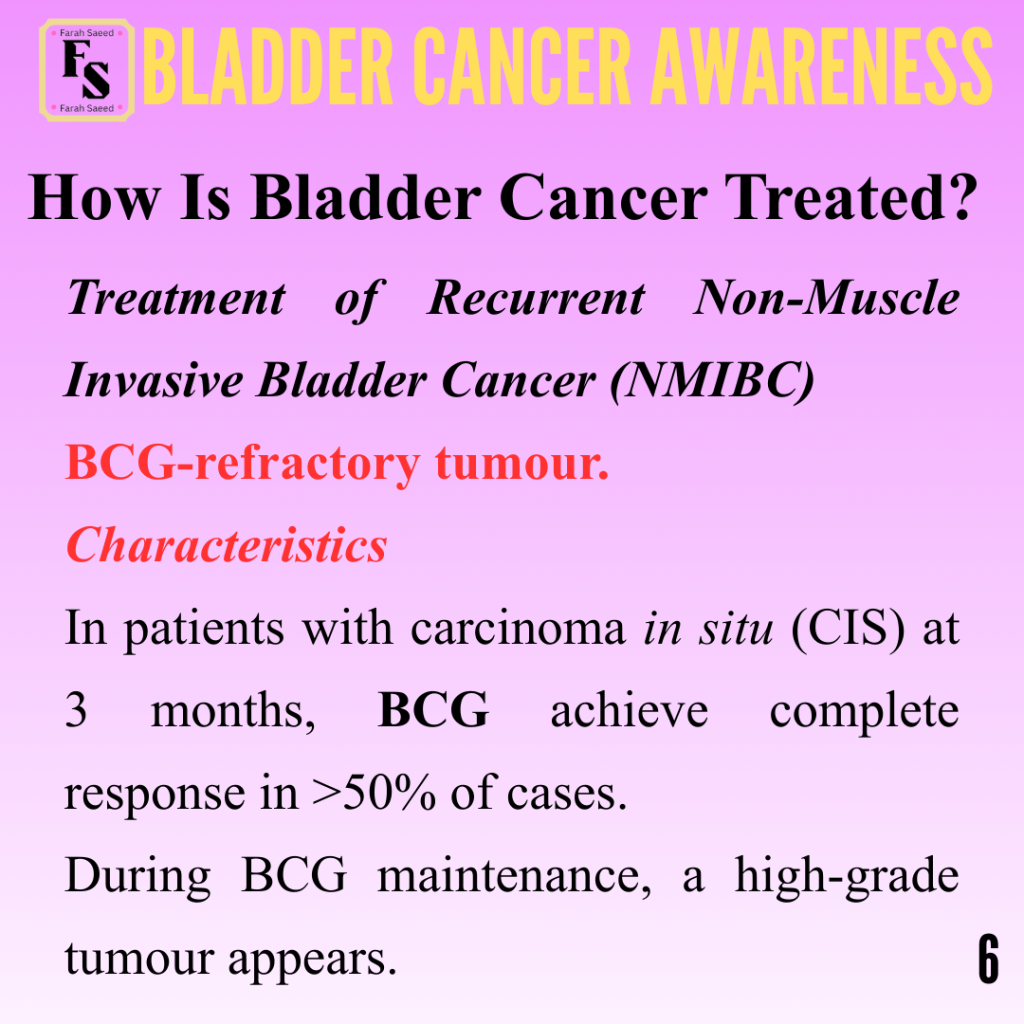
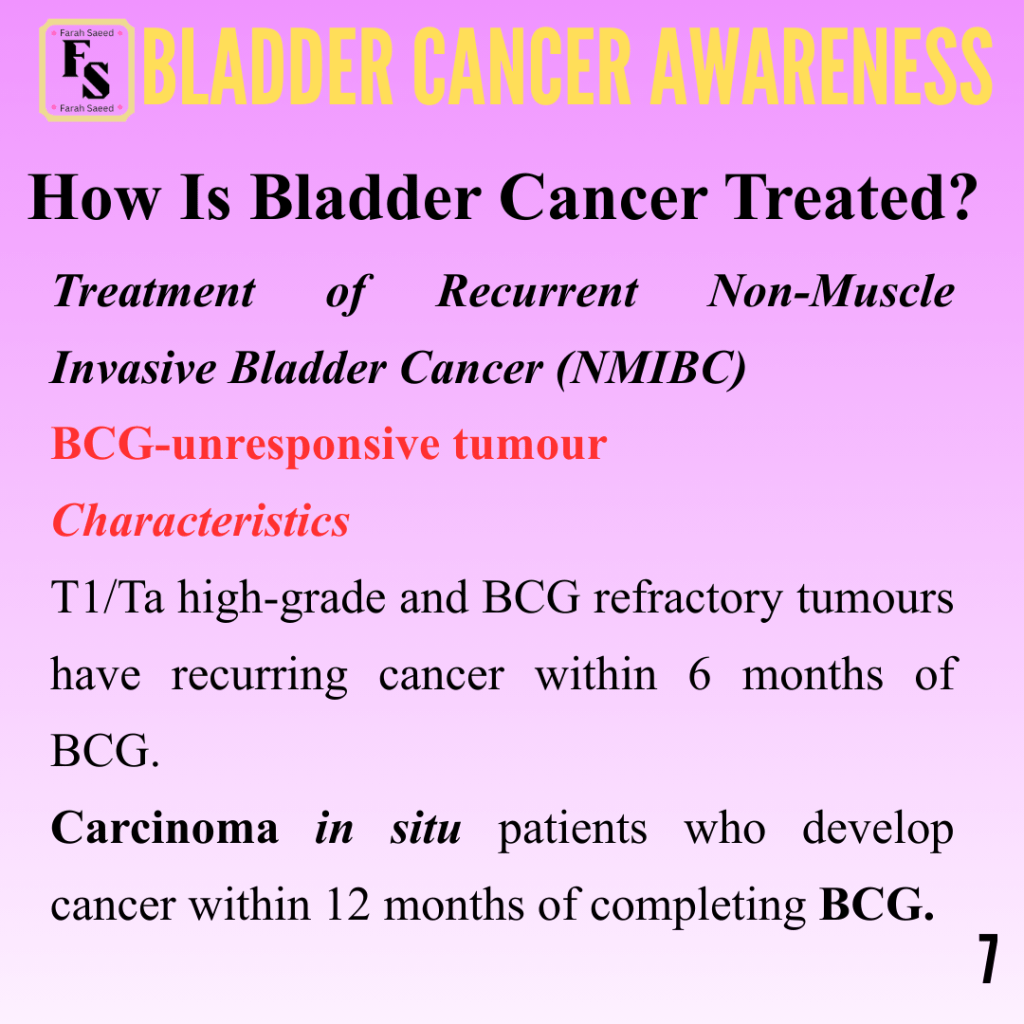
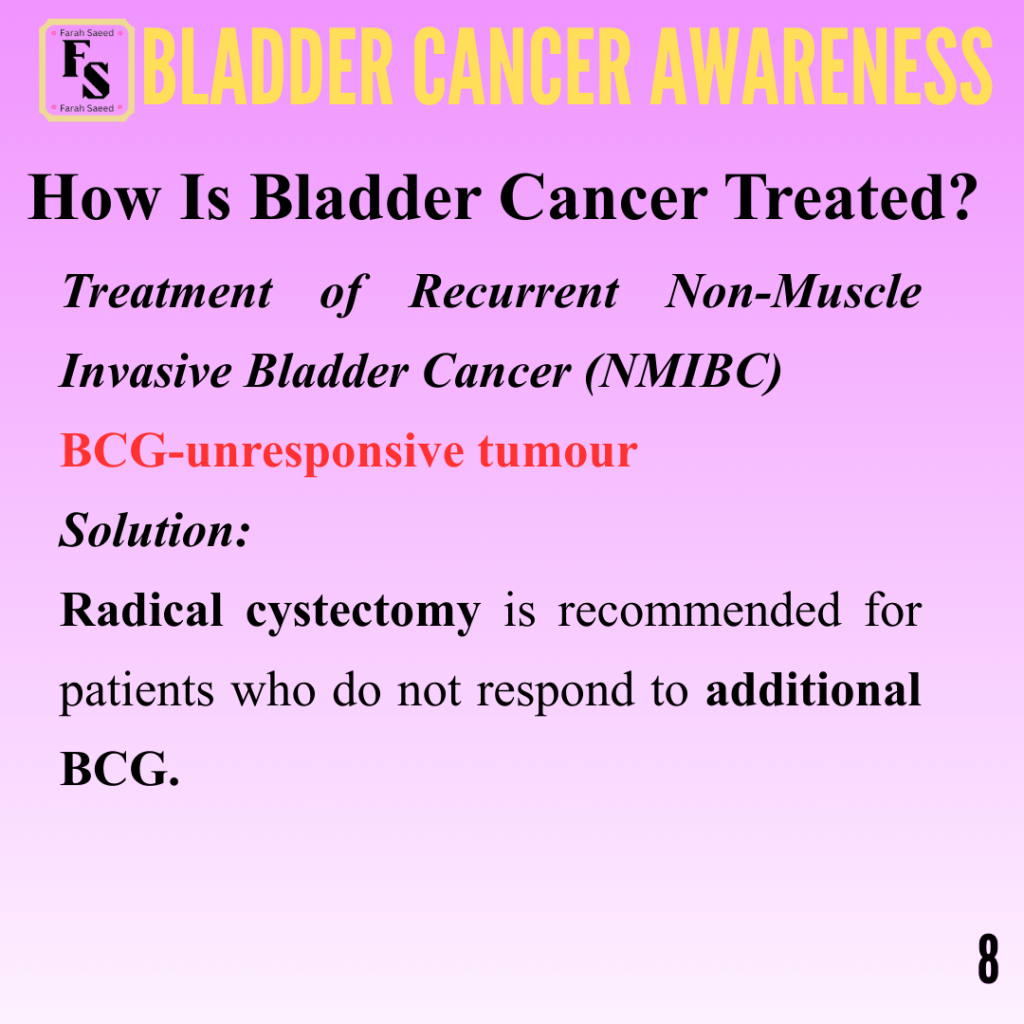
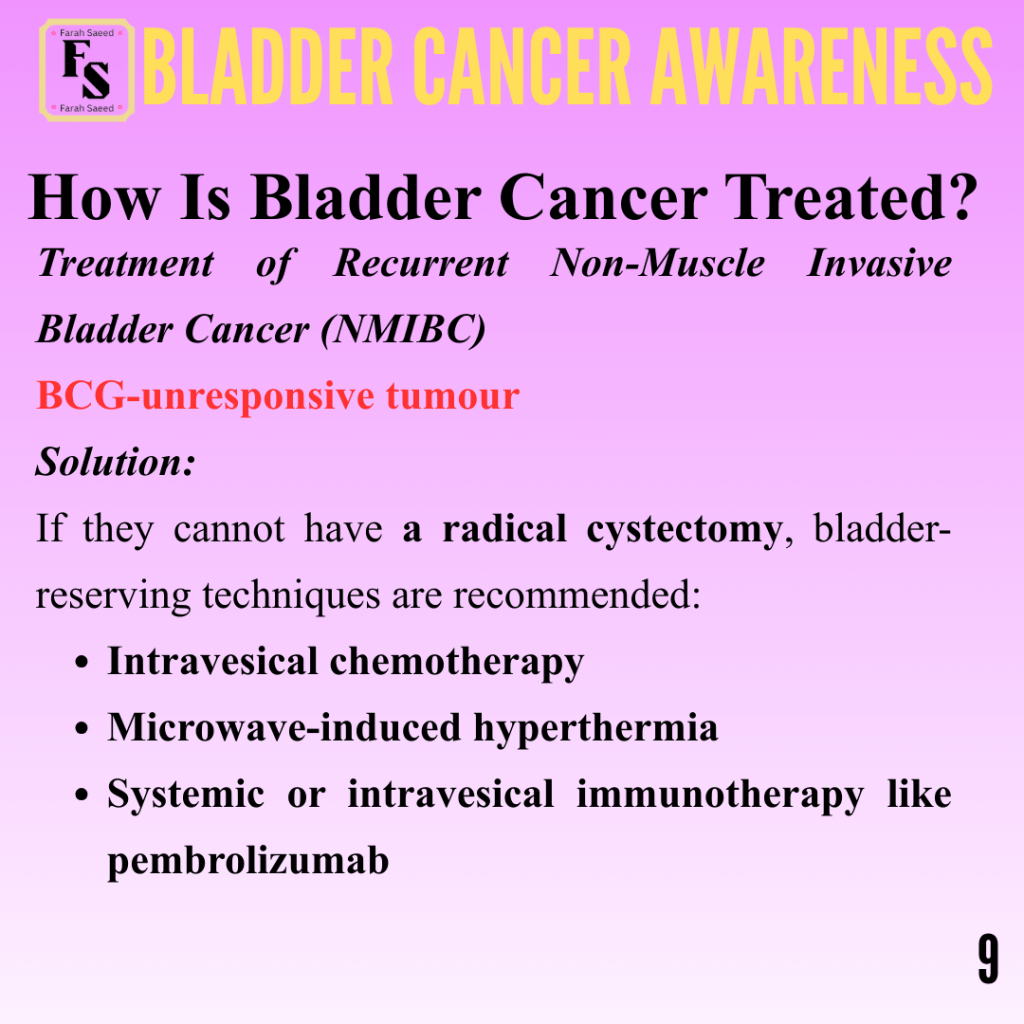
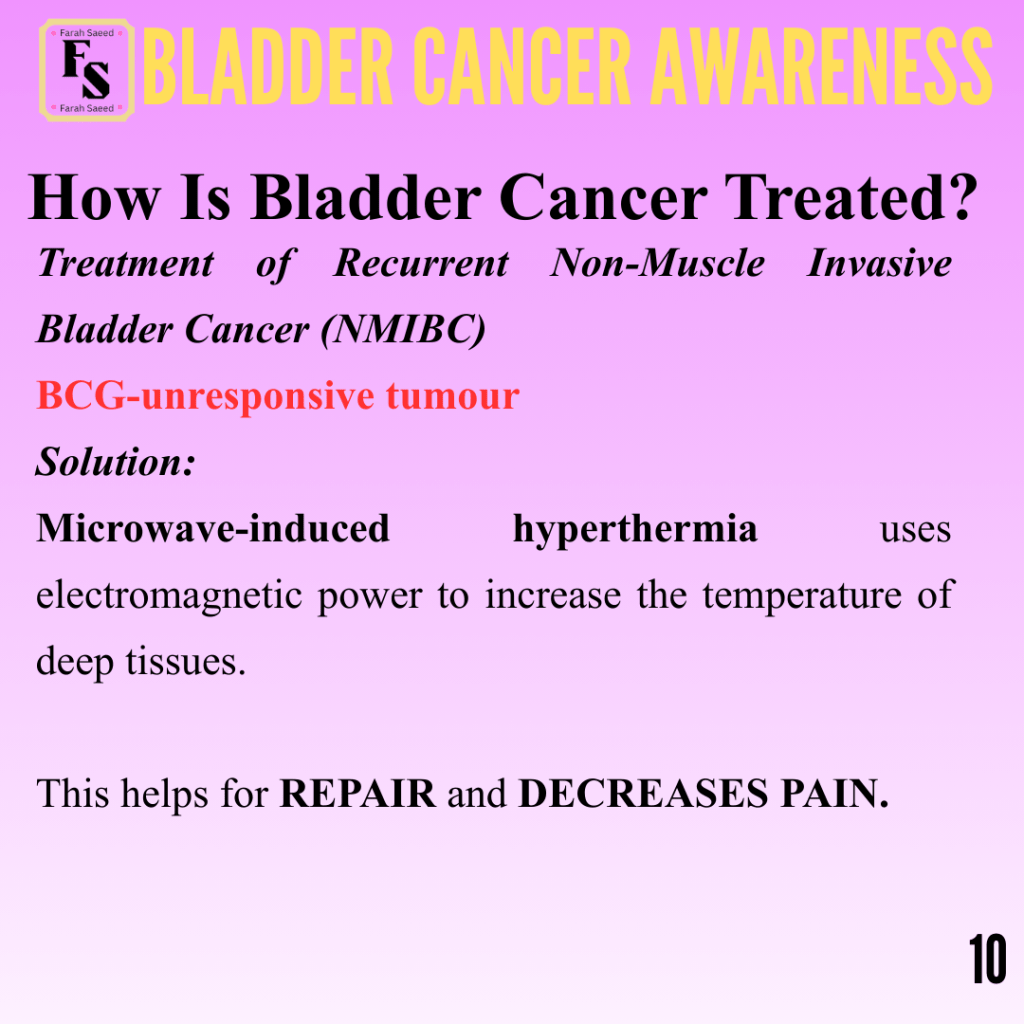
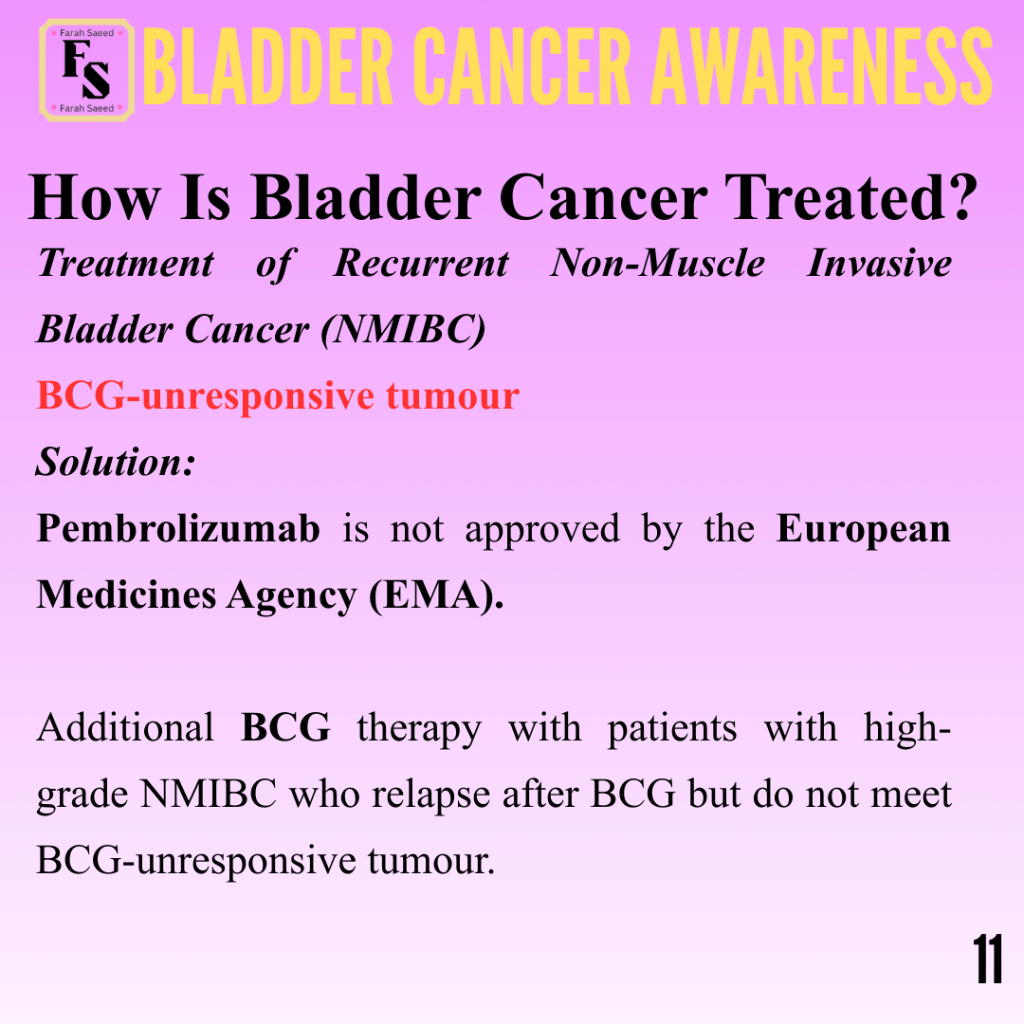
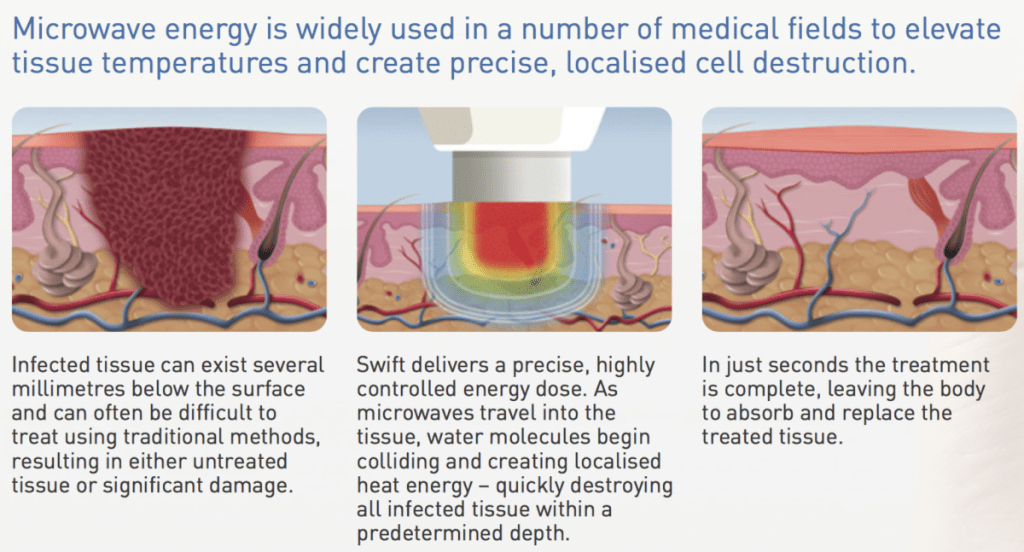
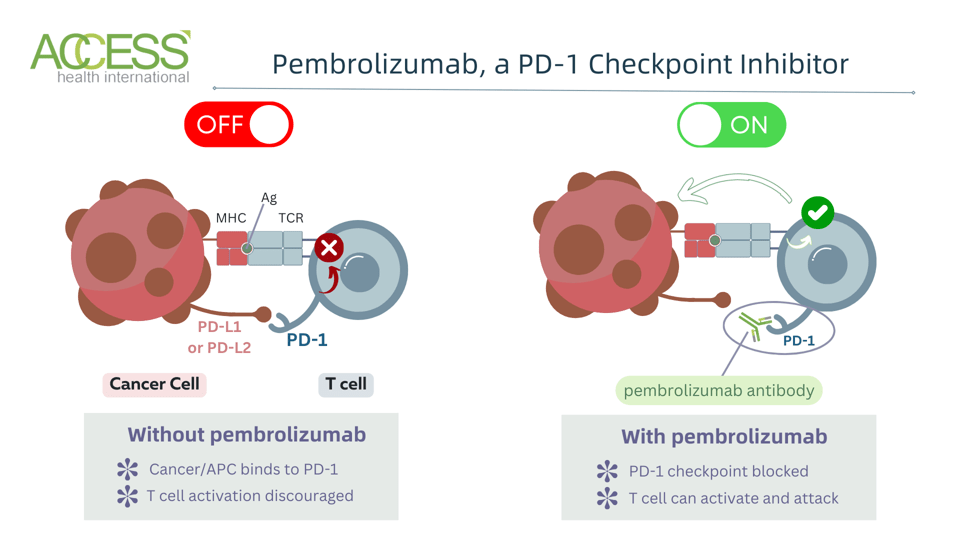
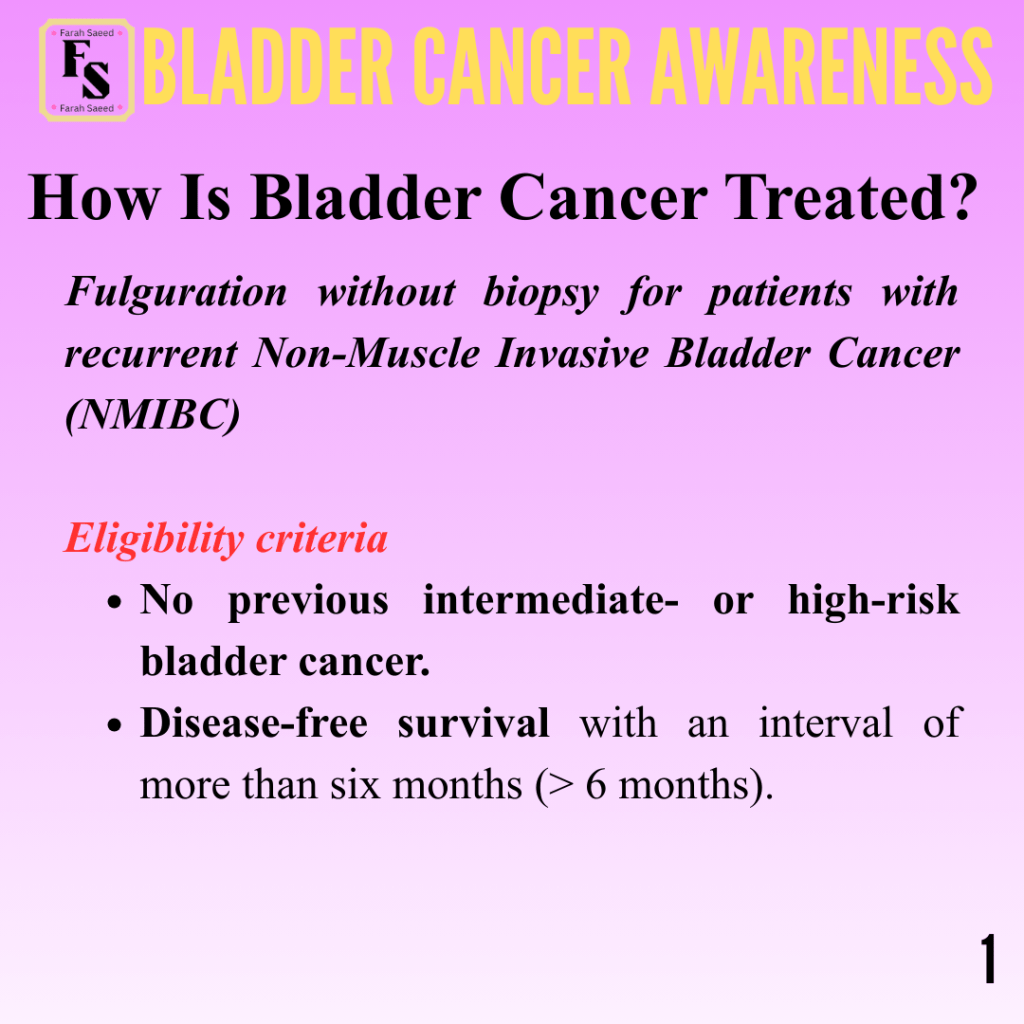
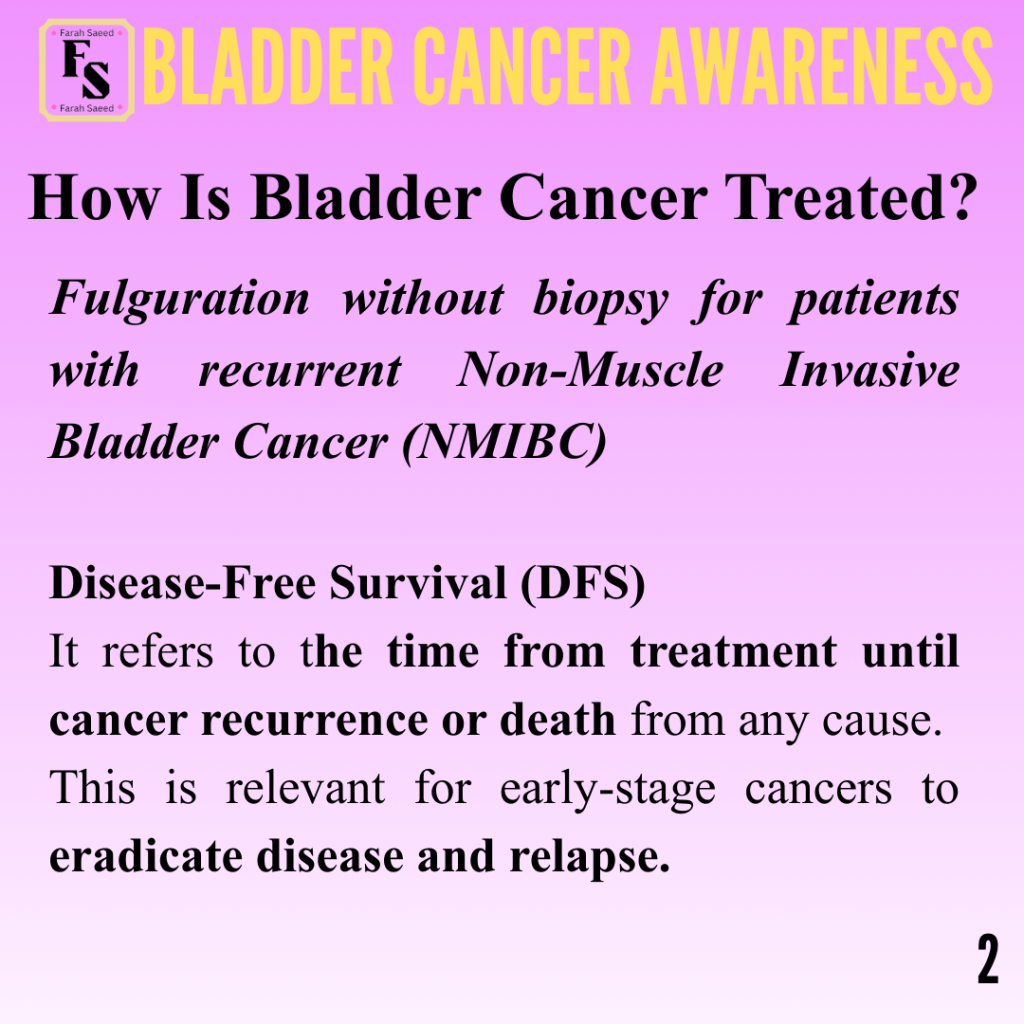
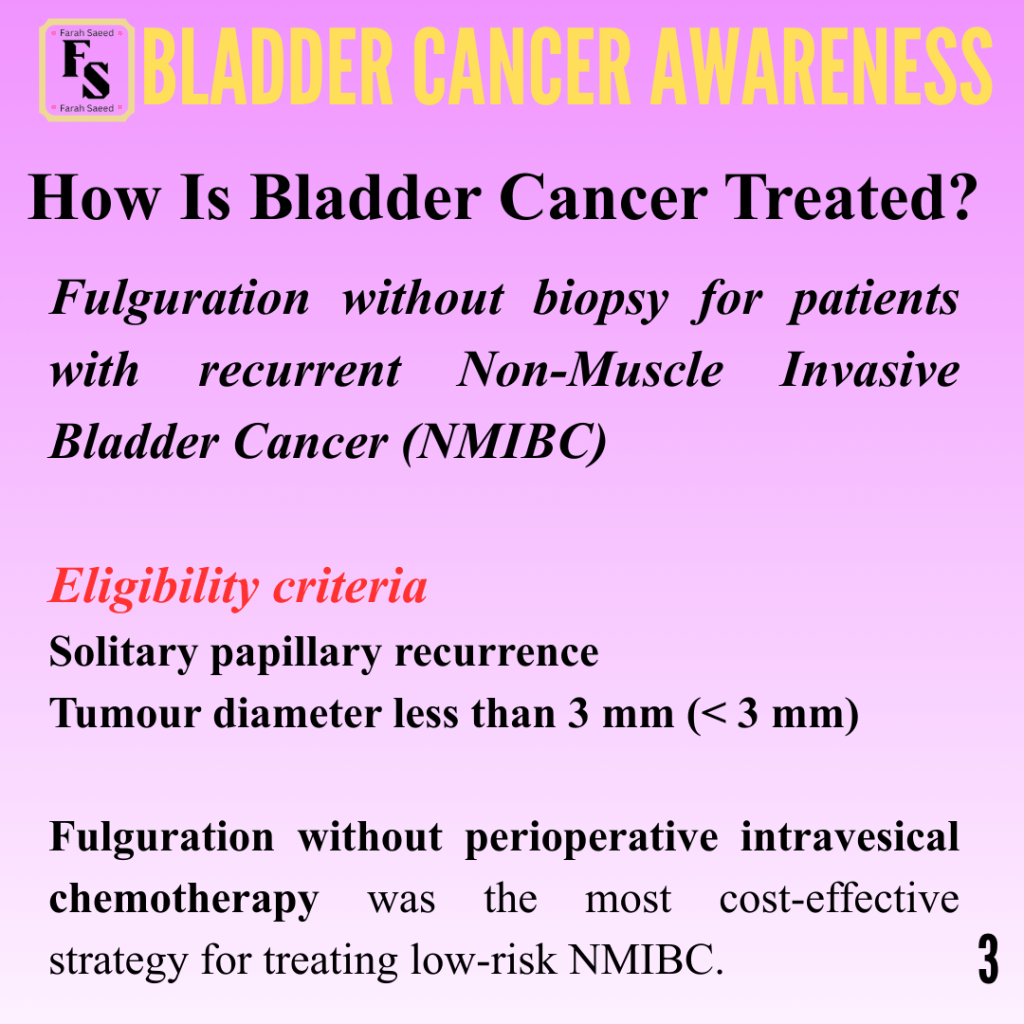
Treatment For Recurrent Non-Muscle Invasive Bladder Cancer
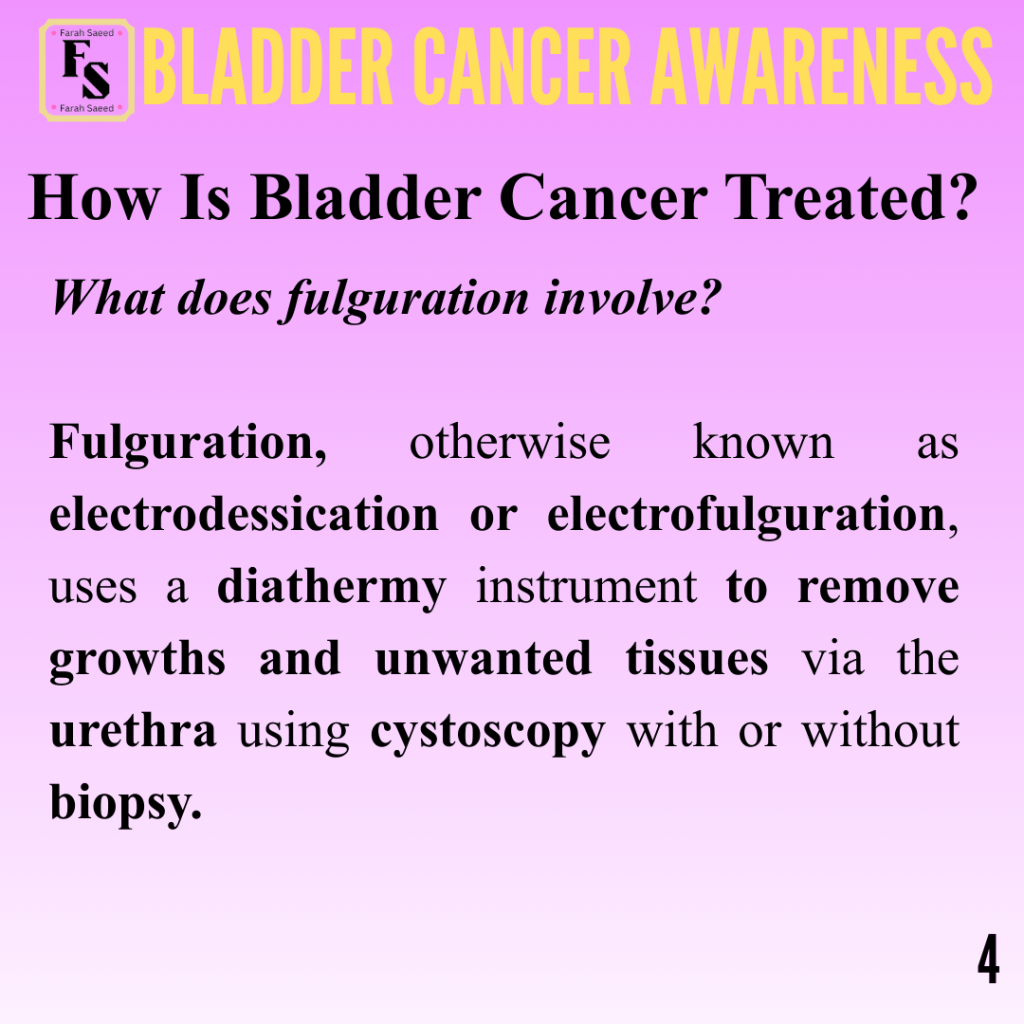
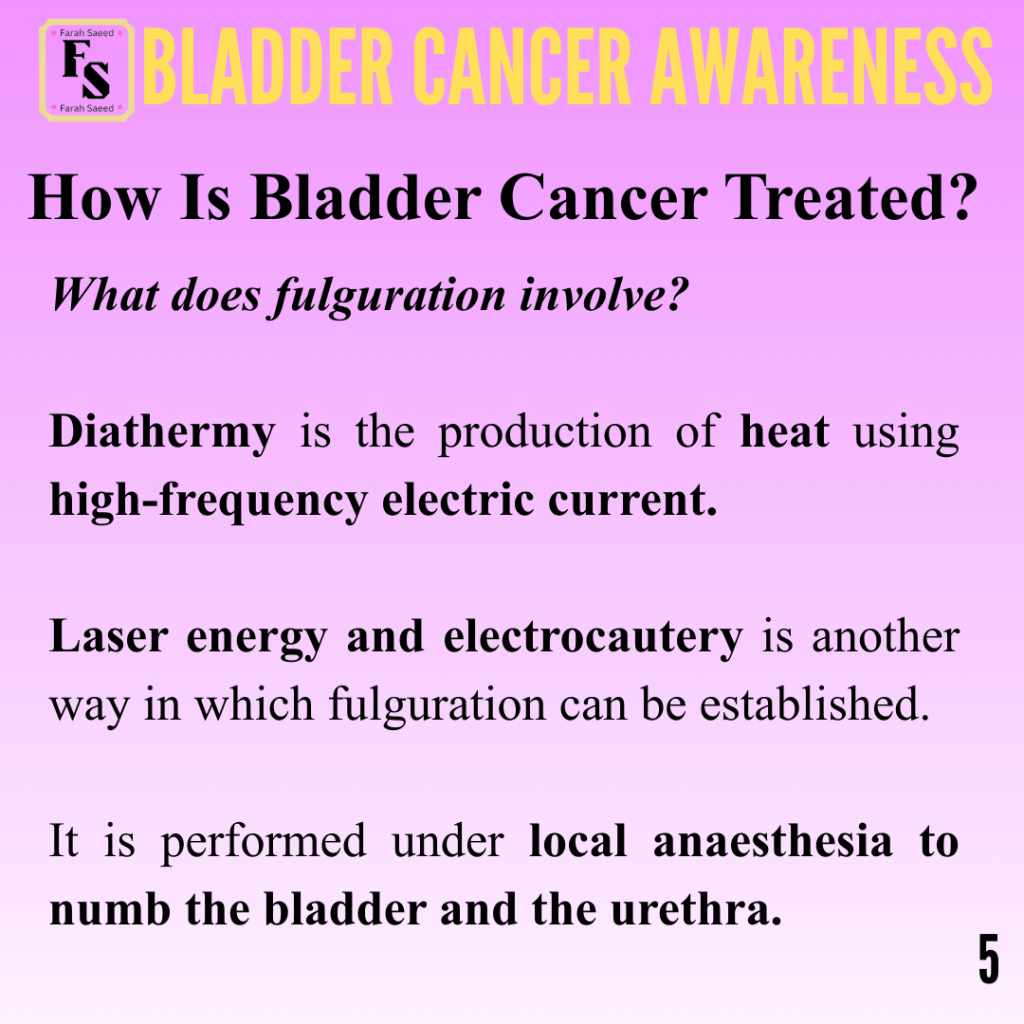
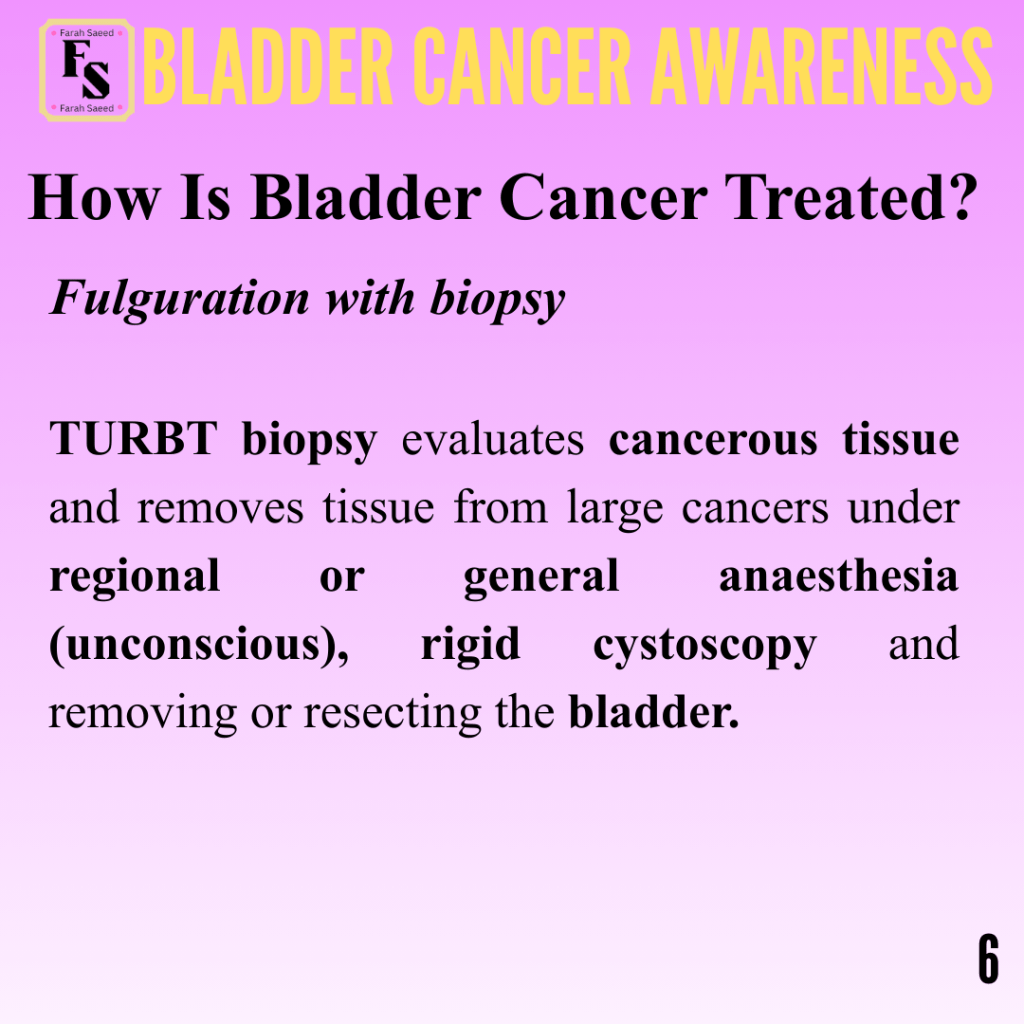
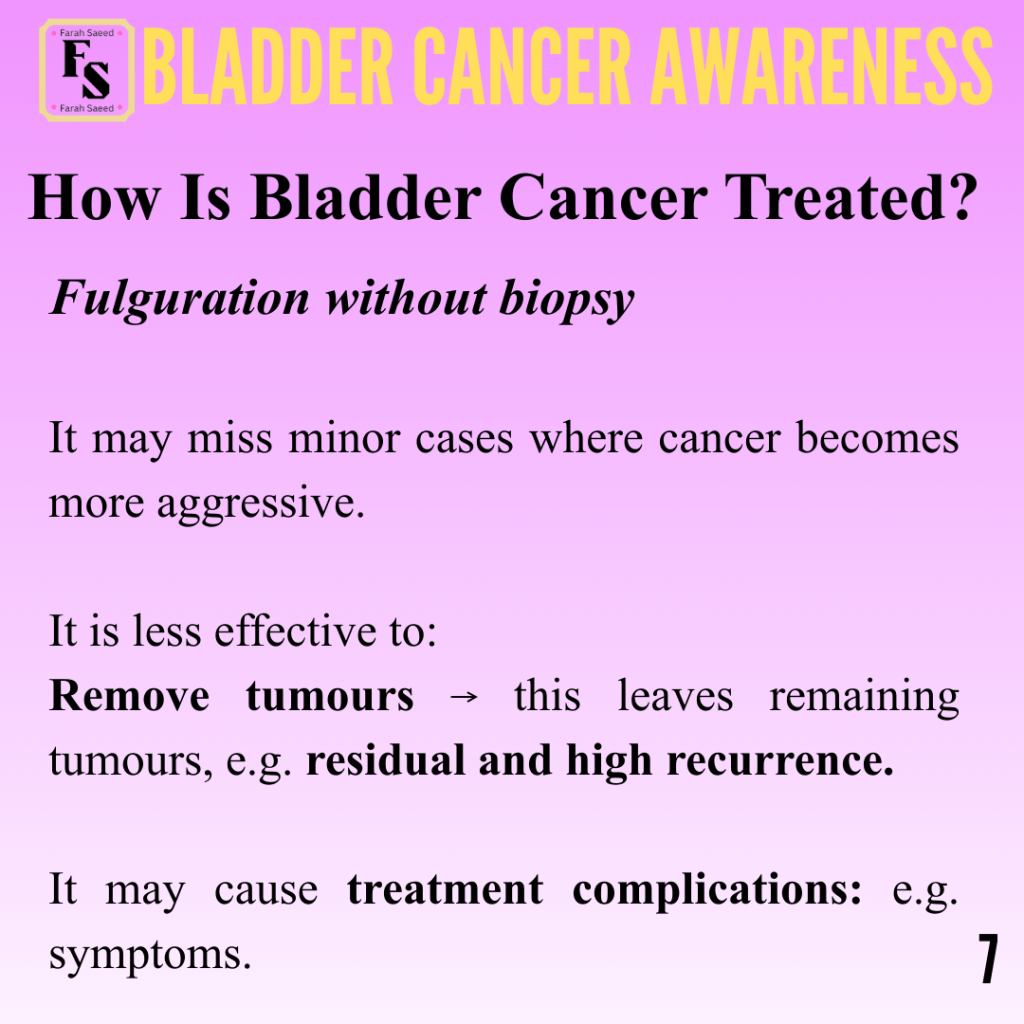
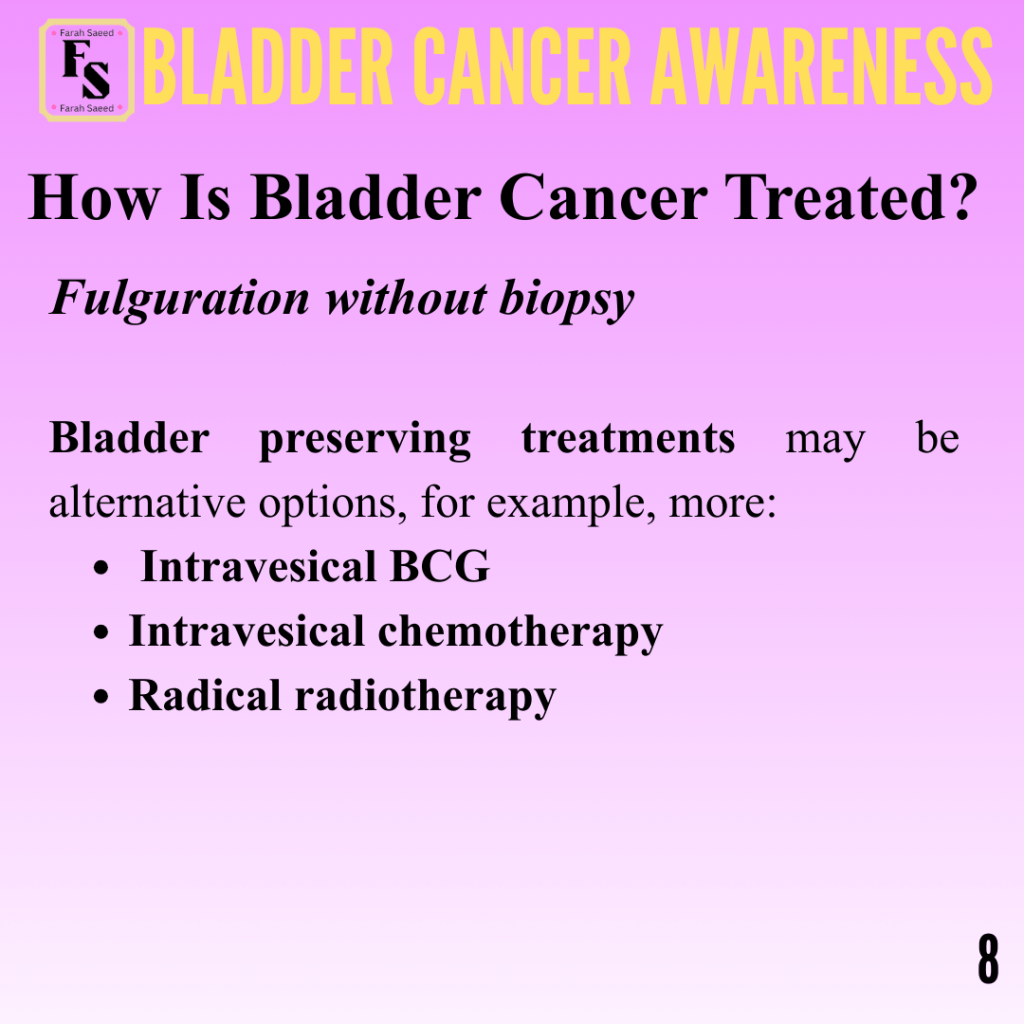
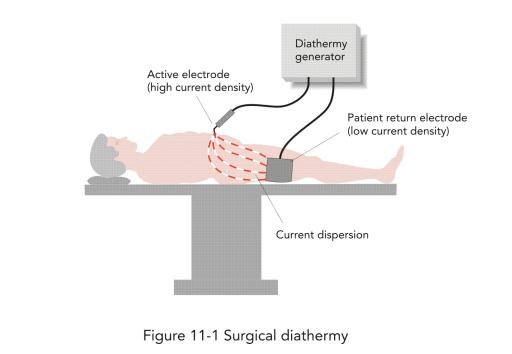
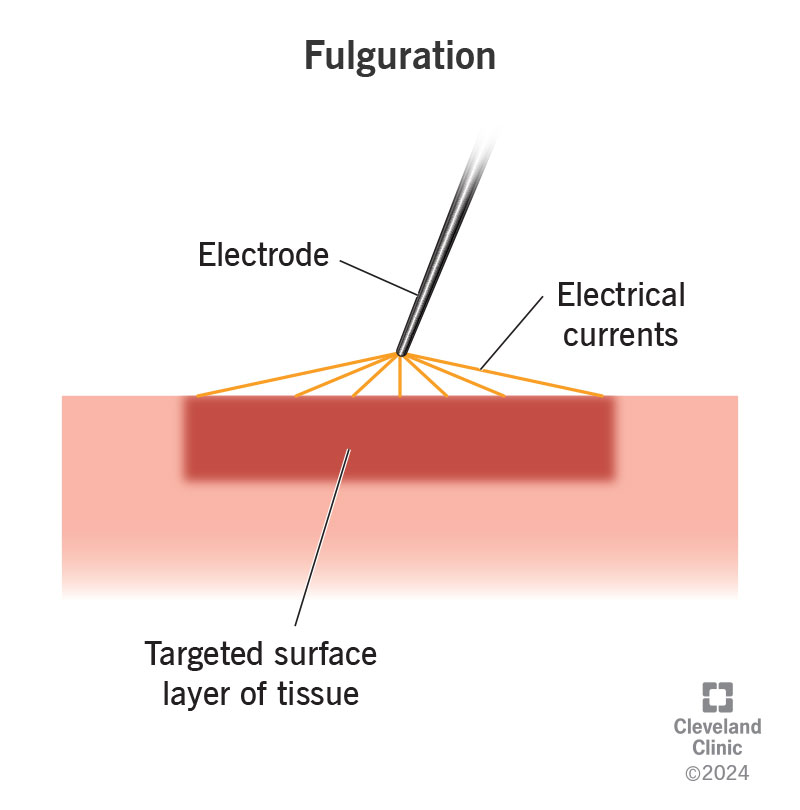
Fulguration
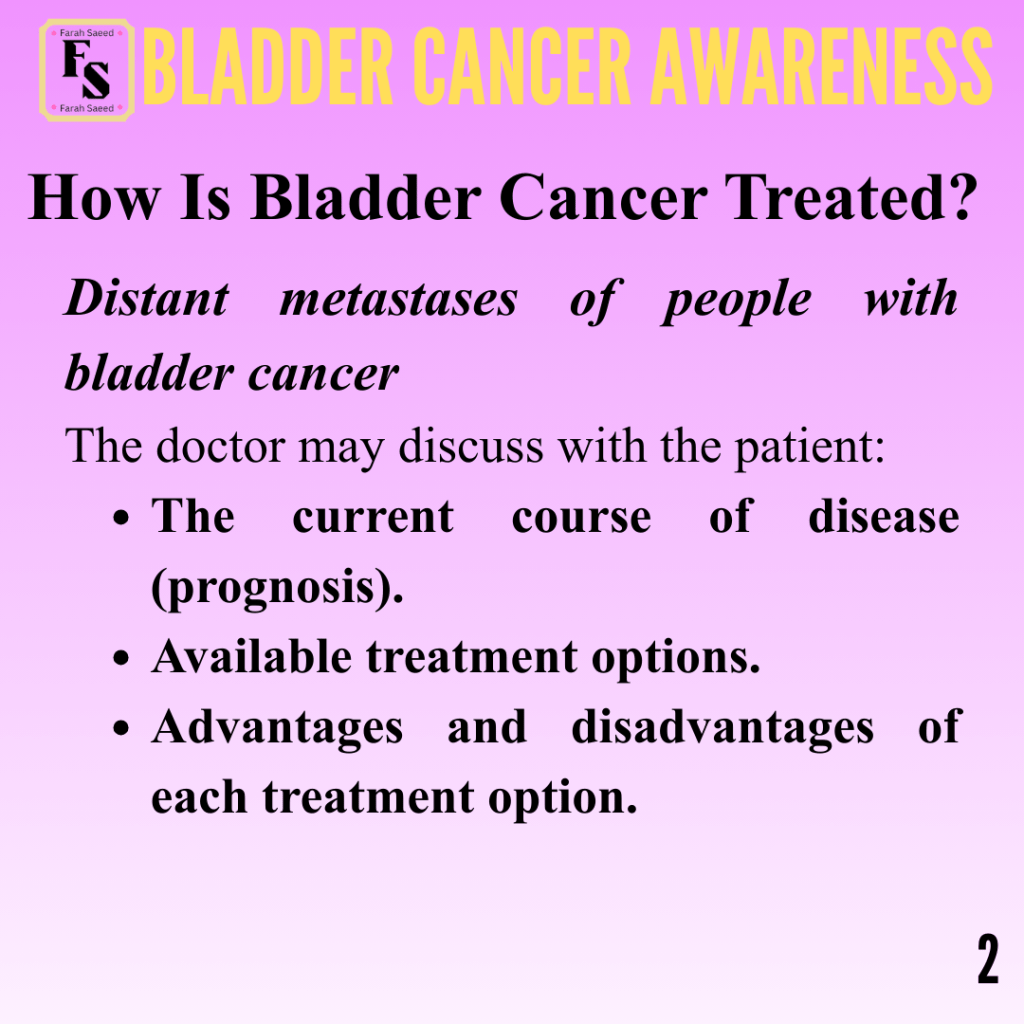
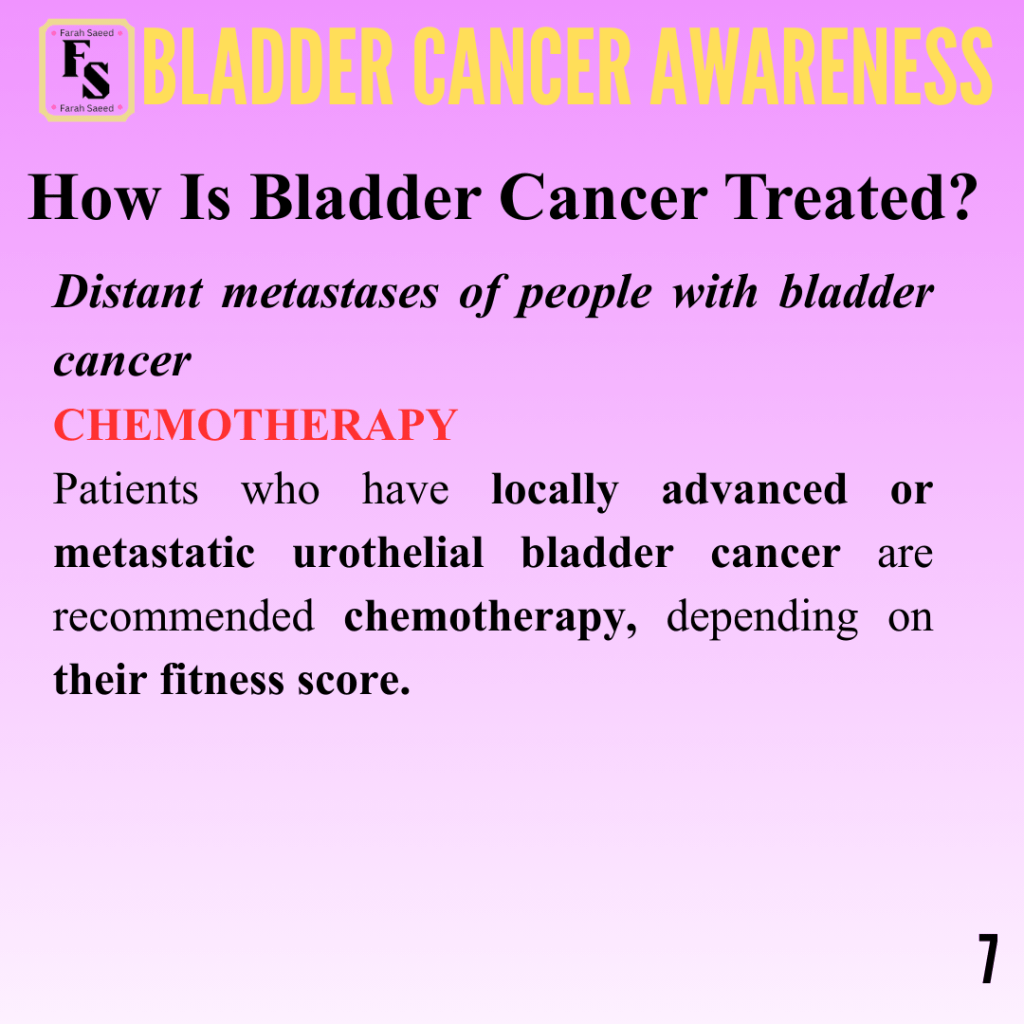
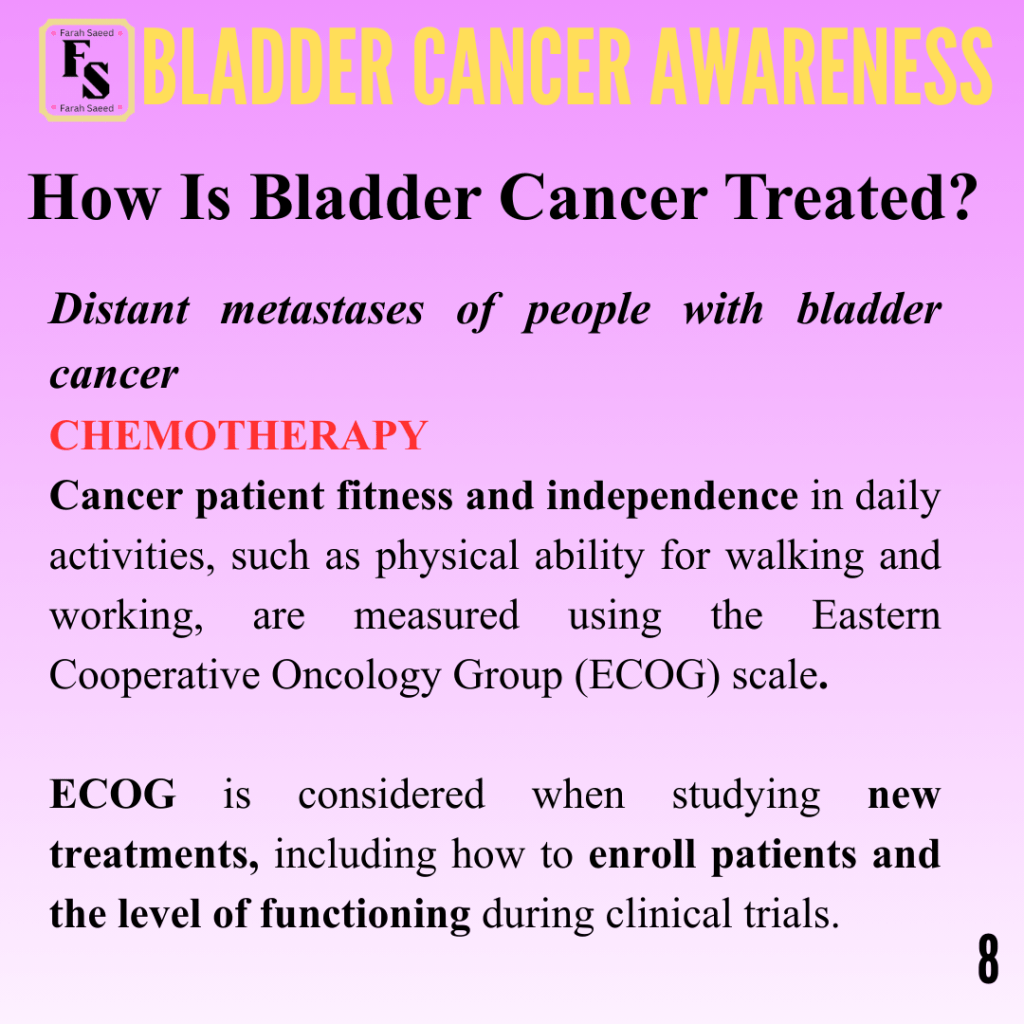
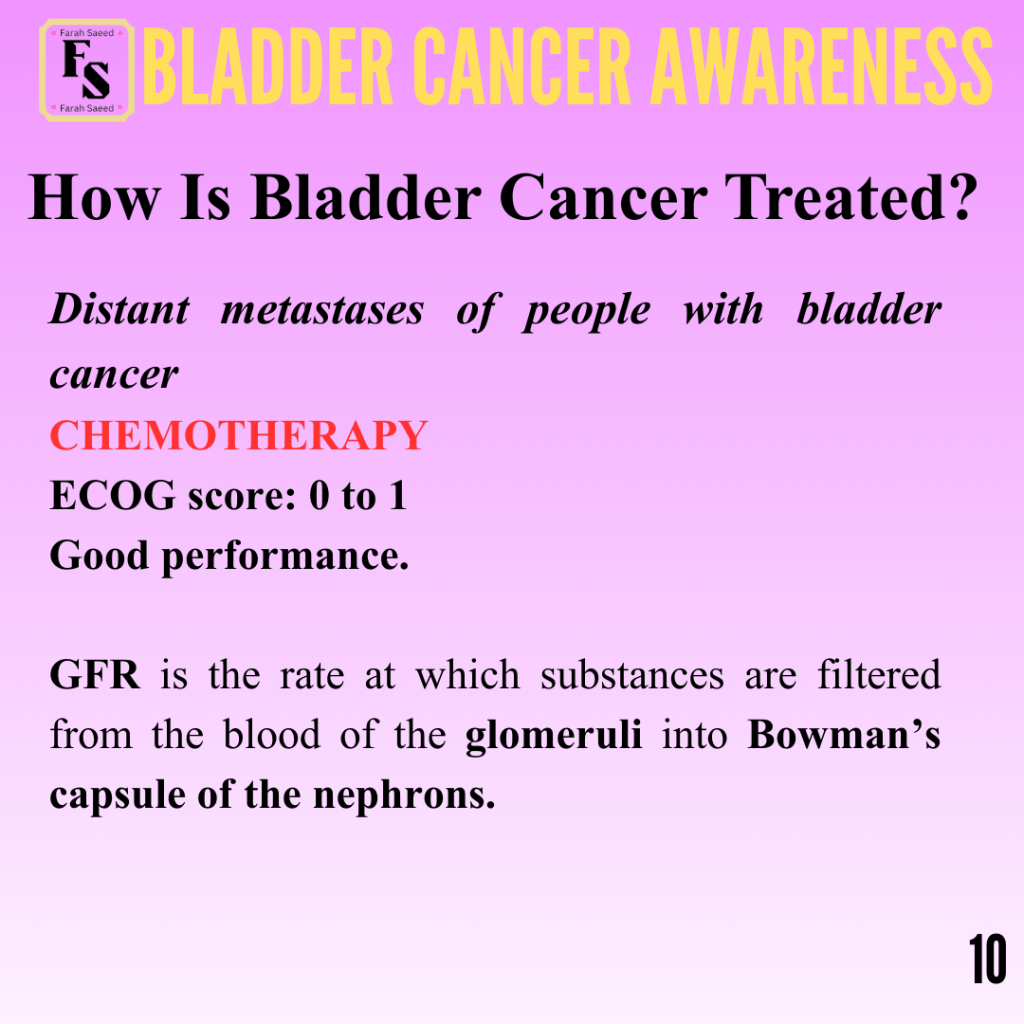
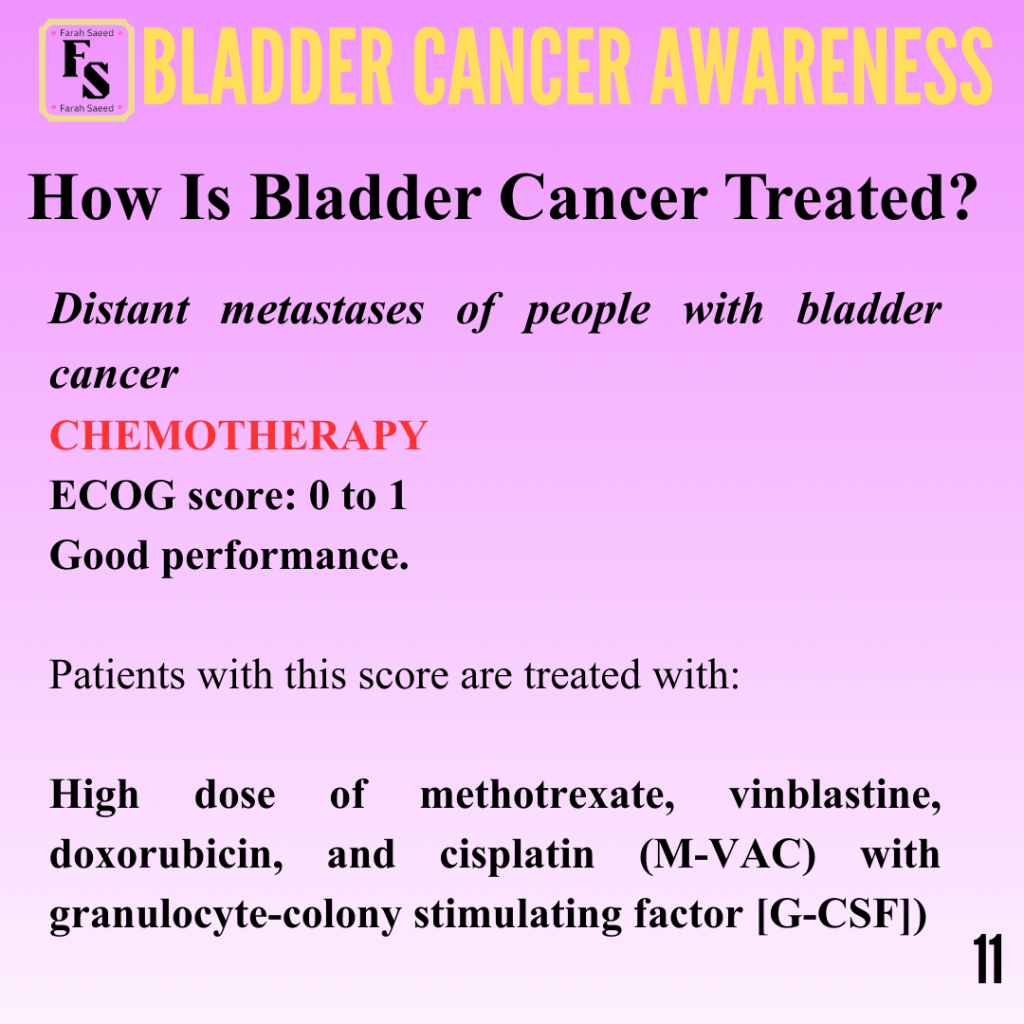
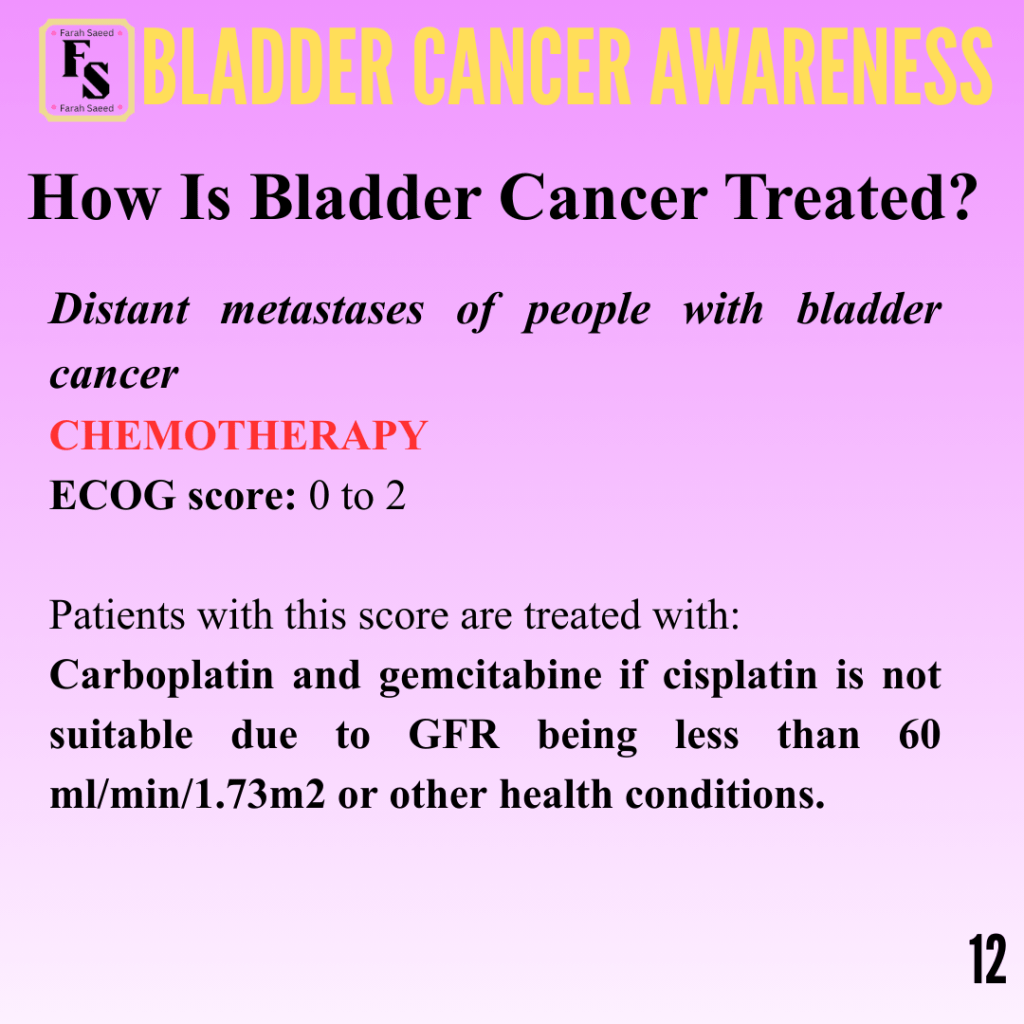
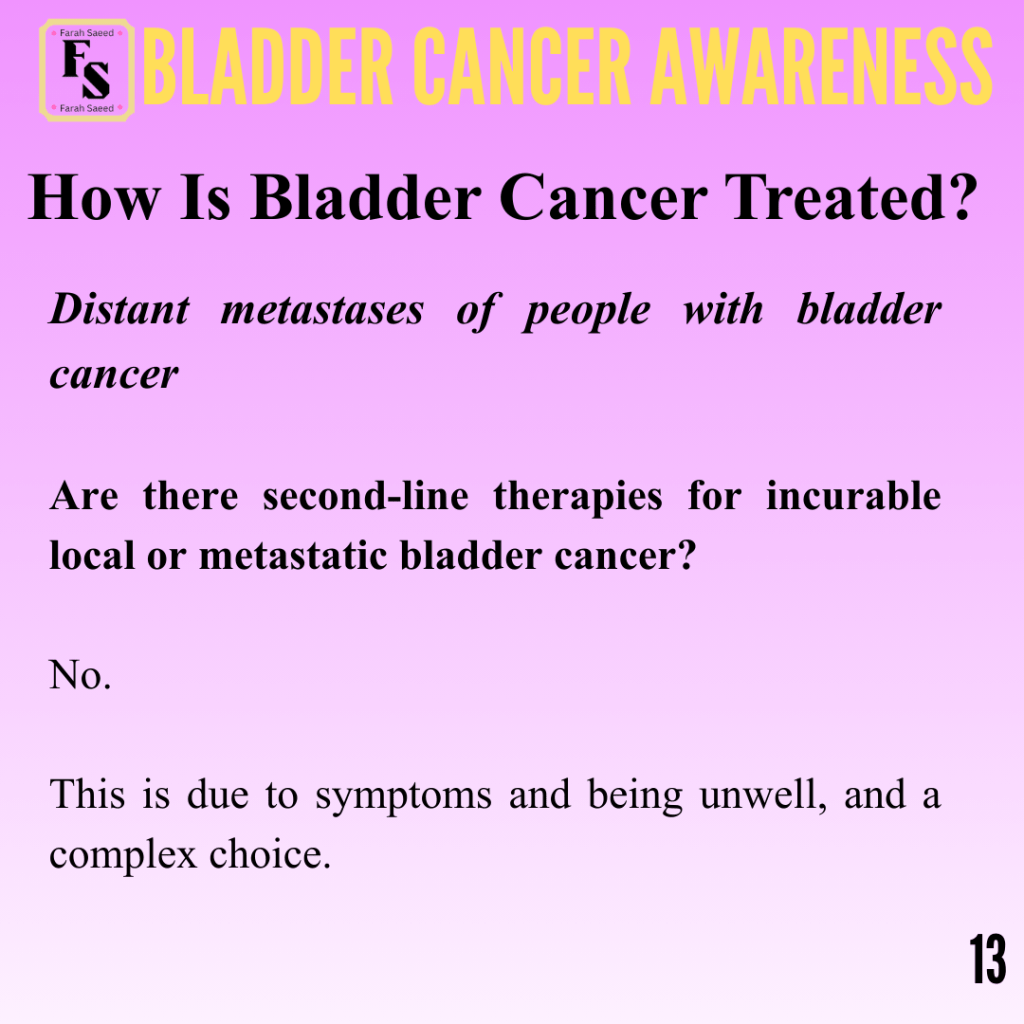
Distant Metastases Of People With Bladder Cancer
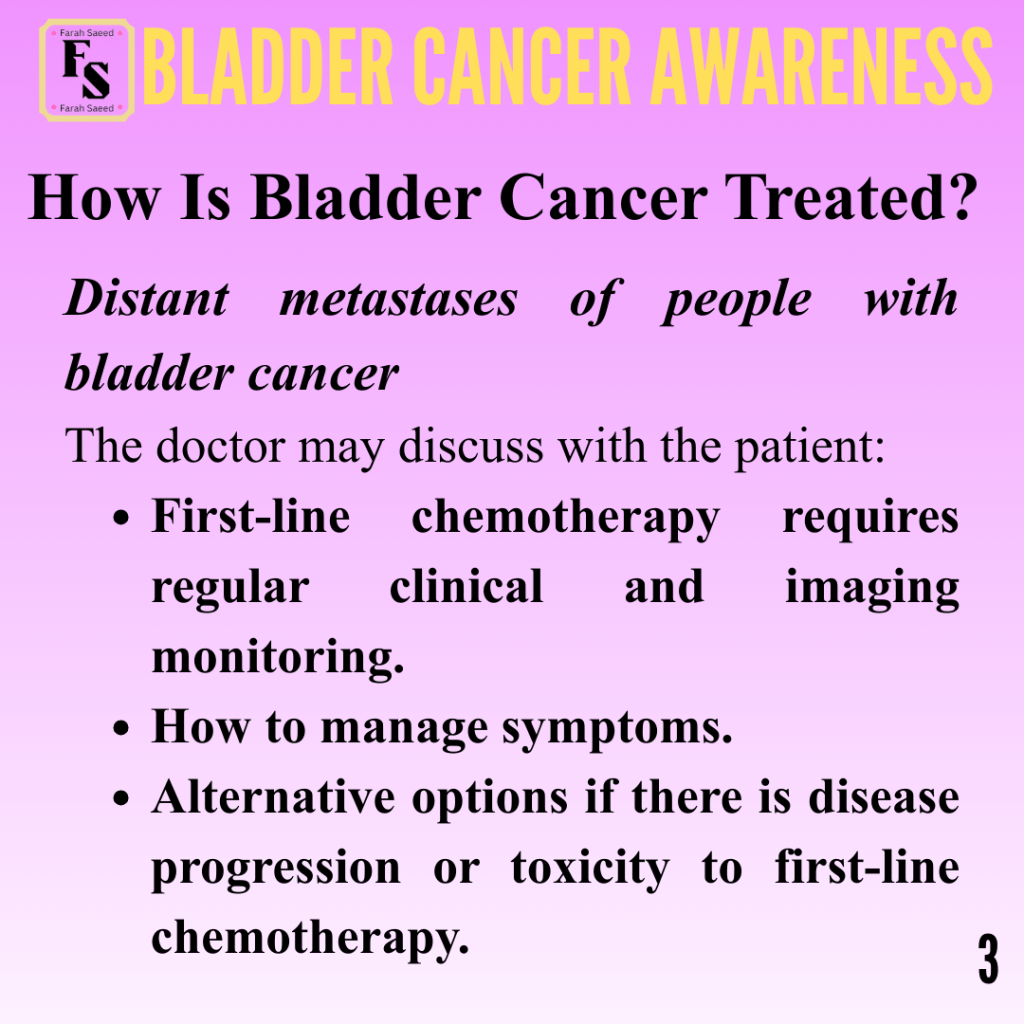
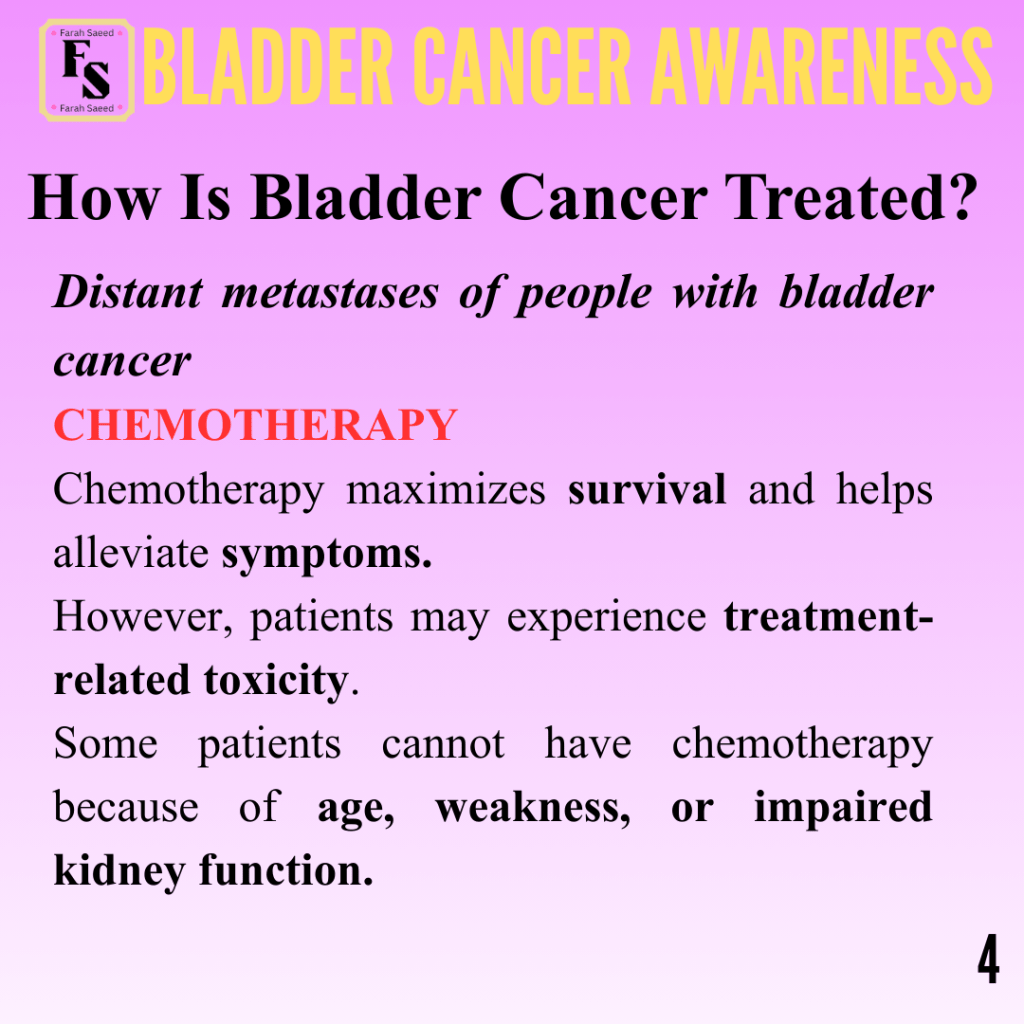
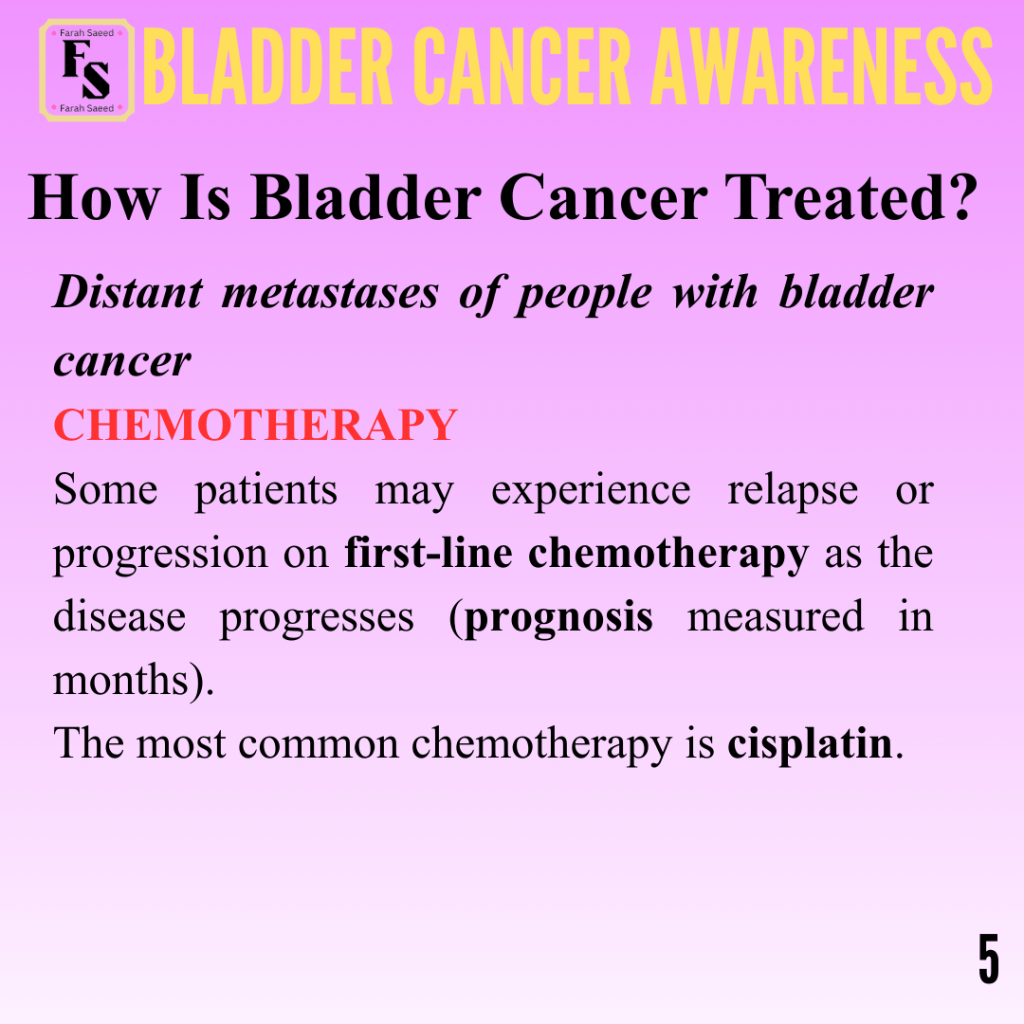
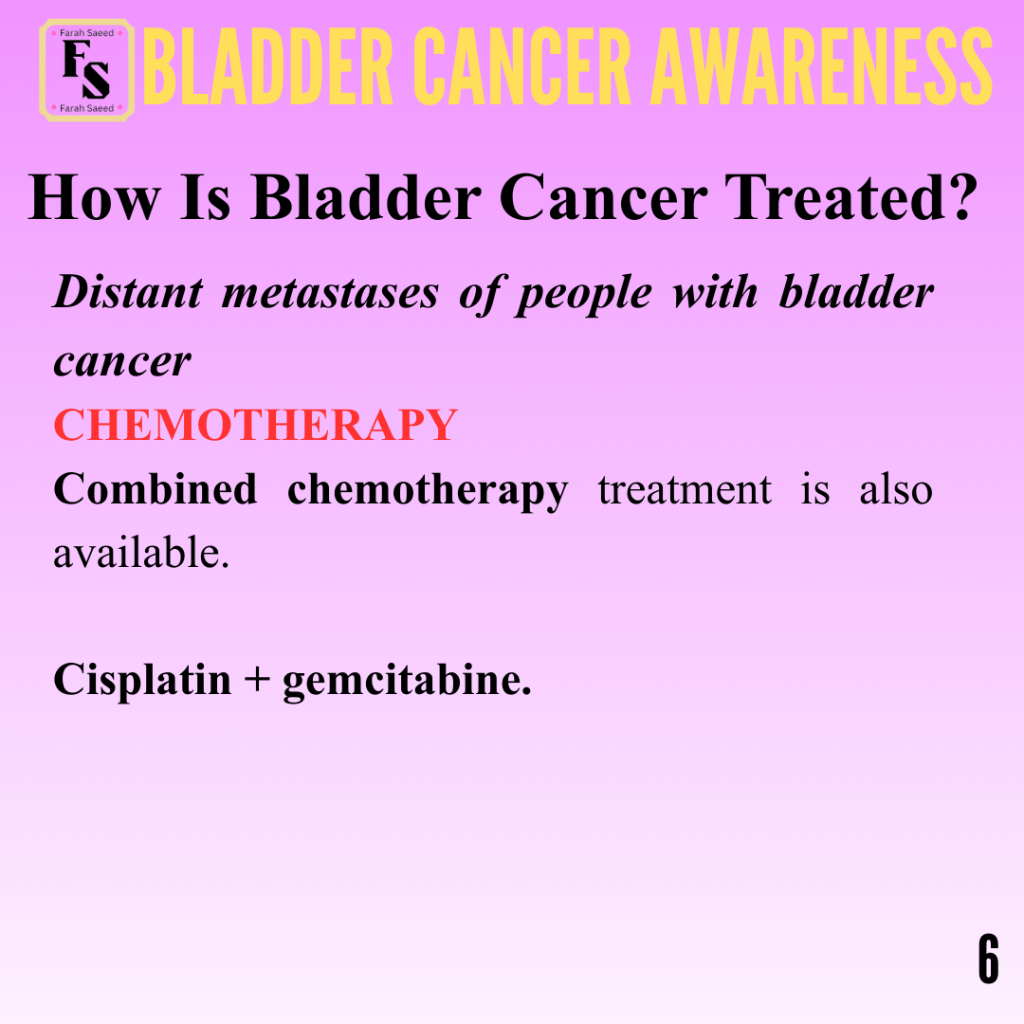

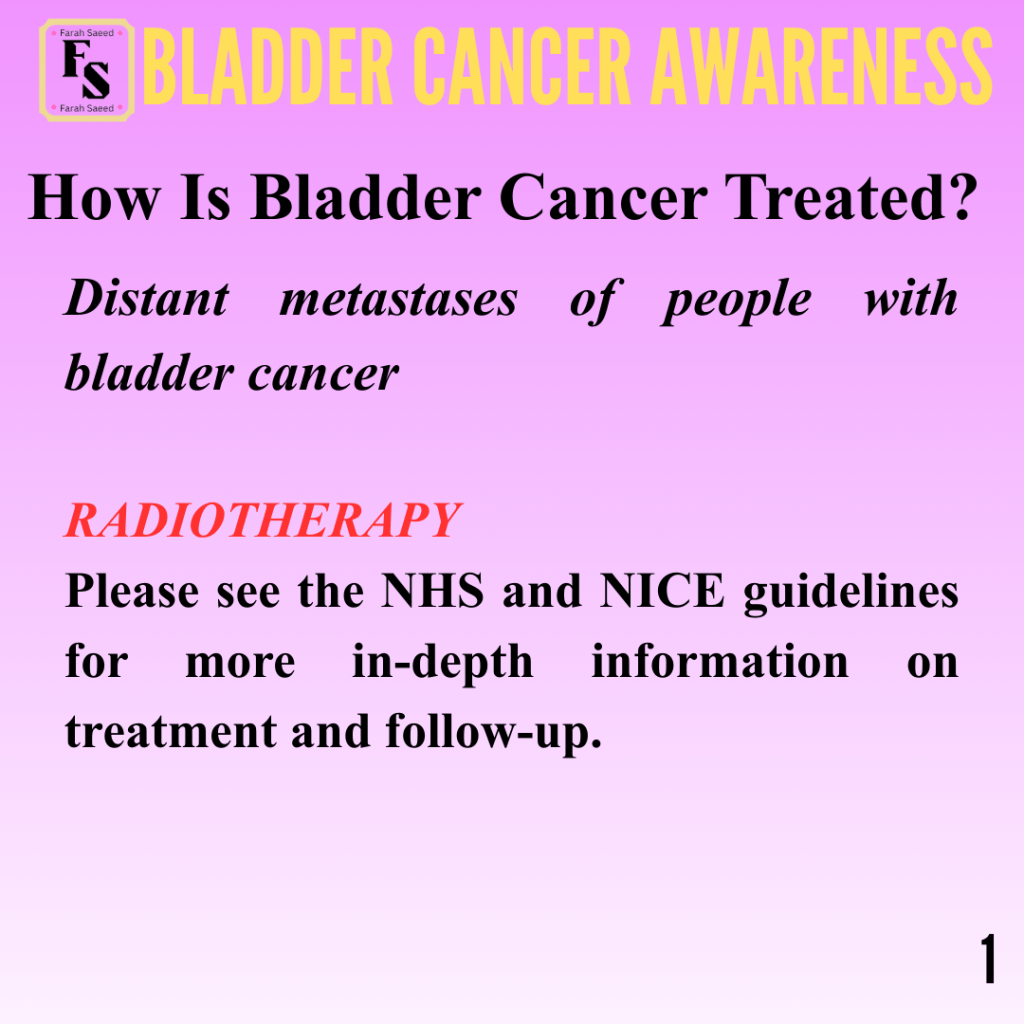
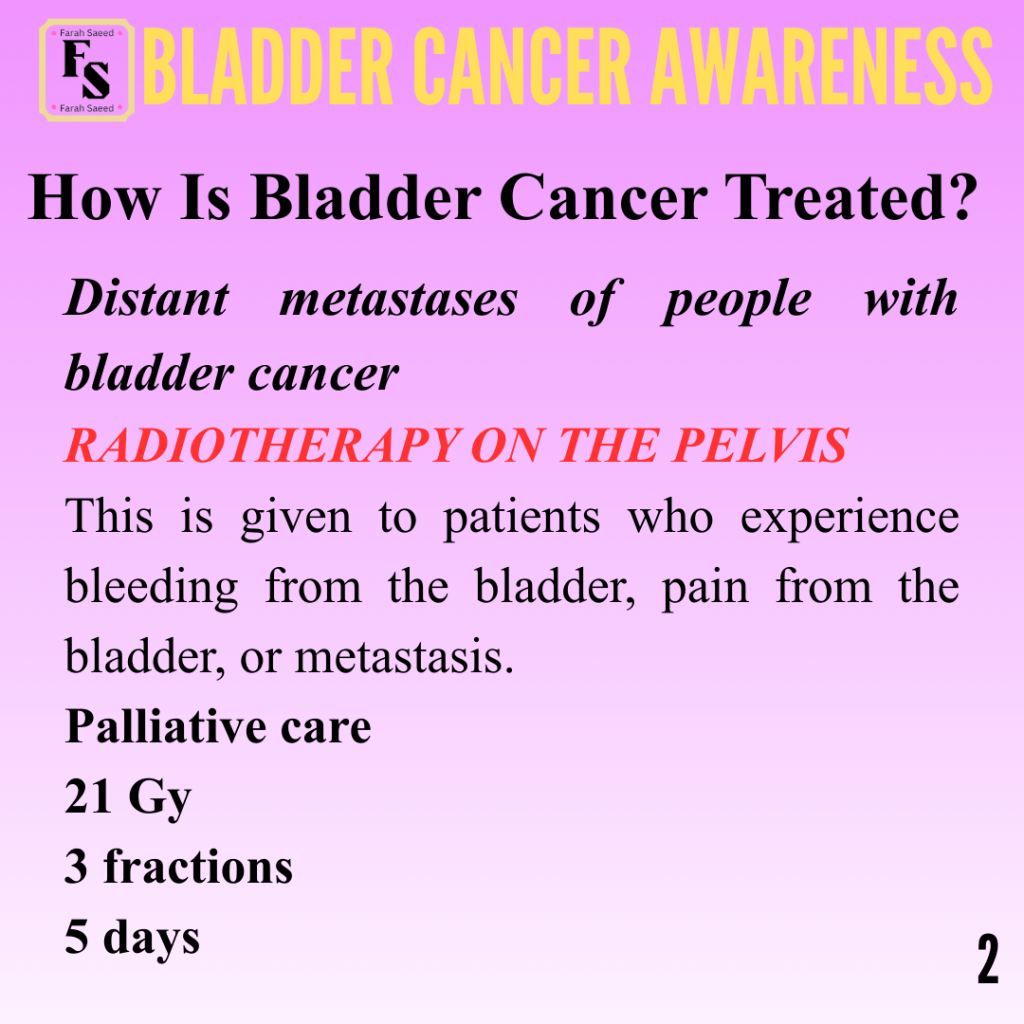
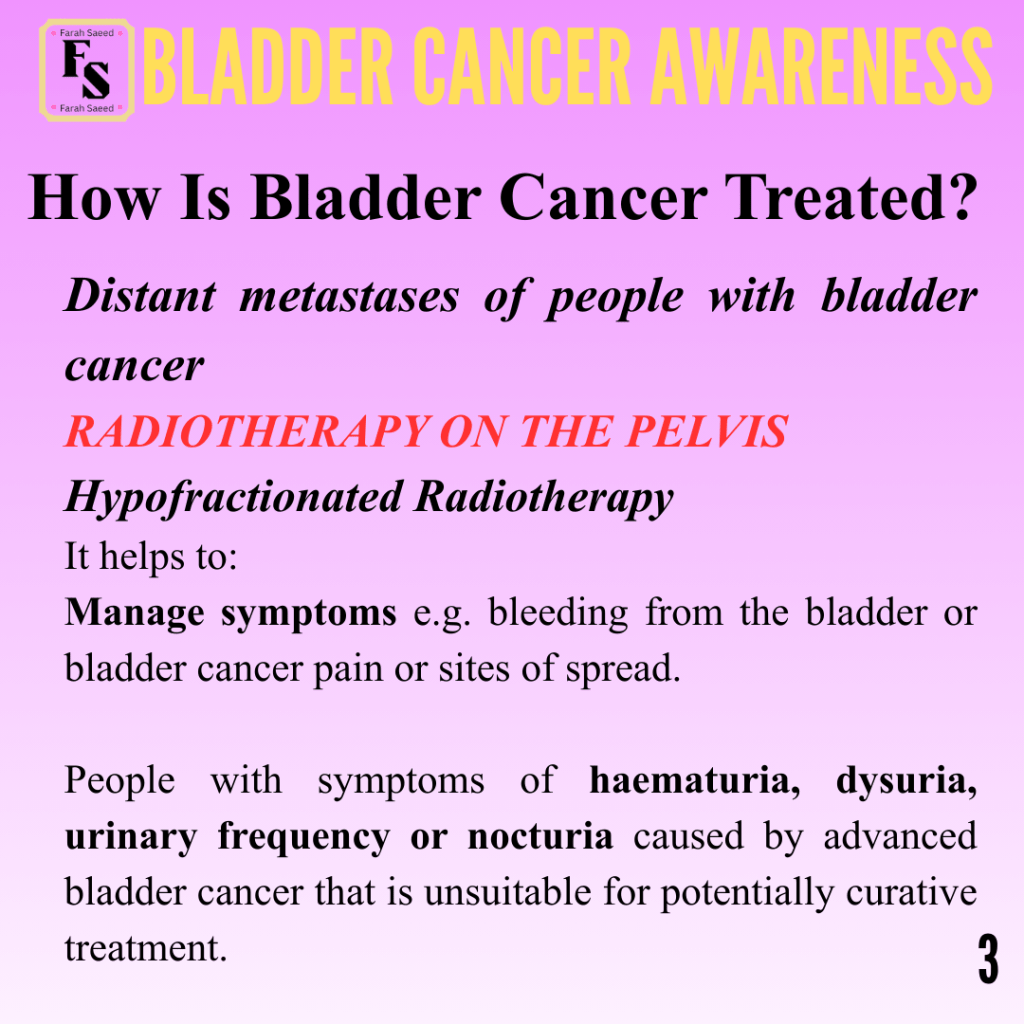
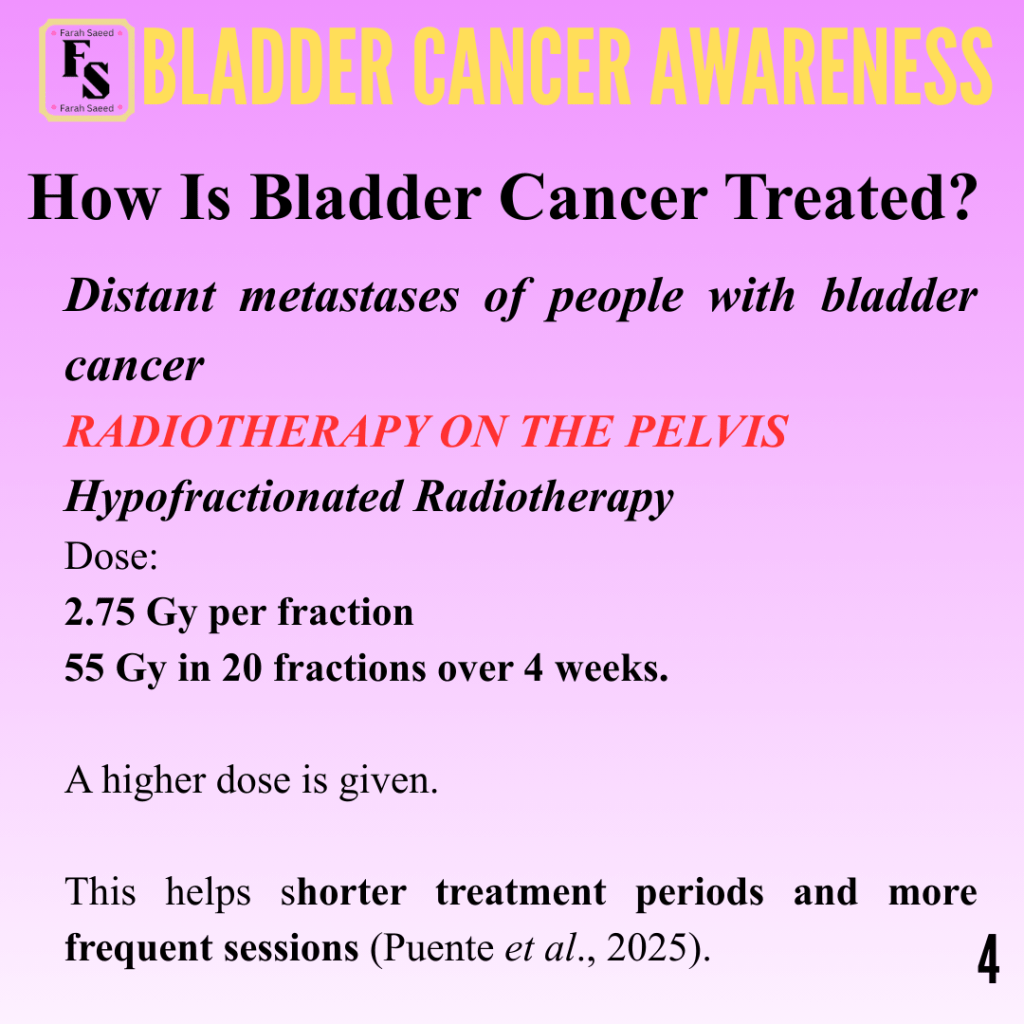
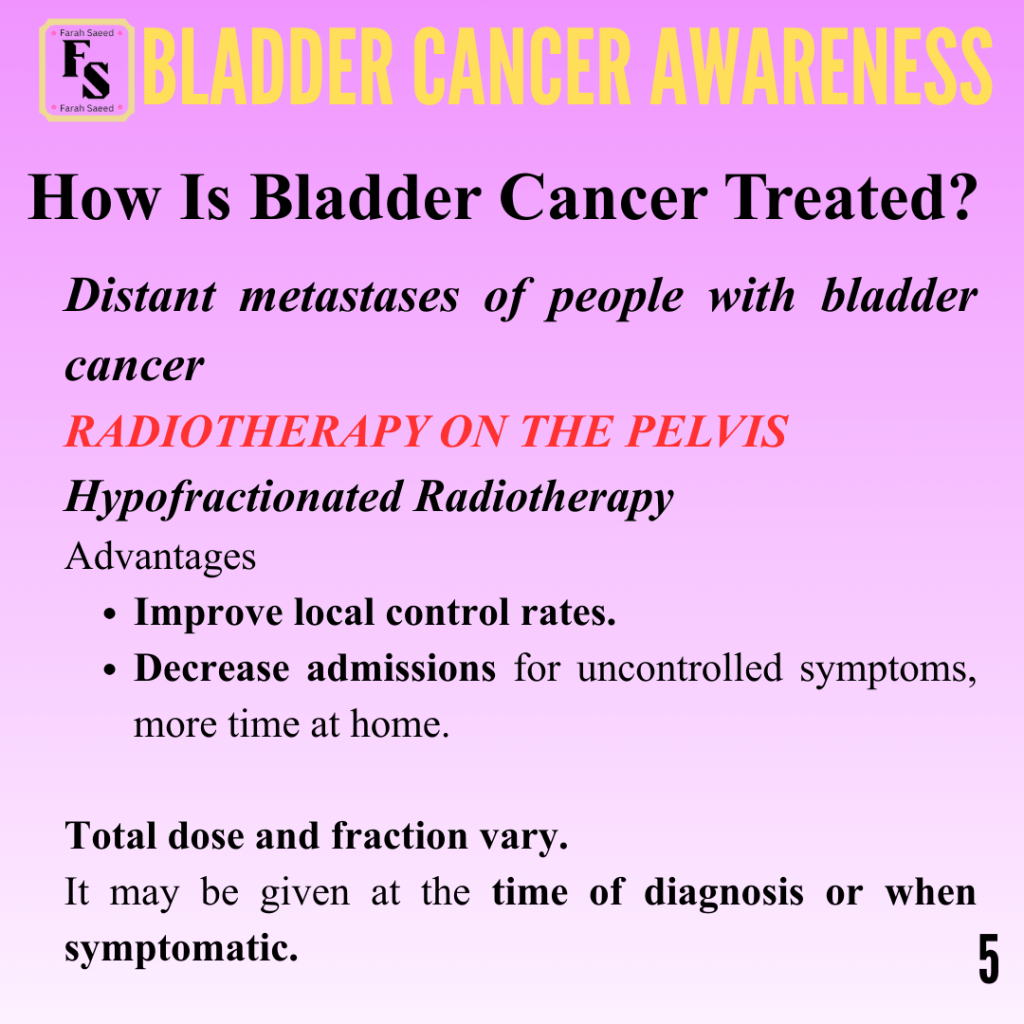
Radiotherapy for Distant Metastases
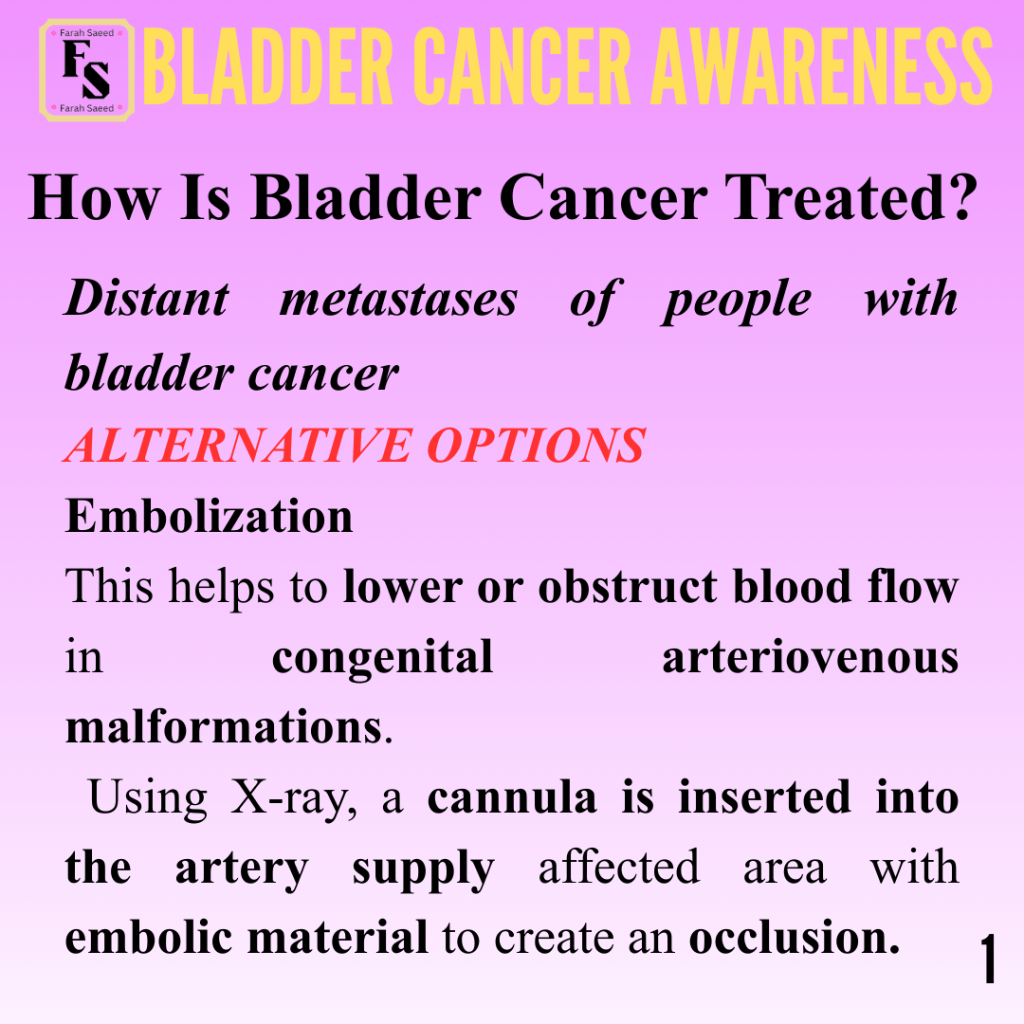
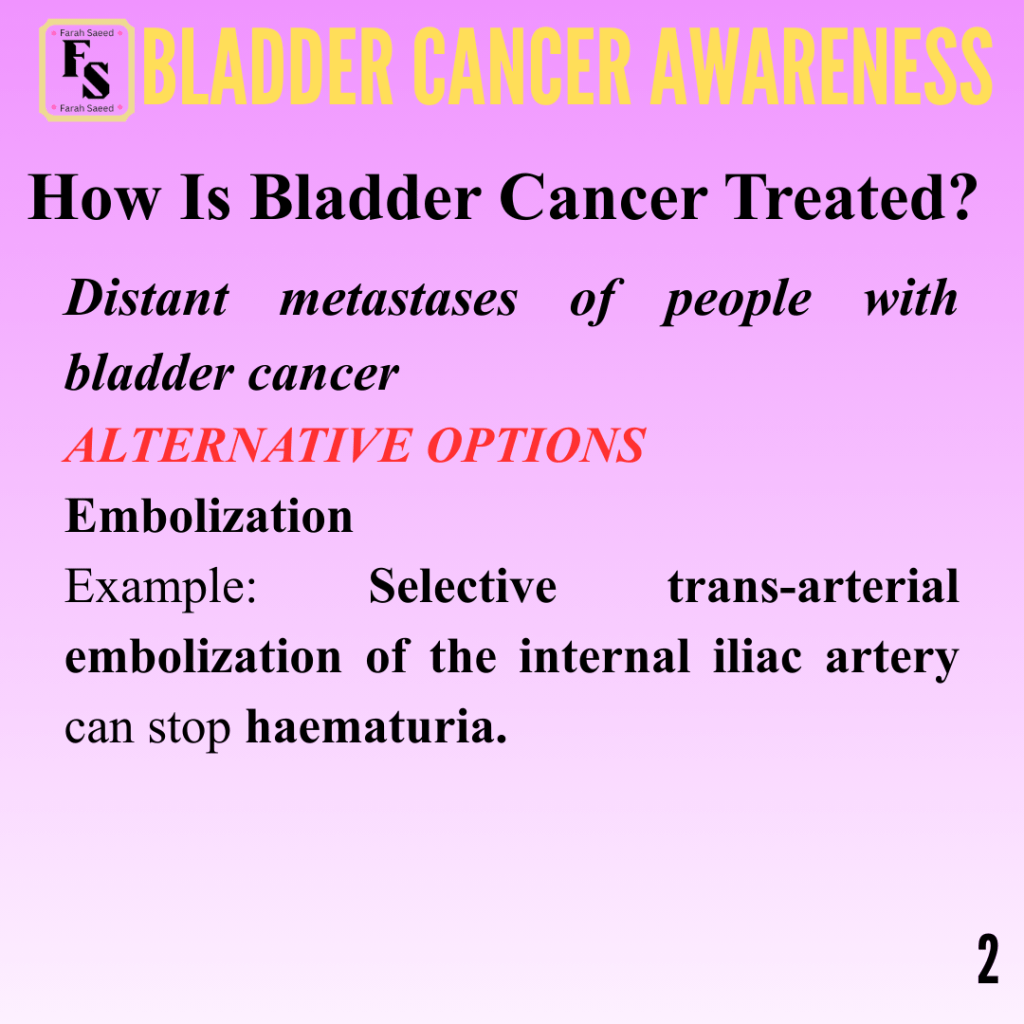
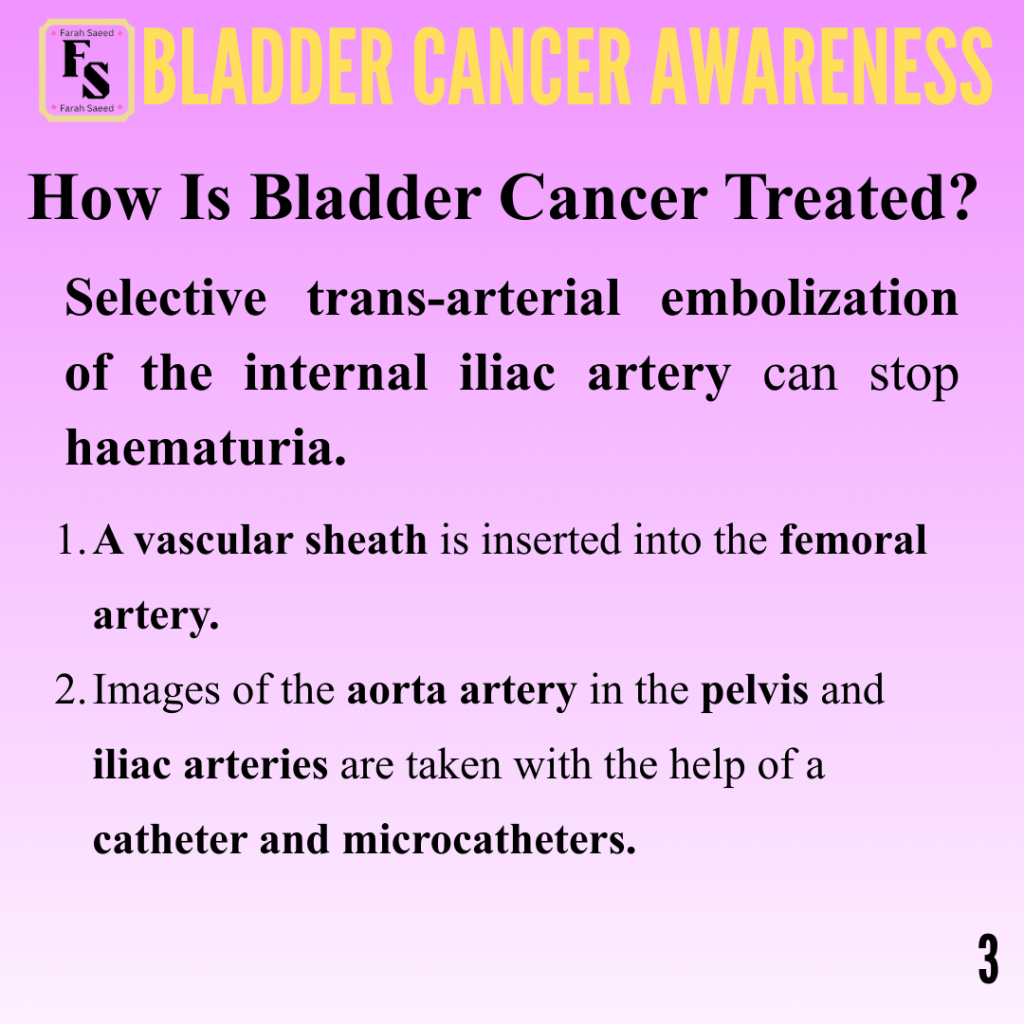
Other Alternative Treatment Options For Bladder Cancer Metastasis
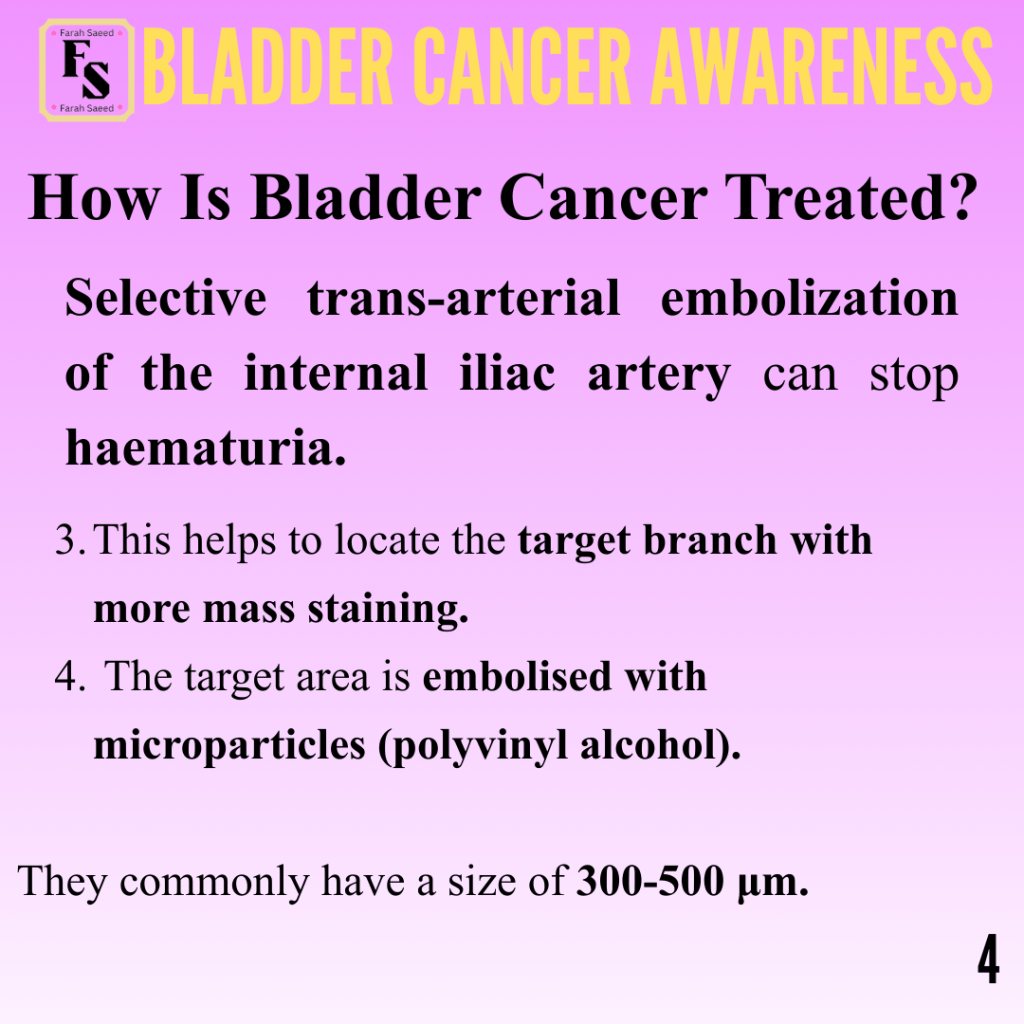
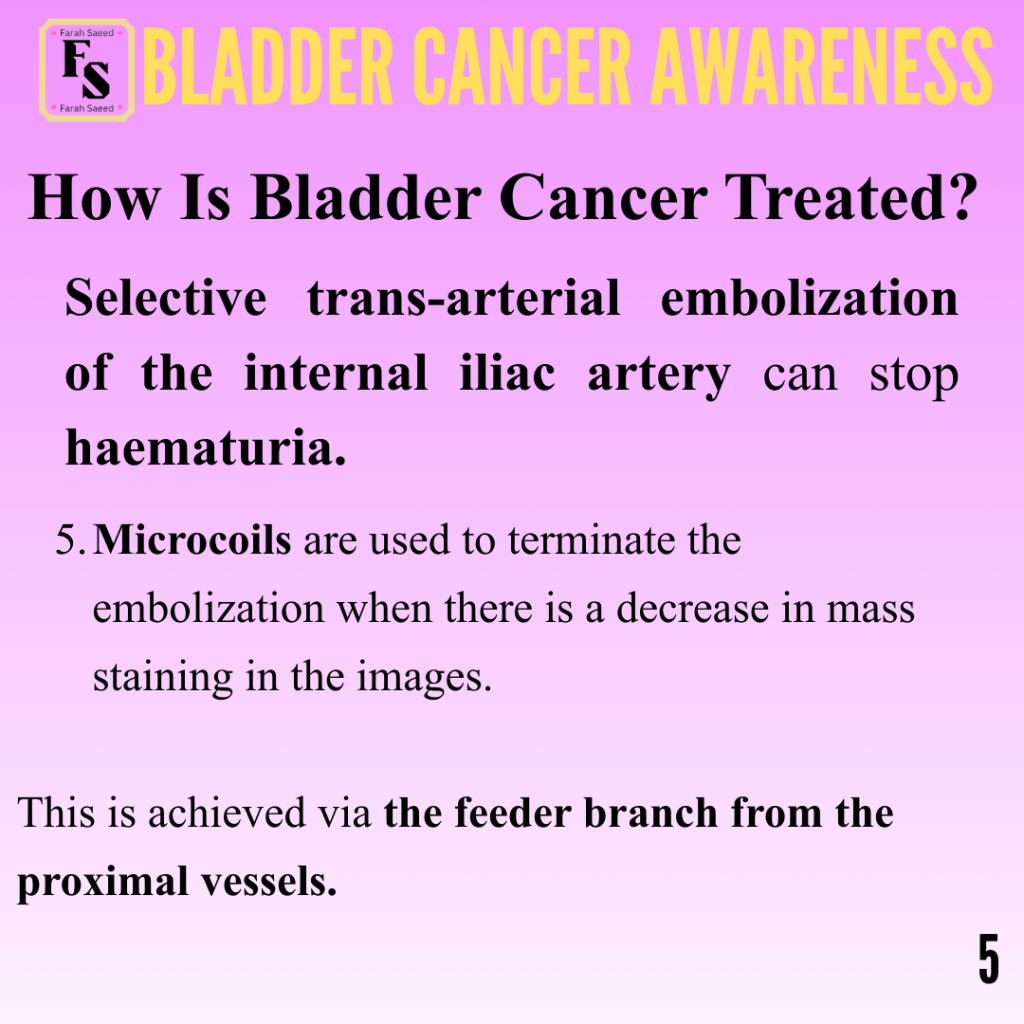
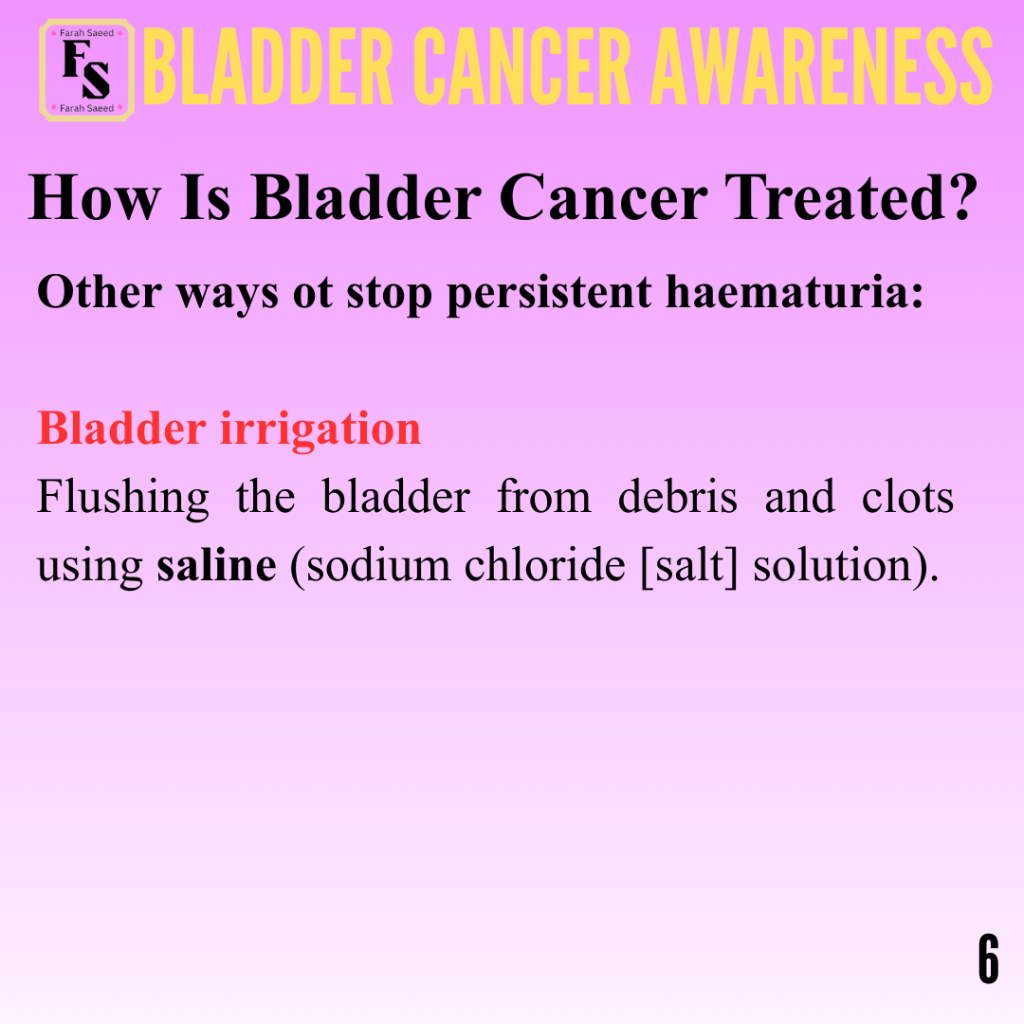
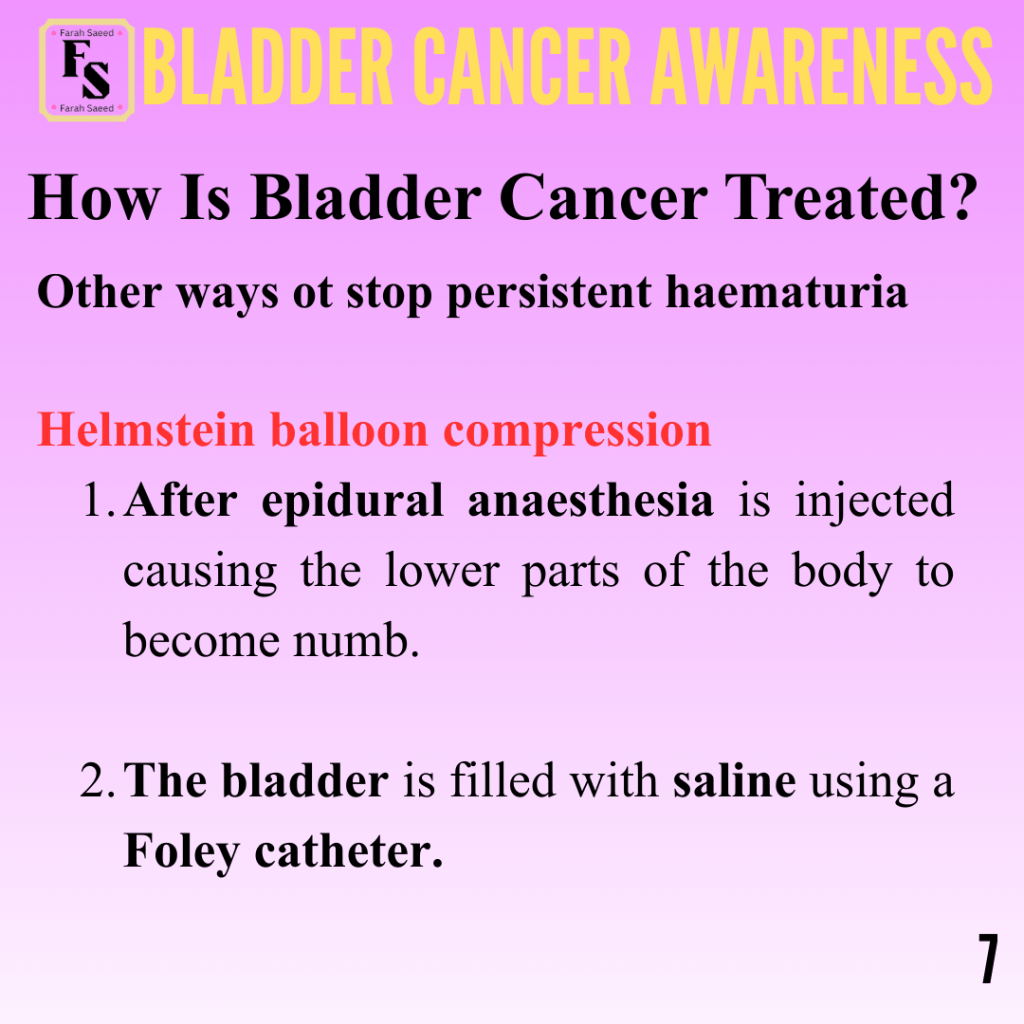
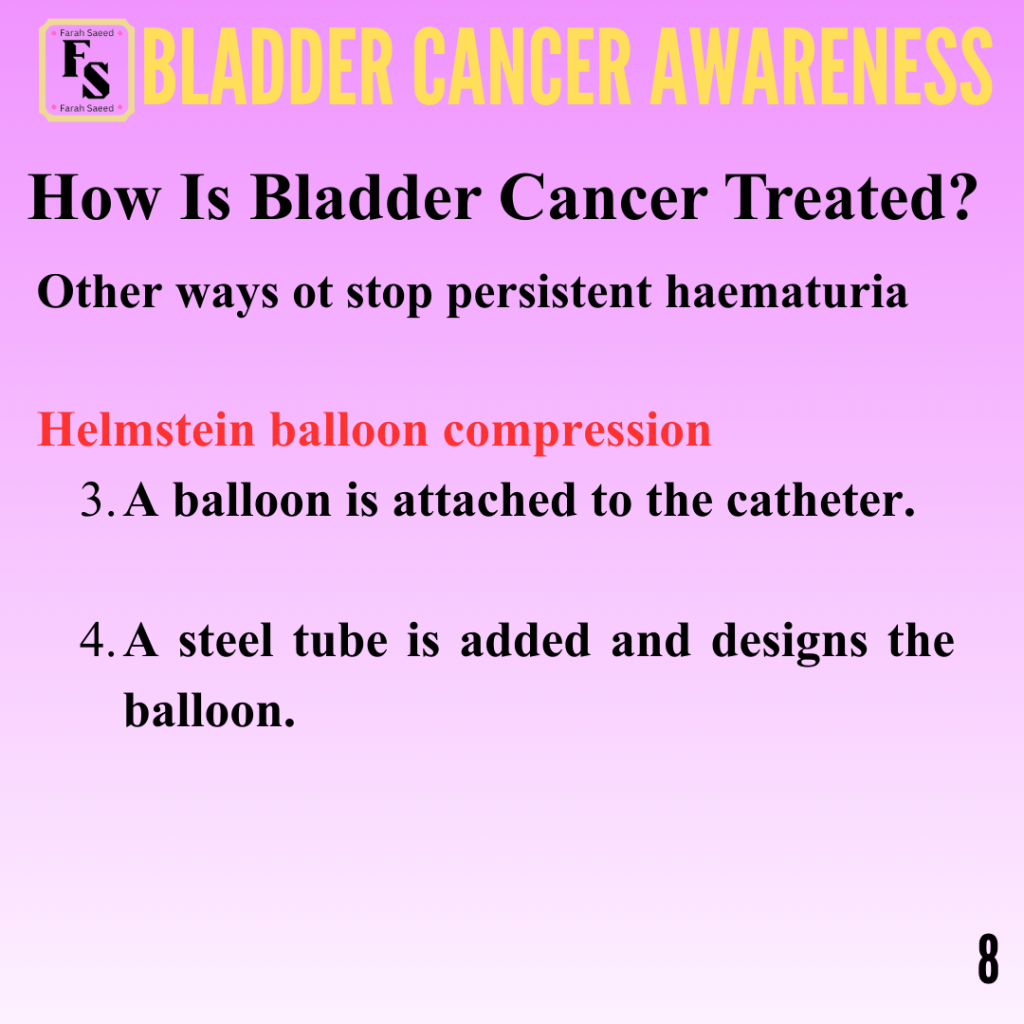
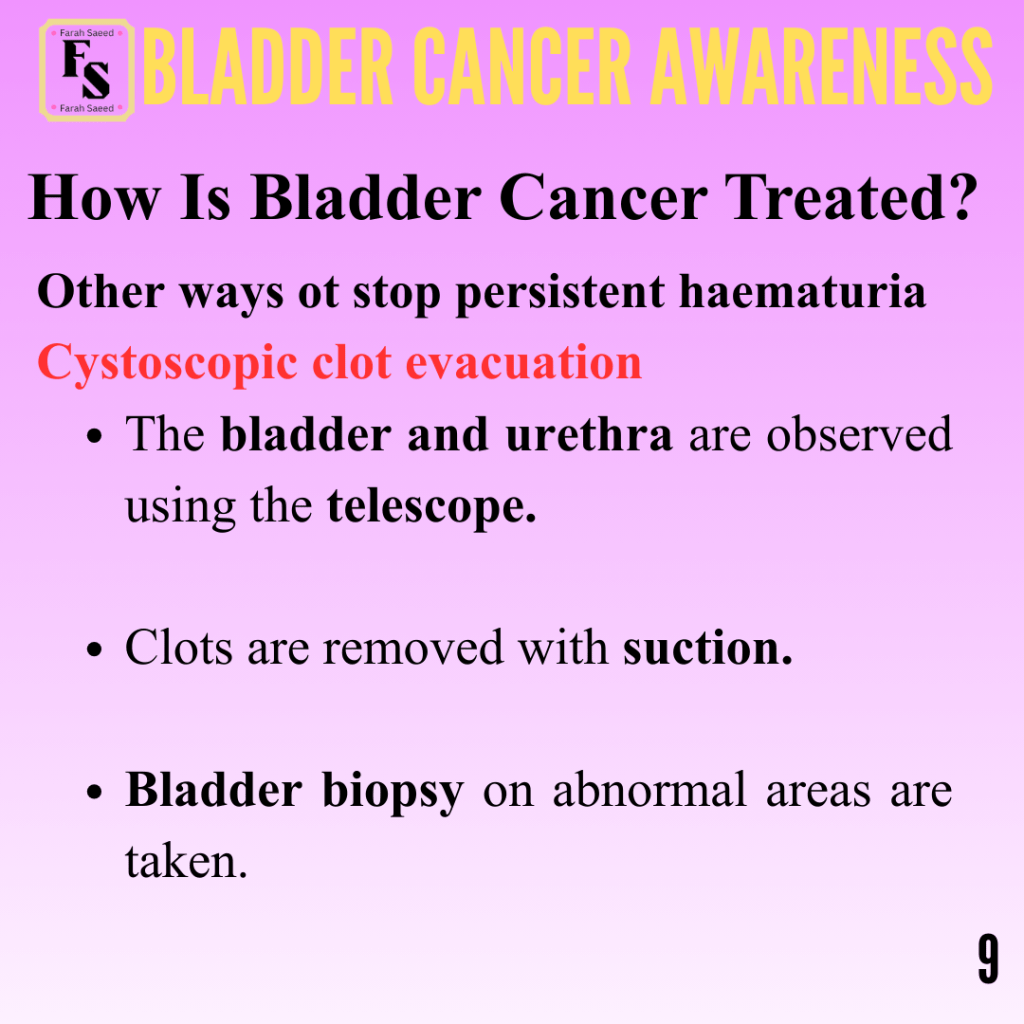
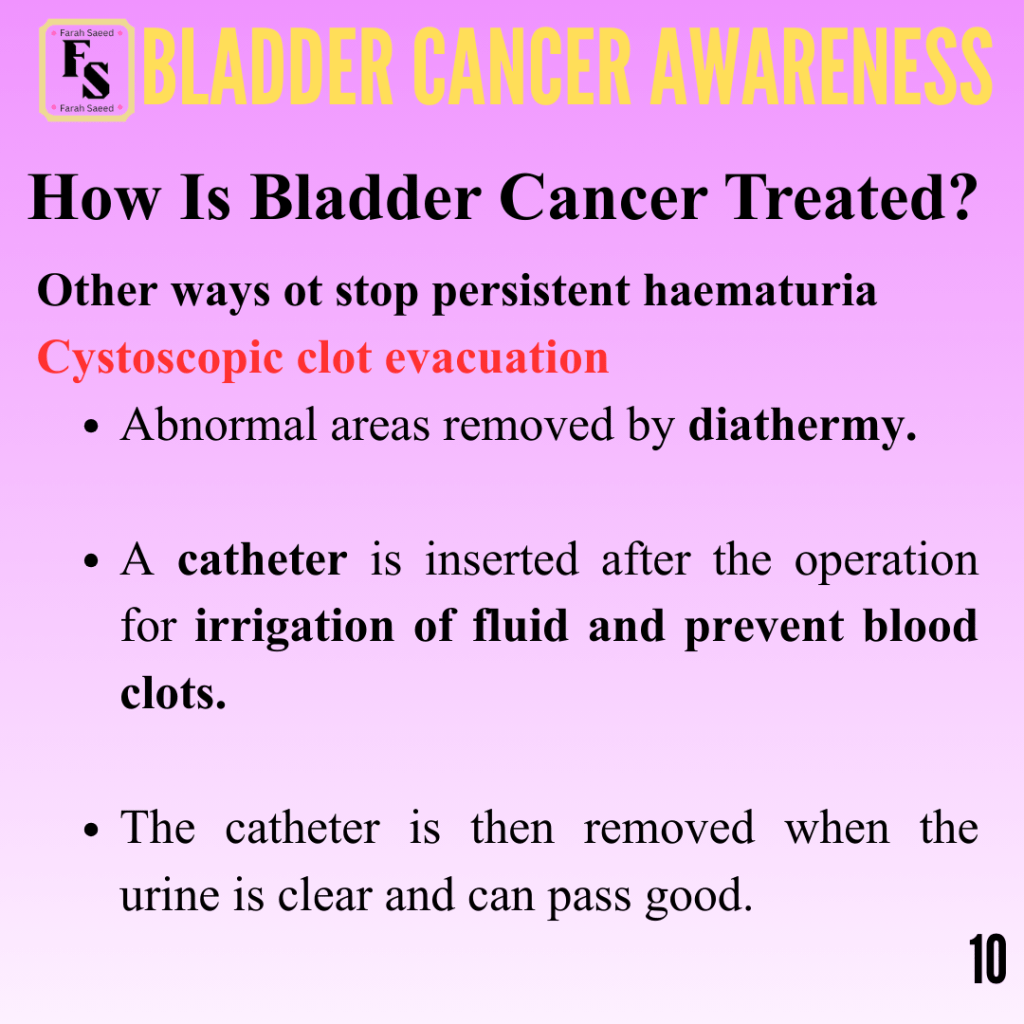
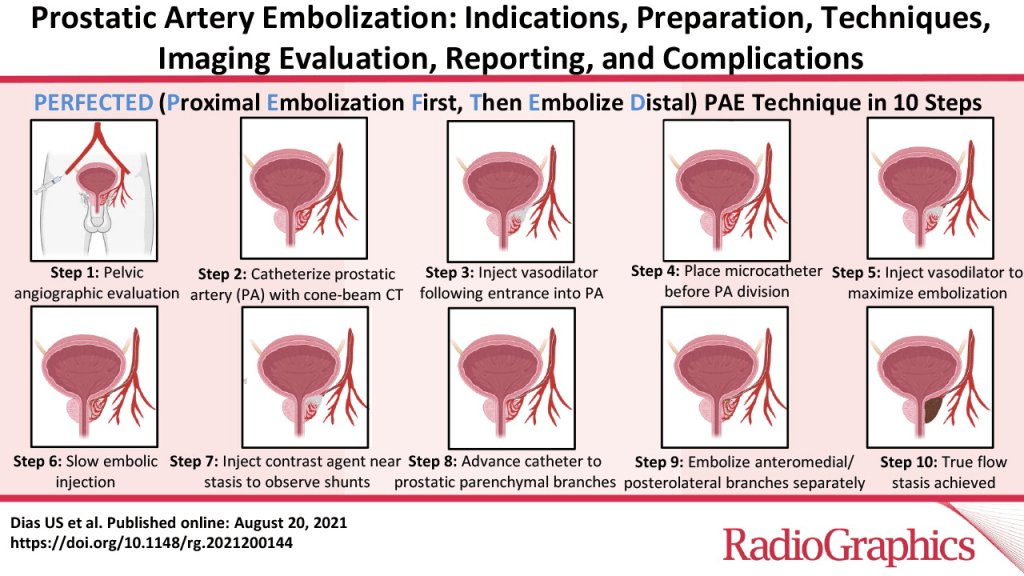
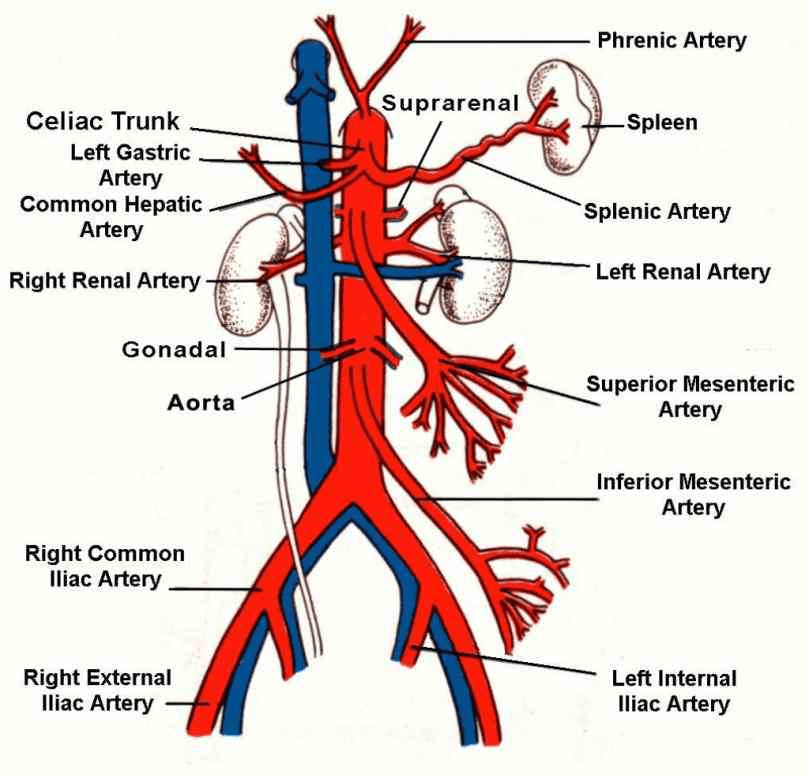
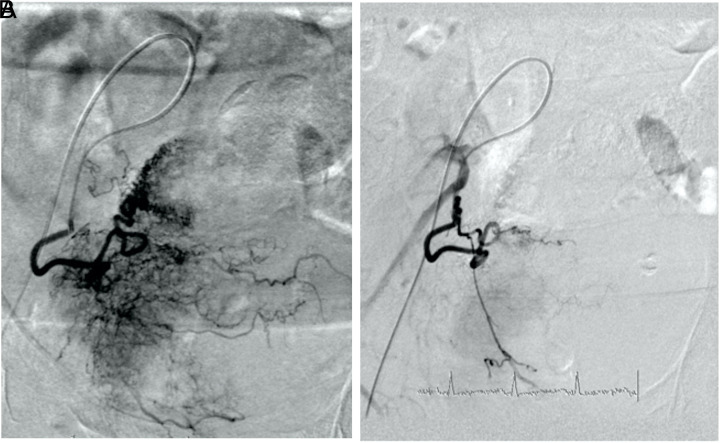
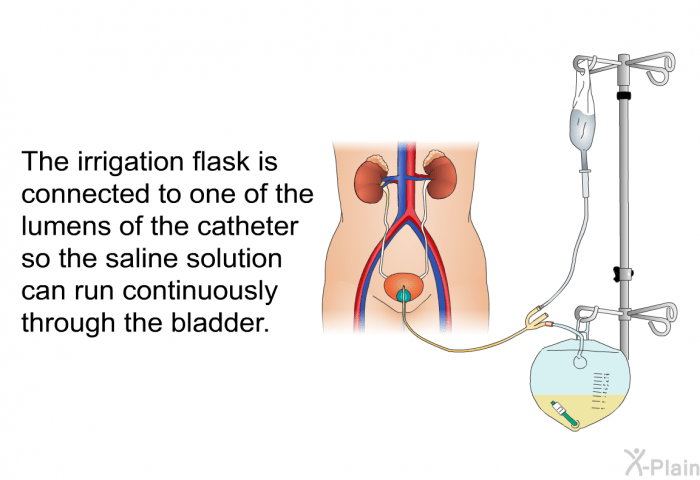
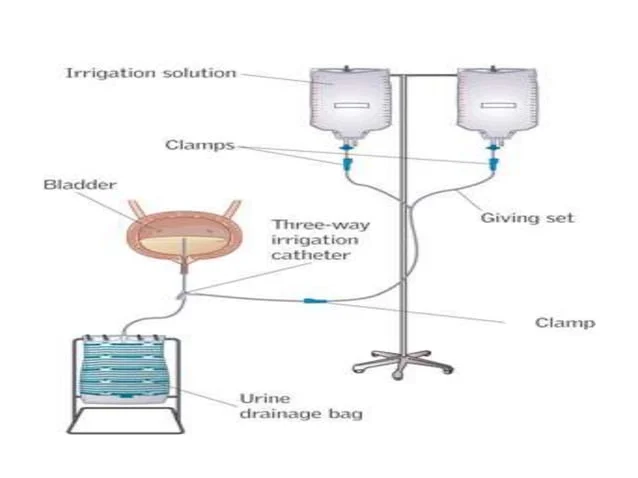
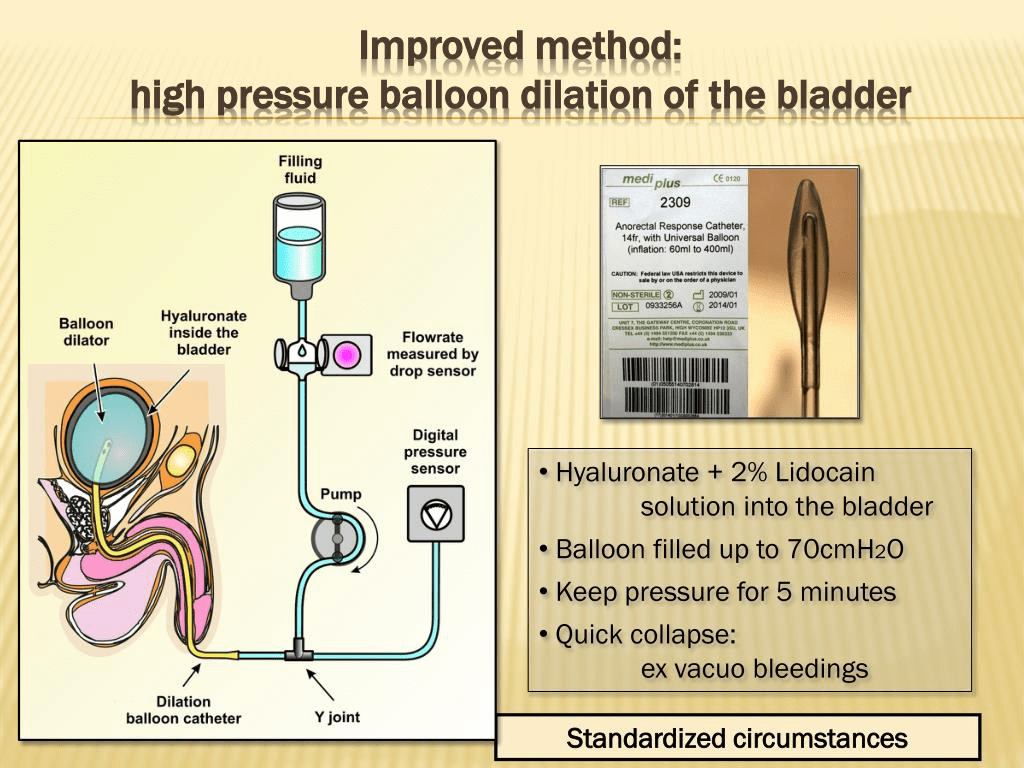
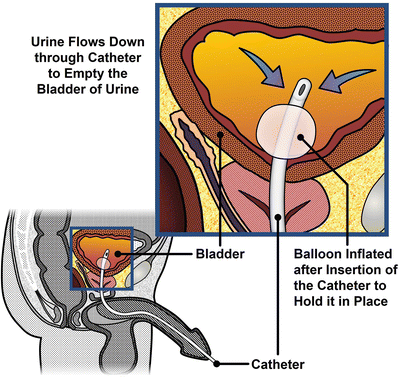
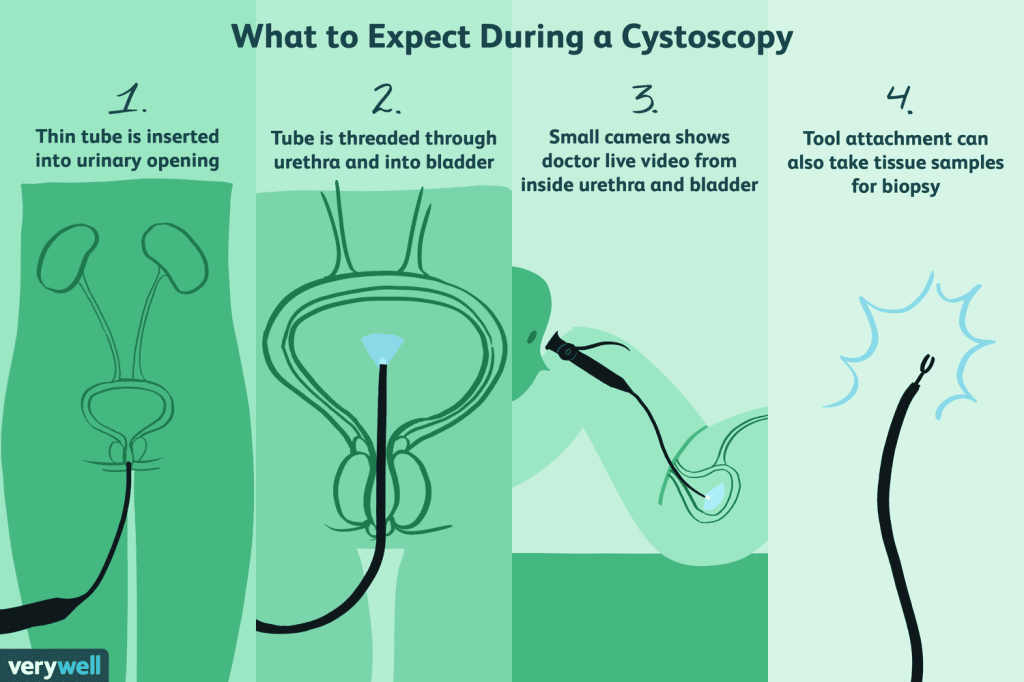
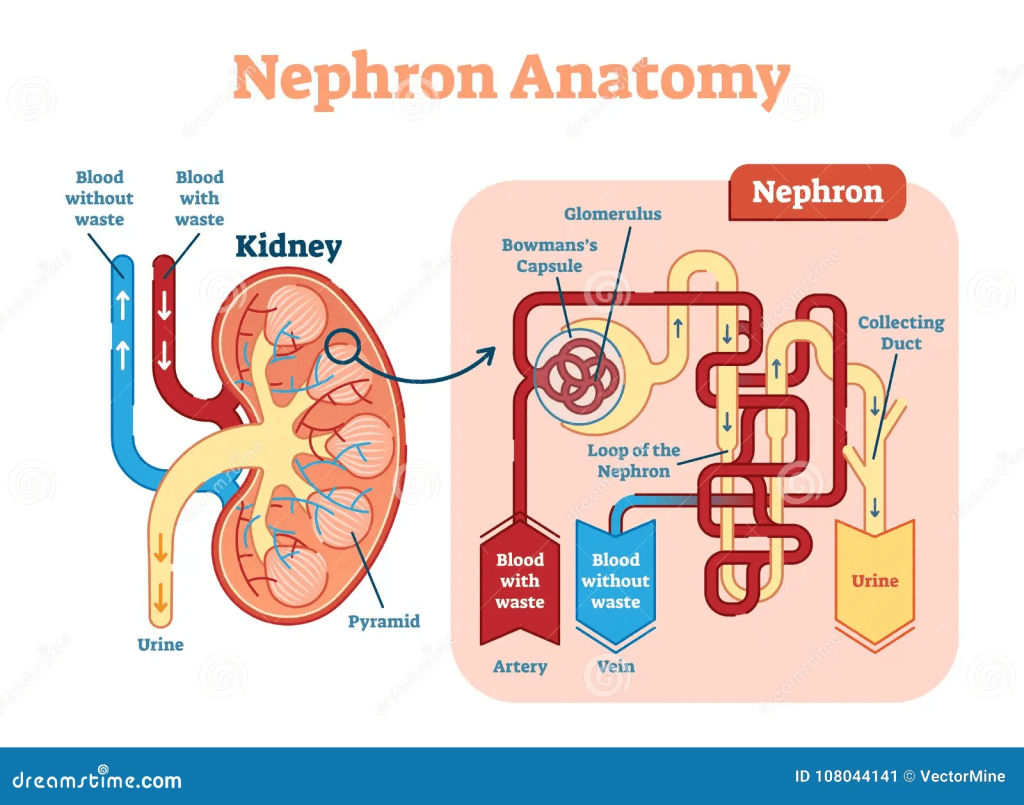
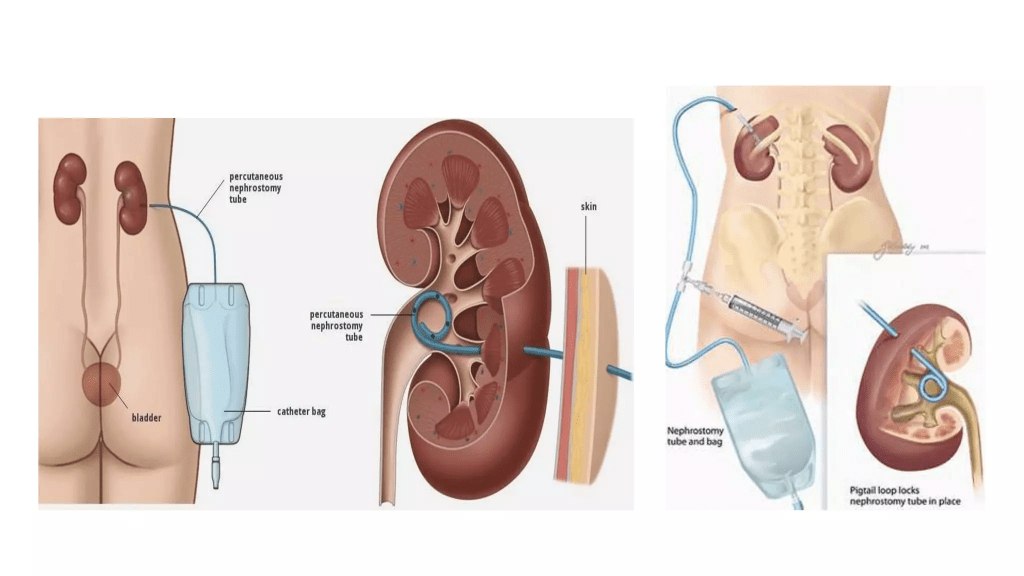
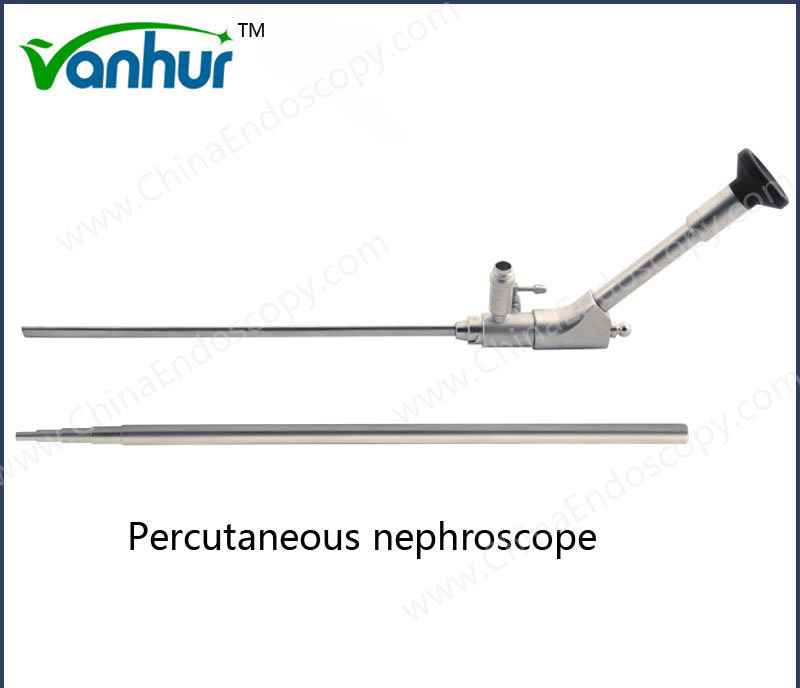
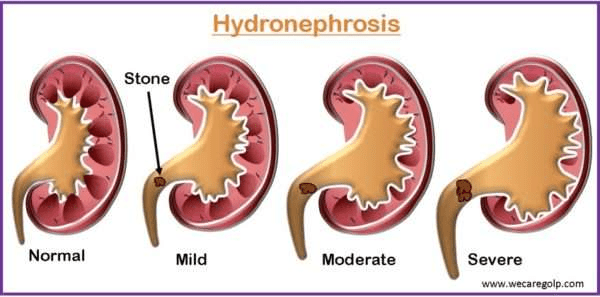
Nephrostomy
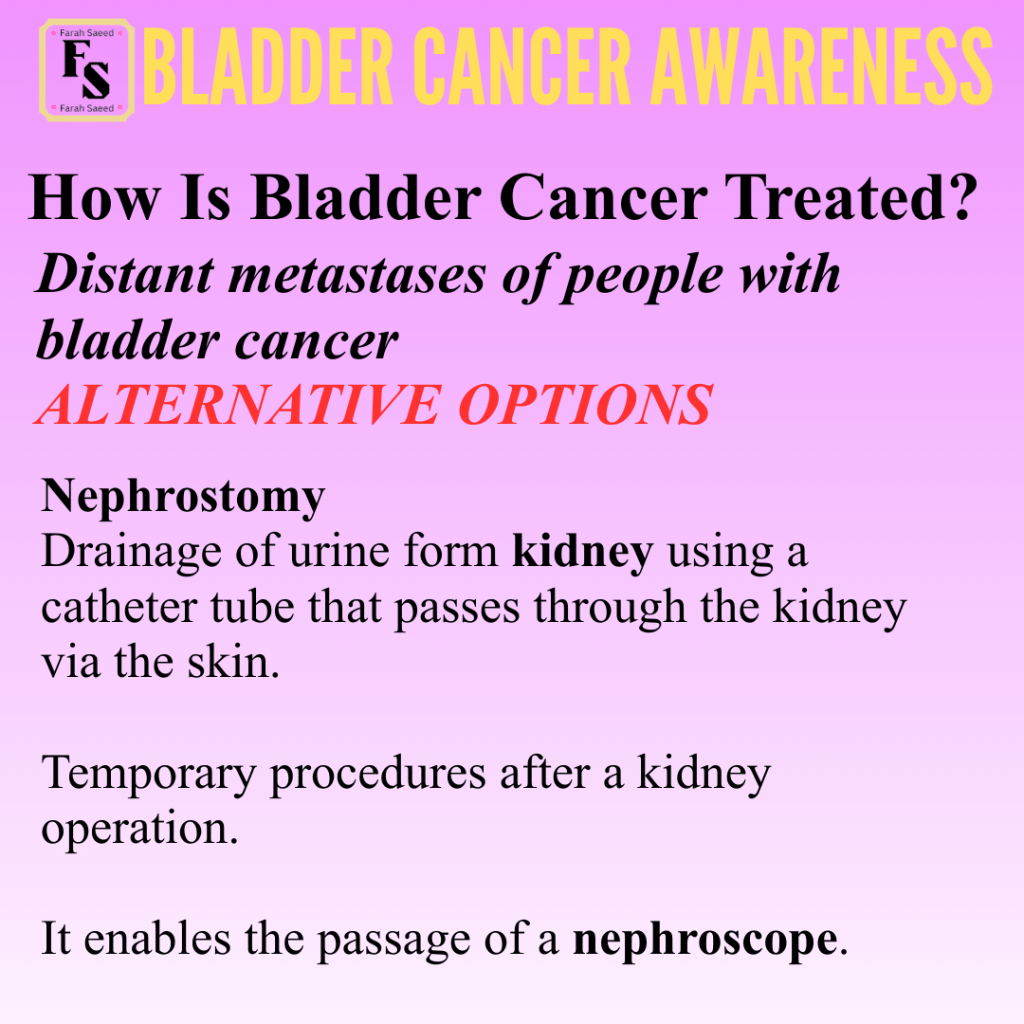

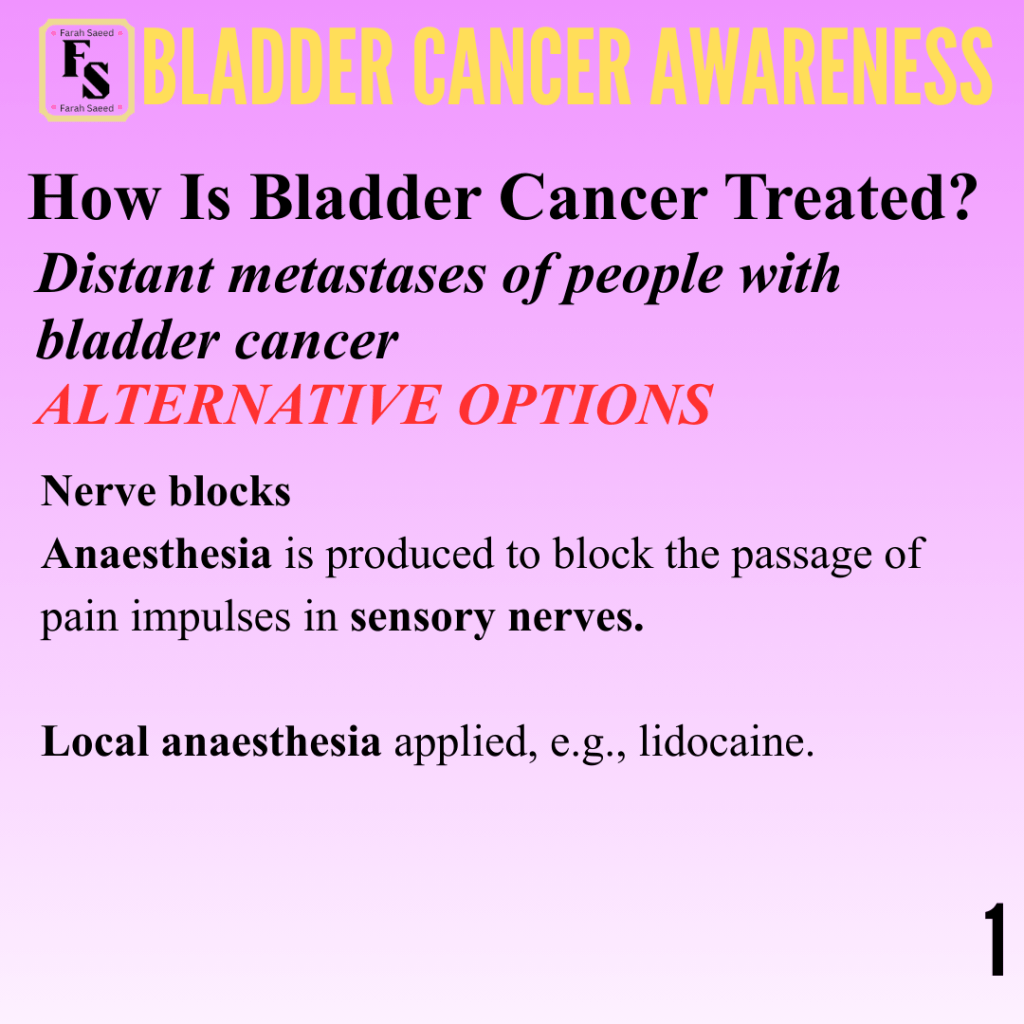
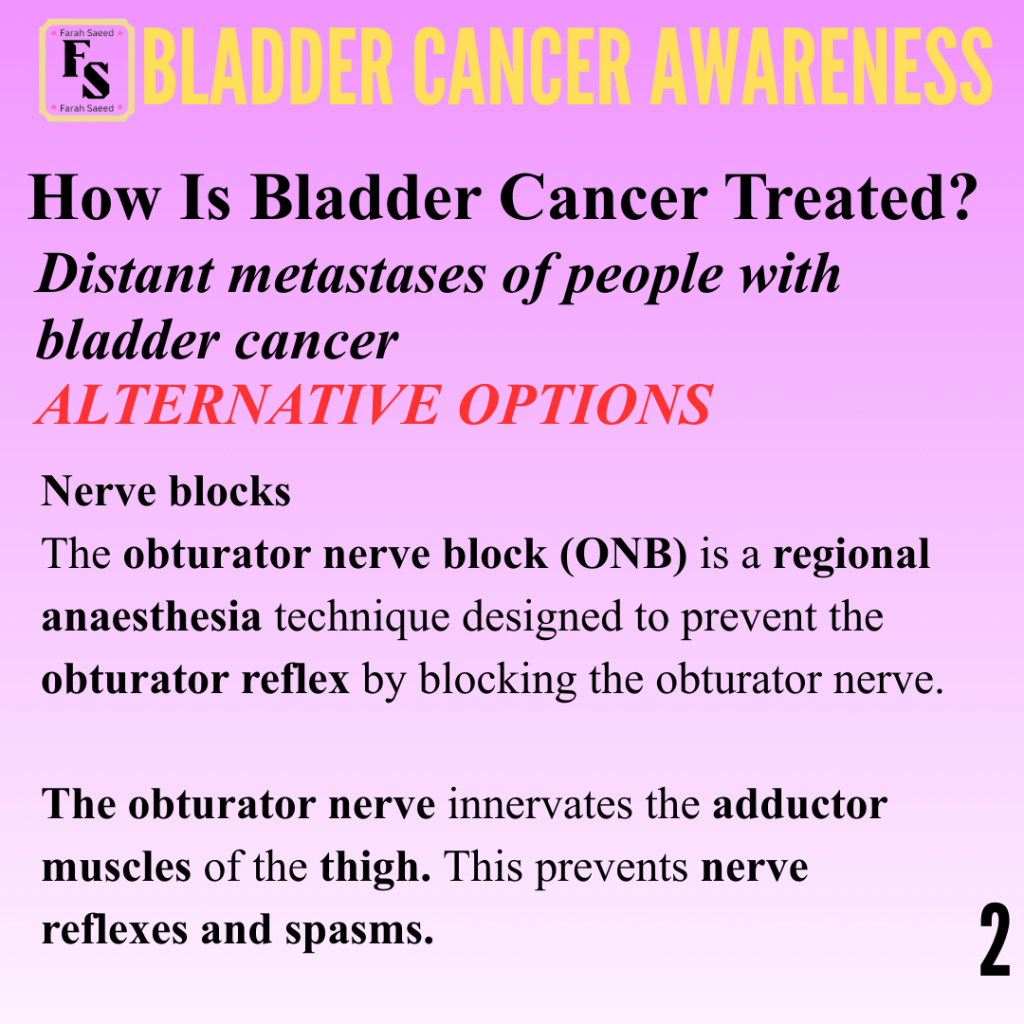
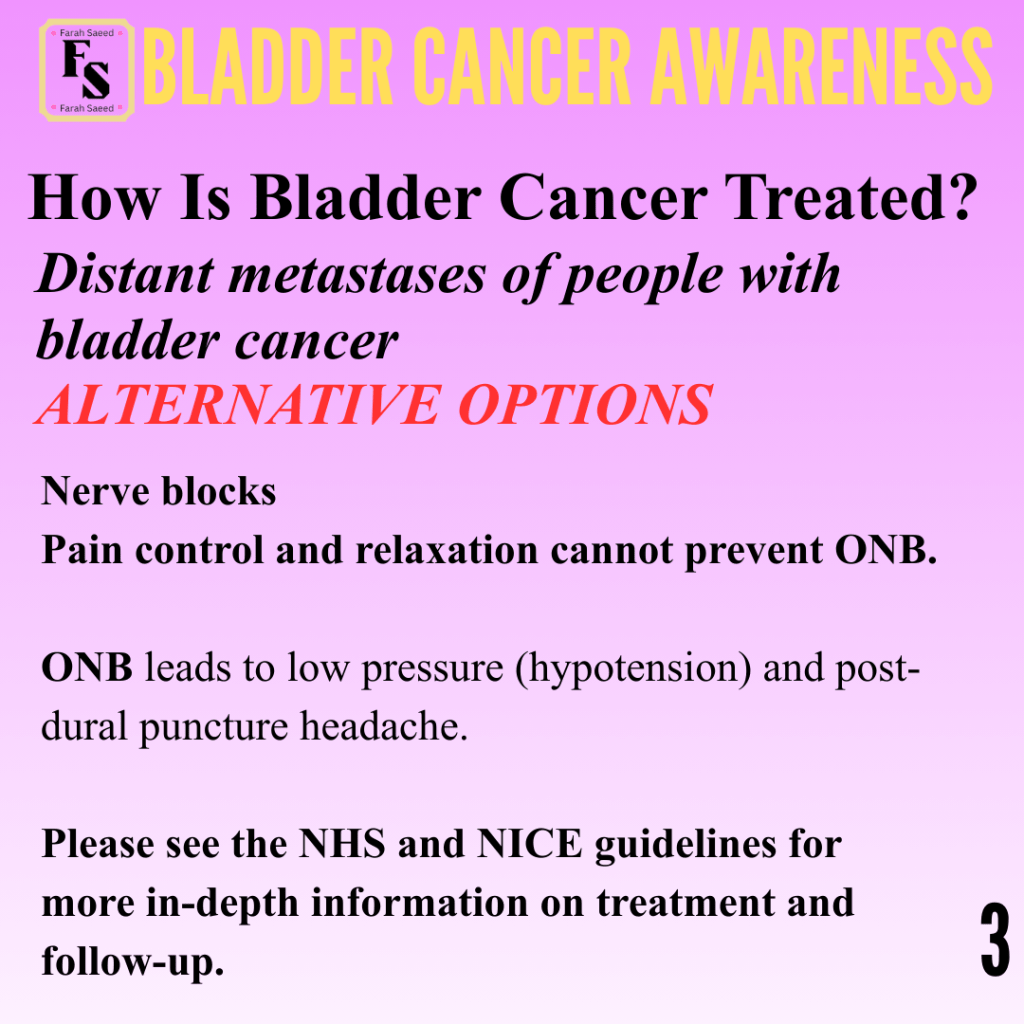
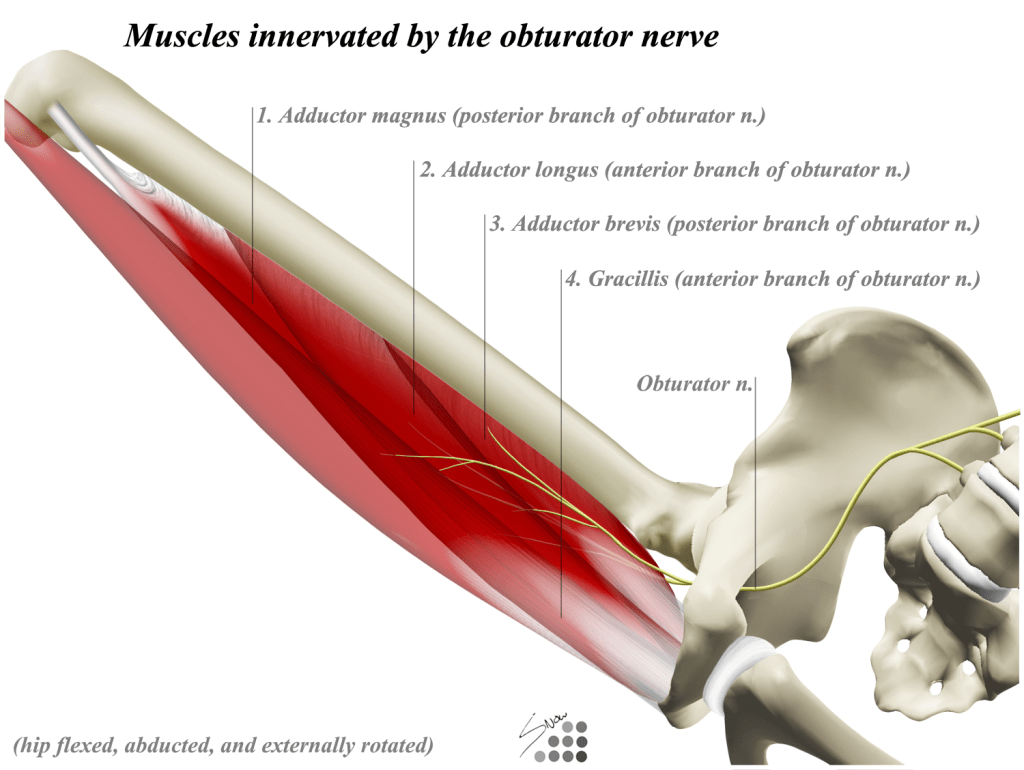
Nerve Blocks
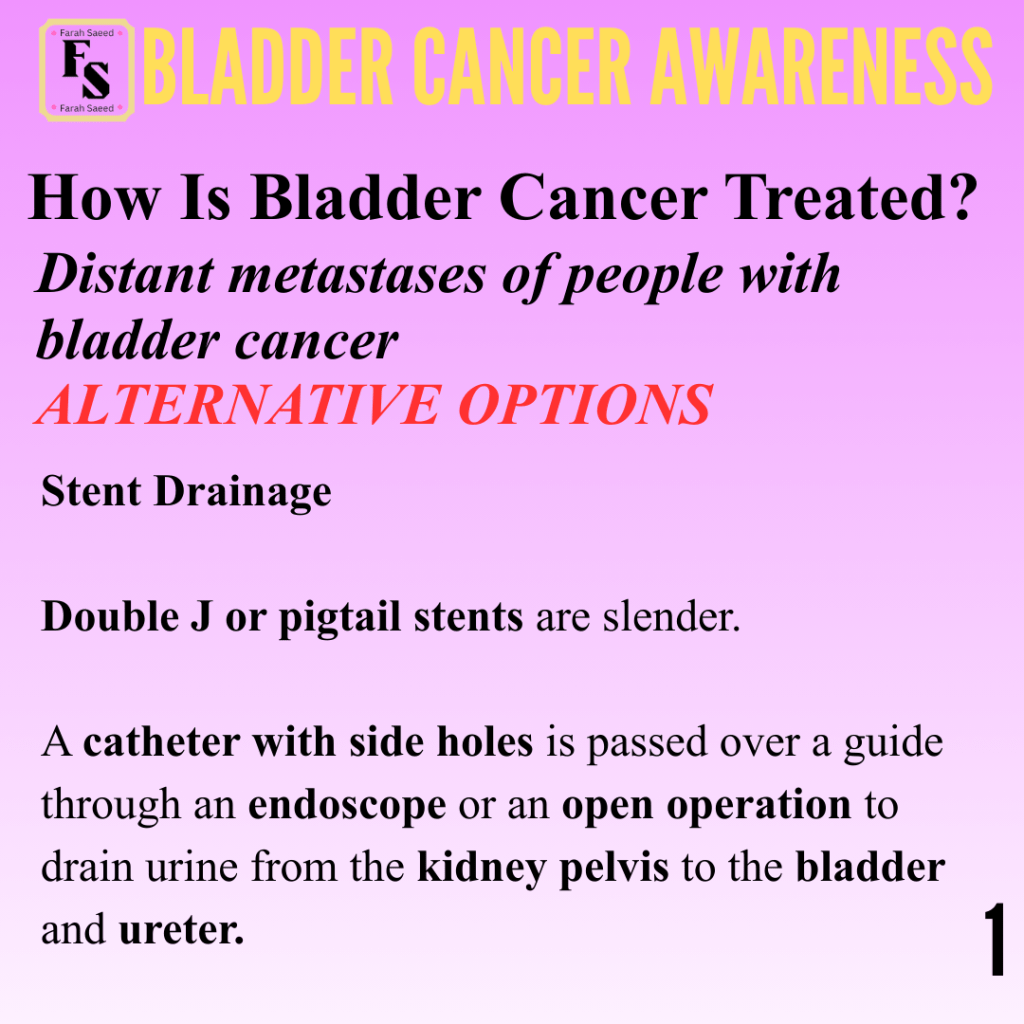
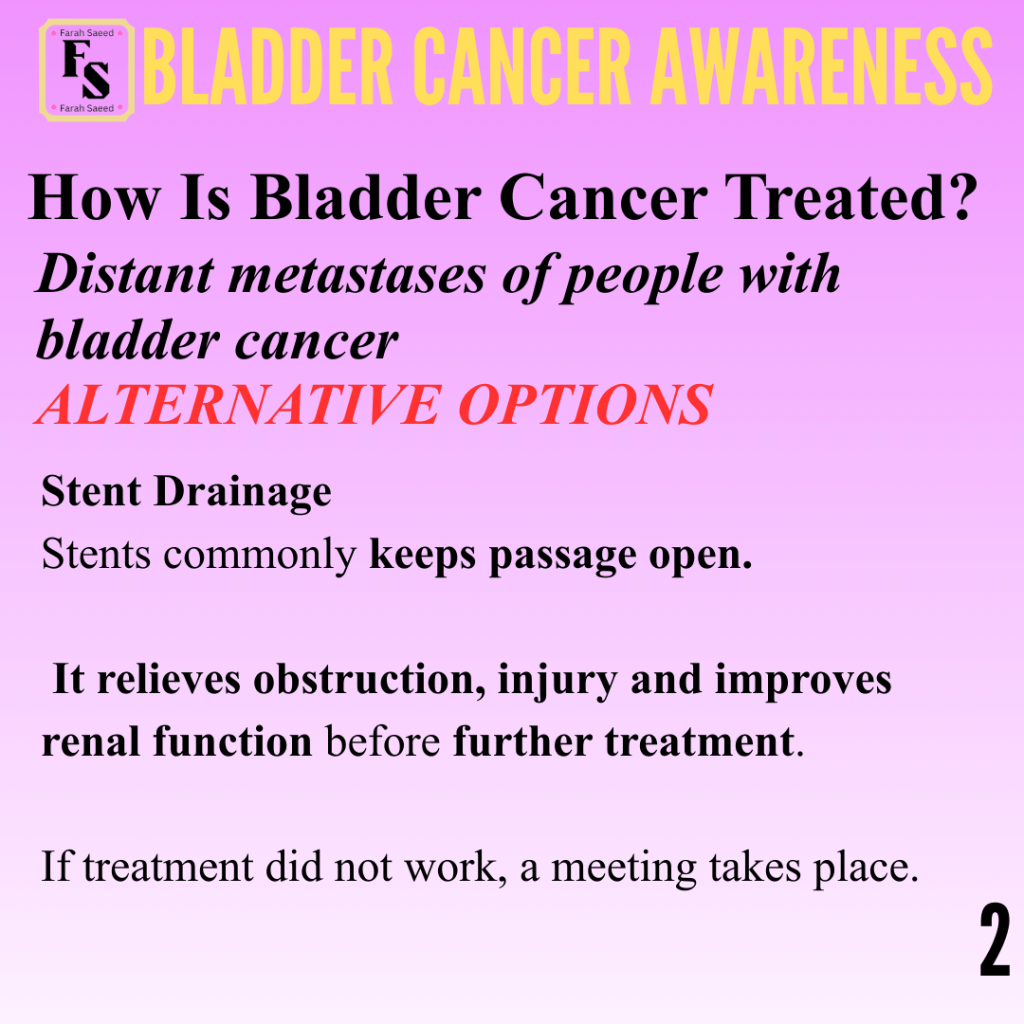
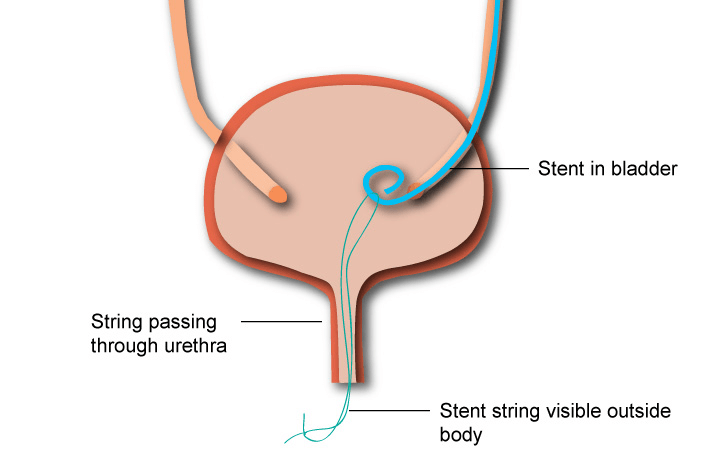
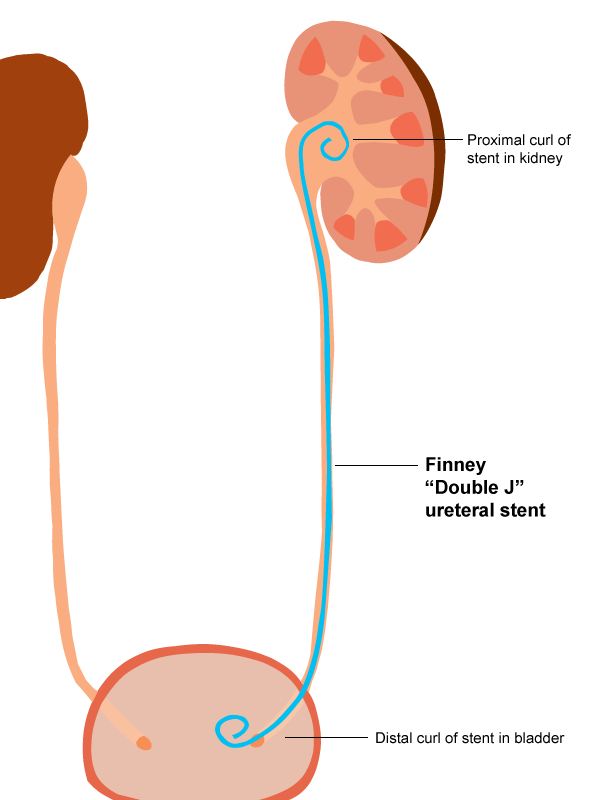
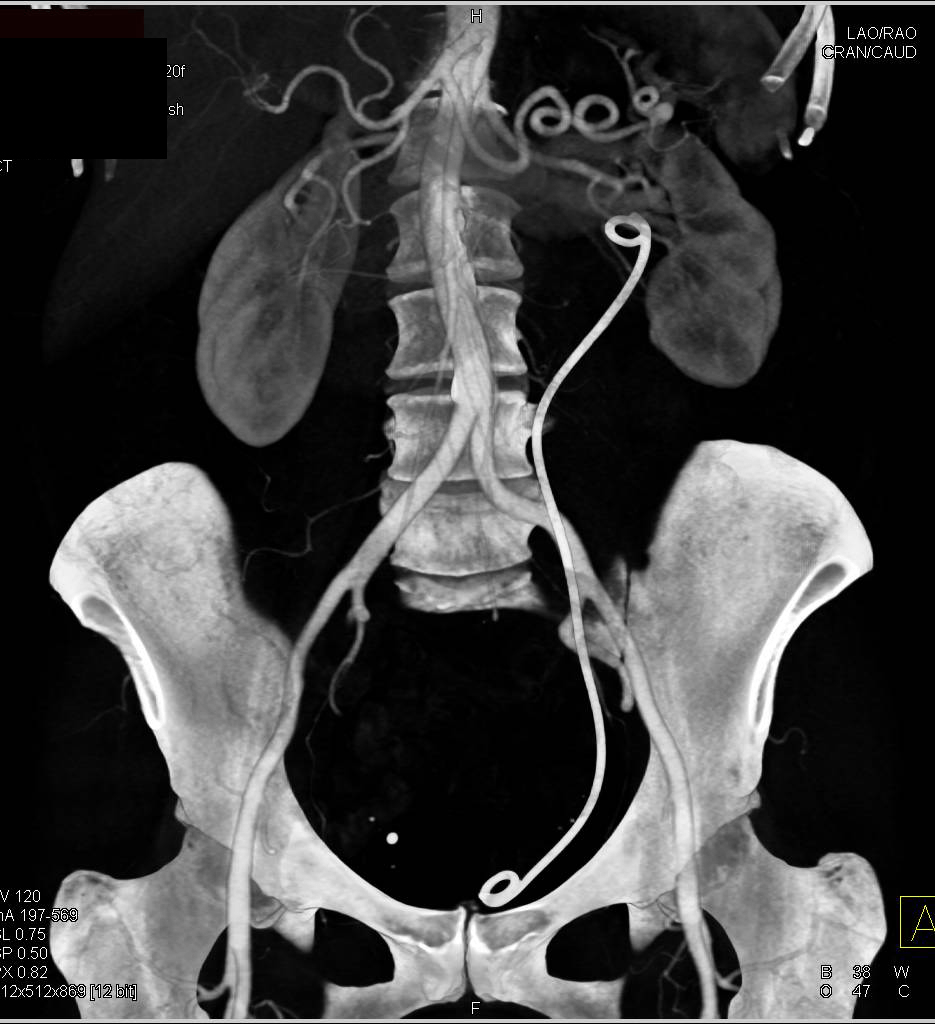
Stent Drainage
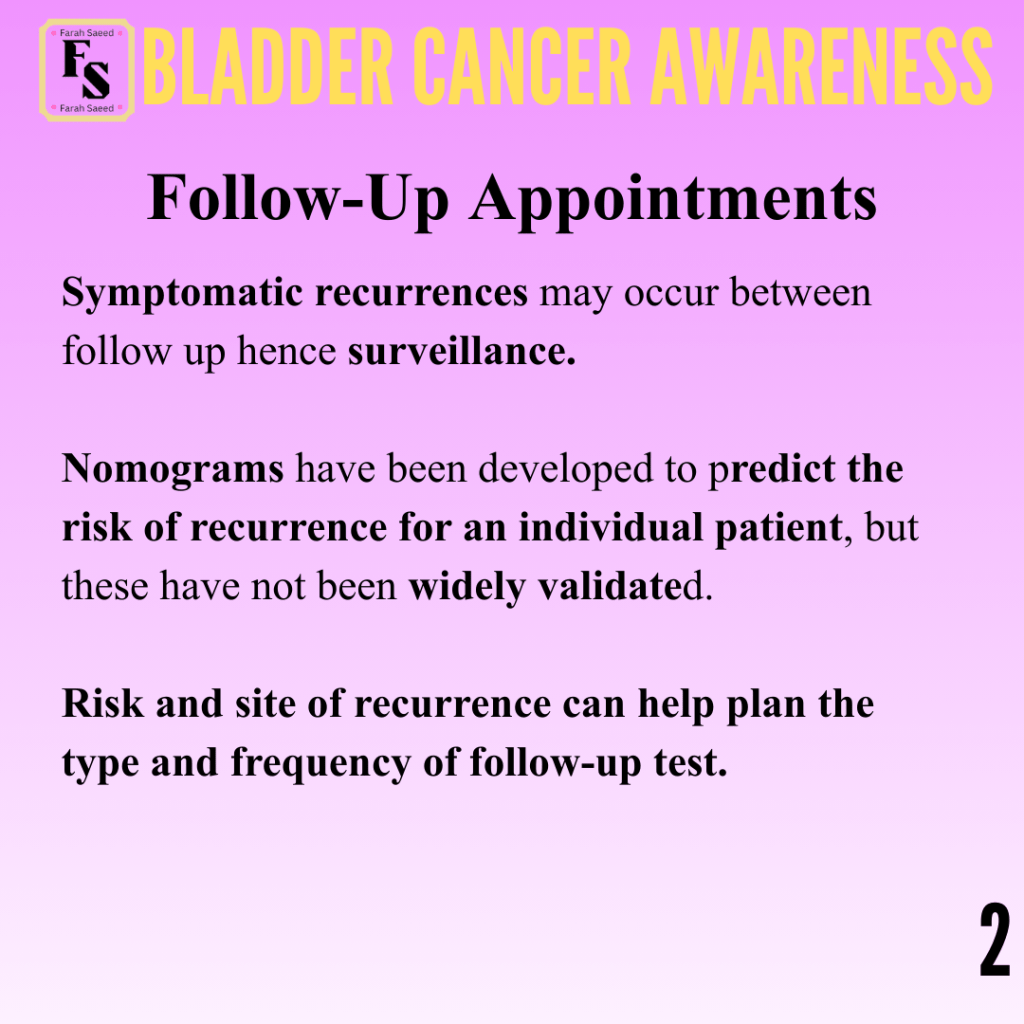
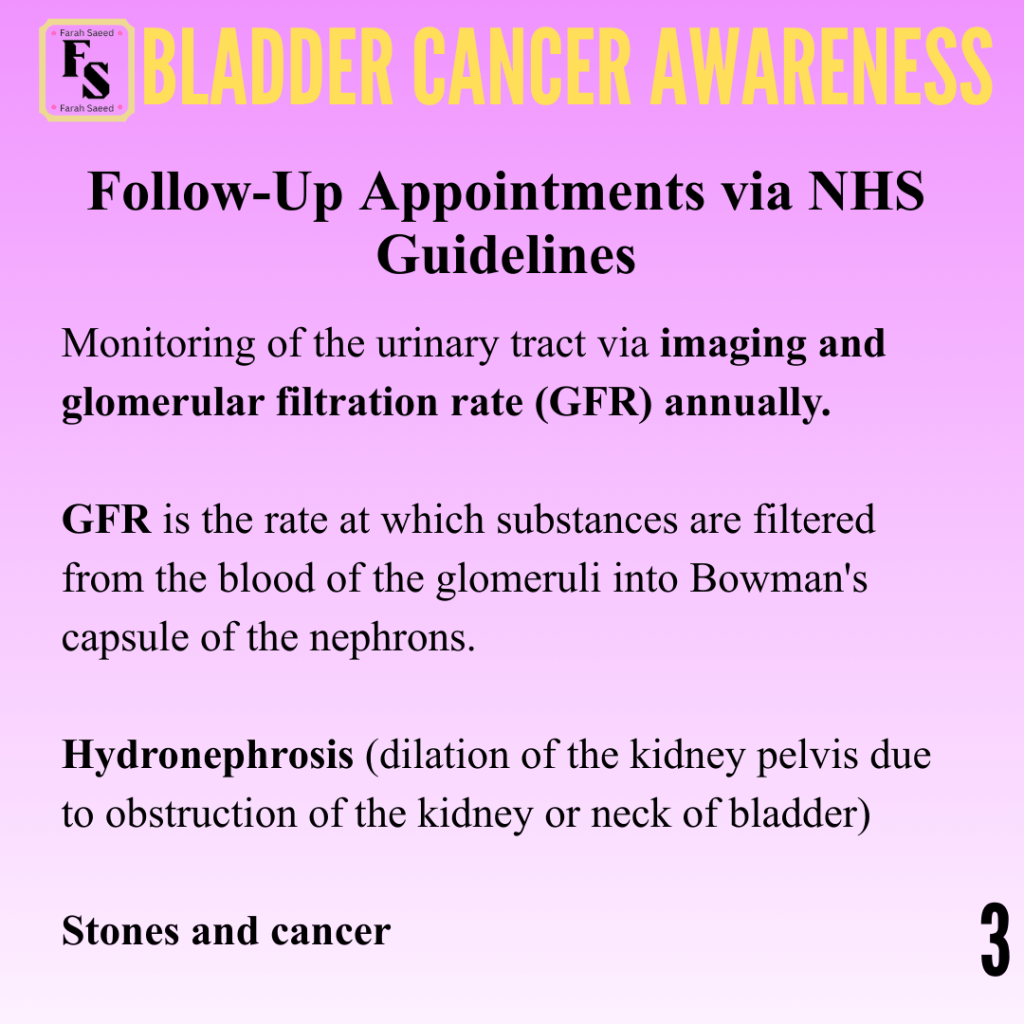
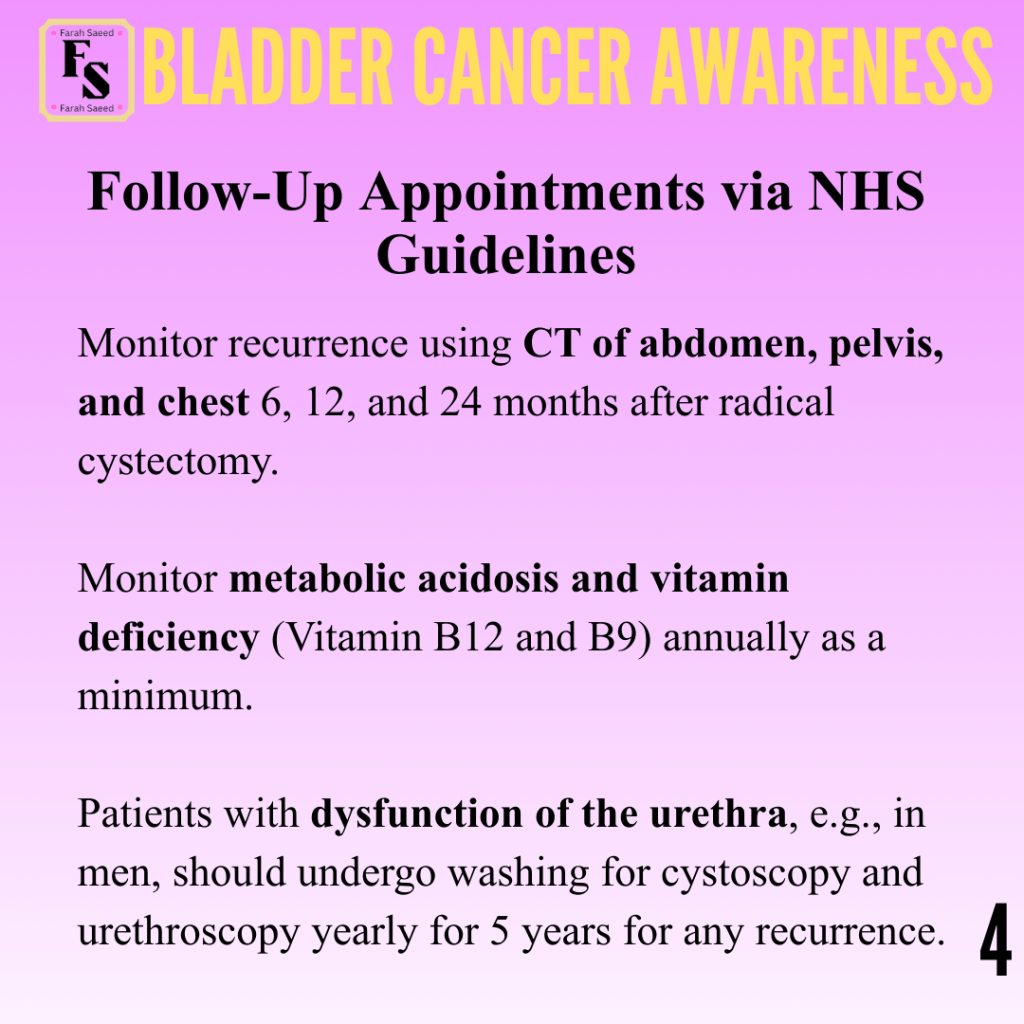
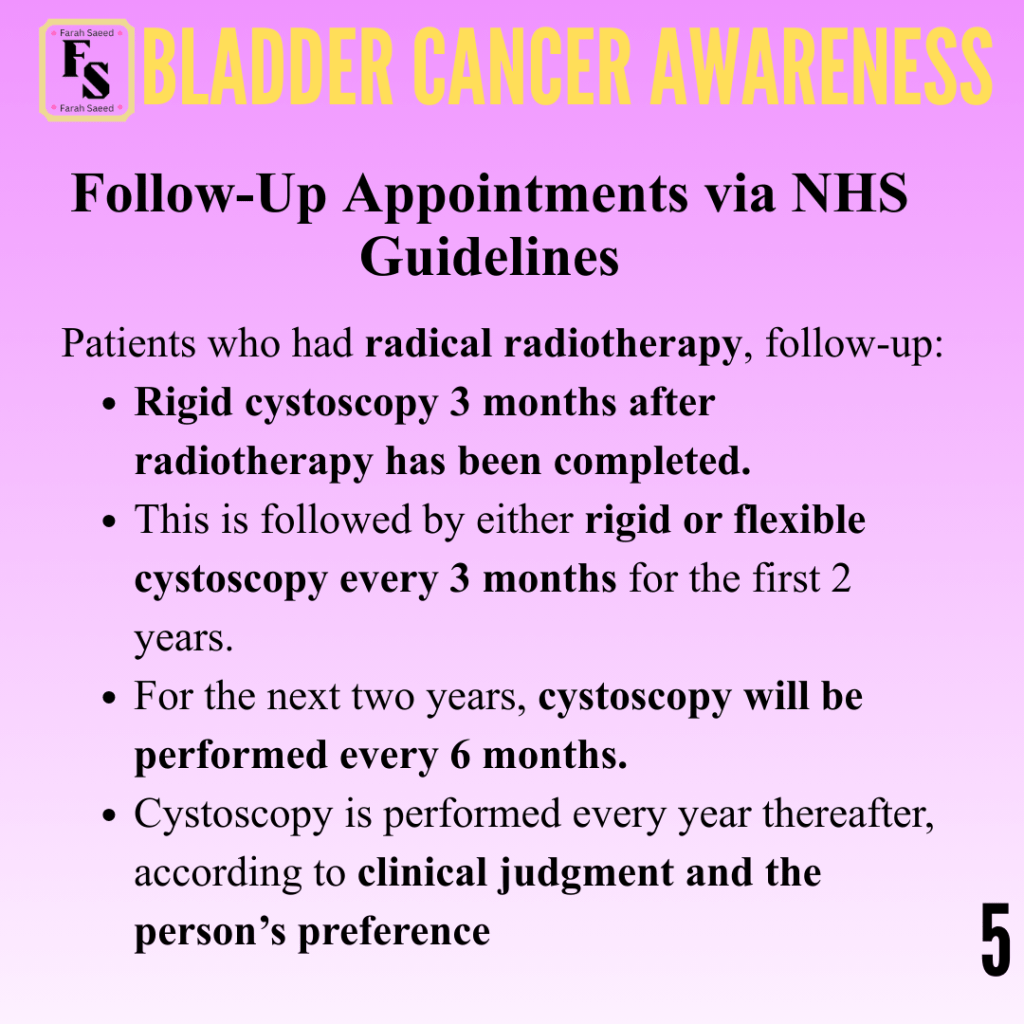
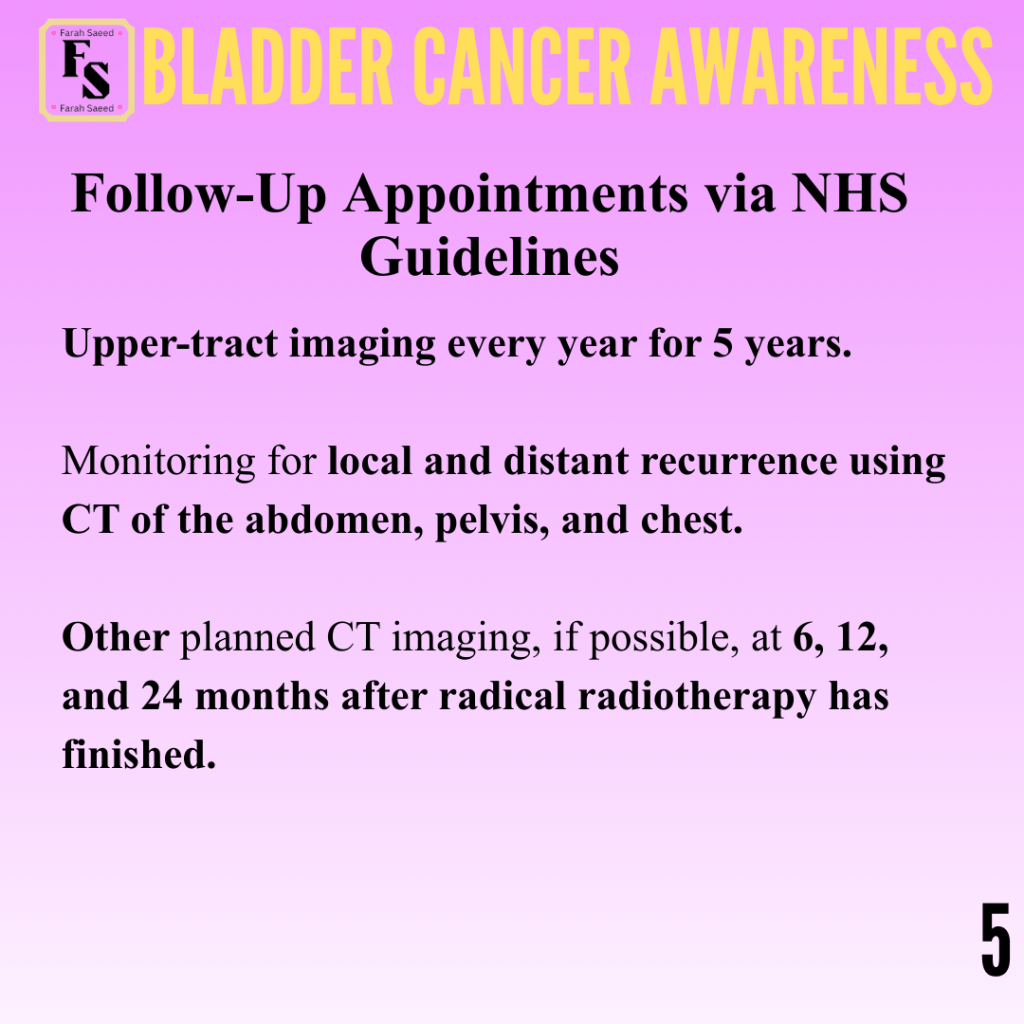
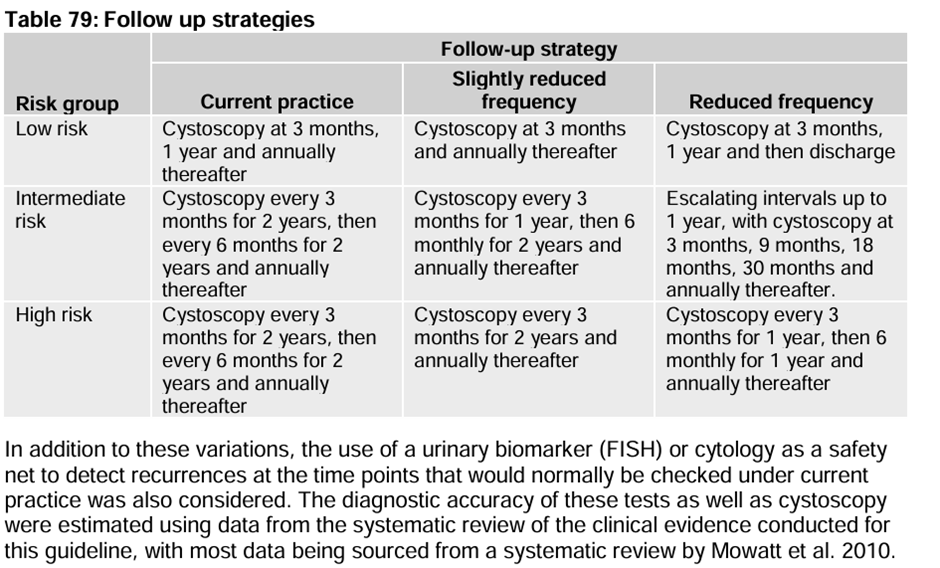
Follow Up
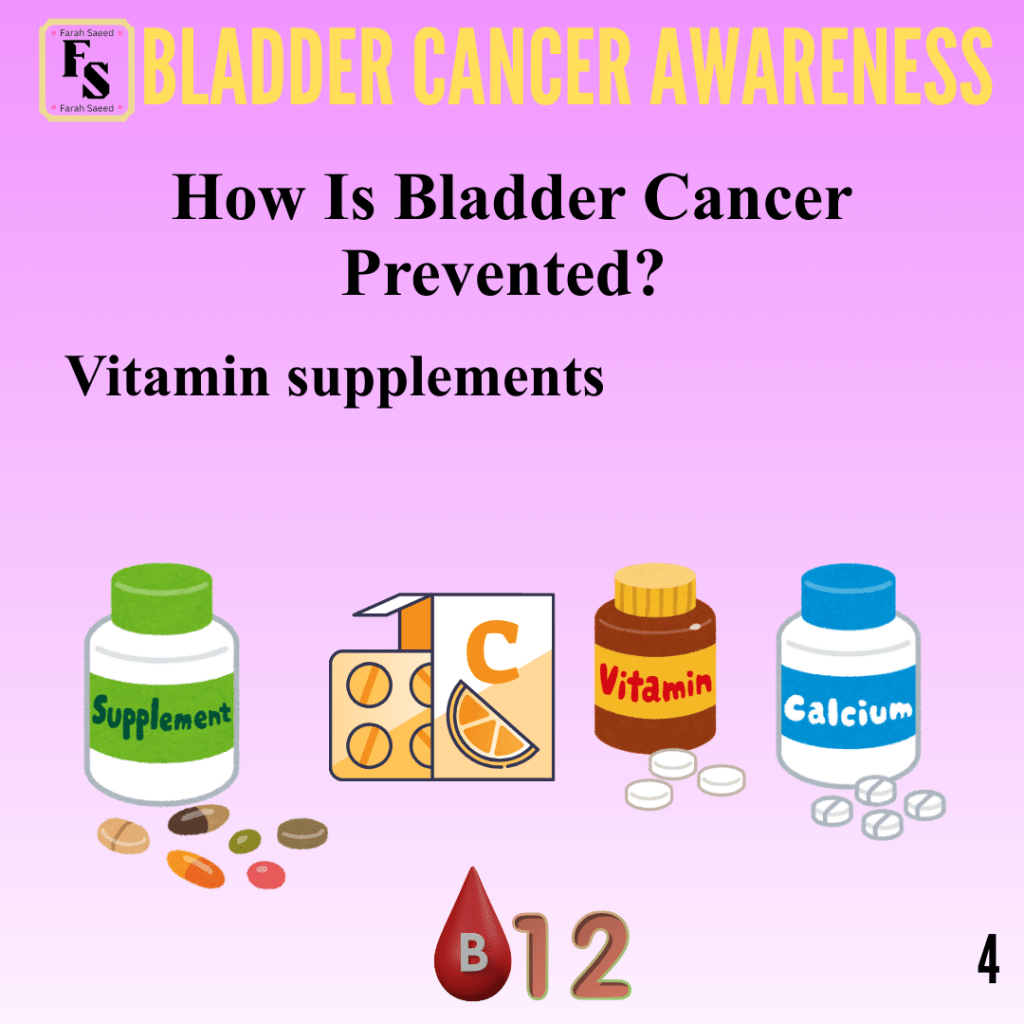
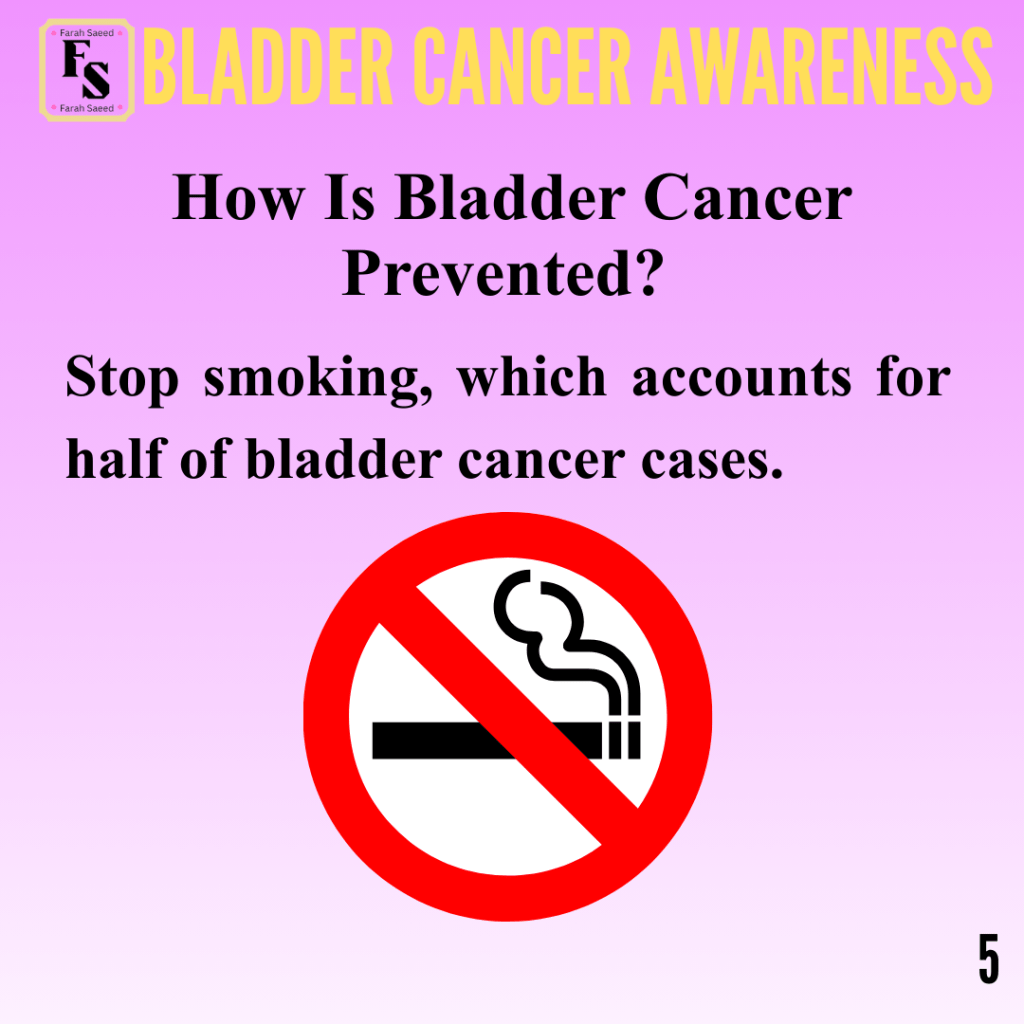
How Is Bladder Cancer Prevented?





Recent Advances In Bladder Cancer Treatment

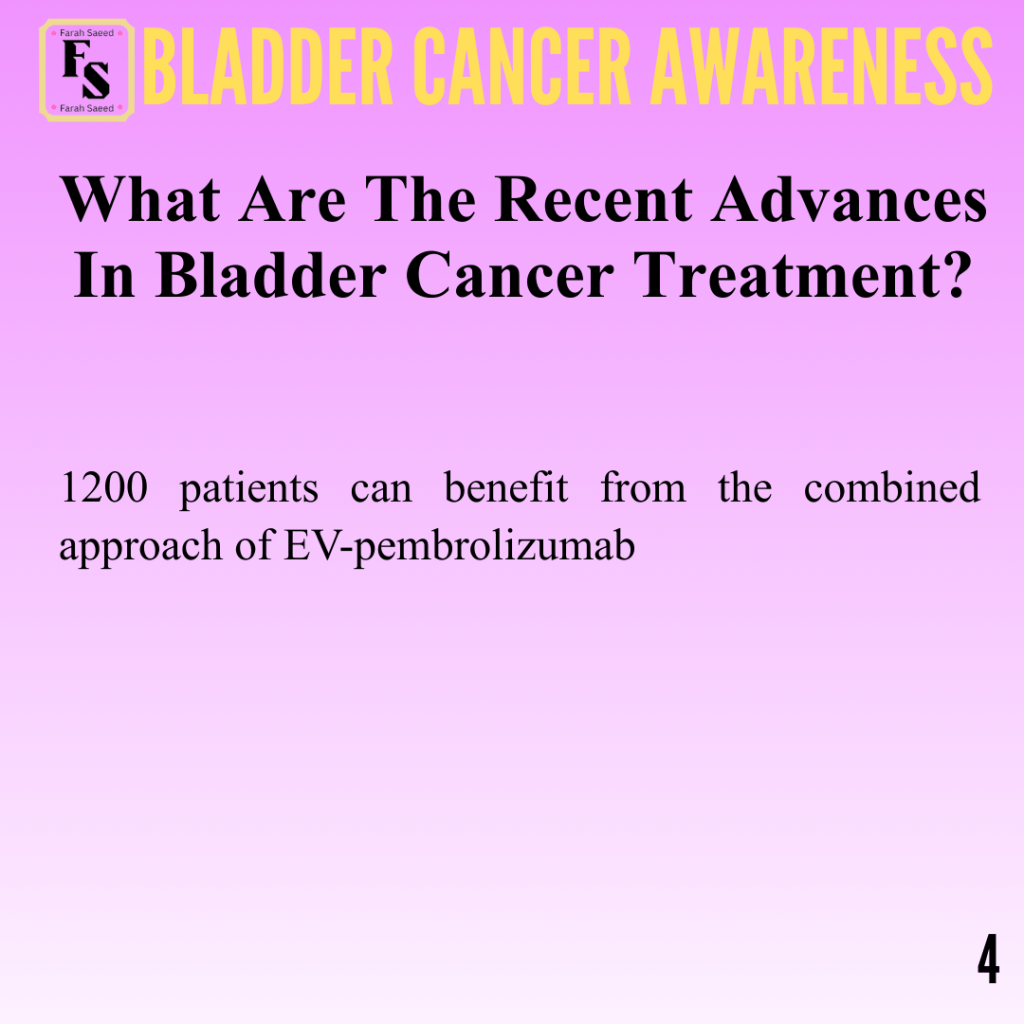
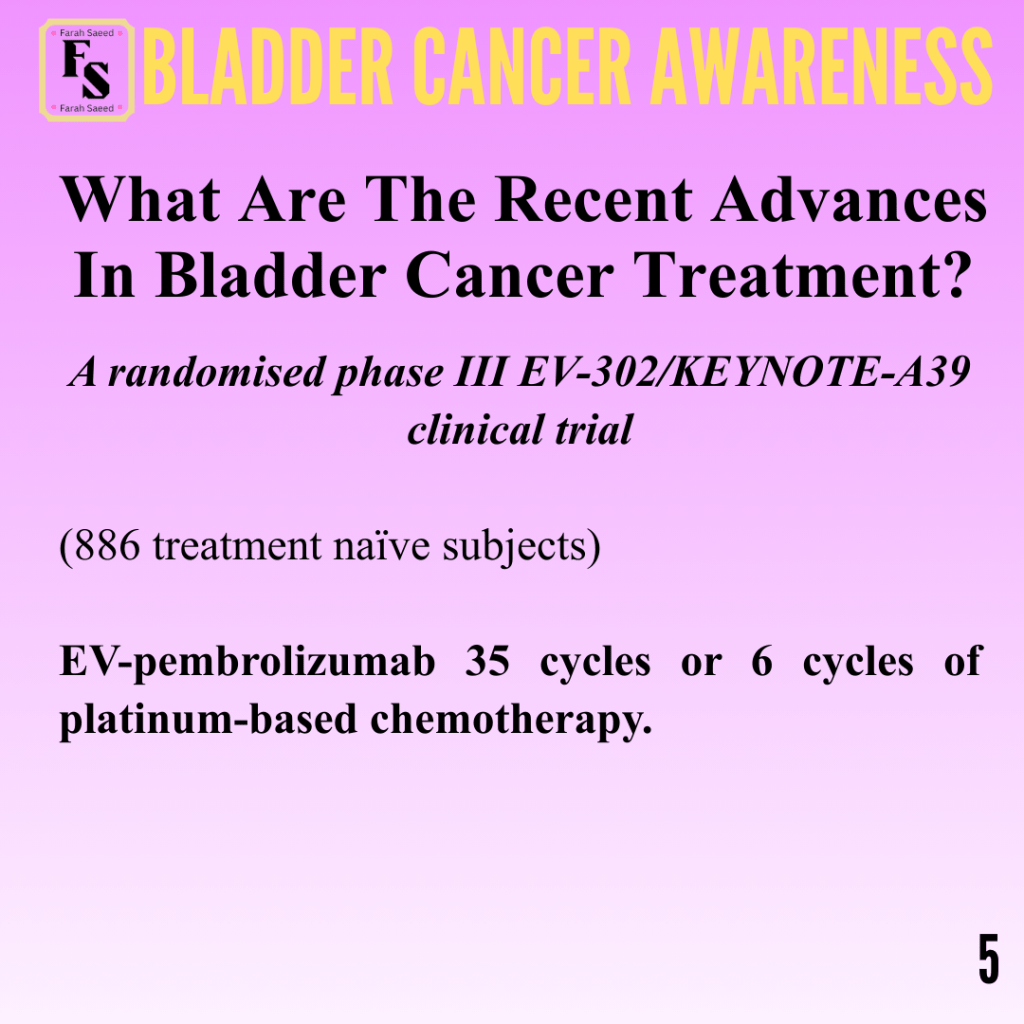
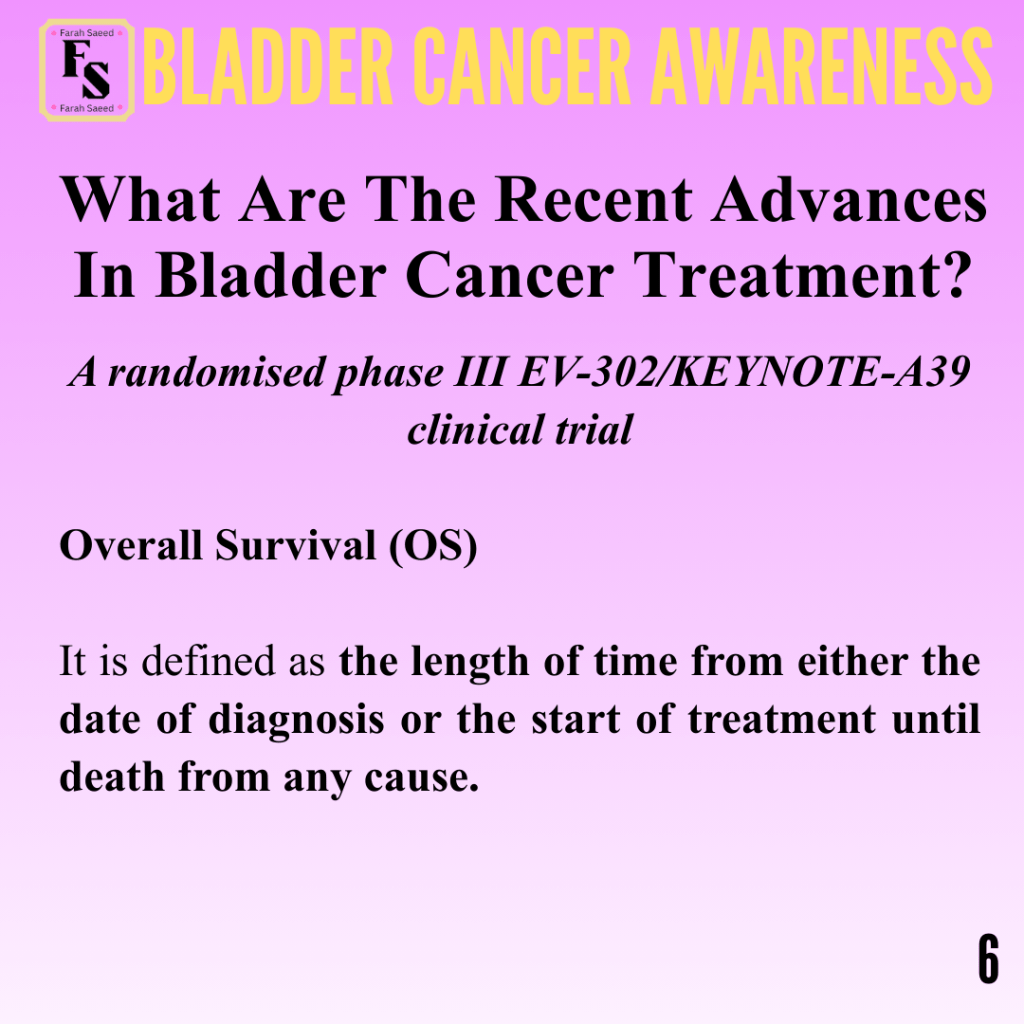
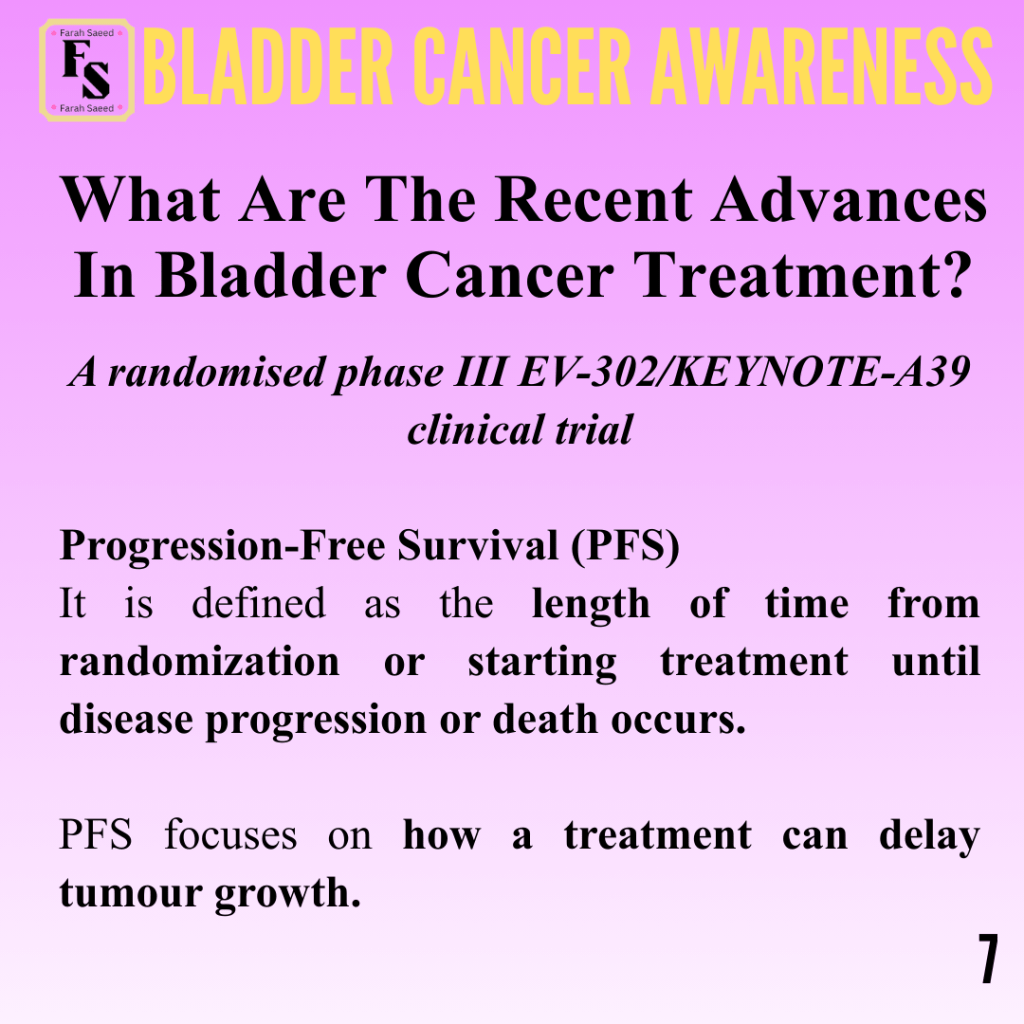
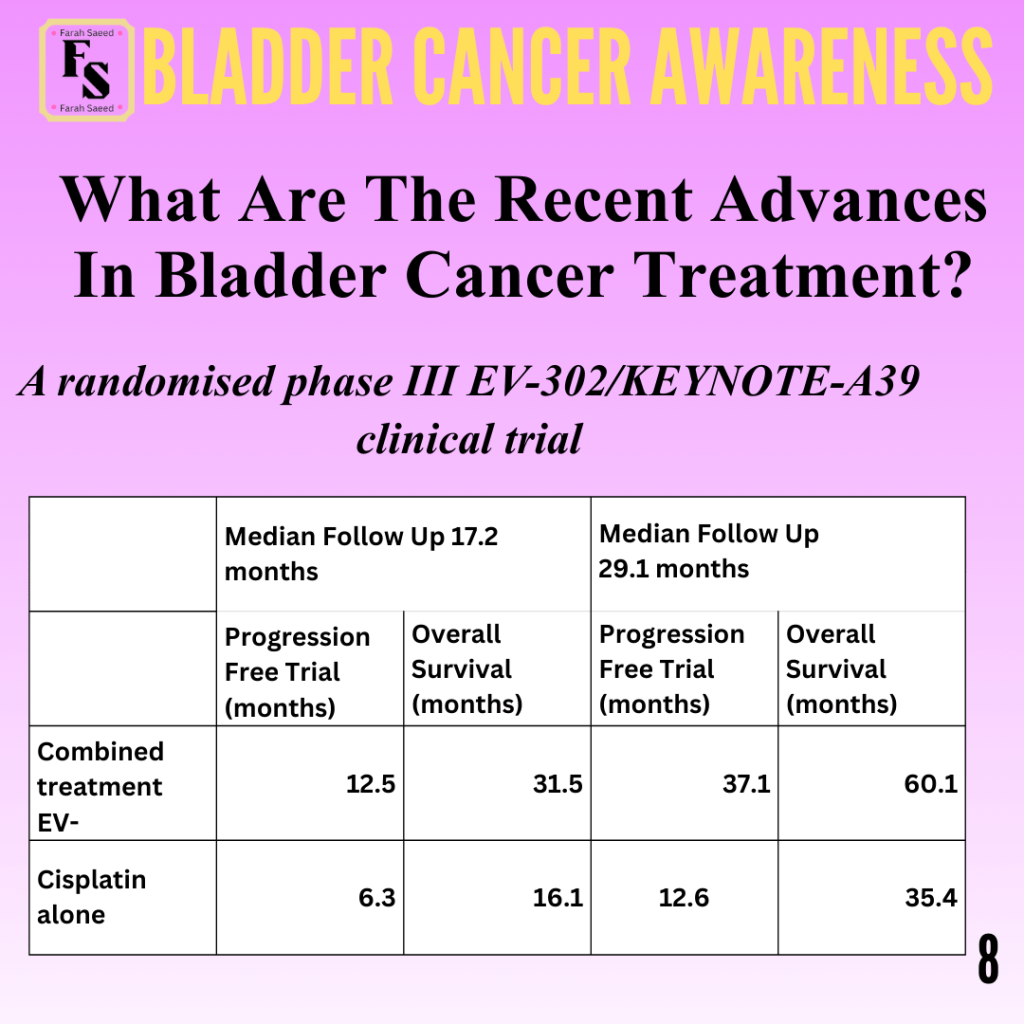
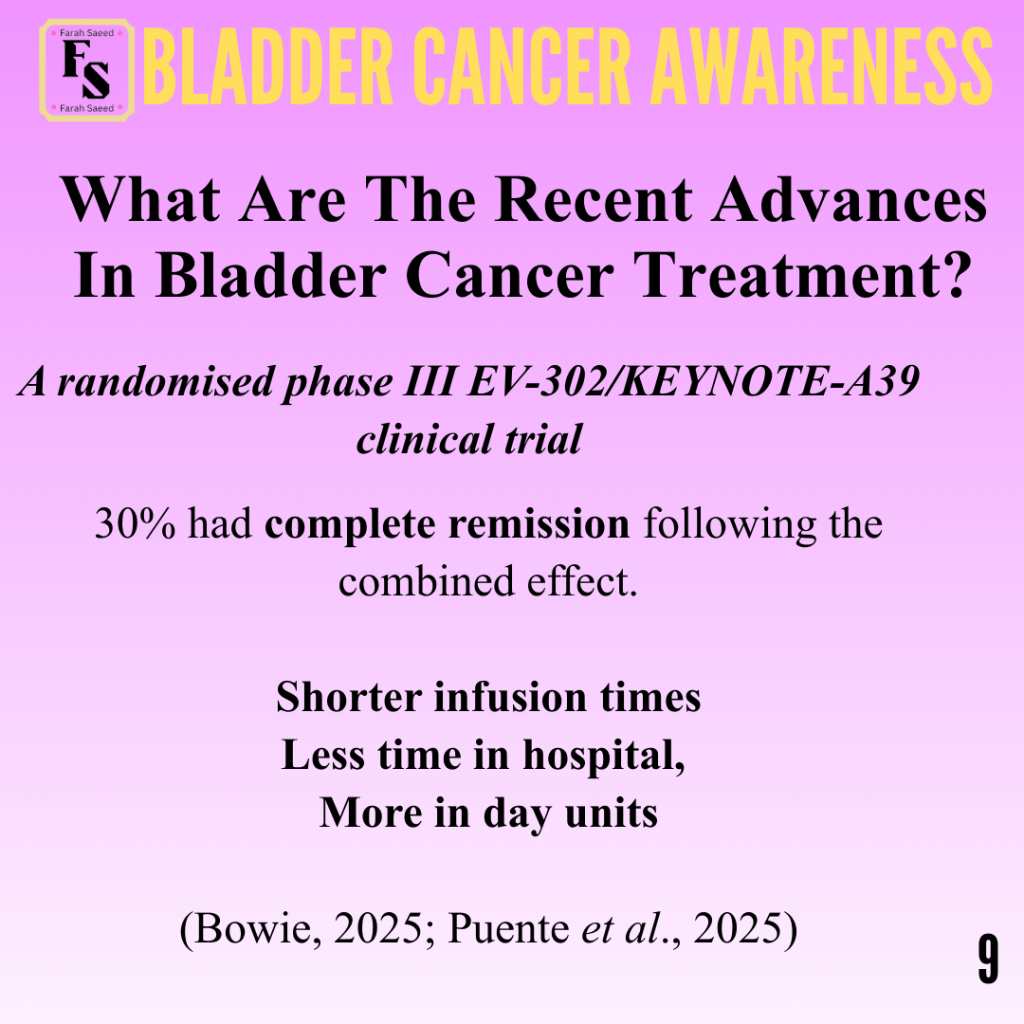
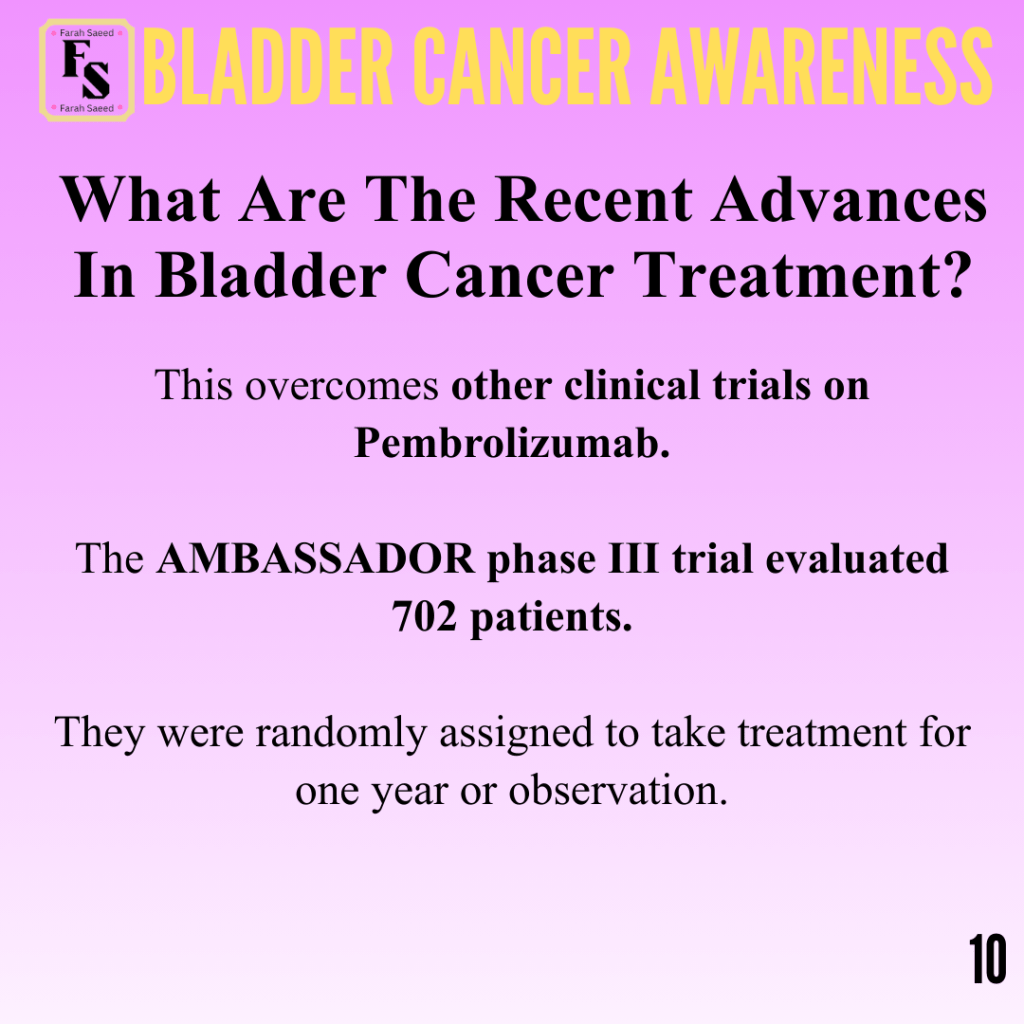
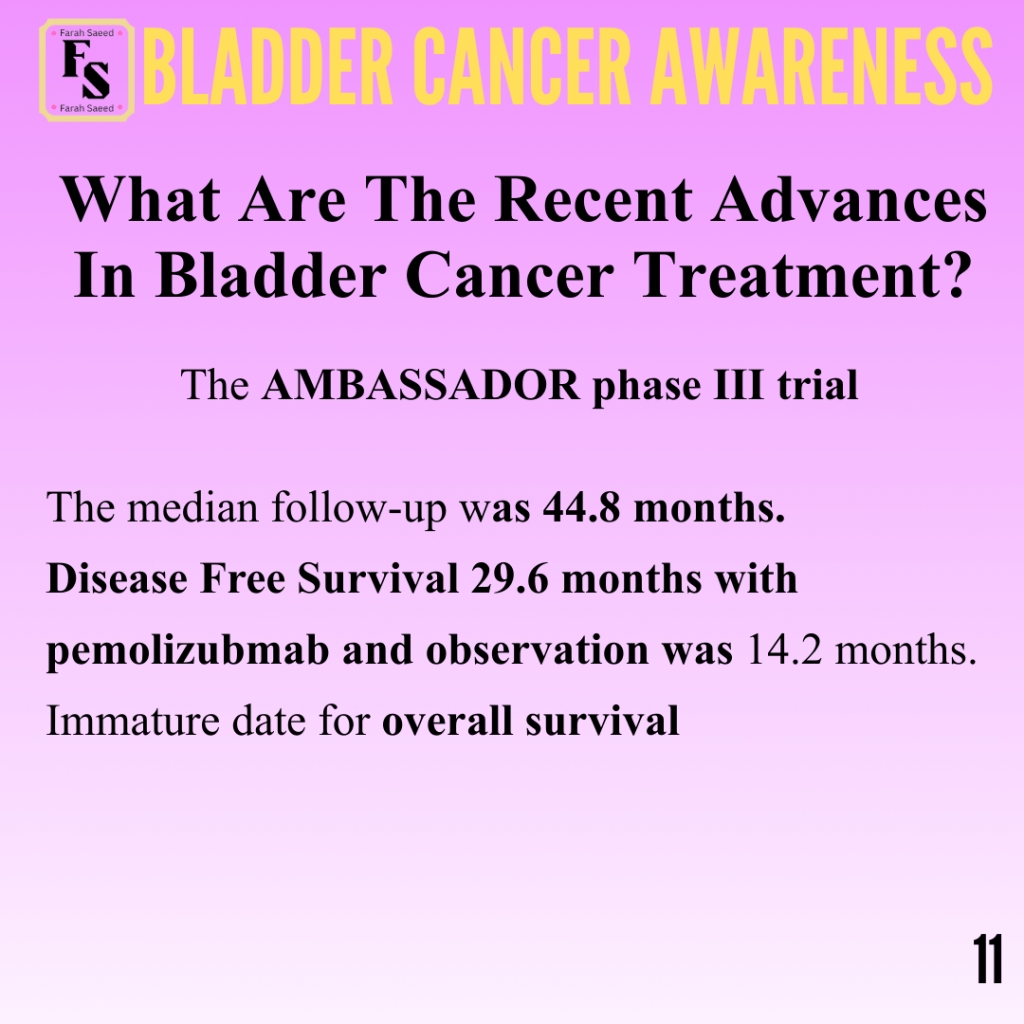
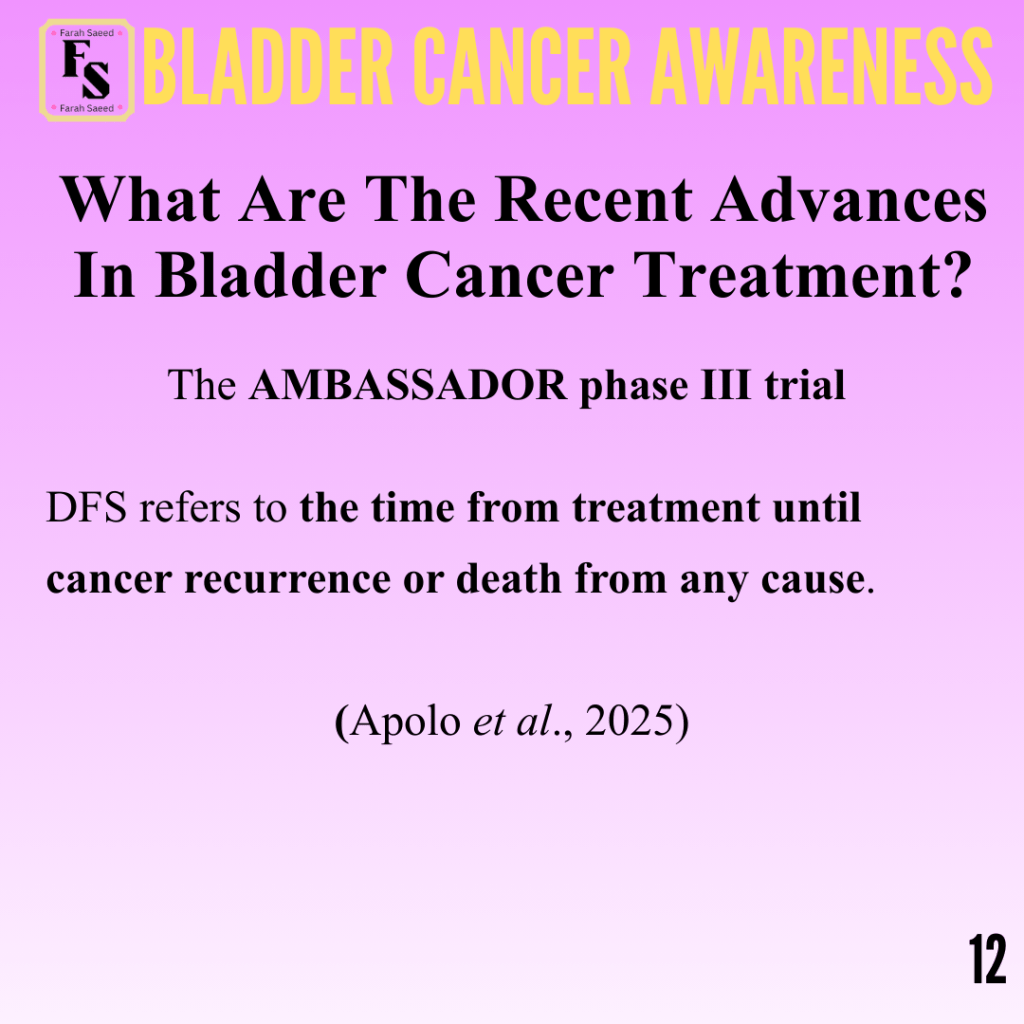
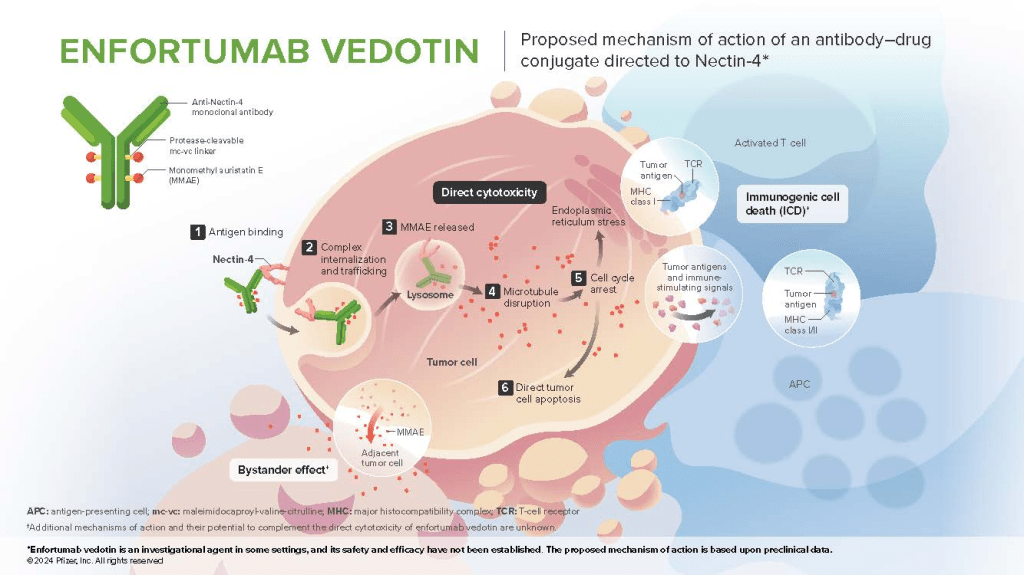
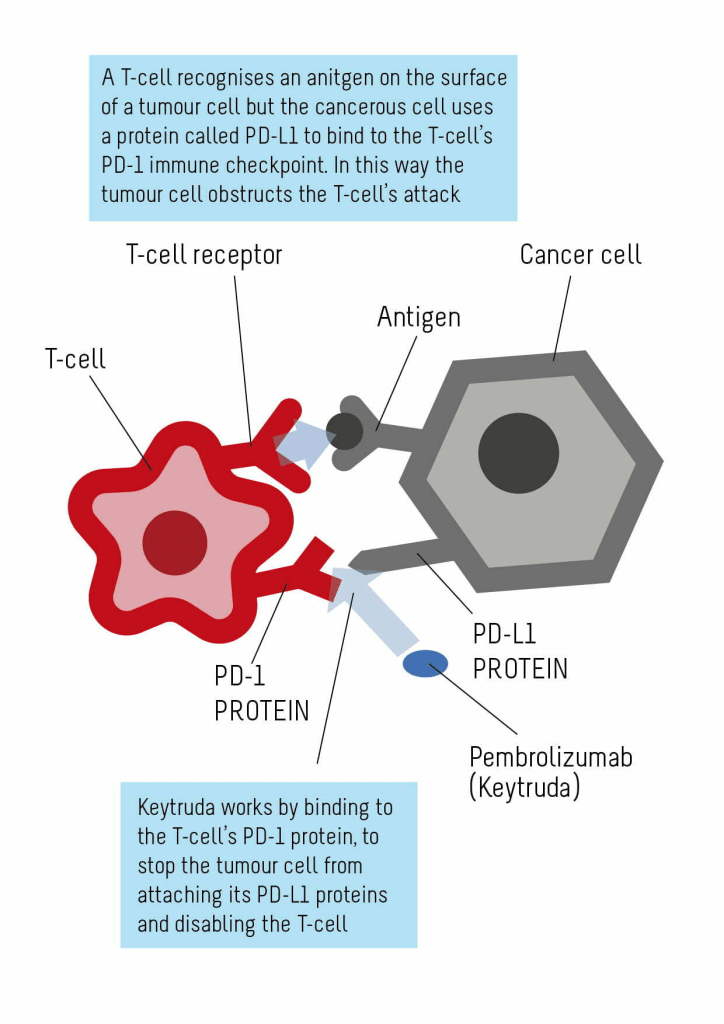
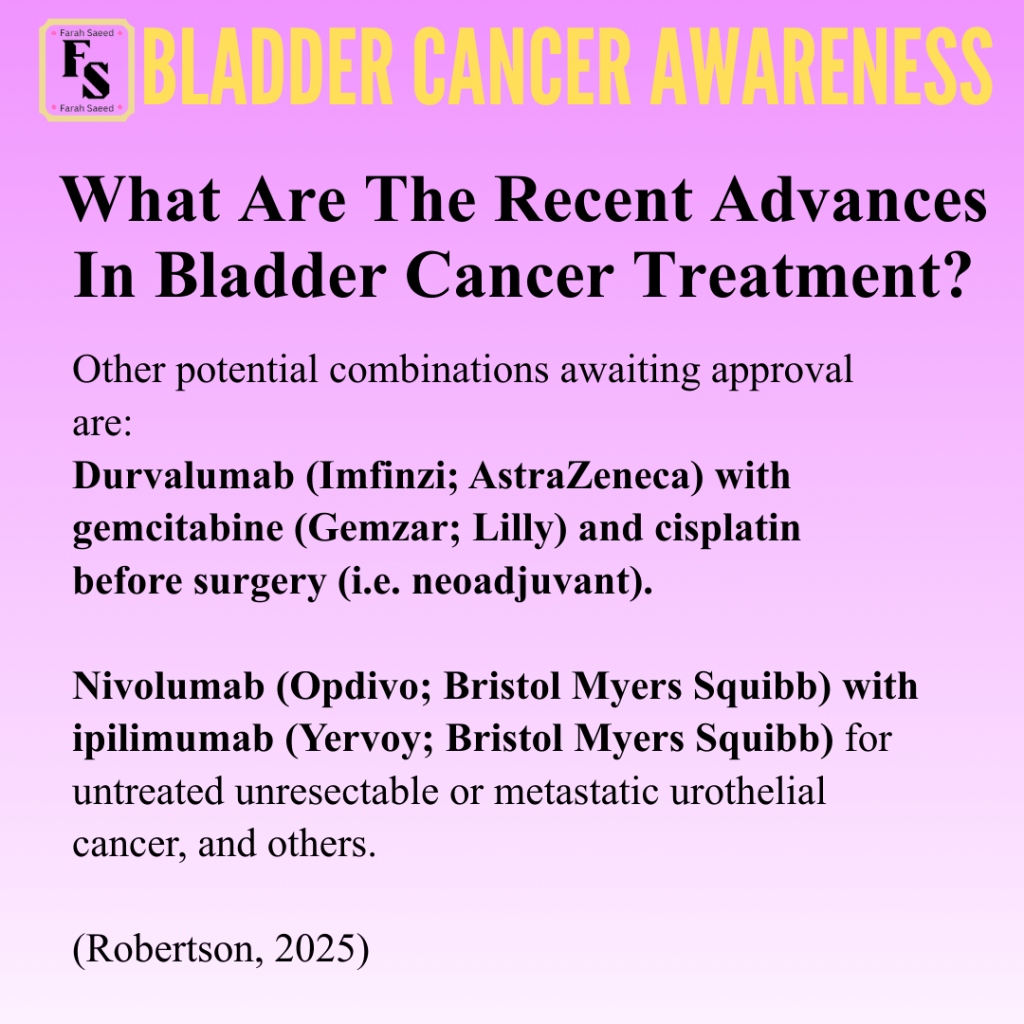
Top Doctors UK: Advances in the treatment of bladder cancer.
References
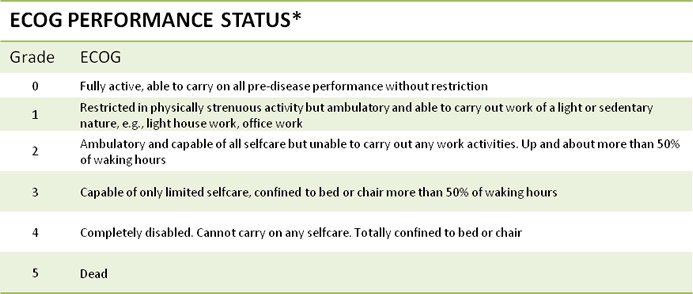
Action to Cure Kidney Cancer (2026) ECOG Status. Available at: https://www.ackc.org/jayedit/resources/ecog-status-2/ (Accessed: 20th January 2026)
Apolo, A.B., Ballman, K.V., Guru Sonpavde, Berg, S., Kim, W.Y., Parikh, R., Min Yuen Teo, Sweis, R.F., Geynisman, D.M., Grivas, P., Gurkamal Chatta, Zachery Roger Reichert, Kim, J.W., Mehmet Asim Bilen, McGregor, B., Singh, P., Tripathi, A., Cole, S., Simon, N. and Niglio, S. (2025). Adjuvant Pembrolizumab versus Observation in Muscle-Invasive Urothelial Carcinoma. New England Journal of Medicine. Doi: HTTPs://doi.org/10.1056/nejmoa2401726.
Bowie, K. (2025). Bladder cancer: ‘Breakthrough’ treatment that doubles survival rates is approved for NHS patients. BMJ, 390, p.r1786. doi: https://doi.org/10.1136/bmj.r1786.
British Institute of Radiology (2017) Hypofractionated radiotherapy. Available at: https://www.bir.org.uk/media-centre/position-statements-and-responses/hypofractionated-radiotherapy/ (Accessed: 13th January 2025)
Cambridge University Hospitals (2026) Cystoscopy and evacuation of blood clots from the bladder. Available at: https://www.cuh.nhs.uk/patient-information/cystoscopy-and-evacuation-of-blood-clots-from-the-bladder/ (Accessed: 20th January 2026)
Cassidy, J., Bissett, D., Spene, R., and Payne, M. (2010). Oxford Handbook of Oncology. Oxford: Oxford University Press
Drugbank (2026) Gemcitabine. Available at: https://go.drugbank.com/drugs/DB00441 Accessed: 12th January 2025
ECOG-ACRIN Cancer Research Group (2025) ECOG Performance Status Scale Available at: https://ecog-acrin.org/resources/ecog-performance-status/ (Accessed: 13th January 2026)
Hekimoglu, A., Ergun, O. and Hekimoglu, B. (2023). Selective Transarterial Embolization for Intractable Hematuria Due to Bladder Carcinomas: A Single-Center Experience. Urology Research & Practice, 49(5), pp.334–337. doi:https://doi.org/10.5152/tud.2023.22224.
McSweeney, K.R., Gadanec, L.K., Qaradakhi, T., Ali, B.A., Zulli, A. and Apostolopoulos, V. (2021). Mechanisms of Cisplatin-Induced Acute Kidney Injury: Pathological Mechanisms, Pharmacological Interventions, and Genetic Mitigations. Cancers, 13(7), p.1572. doi:https://doi.org/10.3390/cancers13071572.
Mowatt, G., Zhu, S., Kilonzo, M., Boachie, C., Fraser, C., Griffiths, T., N’Dow, J., Nabi, G., Cook, J. and Vale, L. (2010). Systematic review of the clinical effectiveness and cost-effectiveness of photodynamic diagnosis and urine biomarkers (FISH, ImmunoCyt, NMP22) and cytology for the detection and follow-up of bladder cancer. Health Technology Assessment, 14(4). doi:https://doi.org/10.3310/hta14040.
National Health Service (2016) Guidelines for the Management of Bladder Cancer. Available at: https://www.england.nhs.uk/mids-east/wp-content/uploads/sites/7/2018/05/guidelines-for-the-management-of-bladder-cancer.pdf (Accessed: 11th January 2026)
National Institute of Care and Excellence (2021) Bladder cancer: diagnosis and management. Available at: https://www.nice.org.uk/guidance/ng2/evidence/full-guideline-pdf-3744109 (Accessed: 11th January 2026)
Oddens, J., Brausi, M., Sylvester, R., Bono, A., van de Beek, C., van Andel, G., Gontero, P., Hoeltl, W., Turkeri, L., Marreaud, S., Collette, S. and Oosterlinck, W. (2013). Final results of an EORTC-GU cancers group randomized study of maintenance bacillus Calmette-Guérin in intermediate- and high-risk Ta, T1 papillary carcinoma of the urinary bladder: one-third dose versus full dose and 1 year versus 3 years of maintenance. European Urology, [online] 63(3), pp.462–472. doi:https://doi.org/10.1016/j.eururo.2012.10.039.
Puente, J., Rodríguez-Vida, A., Sevillano, E., Estévez, S.V., Fernández, C.Á., Chirivella, I., Climent, M.Á., Fernández, O., de Liaño, A.G. and Valderrama, B.P. (2025). SEOM–SOGUG clinical guideline for urothelial cancer (2025). Clinical and Translational Oncology, [online] 27(11), pp.4142–4159. doi: https://doi.org/10.1007/s12094-025-04045-2.
Rahane, S. and Verma, N. (2024). Efficacy and Safety of Obturator Nerve Block in Transurethral Resection of Bladder Tumors: A Comprehensive Review. Cureus. doi: https://doi.org/10.7759/cureus.65859.
Robertson, J. (2025) Major step forward as bladder cancer treatment approved in England Available at: https://pharmaceutical-journal.com/article/news/major-step-forward-as-bladder-cancer-treatment-approved-in-england (Accessed: 8th January 2026)
Seladi-Schulman, J. (2023) Fulguration of the Bladder: What to Expect. Available at: https://www.healthline.com/health/bladder-cancer/fulguration-of-bladder/ (Accessed: 20th January 2026)
Sylvester, R.J., Oosterlinck, W., Holmang, S., Sydes, M.R., Birtle, A., Gudjonsson, S., De Nunzio, C., Okamura, K., Kaasinen, E., Solsona, E., Ali-El-Dein, B., Tatar, C.A., Inman, B.A., N’Dow, J., Oddens, J.R. and Babjuk, M. (2016). Systematic Review and Individual Patient Data Meta-analysis of Randomized Trials Comparing a Single Immediate Instillation of Chemotherapy After Transurethral Resection with Transurethral Resection Alone in Patients with Stage pTa-pT1 Urothelial Carcinoma of the Bladder: Which Patients Benefit from the Instillation? European urology, [online] 69(2), pp.231–44. doi:https://doi.org/10.1016/j.eururo.2015.05.050.
Taha, D.-E., Shokeir, A.A. and Aboumarzouk, O.A. (2018). Selective embolisation for intractable bladder haemorrhages: A systematic review of the literature. Arab Journal of Urology, 16(2), pp.197–205. doi:https://doi.org/10.1016/j.aju.2018.01.004.
Updated January 2026 Next Review May 2028
 The Farah Saeed Project