
Welcome
Our posters have seven key objectives:
- To distinguish the differences between the structure and function of different bowels.
- To recap on the risk factors and symptoms of large bowel cancer.
- To compare the risk factors and symptoms of large and small bowel cancer.
- To introduce new risk factors of bowel cancer.
- To introduce the importance of bowel cancer screening.
- To introduce how small bowel cancer is detected.
- To introduce how small bowel cancer is treated and prevented.
Polite notice: These posters are FREE to use for educational purposes and sharing across social media.
References for the following information is from Cancer Research UK and National Health Service.

What Is Bowel Cancer?


A close view of the bowel
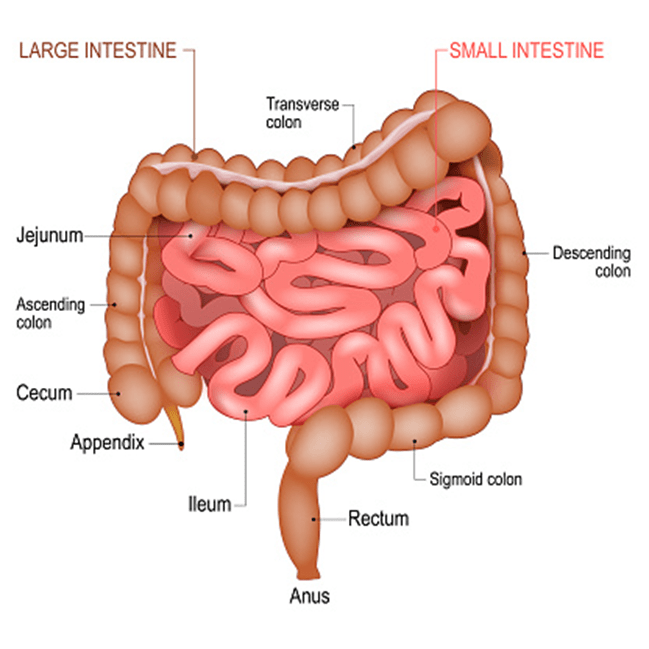
What Is The Difference Between The Structure And Function of Large And Small Intestine?
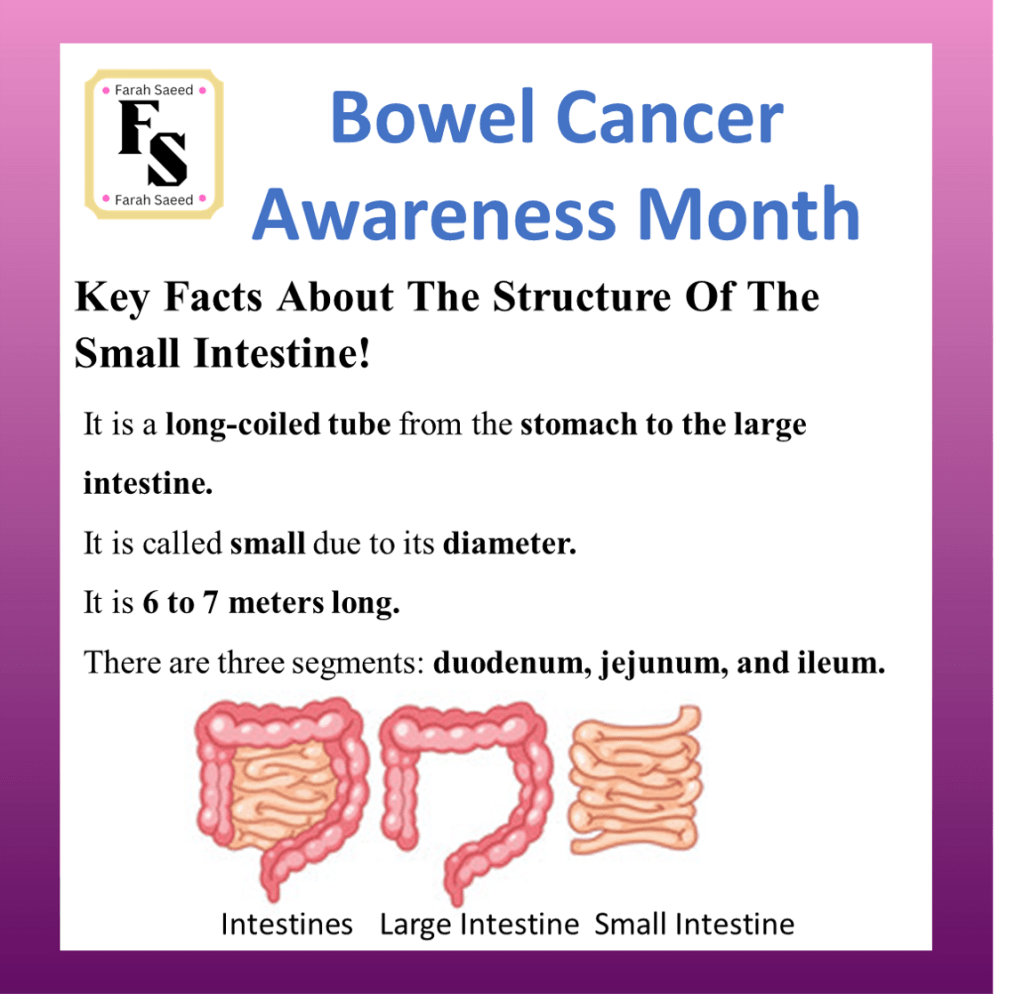
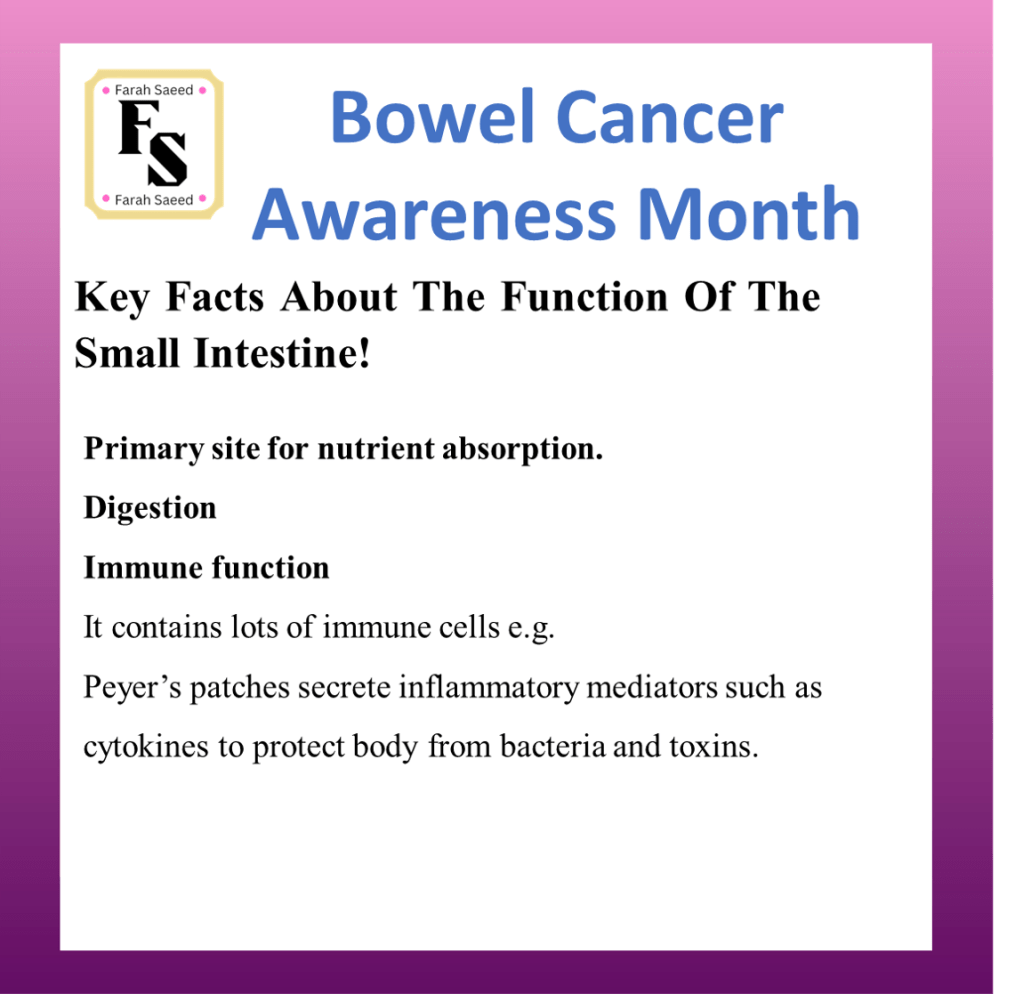
Small Intestine

Large Intestine
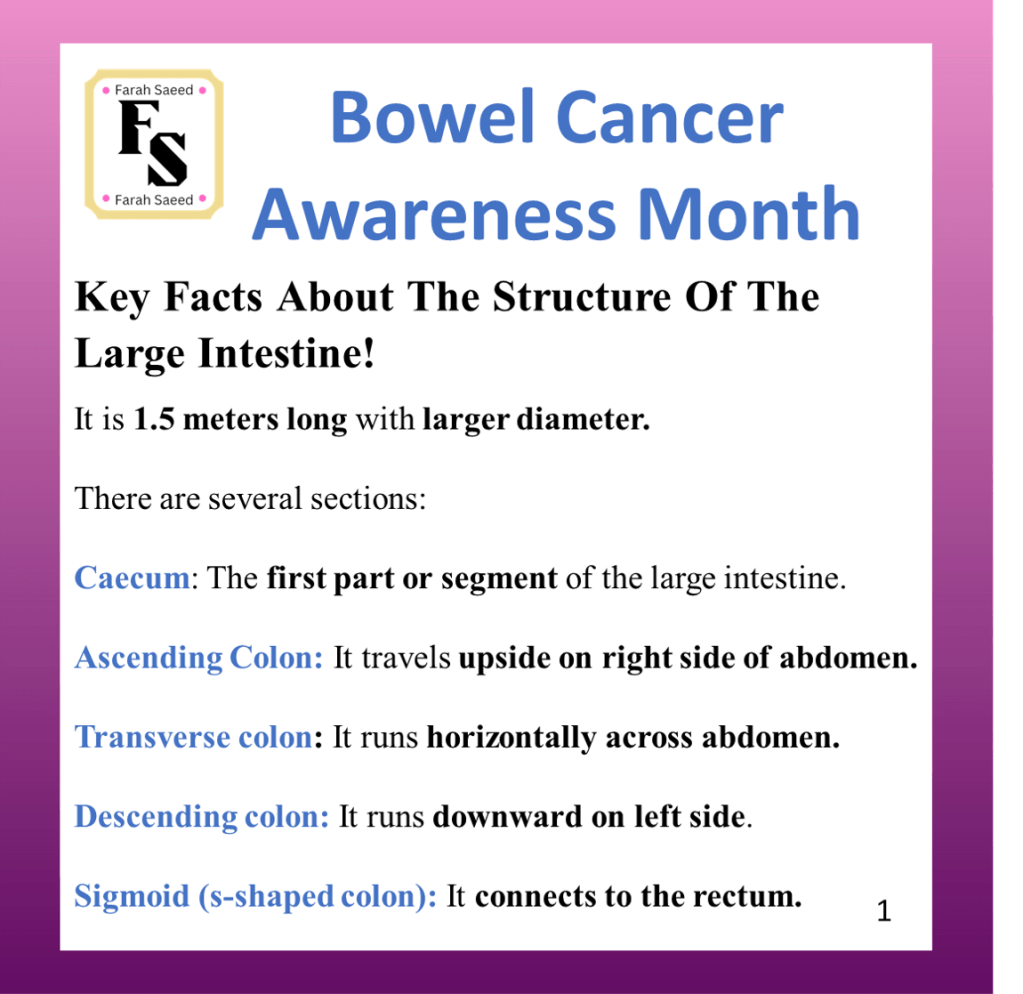


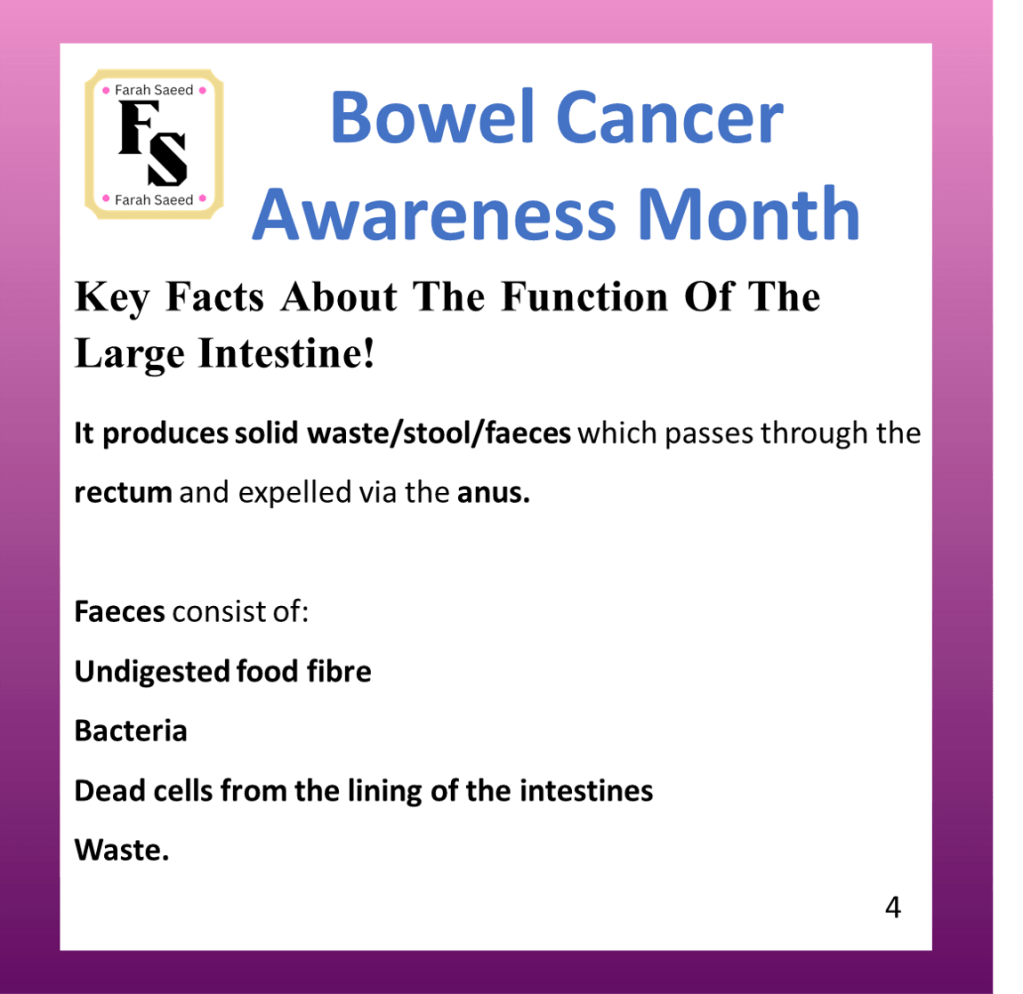
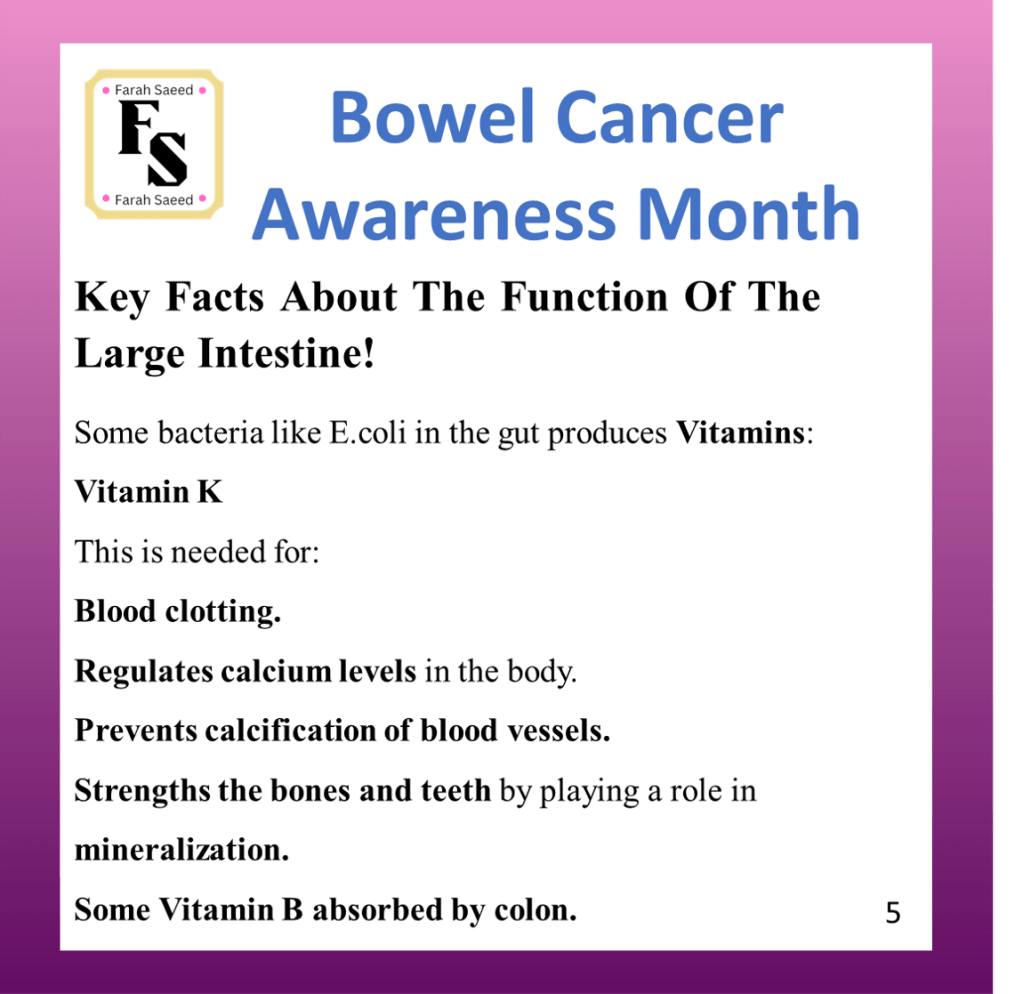
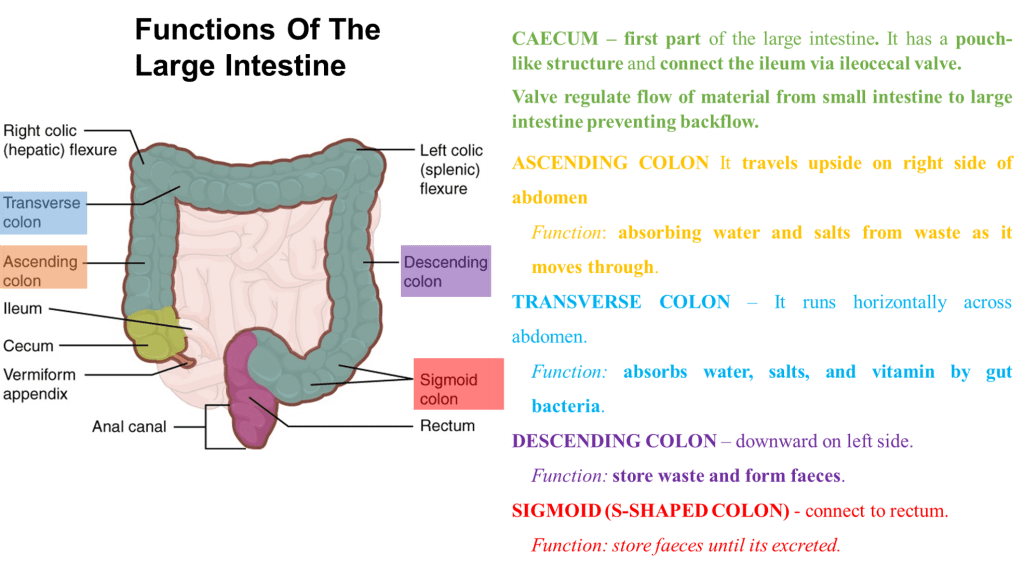
Functions of the Vitamins produced by the Large Intestine


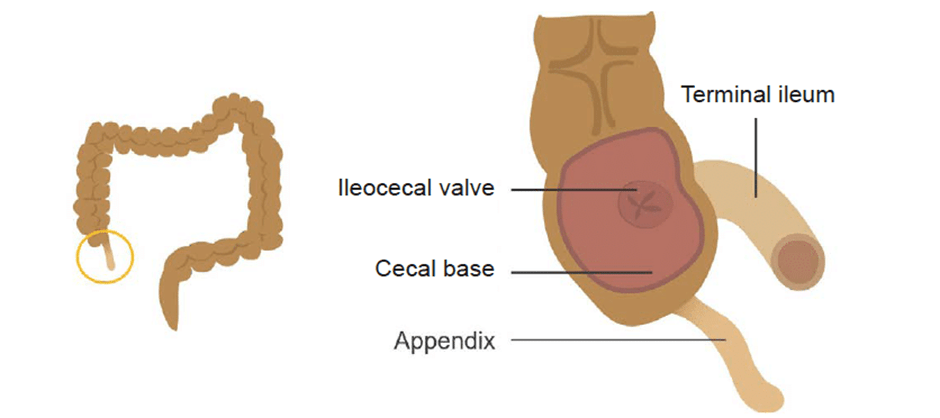
Other Structures of the Large Intestine
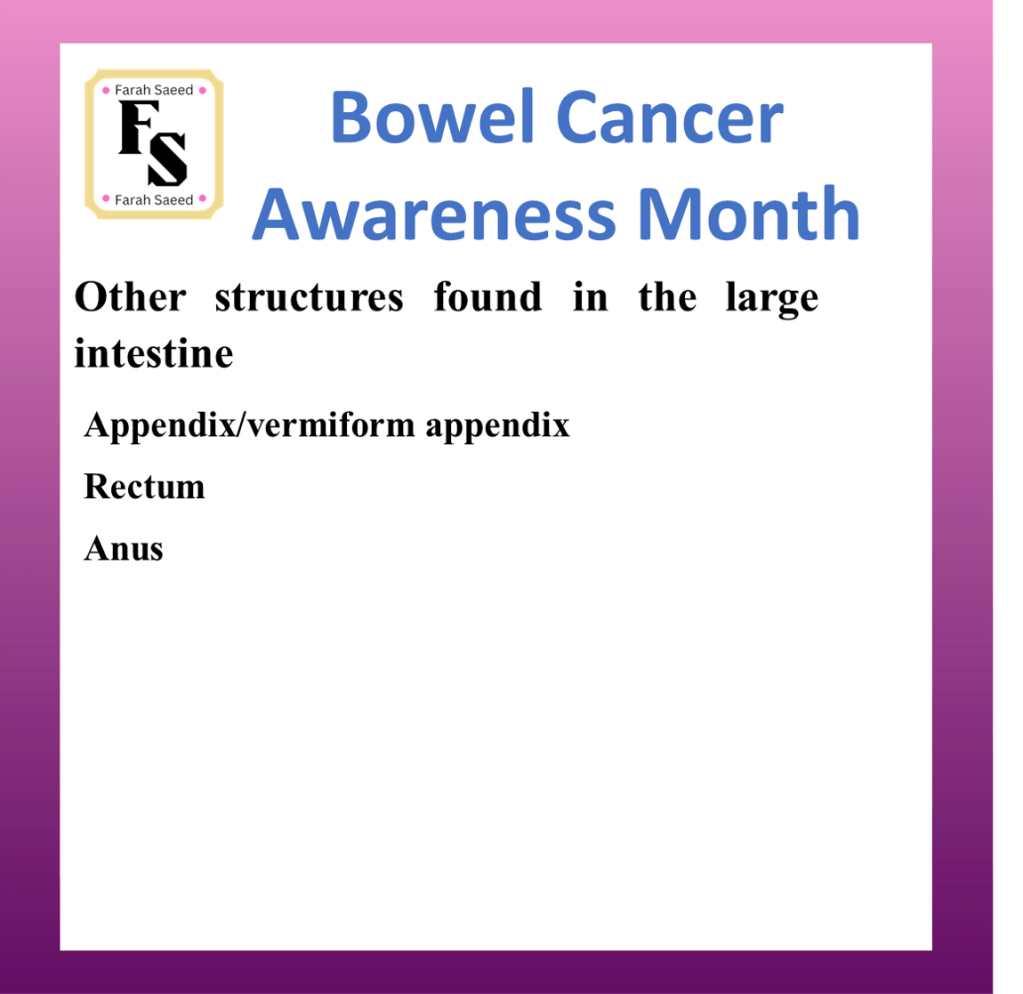
Appendix/vermiform appendix
Structure: Small tube-like organ
Function: unclear, it is thought to play a role in maintain the gut flora and immune function.
Rectum
Structure: Straight, muscular structure and is 6 inches long.
Function: It helps faeces before elimination. Stretch receptor will signal message to brain to defecate.
Anus
Structure: It is 4cm long and has two sphincters:
Internal sphincters (smooth muscle) involuntary.
External sphincters (skeletal muscle) voluntary
Function: Internal and external sphincters relax creates pressure in sigmoid colon to excrete features.
It ensures voluntary control over the defecation and prevent waste leakage.

Large Bowel Cancer/Colorectal Cancer
March Cancer Awareness Month covers Colorectal Cancer. Please see link below:
The aim for April Cancer Awareness Month is to recap and compare it with small bowel cancer.
Small Bowel Cancer
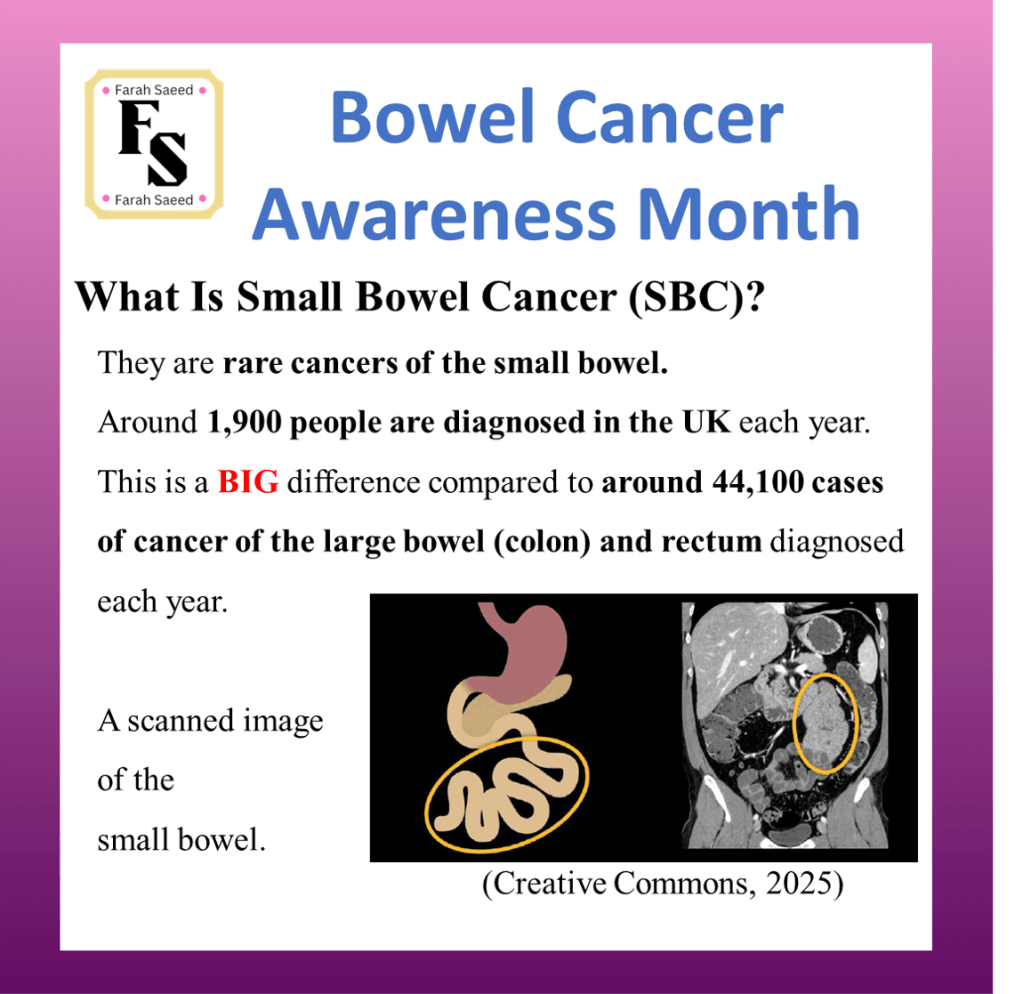
Types Of Bowel Cancer
40% (40 out of 100 cases) are caused by adenocarcinoma.
This is followed by:
Neuroendocrine cancer. These arise in the neuroendocrine cells.
Lymphoma: These are cancers that arise in the lymph nodes.
Sarcoma: They are most commonly gastrointestinal stromal tumor [GIST] and leiomyosarcoma). They occur in soft tissues like the cartilage, muscle, fat and bone (Pedersen, Raghav and Overman, 2019)
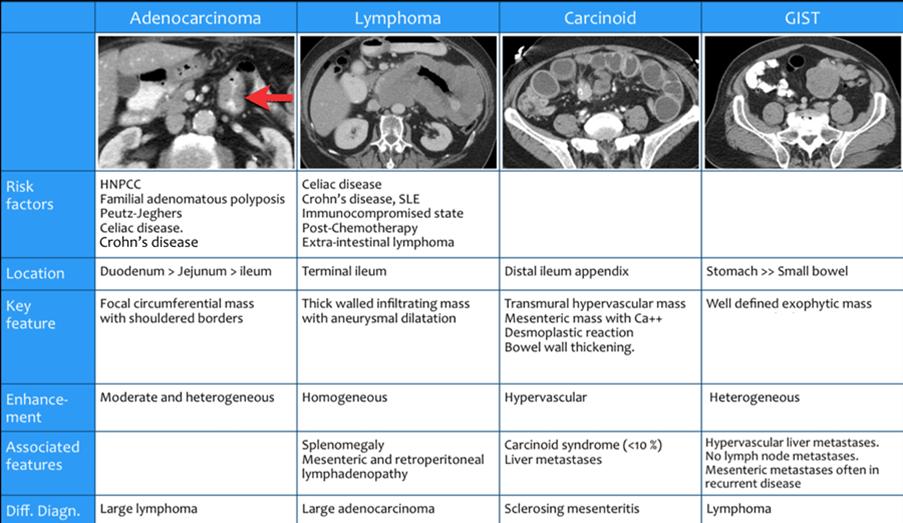
(Smithuis and Smithuis, n.d.)
Why are small bowel cancer rare?
Reason One LESS IRRITATION
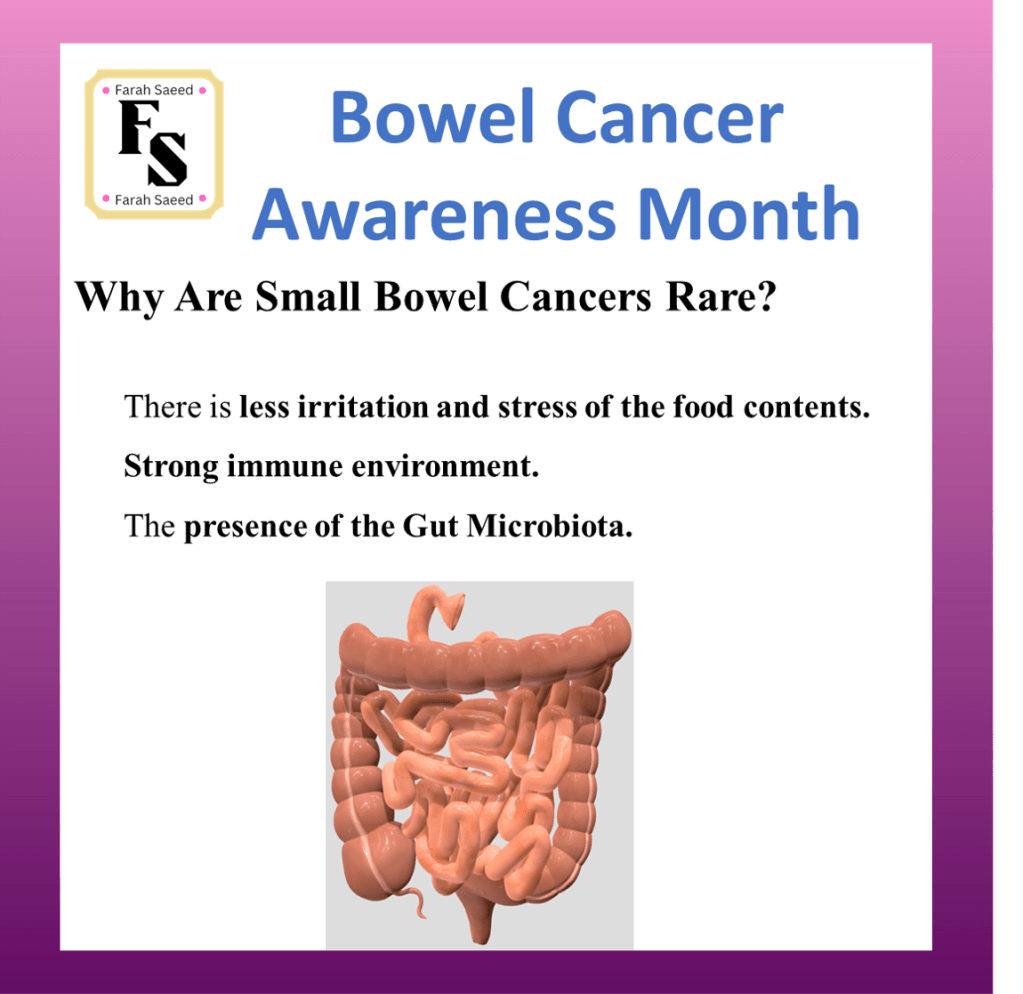
There is less irritation of food contents that have been broken down in the small intestine, low water in faeces and slower transport of stool in large intestine. This is why most cases occur in the first segment of the small intestine (duodenum). The acidic conditions from the stomach contents (chyme) can cause irritation but is neutralised with the bile released from the gall bladder. However, in some cases the bile (alkaline) can also cause irritation (Khosla et al., 2022).
Reason Two LESS STRESSFUL
The small intestine is a less stressful environment compared to the colorectal cancer because there is less reactive oxygen species that can cause DNA damage (Sanders et al., 2004).
Reason Three STRONG IMMUNE SYSTEM
There are more immune cells in the small intestine that can protect the body from infection and structure of cells.
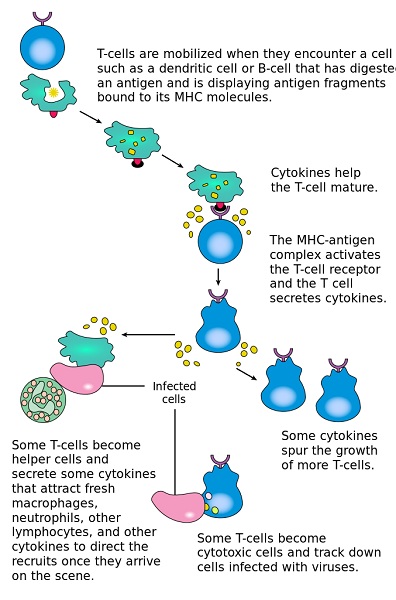
Dendritic cells in the mucosa has antigens present in food and blood that can monitor activity of white blood cells: CD4+ (helper T cells) and CD8+ (cytotoxic T cells). The role of T cells are presented in the diagrams for support.
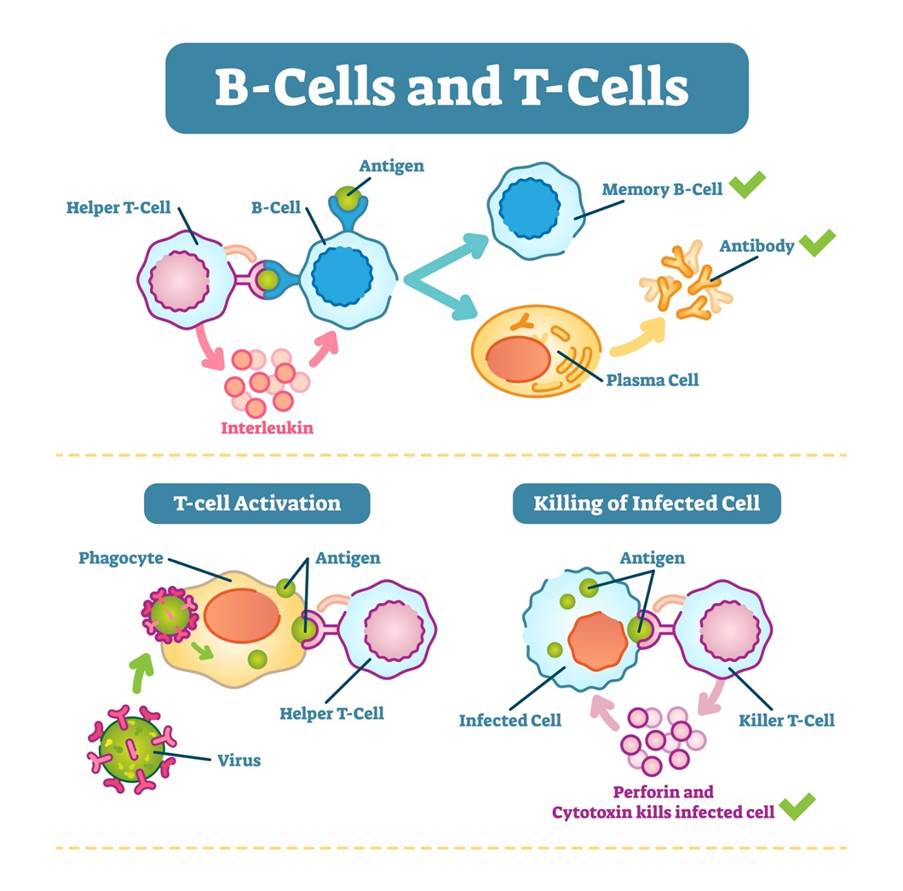
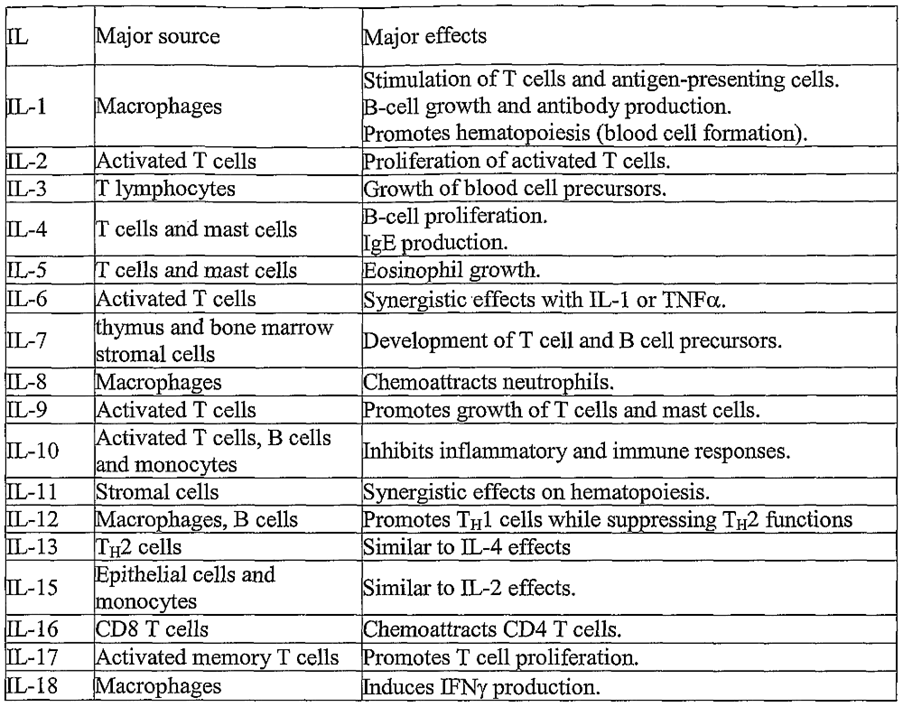
There is a higher density in the small bowel where more interleukin 10 are released. The table below presents a summary of interleukins and their major effects.
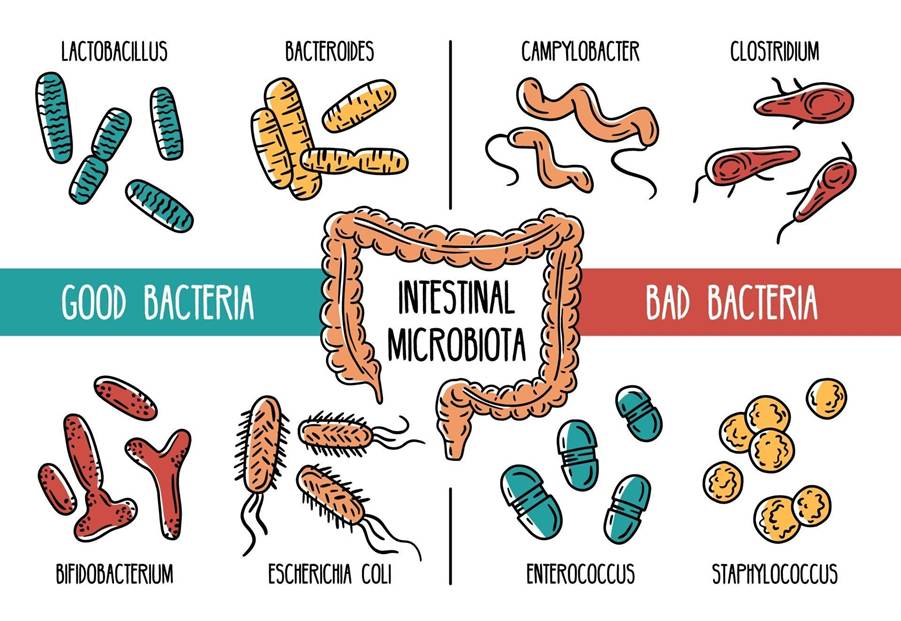
Reason Four GUT MICROBIOTA
Gut microbiota can help prevent small bowel cancer but is still currently investigated (Chang et al., 2013, Pedersen, Raghav, and Overman, 2019).


References
Anatomy and Physiology Diploma notes
Brooker, R.J., Widmaier, E.P., Graham, L.E. and Stiling, P.D. (2008). Biology. 1st ed. New York, Ny: McGraw-Hill Education.
Cancer Research UK (2022) What is small bowel cancer? https://www.cancerresearchuk.org/about-cancer/small-bowel-cancer/about (Accessed: 8th April 2025)
Chang, S.Y., Song, J.H., Guleng, B., Cotoner, C.A., Arihiro, S., Zhao, Y., Chiang, H.S., O’Keeffe, M., Liao, G., Karp, C.L., Kweon, M.N., Sharpe, A.H., Bhan, A., Terhorst, C. and Reinecker, H.C (2013). Circulatory Antigen Processing by Mucosal Dendritic Cells Controls CD8+ T Cell Activation. Immunity, 38(1), pp.153–165. doi:https://doi.org/10.1016/j.immuni.2012.09.018.
Khosla, D., Dey, T., Madan, R., Gupta, R., Goyal, S., Kumar, N. and Kapoor, R. (2022). Small bowel adenocarcinoma: An overview. World Journal of Gastrointestinal Oncology, [online] 14(2), pp.413–422. doi:https://doi.org/10.4251/wjgo.v14.i2.413. https://pmc.ncbi.nlm.nih.gov/articles/PMC8918997/
Pedersen, K.S., Raghav, K. and Overman, M.J. (2019). Small Bowel Adenocarcinoma: Etiology, Presentation, and Molecular Alterations. Journal of the National Comprehensive Cancer Network, 17(9), pp.1135–1141. doi:https://doi.org/10.6004/jnccn.2019.7344.
Sanders, L.M., Henderson, C.E., Hong, M.Y., Rola Barhoumi, Burghardt, R.C., Carroll, R.J., Turner, N.D., Chapkin, R.S. and Lupton, J.R. (2004). Pro-oxidant environment of the colon compared to the small intestine may contribute to greater cancer susceptibility. Cancer Letters, 208(2), pp.155–161. doi:https://doi.org/10.1016/j.canlet.2003.12.007.
Smith, O. (2015) Mind maps For Medical Students Florida: CRC Press
Smithuis, F. and Smithuis, R. (n.d.) Welcome to the Radiology Assistant. Available at: https://radiologyassistant.nl/ (Accessed: 17th June 2025)
University of Oxford (2007) Concise Colour Oxford Medical dictionary 4 edn. Oxford: Oxford University Press.
Widmaier, E., Raff, H., Strang, K. (2006) Van der’s Human Physiology New York: McGraw-Hill
Updated June 2025 Next Review June 2027
 The Farah Saeed Project