
About November Cancer Awareness Month
Welcome to November Cancer Awareness Month, where at FST, we aim to provide introductory information on the following cancers: pancreas, carcinoid, stomach, and lung cancers. We have also introduced a new cancer which we have not done previously in our old website. Mouth Cancer Action Month organised by the Oral Health Foundation. We will provide an in-depth section for each type soon, as we steadily build our website, especially the health project. Thank you for your patience!
Introduction To Pancreatic Cancer
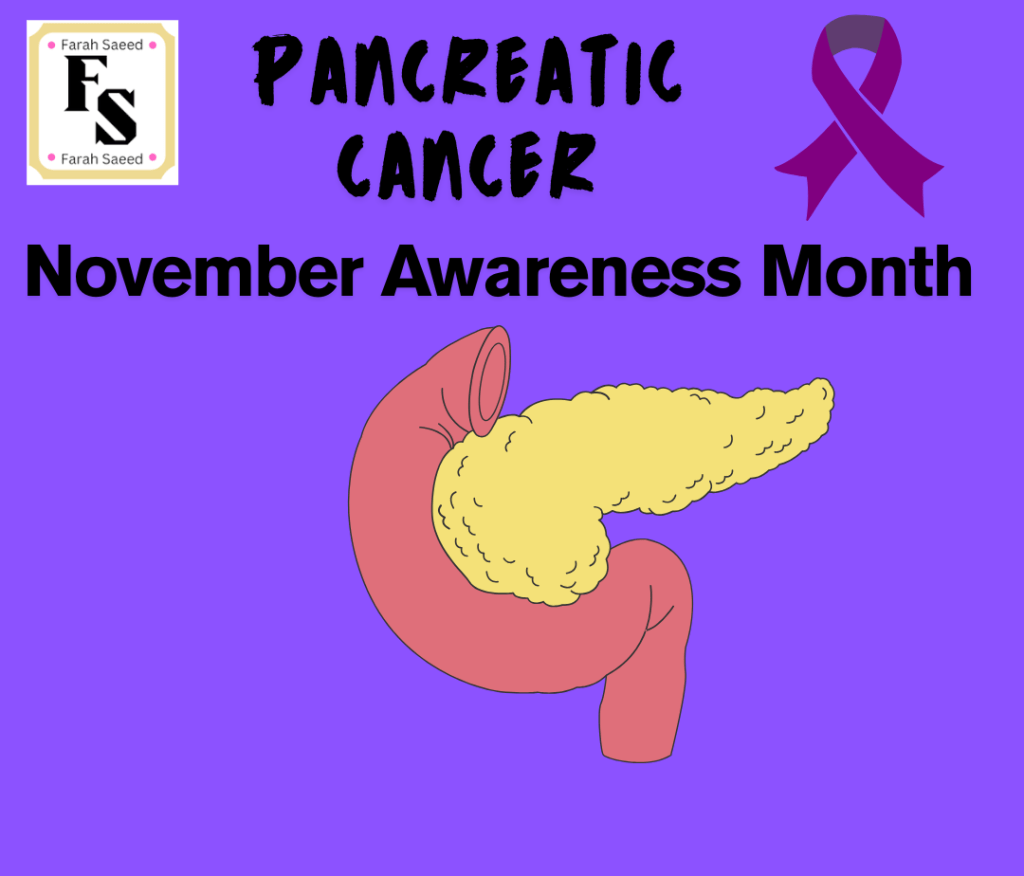
What Is The Role Of The Pancreas?
The pancreas is a pear-shaped or leaf-shaped organ that is approximately 15cm long. It is behind the stomach and helps to digest the food contents entering the small intestine (Cancer Research UK, 2023; World Cancer Research Fund, 2025a).
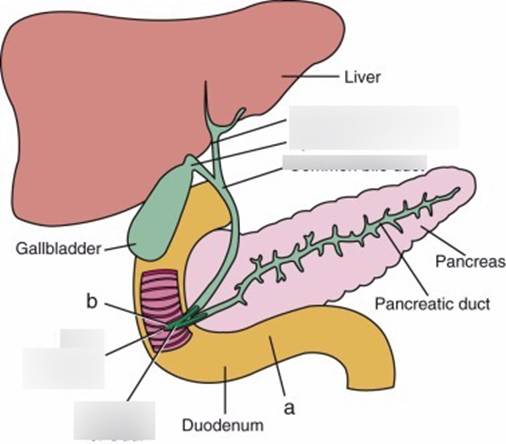
There is a passageway called the pancreatic duct that connects with the bile duct coming from the gall bladder. Both ducts are associated with the first part of the small intestine called the duodenum, which releases the pancreatic juice containing enzymes. Please see Figure 1.
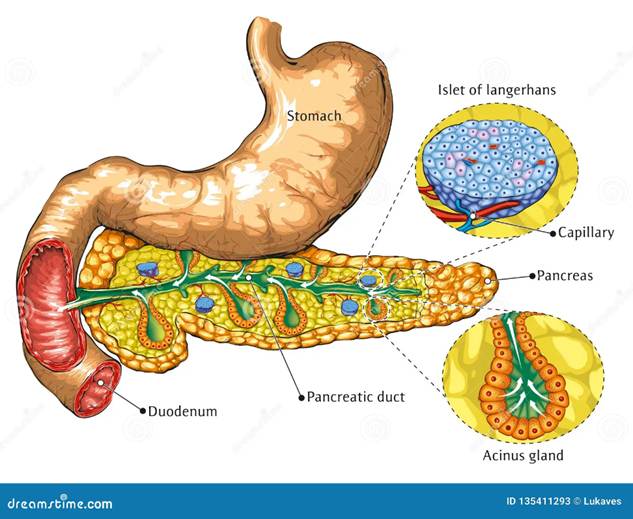
Enzymes are proteins that help break down large food molecules into smaller food molecules to help the body digest food and absorb it into the blood easily. Enzymes are produced in the acinar cells of the pancreas.
The pancreas also helps to regulate sugar (glucose) levels in the blood to help maintain the internal environment. The maintenance of the internal body environment is known as homeostasis. This is achieved by releasing chemicals known as hormones. Insulin is a hormone that is produced when high levels of sugar in the blood are detected. Insulin signals for glucose to convert into glycogen, a storage form of sugar compound. Glycogen is then stored in the liver and muscles.
Glucagon is released when low levels of sugar in the blood are detected. Glucagon signals to the liver to break down glycogen to form glucose (sugar). This helps to increase the sugar back to normal levels.
Somatostatin helps regulate hormones by inhibiting their production if the hormone is released more than necessary. Insulin, glucagon, and somatostatin are produced in cells called the Islets of Langerhans. Please see Figure 2.
What Is Pancreatic Cancer?
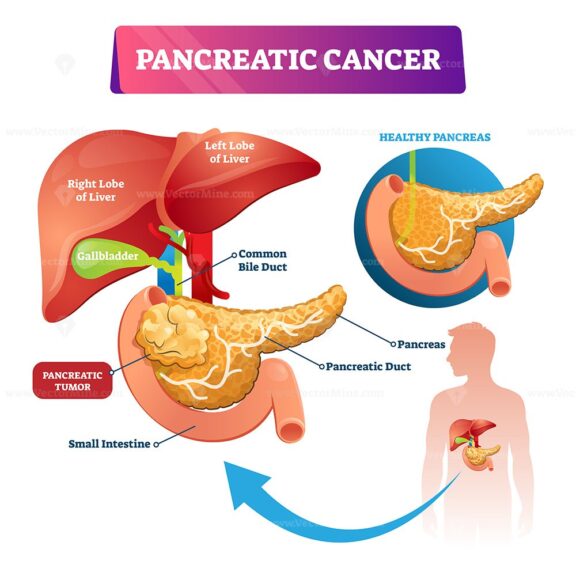
As presented in Figure 3, pancreatic cancer arises when abnormal cells uncontrollably grow in the duct and surrounding area, forming a tumour. It may also grow in surrounding blood vessels or the duodenum of the small intestine (Cancer Research UK, 2023).
Cancer Research UK (2023) reported that there are approximately 10,800 annual cases of people diagnosed with pancreatic cancer in the UK. It is the tenth (10th) most common cancer in the UK between 2017-2019 (Cancer Research UK, n.d.).
In the same year range (2017-2019), females are the ninth (9th) most common cancer, where 5200 cases are reported annually, whereas males are the twelfth (12th) most common cancer, where 5600 cases are reported annually (Cancer Research UK, n.d).
It is estimated that between 2023 and 2025, and the subsequent dual year, 2038 to 2040, there would be a 5% increase in the number of cases (Cancer Research UK, n.d.). In the most recent data published by the World Cancer Research Fund (2025a), pancreatic cancer is the eighth (8th) most common cancer in the UK, where there were 11455 annual cases in 2021. This is approximately a 6.1% increase. In relation to sex and gender, it was the tenth (10th) most common cancer in the UK for men, but for women is the eighth (8th) most common cancer (World Cancer Research Fund, 2025a). This is a significant difference in the ranking position.
According to 2022 data, pancreatic cancer ranks as the 12th most prevalent cancer globally, with 510,992 new cases annually. It is the 11th most frequent cancer in both men and women worldwide (World Cancer Research Fund, 2025a).
What Are Some Of The Main Risk Factors Of Pancreatic Cancer?
Amongst the common risk factors are the elderly, where more than 45% of patients are aged 75 years and above, especially in the deprived area (Cancer Research UK, 2023). Similar reports were announced by the World Cancer Research Fund (2025a), which declared that it mainly affected people aged 50 years and above, where more than 50% of cases aged 75 years and above have been diagnosed with cancer, and it is rarely below 40 years. Certain ethnicities are more at risk, Caucasian, and Afro-Caribbean more than Asian and other races (Cancer Research UK, 2023).
Other risk factors include certain health conditions, especially chronic pancreatitis, diabetes, and genetic conditions. Chronic pancreatitis occurs when there is inflammation in the pancreas for a long period of time, and the most common cause is alcohol (World Cancer Research Fund, 2025a).
Other contributing causes for pancreatitis and cancer are other lifestyle factors, for instance, smoking and being overweight. More than 10% are associated with being overweight, and a possible reason is by producing more insulin, which further triggers cancer risk (Cancer Research UK, 2023; World Cancer Research Fund, 2025a). There are 25% of cases that are associated with pancreatic cancers caused by smoking.
Conditions related to changes in the genes (mutations) and having one family member develop this form of cancer further elevate pancreatic cancer risk. It is estimated that between 5 to 10% are diagnosed with pancreatic cancer have a family history of knowing someone with the disease. On the other hand, the remaining 90% are associated with lifestyle factors (Cancer Research UK, 2023; World Cancer Research Fund, 2025a). If due to genetics, tall height is thought to increase pancreatic cancer (World Cancer Research Fund, 2025a).
Introduction To Carcinoid Tumour
What Are Carcinoids?
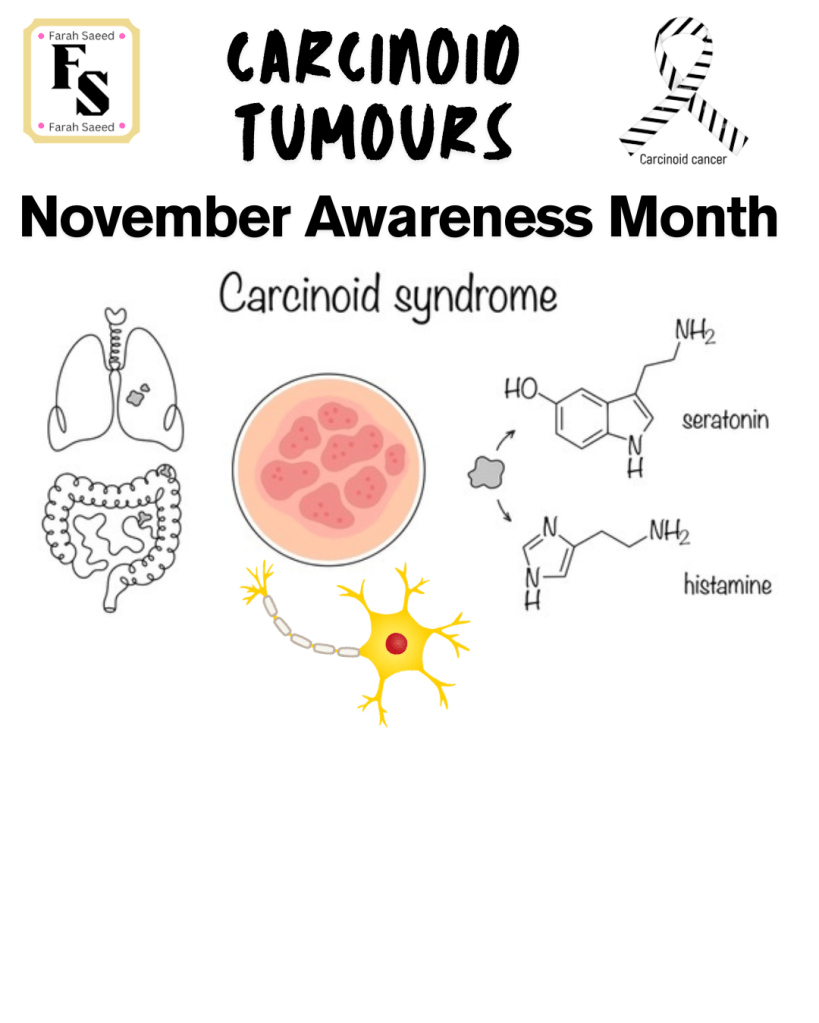
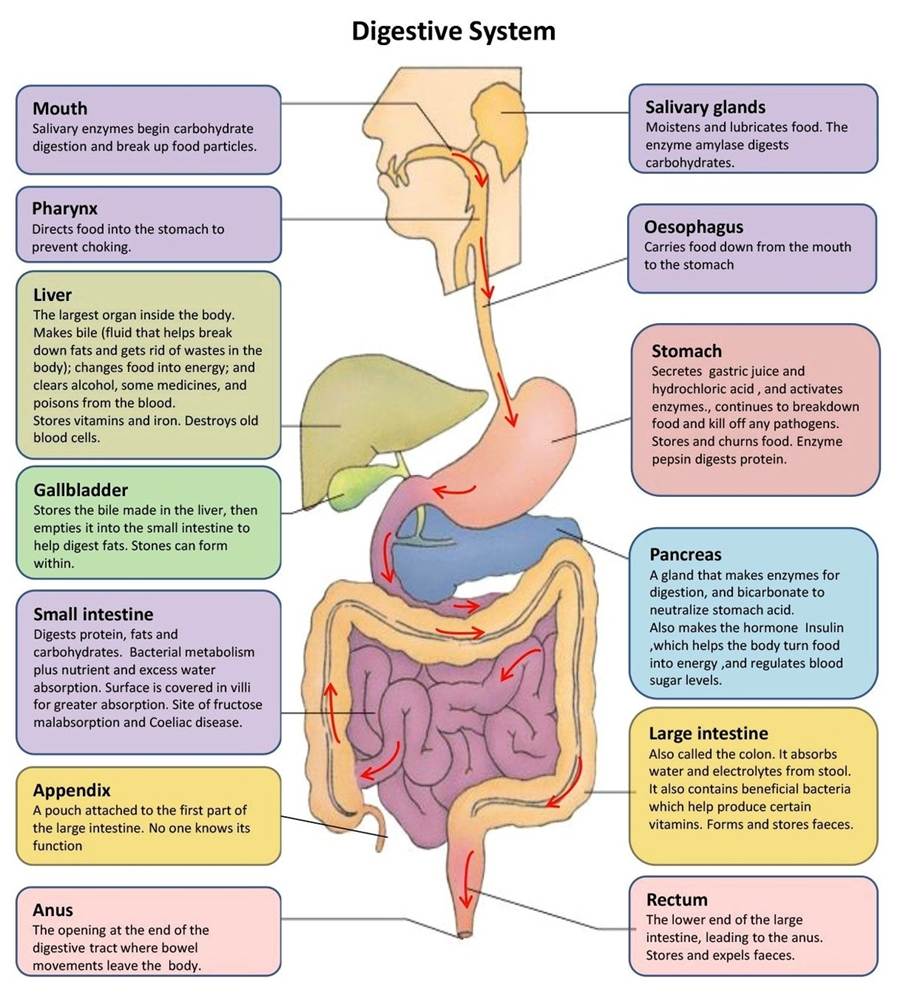
Carcinoids are rare neuroendocrine tumours (NETs) that originate in the neuroendocrine cells. Neuroendocrine cells are defined as a combination of nerve (neuro) cells involved in communications and signalling, and cells that produce hormones (endocrine). These cells are found in the appendix, the tip of the large intestine. Neuroendocrine cells reside in parts of the intestines, especially the rectum, where stools or poo are stored. Accessory organs of the digestive system, like the pancreas and gall bladder, have also been reported to have carcinoids. Please see the structure of the digestive system in Figure 4. Other organs where neuroendocrine cells appear are the lungs and the prostate gland. The prostate gland is found in men and assists in the production of semen (male fluid containing male sex cells called sperm) (Pinchot et al., 2008).
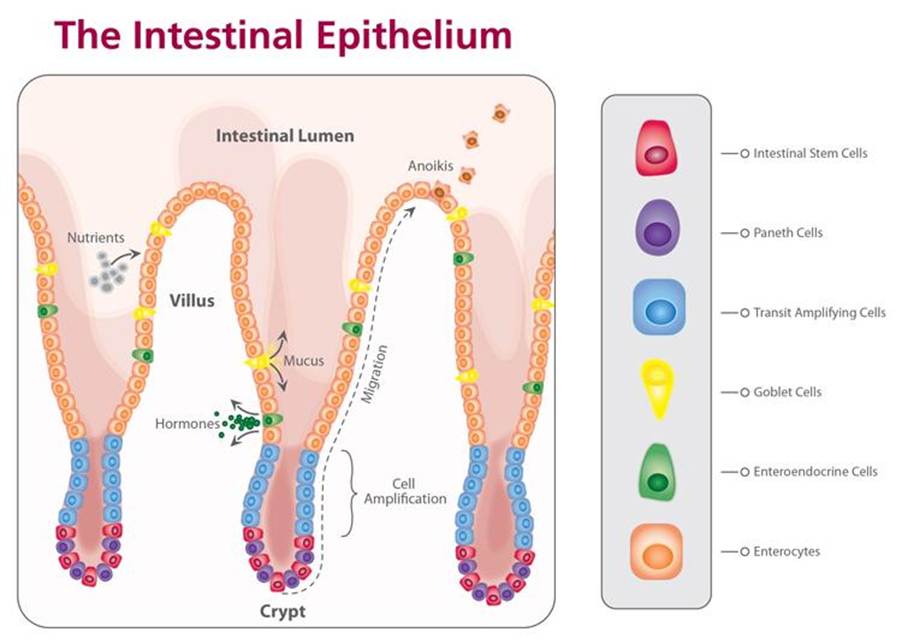
More specifically, carcinoid tumours, otherwise known as argentinoffanoma, roots from the argentaffin cells. Argentaffin cells are a type of enteroendocrine cells that align the digestive system. Carcinoids also arise in enterochromaffin cells called Kulchitsky cells that are found in pockets called crypts of Lieberkühn that line the small intestines. The small intestine is where food is digested and absorbed into the body to target tissues that require the nutrients. Please see Figure 5. These cells secrete 5-hydroxytryptamine (serotonin) and prostaglandins that assist with the muscular movement of food in the bowel. Such chemicals are inactivated in the liver.
However, if the carcinoid tumour spreads to the liver, the excess is released into the body’s circulation. This gives rise to carcinoid syndrome, which is characterised by multiple symptoms, namely: flushing of the skin, diarrhoea, tummy pain, difficulty breathing, leading to a whistle sound called wheezing. This causes the heart to work harder, leading to high blood pressure, fast heartbeat (tachycardia), and a build-up of fluids in the legs and ankles (oedema). There are also red spider marks on the skin due to small, broken blood vessels. This is known as telangiectasia (Cancer Research UK, n.d).
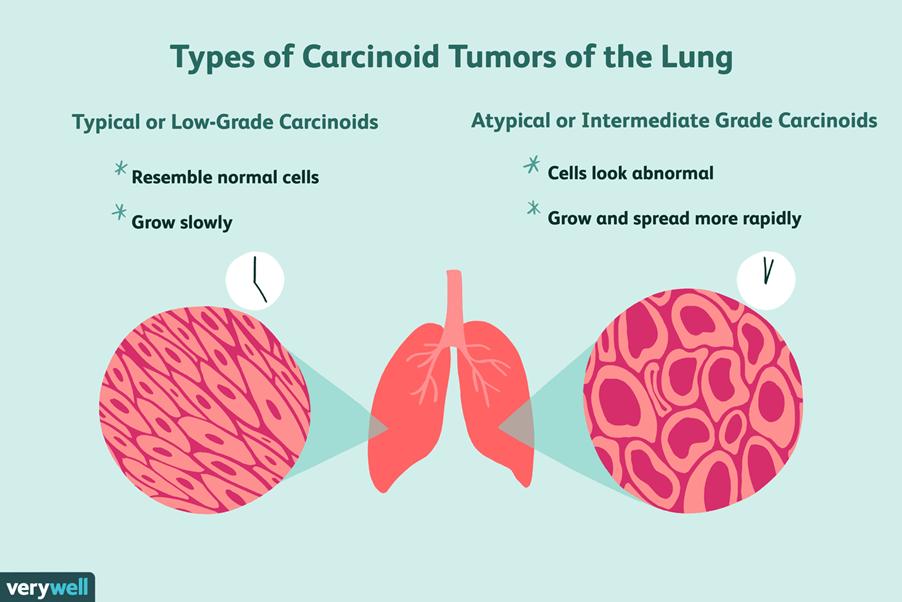
On the contrary, having percentage proportions are a good reflection on identifying high risk areas of developing carcinoid tumours. The most prominent locations of carcinoid tumours are the digestive system (55%) and the breathing system (30%). A visual comparison of low- and high-grade carcinoid lung cancer is presented in Figure 6. The small intestine is the most common place of carcinoids, accounting for 45%. The large intestine is divided into different segments, one of which is the colon (11%), appendix (17%), and rectum (20%). The stomach accounts for the least presence of carcinoids (7%) (Pinchot et al., 2008).
White et al. (2022) reviewed 63,949 patients from the National Cancer Registry and Analysis Service (NCRAS) in England between 1995 and 2018. The age-adjusted incidence rate of NET rose from 2.5 to 8.8 per 100,000 people, a 3.7-fold increase. Annual incidence grew, especially in pancreatic carcinoid tumours (average 110.6% per year) and rectal carcinoid tumours (average 109.9% per year).
The highest location where carcinoids occurred was in the lung, with 1.47 per 100,000. There was a 0.01 difference compared to the small intestine, which had 1.46 per 100,000. The site with the lowest incidence is 0.95 per 100,000, was the appendix (White et al., 2022).
The median age for all sites was between 60 to 70 years, except for the appendix, which was 39 years. The gender that mainly had carcinoids in the large intestines (colon, rectum), small intestines, pancreas, and stomach were male patients. Females had carcinoids in the lungs and appendix (White et al., 2022). Neuroendocrine tumours are the tenth (10th) most common cancer in England and the second most prevalent of cancers that occur in the abdomen (tummy) after colorectal cancer (White et al., 2022).
The causes of NET are unknown, but there are several emerging risk factors that increase cancer development, particularly genetically inherited conditions. Increasing age, smoking, and drinking alcohol are amongst the lifestyle factors associated with cancer (Cancer Research UK, 2025).
Introduction To Stomach Cancer
What Is The Role Of The Stomach?
The stomach is a J-shaped hollow organ in the upper left part of the digestive system. It is situated below a dome-shaped flat muscle called the diaphragm. It connects the food pipe (oesophagus) with the small intestine. The small intestine is where food is digested. There are two little doors on either side of the stomach. The lower oesophageal sphincter/cardiac sphincter connects the oesophagus to the stomach. The pyloric sphincter connects the stomach with the small intestine. Please see Figure 7.
Amongst the functions of the stomach is the presence of hydrochloric acid that kills bacteria and helps to activate the enzyme pepsin. Pepsin specifically breaks down the large protein molecules into small molecules. The muscular shape of the stomach helps to churn the food. The food released from the stomach is acidic and referred to as chyme.

The most common location of stomach cancer is the inner lining and is referred to as adenocarcinoma. Stomach cancer may start in the stromal cells. Stromal cells help move food along the digestive system. Some arise in immune cells and are called MALT lymphoma and are associated with the bacterium Helicobacter pylori (Cancer Research UK, 2025b).
Infections with Helicobacter pylori cause 40% of stomach cancer cases. The infection spreads further via contaminated food and water.
Chronic conditions of the stomach can elevate the risk of stomach cancer, namely acid reflux (heartburn), and gastritis (inflammation of the stomach). Vitamin B12 malabsorption causes pernicious anaemia, which weakens the immune system.
Other risk factors of stomach cancer are associated with lifestyle, smoking, alcohol, and/or working in a chemical factory raise risk (Cancer Research UK, 2025c). Ageing is another risk factor; a higher incidence was observed in the elderly, especially those older than 75 years of age (Cancer Research UK, 2025c). Men are more at risk than women (Cancer Research UK, 2025c). The National Health Service (2023) states that men over 50 are likely at risk.
Cancer Research UK (n.d.) statistical report suggests there is a rise in the number of stomach cancer cases, where there are 6600 new cases on a yearly basis between 2017 and 2019. In its latest report, it is the sixteenth (16th) most common cause of cancer death in the UK between the years 2021 and 2023. The seventeenth (17th) most common cause of cancer in females and the fourteenth (14th) most common cancer in males (World Cancer Research Fund, 2025b; Cancer Research UK, n.d). This further highlight that men are more at risk than women.
Globally, the 2022 report published by the World Cancer Research Fund (2025b) revealed that stomach cancer is the fifth (5th) most common cancer. It is the fourth (4th) most common cancer in men and the seventh (7th) most common cancer in women. The total annual incidence of stomach cancer was 968,784 cases. China (358,672), Japan (126,724), and India (64,611) were the world’s top three highest annual cases, respectively. The bottom three of the top ten countries were Iran (17,191), Vietnam (16,277), and Germany (14,088) (World Cancer Research Fund, 2025b).
However, when assessing per gender, on a global scale, the total number of annual cases for men was 627,458. The top three countries with the highest incidence were China (246,550), Japan (84,071), and India (43,060). The bottom three countries of the top ten for men were Iran (10,804), Vietnam (10,062), and Germany (8,347).
Moreover, the number of cases globally for women is at a lower rate in comparison to men, with a total of 341,326. China (112,122), Japan (42,653), and India (21,551). The bottom three countries were also Iran (6,387), Vietnam (6,215), and Italy (5,773) (World Cancer Research Fund, 2025b).
Overall, the results are consistent in displaying that China, Japan, and India are the world’s top three countries with the highest incidence of stomach cancer.
Introduction To Lung Cancer
What Are The Lungs?
Lungs are a pair of fibrous elastic sac that is found either side of the heart. Its fibrous elastic features help to expand and compress as one breath alongside the ribcage and diaphragm. The diaphragm is a dome-shaped muscle located under the lungs. The role of the ribcage is to protect the lungs and heart. Air enters through the nose and through trachea (windpipe). There are two main branches, bronchus (singular and bronchi (plural).
Each bronchus enters its respective lung and further divided into branched networks. Please see Figure 8. At the end of each small branch there are cauliflower shaped air sacs called alveoli where gas exchange takes place. Carbon dioxide is removed and Oxygen is breathed in (Cancer Research UK, 2025d).
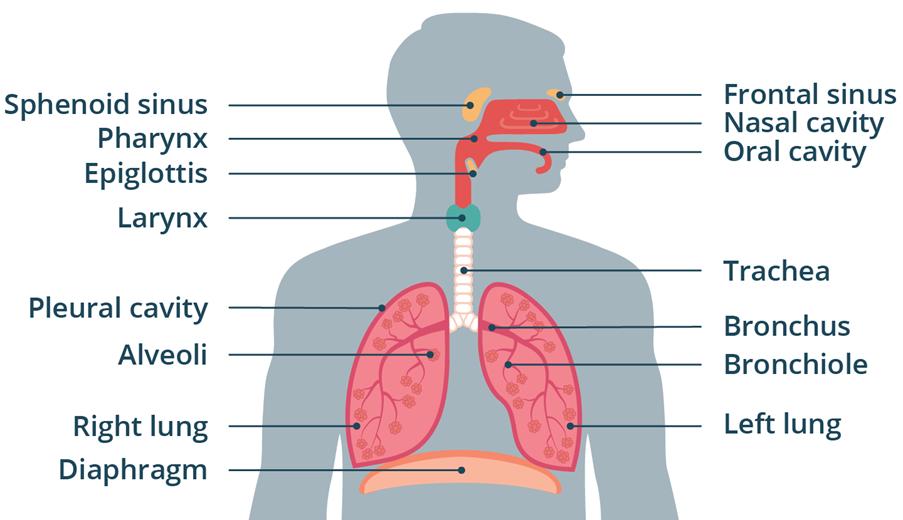
Figure 8 The structure of the breathing system
The pleural membrane covers the lungs and contains a pleural space filled with lubricating liquid to help maintain moisture and ease in breathing (Cancer Research UK, 2025d). Cancer that arises in the pleura is referred as mesothelioma and are distinguishable from lung cancer. Please see Figure 9.
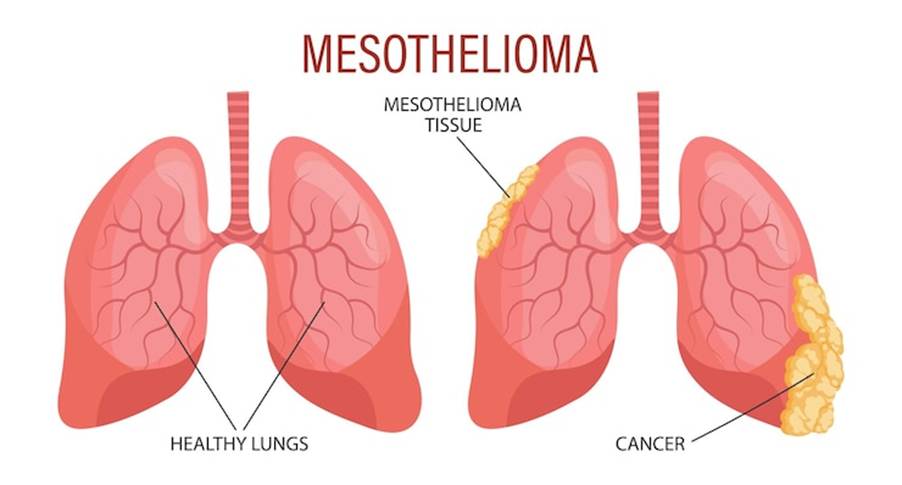
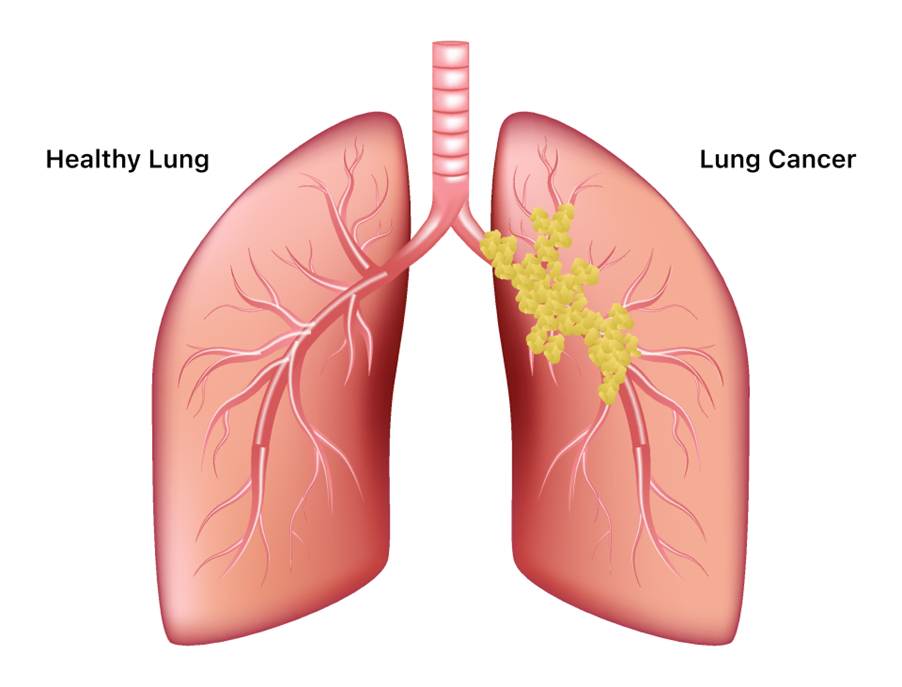
Figure 9 A visual comparison between mesothelioma and lung cancer
What Are The Risk Factors Of Lung Cancer?
The most common location for lung cancer to occur is in the lining of the air passage, referred to as epithelium, in the large branch called the bronchus (singular) and bronchi (plural). It may also arise in the windpipe (trachea) or in the upper lobe of the bronchus, according to Cancer Research UK’s data report between 2016 and 2019 (Cancer Research UK, 2025d).
Furthermore, Cancer Research UK (n.d.) announces that lung cancer is the third most common cancer in the UK. There are 49300 annual cases in the UK between 2017 and 2019, where more men (25500) are diagnosed than women (23900). However, despite the difference in number, their ranking positions are simultaneously second (2nd) (Cancer Research UK, 2025d). 45% of people diagnosed with lung cancer are aged 75 years and above; on the contrary, the proportion is highest amongst those aged 85 to 90 years, according to their 2017 to 2019 data (Cancer Research UK, n.d; Cancer Research UK, 2025d).
Moreover, lung cancer is a major public health crisis in the UK, as the leading cause of its cases is smoking (60%). Other risk factors are associated with work measures, for instance, inhaling chemicals or exposure to radon gas (Cancer Research UK, 2025d). This may explain why the proportion of males is higher than females, as they are prone to working in these avenues and are exposed to stress, which increases the proportion of cigarettes taken. A family history of lung cancer and certain treatments also perpetuate the risk (Cancer Research UK, 2025d).
Similarly, GLOBOCAN 2020 revealed that lung cancer is a public concern. This is evidently shown in the data released from the International Agency for Research on Cancer (IARC), which indicates that lung cancer is the leading cause of cancer mortality. It is estimated that 18% of all cancer deaths (1.8 million) are linked with lung cancer (World Health Organisation, 2023).
Introduction To Mouth Cancer
What Is The Role Of The Mouth?
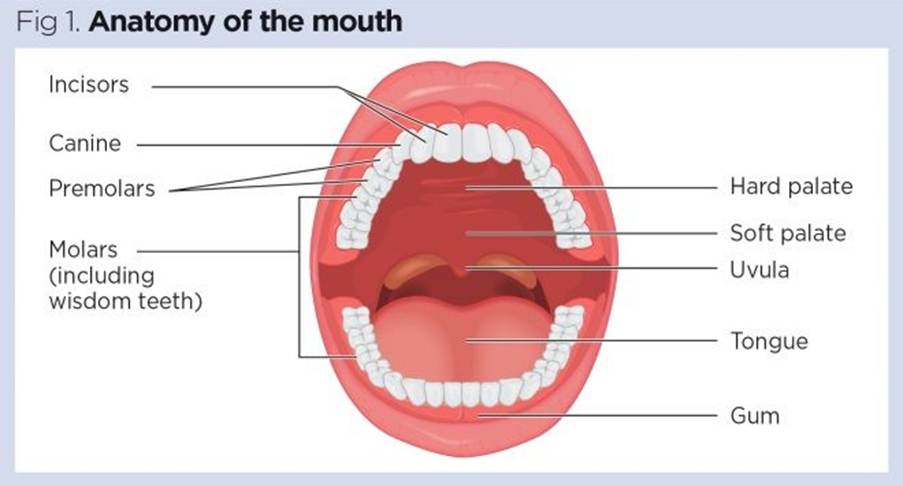
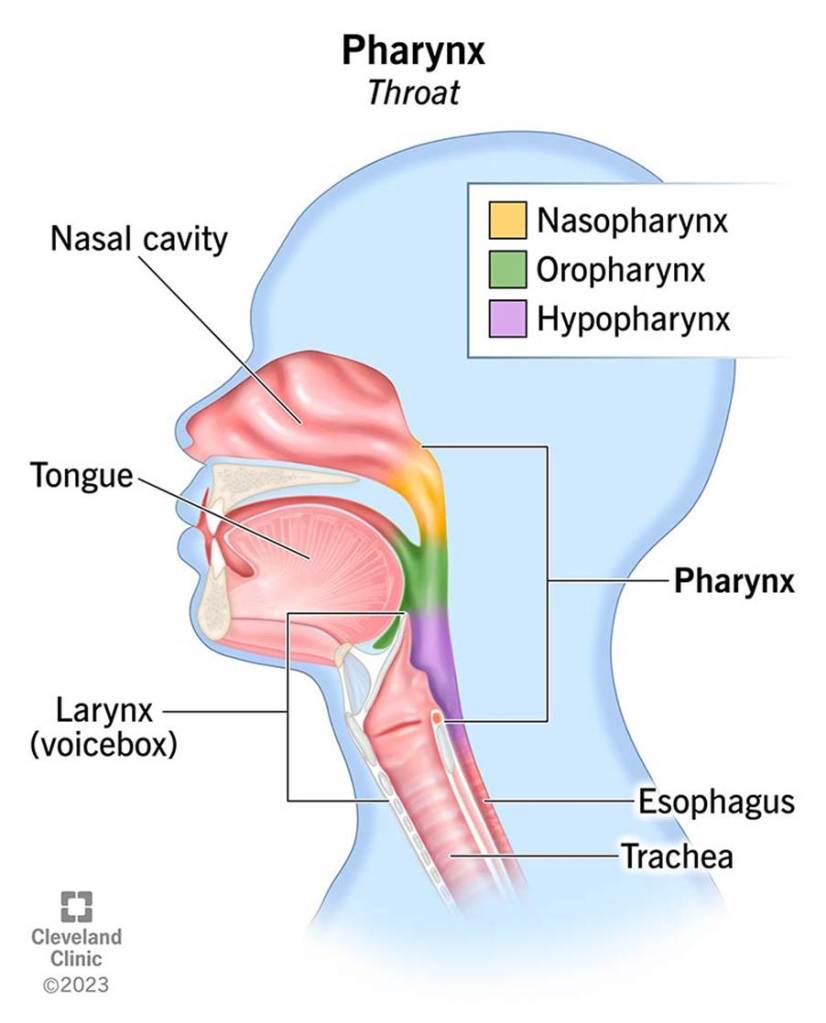
The mouth, also known as the oral cavity, has fundamental daily roles, for instance, eating, talking, and breathing. The structure is presented in Figure 10. Cancer of the mouth originates in the lips, gums, cheeks, tongue, and the top part of the throat behind the mouth, called the oropharynx (National Health Service, 2023b). The oropharynx consists of the soft roof of the mouth (soft palate), the back of the tongue, tonsils, and the back wall of the throat. Please see Figure 11. Cancers arising in the oropharynx are referred to as oropharyngeal cancers, but they have structures that are part of the mouth (Cancer Research UK, 2024a).
The link between the oral cavity and the digestive system is essential. The oral cavity is the starting point where food is tasted via the taste buds on the tongue. As the food is eaten, it is chewed by the teeth and mixed with a liquid called saliva (spit) that helps to moisten the food with the support of the muscular tongue. This forms a bolus and is then swallowed and enters the food pipe (oesophagus). The saliva also contains enzymes that help break down food, more specifically starch (carbohydrates), large molecules, to form smaller substances. This helps the bolus pass through the foodpipe and into the stomach (Cleveland Clinic, 2023).
Moreover, the mouth is an alternative way for air to enter the lungs and allows more air in than the nose. Alternatively, this increases the risk of dry mouth (xerostomia) and bad breath (halitosis) (Cleveland Clinic, 2023). The main way in which air enters the lungs is through the nose, which filters, moistens, and warms the air. Tiny hairs called cilia sweep mucus to the back of the throat, from where it enters the stomach (Cleveland Clinic, 2023).
What Is Mouth Cancer?
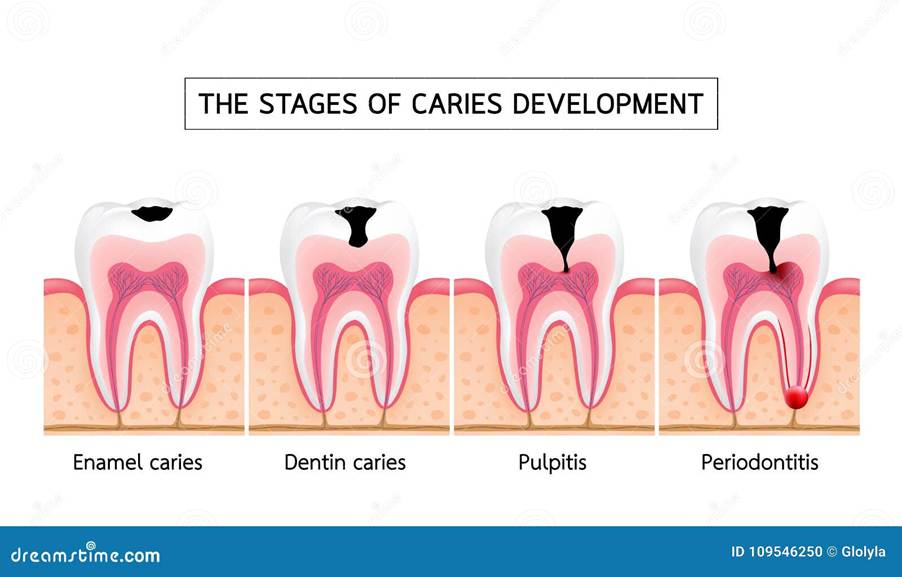
Mouth cancer is amongst the oral diseases that have a major health concern, accounting for 3.7 billion people globally (World Health Organisation, 2025). According to the Global Burden of Disease 2021 study, most cases of oral diseases are attributed to tooth decay (untreated dental caries). Dental caries occurs when plaque forms on the tooth. Plaque is a sticky form containing bacteria, remaining food particles, and saliva (spit). The presence of plaque converts sugars in food and drinks into acids (World Health Organisation, 2025). This destroys the calcium and phosphate minerals in the enamel, a hard protective structure of the tooth. Please see Figure 12. As a result, dental caries can lead to pain, infection, and tooth loss.
The risk of oral disease is primarily associated with socioeconomic status, where living conditions, lack of access to basic oral hygiene products, toothpaste, and mouthwash can increase the number of cases of oral diseases. Poor accessibility to oral healthcare services, particularly for patients living in remote areas, can elevate the risk. The ongoing marketing of food and beverages that have high sugar content, tobacco, and alcohol can also perpetuate risk (World Health Organisation, 2025).
In the UK, there are 10825 patients diagnosed with mouth cancer annually. It is the 10th most common cancer in the UK (Oral Health Foundation, 2024). The number of incidents and deaths associated with mouth cancer has grown by 38% and 52% respectively, in the past decade (Oral Health Foundation, 2024). The highest risk location is the tongue, where 31% of cases are linked with mouth cancer. Tonsils are the second-most common area at risk (22%) (Oral Health Foundation, 2024).
On the contrary, mouth cancer is the 13th most common cancer worldwide. It is estimated that there were 389846 cases in 2022 (World Health Organisation, 2025).
Risk Factors Of Mouth Cancer
Mouth cancer is more common in males than females nationally and globally (Oral Health Foundation, 2024). 1 in 55 men and 1 in 109 women will be diagnosed with mouth cancer at some point (Cancer Research UK, 2024a). In the UK, it is the 9th most common cancer in men.
Moreover, the Oral Health Foundation (2024) reported that 81% of patients with mouth cancer are over 55 years of age. However, the National Health Service (2023b) declared that most people are diagnosed with mouth cancer between the ages of 66 and 70 years.
There are various factors associated with mouth cancer, and sometimes it is not always clear. Tobacco smoking or chewing betel nut or paan are amongst the common causes of mouth cancer (World Health Organisation, 2025; National Health Service, 2023c). Betel nut is a cultural concept applied by South Asians as an alternative form of tobacco and can be addictive. A paan leaf consists of chopped betel areca nut and slaked lime with a red paste from the khair tree. Please see Figure 13. Cancer Research UK (2024b) reported that 17% of cases are linked to smoking. The Oral Health Foundation (2024) further announces that the risk of mouth cancer in a person who smokes is twice as much (two-fold difference) as that of a nonsmoker (91%). This highlights how tobacco smoking and paan have a strong contribution to causing mouth cancer and other types of cancer.

Alternative lifestyle factors, such as the consumption of alcohol, exposure to sunlight, or sunbeds, can cause skin and mouth cancer (World Health Organisation, 2025; National Health Service, 2023c). The presence of leukoplakia (white patches) on the tongue may also indicate mouth cancer (National Health Service, 2023c; Cancer Research UK, 2024b).
Patients with weak immune systems and poor hygiene are at risk of infections, particularly from viruses, namely Human Immunodeficiency Virus (HIV) and Human Papillomavirus (HPV) (National Health Service, 2023c; Cancer Research UK, 2024b). HIV and HPV can spread via skin-to-skin contact, especially during sexual bonding, and can affect the linings of the body cavities (Cancer Research UK, 2024b).
There are more than 100 types of HPV; however, HPV 16 and 18 are the major subtypes. They are both linked to 73% of oropharyngeal cancer and 12% of mouth and hypopharynx cancers (Oral Health Foundation, 2024). The risk of HPV is prevalent amongst young people residing in Europe and North America (World Health Organisation, 2025; National Health Service, 2023c). Most people with HPV get better, but the virus can cause changes in the mouth and throat, which may be cancerous, but represent a small proportion (Cancer Research UK, 2024b).
Furthermore, it is important to note that some people get oral cancer without the above factors.
Recommended websites for further information on Pancreas, Carcinoid, Stomach, Lung and Mouth Cancers?
Here are recommended sites for further information:
All cancers
Cancer Research UK www.cancerresearchuk.org
Macmillan Cancer Support https://www.macmillan.org.uk/
National Health Service www.nhs.uk
Sources for Pancreatic Cancer
Pancreatic Cancer UK https://www.pancreaticcancer.org.uk/
Pancreatic Cancer Research Fund https://www.pcrf.org.uk/
Sources for Carcinoid Cancers
Carcinoid Cancer Foundation https://www.carcinoid.org/
Neuroendocrine Tumour Centre https://www.uhb.nhs.uk/services/neuroendocrine-tumour-centre/
Sources for Stomach Cancer
Guts Charity https://gutscharity.org.uk/
Gastric Cancer Foundation https://gastriccancer.org/
Sources for Lung Cancer
Roy Castle Lung Cancer Foundation https://roycastle.org/
Lung Cancer Research Foundation https://www.lungcancerresearchfoundation.org/
Every Breath Lung Cancer Support https://www.everybreath.org.uk/
Sources for Mouth Cancer
Mouth Cancer Foundationhttps://www.mouthcancerfoundation.org/
Dental Health https://www.dentalhealth.org/mouthcancer
References
Cancer Research UK (2023) Risks and causes of pancreatic cancer. Available at: https://www.cancerresearchuk.org/about-cancer/pancreatic-cancer/risks-causes (Accessed: 23rd October 2025)
Cancer Research UK (2024a) What is mouth and oropharyngeal cancer? Available at: https://www.cancerresearchuk.org/about-cancer/mouth-cancer/about (Accessed: 25th October 2025)
Cancer Research UK (2024b) Risks and causes of mouth and oropharyngeal cancer Available at; https://www.cancerresearchuk.org/about-cancer/mouth-cancer/risks-causes (Accessed: 25th October 2025)
Cancer Research UK (2025a) Risks and causes of neuroendocrine cancer Available at: https://www.cancerresearchuk.org/about-cancer/neuroendocrine-tumours-nets/risks-causes (Accessed: 24th October 2025)
Cancer Research UK (2025b) What is stomach cancer? Available at: https://www.cancerresearchuk.org/about-cancer/stomach-cancer/about-stomach-cancer (Accessed: 24th October 2025)
Cancer Research UK (2025c) Risks and causes of stomach cancer Available at: https://www.cancerresearchuk.org/about-cancer/stomach-cancer/causes-risks (Accessed: 24th October 2025)
Cancer Research UK (2025d) What is lung cancer? Available at: https://www.cancerresearchuk.org/about-cancer/lung-cancer/what-is (Accessed: 25th October 2025)
Cancer Research UK (n.d.) Carcinoid syndrome Available at: https://www.cancerresearchuk.org/about-cancer/neuroendocrine-tumours-nets/about-carcinoid-syndrome (Accessed: 23rd October 2025)
Cancer Research UK (n.d.) Pancreatic cancer statistics Available at: https://www.cancerresearchuk.org/health-professional/cancer-statistics/statistics-by-cancer-type/pancreatic-cancer#pancreatic_stats0 (Accessed: 23rd October 2025
Cancer Research UK (n.d.) Stomach cancer statistics Available at: https://www.cancerresearchuk.org/health-professional/cancer-statistics/statistics-by-cancer-type/stomach-cancer#stomach_stats0 (Accessed: 23rd October 2025)
Cancer Research UK (n.d.) Lung cancer statistics Available at: https://www.cancerresearchuk.org/health-professional/cancer-statistics/statistics-by-cancer-type/lung-cancer#lung_stats0 (Accessed: 25th October 2025)
Cleveland Clinic (2023) Mouth Available at: https://my.clevelandclinic.org/health/body/21765-mouth (Accessed: 25th October 2025)
National Health Service (2023a) Causes of Stomach Cancer Available at: https://www.nhs.uk/conditions/stomach-cancer/causes/ (Accessed: 24th October 2025)
National Health Service (2023b) What is Mouth Cancer? Available at: https://www.nhs.uk/conditions/mouth-cancer/what-is-mouth-cancer/ (Accessed: 25th October 2025)
National Health Service (2023c) Causes of mouth cancer Available at: https://www.nhs.uk/conditions/mouth-cancer/causes/ (Accessed: 25th October 2025)
Oral Health Foundation (2024) State of Mouth Cancer UK Report 2024 Available at:https://www.dentalhealth.org/Handlers/Download.ashx?IDMF=6531c6d5-2651-46cf-9d4d-063d73b1fc8e (Accessed: 25th October 2025)
Pinchot, S.N., Holen, K., Sippel, R.S. and Chen, H. (2008). Carcinoid Tumors. The Oncologist, 13(12), pp.1255–1269. doi: https://doi.org/10.1634/theoncologist.2008-0207.
White, B.E., Rous, B., Chandrakumaran, K., Wong, K., Bouvier, C., Van Hemelrijck, M., George, G., Russell, B., Srirajaskanthan, R. and Ramage, J.K. (2022). Incidence and survival of neuroendocrine neoplasia in England 1995–2018: A retrospective, population-based study. The Lancet Regional Health – Europe, 23, p.100510. doi: https://doi.org/10.1016/j.lanepe.2022.100510.
World Cancer Research Fund (2025a) Pancreatic cancer Available at: https://www.wcrf.org/preventing-cancer/cancer-types/pancreatic-cancer/ (Accessed: 23rd October 2025)
World Cancer Research Fund (2025b) Stomach cancer statistics Available at: https://www.wcrf.org/preventing-cancer/cancer-statistics/stomach-cancer-statistics/ (Accessed: 23rd October 2025)
World Health Organisation (2023) Lung cancer Available at: https://www.who.int/news-room/fact-sheets/detail/lung-cancer (Accessed: 25th October 2025)
World Health Organisation (2025) Oral health Available at: https://www.who.int/news-room/fact-sheets/detail/oral-health (Accessed: 25th October 2025)
 The Farah Saeed Project