
Welcome to October Cancer Awareness Month

Polite notice: This page contains diagrams of the female chest/breast. It is for educational purposes on cancers that arise in those areas. Please ensure that when visiting the page, there is a sense of manners. We understand that in some cultures, there would be discomfort, but it is important to be aware of information about cancer.
About October Cancer Awareness Month
Welcome to October Cancer Awareness Month, where at FST, we aim to provide information on the importance of breast and liver cancer.
Introduction To Breast Cancer
What Is Breast Cancer?
Breast cancer is a cancer that initiates in any part of the breast tissue. The breasts are mammary glands consisting of fat, milk glands, and ducts (World Cancer Research Fund, 2025a). Please see Figure 1. The breast tissue continues to develop throughout the lifespan, especially during adolescence/puberty, pregnancy, and breastfeeding.
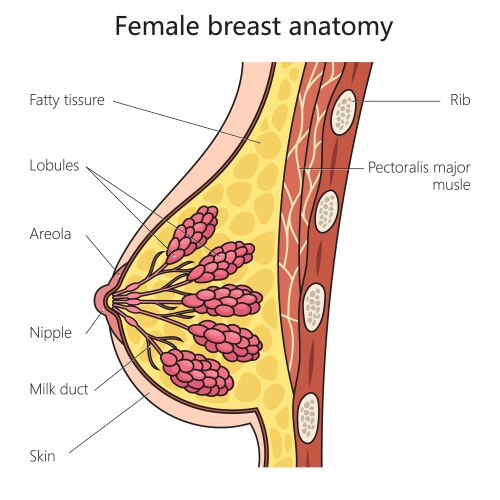
Figure 1: The structure of the breasts.
Types Of Breast Cancer
Cancers that remain in the lining of the ducts that carry the breast to the nipple or lobules that are found in the lobes of the glandular tissues that produce milk for breastfeeding and connect to the ducts (World Cancer Research Fund, 2025a). They are referred to as in situ and are found in the early stages(Cancer Research UK, 2023).
Cancer cells become invasive when they grow uncontrollably and spread to nearby breast tissue, forming lumps (World Health Organisation, 2025; Cancer Research UK, 2023). Invasive breast cancer indicates that the cancer has spread outside the ducts and surrounding tissue (Cancer Research UK, 2023). Invasive lobular breast cancer is the second most common cancer, and it has spread outside of the lobules and surrounding breast tissue (Cancer Research UK, 2023). Please see Figure 2.
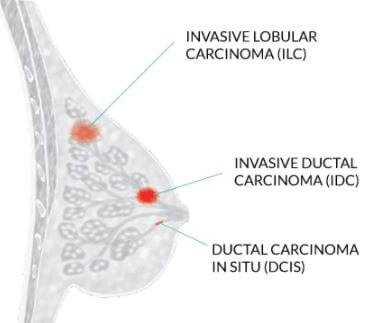
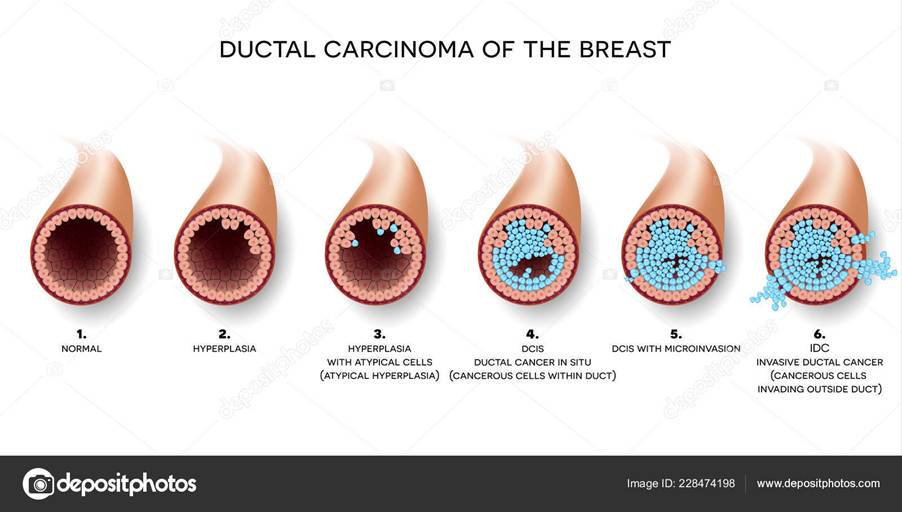
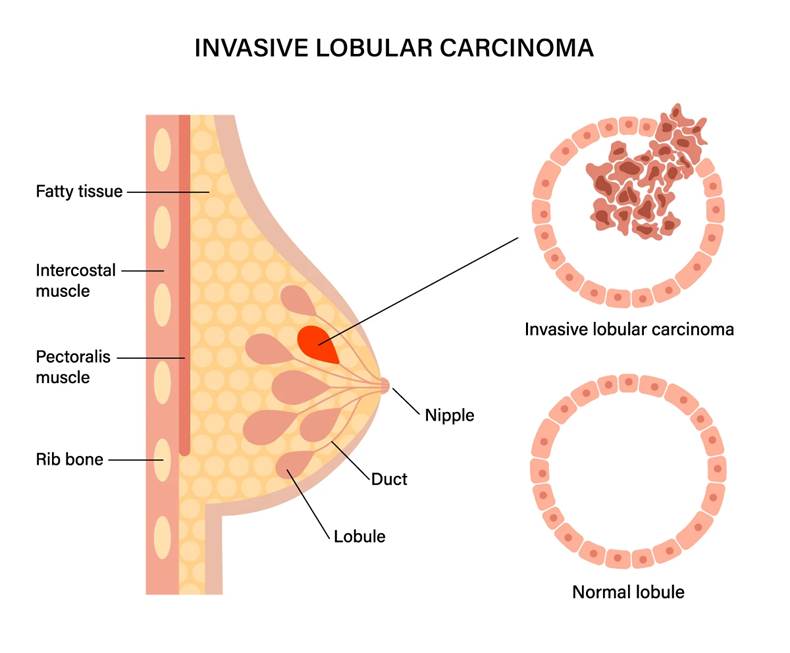
Figure 2: Types of breast cancer.
The Role Of The Lymphatic System
Cancer cells are able to affect other organs by travelling via the lymph. The lymph is a fluid that flows through the immune system. There are filtering structures called lymph nodes that collect waste products and drain them away. There are two nearby lymph nodes in the breast tissue: the axillary lymph glands near the armpit. There is the internal mammary chain that is in the centre of the chest and close to the breastbone (Cancer Research UK, 2023). Please see Figure 3.
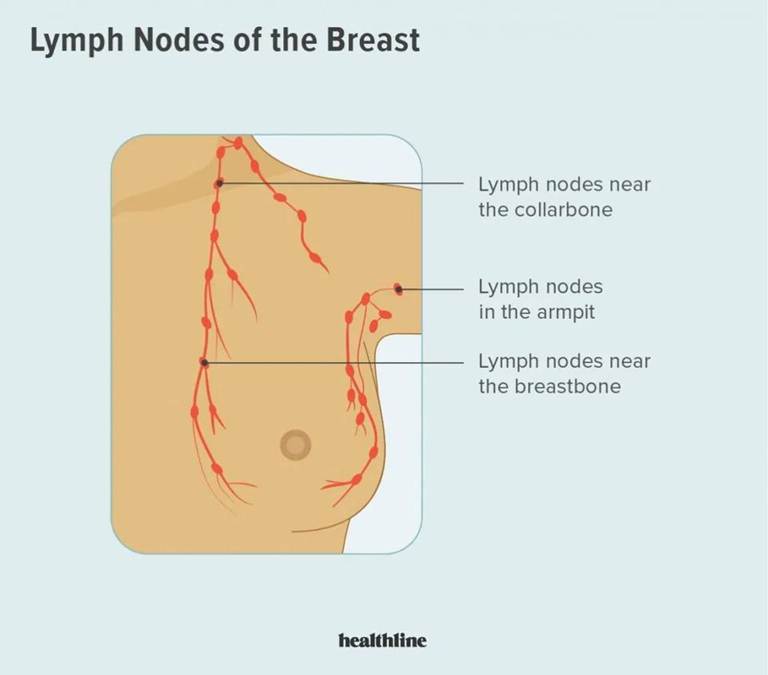
Figure 3: The lymph nodes near the breast
It is estimated that 15% of breast cancers are triple-negative breast cancer, an aggressive tumour.
Incidence Of Breast Cancer
Breast cancer commonly affects women and men, but more so in women, where it accounts for 56,400 women and 390 men in the UK annually (Cancer Research UK, 2023). Other sources, like the World Cancer Research Fund (2025a), discovered that breast cancer is the most common cancer in women in the UK, and in 2022, there were 58757 new cases. In 2021, there were 400 new male cases in the UK.
On a global scale, breast cancer is the most common cancer in women. There were 2,296,840 million cases globally in 2022 (World Cancer Research Fund, 2025a). The World Health Organisation (2025) announced that women with breast cancer were common in 157 of 185 countries (84.9%). Approximately 0.5–1% of breast cancers occur in men (World Health Organisation, 2025). The country with the highest incidence was China, with 357161 per 100,000 (World Cancer Research Fund, 2025b). The country with the lowest incidence rate for breast cancer from the top ten countries was the UK, with 58757 cases in 2022 (World Cancer Research UK, 2025). In relation to mortality, 670,000 people who were diagnosed with breast cancer passed away in 2022 (World Health Organisation, 2025).
Risk Factors Of Breast Cancer
There are multiple risk factors of breast cancer, but more than more than half of the cases in women occur with no risk factors (World Health Organisation, 2025).
In general, the most common risk factors are poor diet, alcohol consumption, no matter how small the amount, low physical activity, smoking, genetics, family history, and other factors that increase the risk of breast cancer (Cancer Research UK, 2023). Patients with a family history where their mother, sister, or daughter had cancer can increased risk. However, a family with no previous clinical history of breast cancer does not necessarily suggest a lower risk (World Health Organisation, 2025).
High levels of hormones, especially oestrogen and progesterone, can increase the risk, especially if taken as hormonal replacement therapy and contraception. Other reproductive risk factors are the age at first pregnancy and the age starting their period (menstruation) (World Health Organisation, 2025).
Being overweight can affect the levels of hormones, the frequency of periods, and how well the breast tissues function. If they are heavy at birth, there is a potential risk of having breast cancer before menopause. Menopause is when the ovaries stop producing eggs every 4 weeks, and the period stops, and one cannot have future kids unless the Divine wills. If they are heavy weight before menopause, especially between 18 to 30, this increases the risk of breast cancer before menopause. If they are overweight after menopause, the risk is higher (World Cancer Research Fund, 2025c). Age before menopause risk doubles every 10 years; after menopause, it can still increase (World Cancer Research Fund, 2025c).
Faulty genes increase risk, especially the BRCA1 and BRCA2 genes, when they cannot function appropriately because of the structure of the protein is not working well.
Treatment Of Breast Cancer
Treatment for Breast Cancer is similar for both men and women, and depends on the type of cancer and its spread. Early diagnosis is essential to boost positive outcomes and improve well-being when conducting conventional chemotherapy and radiotherapy (World Health Organisation, 2025).
Introduction To Liver Cancer
What Is Liver Cancer?
Liver cancer originates in the liver and is referred to as primary cancer. The most common type is hepatocellular carcinoma (HCC), which arises from hepatocytes (liver cells). Liver cancer can also begin in the bile ducts within the liver, called intrahepatic cholangiocarcinomas, or outside the liver in extrahepatic cholangiocarcinomas. If cancer starts elsewhere in the body and then grows in the liver, it is called secondary liver cancer (Cancer Research UK, 2025).
The liver is a large organ on the right side of the abdomen (tummy), it is below the right lung and protected by the lower right ribs (National Health Service, 2023; Cancer Research UK, 2025). Please see Figure 4. It is the second largest organ after the skin (Cancer Research UK, 2025). The liver has several functions, including detoxification (removing toxins) by breaking them down and excreting them as urine and stools. Other roles of the liver include producing bile that helps to break down and absorb fats in the small intestines. Additional roles include storing nutrients like glucose into glycogen to ensure glucose levels are in the normal range. The liver has structures that convert fat to energy. The liver produces albumin, a type of protein that ensures adequate fluid balance between the tissue and blood. Moreover, the liver also makes clotting factors to prevent excess blood loss (Cancer Research UK, 2025).
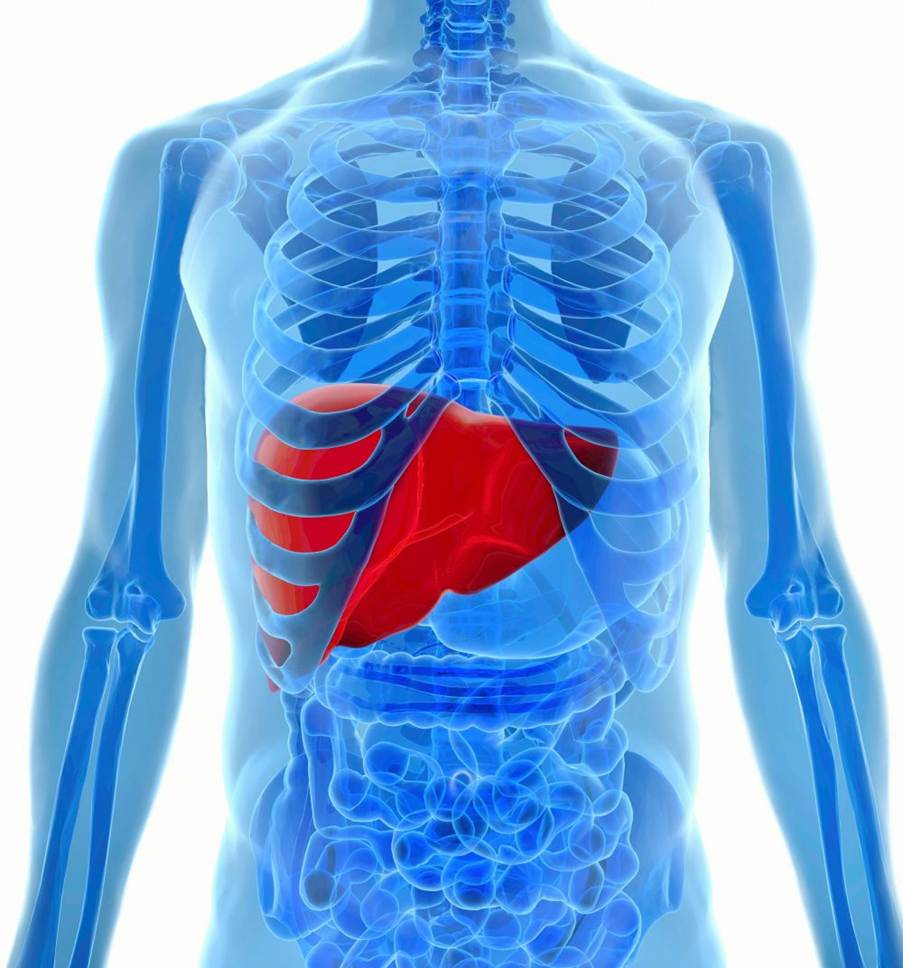
Figure 4: The position of the liver.
Types Of Liver Cancer
Benign cancers do not spread beyond their site of origin and surrounding tissues. Examples include Hemangiomas that occur in the liver and are filled with blood. Adenomas that occur in hepatocytes. Focal nodular hyperplasia arises in several types of hepatocytes.
Malignant cancers of the liver do affect surrounding tissues and organs beyond the liver. The cancer cells travel via the blood and lymph. Hemangiosarcomas are malignant blood-filled tumours that start in the blood vessels of the liver and are rare.
Rare cancers of the liver include fibrolamellar liver cancer, which commonly occurs in adolescents/teenagers. Patients with this form have no history of liver disease. Hepatoblastoma is another rare cancer of the liver that develops at a young age (Cancer Research UK, 2025).
Non-alcoholic fatty liver disease is part of the development of liver cancer and occurs in people who are overweight or obese. There is a buildup of fat in the liver, and this can occur when there are high blood sugar levels. Patients with non-alcoholic steatohepatitis (NASH), a form of fatty liver disease, develop cirrhosis. Cirrhosis is where hepatocytes become damaged and are replaced by scar tissue called fibrosis. They have an increased risk of liver cancer. Please see Figure 5
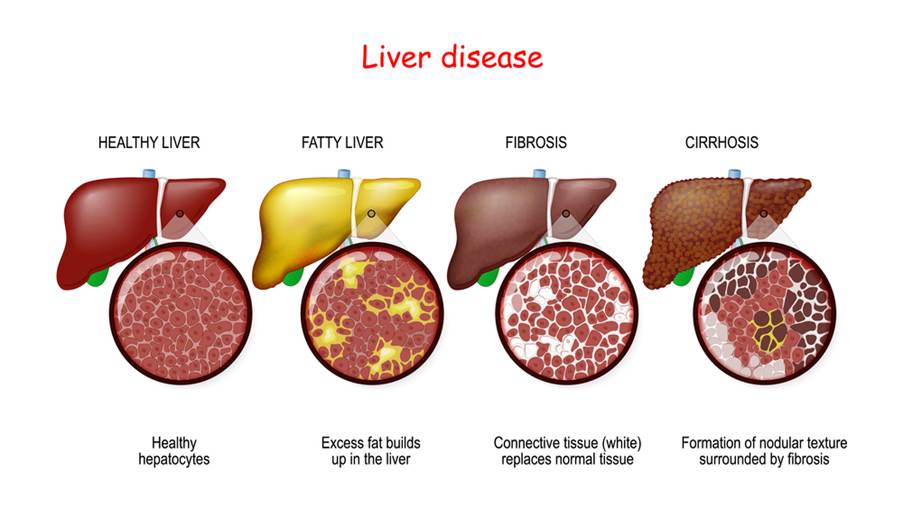
Figure 5: Types of liver conditions.
Incidence Of Liver Cancer
Cancer Research UK (2025) reported that 6600 cases of liver cancer are diagnosed annually, and it is more common in men than women. Other sources discovered the incidence rate was slightly higher where in 2021, when there were 6743 cases (World Cancer Research Fund, 2025d; 2025e). For men, it is the 13th most common cancer in the UK and the 5th most common worldwide. Liver cancer is less prevalent in women, positioned 18th most frequent cancer in the UK and the 9th most common globally (World Cancer Research Fund, 2025d).
On a global scale, the 2021 report lists liver cancer as the 16th most common cancer, but it has moved to 6th position in the 2022 reports (World Cancer Research Fund, 2025d). Moreover, in 2022, there were 866136 cases worldwide. China had the highest number of cases, with 367657 cases. The country in 10th position was Brazil with 13599 cases.
Incidence per sex and country in 2022 has also highlighted how China had the highest number of cases. For men, there were 600,676 cases worldwide of liver cancer. China had 267898 cases, whilst the Philippines was in 10th position with 8796 cases. For women, there were 265460 cases worldwide. China is in the highest position with 99769 female cases of liver cancer. Alternatively, Russia was in 10th position for women with 4828 cases (World Cancer Research Fund, 2025e). These results highlight how China is at the highest risk of liver cancer.
Risk Factors Of Liver Cancer
Similar to breast cancer, age, alcohol, oral hormonal contraceptives, overweight, smoking, and poor physical activity are linked to high cancer incidence. However, men are more likely to develop liver cancer than women. Additional factors may include viral infections: Hepatitis B and C, and cirrhosis that potentiates risk for liver cancer (World Cancer Research Fund, 2025d). Consumption of fungi residing in hot climates, especially Southeast Asia, sub-Saharan Africa, and China, that have elevated levels of the toxic chemical aflatoxins (World Cancer Research Fund, 2025d).
Recommended websites for further information on Breast and Liver Cancers
Here are recommended sites for further information:
All cancers
Cancer Research UK www.cancerresearchuk.org
Macmillan Cancer Support https://www.macmillan.org.uk/
National Health Service www.nhs.uk
Breast Cancer
Breast Cancer Now: https://breastcancernow.org/
Breast Cancer UK https://www.breastcanceruk.org.uk/
Ladies Fighting Breast Cancer https://lfbc.org.uk/
Liver Cancer
Liver Cancer UK https://livercanceruk.org/
Liver4Life: www.liver4life.org.uk
British Liver Trust https://britishlivertrust.org.uk/
References
Cancer Research UK (2023) What is breast cancer? Available at: https://www.cancerresearchuk.org/about-cancer/breast-cancer/about (Accessed: 26th September 2025)
Cancer Research UK (2025) What is liver cancer? Available at: https://www.cancerresearchuk.org/about-cancer/liver-cancer/about-liver-cancer (Accessed: 27th September 2025)
National Health Service (2023) What is liver cancer? Available at: https://www.nhs.uk/conditions/liver-cancer/what-is-liver-cancer/ (Accessed: 26th September 2025)
World Cancer Research Fund (2025a) About breast cancer Available at: https://www.wcrf.org/preventing-cancer/cancer-types/breast-cancer/about-breast-cancer/ (Accessed: 26th September 2025)
World Cancer Research Fund (2025b) Global breast cancer statistics Available at: https://www.wcrf.org/preventing-cancer/cancer-types/breast-cancer/global-breast-cancer-statistics/ (Accessed: 26th September 2025)
World Cancer Research Fund (2025c) Breast cancer causes Available at: https://www.wcrf.org/preventing-cancer/cancer-types/breast-cancer/causes/ (Accessed: 26th September 2025)
World Cancer Research Fund (2025d) Liver cancer Available at: https://www.wcrf.org/preventing-cancer/cancer-types/liver-cancer/ (Accessed: 27th September 2025)
World Cancer Research Fund (2025e) Liver cancer statistics Available at: https://www.wcrf.org/preventing-cancer/cancer-statistics/liver-cancer-statistics/ (Accessed: 27th September 2025)
World Health Organisation (2025) Breast cancer Available at: https://www.who.int/news-room/fact-sheets/detail/breast-cancer (Accessed: 26th September 2025)
 The Farah Saeed Project