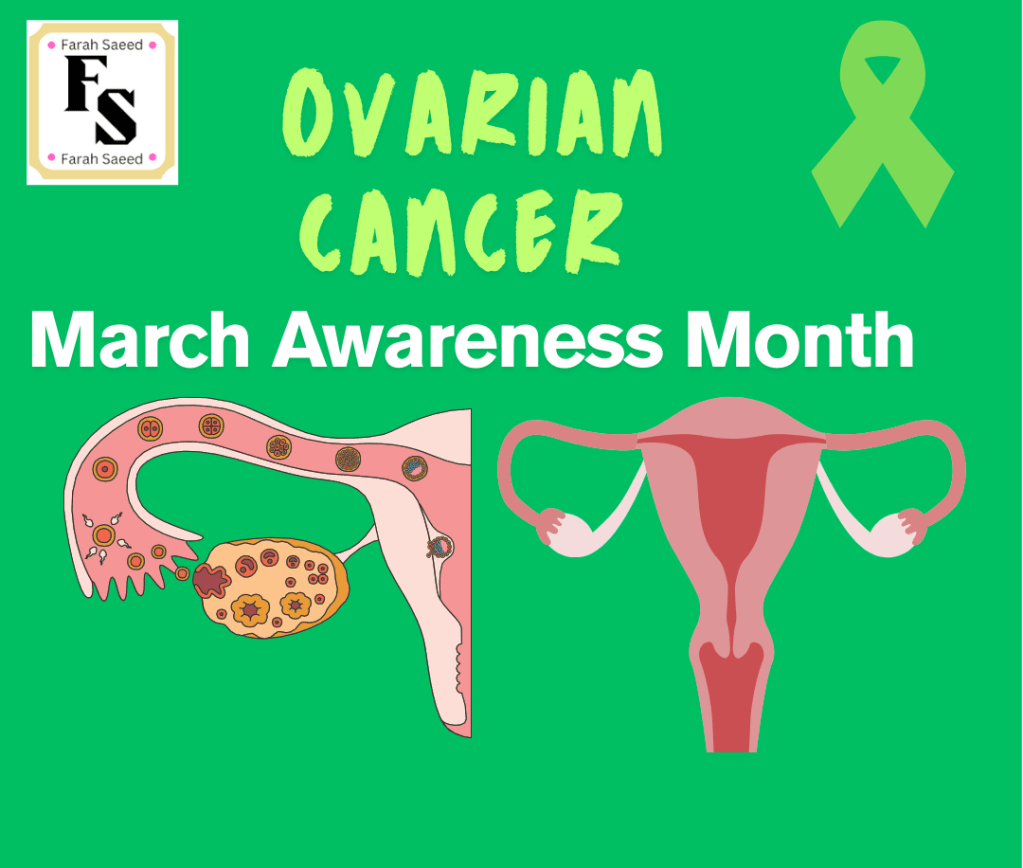
Treatment of Ovarian Cancer
NICE Guidelines For Ovarian Cancer
The suspected cancer pathway referral is to receive a diagnosis or rule out cancer within 28 days of being referred urgently by their GP for suspected cancer.
Factors That Affect Treatment For Ovarian Cancer
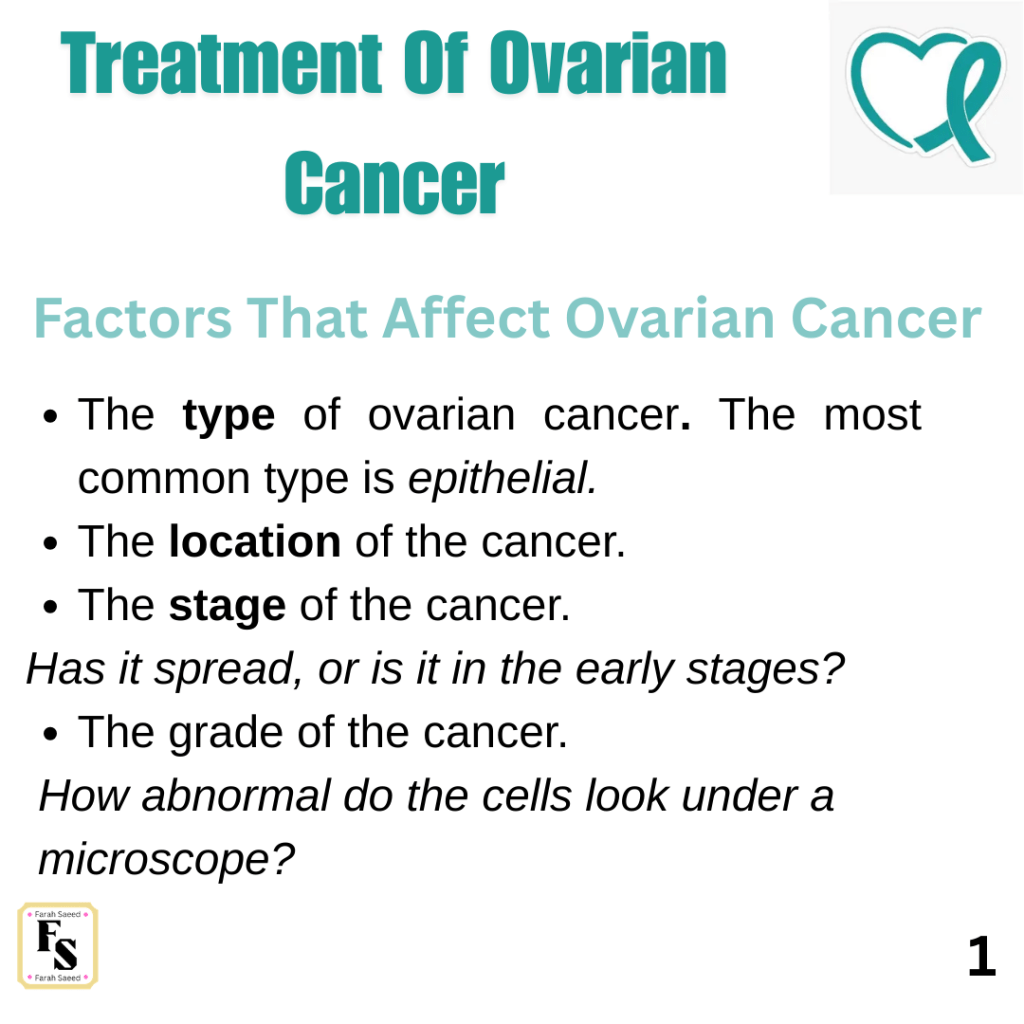
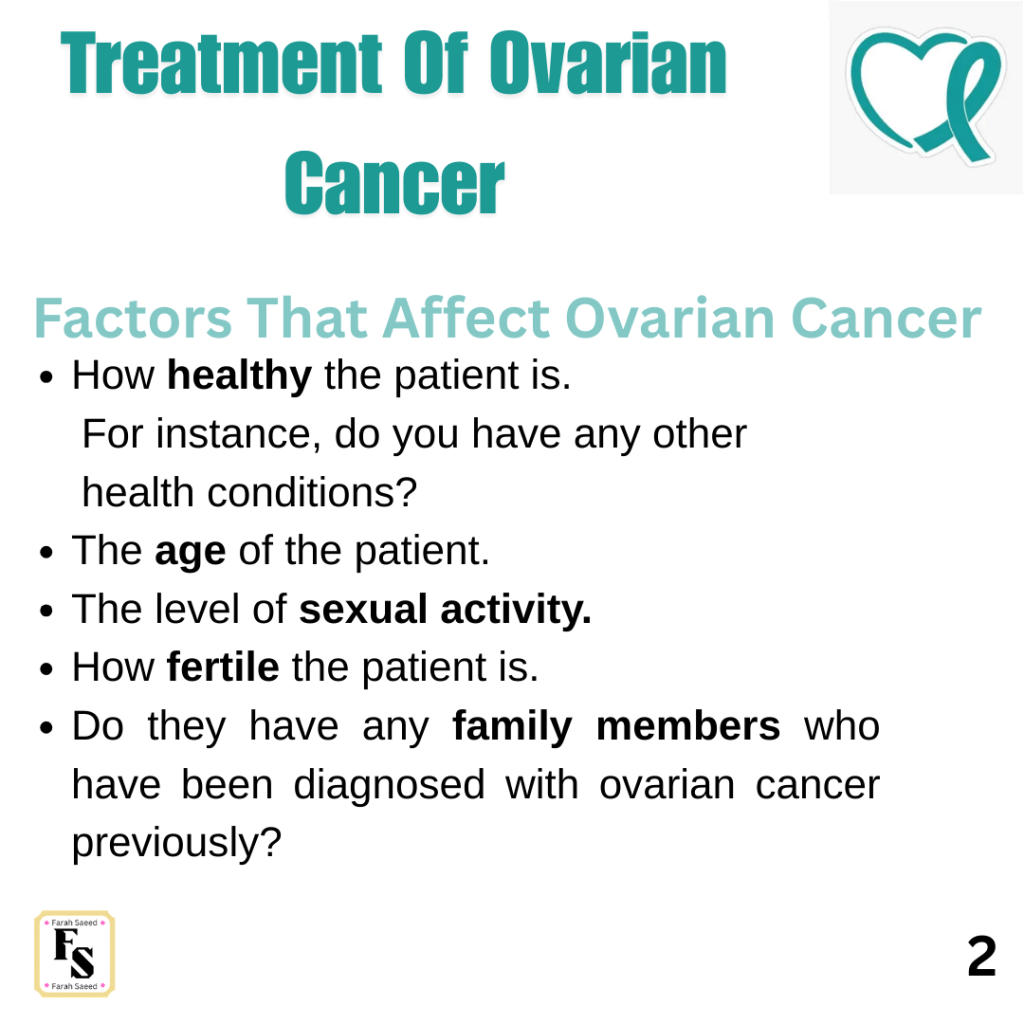

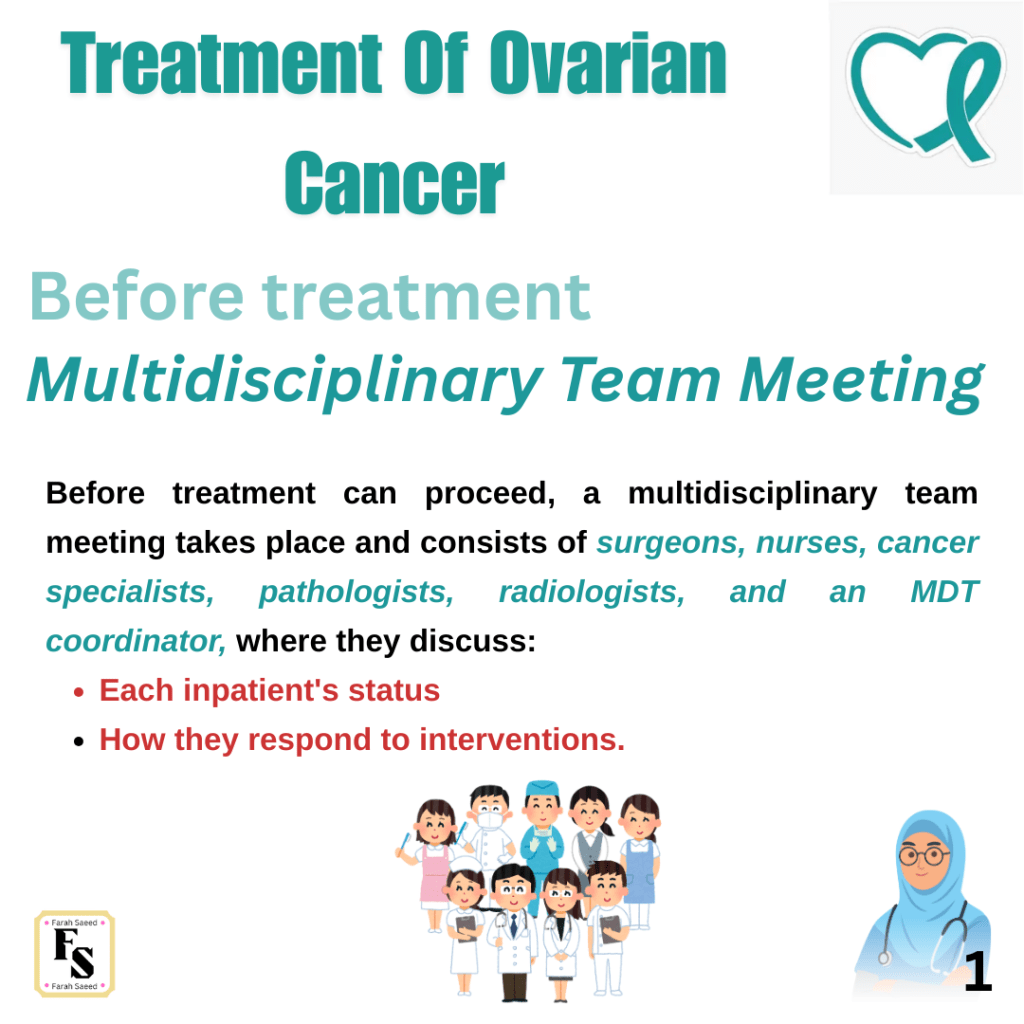
Key Steps Before Starting Treatment
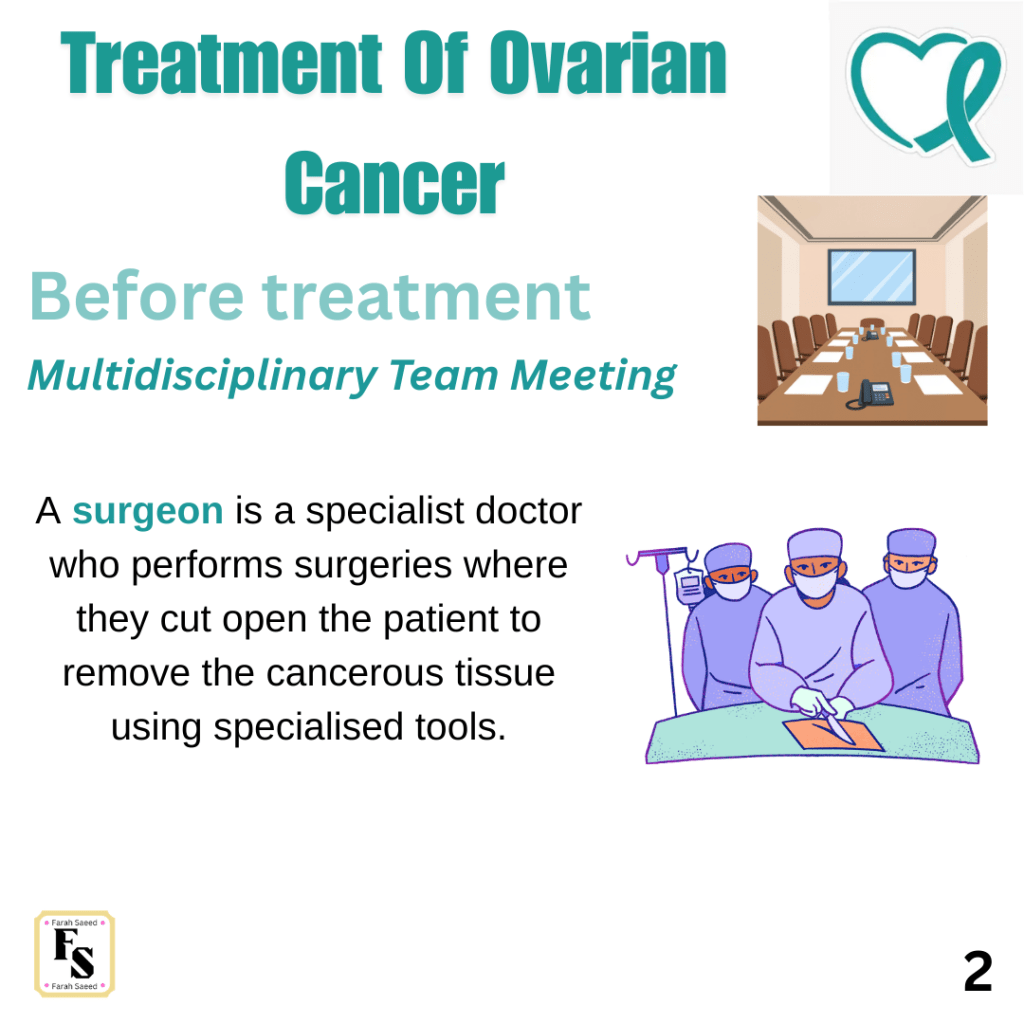
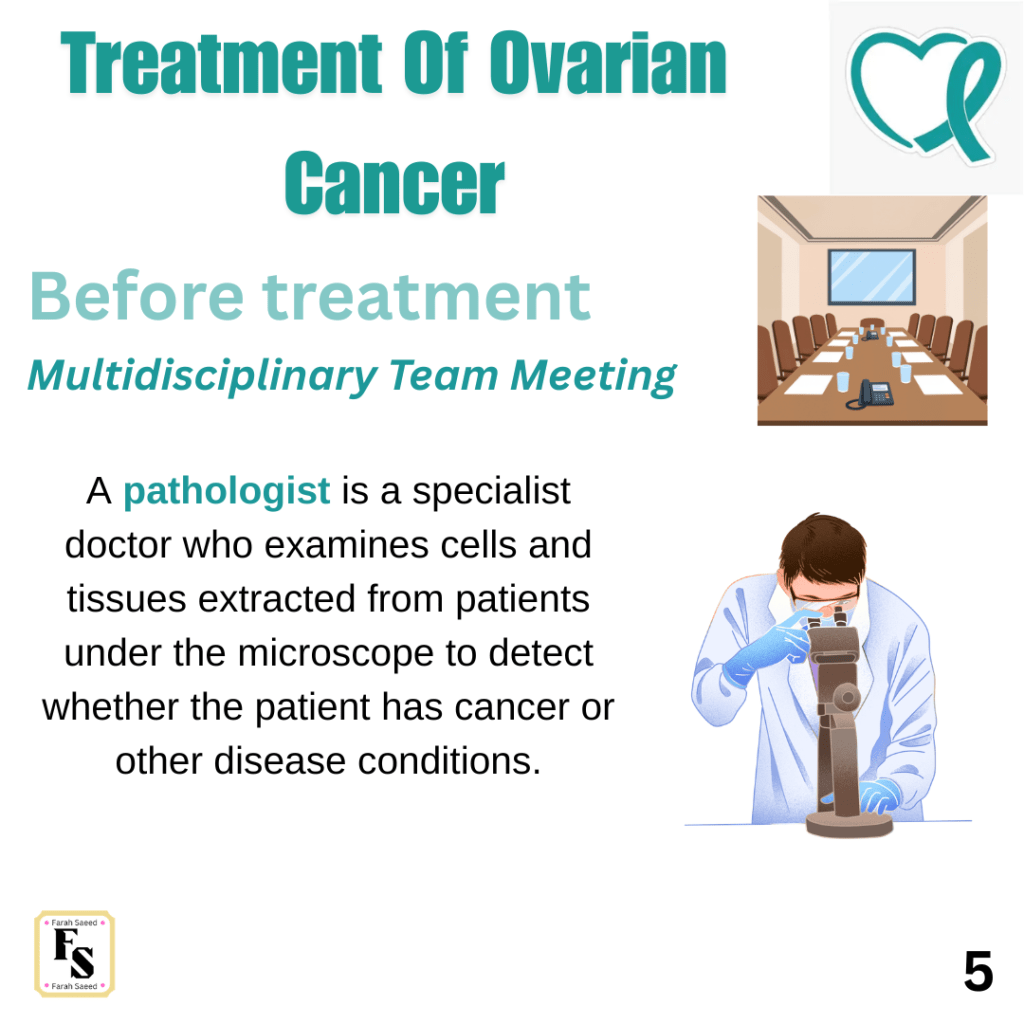
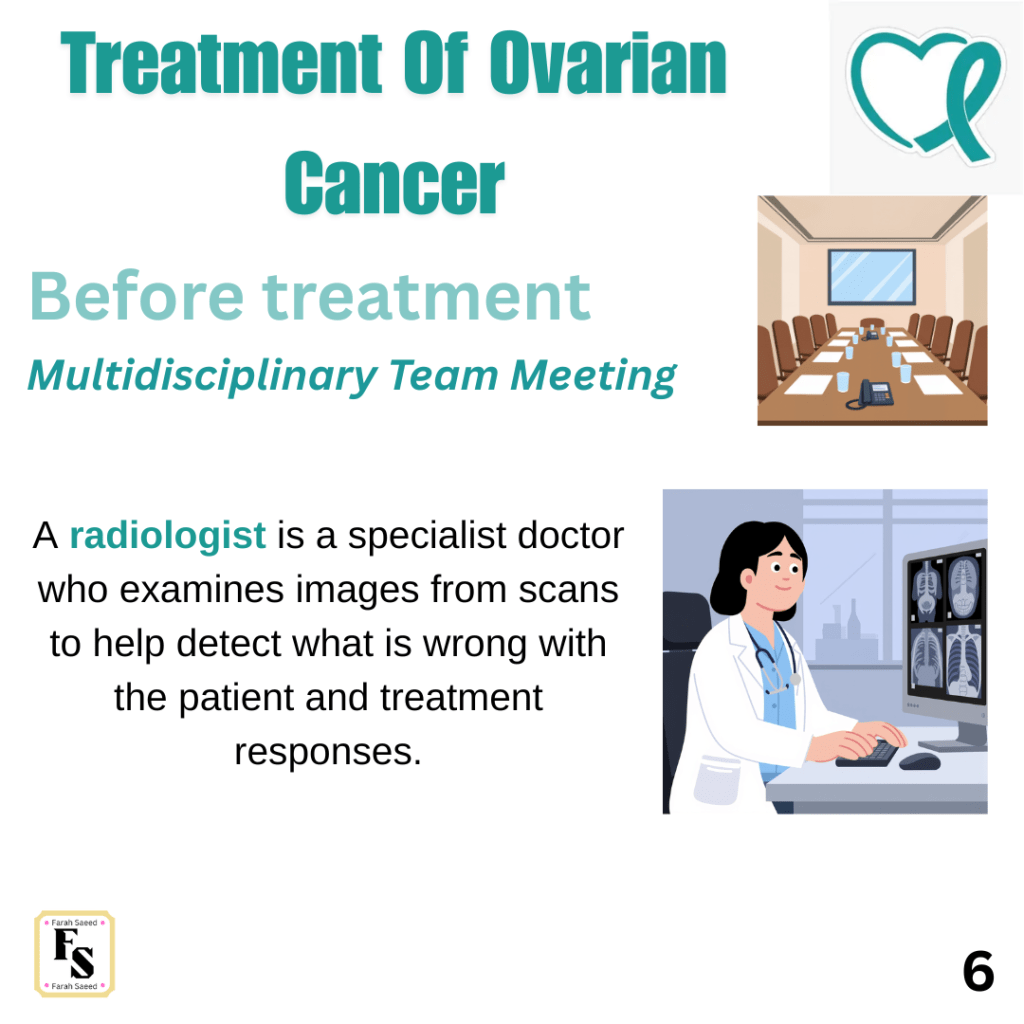
Key Steps Involved In Prehabilitation

Surgery: Management Of Ovarian Cancer In Accordance with NICE Guidelines
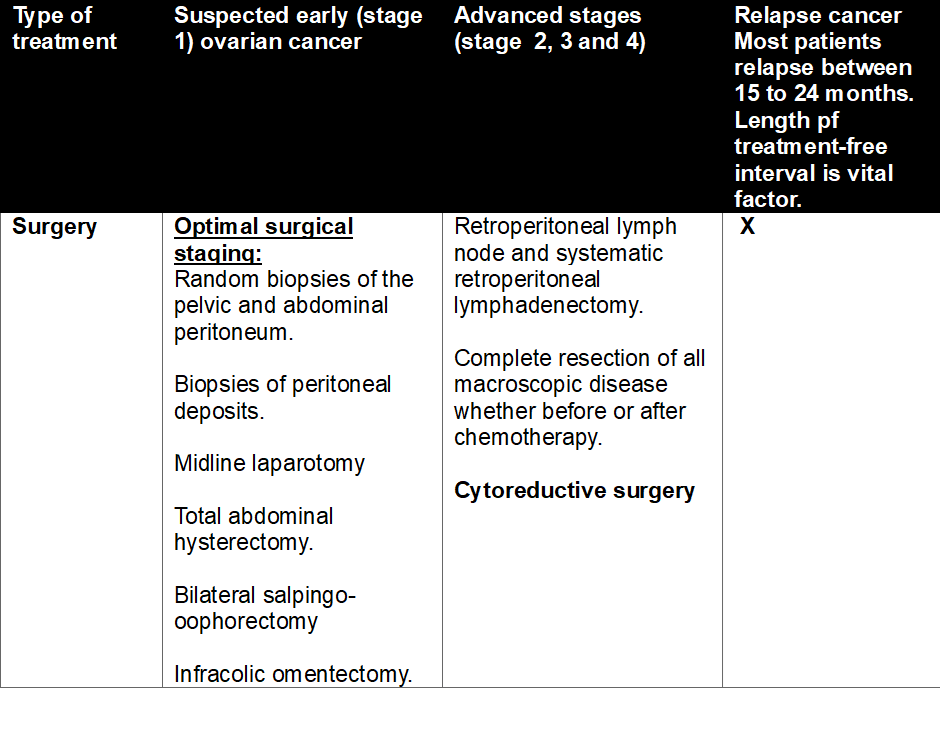
Explanation of Surgery On Patients with Ovarian Cancer
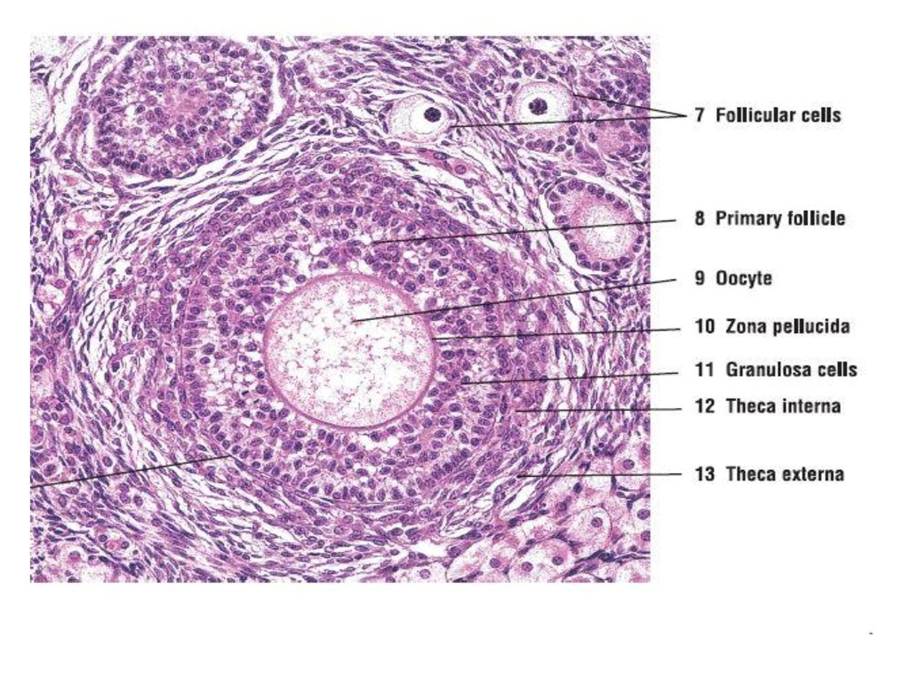
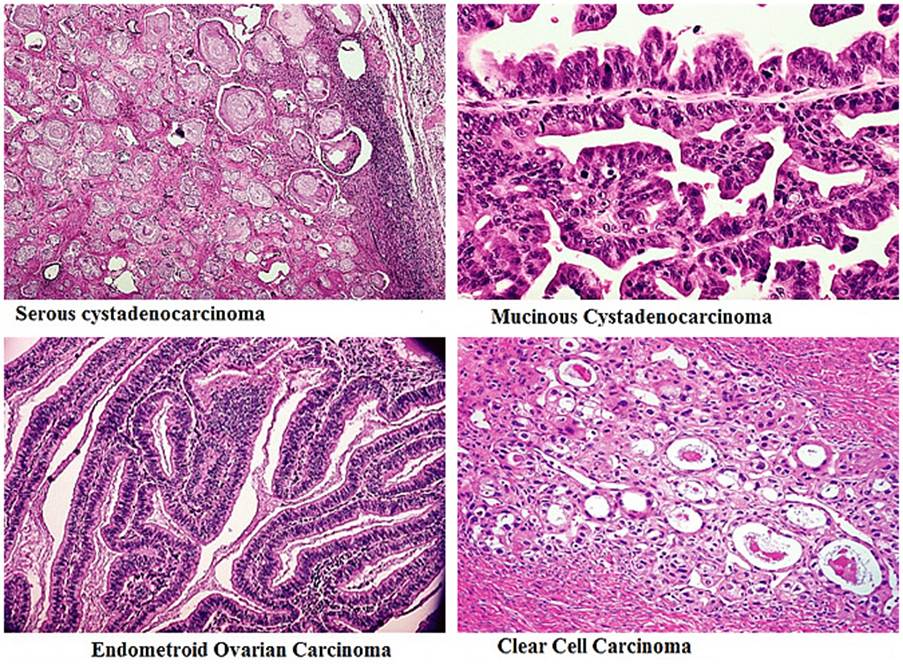
Biopsy
A biopsy is when a sample of the tissue of interest is extracted for examination under the microscope.
Lymph node assessment
Lymph node assessment involves using a CT scan to provide cross-sectional images of the target area to identify nodes, and taking a sample if there is a palpable abnormality (lymphoma or metastases that originate from the retroperitoneal lymphatic tissues from the para-aortic area and pelvic side walls in the abdomen (belly) and pelvis). These areas are found within the abdomen, around the womb, and in the ovarian area.
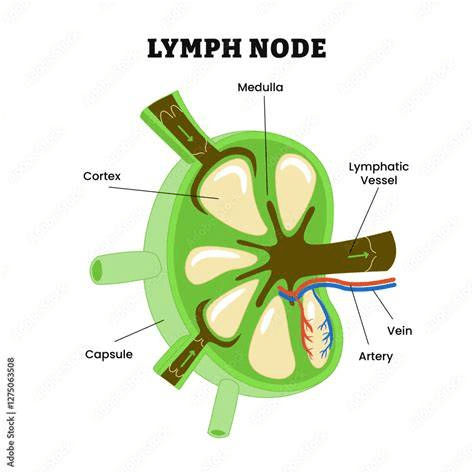
Lymph nodes are filtering structures that filter the colourless lymph fluid that carries white blood cells to eradicate any microbes and strengthen the immune system.
If there is no palpable abnormality, a random sample takes place.
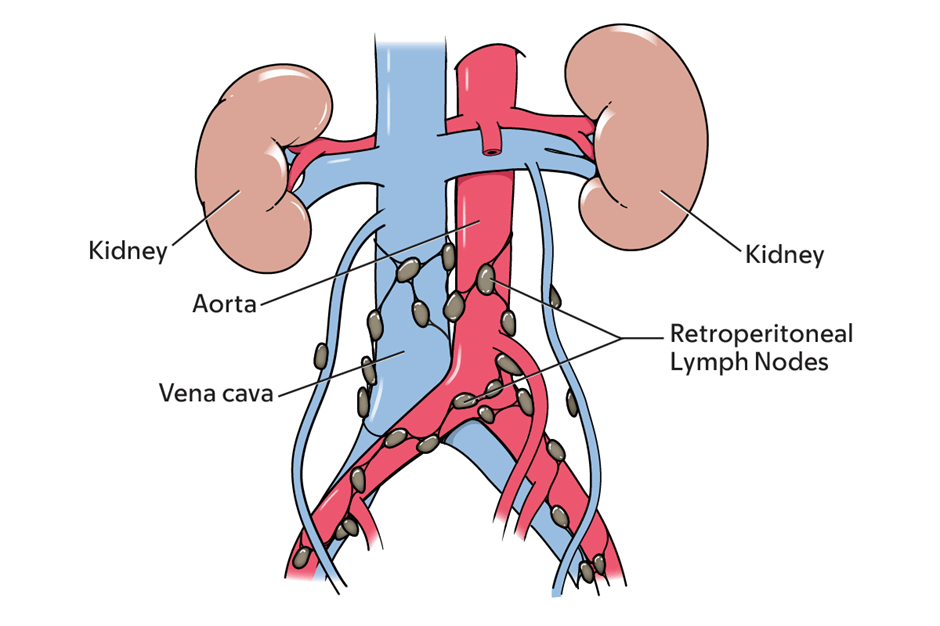
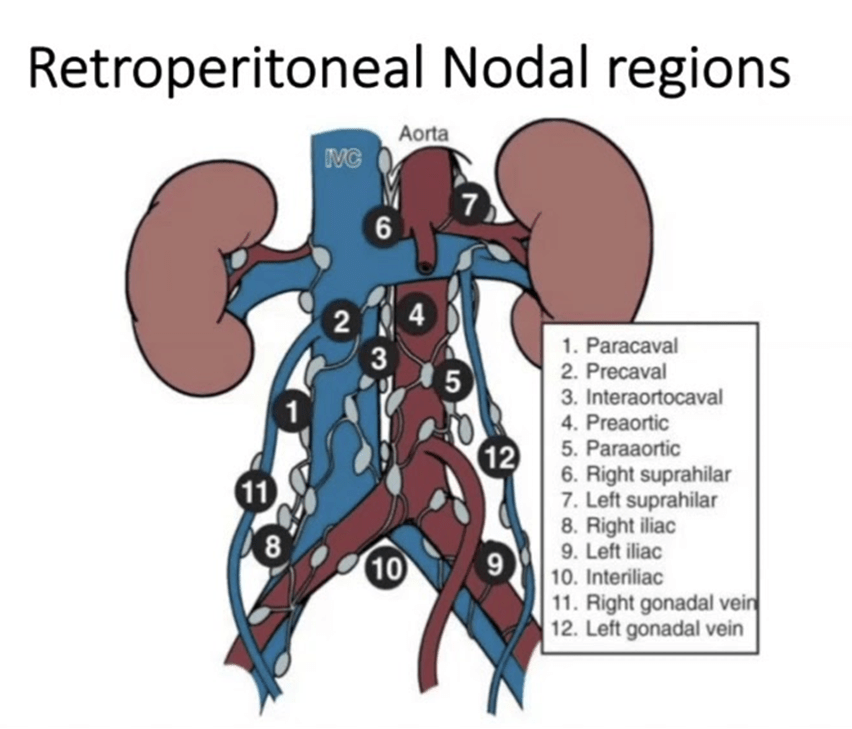
Retroperitoneal lymph nodes
They are small bean-shaped structures found behind the peritoneum near the abdominal aorta. This is known as the retroperitoneal space. They filter the lymph fluid and help manage drainage and the immune response from specific organs, namely: the pancreas, intestines, and kidneys.
Peritoneum
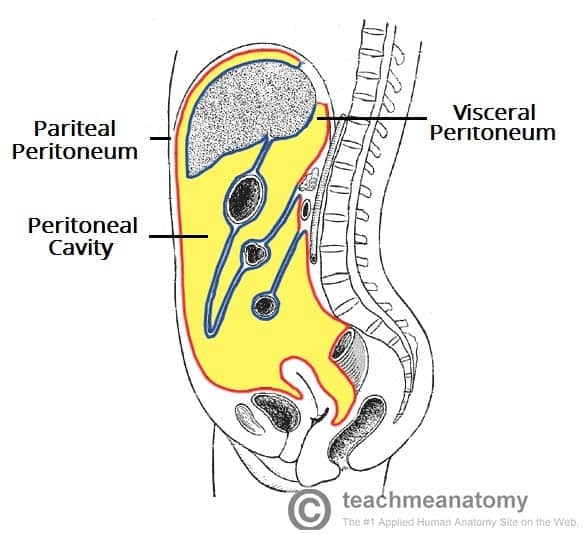
The peritoneum is a double-layer membrane. The parietal membrane is found in the abdominal wall, whilst the visceral membrane covers the organs in the abdomen, like the stomach and intestines.
Abdominal or peritoneal washings
This involves inserting sterile fluid into the peritoneal cavity in the abdomen and removing it to be examined under the microscope to assess whether there are cancer cells present. This process is also known as peritoneal lavage.
TheLegalrn: Peritoneal Lavage
Ascites
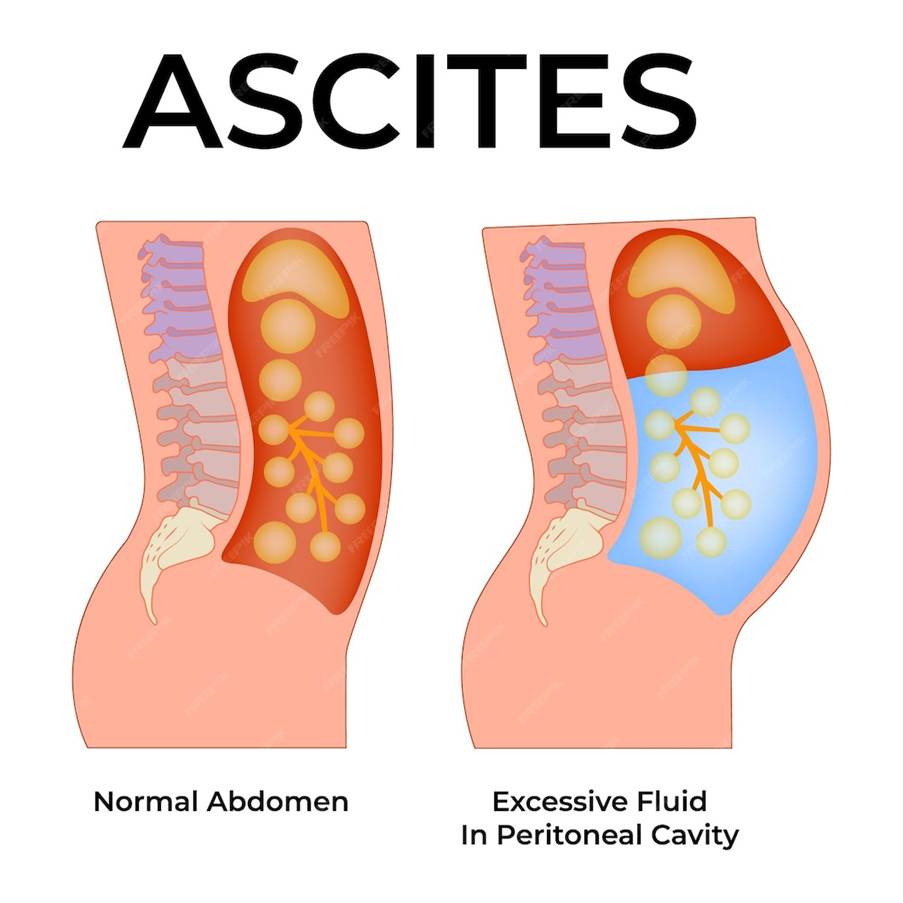
Some patients have a buildup of fluid in the abdomen. This is known as ascites. The surgeon may request an examination under the microscope for cancer cells.
The Main Methods Of Surgery
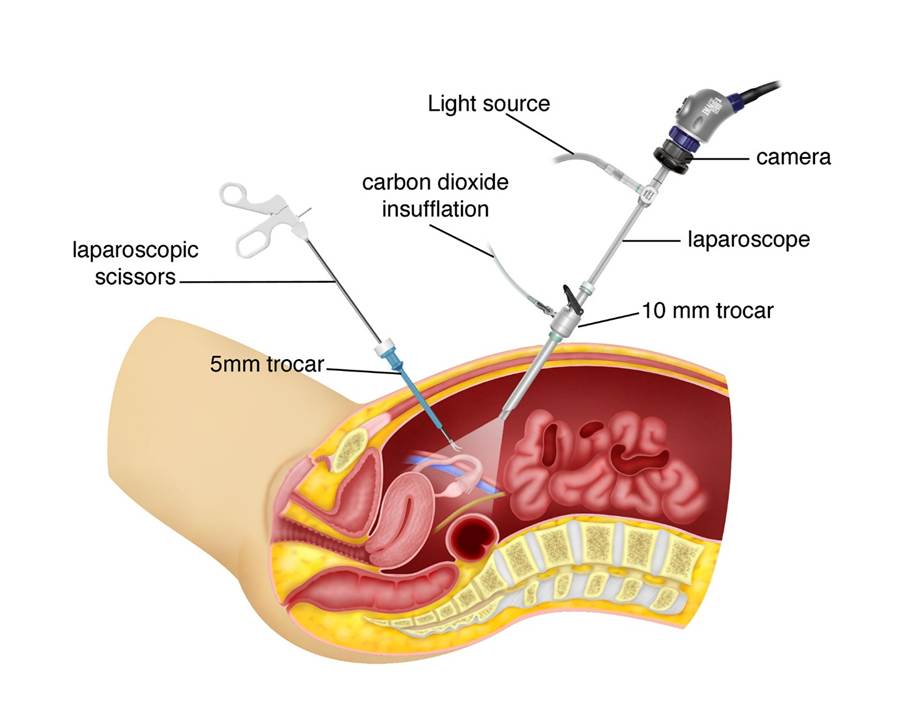
Laparoscopic surgery
Laparoscopy is also referred to as peritoneoscopy. If the patient has stage 1 cancer, keyhole surgery, otherwise known as laparoscopic surgery, is performed. This involves forming small cuts known as incisions in the wall of the belly (abdomen). This is done after injecting carbon dioxide into the abdominal cavity. A narrow telescope called a laparoscope enters the cut and takes images of the abdomen via a video camera.
The surgical tools are added to the other incisions. A laparoscopy has less morbidity and faster recovery than open surgery.
Open surgery
This is the option most people take, and it entails a large cut on the belly to remove the cancer. In some cases, small incisions are performed to have a look at the abdomen initially.
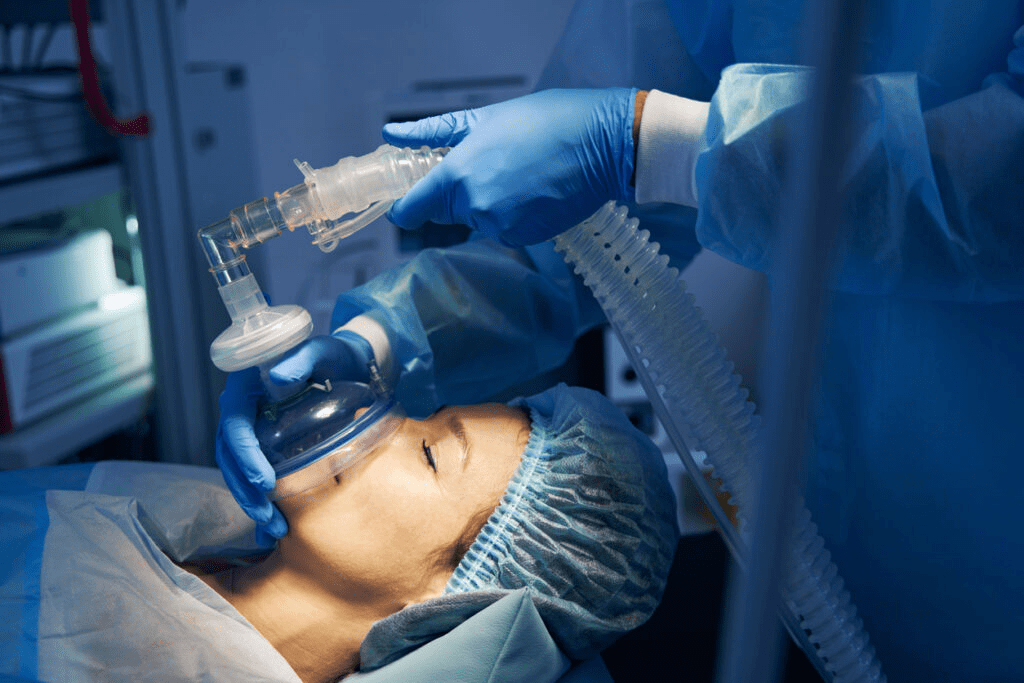
Anaesthesia
All forms of surgery are performed under general anaesthesia. This is when the full body is asleep, so pain cannot be detected.
Types Of Surgery For Patients With Ovarian Cancer
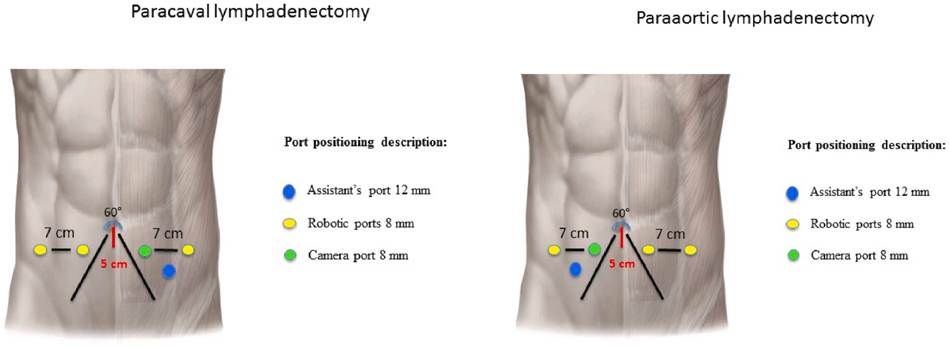
Systematic retroperitoneal lymphadenectomy
Systematic retroperitoneal lymphadenectomy is the removal of the retroperitoneal lymph node.
The contralateral lymph nodes are removed in the contralateral dissection field (bilateral nerve-sparing lymphadenectomy).
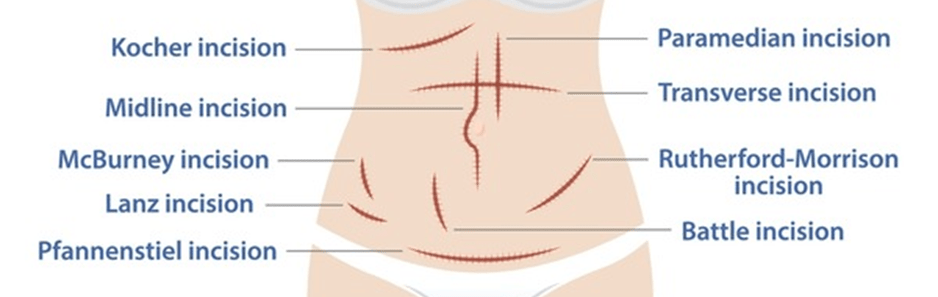
Midline laparotomy
This is where an incision into the abdominal cavity is performed to examine the abdominal organs for diagnosis.
Infracolic omentectomy
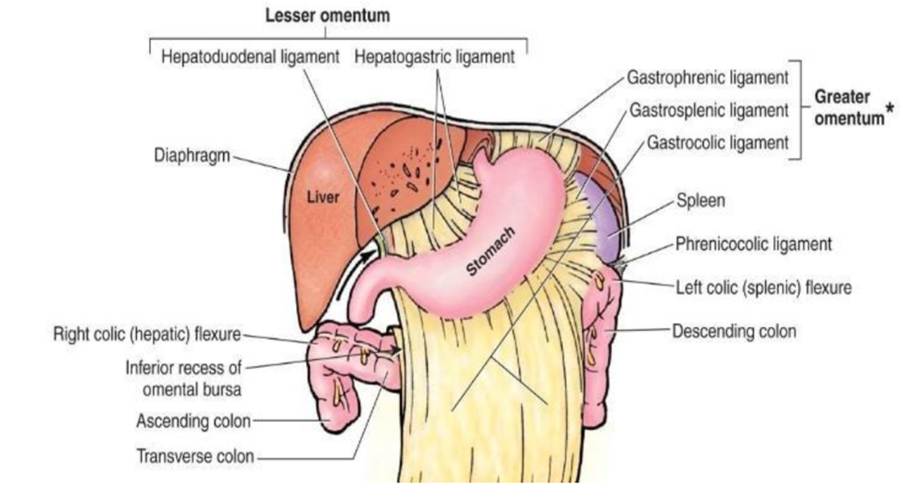
Omentectomy is the removal of fatty tissues close to the ovaries called omentum.
Omentum, otherwise known as the epiploon, links the peritoneum attached to the stomach to other organs. There are two types: major and minor. The major omentum has a high fat content that covers the intestine and insulates, preventing pressure between the organs in the abdomen. Alternatively, the lesser omentum links the stomach with the liver.
Total abdominal hysterectomy (TAH)
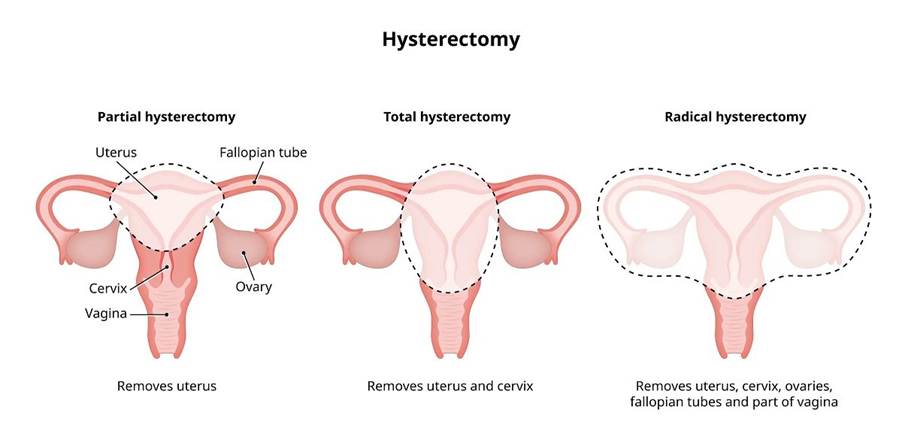
This involves the removal of the following areas in the female reproductive system:
- Both ovaries
- Fallopian tube
- Womb/Uterus
- Cervix
This is also known as cytoreductive surgery or debulking surgery. Additional sections, such as the pelvis or abdomen, may also be removed in a cytoreductive surgery if cancerous. This helps prevent the cancer from metastasising or spreading.
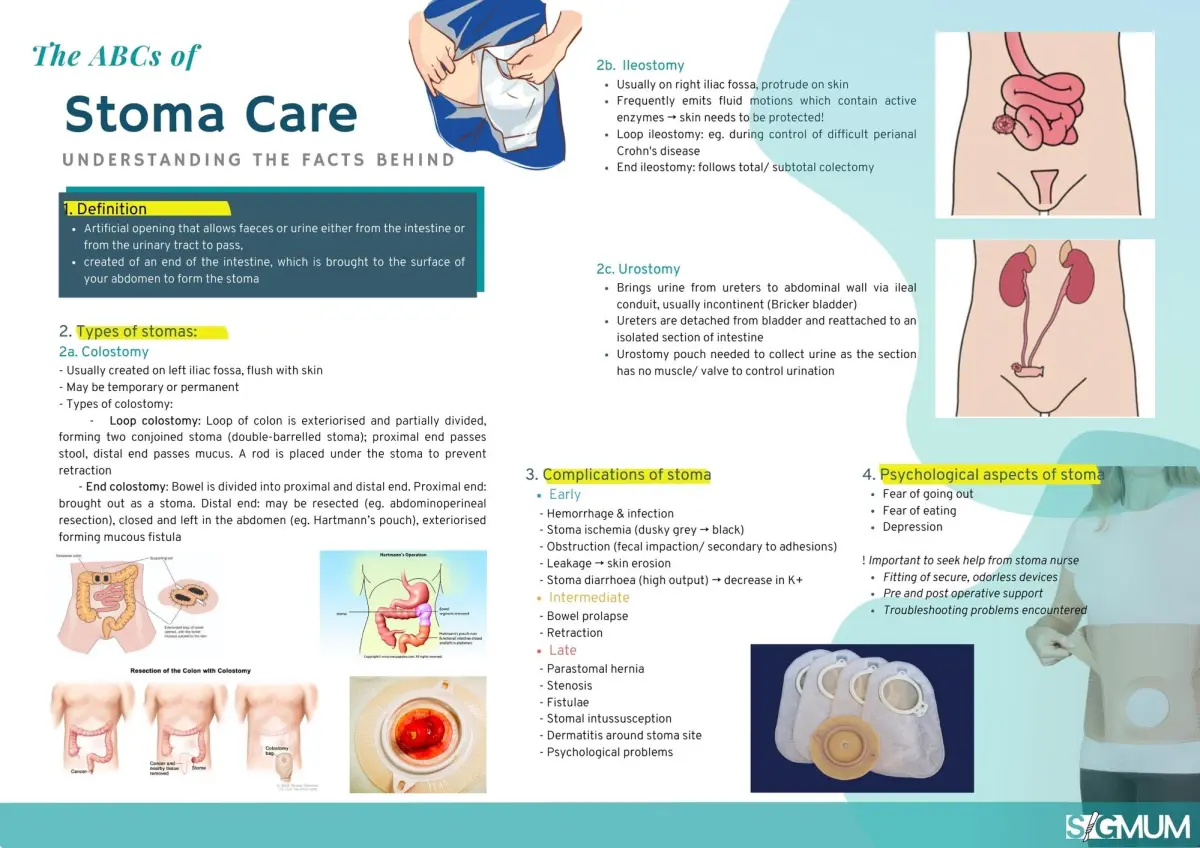
If surgery is done on the bowel/intestines to remove the spread, a stoma bag is added temporarily until the bowel functions. A stoma is an opening outside the abdomen so the contents can be released into the bag. A subsequent smaller operation is performed to close the stoma once the patient settles.
Bilateral salpingo-oophorectomy (BSO)
This is the removal of both ovaries (oophorectomy) and the fallopian tubes (salpingectomy).
In some cases of patients with Stage 1A and low-grade cancers, the affected ovary and fallopian tube are removed.
Dr R. K Mishtra: Laparoscopic Salpingo-oophorectomy for Recurrent Endometrioma: A Comprehensive Video Overview
Delayed primary surgery (DPS)
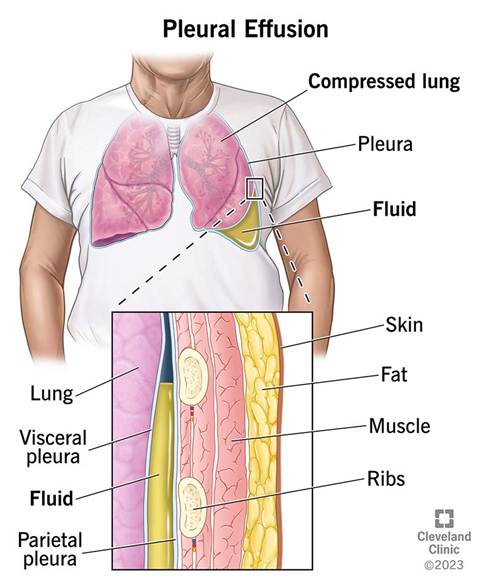
Patients with stage IV with pleural effusions and stage III are recommended to have neoadjuvant chemotherapy NACT and delayed primary surgery DPS.
Pleural effusion is fluid in the pleural space in the chest.
Neoadjuvant chemotherapy
This is chemotherapy given before surgery to help improve the outcomes of the treatment.
Delayed primary surgery
Delayed primary surgery is when a wound is closed after several days of secondary intention healing. In comparison to other wound healing closures, they have higher partial pressure of oxygen, higher blood flow, and a high rate of collagen production for support and remodelling. These factors may explain why DPC has better mechanical strength.
DPC is performed in the following types of cases:
- Complicated cases of the removal of the appendix (appendectomies)
- Complicated cases of reconstructing the wall of the belly
- Treating wounds after having heart surgery (postcardiac)
What does the DPC process involve?
Primary intention healing: The wound edges are brought together using staples, sutures, or topical glue and adjuncts.
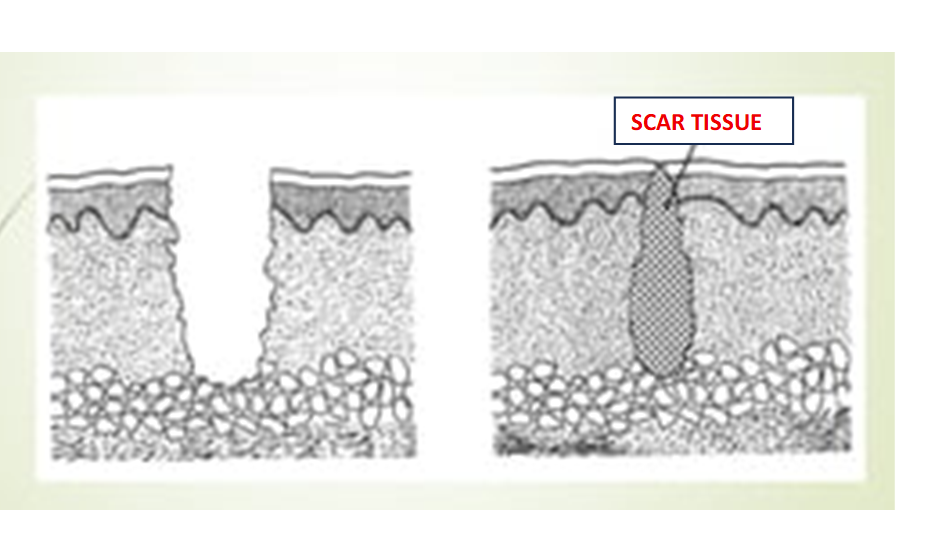
Secondary intention healing: if the defect size is large, the wound edges cannot undergo primary intention healing. Instead, there is granulation tissue growth and contraction.
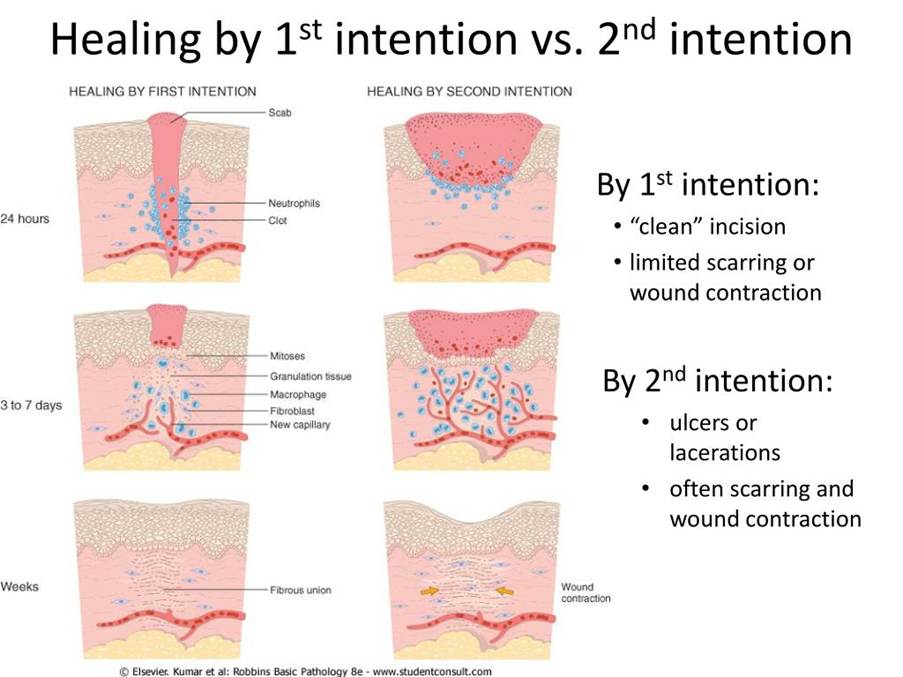
Tertiary healing or DPC: The wound is initiated and left open for slow primary healing. They are dressed in saline or dilute Betadine soaks. They are changed and irrigated daily. The delayed closure lasts between 3 and 5 days. If signs of infection, until the infection has been removed.
Chemotherapy: Management Of Ovarian Cancer In Accordance with NICE Guidelines
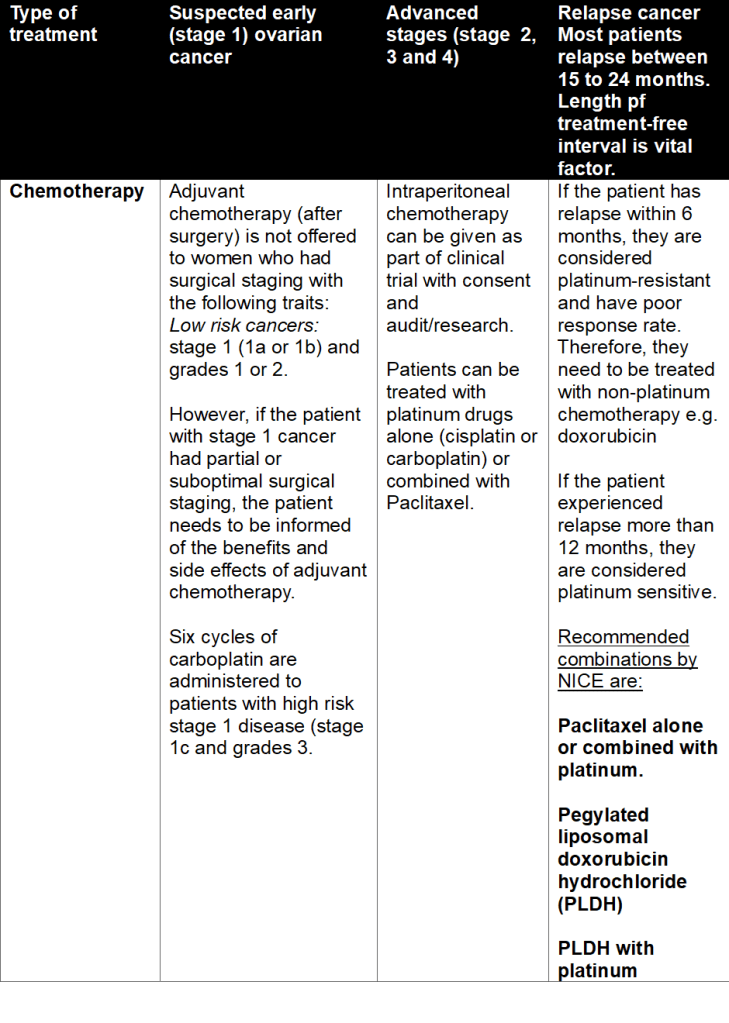
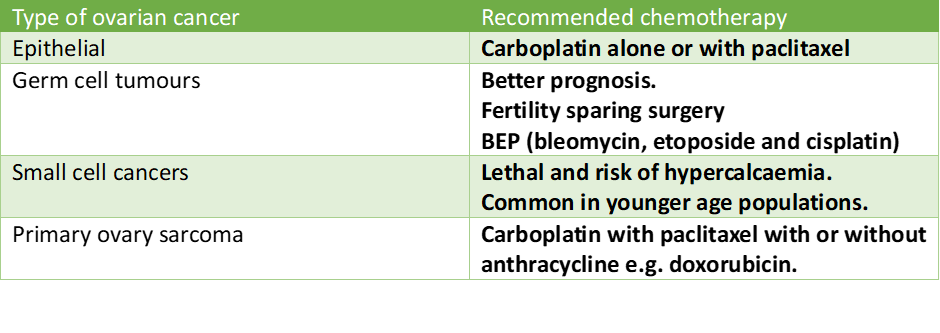
The Types Of Chemotherapy and Types of Ovarian Cancer
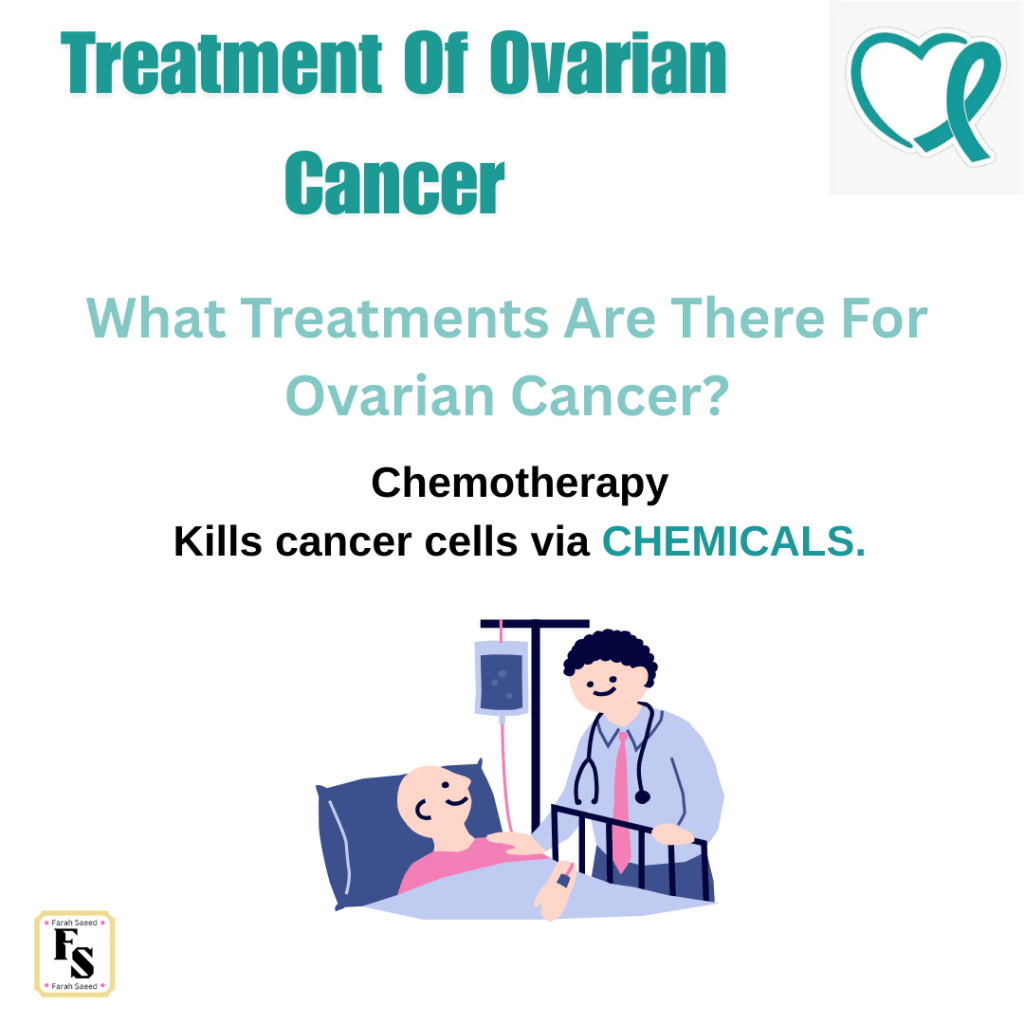
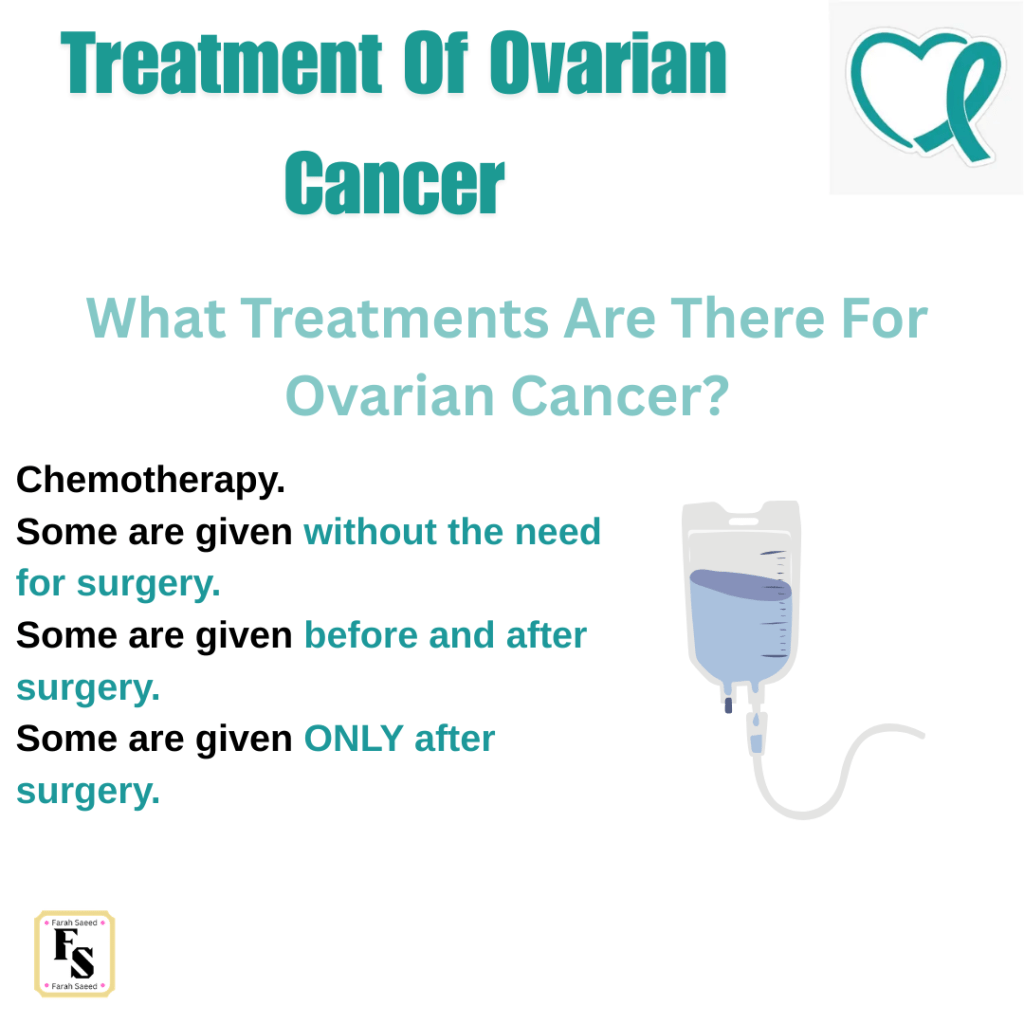
Explanation of Chemotherapy On Patients with Ovarian Cancer
How Is Chemotherapy Inserted Into The Body?
They are administered through three main techniques:
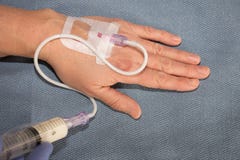
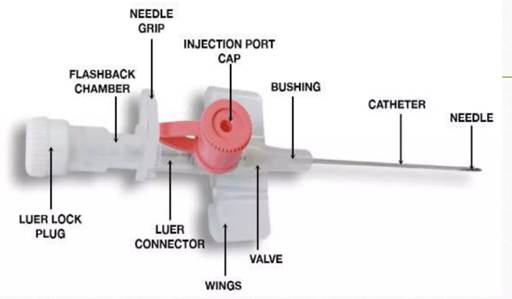
Through the vein (intravenously): This enables the drugs to go around the body via the blood. This is achieved through a thin, short tube called a cannula, through which treatment is administered through the arm.
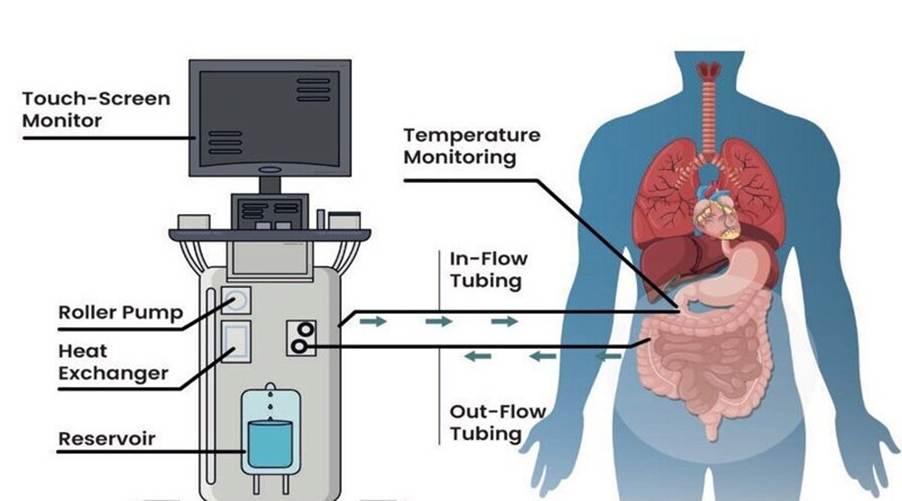
Through the stomach: This is referred to as hyperthermic intraperitoneal chemotherapy (HIPEC).
- After total resection of the cancer, small plastic tubes referred to as drains are inserted into the abdomen.
- The drains are connected to a HIPEC machine that warms the chemotherapy before it is pumped into the abdominal cavity. For example, cisplatin is used to kill any remaining cancer cells after the cytoreductive surgery.
- The chemotherapy remains in the abdomen for approximately 90 minutes.
- The chemotherapy is then removed by draining out of the abdomen into the bag (reservoir) outside of the body.
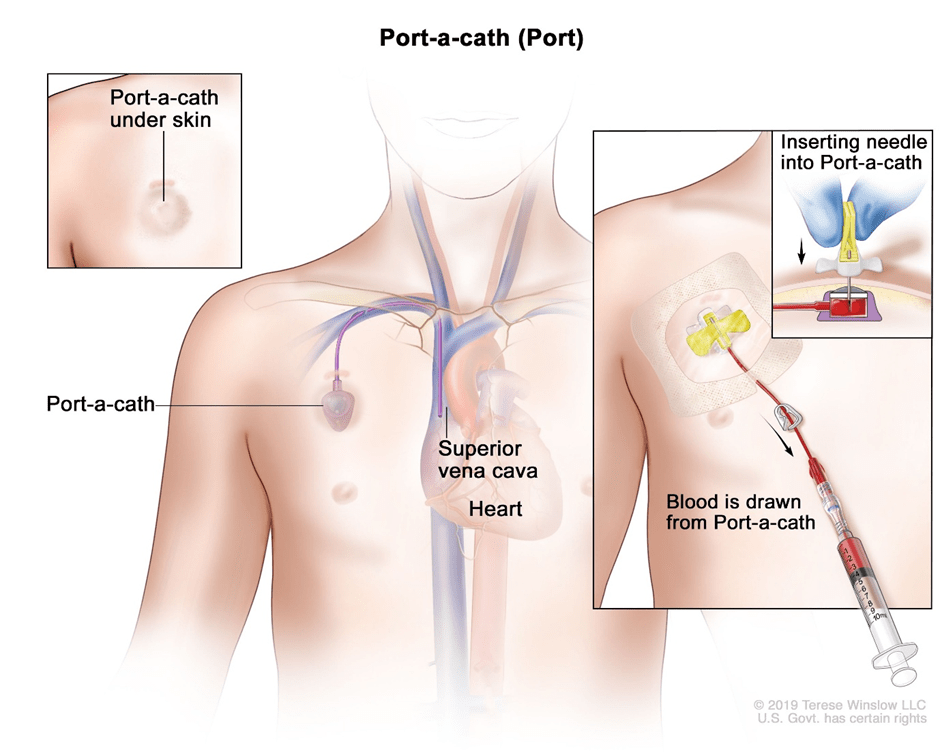
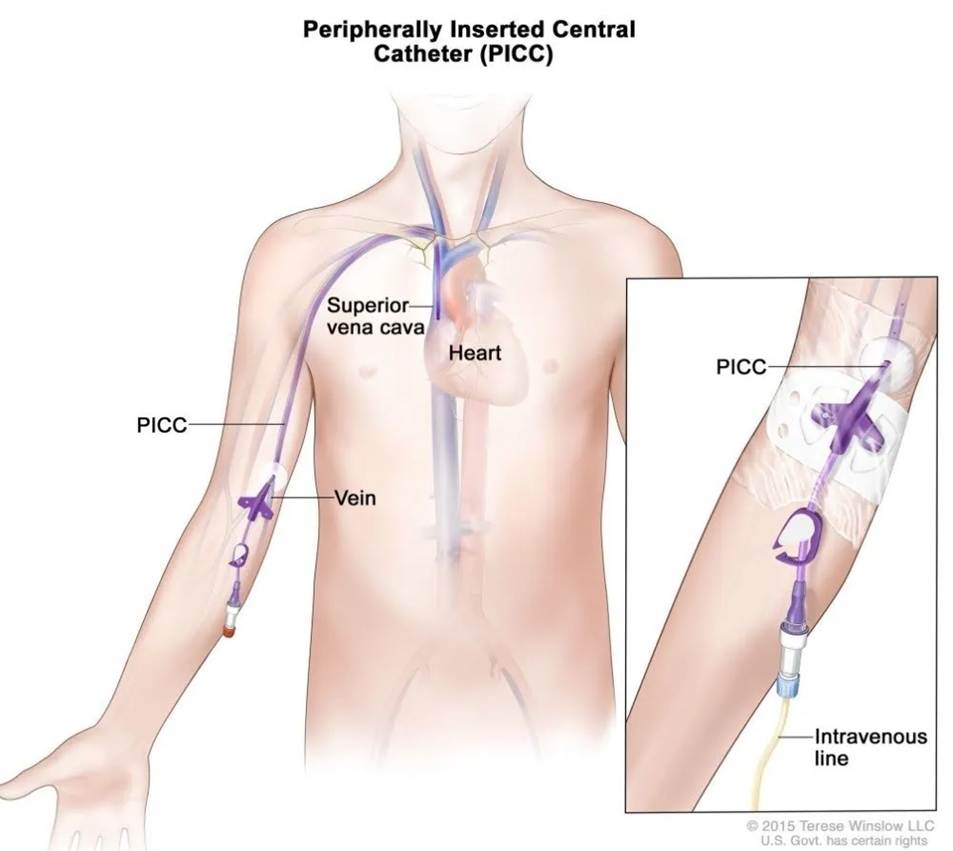
Through the large vein in the chest: This is achieved using a long plastic tube (central, PICC, or portacath) that is kept in position throughout the course of treatment.
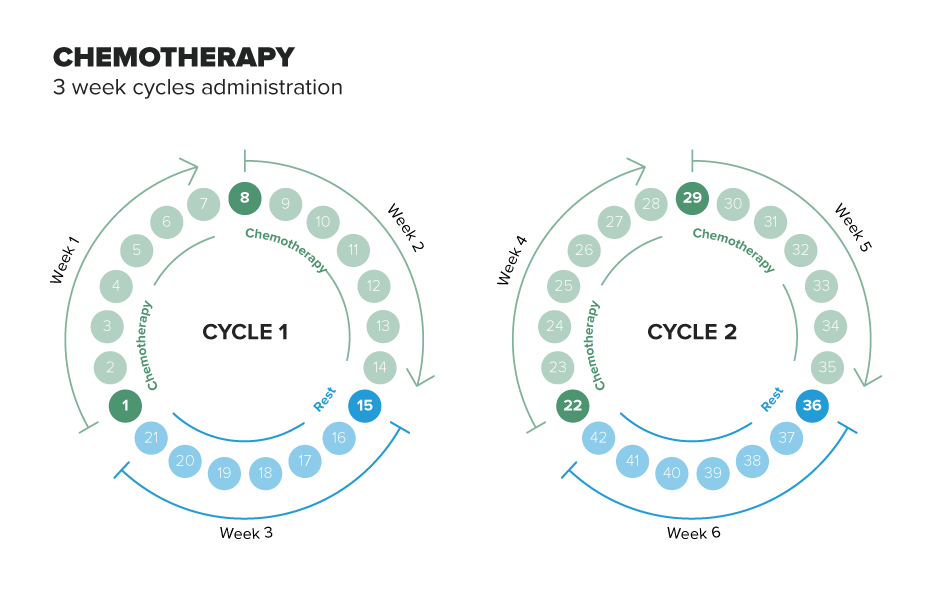
What Is A Cycle Of Treatment?
Every three-week period is referred to as a cycle of treatment.
Chemotherapy is given once every three weeks on day one, and this is followed by a rest period for recovery.
Normally, patients with ovarian cancer have approximately 6 cycles on average.
Each treatment takes several hours (three to four hours). In some cases, they are given over the course of 24 hours, where the patient remains in the hospital.
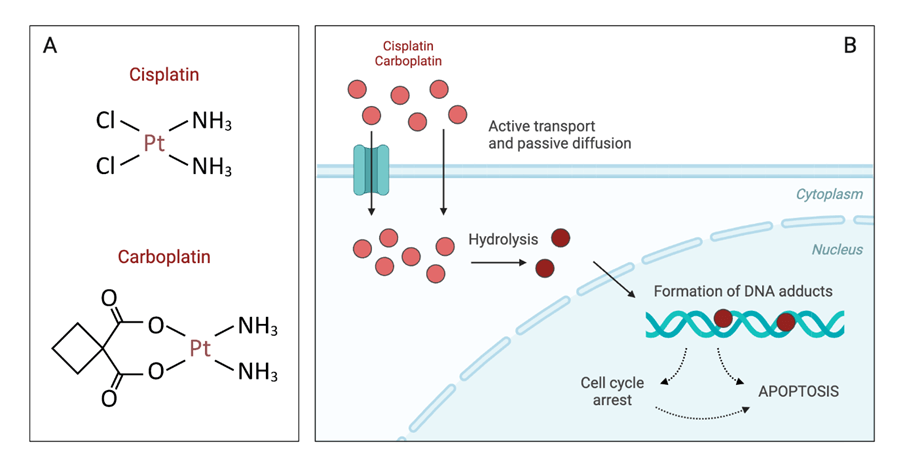
Mechanism of Action of Chemotherapy
Carboplatin.
This is a platinum based DNA alkylating drug that causes crosslinks and formation of inter and intrastrand DNA breaks. This prevents growth of cancer cells and causes cell death (apoptosis).
Medical Question: What is the mechanism of carboplatin?
Pegylated liposomal doxorubicin
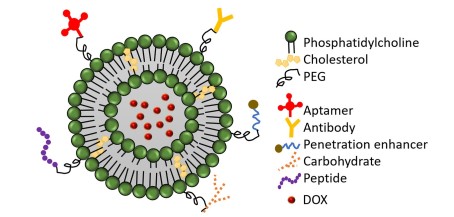
This is a type of chemotherapy (doxorubicin) that is encapsulated with polyethylene glycol (PEG) coated Stealth® liposome layer to help doxorubicin reach cancer cells and tissues that do not have narrow capillary junctions without causing harm to the heart (cardiotoxicity).
They also prevent them from being detected by the white blood cells (mononuclear phagocyte system 2) that lower their ability to stick to target cancer cells, blood vessel walls, and other surfaces. This is achieved by altering the tissue distribution and slowing the rate of drug release.
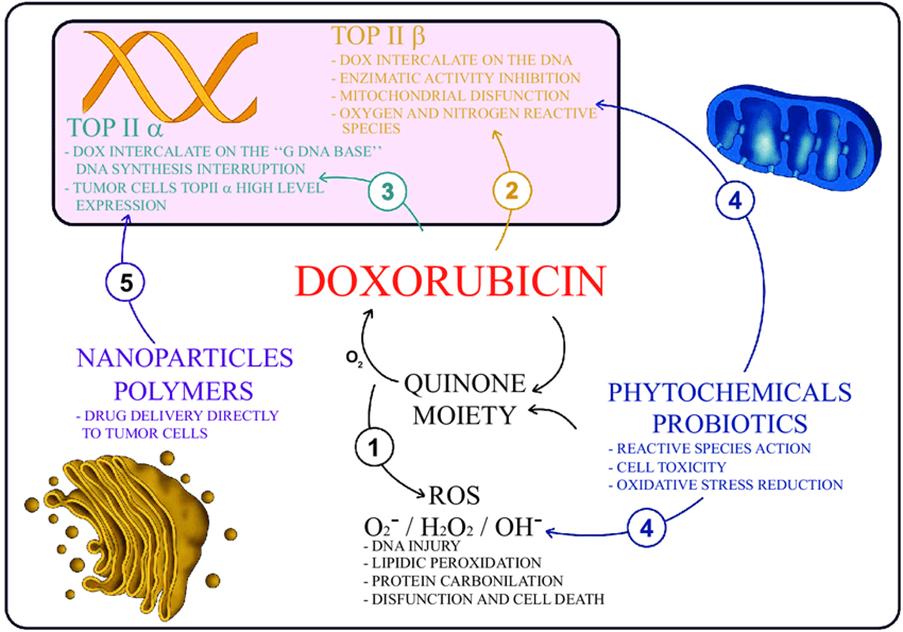
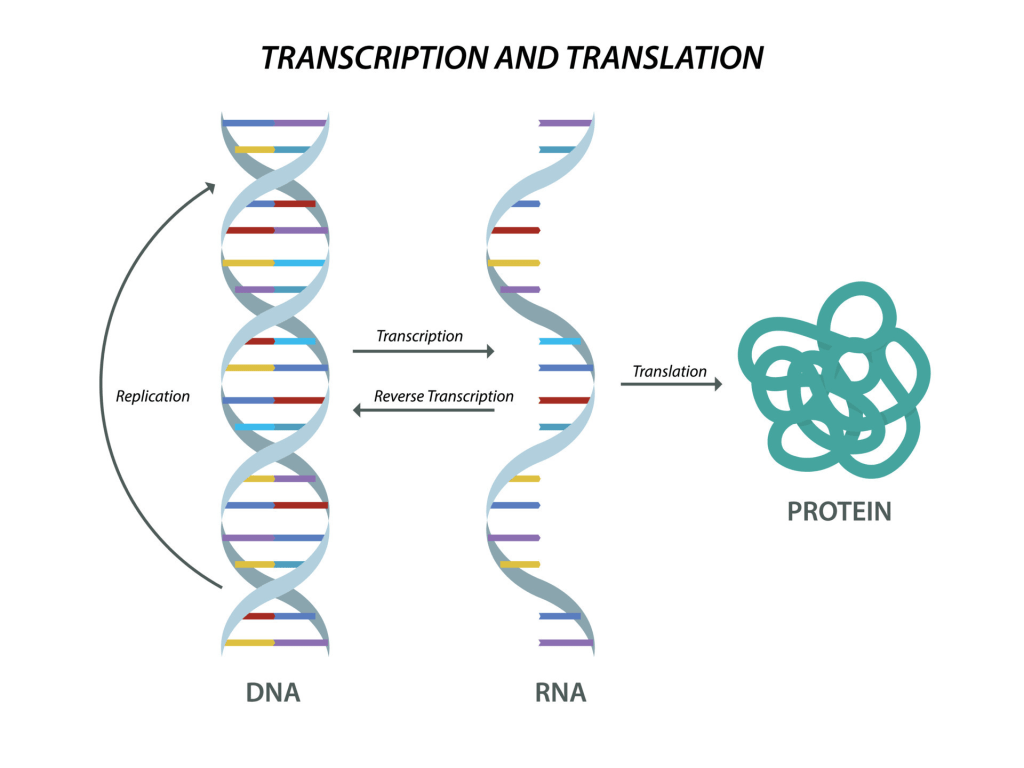
Doxorubicin intercalates DNA by preventing the enzyme topoisomerase II from unwinding DNA for transcription. It disrupts how the cancer cells grow and how DNA is replicated, causing cell death.
Paclitaxel
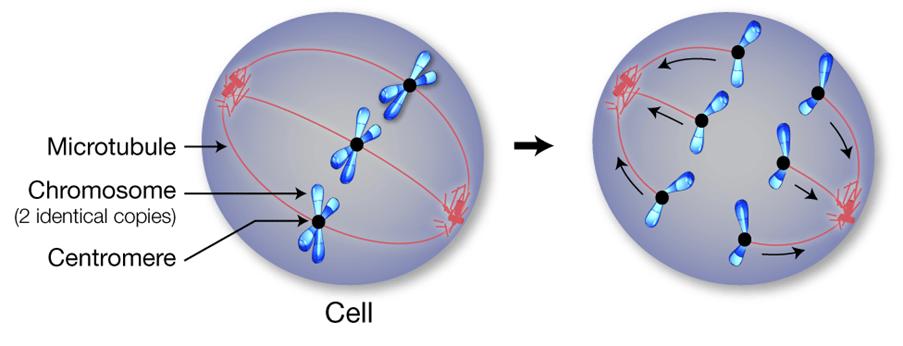
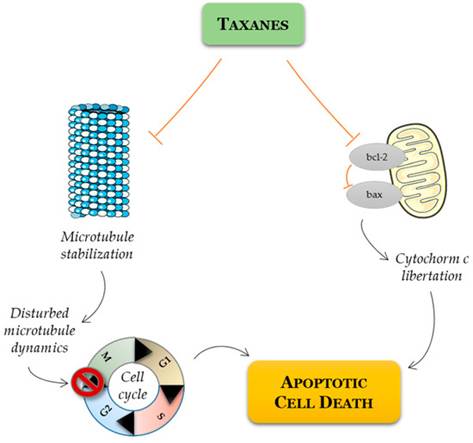
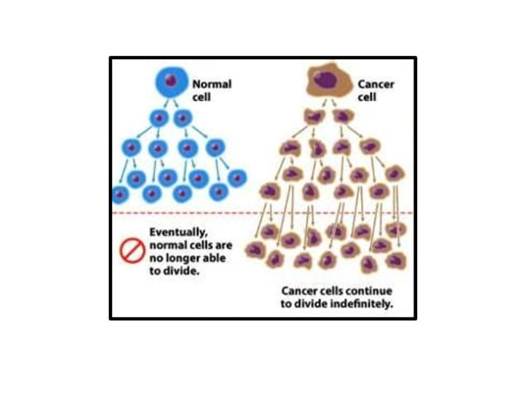
This is a type of taxane that prevents cancer cell growth by stopping them from dividing via microtubules. Microtubules are proteins that cause the chromosomes to pull either side of the cell to allow cell division to take place.
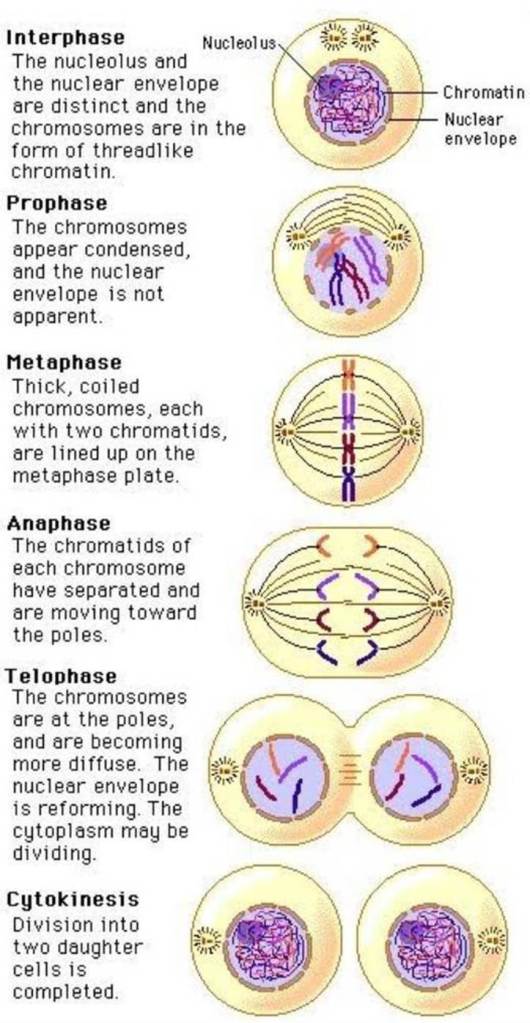
Drugs In Motions: Taxanes Antineoplastic Drugs for Cancer
Targeted Therapy: Management Of Ovarian Cancer In Accordance with NICE Guidelines
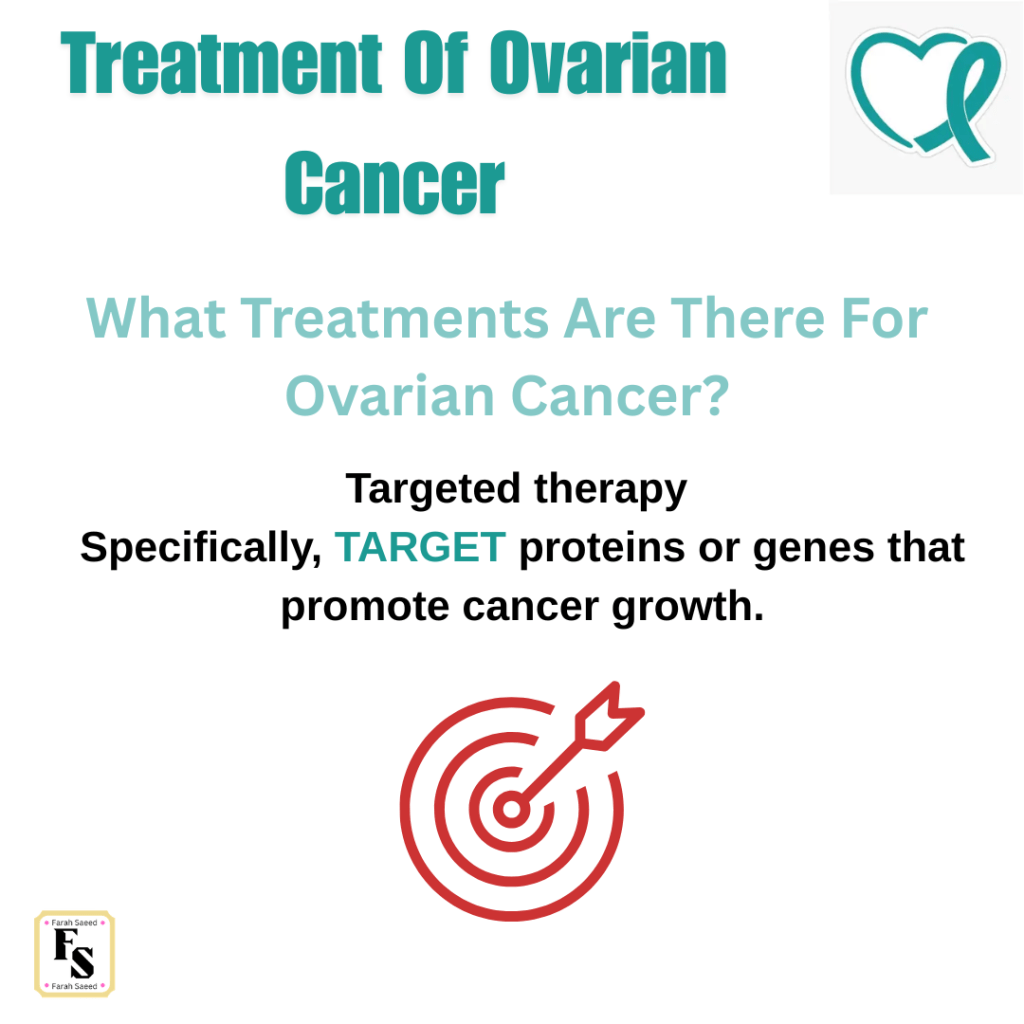
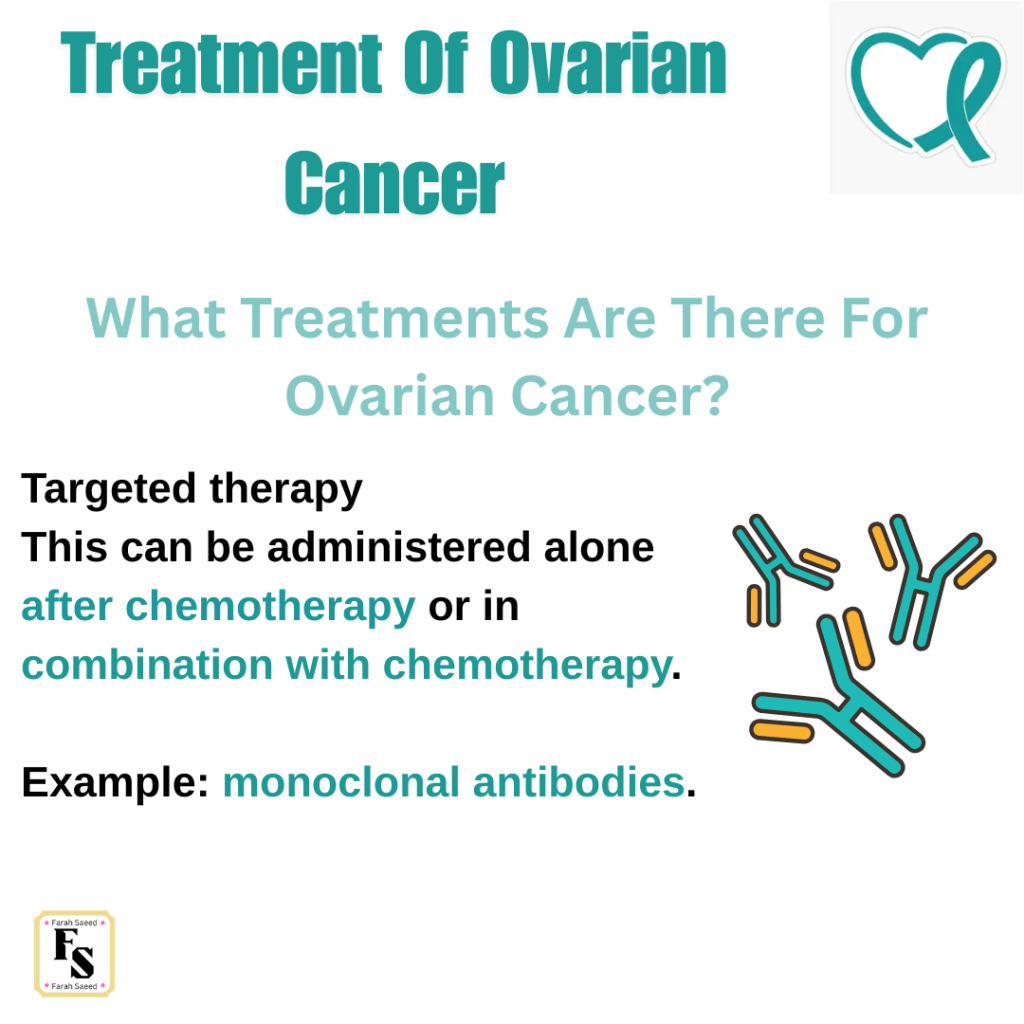
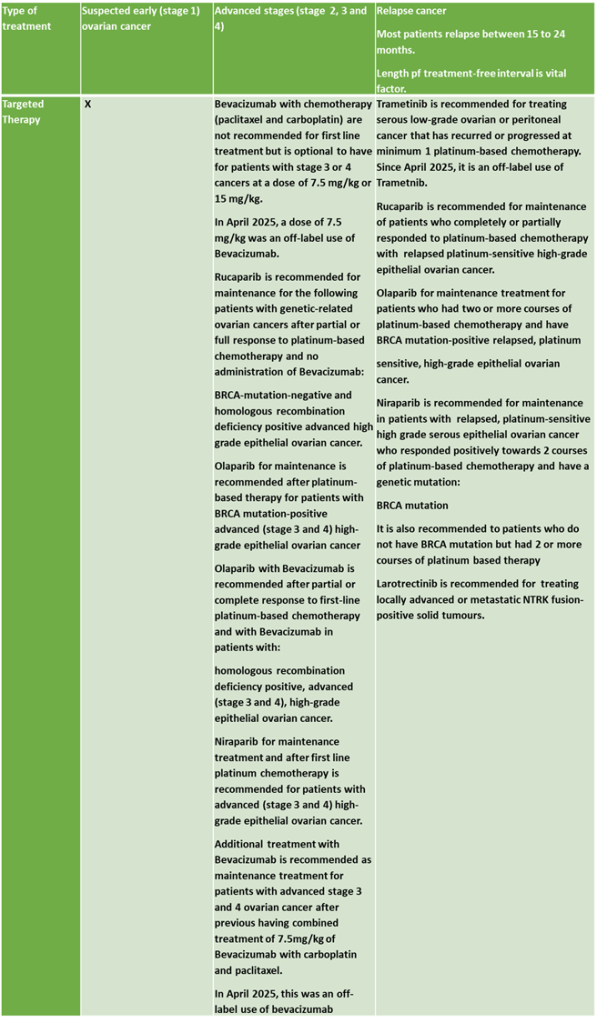
Explanation of Surgery On Patients with Ovarian Cancer
What Are Monoclonal Antibodies?
Bevacizumab
This is a monoclonal antibody produced in the laboratory and is designed to block VEGF. VEGF is essential for the production of new blood vessels (angiogenesis) where cancer cells obtain their nutrients.
It is given as first-line treatment administered via intravenous (IV) infusion into the vein. It is needed for the maintenance of platinum-sensitive or resistant relapsed cancers.
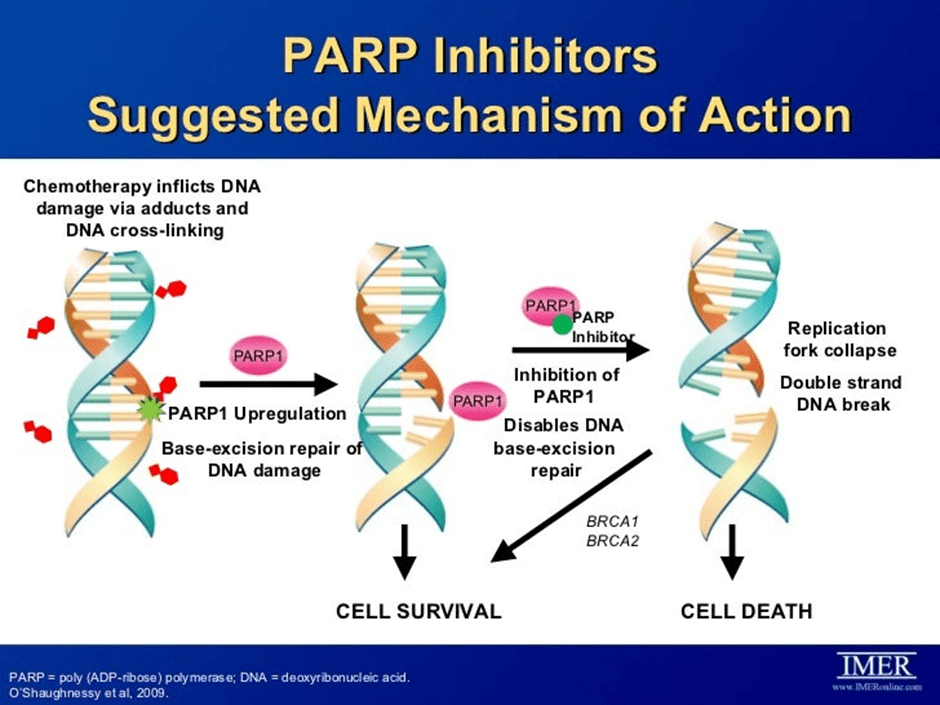
Olapirib
This is a type of PARP inhibitor (poly (ADP-ribose) polymerase (PARP) enzymes.
Olapirib forms complexes with the DNA of cancer cells, causing damage and stopping PARP from repairing the DNA.
They are commonly administered after chemotherapy with a platinum-based drug for maintenance.
Olaparib can be used to treat patients with BRCA1 and BRCA2 mutations.
It can also be combined with Bevacizumab to treat cancer cells with high genomic instability with or without BRCA mutation.
Other Examples Of Monoclonal Antibodies
Niraparib, which does not need a biomarker.
Rucaparib is useful for patients with or without BRCA mutations.
Kinase Inhibitors
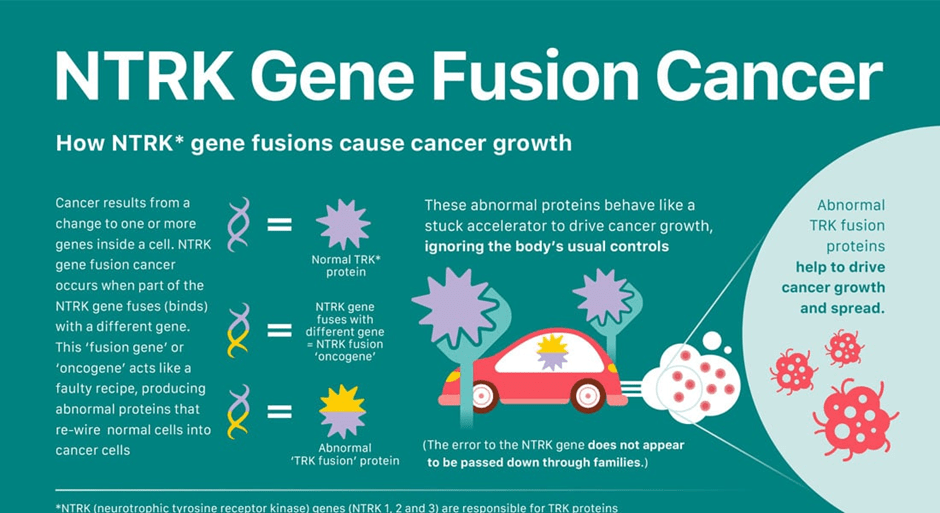
They target cells with NTRK fusions or RET. They are rare in ovarian cancers.
Neurotrophic Tyrosine Receptor Kinase (NTRK) genes encode and produce TRK proteins. TRK proteins are receptor kinases whose role is to regulate cell-to-cell communication in healthy tissues.
Mutations or rearrangements in the NTRK genes cause fusion to take place. This affects the structure and function of TRK, causing cancer cell growth.
Key examples of NTRK are Larotrectinib and entrectinib
Trametinib
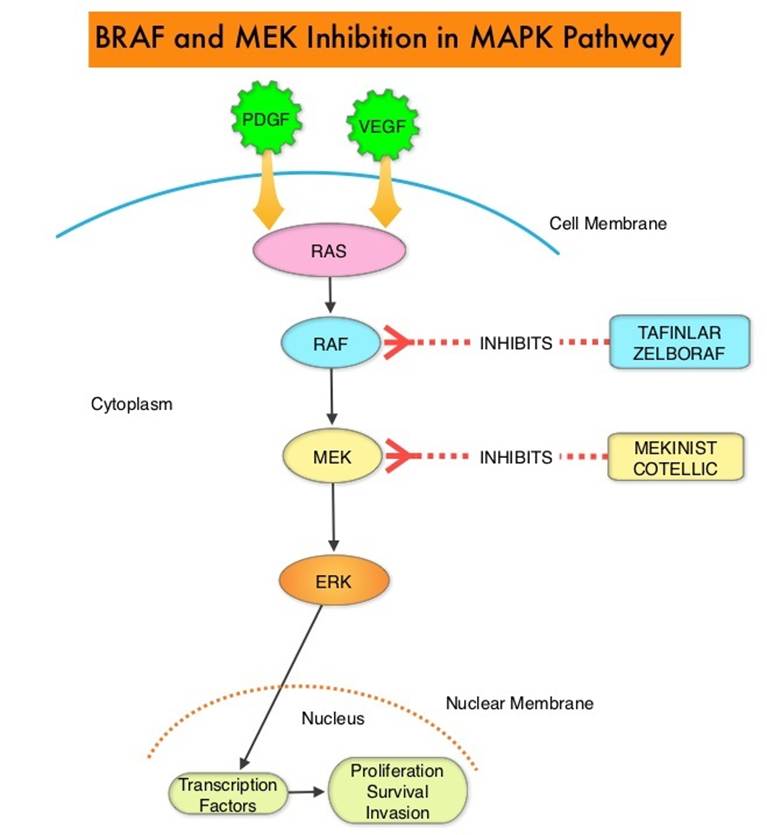
They are involved in the mitogen-activated protein kinase (MAPK) pathway that transmits a signal into the nucleus to regulate gene transcription of target genes involved in proliferation, growth, and survival to generate cellular response. BRAF is activated by upstream kinases RTK to activate MEK1/2.
When there is a change (mutation) in BRAF and MEK1/2, it causes abnormal growth of cancer cells. Trametinib blocks the abnormal MEK1/2. Trametinib is an MEK1/2 inhibitor.
Hormone Therapy
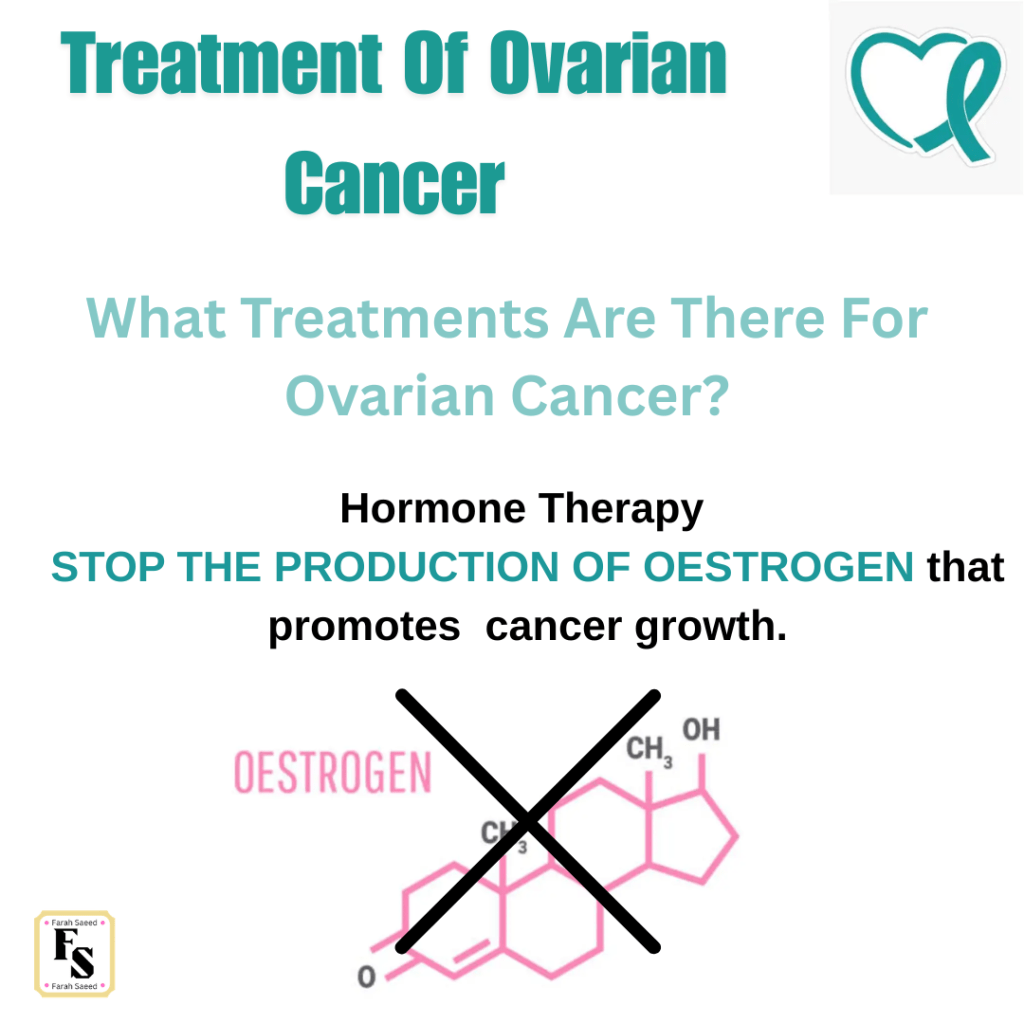
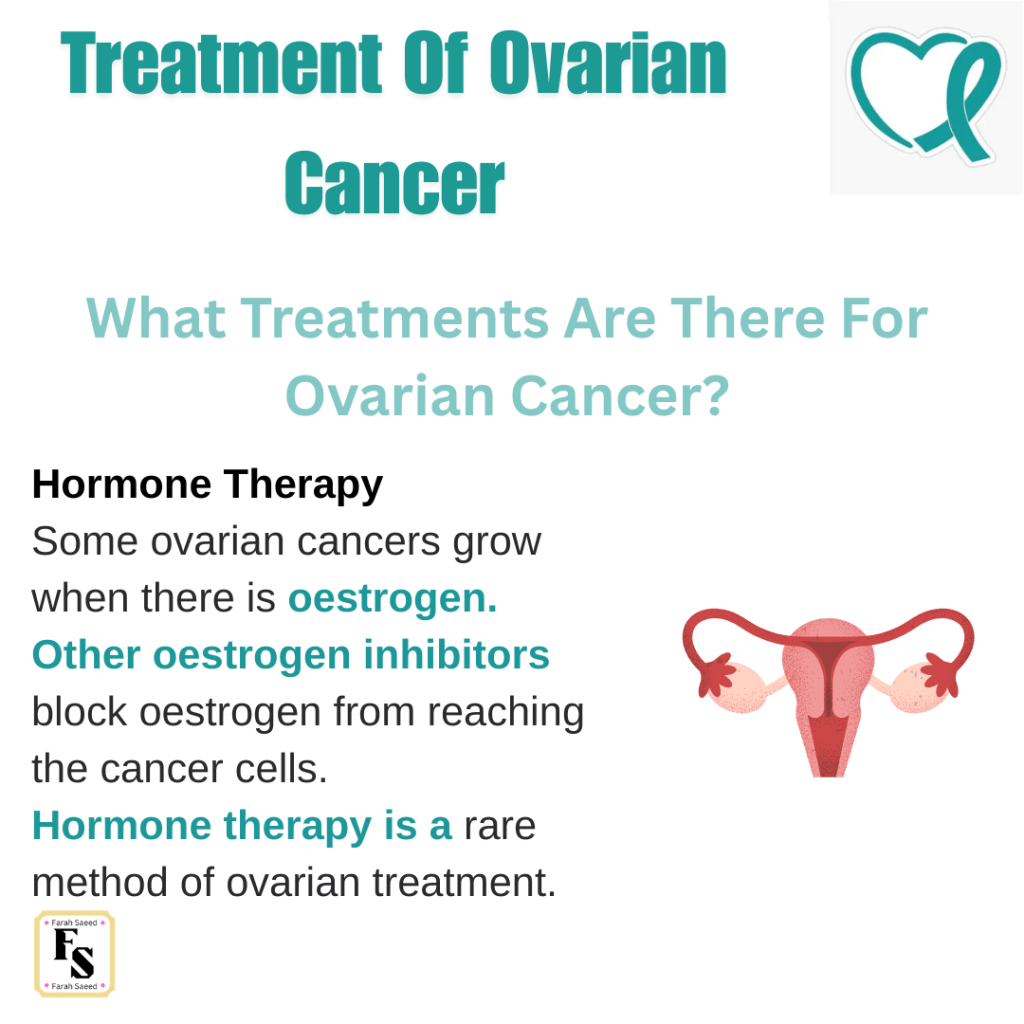
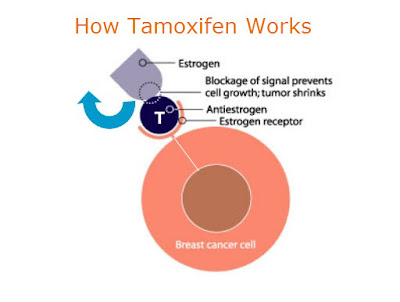
A key example is tamoxifen, which is used in the treatment of slow-growing epithelial cancers and rare or recurrent forms of ovarian cancers.
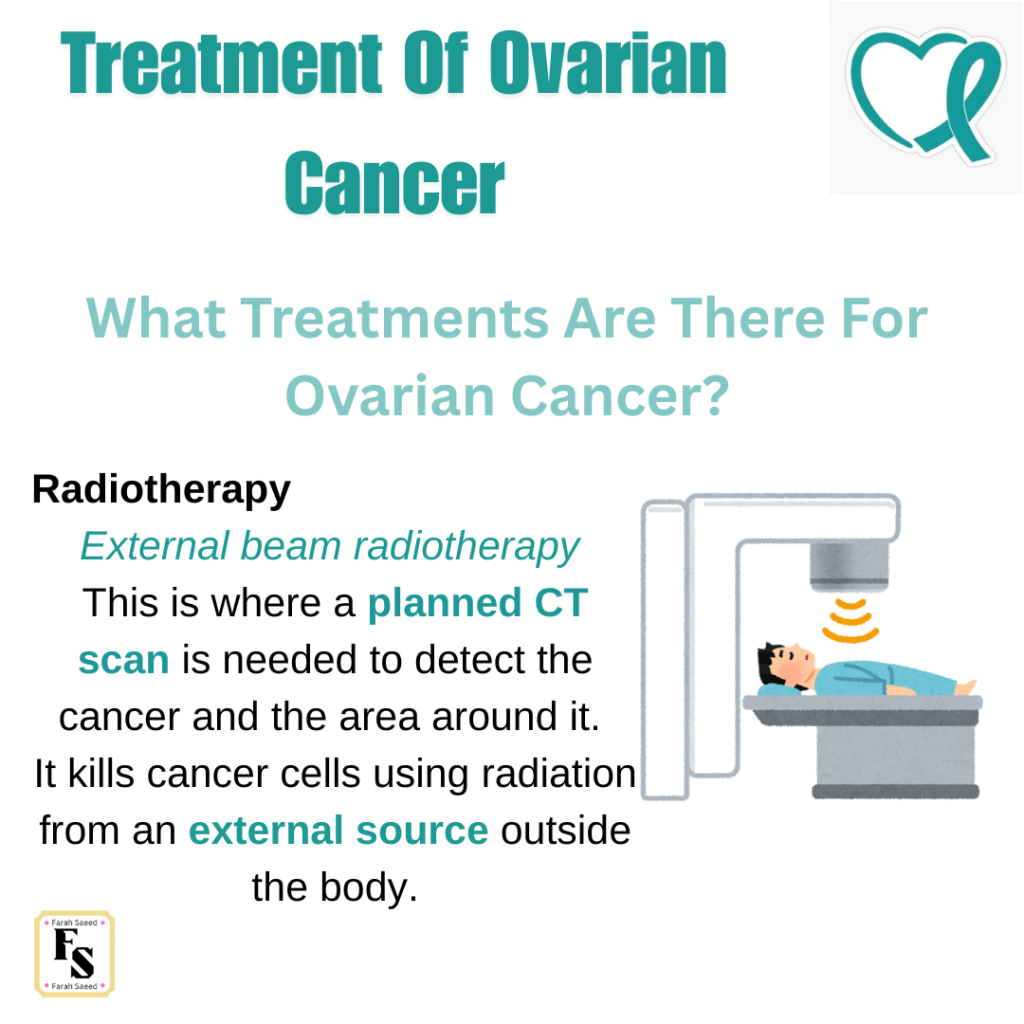
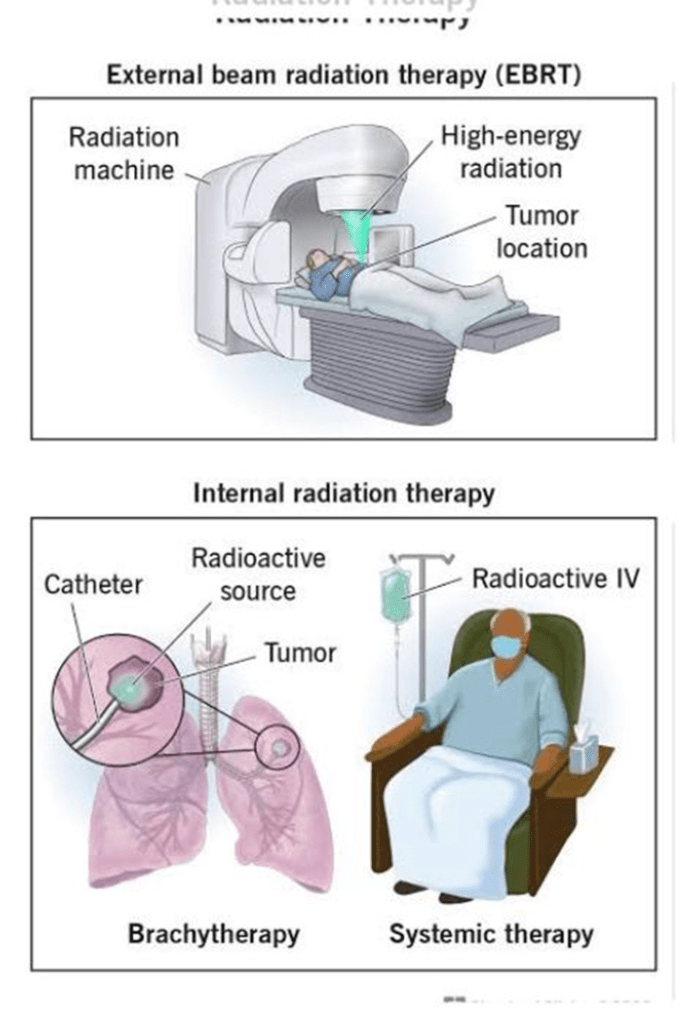
Radiotherapy
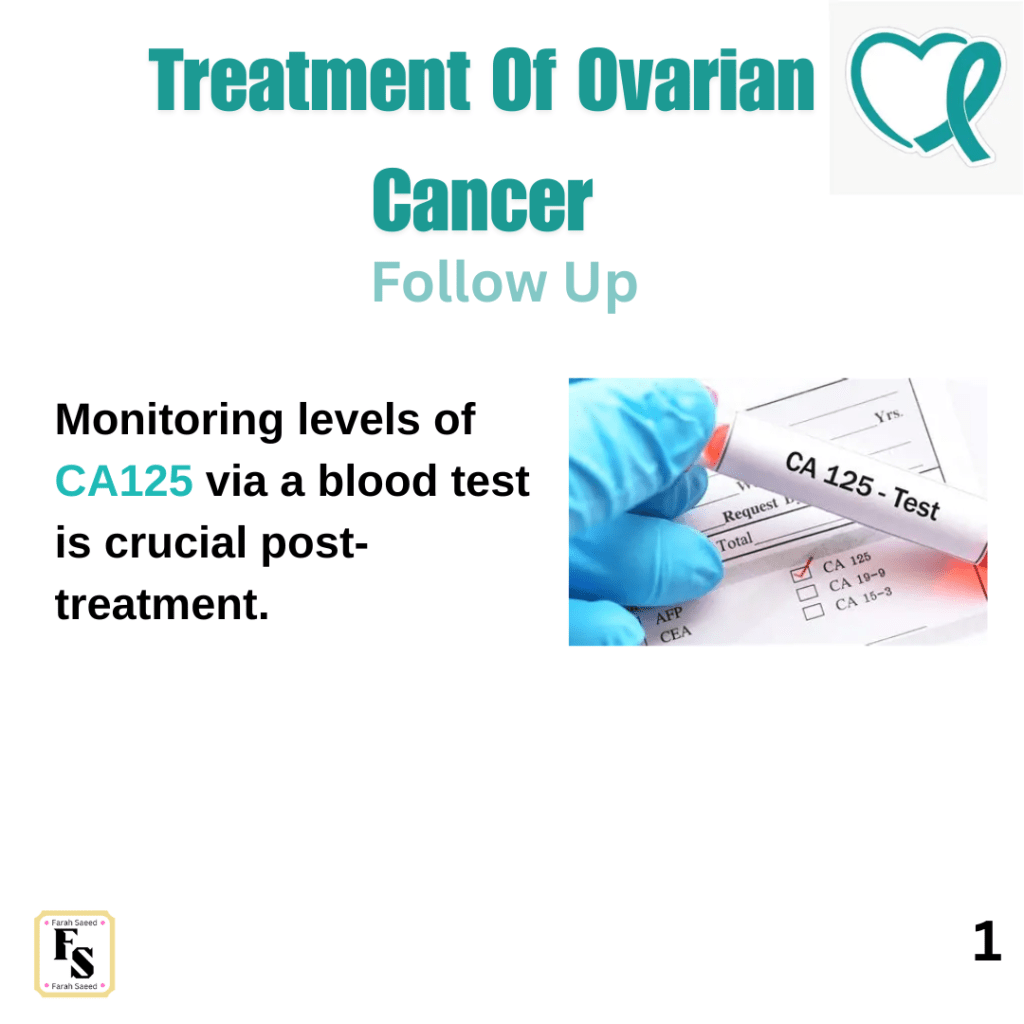
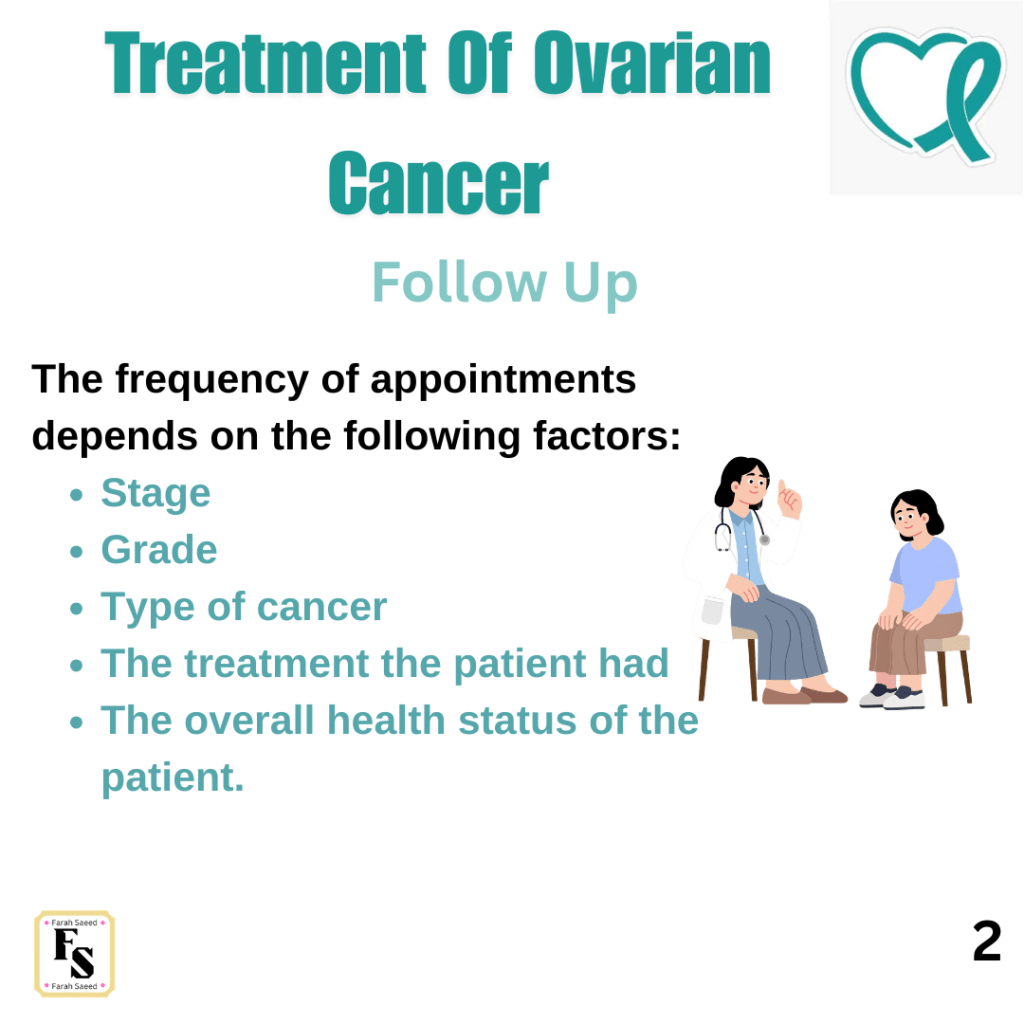
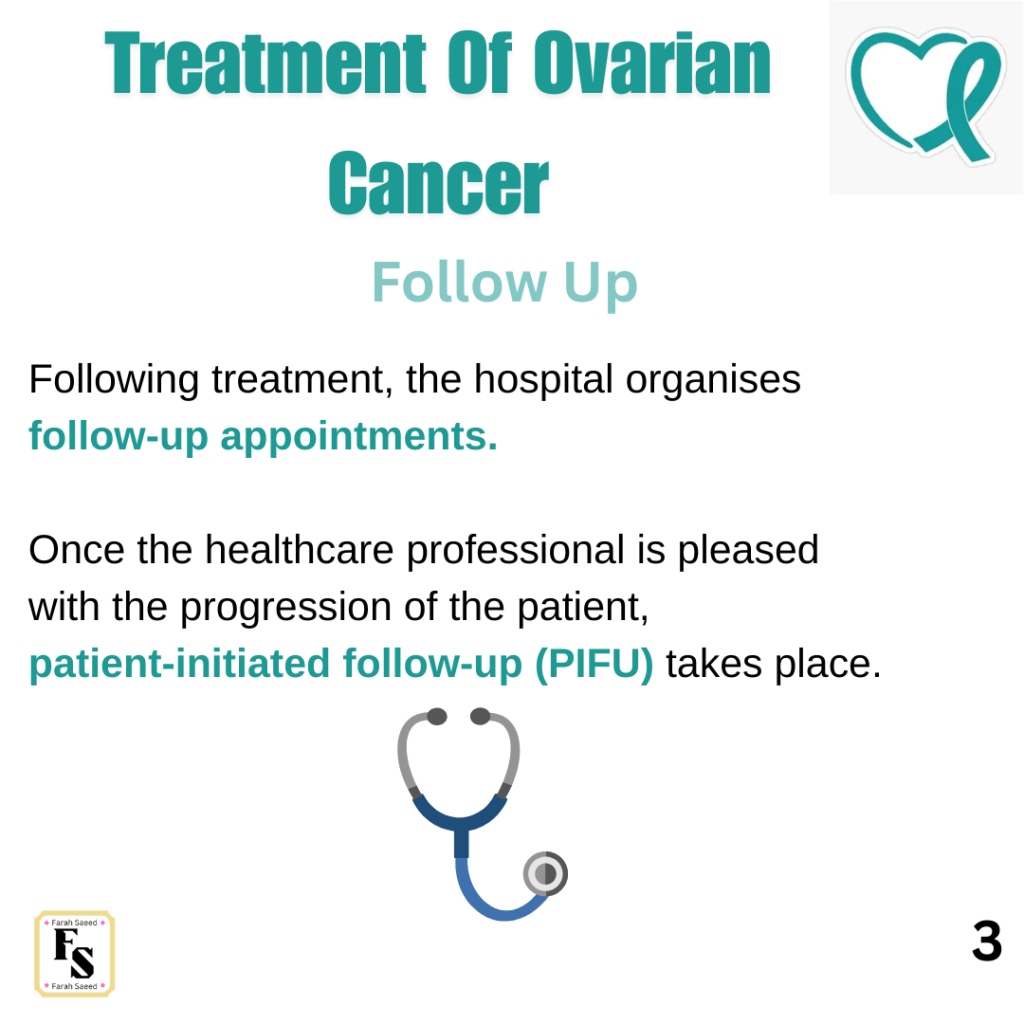
Follow Up Guidance
New Treatment Of Ovarian Cancer

References
Cancer Research UK (2024) Treatment options for ovarian cancer Available at: https://www.cancerresearchuk.org/about-cancer/ovarian-cancer/treatment/treatment-decisions (Accessed: 12th March 2026)
ElHawary, H., Covone, J., Abdulkarim, S. and Janis, J.E. (2023). Practical Review on Delayed Primary Closure: Basic Science and Clinical Applications. Plastic and Reconstructive Surgery – Global Open, [online] 11(8), pp.e5172–e5172. doi:https://doi.org/10.1097/gox.0000000000005172.
Genentech (2026) Neurotrophic Tyrosine Receptor Kinase (NTRK) Fusion-Positive Cancers. Available at: https://www.gene.com/patients/disease-education/neurotrophic-tyrosine-receptor-kinase (Accessed: 17th March 2026)
Lievore, E., Mistretta, F.A., Mattia Luca Piccinelli, Vaccaro, C., Tallini, M., Tozzi, M., Brescia, A., Bottero, D., Depalma, M., Petralia, G., Giulia Marvaso, Ceci, F., Fusco, N., Franco Nolè, Jereczek-Fossa, B.A., Orsi, F., Stefano Luzzago and Musi, G. (2025). Retroperitoneal lymph node dissection for testis cancer: a comparison between open and robot-assisted approach in oncological and surgical outcomes. European Journal of Surgical Oncology, 51(8), pp.110281–110281. doi:https://doi.org/10.1016/j.ejso.2025.110281.
Mendelson, A. (2024) Retroperitoneal Lymph Nodes Available at:https://radiologyinplainenglish.com/retroperitoneal-lymph-nodes/ (Accessed: 17th March 2026)
National Cancer Institute (n.d.) Olaparib Available at: https://dctd.cancer.gov/drug-discovery-development/reagents-materials/formulary/about/agents/olaparib (Accessed: 12th March 2026)
Ovarian Cancer Action (2026) Hormone Treatment Available at: https://ovarian.org.uk/ovarian-cancer/living-with-ovarian-cancer/ovarian-cancer-treatment/hormone-treatment/ (Accessed: 17th March 2026)
National Institute of Health, Care and Excellence (2023) Ovarian cancer: recognition and initial management. Available at: https://www.nice.org.uk/guidance/cg122/resources/ovarian-cancer-recognition-and-initial-management-pdf-35109446543557 (Accessed: 17th March 2026)
Useful Resources And Further Reading
MacMillan Cancer Support: Treatment
Ovarian Cancer Charity: Treatment
NICE guidelines for Ovarian Cancer
Updated March 2026 Next Review March 2028
 The Farah Saeed Project
Leave a comment