
Welcome to September Cancer Awareness Month

Polite notice: This page contains diagrams of the reproductive organs of males and females (private parts). It is for educational purposes on cancers that arise in those areas. Please ensure that when visiting the page, there is a sense of manners. We understand that in some cultures, there would be discomfort, but it is important to be aware of information about cancer.
About September Cancer Awareness Month
September Cancer Awareness Month, highlights a range of cancers, including urological, gynaecological, childhood, blood, and thyroid cancers. As with any cancer, recognizing signs and symptoms early, diagnosing promptly, and ensuring timely, multidisciplinary treatment are crucial for better clinical outcomes. At FST, our small, voluntary project aims to raise awareness among both the public and those working in cancer care for educational purposes.

Urological cancers, also known as genitourinary cancers, are a group of cancers that affect the urinary system and the male reproductive system (Meena, 2024). It is estimated that one in two people will be diagnosed with a urological condition in their lifetime, though not all these conditions are cancerous. Approximately 78000 cases per year are specifically associated with urological cancers (The Urology Foundation, 2025).
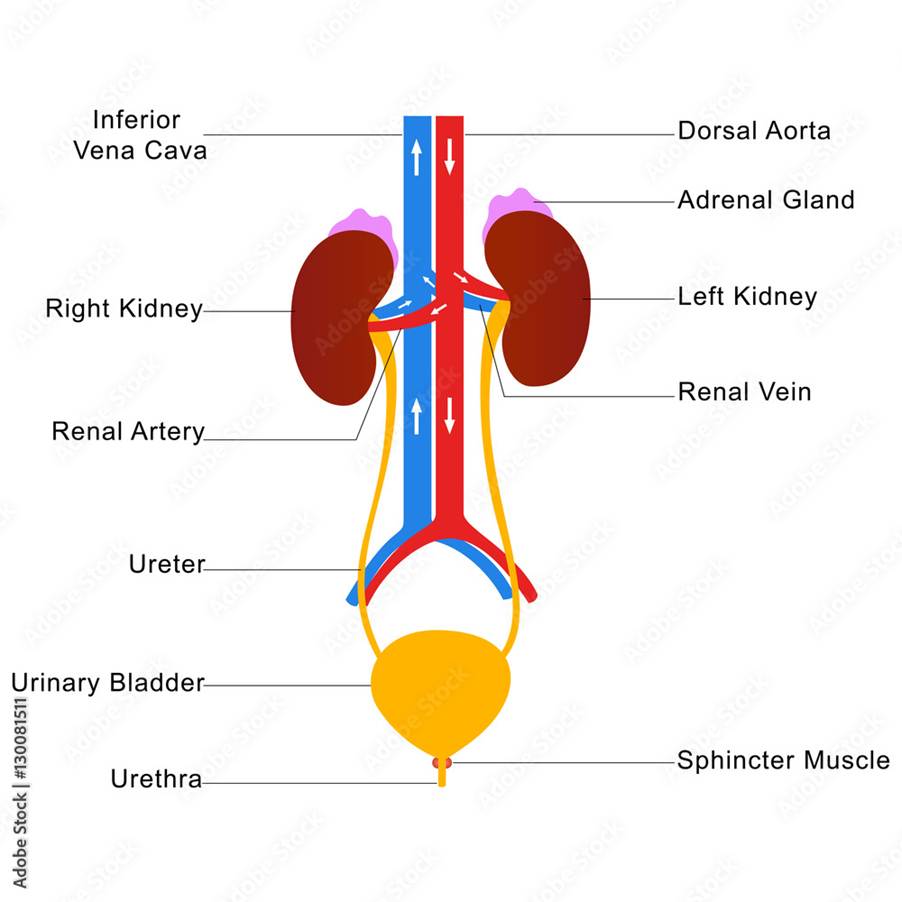
The urinary system is found in all genders and consists of the kidneys, bladder, ureter, and urethra, as presented in Figure 1. In some of the previous cancer months, you can find information on these topics with recommended links and educational resources. For instance, March is cancer awareness month for kidney and prostate cancer. Testicular awareness in April, whereas May is Cancer Awareness Month, is associated with bladder cancer.
The kidneys are a pair of bean-shaped organs at the back of the abdomen. They are below the dome-shaped muscle called the diaphragm. One kidney is present on each side of the spine. They function to ultrafiltrate the blood and produce urine. Urine contains nitrogenous waste, urea, a breakdown product of proteins from the liver. Other components of urine include water and salt ions to be excreted from the body. Tubes called ureters connect the kidneys to the muscular organ, the bladder, to transport urine. Urine is stored in the bladder. The process of removing urine from the body is referred to as micturition. During micturition, urine travels from the bladder through a smaller tube called the urethra. Sphincter muscles contract and relax depending on urine volume and pressure.
Catto et al. (2023) reported on the NHS England data on urinary cancers from 2013 to 2019. The cancer that had the most registrants was bladder cancer (128823). In 2019, 150816 patients were diagnosed with bladder cancer, where 75% (113067) were male. The predominant age group affected by bladder cancer was aged 75 years and above, representing 56.5% (85117) of cases. The main ethnicity affected was Caucasian, where it appeared for 91.7% of people (95553). The incidence rate for bladder cancer was between 32.7 and 34.3 per 100,000 population.
The least number of NHS registrants between 2013 and 2019 was cancers of the urethra (2533) with incidence rates in the range of 0.6 and 0.7 per 100,000 population (Catto et al., 2023).
Moreover, there were 16018 NHS patients registered with upper tract urothelial cancers (UTUC) between 2013 and 2019, where the kidney (renal pelvis) and ureter were mainly affected. The incidence rates for UTUC were ca. 8-fold and 6-fold lower than bladder cancer and urethral cancers, respectively. It was between 3.9 to 4.2 per 100,000 population (Catto et al., 2023). All three incidence rates of urinary cancers from the NHS Digital data provide an overview of the UK population. The incidence rates were stabilised and illustrate the need for bladder cancer to be better diagnosed and treated through radical treatment (Catto et al., 2023).
Bladder Cancer
According to the Urology Foundation (2025), bladder cancer is the most common urological cancer. it is estimated that more than 10,400 people are diagnosed with bladder cancer each year. It is the 11th most common type of cancer in men and women (The Urology Foundation, 2025). There are two main types of bladder cancer: non-muscle-invasive bladder cancer (NMIBC) that affects the inner lining of the bladder (urothelium) and does not influence the deeper tissues. In contrast, muscle-invasive bladder cancer (MIBC) can grow beyond the bladder, affecting other tissues and organs (Meena, 2024).
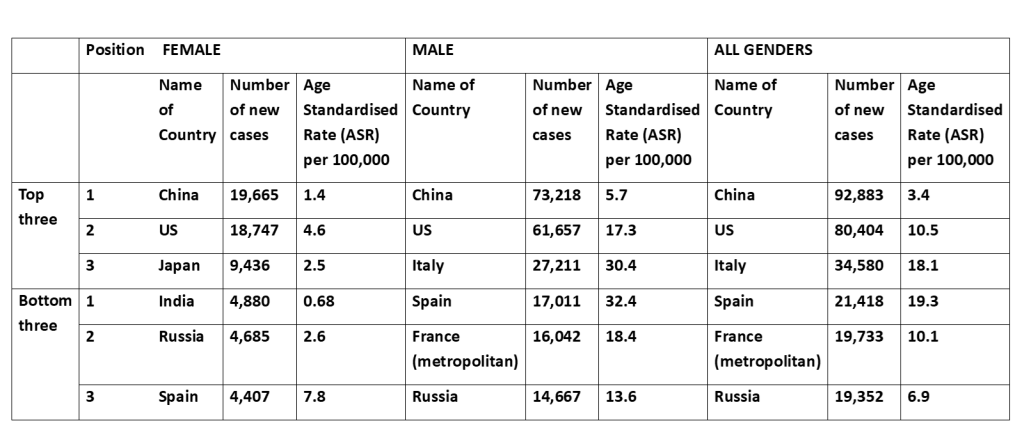
The International Agency for Research on Cancer (2024) has published a vital tool for researchers named the GLOBOCAN 2022 databases. This provides details on estimates of cancer incidence and mortality rates for 36 types of cancers and a combination of all cancer sites across 185 countries. The Age-standardized rates (ASR) are a measure of the rate of cancer that a population would have if there were a standard age structure. This helps to compare populations. A country with a high number of cases does not positively indicate a high ASR. The ASR is reported per 100,000 people. For example, if the ASR for a country was 10 per 100,000. This suggests there are 10 cases of cancer. On the other hand, if the ASR value for a country was 10 in a population of 10,000,000 (10 million), the number of cancer cases would be 100 (International Agency for Research on Cancer, 2024).
On a global scale, bladder cancer has moved from the 10th most common cancer to the 9th most common cancer. In 2022, there were 614298 people diagnosed with bladder cancer, an increase of 7.1% in 2020 (World Cancer Research Fund, 2025a). There were more cases in males (471293) than female (143005). This suggests that the incidence rates are increasing. The three countries with the highest number of cases are China (92883), the United States of America (80404), and Italy (34580), as presented in Table 1. The countries with the least number of cases are: Spain (21418), France (19733), and Russia (19352). There are 1950315 people living with bladder cancer after being diagnosed with cancer within 5 years (World Cancer Research Fund, 2025a).
Table 1: The three countries that had the highest and lowest number of bladder cases in 2022 worldwide.
Kidney Cancer
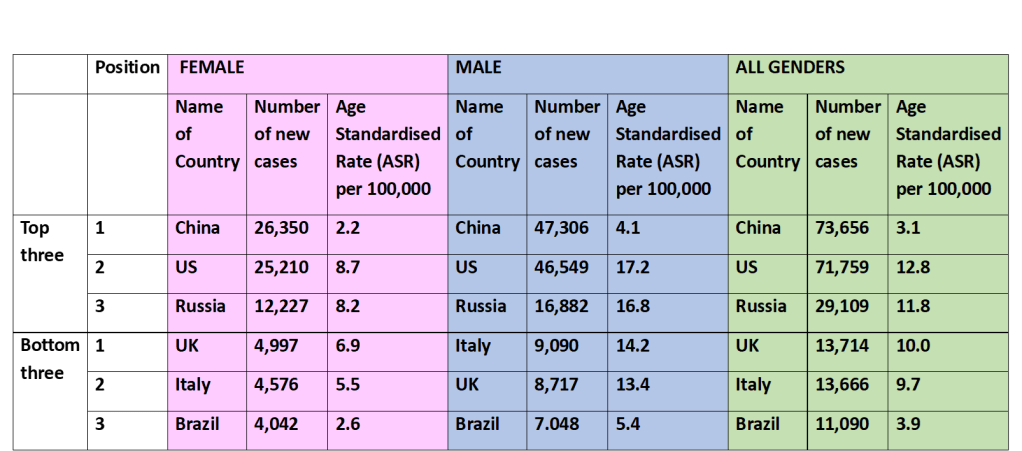
The recent incidence of cancers of the kidneys, otherwise known as renal cancer, is slightly higher, to the extent of having 13800 new cases. It frequently occurs in the elderly and males (The Urology Foundation, 2025). The main type of kidney cancer is renal cell carcinoma, representing 90% of cases (Meena, 2024).
On a global scale, kidney cancer is the 14th most common cancer worldwide. It is the 10th most common cancer in men and the 13th most common cancer in women. In 2022, there were 434,840 new cases of kidney cancer affecting males (277,800) than females (157040) (World Cancer Research Fund, 2025b). The three top countries with the highest number of kidney cancer cases are presented in Table 2. China (73,656), the United States of America (71,759), and Russia (29,109). The lowest number of cases was found in the UK (13,714), Italy (13,666), and Brazil (11,090).
Table 2: The three countries that had the highest and lowest number of kidney cancer in 2022 worldwide.
The Male Reproductive System
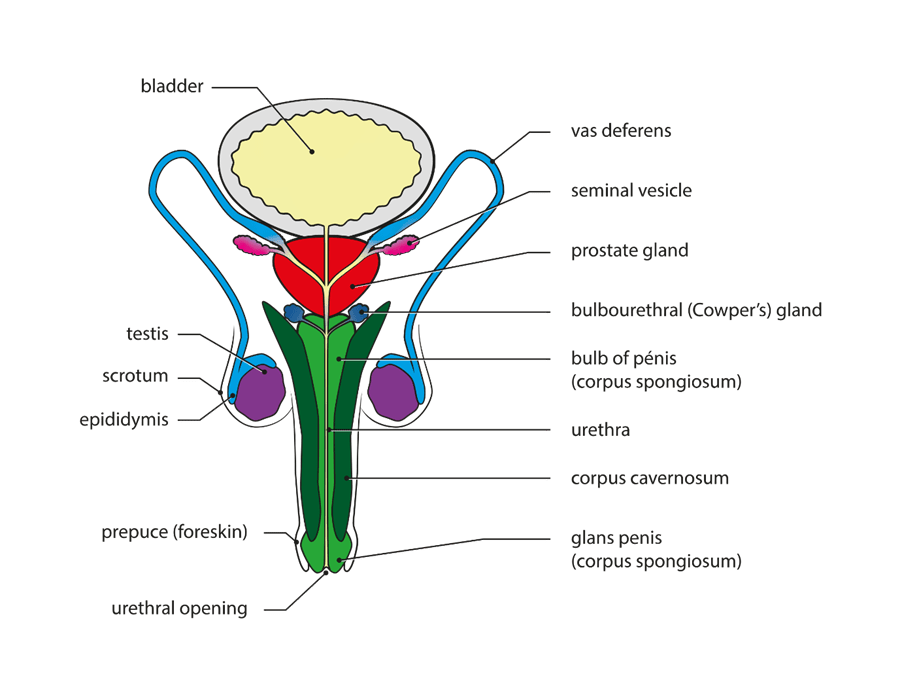
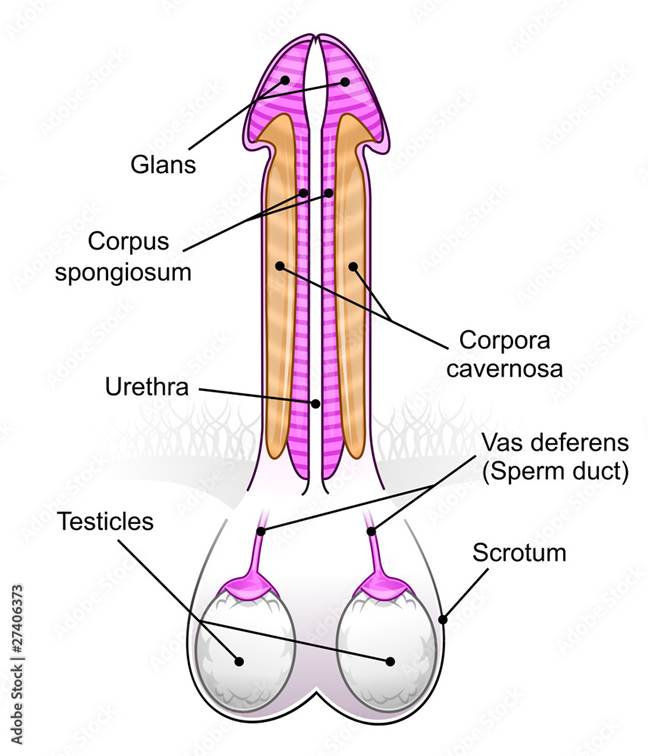
The male reproductive system consists of testicles, the penis, the prostate, and other glands. Please see Figure 2. The role of the testicles is to produce the male sex hormone, testosterone, which functions in male growth and development and secondary sexual characteristics. The penis consists of erectile tissue that becomes filled with blood and hardens during sexual intercourse/excitement. It also contains the urethra, where it has a dual function of either excreting semen or urine. Semen is a fluid that contains the male sex cells, sperm. The prostate gland produces the alkaline fluid and forms part of the semen. It is situated below the bladder. Therefore, some urological tumours are associated to the production, storage, and discharge of urine whilst other organs maximise sexual function.
Testicular Cancer
The Urology Foundation (2025b) announced there were 2400 annual cases of testicular cancer. The two main types of testicular cancer, seminomas, are slow-growing cancers that have a positive outlook in treatment. Non-seminomas are aggressive and require several different types of therapies (Meena, 2024). It commonly affects males aged between 15 and 45 years, where ca. 50% of cases were under 35 years. This illustrates that testicular cancer primarily affects younger males (Meena, 2024).
Cancer of the Penis (penile)
Cancer Research UK (2025a) announced there are approximately 760 new diagnoses of penile cancer on a yearly basis between 2017 and 2019 in the UK. They declared that 1 in 400 UK male patients with penile cancer were born in 1961. On the contrary, the Urology Foundation (2025) reported a much lower risk, where it affects 1 in 100,000 men overall and can be potentially fatal.
Moreover, despite the number of cases, it is a rare cancer in males that particularly affects those aged 90 years and above (Cancer Research UK, 2025a). On the contrary, a third of the cases (32%) arise in males aged 75 years and above between 2017 to 2019. The number of patients with penile cancer, particularly residing at the glans penis (top tip or end of the penis) or the foreskin and significantly increased by 37% in the early 1990s (The Urology Foundation, 2025; Cancer Research UK (2025a). Please see Figure 3. Further increase in incidence was shown in the past decade, with 25% (Cancer Research UK, 2025a). The estimated number of cases was considered to increase by 9% between 2024 and 2025 and between 2038 and 2040. By 2040, the approximate cases are 1100 annually. 75% of cases are associated with deprivation and poverty (Cancer Research UK, 2025a). Other contributing factors are genetics and lifestyle; 63% of cases are considered preventable.
Prostate Cancer
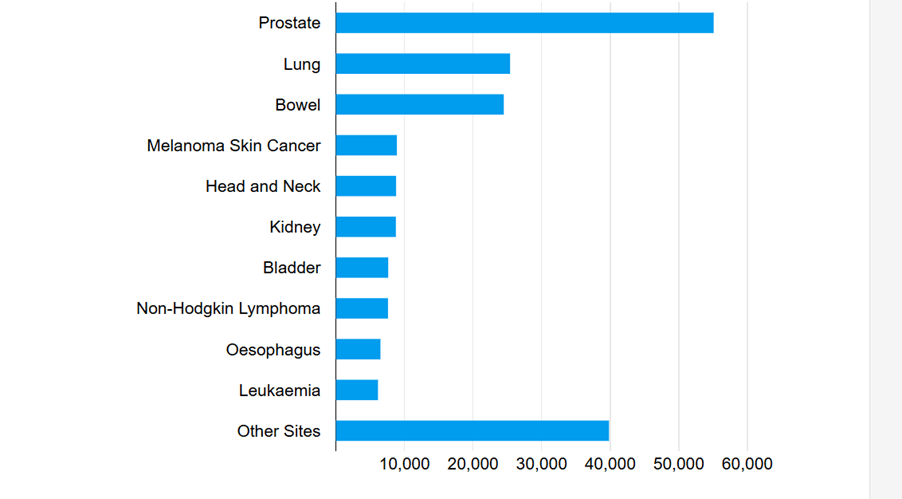
This is the most common type of cancer in UK males, where it is estimated that 1 in 8 men will be diagnosed with prostate cancer in their lives. Between 2017 and 2019, the annual average number of new cases of prostate cancer was 28% (55093). This is followed by lung and bowel cancer with 13% (25404) and 12% (24486), respectively. Collectively, all three cancers correspond to 53% of the annual average number of new cancer cases in UK males (Cancer Research UK, 2025b). This is illustrated in Figure 4. Non-melanoma skin cancers were excluded because of under-reporting. The number of cases for kidney cancer (8752) was higher than bladder cancer (7632) between 2017 and 2019 (Cancer Research UK, 2025b).
More recently, it is reported that there are more than 52000 men diagnosed with prostate cancer each year (The Urology Foundation, 2025a). 1 in 4 males of Afro-Caribbean descent in the UK will receive a prostate cancer diagnosis in their lifetime.
In 2021, the four types of cancers that account for 53% of the total number of new cases in the UK were breast (59517), Prostate 51,575, bowel (49914), and lung (48904) (World Cancer Research Fund, 2025c).
Figure 4: The annual average number of new cancer cases that affect males in the UK between 2017 and 2019 (Cancer Research UK, 2025b)
Recommended websites for further information on Urological Cancers
Here are recommended sites for further information on Urological Cancers:
All cancers
Cancer Research UK www.cancerresearchuk.org
Macmillan Cancer Support https://www.macmillan.org.uk/
National Health Service www.nhs.uk
Urological cancers
https://www.theurologyfoundation.org/
Bladder cancer
Kidney cancer:
Prostate cancer:
Testicular cancer:
https://www.testicularcancernetwork.co.uk/
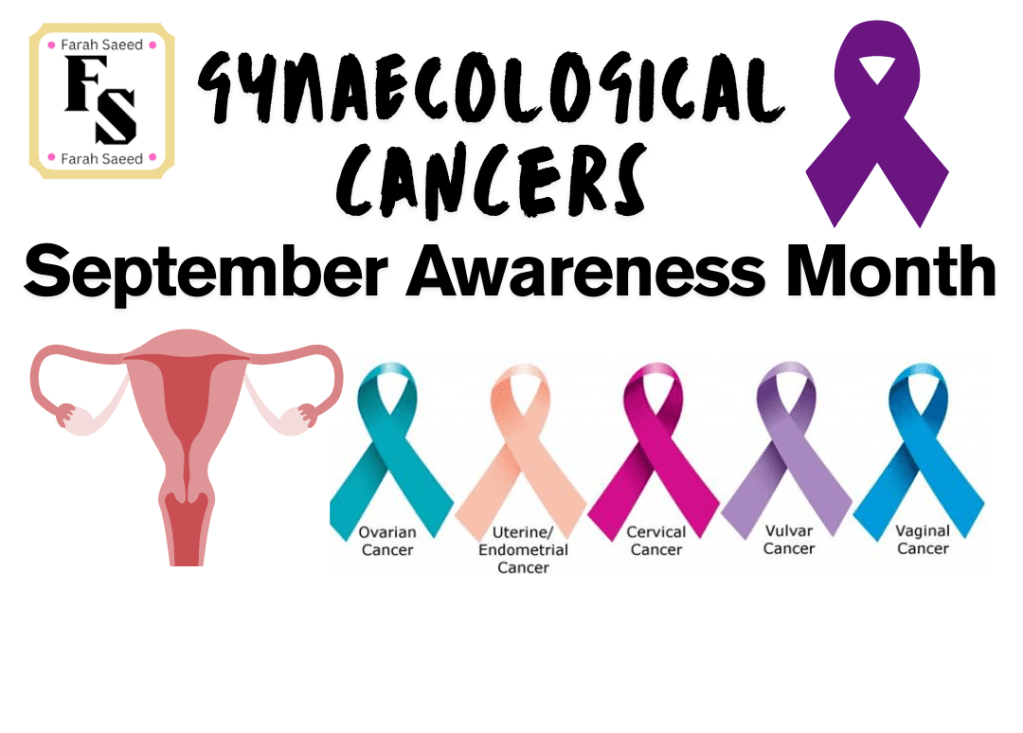
Gynaecological cancers are cancers that arise in the female reproductive organ system. The main cancers are: the ovaries, endometrial/uterine, cervix, vagina, and vulva. Please see Figure 5. Their normal function is in reproduction, period (menstruation), sexual intercourse/bonding, and giving birth. Some of the cancers of the female reproductive system are present in other cancer awareness months with specialised information. For example, January is cervical cancer awareness month, whereas March is ovarian cancer awareness month. The aim of the gynaecological cancers is to discuss the other forms of gynaecological cancers, namely, endometrial, vagina, and vulval.
Ovarian Cancer
Cancer of the ovaries is the 18th most common cancer worldwide and the 8th most common in women (World Cancer Research Fund, 2025d). The ovary is the main female reproductive organ. They are small oval-shaped glands that produce the female sex cells (eggs/ovum) and hormones (oestrogen) that regulate the menstrual cycle, female growth, development, and pregnancy. They are found in the lower abdomen, on either side of the uterus (womb).
The fallopian tubes (oviduct) are narrow tubes that connect the ovaries to the womb. They are the pathway through the egg, once matured, is released from the ovary. This is known as ovulation. The mature egg awaits in the fallopian tube to be fertilized by a male sex cell (sperm). Fertilization is the process by which the egg and sperm join. The fertilized egg adheres (sticks) and implants in the thickened uterine lining (Cleveland Clinic, 2022). If implantation does not take place, menstruation (period) happens. Additional hormones are released from the female reproductive system to maintain the menstrual cycle. Menopause is the stage when the production of female hormones in the ovaries steadily stops. This causes irregular periods and eventually halts. It commonly occurs in women above the age of 50 years on average.
Uterine/Endometrial Cancer
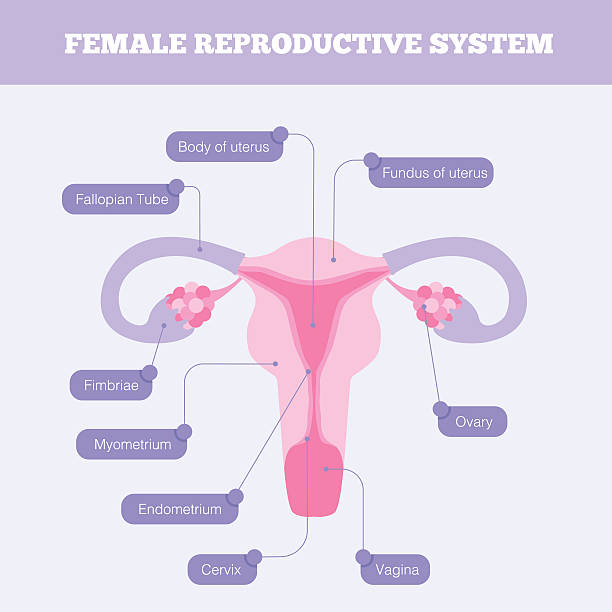
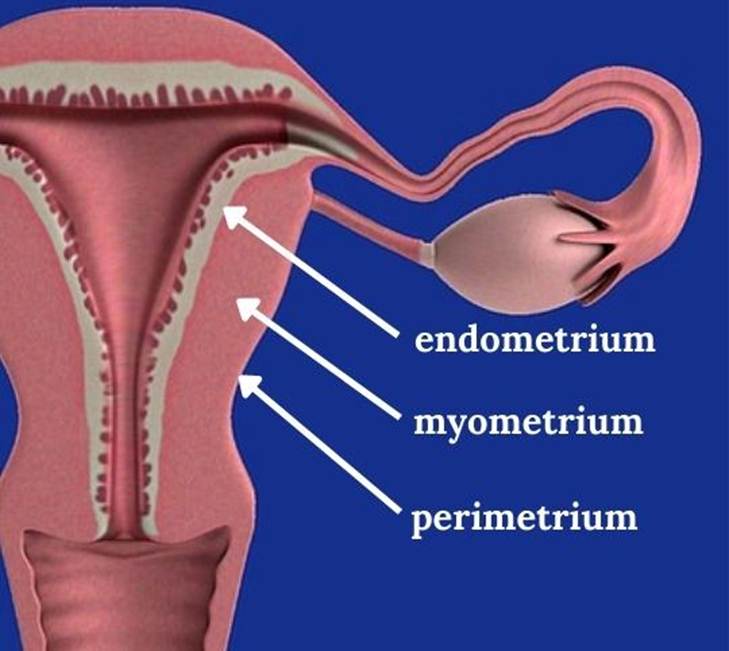
The uterus (womb) is a hollow, pear-shaped organ with several layers: peritoneum, myometrium (muscle), and endometrium. The purpose of the uterus is to hold the developing baby (foetus) during pregnancy. The larger area is referred to as the corpus that expands during pregnancy. The smaller area is the cervix (Cleveland Clinic, 2022). Please see Figure 6.
Endometrium is the mucous lining of the uterus and serves several functions: implantation, thicker, and blood supply. If it breaks down, it becomes a period (Cleveland Clinic, 2022). Endometrial cancer is the most common type of womb cancer (Cancer Research UK, 2025c).
Cervical Cancer
The cervical neck (cervix uteri) is at the lower end of the vagina. The cervical canal passes through the uterus (womb) and vagina. In vaginal childbirth, the cervix increases in size (dilates) (Cleveland Clinic, 2022).
Vaginal and Vulva Cancer
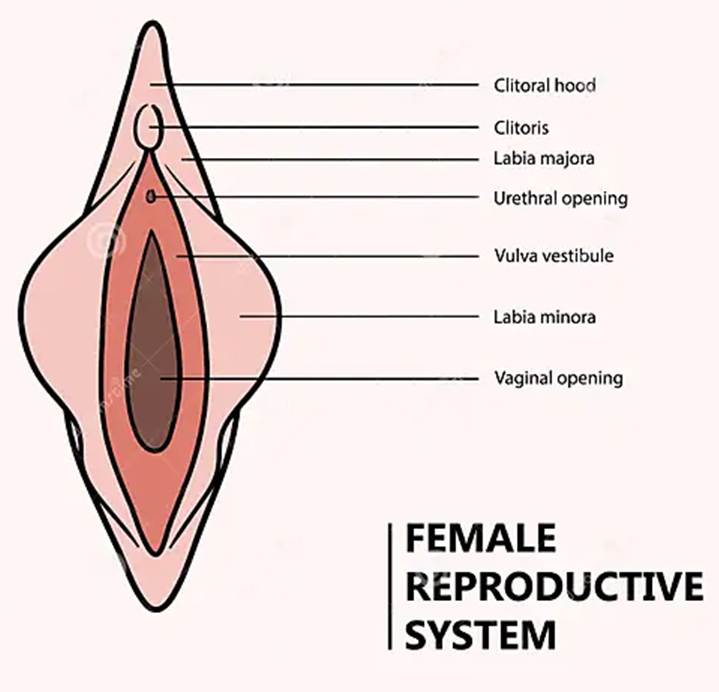
Vagina is the muscular tube that receives the semen during ejaculation, where the sperm passes through the cervix and into the uterus to fertilize the egg cell in the fallopian tube. The vagina is lined with mucous membranes that help keep it moist. The opening of the vagina is covered by a tissue covering called the hymen formed at birth. Please see Figure 7. The vaginal opening allows menstrual blood and the baby to leave the body (Cleveland Clinic, 2022).
The vulva has external genital flesh folds that surround the opening of the vagina and urethra. Labia majora are the larger folds that protect the external reproductive organs. The labia minora are the folds that are found within the labia majora and surround the vaginal opening. Please see Figure 7. They meet at a sensitive structure called the clitoris, which is covered with prepuce (Cleveland Clinic, 2022).
The risk factors and symptoms of gynaecological cancers differ, and risk increases with age in combination with genetic factors and lifestyle factors. For example, women aged over 55, especially those with menopause, are at risk of ovarian cancer. Obese women have higher rates of endometrial cancer (University of Alabama Birmingham, 2025).
Gynaecological Cancer Statistics
In 2022, there were more cases of cervical cancer (662,301) than endometrial cancer (420368) and ovarian cancer (324603) globally (World Cancer Research Fund, 2025d; 2025e; 2025f). In the female population, ovarian, endometrium, and cervical cancers are the 8th, 15th, and 4th most common cancers, respectively (World Cancer Research Fund, 2025d; 2025e; 2025f).
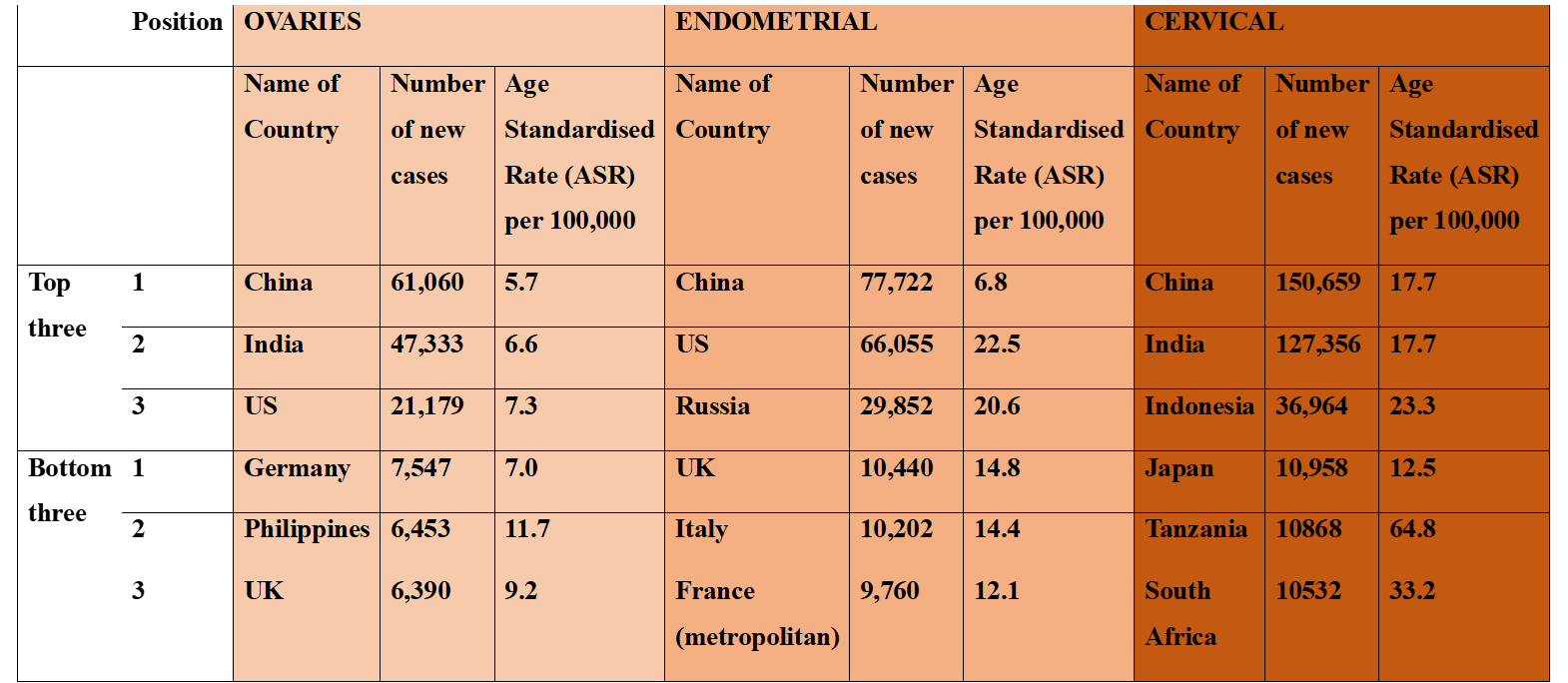
According to World Cancer Research Fund (2025d; 2025e; 2025f), China is the predominant country with the highest incidence of cancer of the ovaries (61,060), endometrium (77722), and cervix (150,659). Please see Table 3. The country with the least incidence varies per cancer: the United Kingdom for Ovarian cancer (6390), France for endometrial cancer (9760), and South Africa for cervical cancer (10532). There was no reporting for vagina or vulva. However, on a global scale and in general, vulva is the 29th most common cancer with 47336 cases, and Vagina is the 33rd most common cancer (18,819) in 2022 (World Cancer Research Fund (2025g).
Table 3: The three countries that had the highest and lowest number of gynaecological cancer cases in 2022 worldwide (World Cancer Research Fund. 2025d; 2025e; 2025f)
The Cancer Research UK (2025e) statistics between 2017 and 2019 revealed that the most frequent cancer in UK females was endometrial cancer, and it is in 4th position of the 20 most common cancers in women. Please see Table 4. This is followed by ovarian cancer at the 6th position (Cancer Research UK, 2025d).
Simultaneous positions were presented in the most recent incidence data published in 2021 by the World Cancer Research Fund (2025c). However, the most common cancers in the UK in both females and males in 2021 have been shifted to 11th position for endometrial cancer with 10617 cases, whereas ovarian cancer was in 14th position with 7070 cases (World Cancer Research Fund, 2025c).
Moreover, there is a similarity between the peak age group for ovarian and endometrial cancers, where females aged 75 to 79 years were most at risk in the UK. However, the prognosis over the past decade in the incidence rate has shown a distinct double-edged sword. There was a decrease by 6% in ovarian cancer but an increase of 9% in endometrial cancer (Cancer Research UK, 2025c; 2025d).
There is also variation in the outcomes of estimated rates between 2023 and 2025 and 2038 and 2040 in the UK. An approximate 5% increase and 2% decrease for ovarian and endometrial cancers, respectively. A possible explanation is that the rising incidence of obesity in post-menopausal women is a contributing risk factor for both cancers alongside other lifestyle factors, adding risks (Cancer Research UK, 2025c; 2025d).
On the other hand, both vaginal and vulva are not amongst the 20th common cancers in the UK. This illustrates the rarity of having less than 1% of all new cases. Both cancers have the tendency to affect many elderly women, where the peak age being 85 to 80 years for vaginal cancer and above 90 years for vulva cancer (Cancer Research UK, 2025h). Conversely, this does not eliminate the possibility that vaginal and vulval cancers do not appear at 75 years and above. There are more cases occurring in females aged 75 years and above with vulval cancer (42%) compared to (35%) with vaginal cancer (Cancer Research UK, 2025g; 2025h).
Nonetheless, there has been stability over the past decade for both cancers, vagina, and vulva, despite variation in their anatomical location, where the vulva is external and the vagina is internal. Cancer Research UK estimated there would be a reduction by 15% in the number of cases attributed to vaginal cancer and a rise of 5% between the years 2023 and 2025, and 2038 and 2040. There is a possibility of 220 and 2000 cases of vaginal and vulval cancers by 2038 and 2040, respectively (Cancer Research UK, 2025g; 2025h).
The youngest peak age group in females with gynaecological cancers is cervical cancer between 30 and 34 years. It has also shown stability in incidence over the past decade, like vaginal and vulva cancers. From 2017 to 2019, the number of cervical cancer cases was 3256, which accounts for 2% of cancers arising in the female population.
Table 4: The incidence rates affecting the UK female population between years 2017 and 2019 (Cancer Research UK, 2025d; 2025e; 2025f; 2025g; 2025h)

Recommended websites for further information on Gynaecological Cancers
Here are recommended sites for further information on Gynaecological cancers:
All cancers
Cancer Research UK www.cancerresearchuk.org
Macmillan Cancer Support https://www.macmillan.org.uk/
National Health Service www.nhs.uk
Gynaecological cancers:
Uterine cancer:
Ovarian cancer:
Ovarian Cancer https://ovarian.org.uk/
Target Ovarian Cancer: https://targetovariancancer.org.uk/
Thyroid cancer originates in the thyroid gland situated at the lower part of the neck. It consists of two lobes on either side of the windpipe (trachea). Please see Figure 8. The isthmus is the joining part and is sometimes considered the third lobe. It secretes thyroglobulin that produces iodine-containing hormones: thyroxine and triiodothyronine. The thyroid hormone regulates metabolism, mental and physical development. Thyroid cancers are rare in the UK and occur more frequently in women than men (National Health Service, 2023).
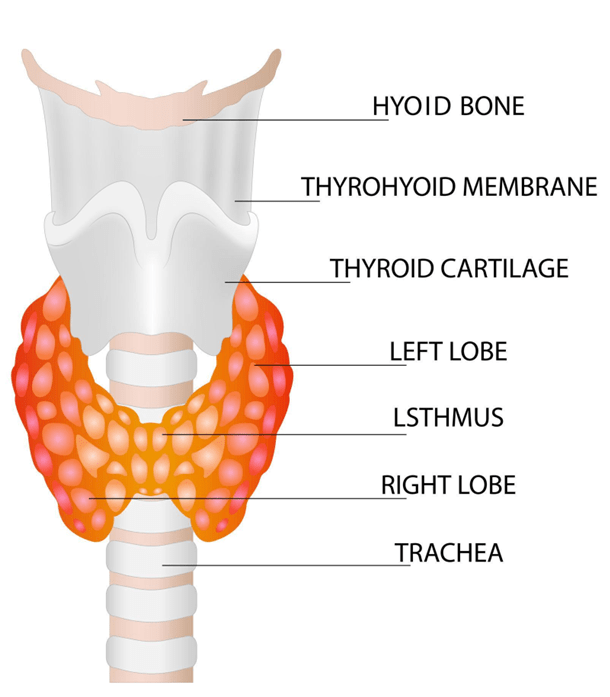
The Cancer Research UK (2025i) declared thyroid cancer is the 20th most common cancer in the UK, and there are 4000 new cases annually between 2017 and 2019. It accounts for 1% of new cancer cases. However, their position in commonality depends on the gender. In females, it is the 15th most common cancer with 2900 cases. However, in males, the number of cases is lower, with 1100 cases, and it is the 20th most common cancer. The peak age group diagnosed with thyroid cancer is between 70 and 74 years. 11% of thyroid cancer cases were for people aged 75 years and above. By 2035, the number of cases will increase to 11 per 100,000 (Cancer Research UK, 2025i).
The GLOBOCAN 2022 revealed that thyroid cancer is ranked seventh with 821214 cases worldwide. The highest number of cases was in Asia with 72.6% of all cases (596599) (Ferlay et al., 2024). This is higher than the number of diagnosed patients with thyroid cancer in 2020 (586202) (Shank, Are, and Wenos, 2021). Countries with a high Human Development Index (HDI) are where most cases are discovered. HDI is defined as the socioeconomic status of a country with several important parameters: life expectancy at birth, literacy rates for adults, tertiary education enrolment, and gross domestic product (Shank, Are, and Wenos, 2021).
In 2022, the lowest number of people diagnosed with thyroid cancer was in the continent of Oceania (0.6%, 5046 cases) (Ferlay et al., 2024). On the contrary, the Western Pacific, holding 25.4% of the world’s population in 2020, had the highest incidence with 47.6% of cases at the time (Shank, Are, and Wenos, 2021). It is estimated that incidence rates will increase by 29.9% by 2040, with the African continent expected to 84.3% as incidence by 2040 (Shank, Are and Wenos, 2021). This illustrates that there is variation in socioeconomic status and geographical location. In countries with high HDI, have an elevated incidence, whereas high mortality rates are predominantly found in countries with low HDI. The latter is due to access to care, environmental exposure to ionizing radiation, access to imaging utilization, and iodine deficiency.
It is estimated that by 2040, there will be a 29.9% increase in world thyroid cancer incidence from 586,000 in 2020 to 761,000 in 2040. Females will have more cases but a lower percentage increase compared to males. For females, the number of cases in 2020 shifts from 449000 to 576000 in 2040, with an ultimate 28.4% increase. On the other hand, there is a 34.8% increase in the male population with thyroid cancer, and it will rise from 137,000 in 2020 to 185000 in 2040 (Shank, Are, and Wenos, 2021).
Recommended websites for further information on Thyroid Cancers
Here are recommended sites for further information:
All cancers
Cancer Research UK www.cancerresearchuk.org
Macmillan Cancer Support https://www.macmillan.org.uk/
National Health Service www.nhs.uk
Thyroid cancers:
Butterfly: https://www.butterfly.org.uk/

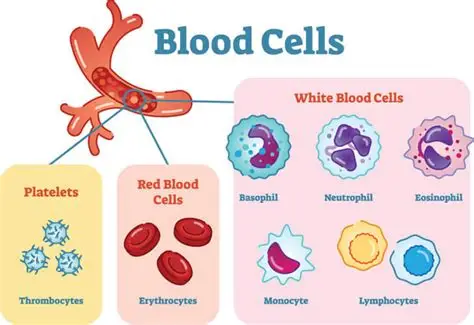
Blood is a fluid that goes around the body via blood vessels to organs and tissues. The three major categories are White blood cells (leukocytes) are part of the immune system that fight off infection. Red blood cells carry oxygen around the body. It contains a red iron-containing pigment called haemoglobin that binds to oxygen to deliver it to organs. Oxygen is needed to help provide energy. Platelets help to clot the blood, avoiding excessive blood loss during injury. Please see Figure 9. The blood cells represent 40% of the total blood volume.
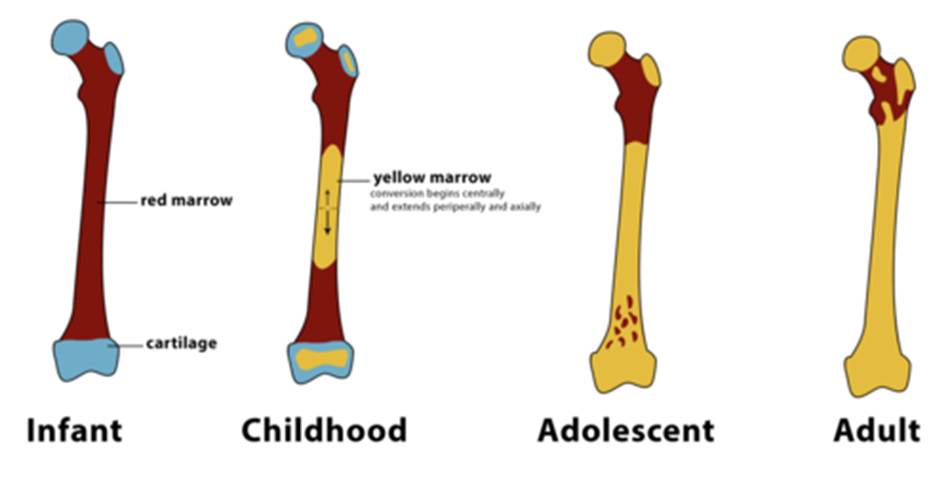
Blood cancer affects the blood cells and bone marrow. The bone marrow is a soft and spongy tissue inside the bones where blood cells are produced. At birth, they are filled with red marrow called myeloid tissue but later in life, the limb bones are replaced by yellow marrow (fat). Please see Figure 10. The bone marrow affects how cancer originates and how efficiently the blood cells work. The main types of blood cancers that affect the bone marrow and lymphatic systems are: leukaemia, lymphoma, and myeloma.
Leukaemia
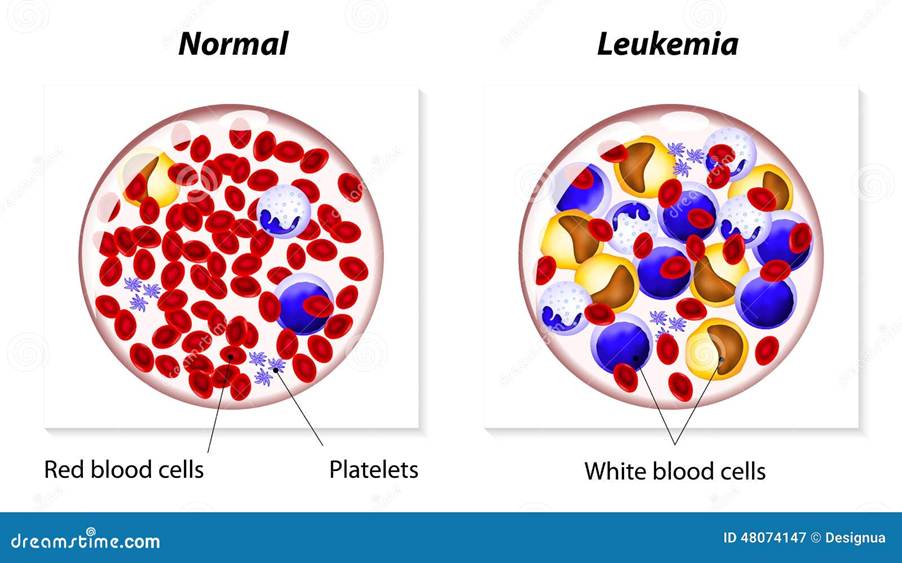
Leukaemia is a cancer characterised by the overproduction of immature or abnormal white blood cells. Please see Figure 11. Consequently, these cells suppress the normal production of white blood cells, red blood cells, and platelets. This affects the immune response and ability to fight off infection. The type of leukaemia is based on two main factors: the type of white blood cells and whether it is acute (grows quickly) or chronic (grows slowly). For example, chronic lymphocytic leukaemia affects the lymphocytes.
Cancer Research UK (2025j) announced that all types of leukaemia collectively are the 12th most common cancer in the UK, with 10,300 cases. This accounts for 3% of all cancers between 2017 and 2019. The position varies by sex/gender. For females, it is ranked the 12th most common cancer (4200). However, males have more cases (6100), and it is the 10th most common cancer. The main age group at risk is between 85 and 89 years. However, 38% of cases occur in patients who are diagnosed with leukaemia aged 75 years. Some types of leukaemia are also diagnosed in children. Over the decade, there was stability in the incidence with an estimated type to fall by 3% between 2023 to 2025 and 2038 to 2040 with a suggested estimate of 14500 people diagnosed with leukaemia.
Globally, leukaemia in general were the 13th most common cancer in 2022, with 487294 worldwide. Most of the cases are attributed to males (278,120) and are considered the 9th most common cancer. On the other hand, females are in 12th position, with 209174 cases (World Cancer Research Fund, 2025g).
Lymphoma
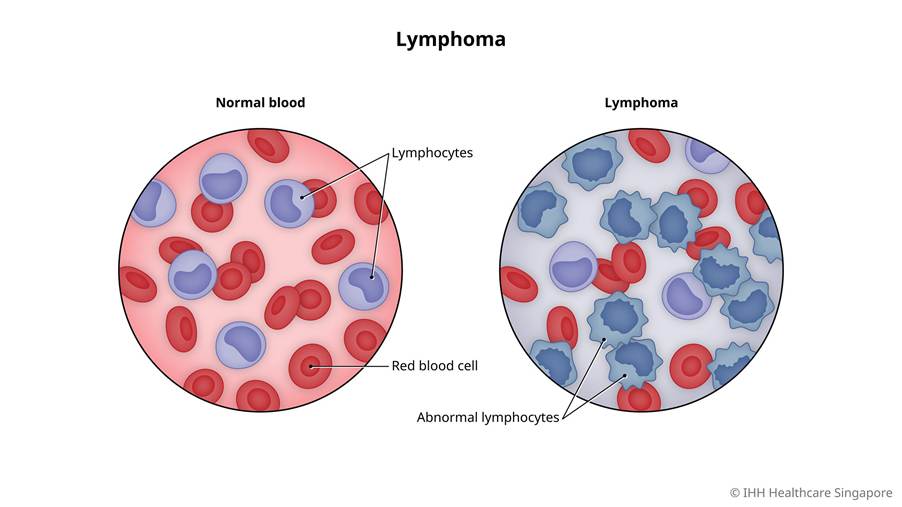
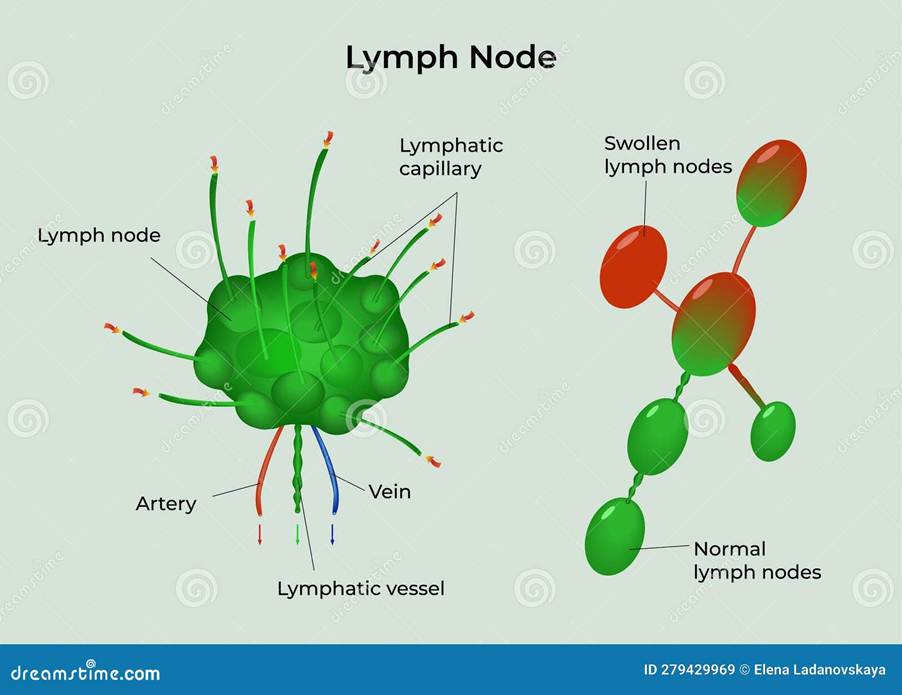
Lymphoma is a cancer that affects the lymph nodes. Lymph nodes are filtering structures that carry the lymph. The lymph is a fluid that contains lots of white blood cells and antibodies. Patients with lymphoma are characterised by abnormal lymphocytes, a type of white blood cell. Please see Figure 12. Another common symptom is enlarged swollen lymph nodes. This hinders or diminishes the immune response. Please see Figure 13.
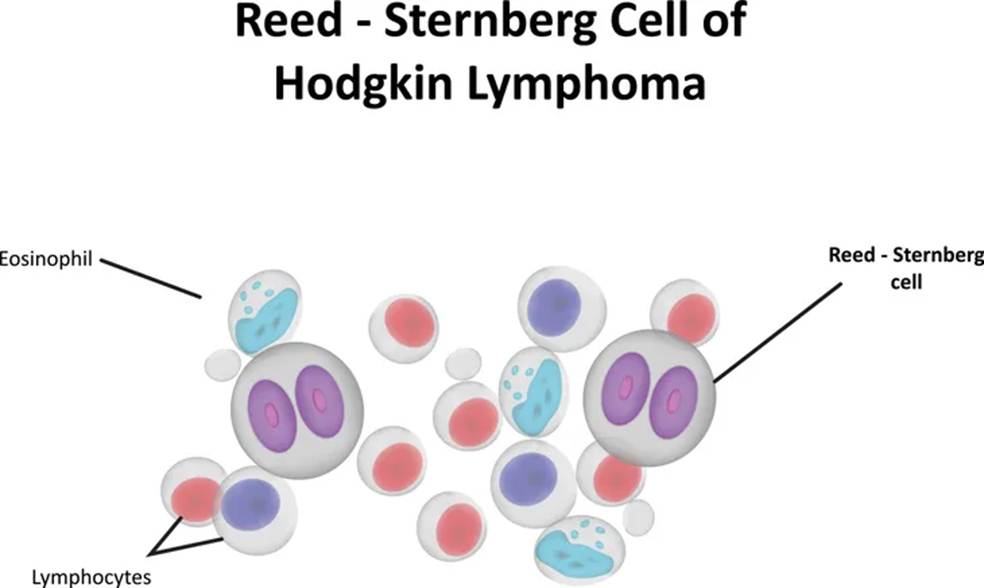
The differentiation between Hodgkin’s and Non-Hodgkin’s lymphoma is the presence of Reed-Sternberg cells in the lymph nodes. Reed-Sternberg cells are large and binucleated cells. Please see Figure 14. Globally, there are 553389 cases attributed to both sexes worldwide for non-Hodgkin’s lymphoma in 2022. This is 6.71-fold higher than Hodgkin’s lymphoma (82469) for both sexes estimated in the same year. Non-Hodgkin’s lymphoma is the 10th most common cancer for both sexes worldwide, but in 26th position it is Hodgkin’s lymphoma worldwide (World Cancer Research Fund, 2025g).
Moreover, when observing the effect of gender on the incidence of lymphoma, males have a higher incidence than females. For men, non-Hodgkin’s lymphoma is the 8th most common cancer (311,375) compared to the 22nd most common cancer for Hodgkin lymphoma (48774) in 2022 (World Cancer Research Fund, 2025g).
On the contrary, non-Hodgkin lymphoma is the 10th most common cancer for the female population worldwide (242014). There are fewer cases of Hodgkin Lymphoma and it is ranked the 23rd most common cancer (33695) worldwide (World Cancer Research Fund, 2025g).
Nationally, in the UK, the World Cancer Research Fund (2025c) announced non-Hodgkin lymphoma is the 6th most common cancer with 14512 cases for both genders. There were no reports of Hodgkin lymphoma. Most men were affected (7674 cases) compared to the females (5838 cases). This illustrates the relationship between gender and the incidence of lymphoma. Hypothetically, the reason for the difference by sex/gender for lymphoma is associated with lifestyle, hormonal, and genetic factors.
Myeloma
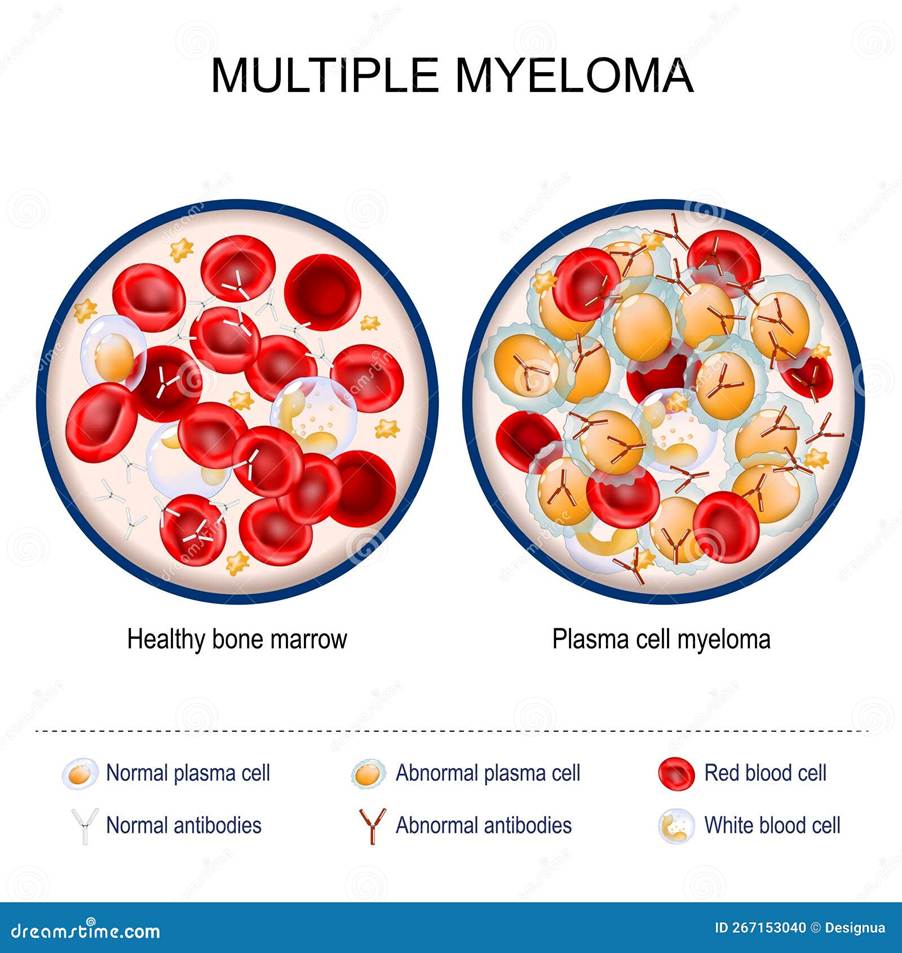
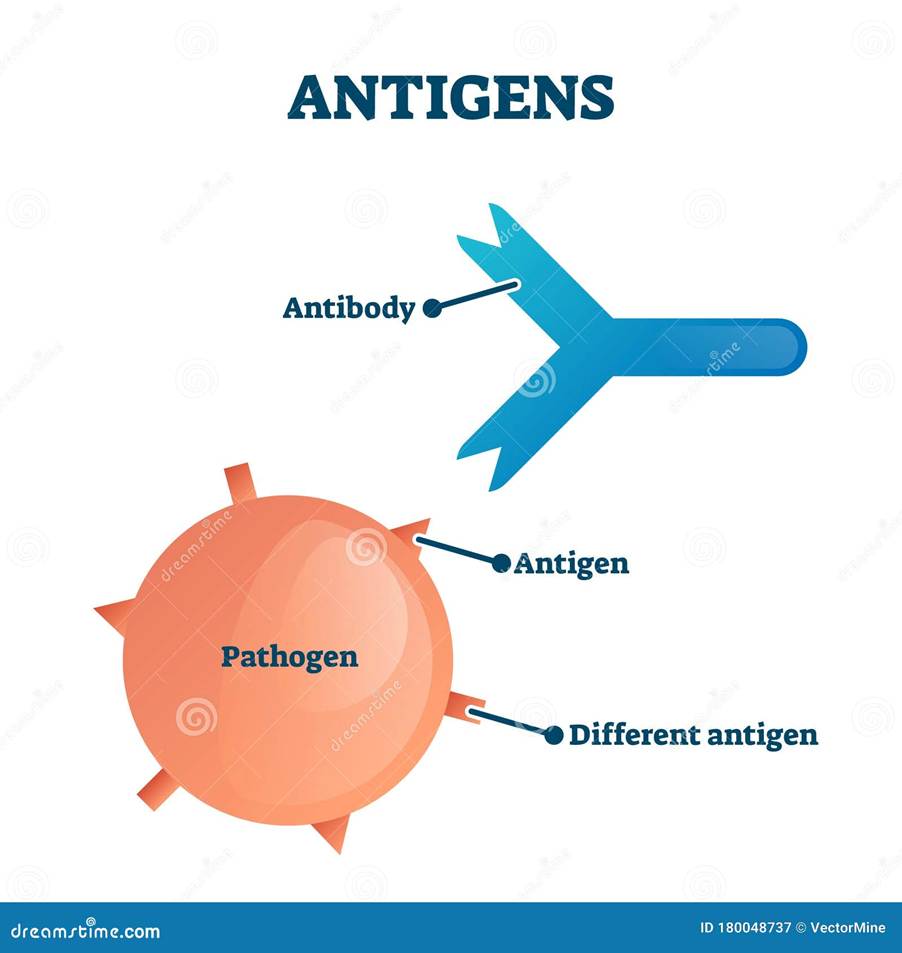
Myeloma is the abnormal production of plasma cells. Please see Figure 15. Plasma cells are responsible for the synthesis of antibodies that bind specifically to pathogens, neutralising and deactivating them. Please see Figure 16. They are produced in the bone marrow, lymph nodes, spleen, blood-forming tissue (myeloid tissue), and epithelial lining of the lungs and the gut (intestines). World Cancer Research Fund (2025g) declared that the 21st most common cancer for both genders are multiple myeloma worldwide, where there are 187952 cases. Most are linked to males, where it is the 17th most common cancer, with 103805 cases annually in 2022. Conversely, myeloma is the 19th most common cancer in females with 84147 cases (World Cancer Research Fund, 2025g).
However, on a national level, there are 6200 cases of myeloma in the UK, where it is the 19th most common cancer, accounting for 2% of all cancers between 2017 and 2019 (Cancer Research UK, 2025k). For females, they are the 18th most common cancer (2600). On the other hand, for males, they are the 16th most common cancer (3600) between 2017 to 2019 (Cancer Research UK, 2025k). The age group with the highest peak is aged 85 to 89 years. However, 43% of cases are diagnosed in individuals 75 years and above between 2017 to 2019. Over the past decade, the incidence rate rose by 10%. It is expected to rise less than 1% between 2023 to 2025 and 2038 to 2040. By 2040, there should be approximately 8300 people diagnosed with myeloma (Cancer Research UK, 2025k).
Recommended websites for further information on Blood Cancers
Here are recommended sites for further information:
All cancers
Cancer Research UK www.cancerresearchuk.org
Macmillan Cancer Support https://www.macmillan.org.uk/
National Health Service www.nhs.uk
Blood cancers:
Blood Cancer UK https://bloodcancer.org.uk/
Blood Cancer Alliance: https://www.bloodcanceralliance.org/
Leukaemia Care https://www.leukaemiauk.org.uk/

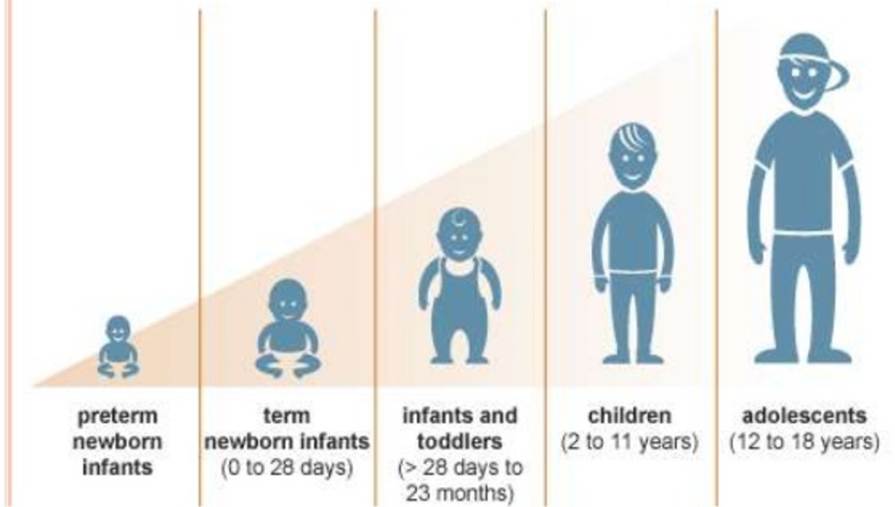
Childhood cancers or paediatric cancers are cancers that affect children. They can be benign or malignant. Benign cancers are non-cancerous, where the cells remain in the site of origin and do not spread. Malignant cancers are considered cancerous because they can spread to other organs via the blood and lymph.
Childhood cancers are rare and differ in the type of cancer and response to the same treatment compared to teenagers, young adults, and adults aged 25 (Children with Cancer, 2024; Cancer Research UK, 2025l).
There are 4200 children and young adults diagnosed with cancer annually (Children with Cancer, 2024). There were 1838 children aged 0 to 14 diagnosed with cancer in the UK, but between the years 2017 and 2019, it increased to 1900 cases (Cancer Research UK, 2025l; 2025m). This accounts for less than 1% of all cancers between 2017 and 2019, where it is more common in boys (1000) than girls (850) (Cancer Research UK, 2025m). The highest incidence is in paediatric patients under 5 years of age. For the past decade, incidence rates have remained stable for girls and boys (Cancer Research UK,2025m).
The most common cancer is leukaemia (30%), especially acute leukaemia. This is followed by brain and spinal cord cancers (20%) and lymphomas (11%) (Children with Cancer, 2024; Cancer Research UK, 2025l; 2025m). Children are also at risk of muscle and bone cancers, especially rhabdomyosarcoma, Wilm’s tumour (kidney cancer) and retinoblastoma (eye cancer) (Cancer Research UK, 2025l).
Recommended Websites On Childhood Cancers
Here are recommended sites for further information:
All cancers
Cancer Research UK www.cancerresearchuk.org
Macmillan Cancer Support https://www.macmillan.org.uk/
National Health Service www.nhs.uk
Childhood cancers
Teenage Cancer Trust https://www.teenagecancertrust.org/
The Children & Young People’s Cancer Association: https://www.childrenwithcancer.org.uk/
Children With Cancer https://www.childrenwithcancer.org.u
Overall, our posters are designed by our team of volunteers whose aim is to help the public understand this cancer through interactive images, informative content, and quizzes. It serves as an educational tool with referenced information to support your learning.
The posters are FREE for the public to easily download, share across social media, or use within teaching lessons.
If you experience any signs or symptoms, please contact your healthcare professional, as they have your clinical history and can guide you further.
References
Cancer Research UK (2025a) Penile Cancer Statistics. Available at: https://www.cancerresearchuk.org/health-professional/cancer-statistics/statistics-by-cancer-type/penile-cancer#penile_stats3 (Accessed: 28th August 2025)
Cancer Research UK (2025b) Cancer incidence for common cancers. Available at: https://www.cancerresearchuk.org/health-professional/cancer-statistics/incidence/common-cancers-compared#heading-One (Accessed: 28th August 2025)
Cancer Research UK (2025c) What is womb cancer? Available at:https://www.cancerresearchuk.org/about-cancer/womb-cancer/about (Accessed: 31st August 2025)
Cancer Research UK (2025d) Ovarian cancer statistics. Available at: https://www.cancerresearchuk.org/health-professional/cancer-statistics/statistics-by-cancer-type/ovarian-cancer#ovarian_stats0 (Accessed: 30th August 2025).
Cancer Research UK (2025e) Uterine cancer statistics. Available at: https://www.cancerresearchuk.org/health-professional/cancer-statistics/statistics-by-cancer-type/uterine-cancer#Uterine_stats0 (Accessed: 30th August 2025)
Cancer Research UK (2025f) Cervical cancer statistics. Available at: https://www.cancerresearchuk.org/health-professional/cancer-statistics/statistics-by-cancer-type/cervical-cancer#Cervicalcs0 (Accessed: 30th August 2025)
Cancer Research UK (2025g) Vaginal cancer statistics. Available at: https://www.cancerresearchuk.org/health-professional/cancer-statistics/statistics-by-cancer-type/vaginal-cancer#vaginal_stats0 (Accessed: 30th August 2025)
Cancer Research UK (2025h) Vulval cancer statistics. Available at: https://www.cancerresearchuk.org/health-professional/cancer-statistics/statistics-by-cancer-type/vulval-cancer#vulval_stats0 (Accessed: 30th August 2025)
Cancer Research UK (2025i) Thyroid cancer statistics Available at: https://www.cancerresearchuk.org/health-professional/cancer-statistics/statistics-by-cancer-type/thyroid-cancer#thyroid_stats0 (Accessed: 30th August 2025)
Cancer Research UK (2025j) Leukaemia (all subtypes combined) statistics. Available at: https://www.cancerresearchuk.org/health-professional/cancer-statistics/statistics-by-cancer-type/leukaemia#Leukaemia_stats0 (Accessed: 31st August 2025)
Cancer Research UK (2025k) Myeloma statistics. Available at: https://www.cancerresearchuk.org/health-professional/cancer-statistics/statistics-by-cancer-type/myeloma#myeloma_stats0 (Accessed: 31st August 2025)
Cancer Research UK (2025l) What is children’s cancer? Available at: https://www.cancerresearchuk.org/about-cancer/childrens-cancer/about (Accessed: 31st August 2025)
Cancer Research UK (2025m) Children’s cancer statistics. Available at: https://www.cancerresearchuk.org/health-professional/cancer-statistics/childrens-cancers#childrensCS0 (Accessed: 31st August 2025)
Catto, J.W.F., Mandrik, O., Quayle, L.A., Hussain, S.A., McGrath, J., Cresswell, J., Birtle, A.J., Jones, R.J., Mariappan, P., Makaroff, L.E., Knight, A., Mostafid, H., Chilcott, J., Sasieni, P. and Cumberbatch, M. (2023). Diagnosis, treatment and survival from bladder, upper urinary tract, and urethral cancers: real‐world findings from NHS England between 2013 and 2019. BJU International. doi: https://doi.org/10.1111/bju.15970.
Children With Cancer (2024) Types of cancers. Available at: https://www.childrenwithcancer.org.uk/childhood-cancer-info/understanding-cancer/types-of-cancer/ (Accessed: 31st August 2025)
Cleveland Clinic (2022) Female Reproductive System https://my.clevelandclinic.org/health/articles/9118-female-reproductive-system (Accessed: 29th August 2025)
Ferlay J, Ervik M, Lam F, Laversanne M, Colombet M, Mery L, Piñeros M, Znaor A, Soerjomataram I, Bray F (2024). Global Cancer Observatory: Cancer Today. Lyon, France: International Agency for Research on Cancer. Available at: https://gco.iarc.who.int/media/globocan/factsheets/cancers/32-thyroid-fact-sheet.pdf (Accessed: 30th August 2025).
International Agency for Research on Cancer (IARC) (2024) GLOBOCAN 2022: Bladder cancer 9th most common worldwide. Available at: https://worldbladdercancer.org/news_events/globocan-2022-bladder-cancer-is-the-9th-most-commonly-diagnosed-worldwide/ (Accessed: 28th August 2025).
Koplon, S. (2025) Gynecologic cancers – early detection and understanding symptoms can save lives. Available at: https://www.onealcanceruab.org/news-and-events/news/gynecologic-cancers-early-detection-and-understanding-symptoms-can-save-lives/# (Accessed: 28th August 2025)
Meena, S.R. (2024) Understanding the Different Types of Urological Cancers. Available at: https://primeurologyjaipur.com/blog/types-of-urological-cancers (Accessed: 28th August 2025)
National Health Service (2023) What is thyroid cancer? Available at: https://www.nhs.uk/conditions/thyroid-cancer/what-is-thyroid-cancer/ (Accessed: 30th August 2025)
Shank, J.B., Are, C. and Wenos, C.D. (2021). Thyroid Cancer: Global Burden and Trends. Indian Journal of Surgical Oncology, 13(1), pp.40–45. doi: https://doi.org/10.1007/s13193-021-01429-y.
The Urology Foundation (2025a) Facts and Figures. Available at: https://www.theurologyfoundation.org/impact-achievements/facts-and-figures/ (Accessed: 28th August 2025)
The Urology Foundation (2025b) About testicular cancer. Available at: https://www.theurologyfoundation.org/urology-health/male-reproductive-organs-conditions/testicular-cancer/ (Accessed: 28th August 2025)
World Cancer Research Fund (2025a) Bladder Cancer Statistics Available at: https://www.wcrf.org/preventing-cancer/cancer-statistics/bladder-cancer-statistics/ (Accessed: 28th August 2025)
World Cancer Research Fund (2025b) Kidney Cancer Statistics Available at: https://www.wcrf.org/preventing-cancer/cancer-statistics/kidney-cancer-statistics/ (Accessed: 28th August 2025)
World Cancer Research Fund (2025c) UK cancer statistics. Available at: https://www.wcrf.org/preventing-cancer/cancer-statistics/uk-cancer-statistics/ (Accessed: 30th August 2025)
World Cancer Research Fund (2025d) Ovarian cancer statistics. Available at: https://www.wcrf.org/preventing-cancer/cancer-statistics/ovarian-cancer-statistics/ (Accessed: 29th August 2025)
World Cancer Research Fund (2025e) Endometrial cancer statistics. Available at: https://www.wcrf.org/preventing-cancer/cancer-statistics/endometrial-cancer-statistics/ (Accessed: 29th August 2025)
World Cancer Research Fund (2025f) Cervical cancer statistics. https://www.wcrf.org/preventing-cancer/cancer-statistics/cervical-cancer-statistics/ (Accessed: 29th August 2025)
World Cancer Research Fund (2025g) Worldwide cancer data. Available at: https://www.wcrf.org/preventing-cancer/cancer-statistics/worldwide-cancer-data/ (Accessed: 31st August 2025)
 The Farah Saeed Project