
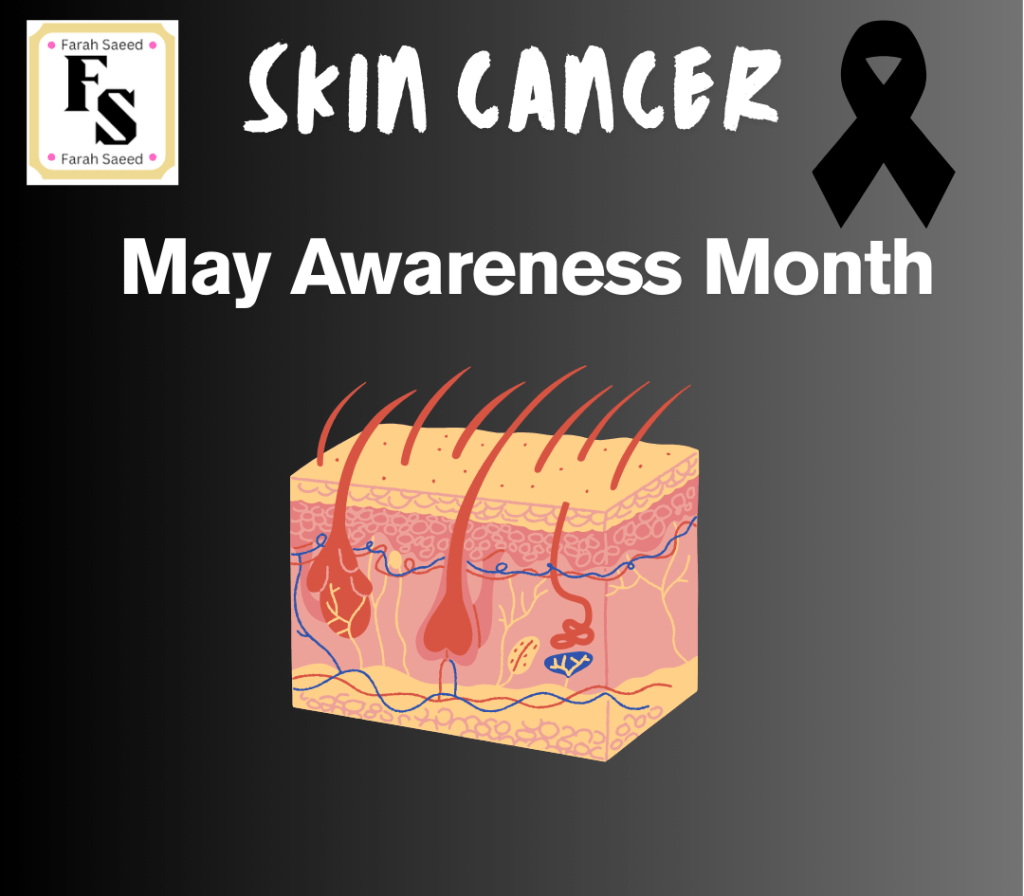
Welcome
Our posters have twelve key objectives:
- To know the structure and role of the skin.
- To understand how skin cancer arises and its different subtypes.
- To understand the causes and risk factors of skin cancer.
- To be aware of the signs and symptoms of skin cancer
- To understand how skin cancer is detected.
- To understand how each type of skin cancer is treated.
- To understand how skin cancer is prevented.
Polite notice: These posters are FREE to use for educational purposes and sharing across social media.
References for the following information are from recommended books, medical websites, research journals, National Health Service, Cancer Research UK, and National Institute for Health and Care Excellence.

The Structure Of The Skin
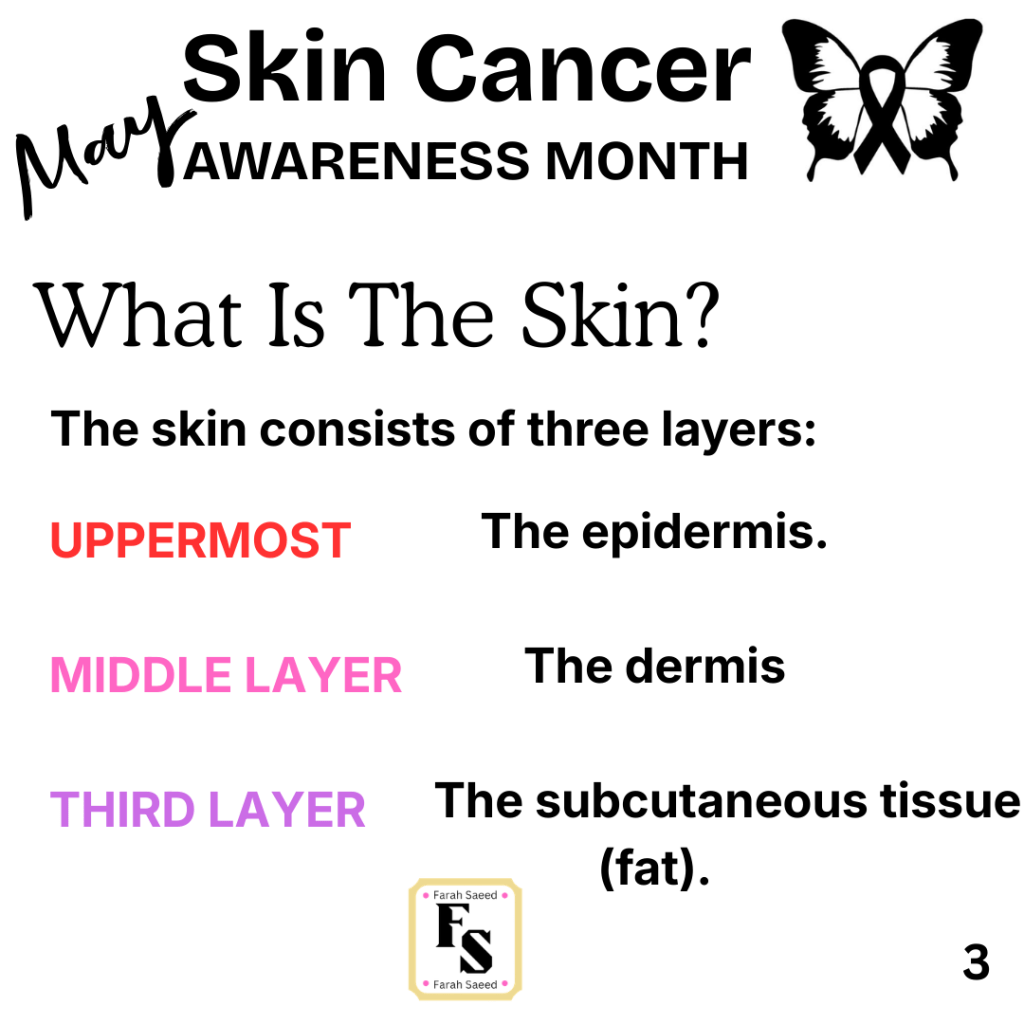
What Is The Skin?
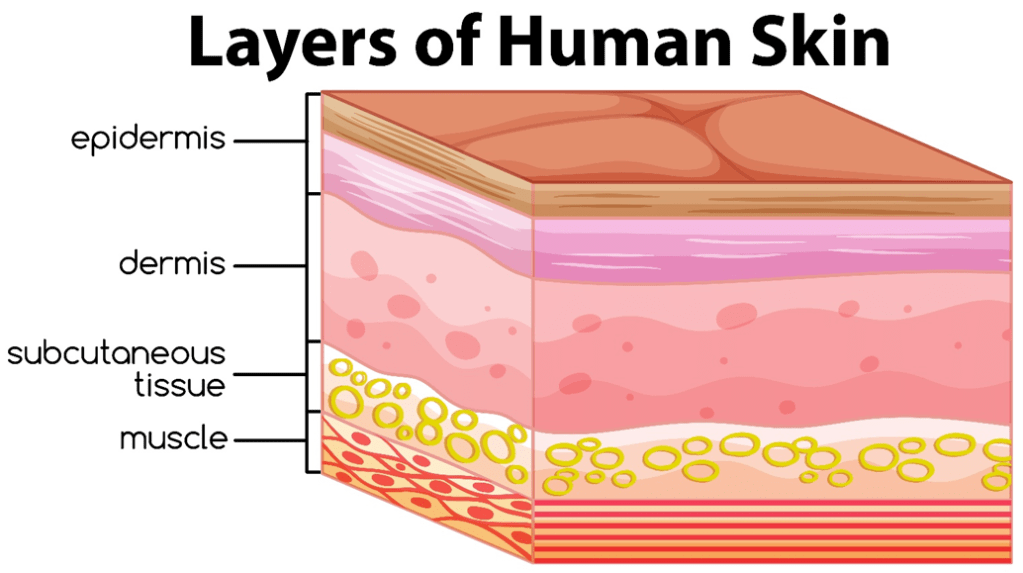
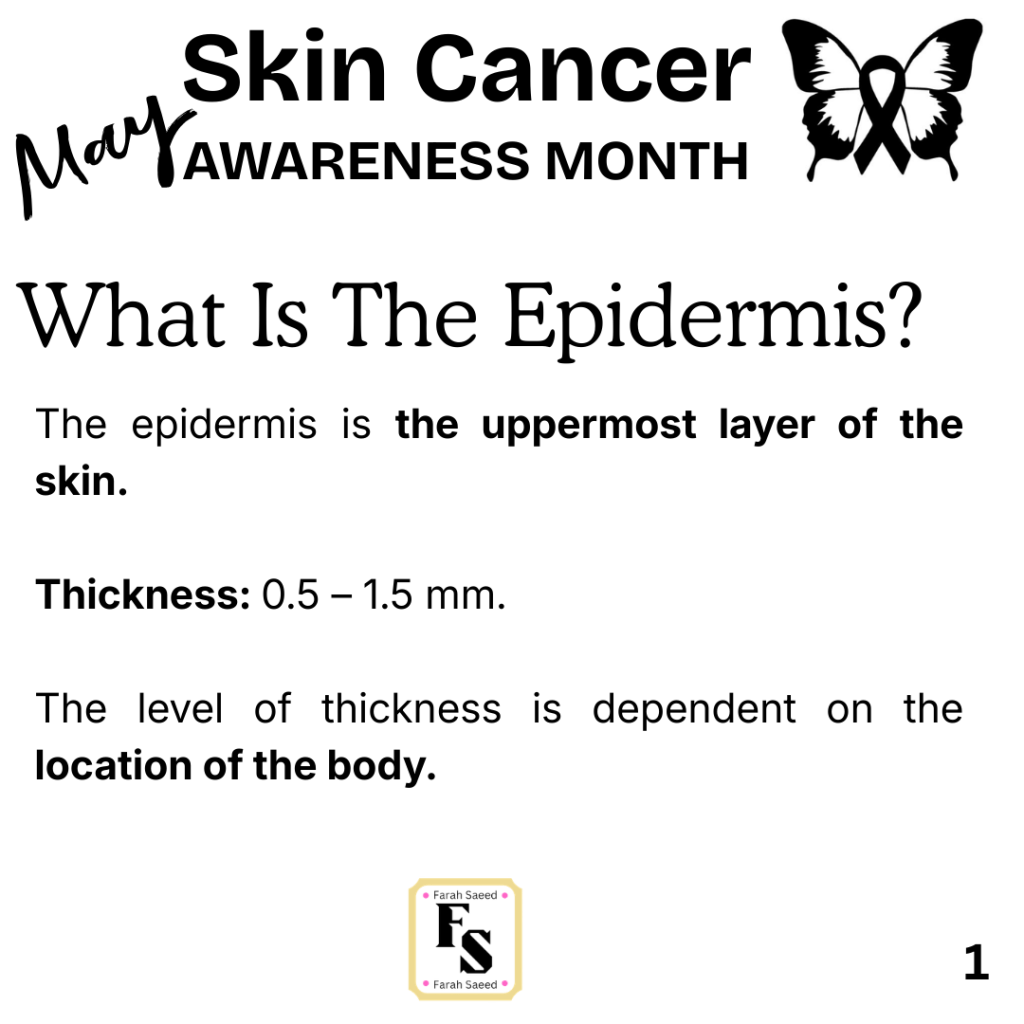
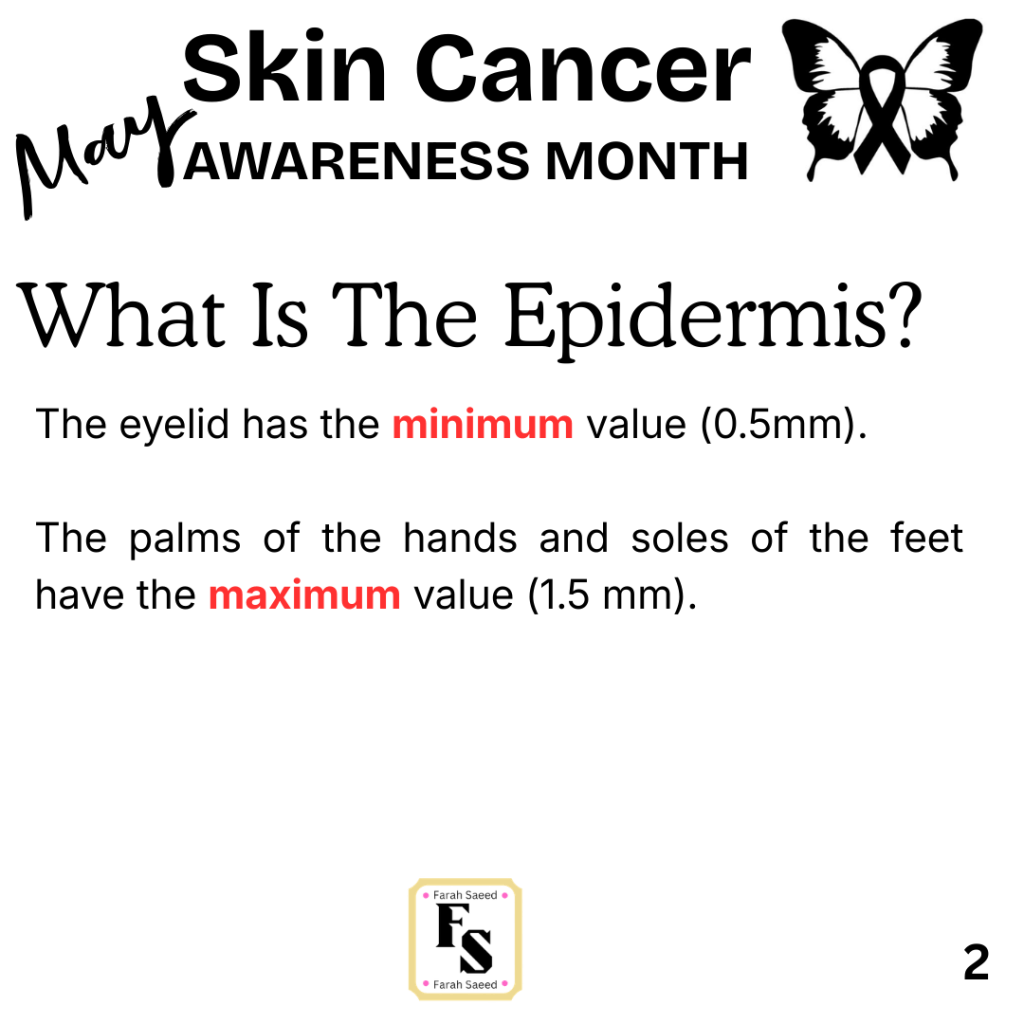
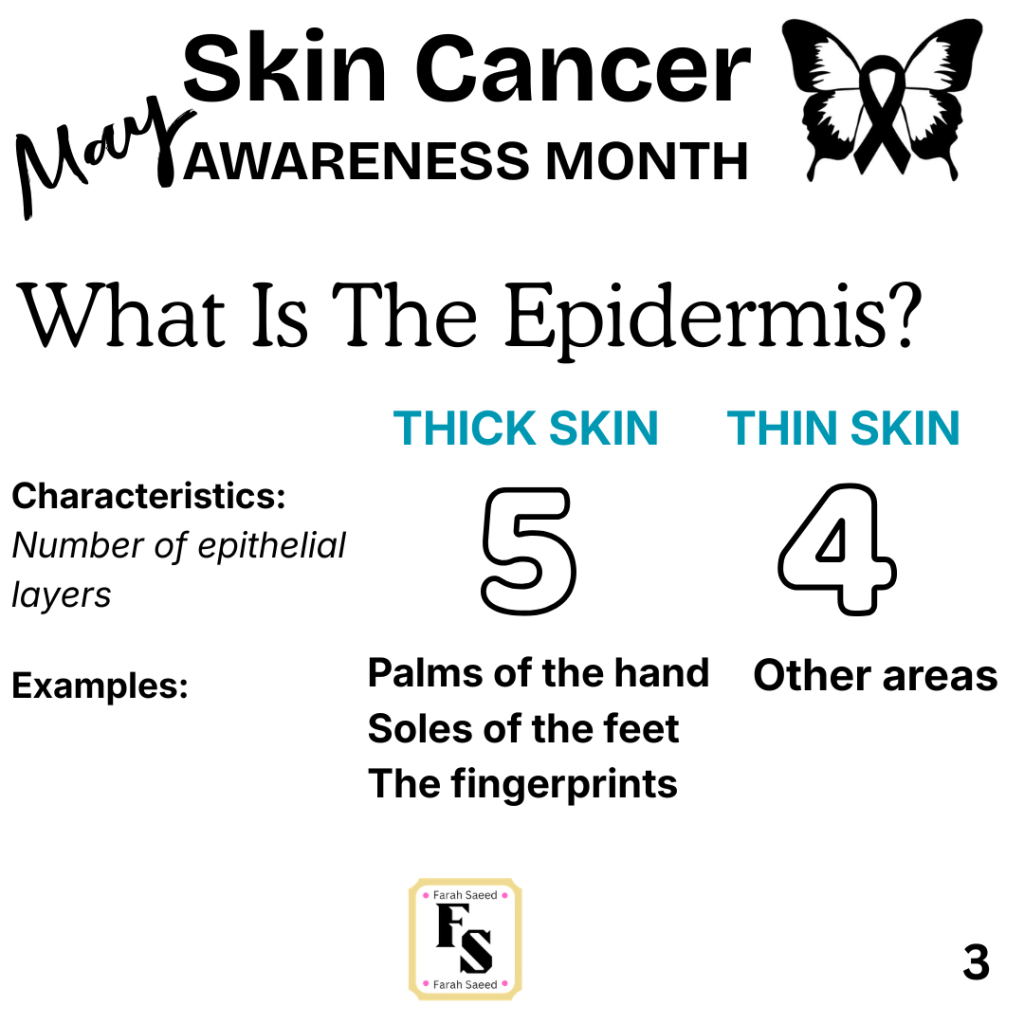
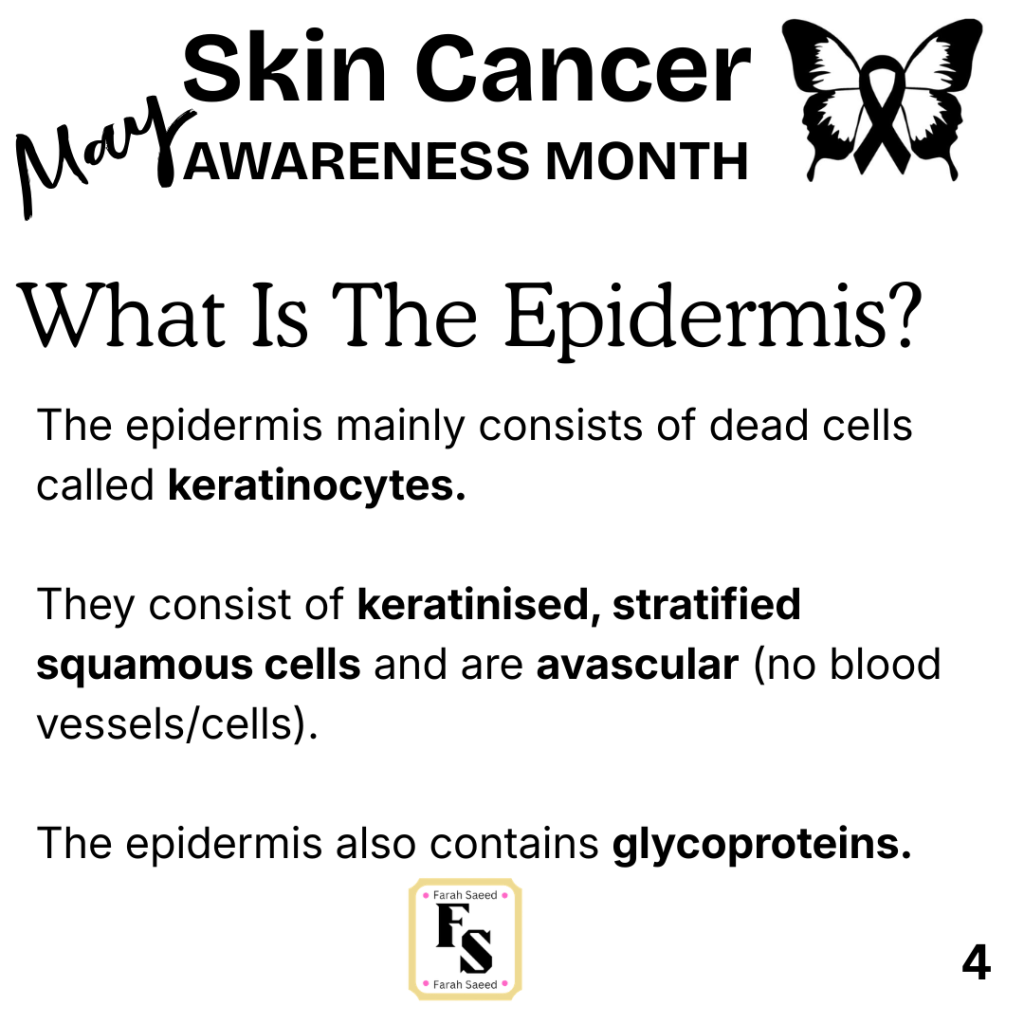
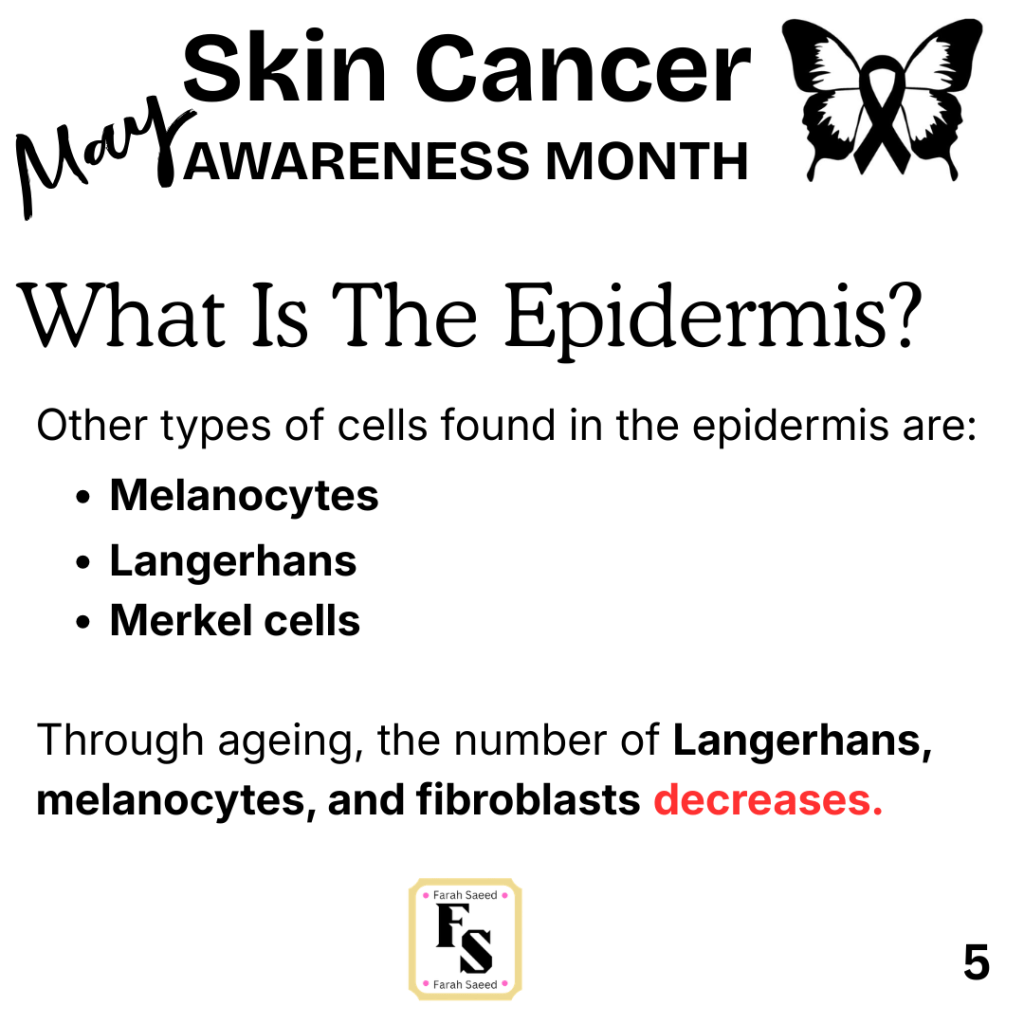
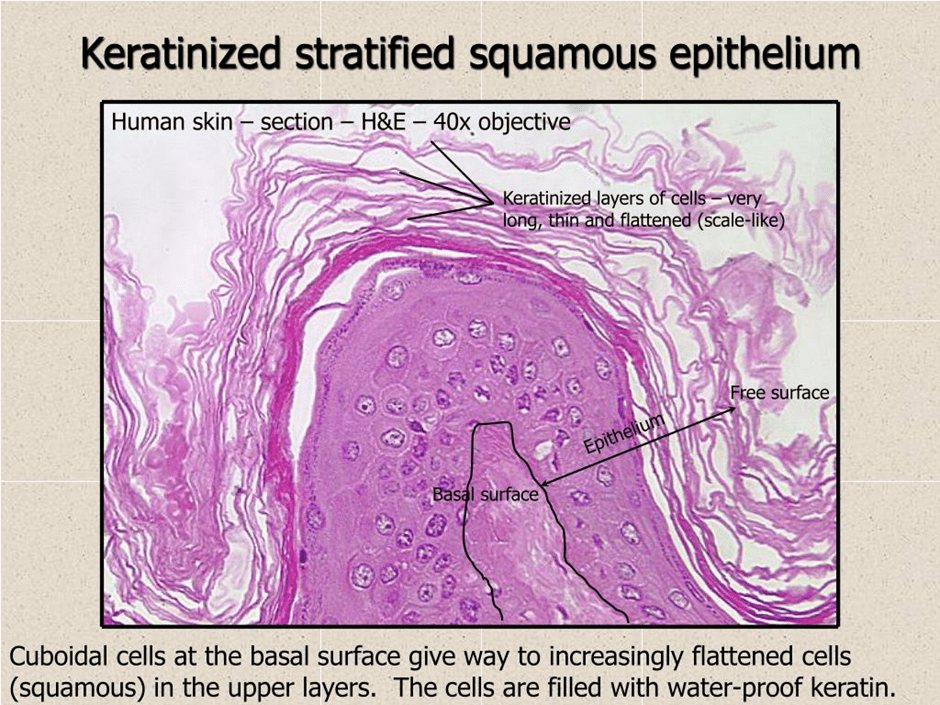
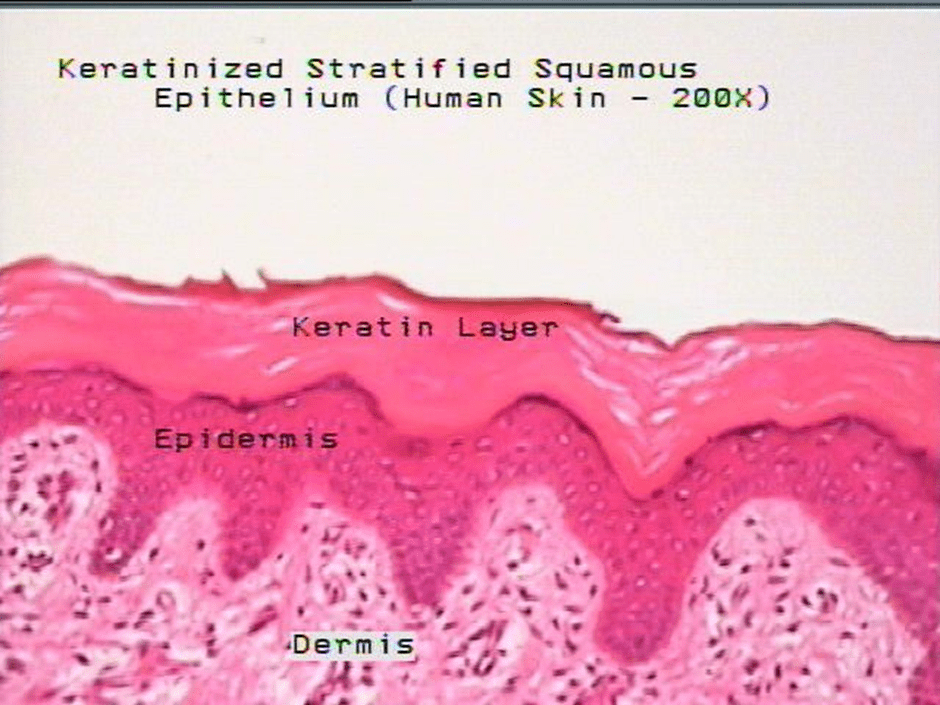
What Is The Epidermis?
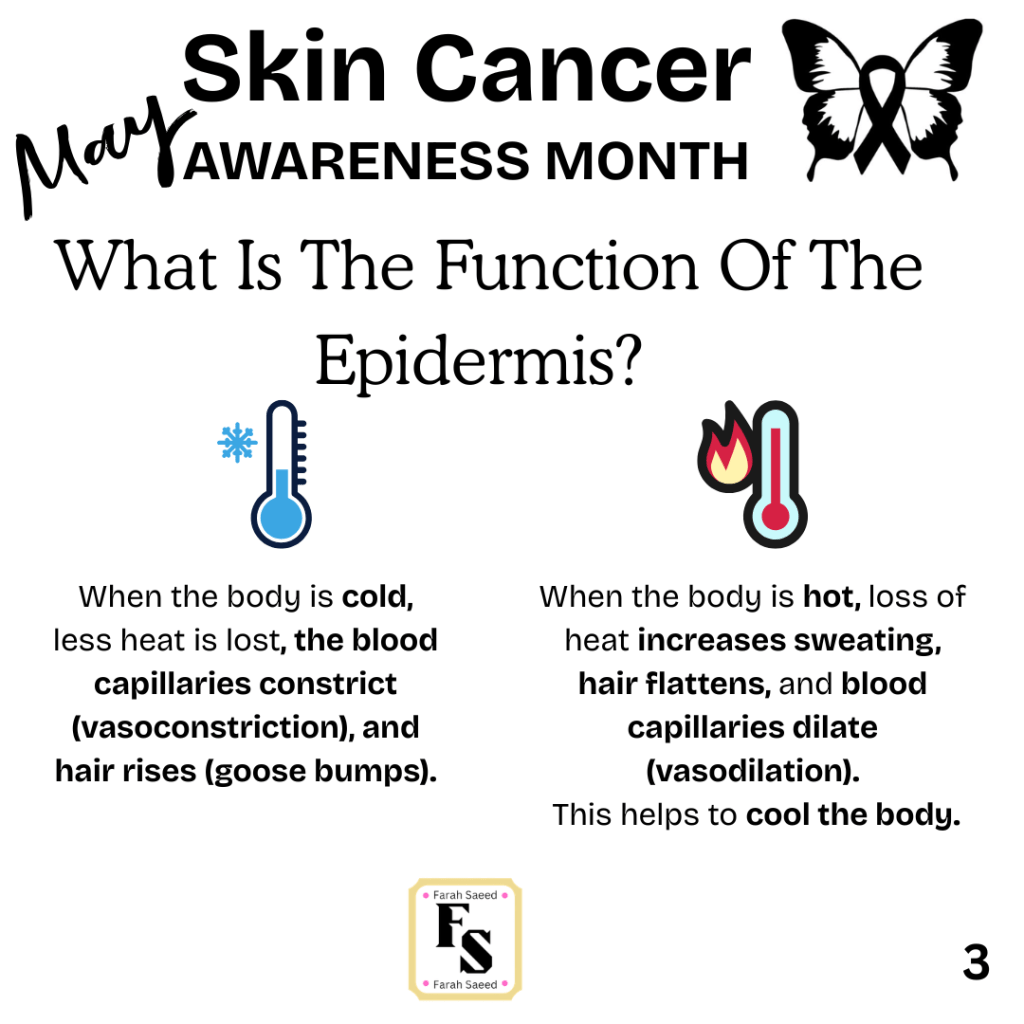
What Is The Function Of The Epidermis?
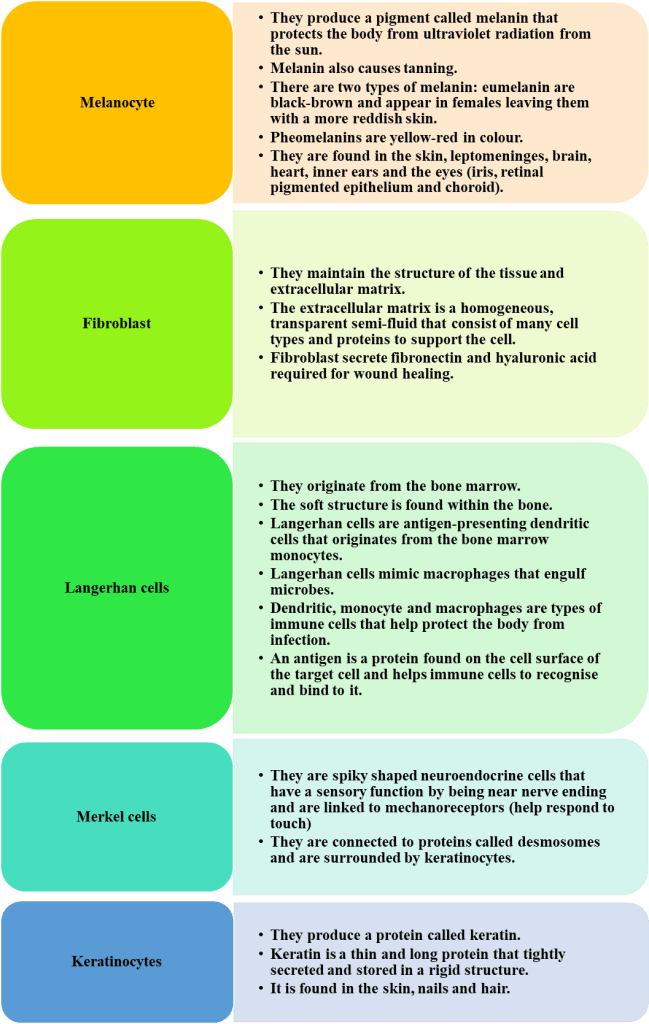
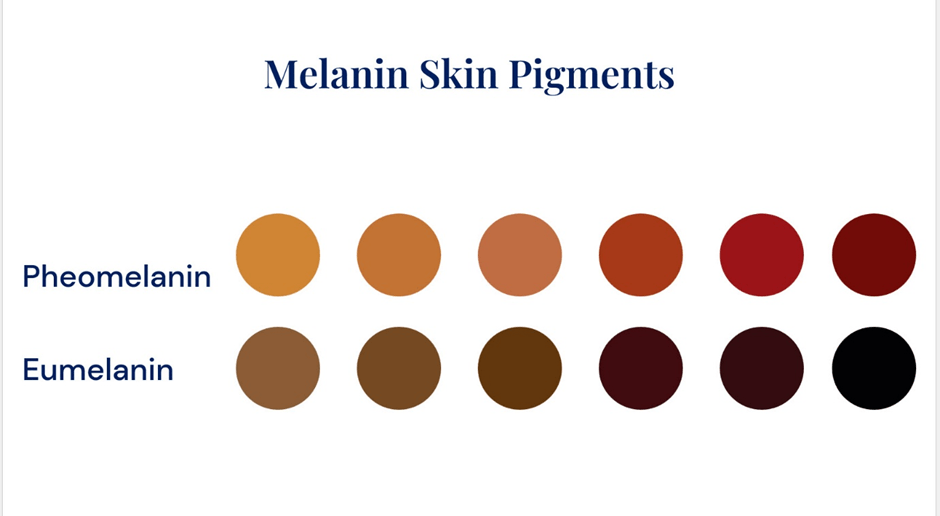
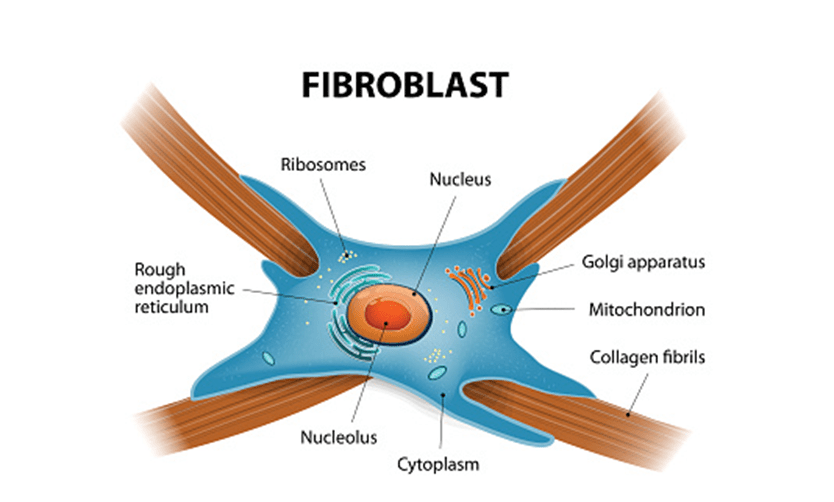
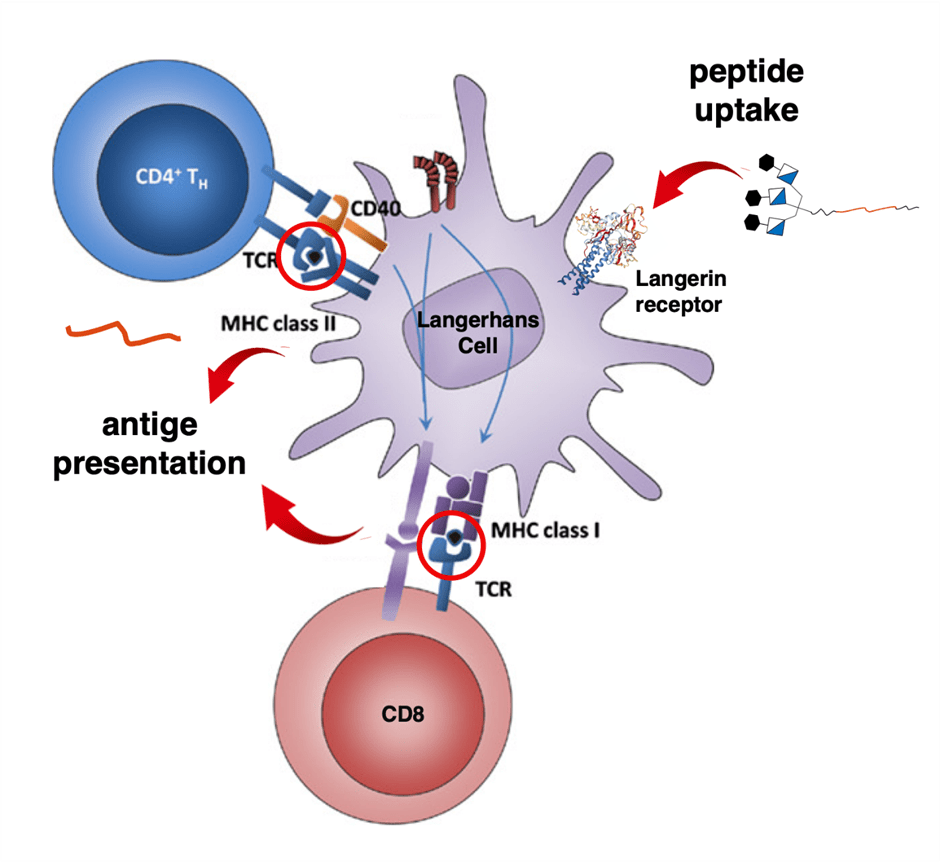
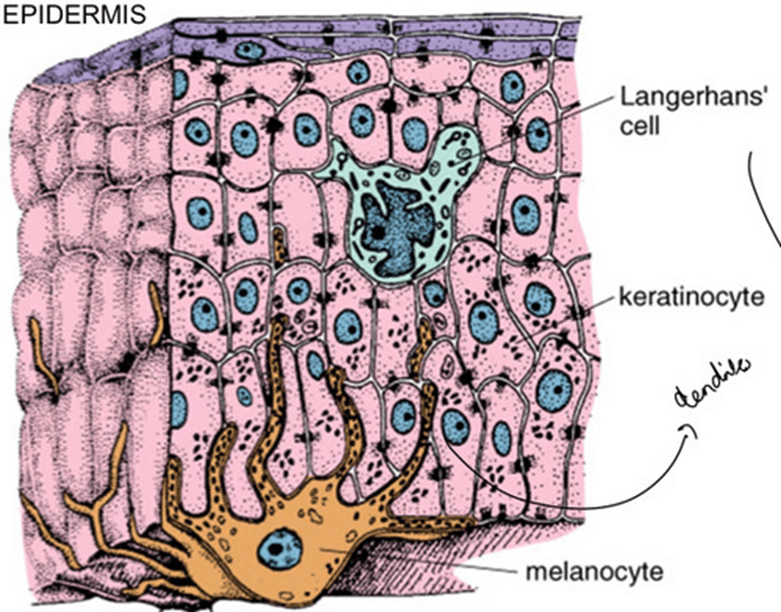
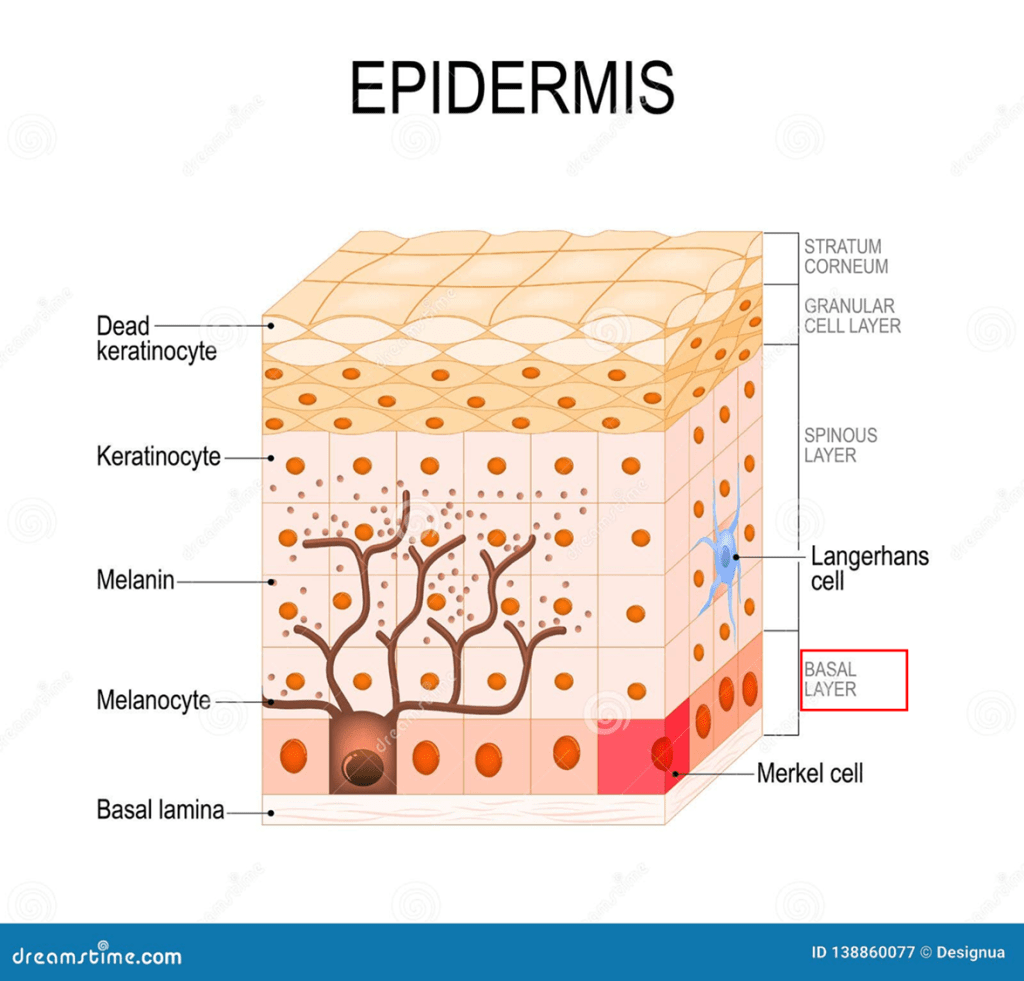
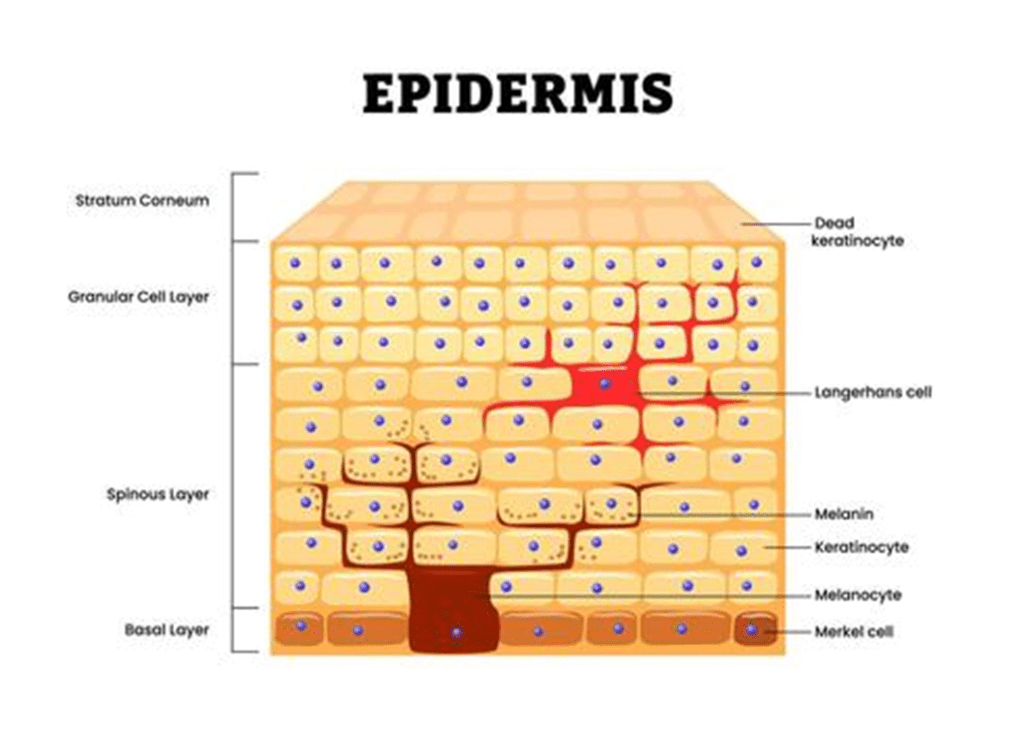
What Is The Function Of The Cells Found In The Epidermis?
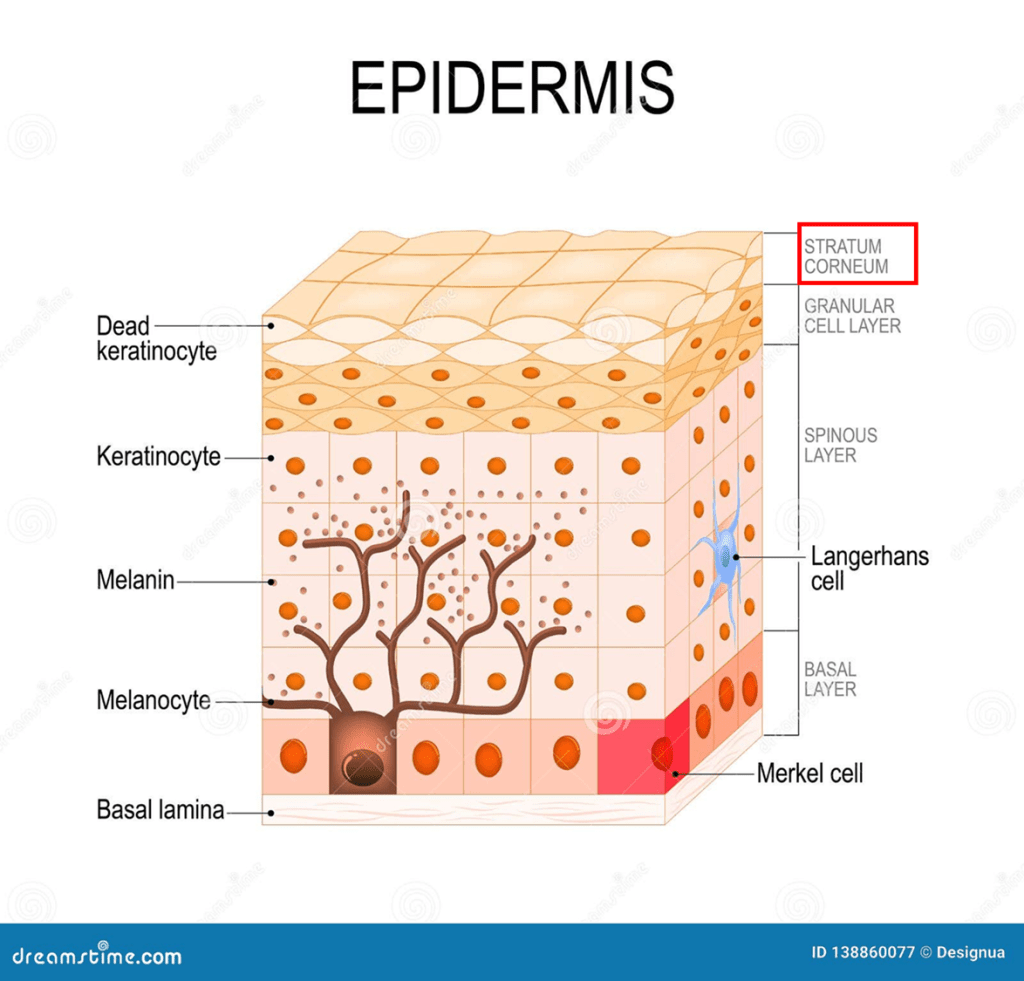
The image below presents the different types of cells found in the epidermis.
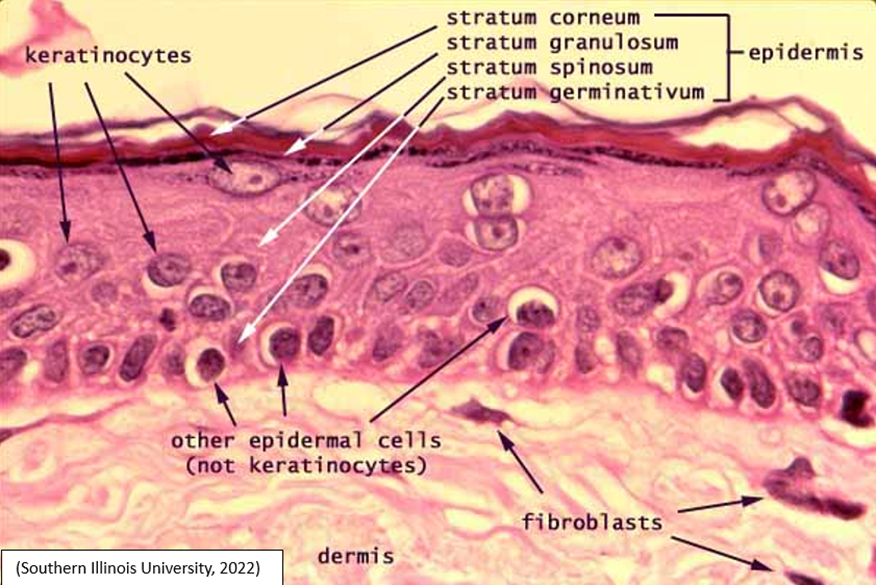
What Are The Different Skin Layers Of The Epidermis?
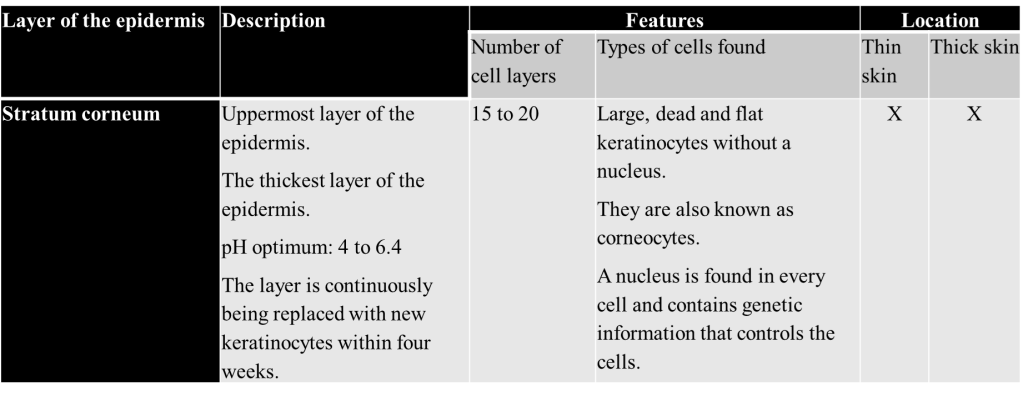
Stratum Corneum
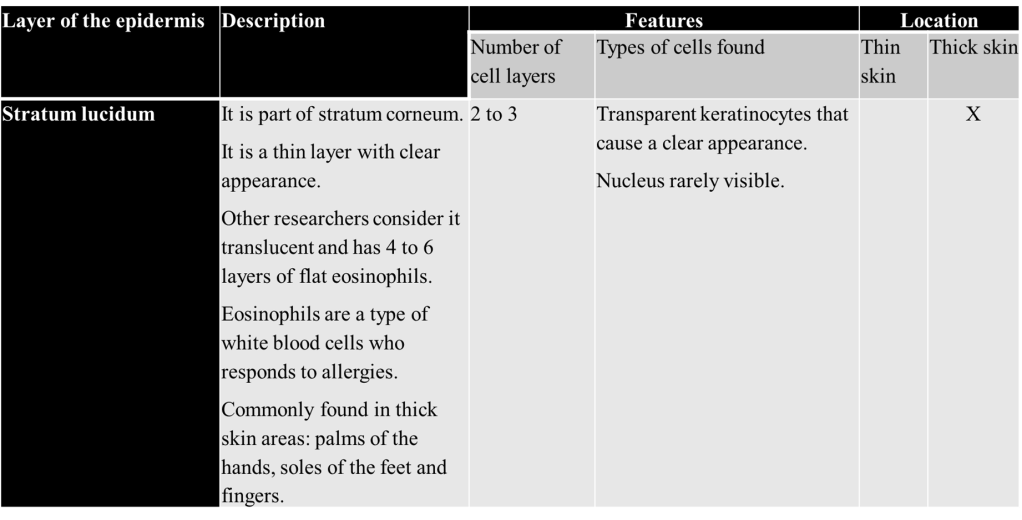
Stratum lucidum
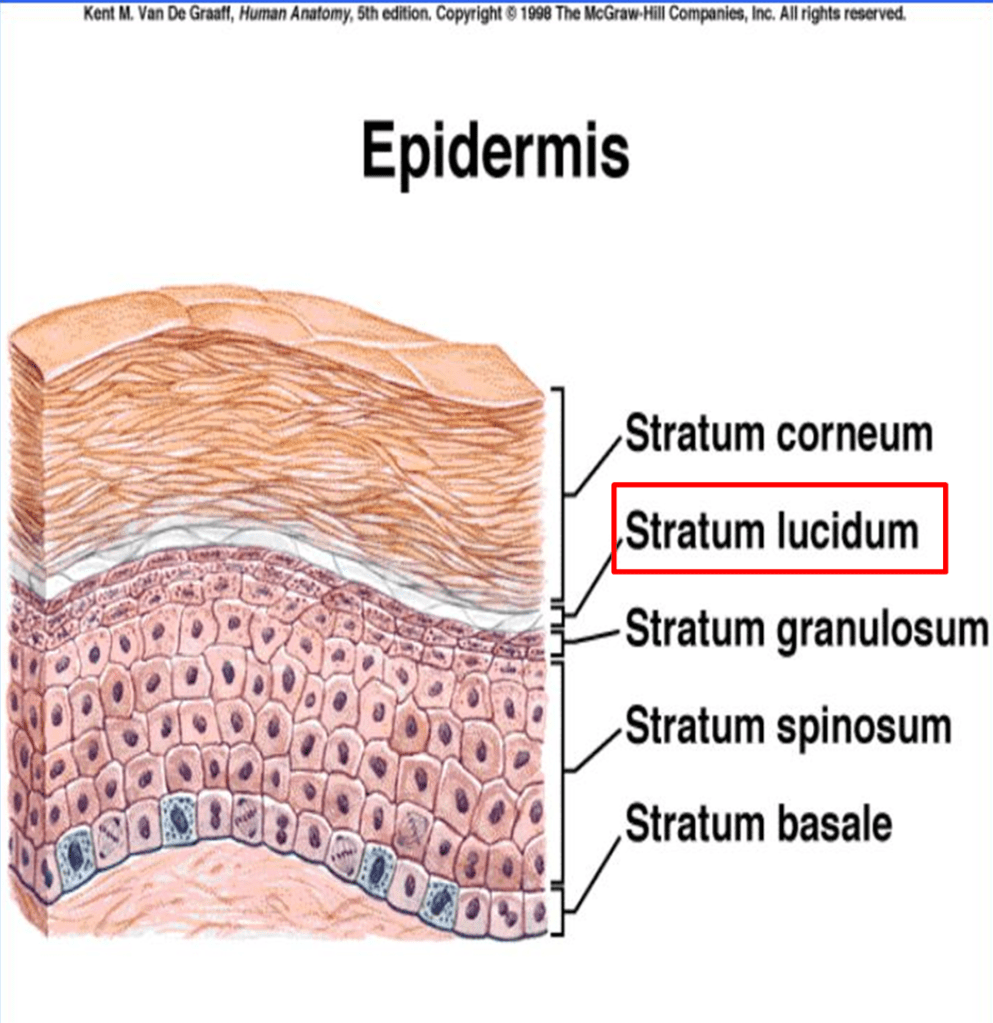
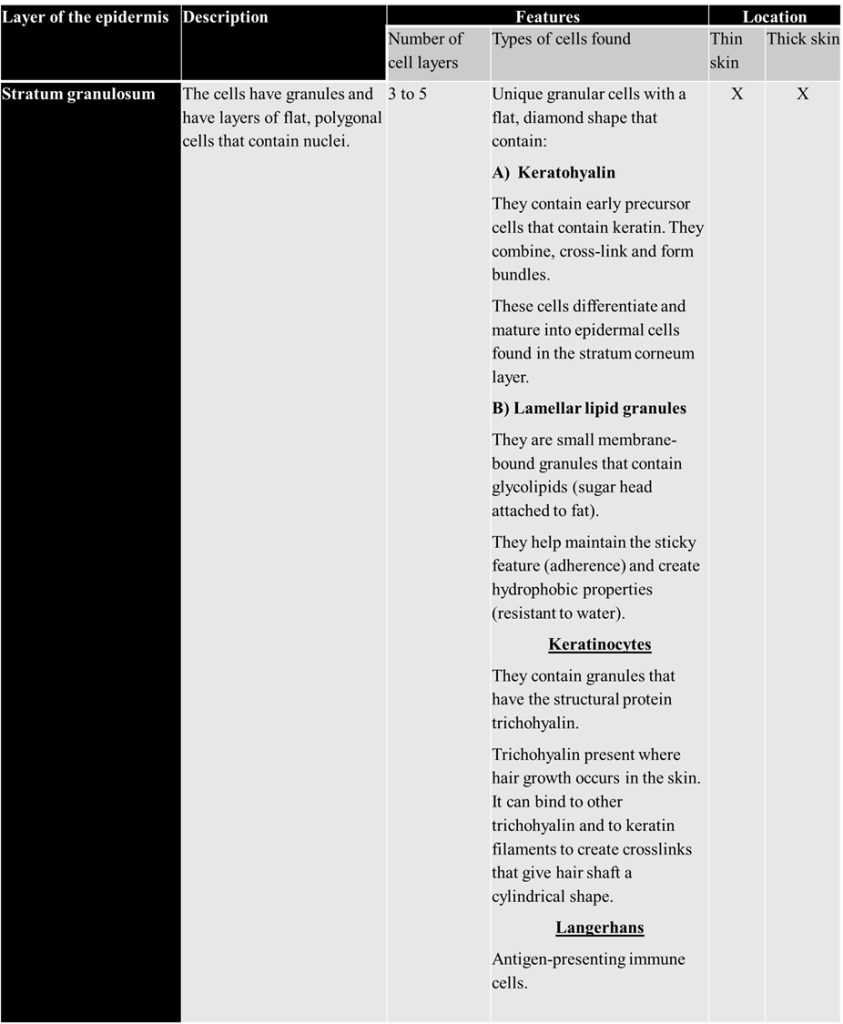
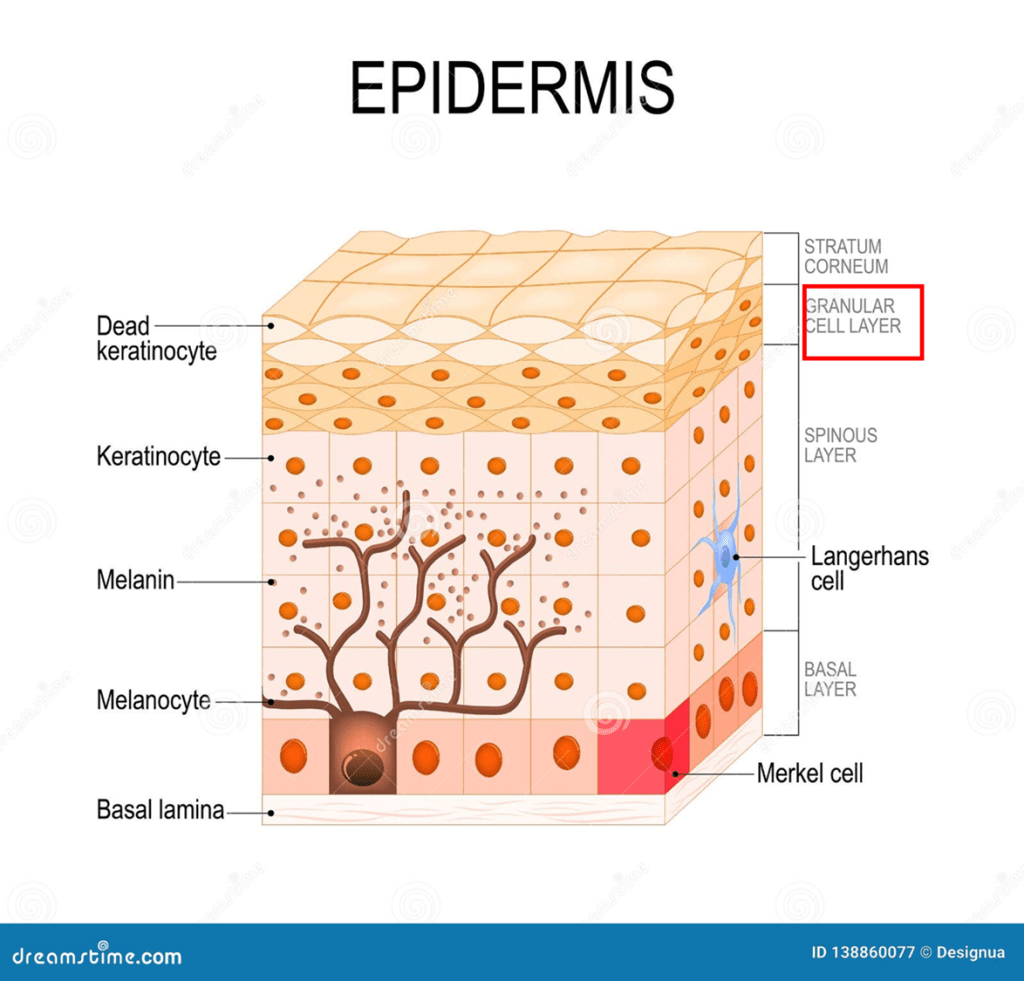
Stratum granulosum
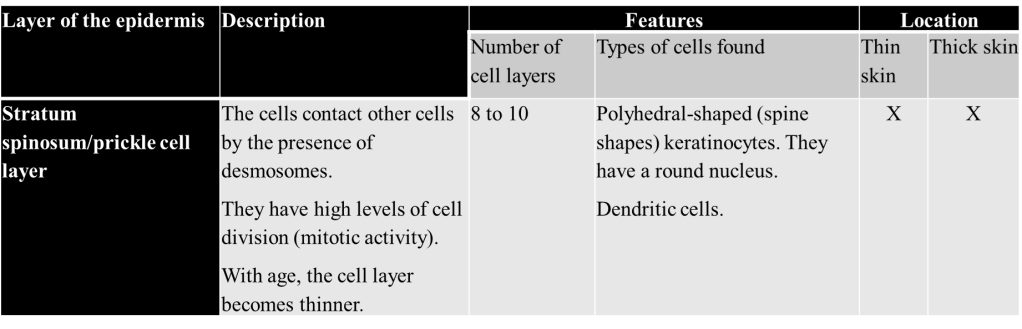
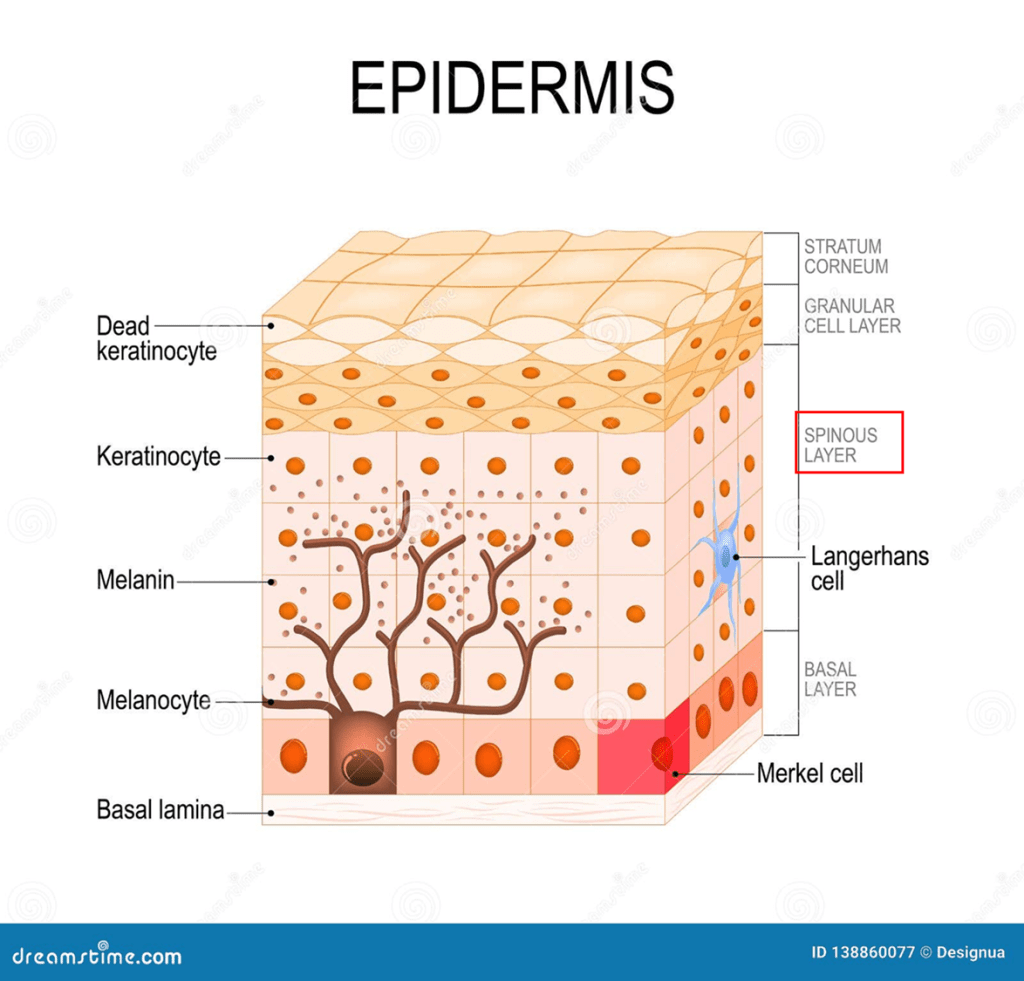
Stratum spinosum
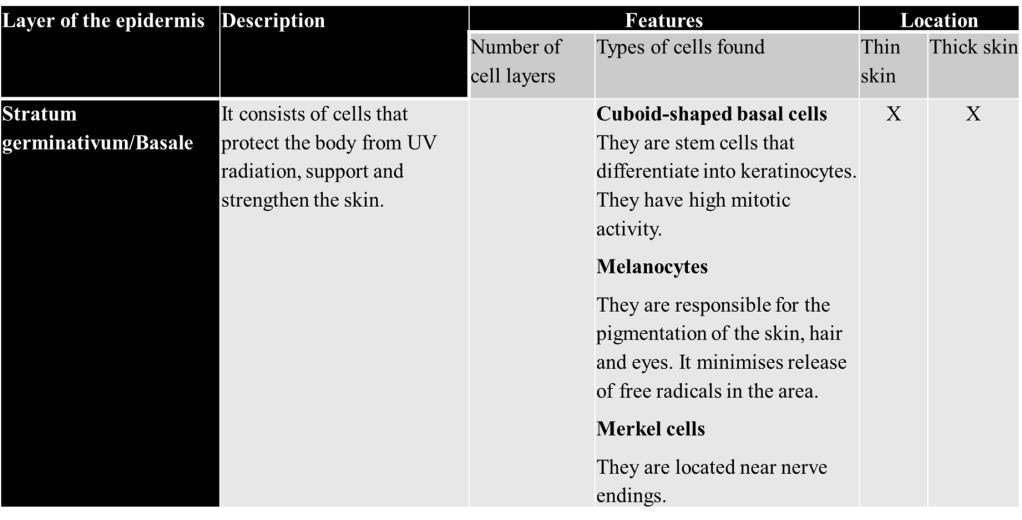
Stratum Basale
The Dermis
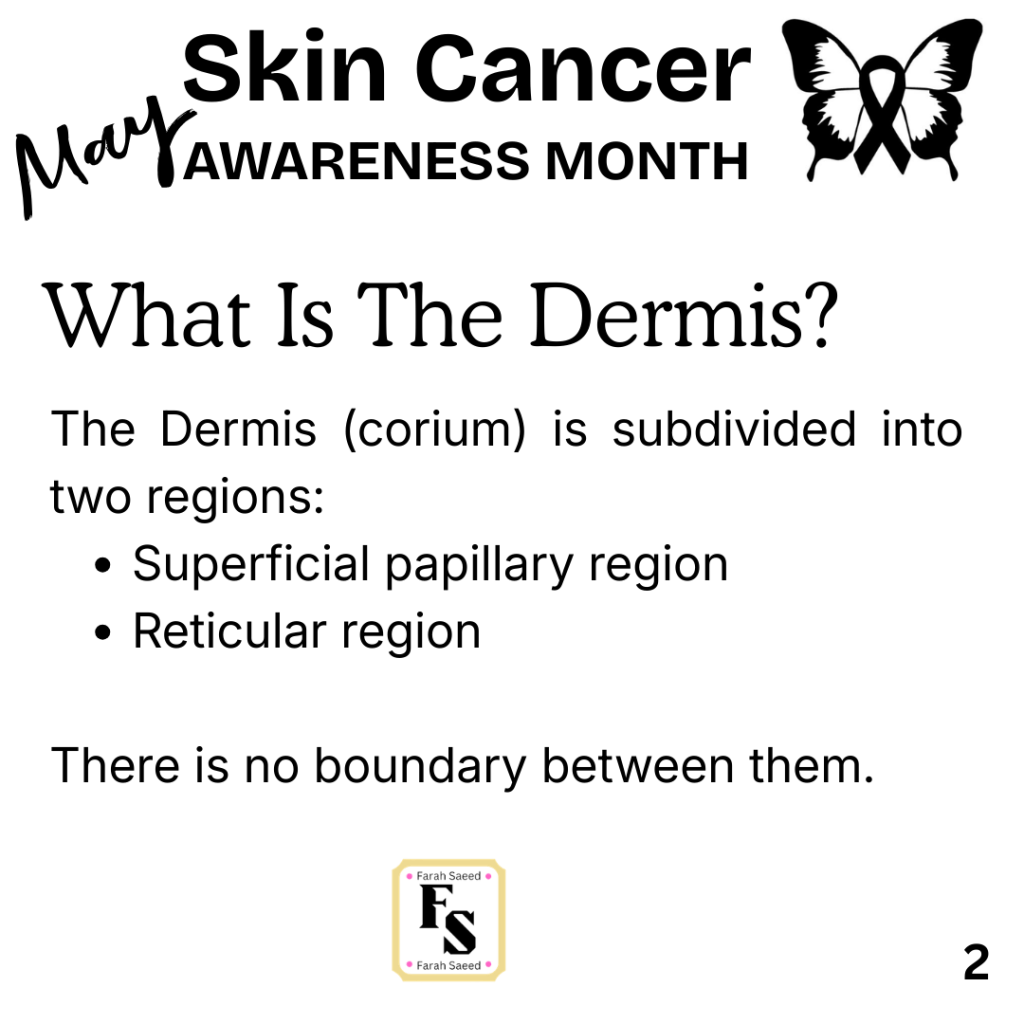
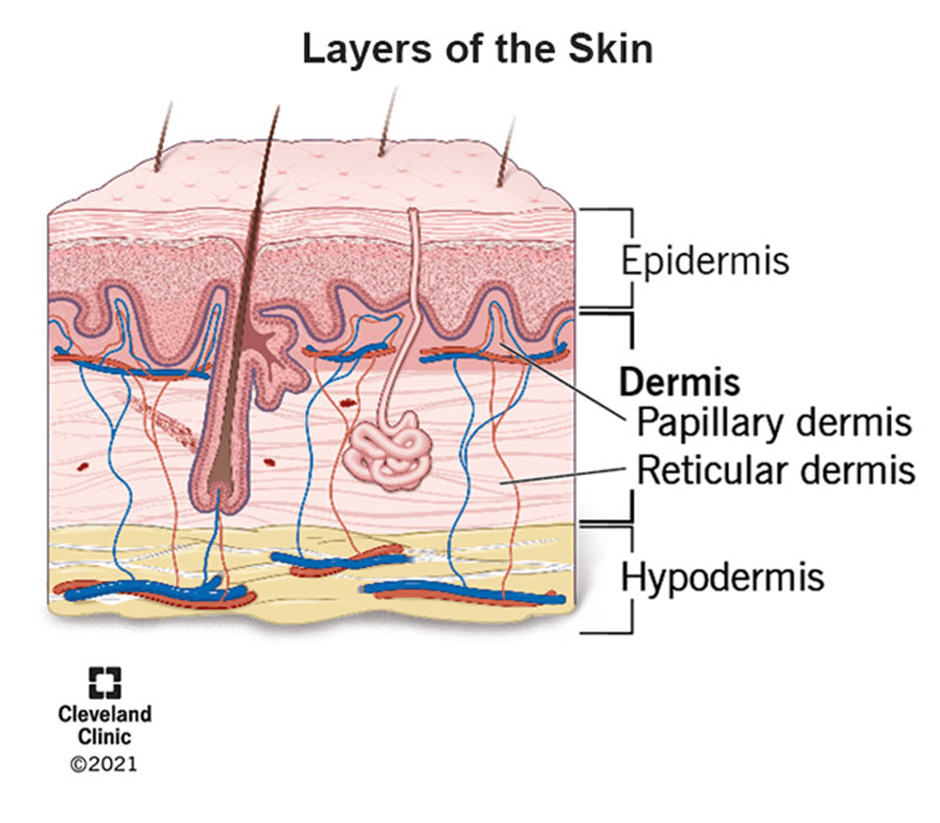
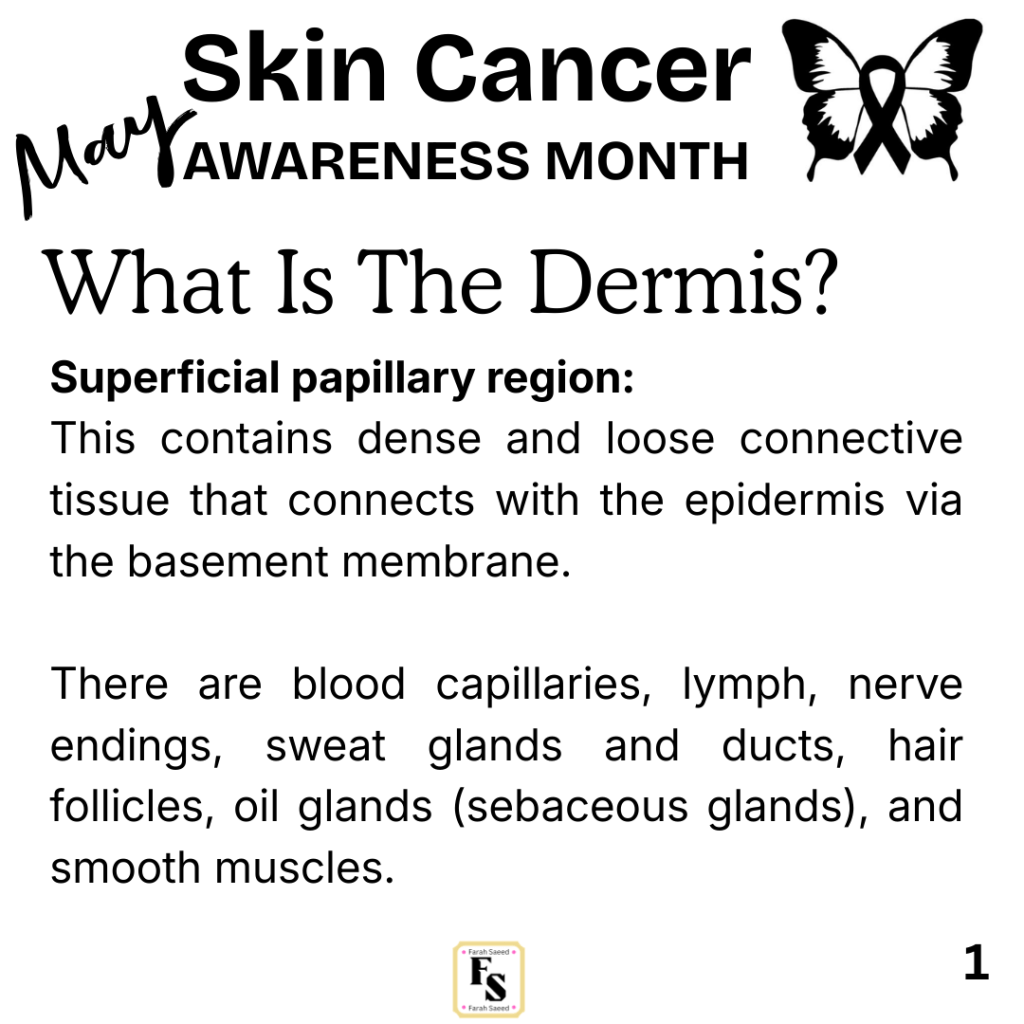
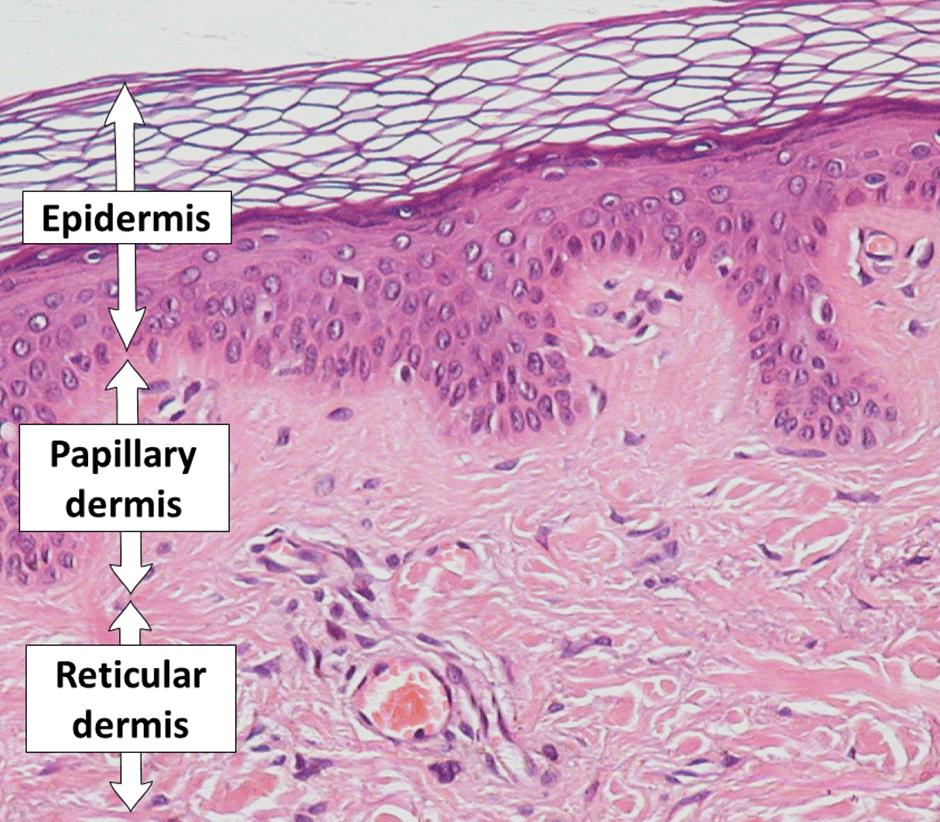
The Dermis: The Superficial Papillary Region
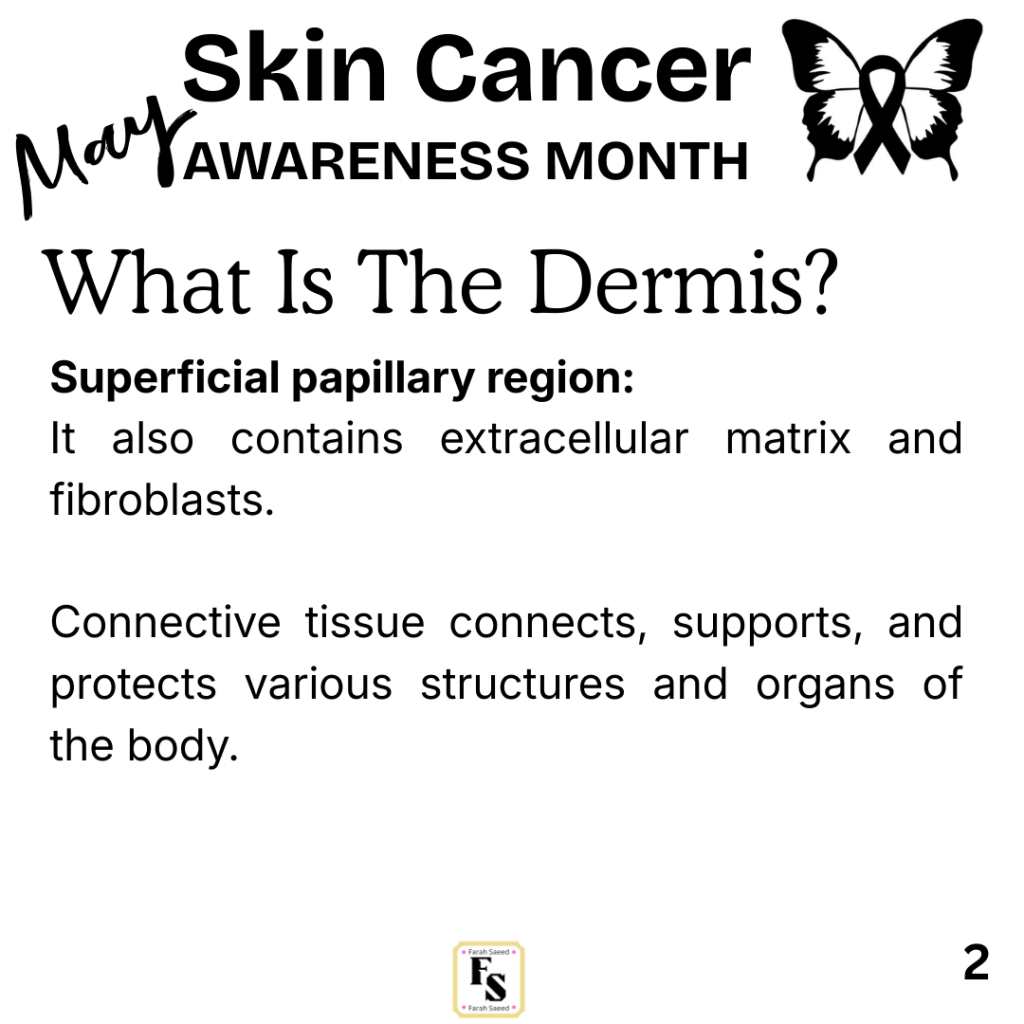
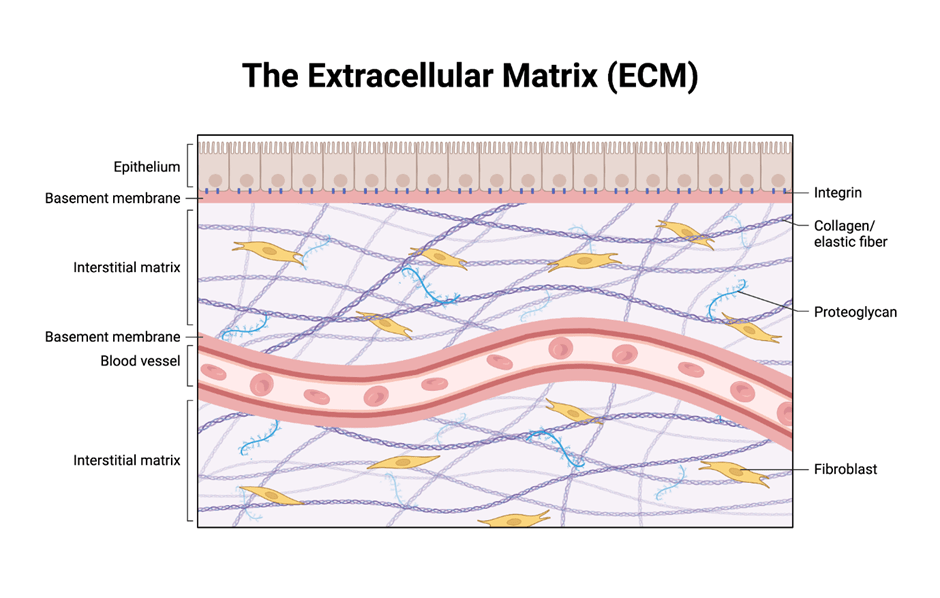
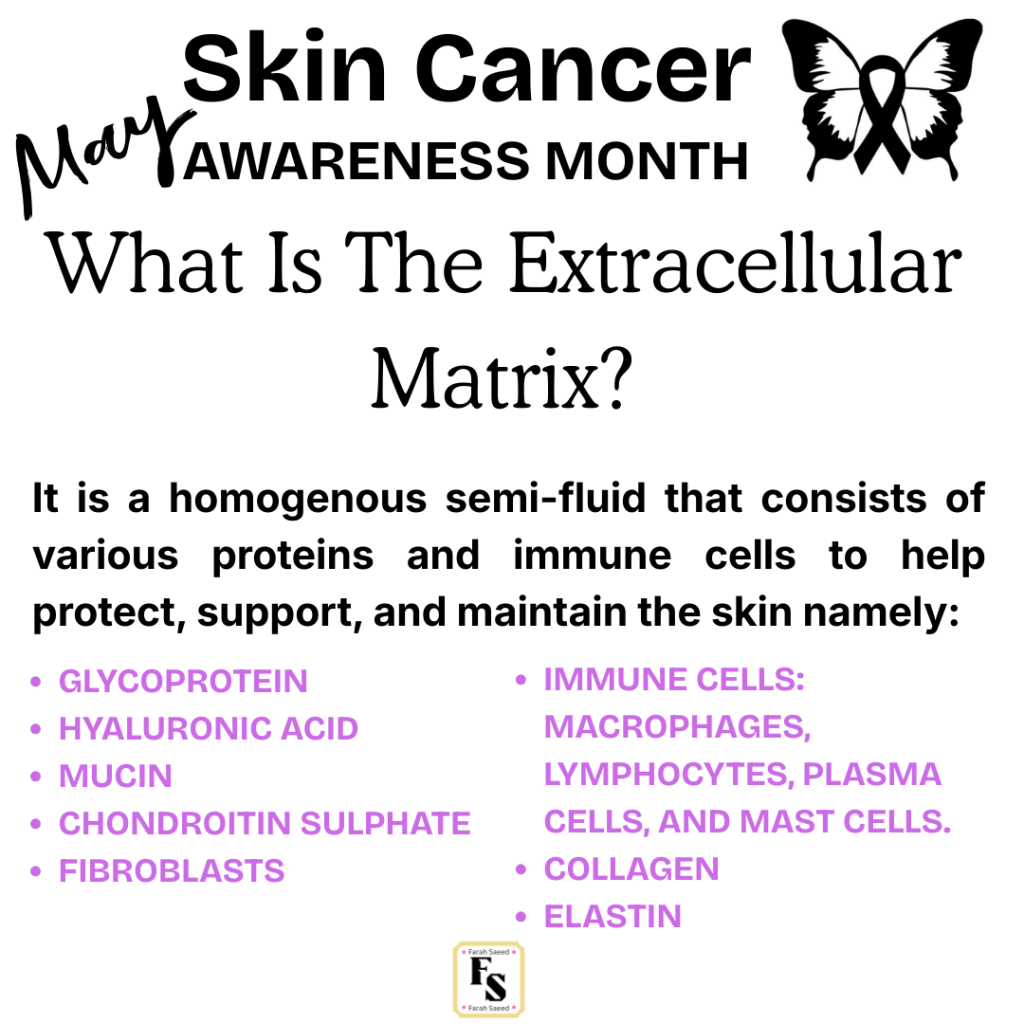
The Extracellular Matrix In The Dermis
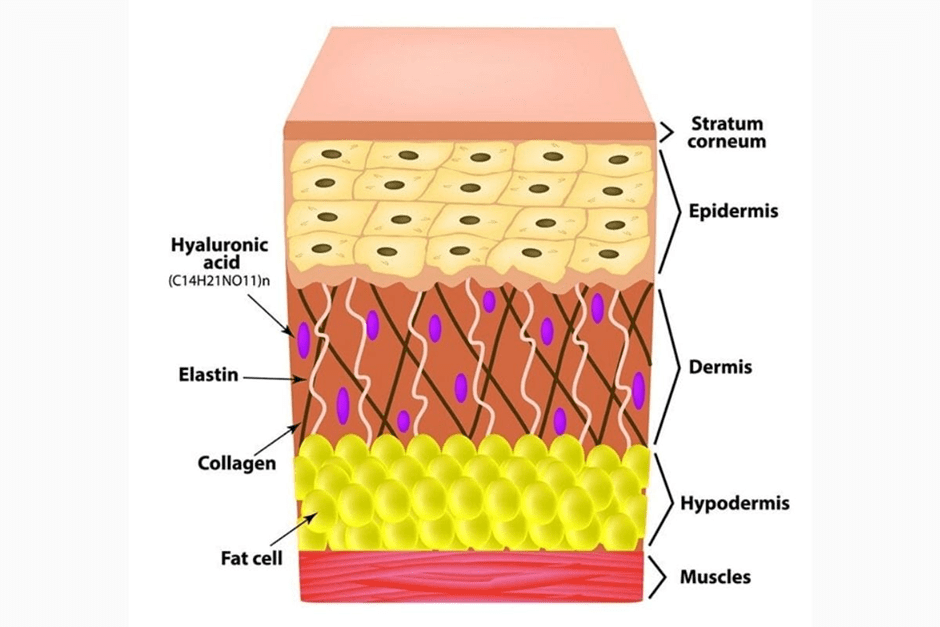
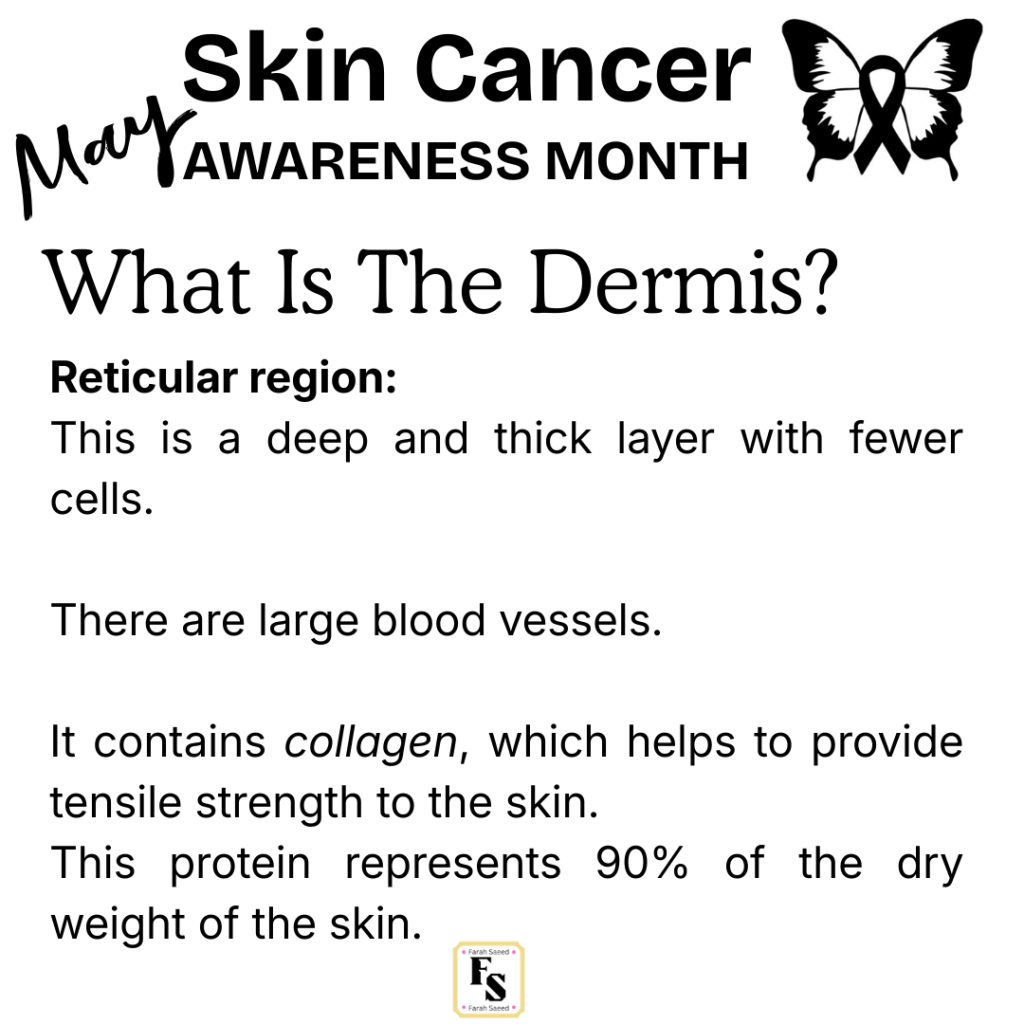
The Dermis: The Reticular Region
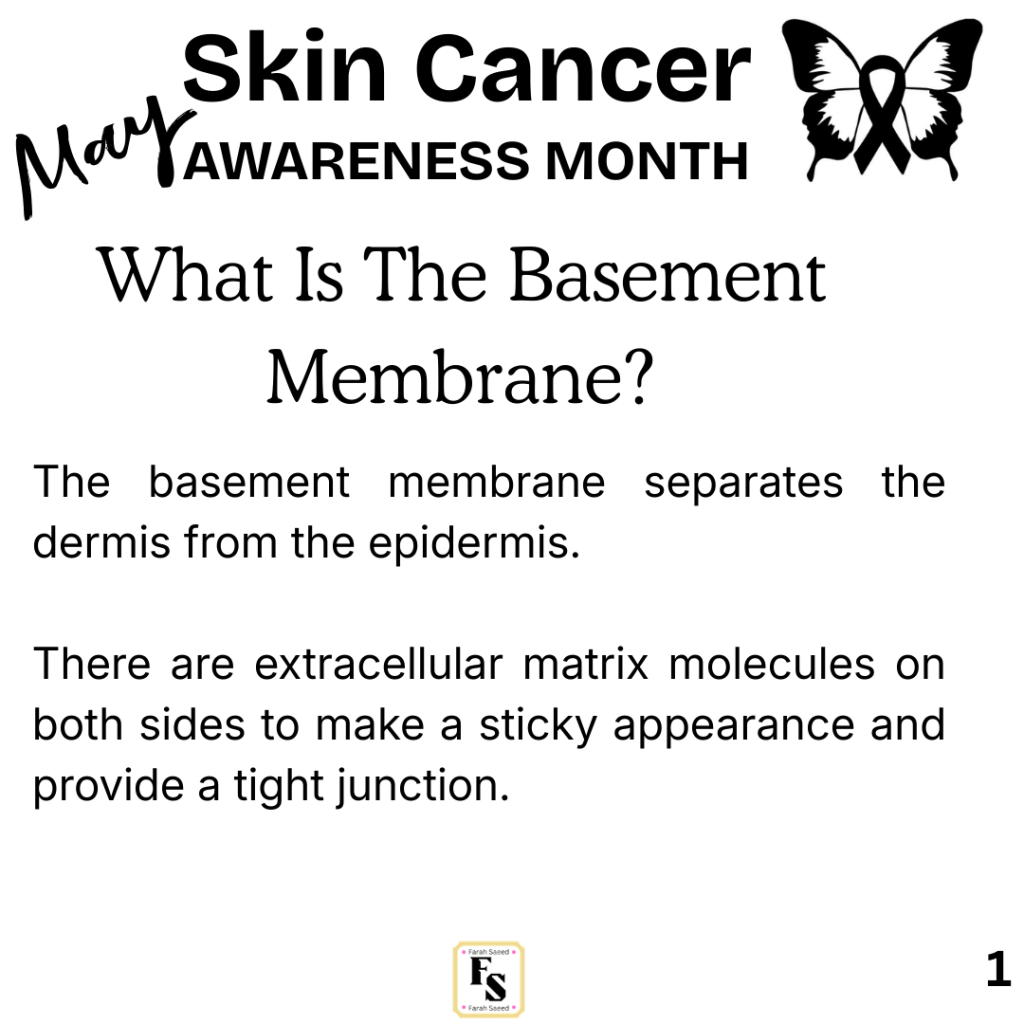
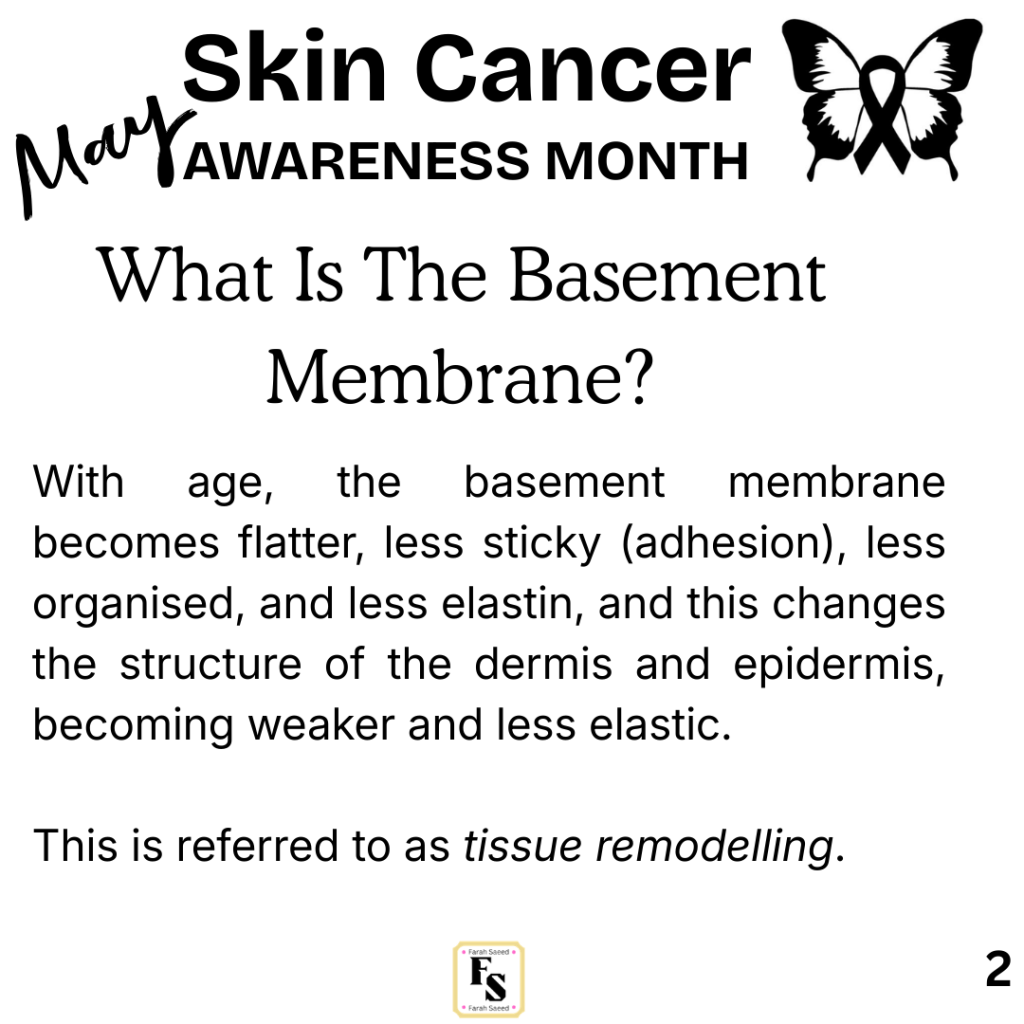
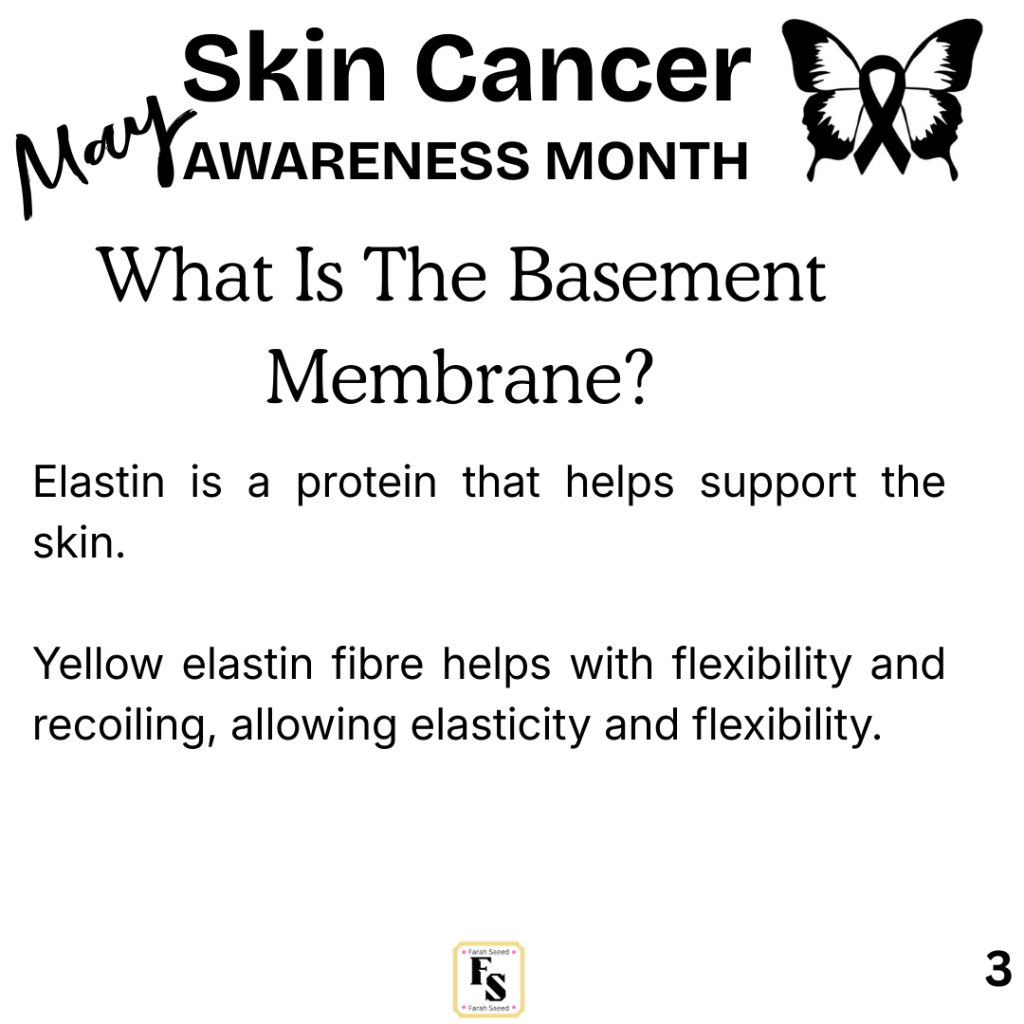
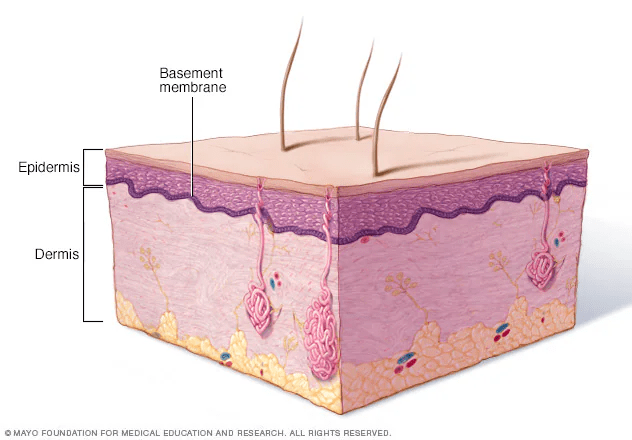
The Basement Membrane
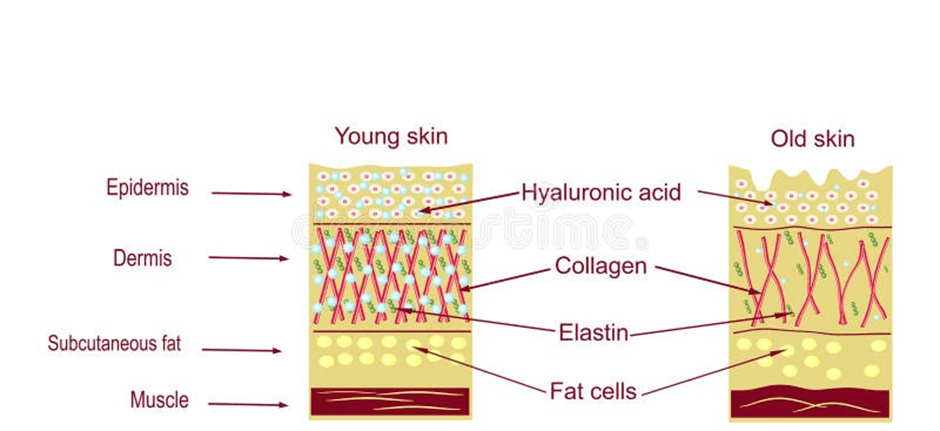
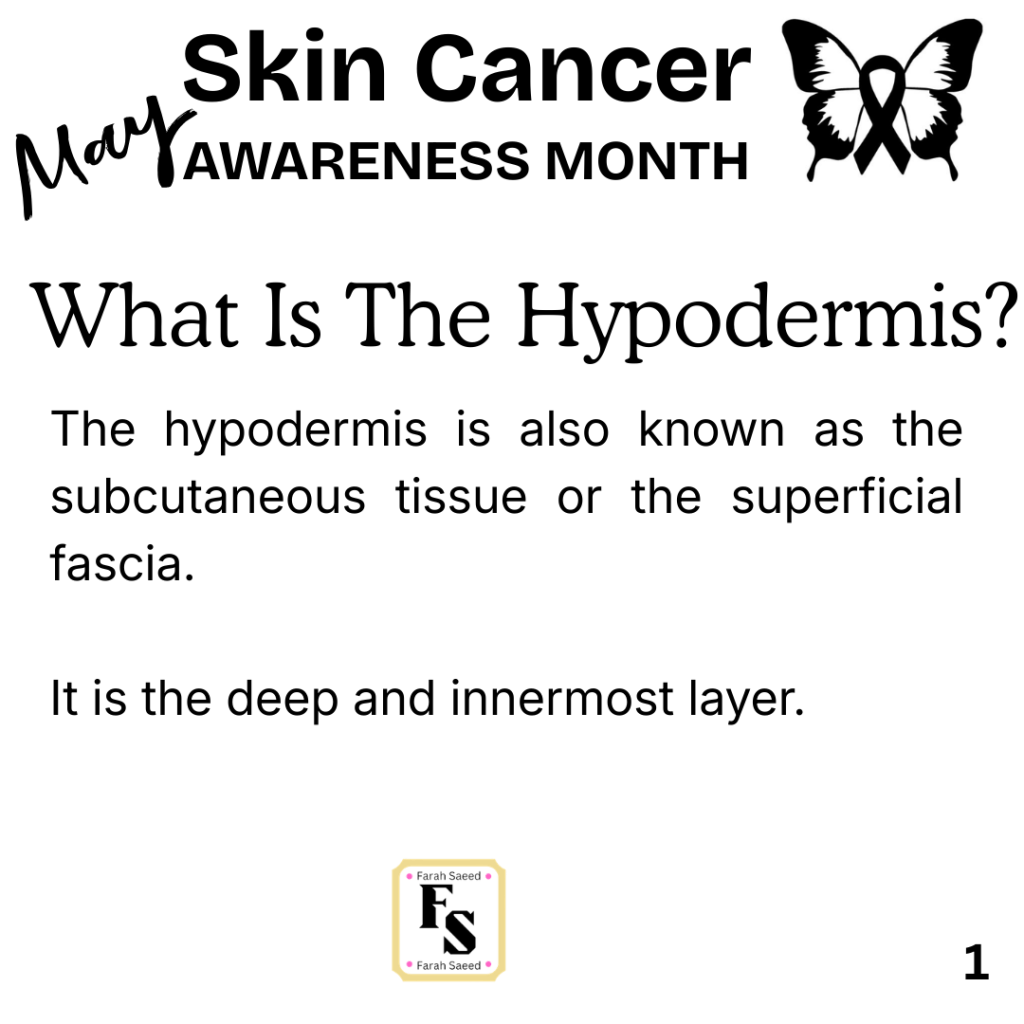
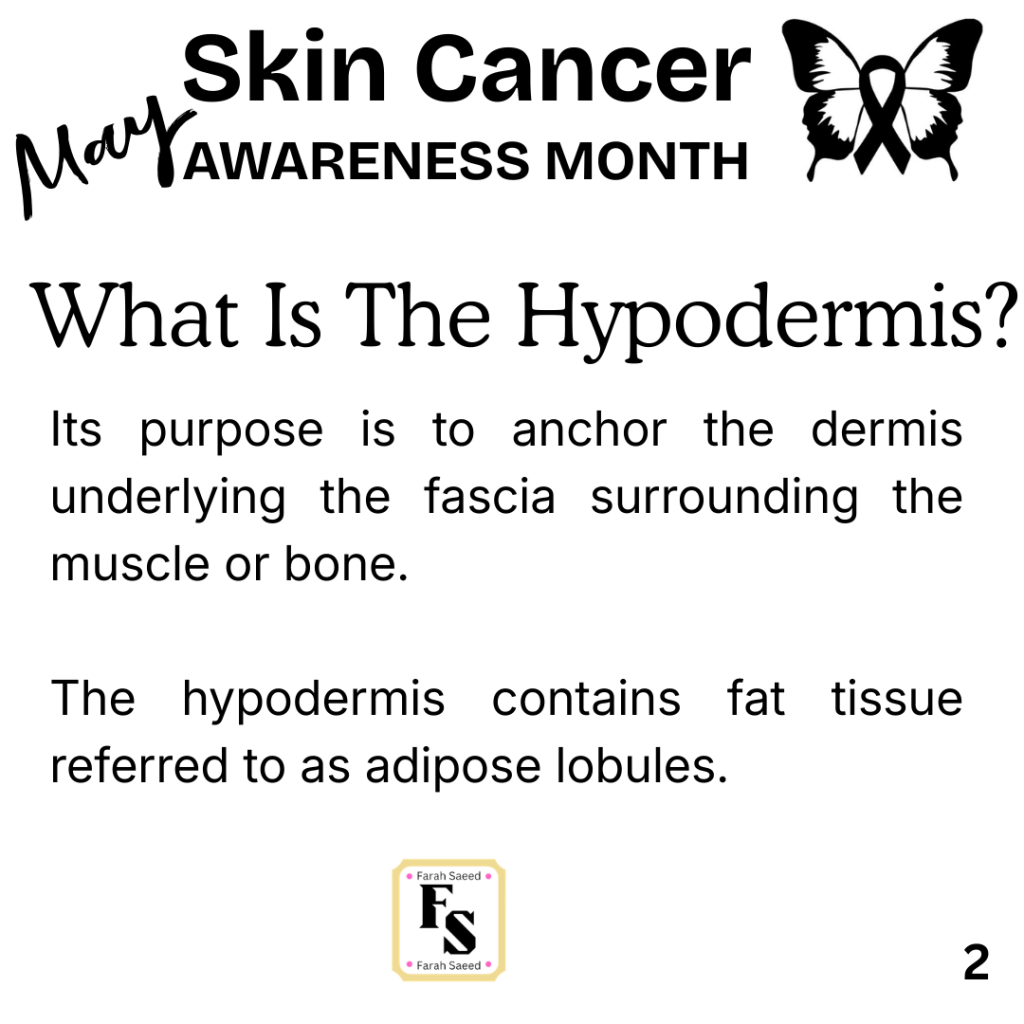
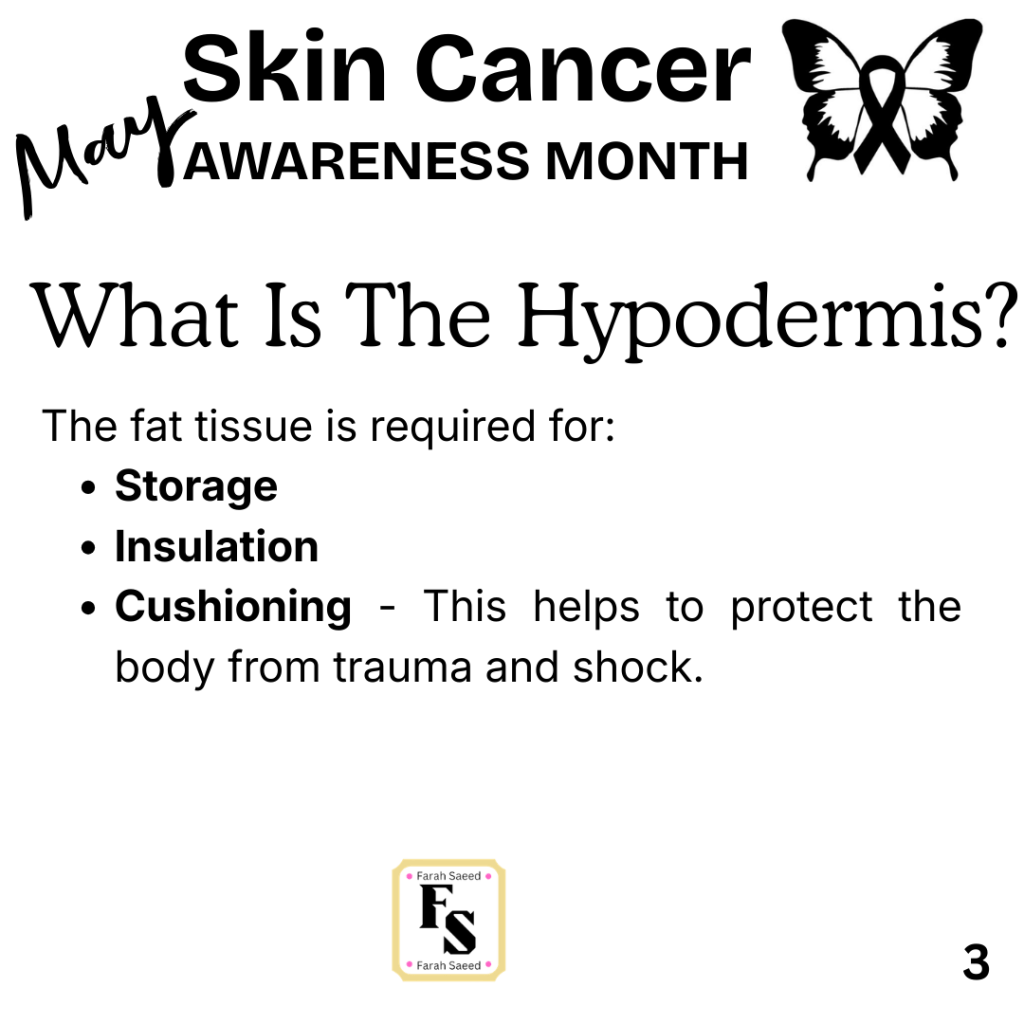
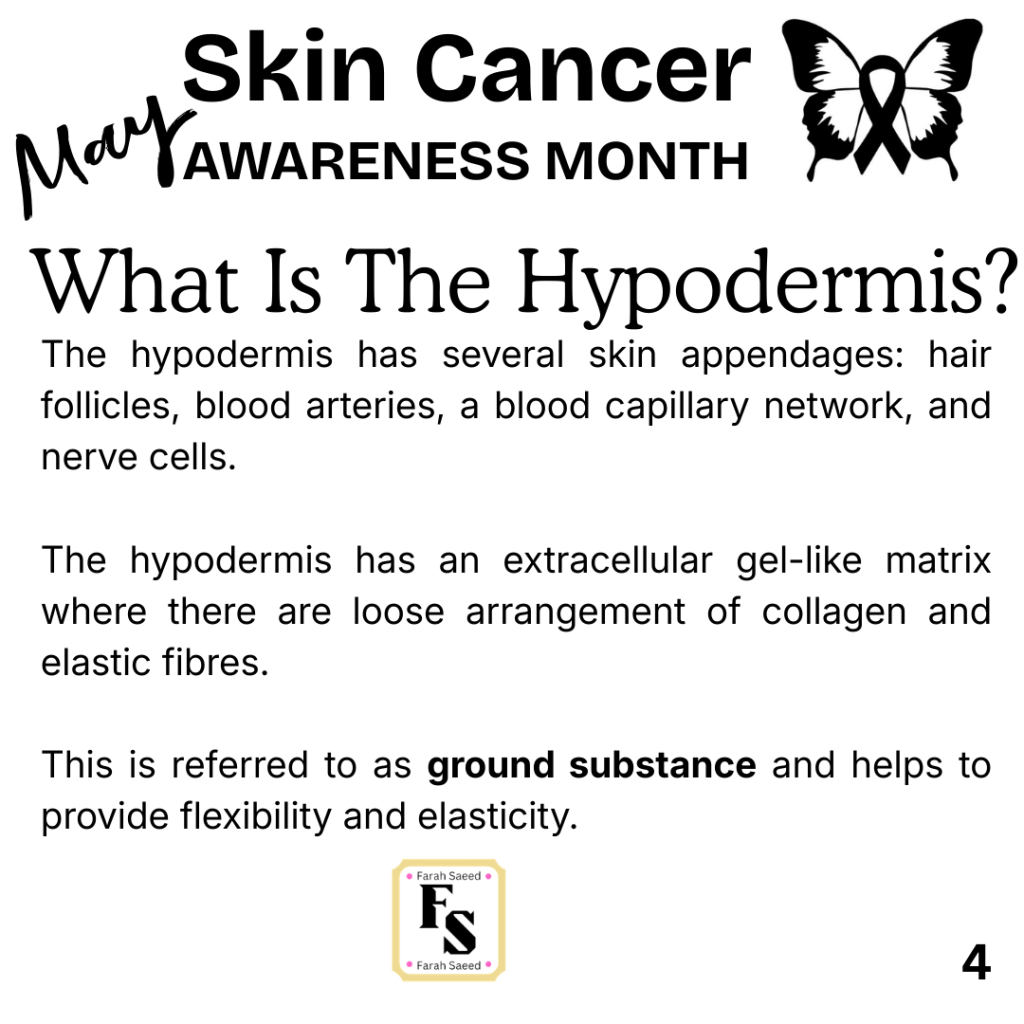
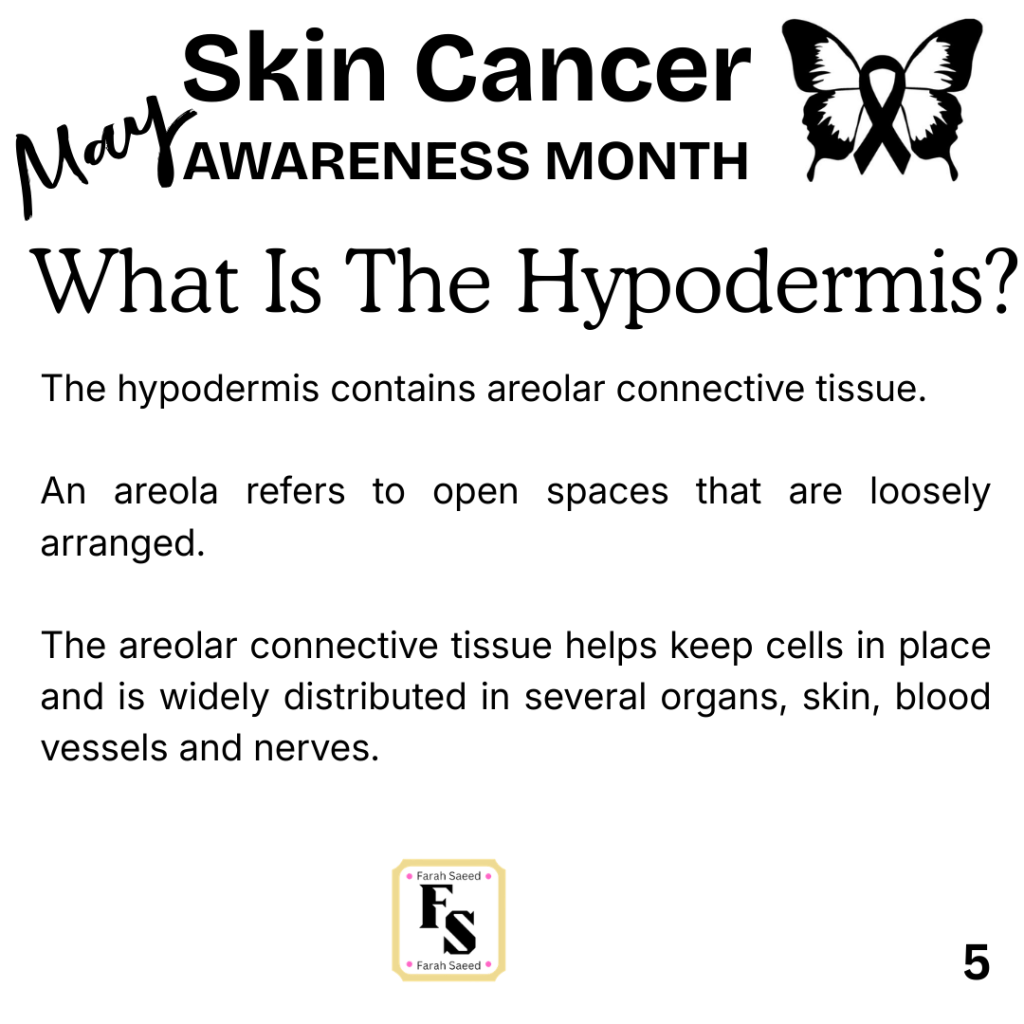
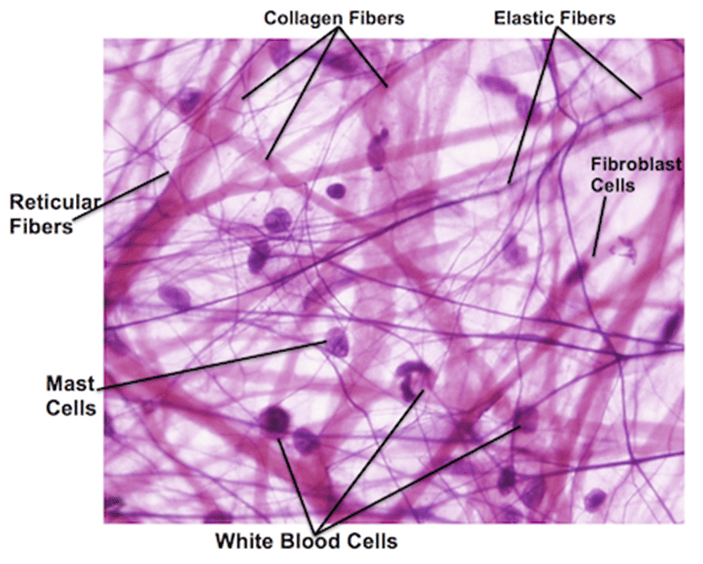
Hypodermis
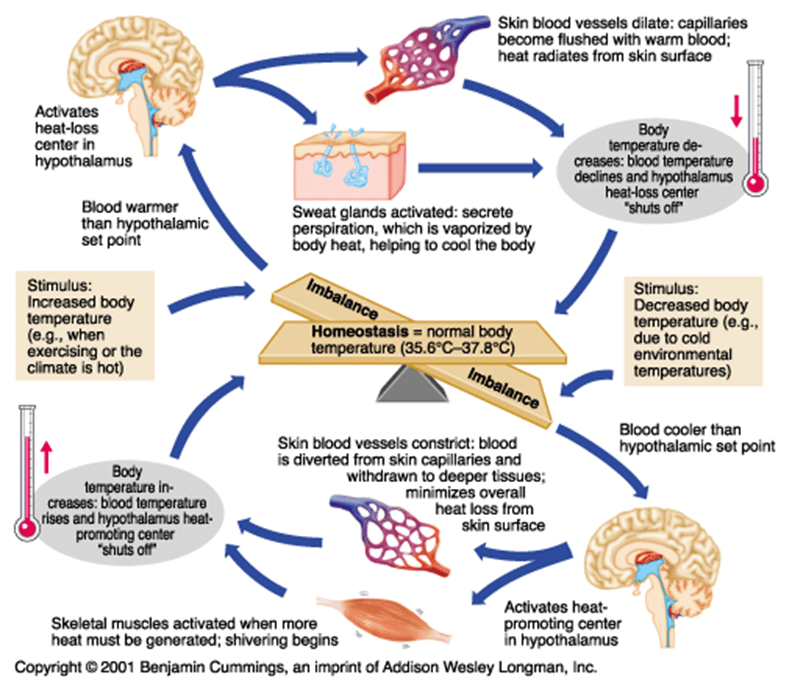
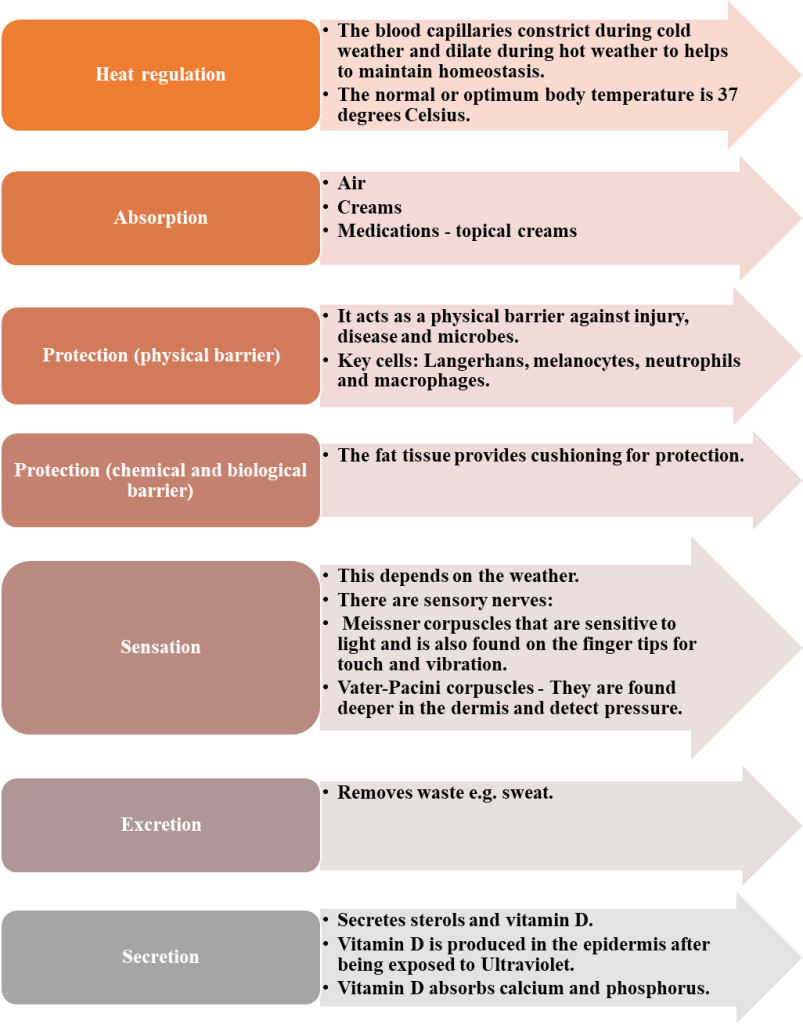
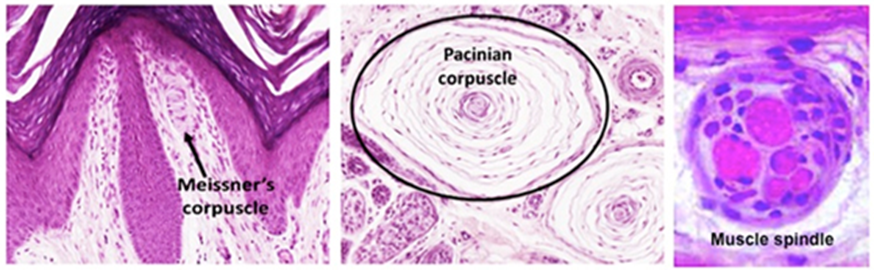
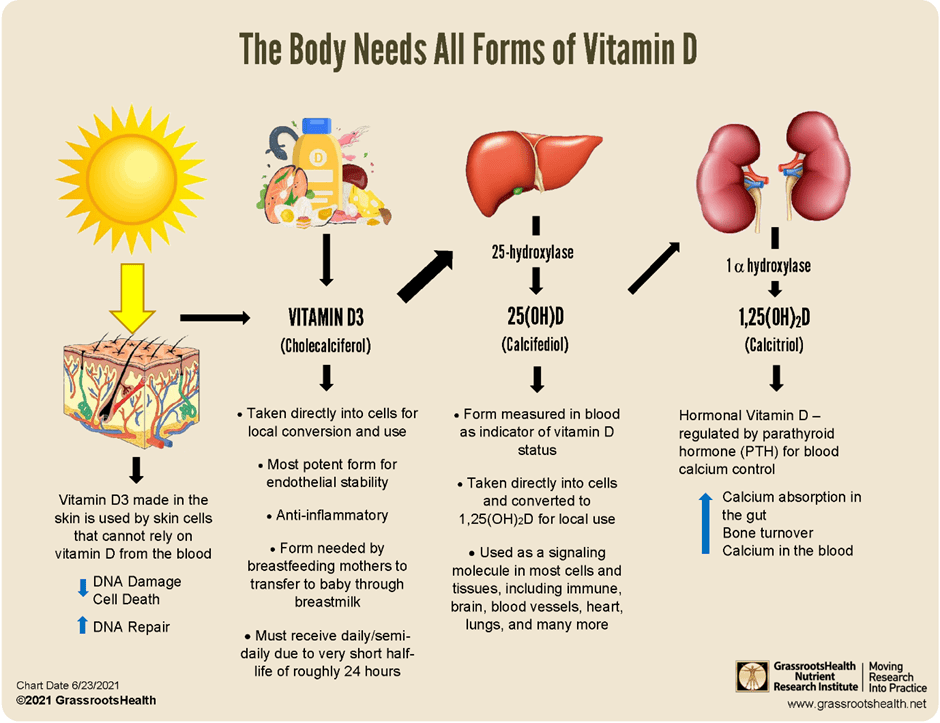
The Function Of The Skin
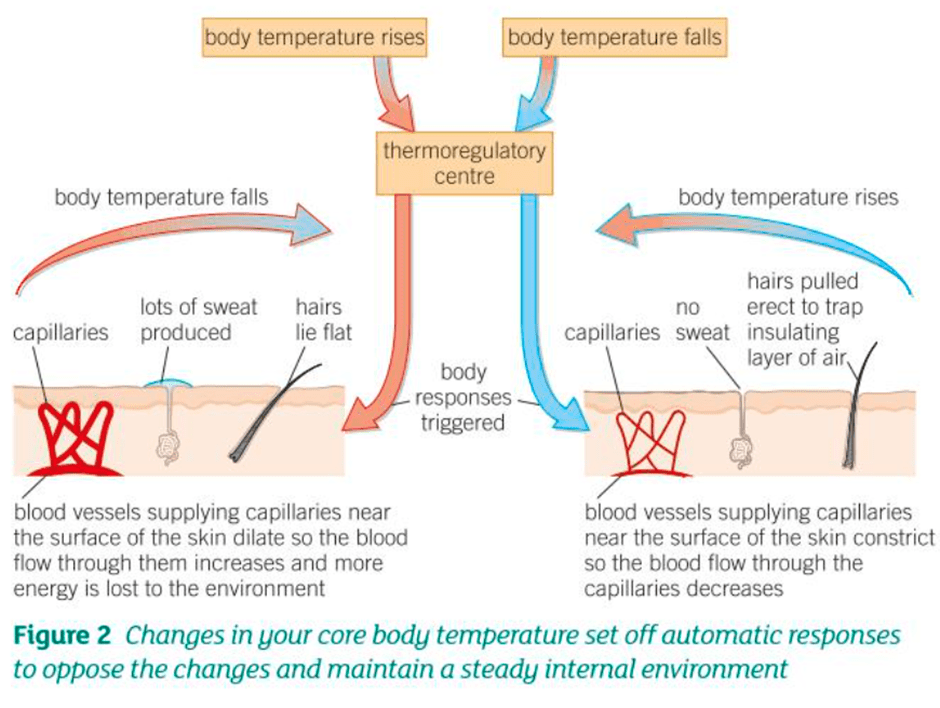
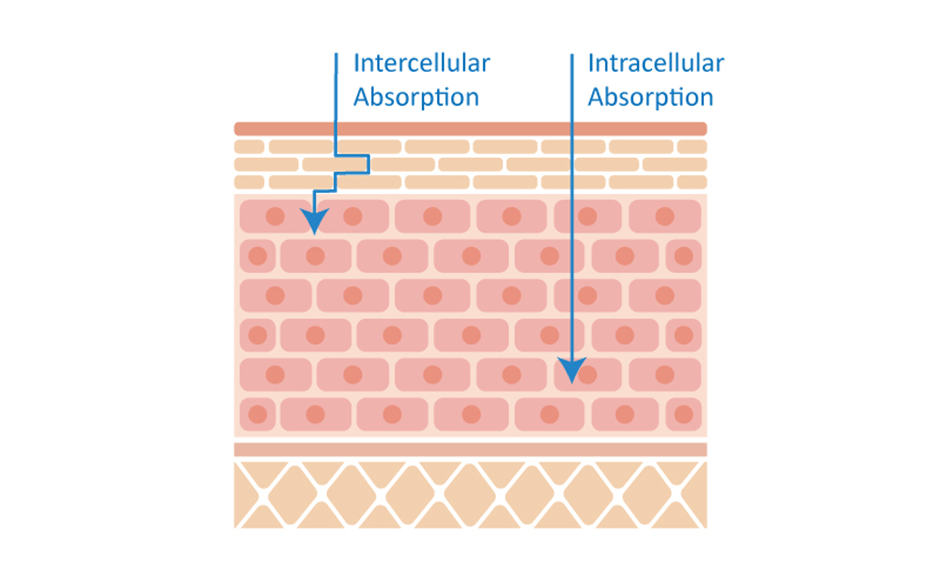
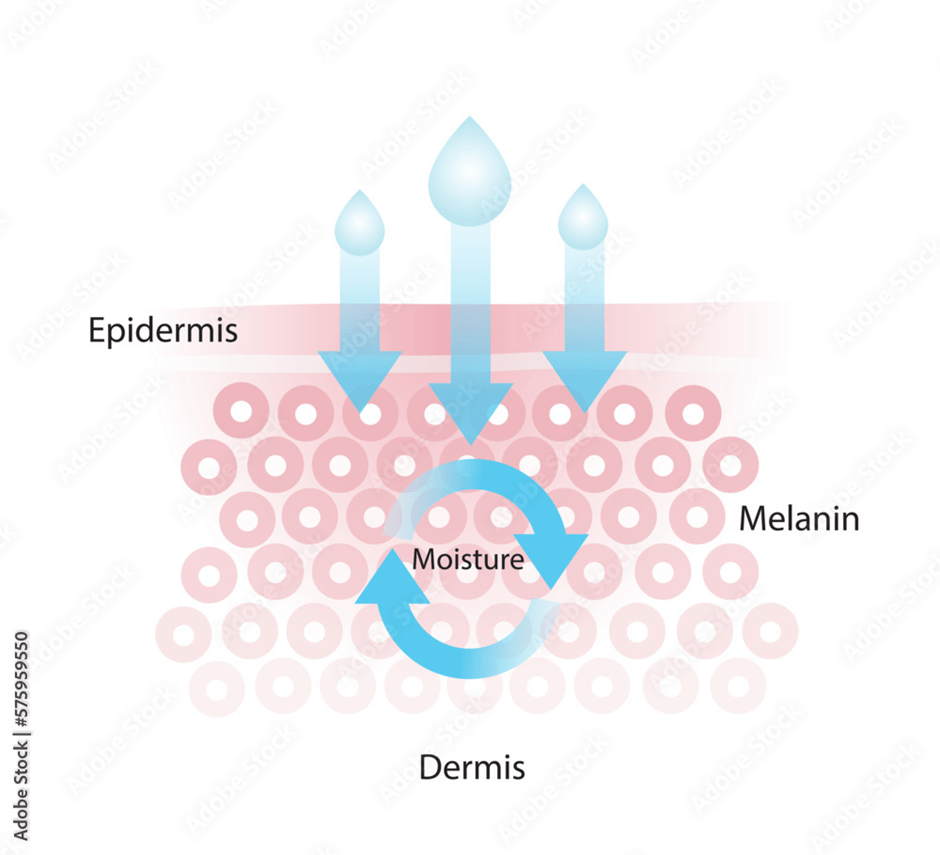
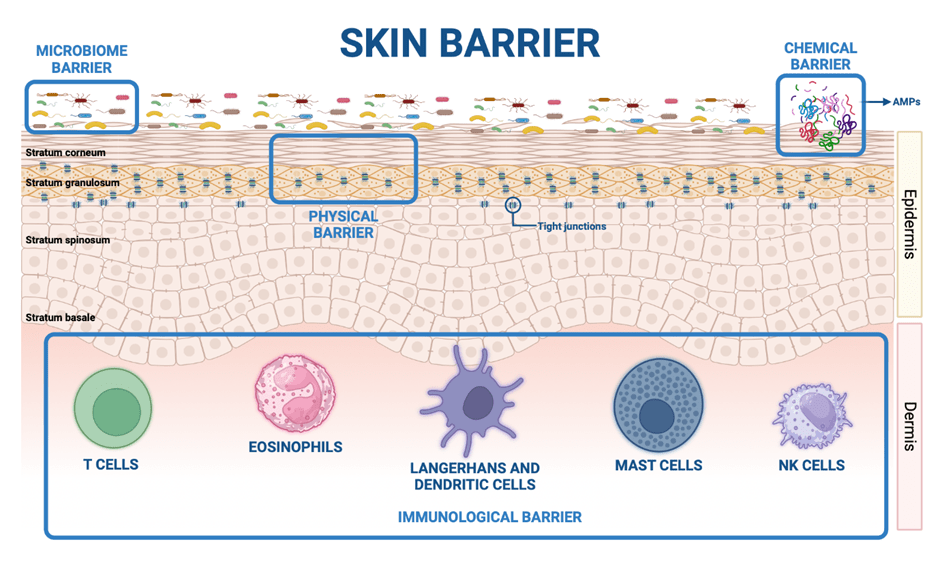
The image below presents the different roles of the skin.
References
Biga, L., Quick, D., Dawson, S., Harwell, A., Hopkins, R., Kaufmann, J., LeMaster, M., Matern, P., Morrison-Graham, K., and Runyeon, J. (2019). Anatomy and Physiology. Oregon: Oregon State Open Educational Resources.
Bonham, C.A., Kuehlmann, B., and Gurtner, G.C. (2019). Impaired Neovascularization in Aging. Advances in Wound Care. doi: https://doi.org/10.1089/wound.2018.0912.
Fenner, J. and Clark, R.A.F. (2016) Anatomy, physiology, histology, and immunohistochemistry of human skin. In: Albanna, M., Holmes, J.H (eds.) Skin tissue engineering and regenerative Medicine. Boston: Academic Press, p. 1-17.
Lopez-Ojeda, W., Pandey, A., Alhajj, M., and Oakley, A. (2022) Anatomy, Skin (Integument). Available at: https://pubmed.ncbi.nlm.nih.gov/28723009/ (Accessed: 5th February 2026)
Lotfollahi, Z. (2024). The anatomy, physiology, and function of all skin layers and the impact of ageing on the skin. Wound practice & research, 32(1), pp.6–10. doi: https://doi.org/10.33235/wpr.32.1.6-10.
MedlinePlus (2026) TCHH gene. Available at: https://medlineplus.gov/genetics/gene/tchh/ (Accessed: 5th February 2026)
Menon, G.K. (2002). New insights into skin structure: scratching the surface. Advanced Drug Delivery Reviews, 54, pp. S3–S17. doi: https://doi.org/10.1016/s0169-409x(02)00121-7.
Roky, A.H., Islam, M.M., Fuad, M., Mostaq, M.S., Mahmud, M.Z. Amin, M.N., and Mahmud, M.A. (2024). Overview of skin cancer types and prevalence rates across continents. Cancer Pathogenesis and Therapy, 3(2). doi: https://doi.org/10.1016/j.cpt.2024.08.002.
Southern Illinois University (2022) Skin, epidermis, and dermis. Available at: https://histology.siu.edu/intro/IN005b.htm (Accessed: 5th February 2026)
Wysocki A. (2016) Anatomy and physiology of skin and soft tissue. In: Bryant, R.A. and Nix, D.P. (eds) Acute & chronic wounds: Current management concepts. Missouri: Elsevier; p. 40−62.
Yadav, N., Parveen, S., Chakravarty, S., Banerjee, M. (2019). Skin Anatomy and Morphology. In: Dwivedi, A., Agarwal, N., Ray, L., Tripathi, A. (eds) Skin Aging & Cancer. Singapore: Springer https://doi.org/10.1007/978-981-13-2541-0_1
Updated February 2026 Next Review May 2028
 The Farah Saeed Project