Treatment Of Skin Cancer
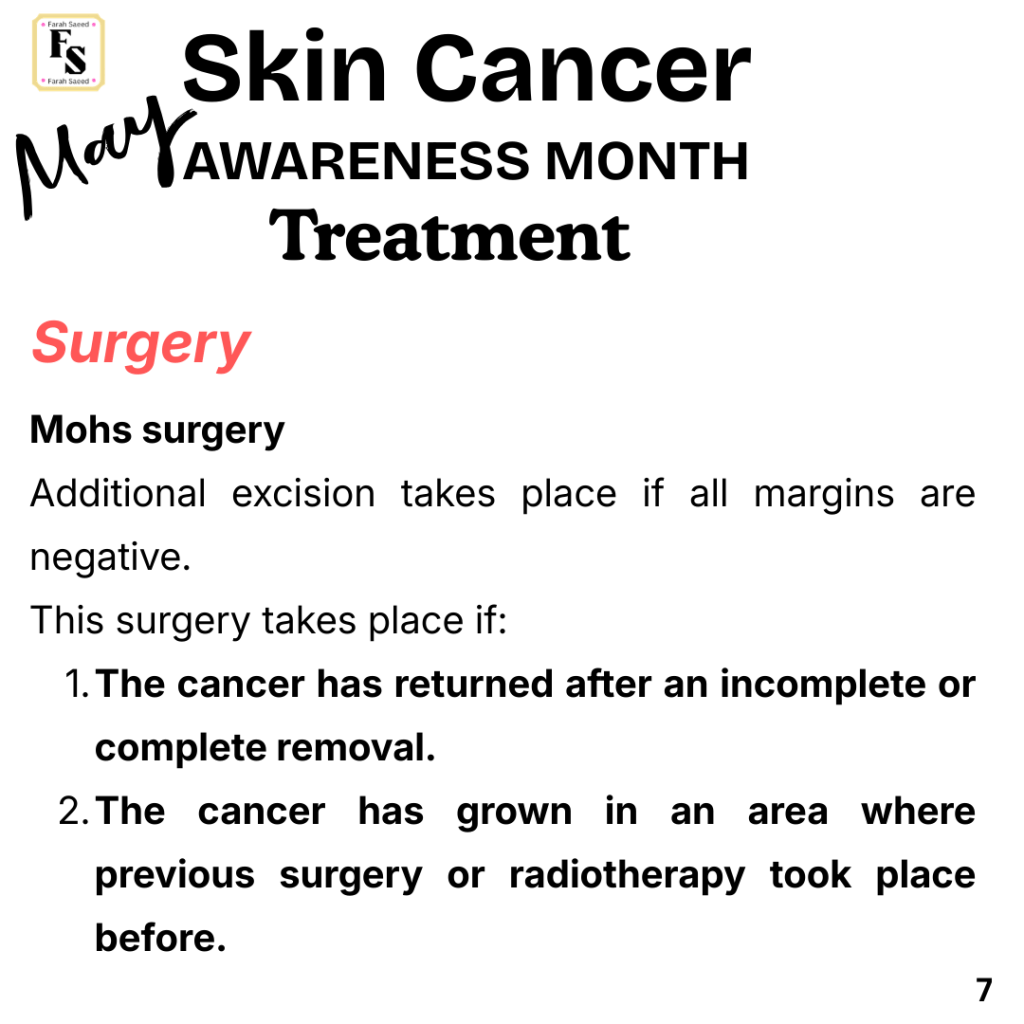
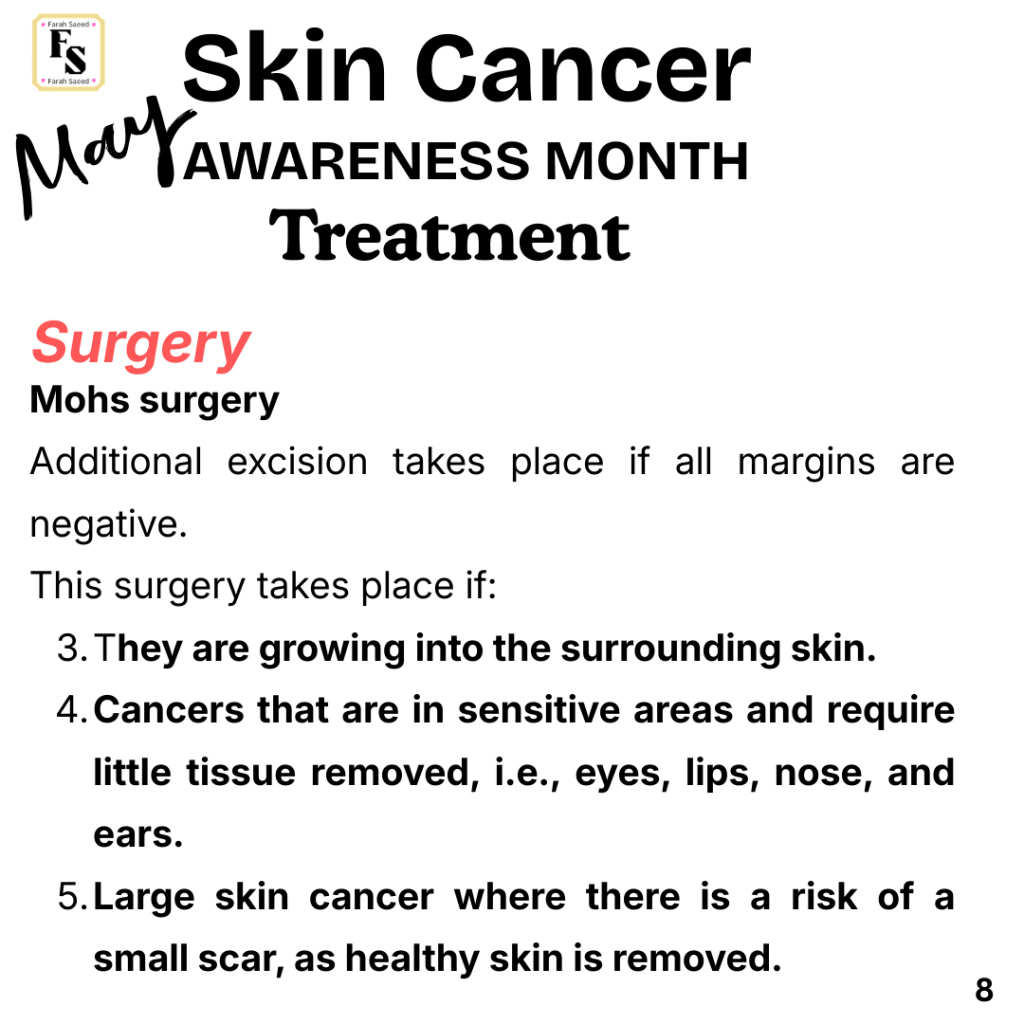
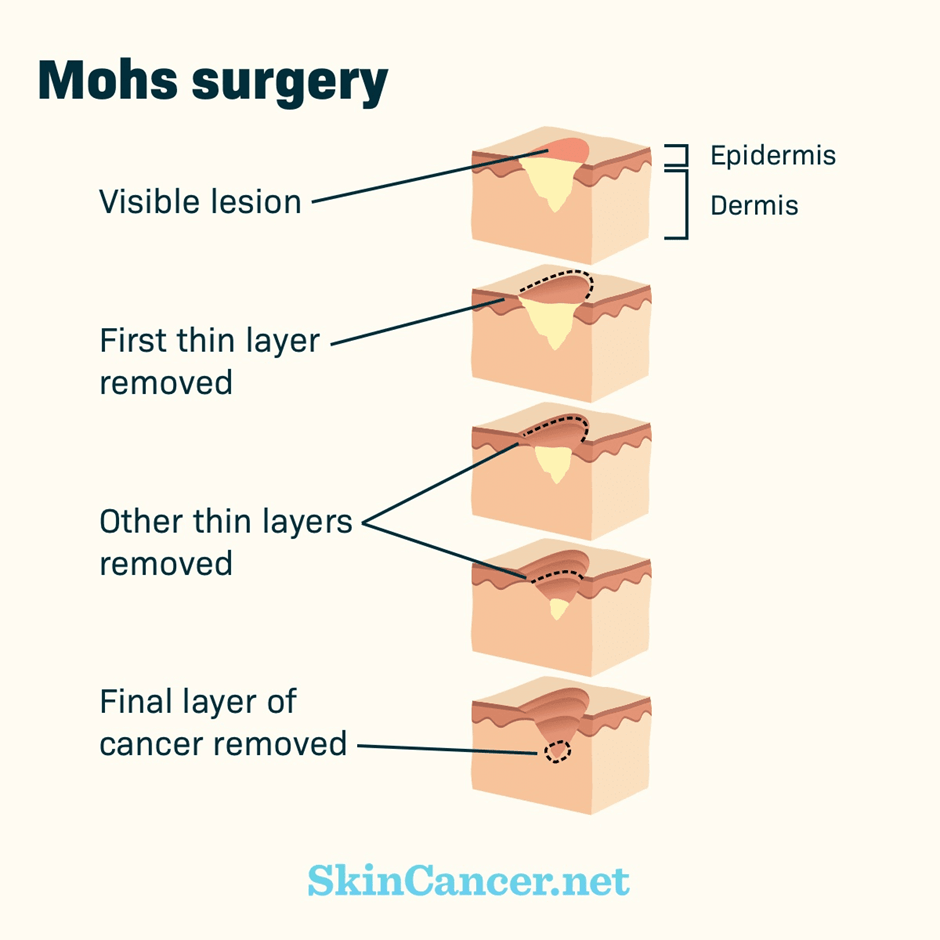
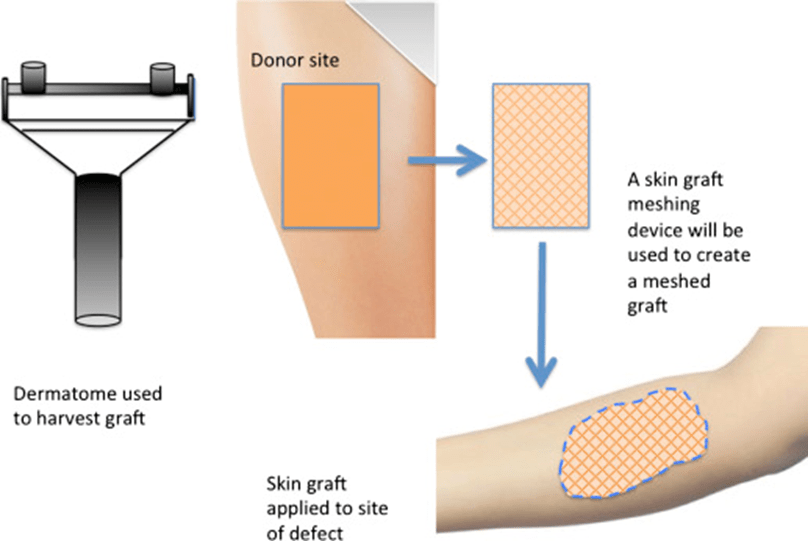
Surgery
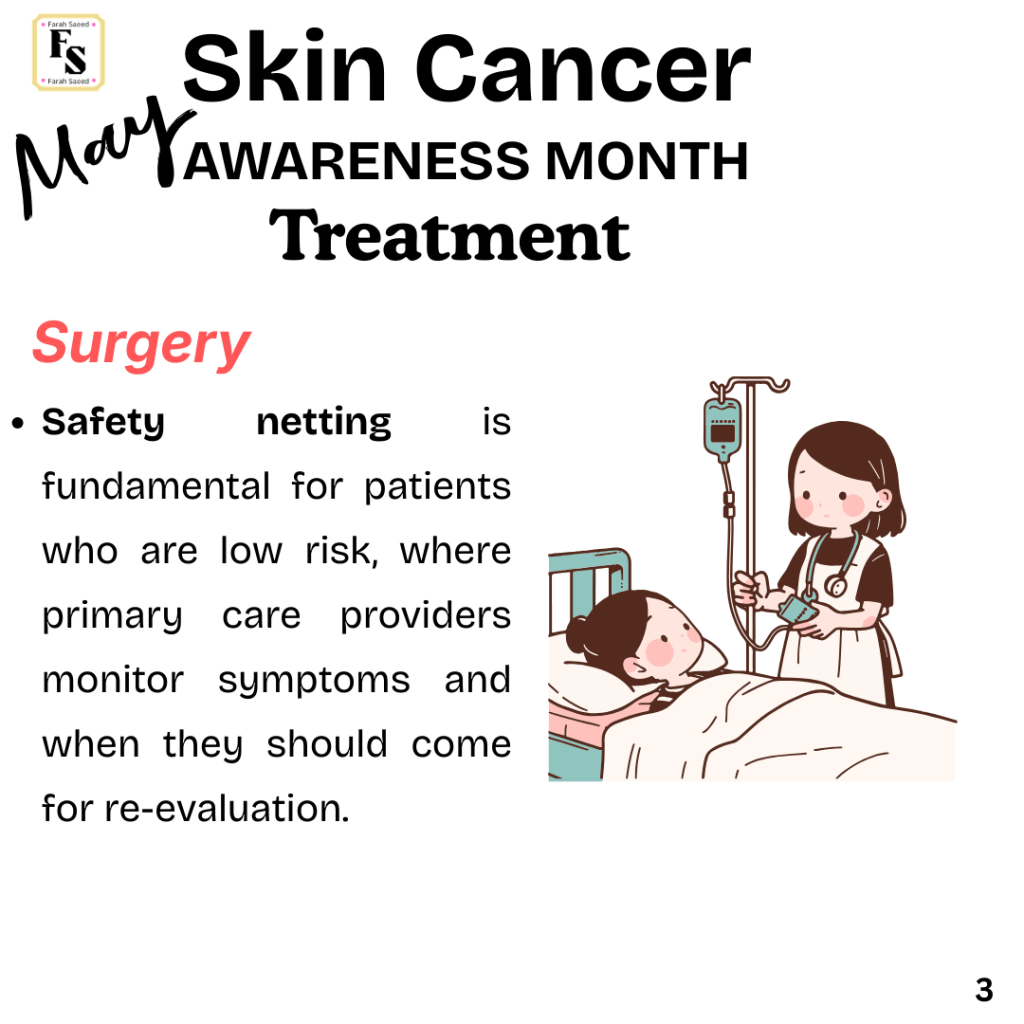
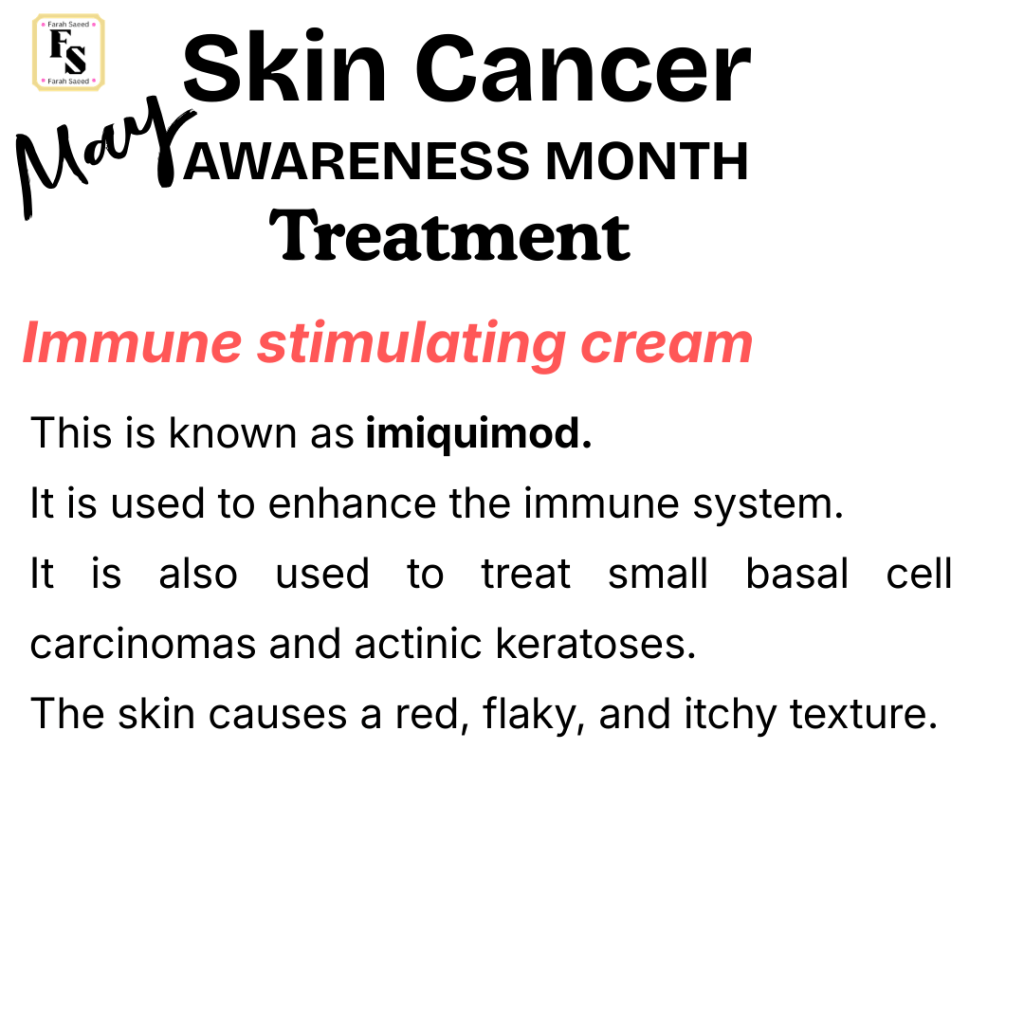
Immune-stimulating cream
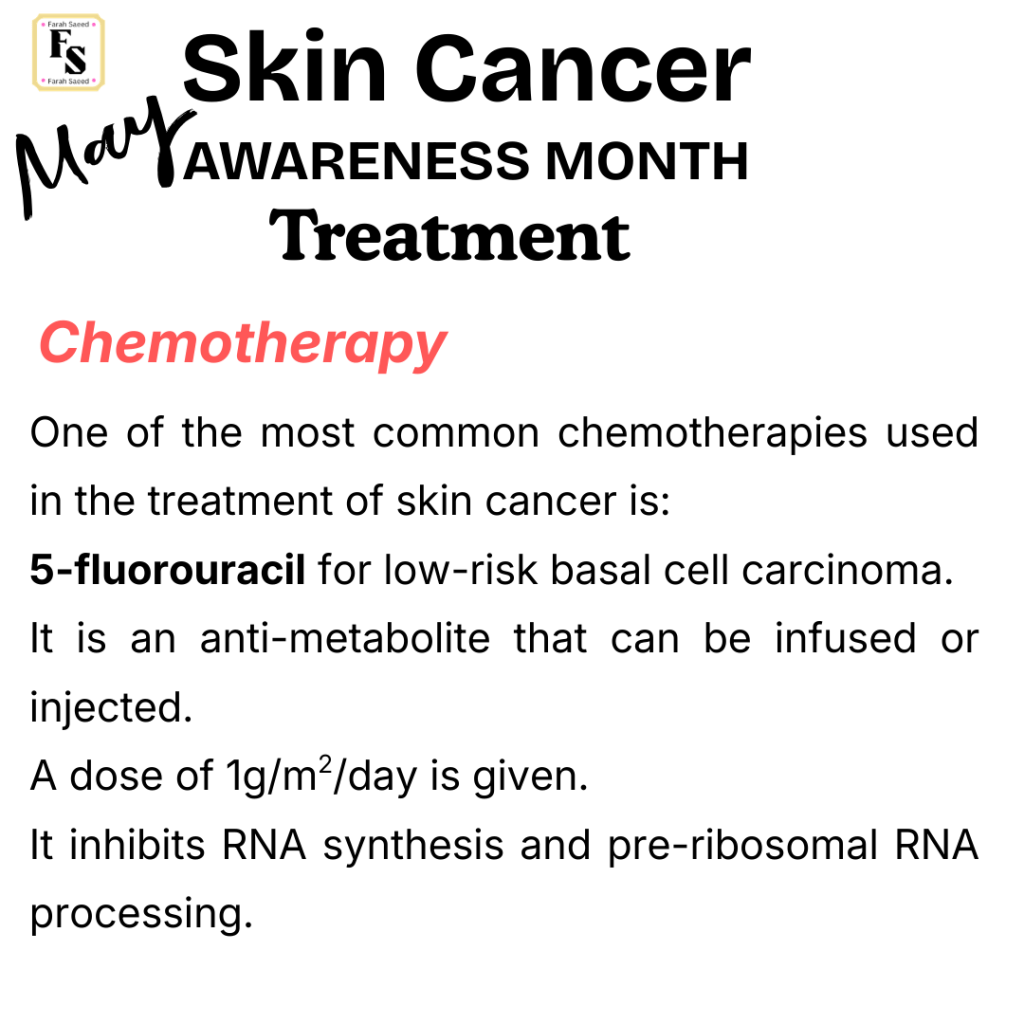
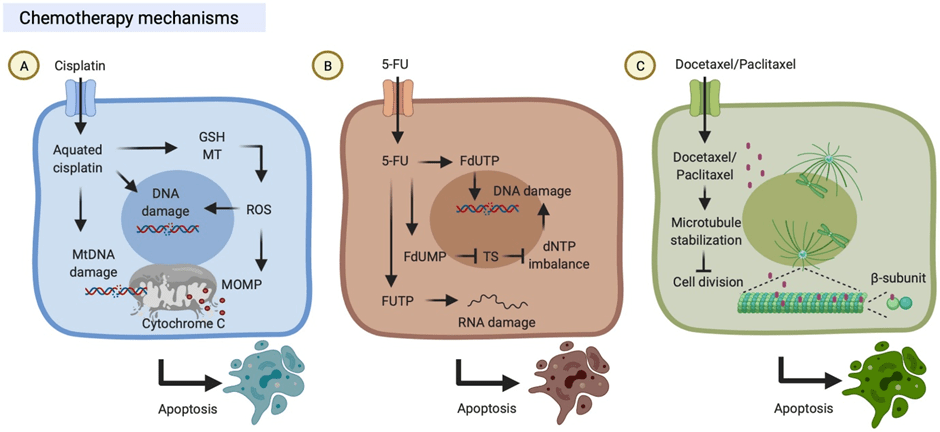
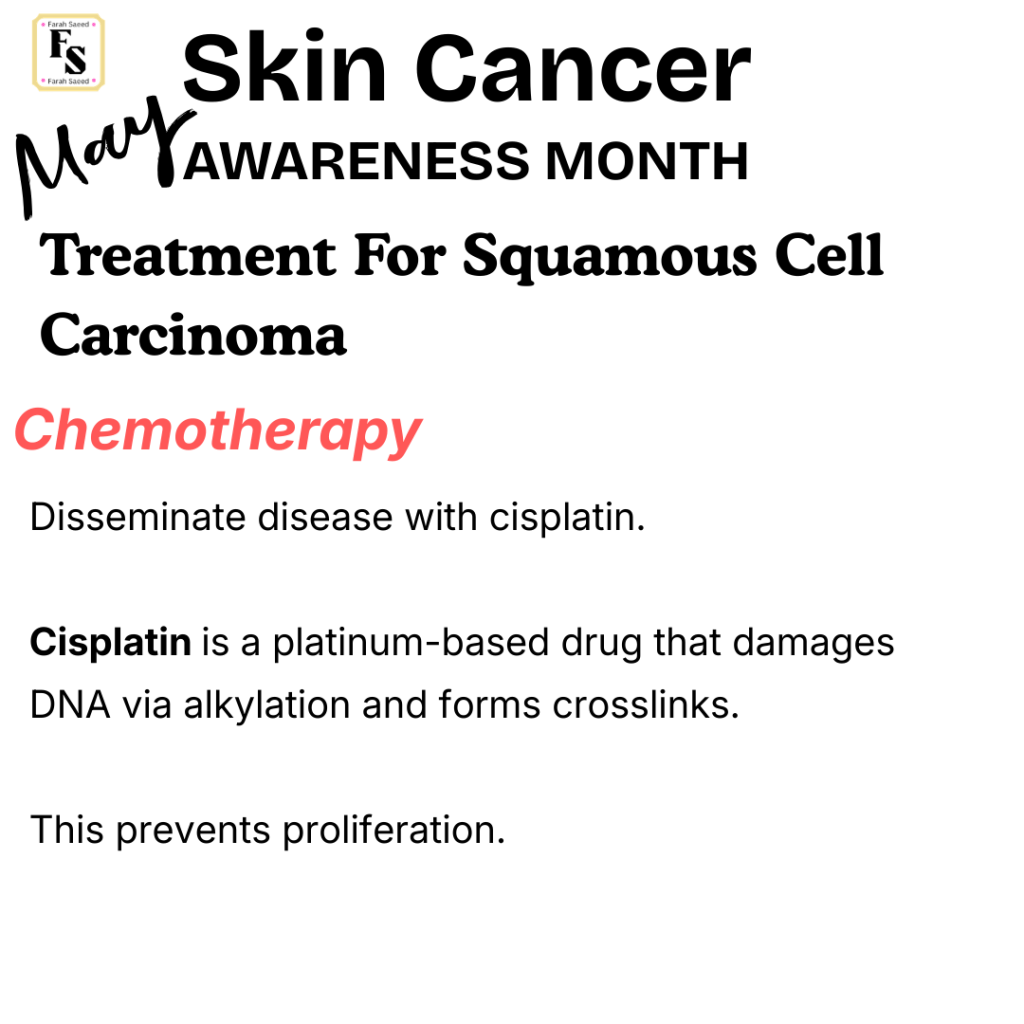
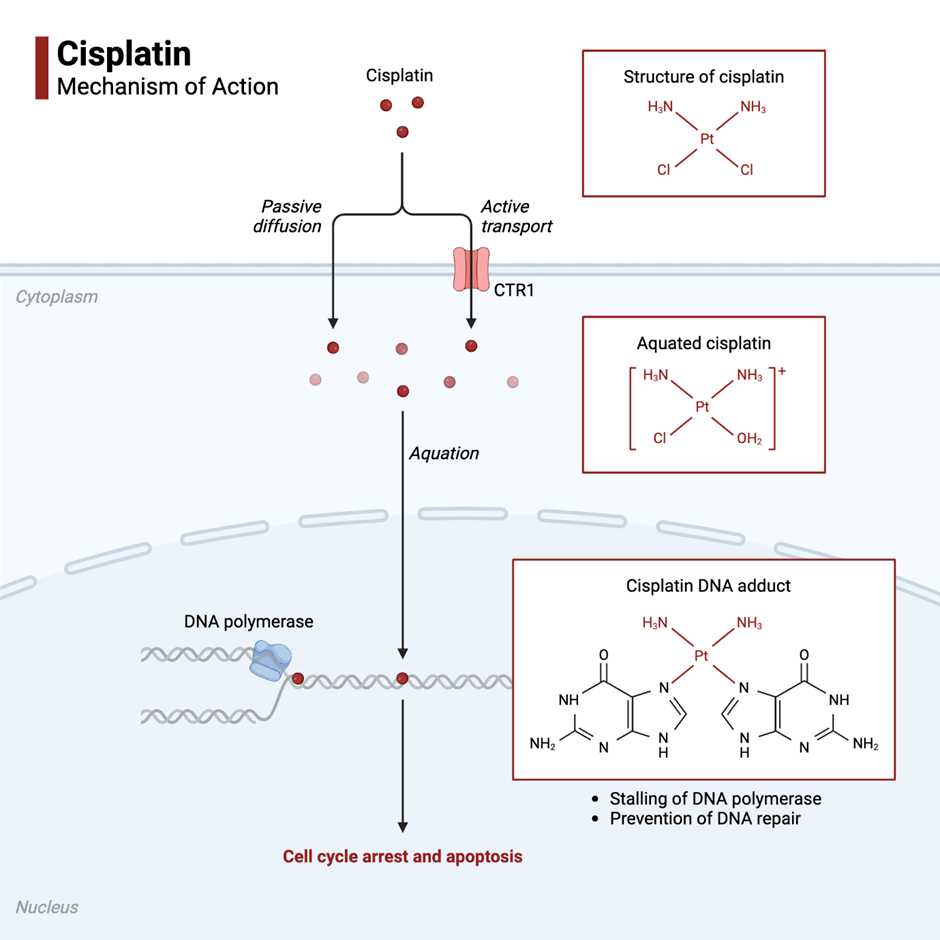
Chemotherapy
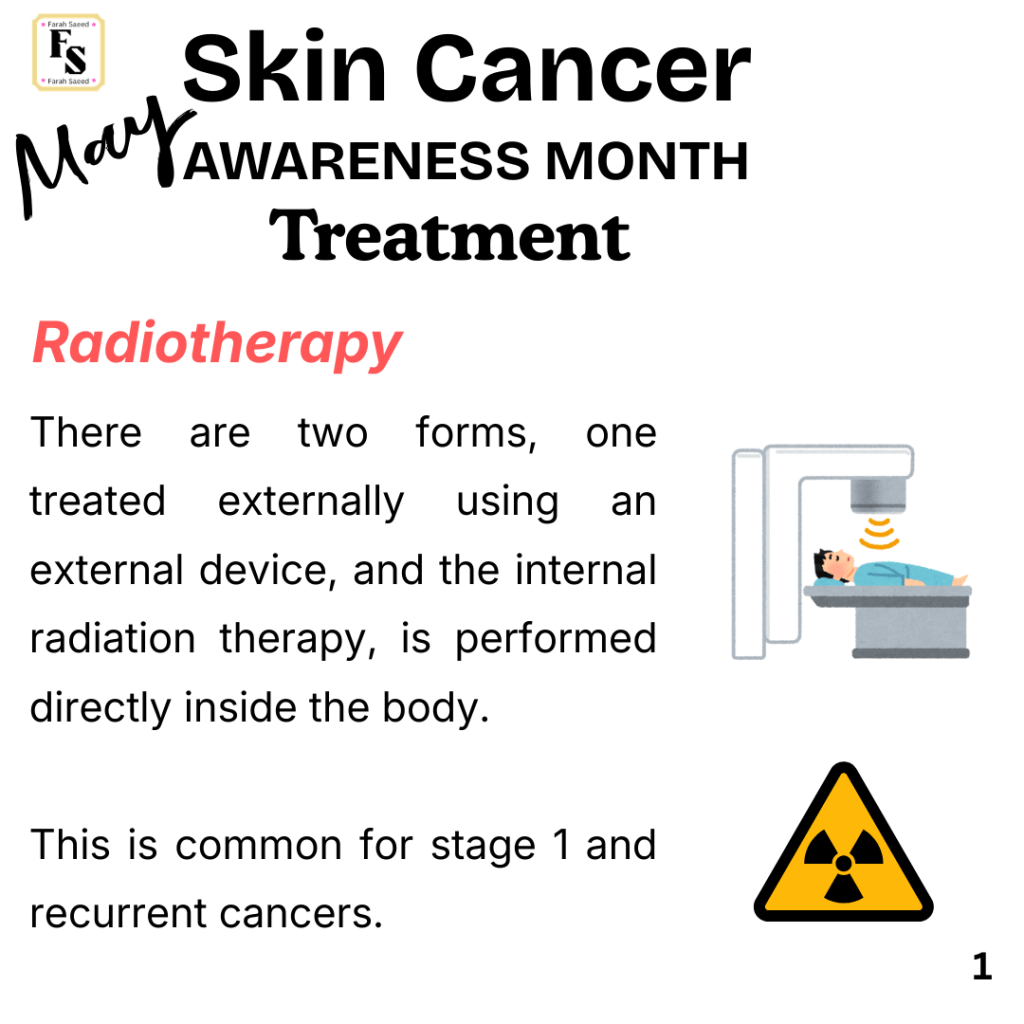
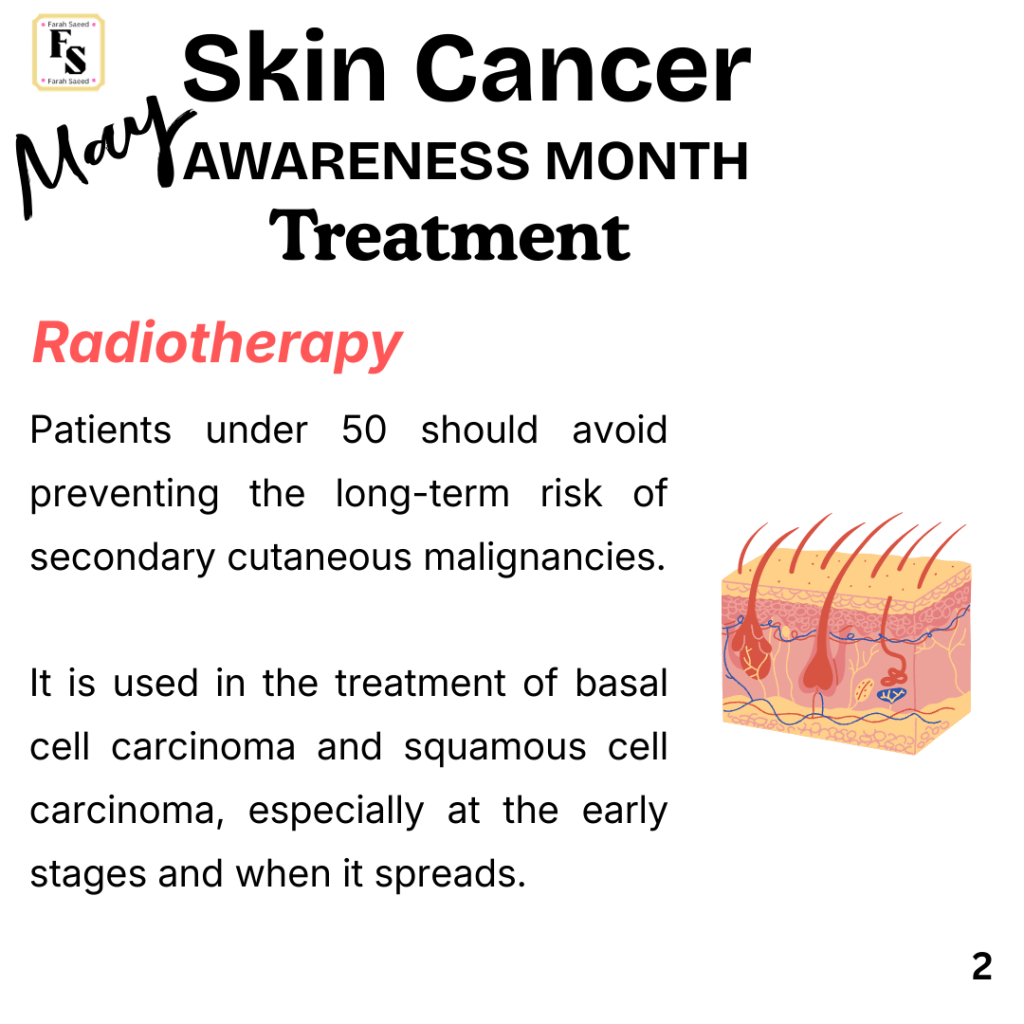
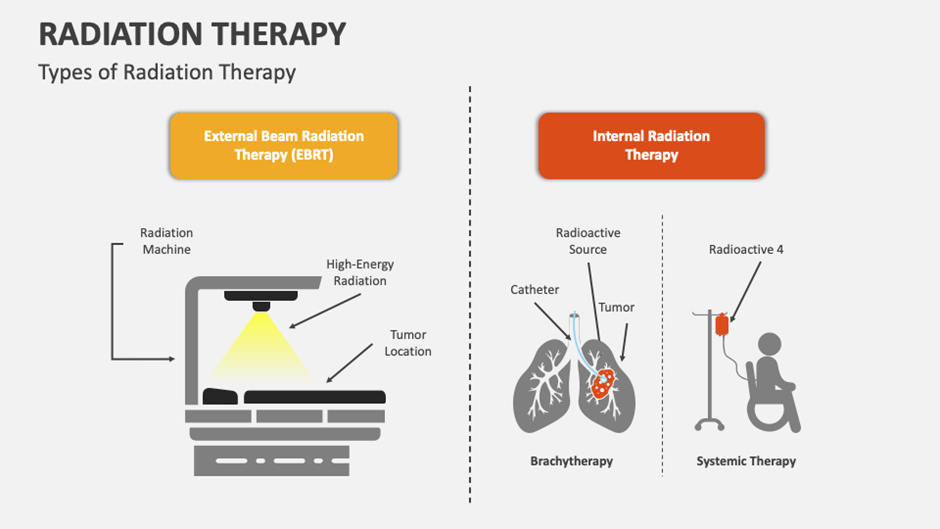
Radiotherapy
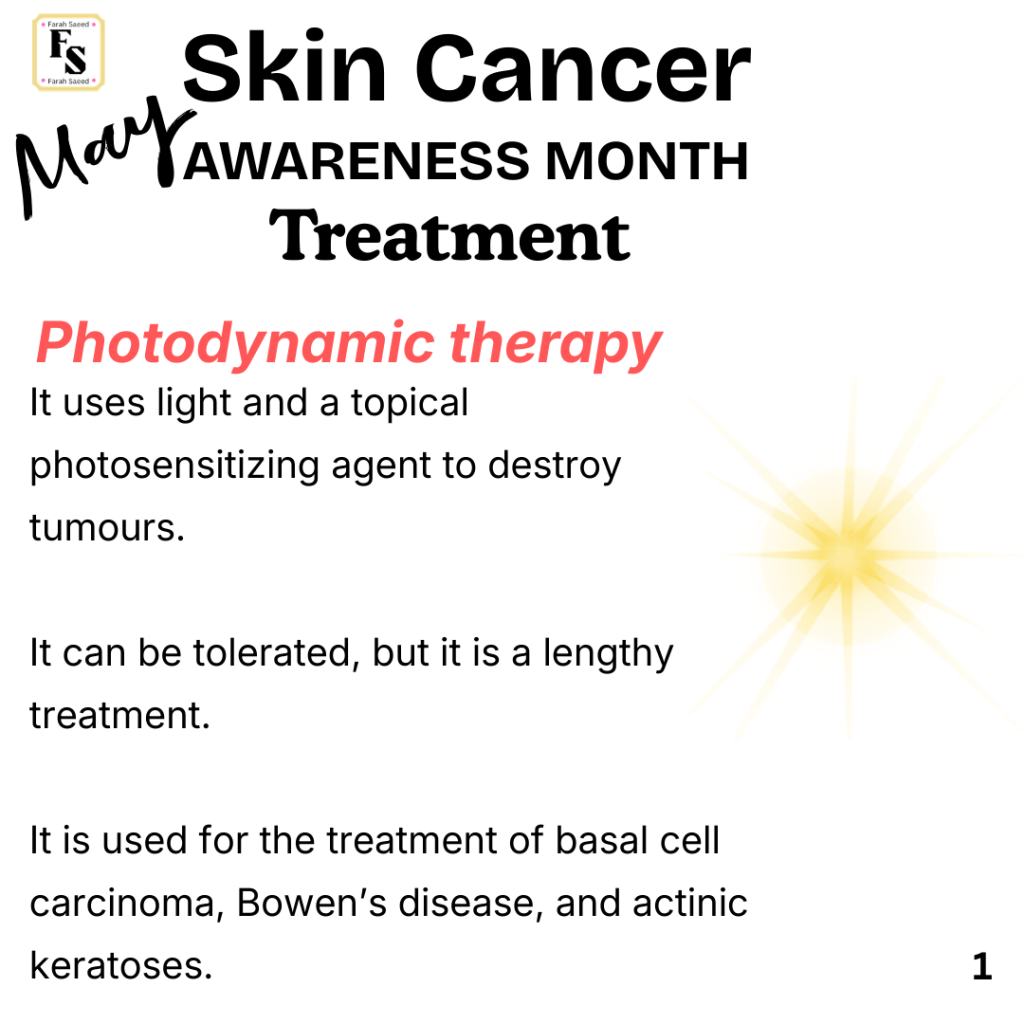
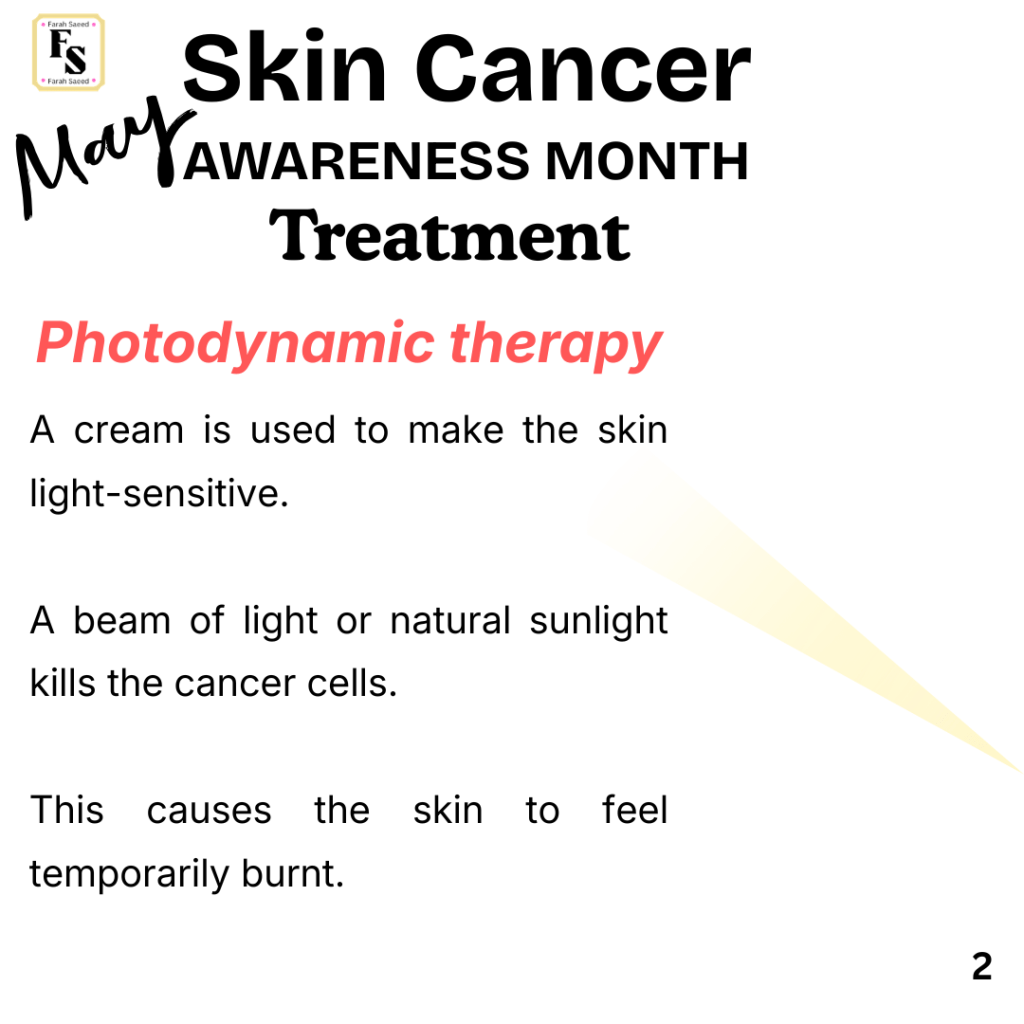
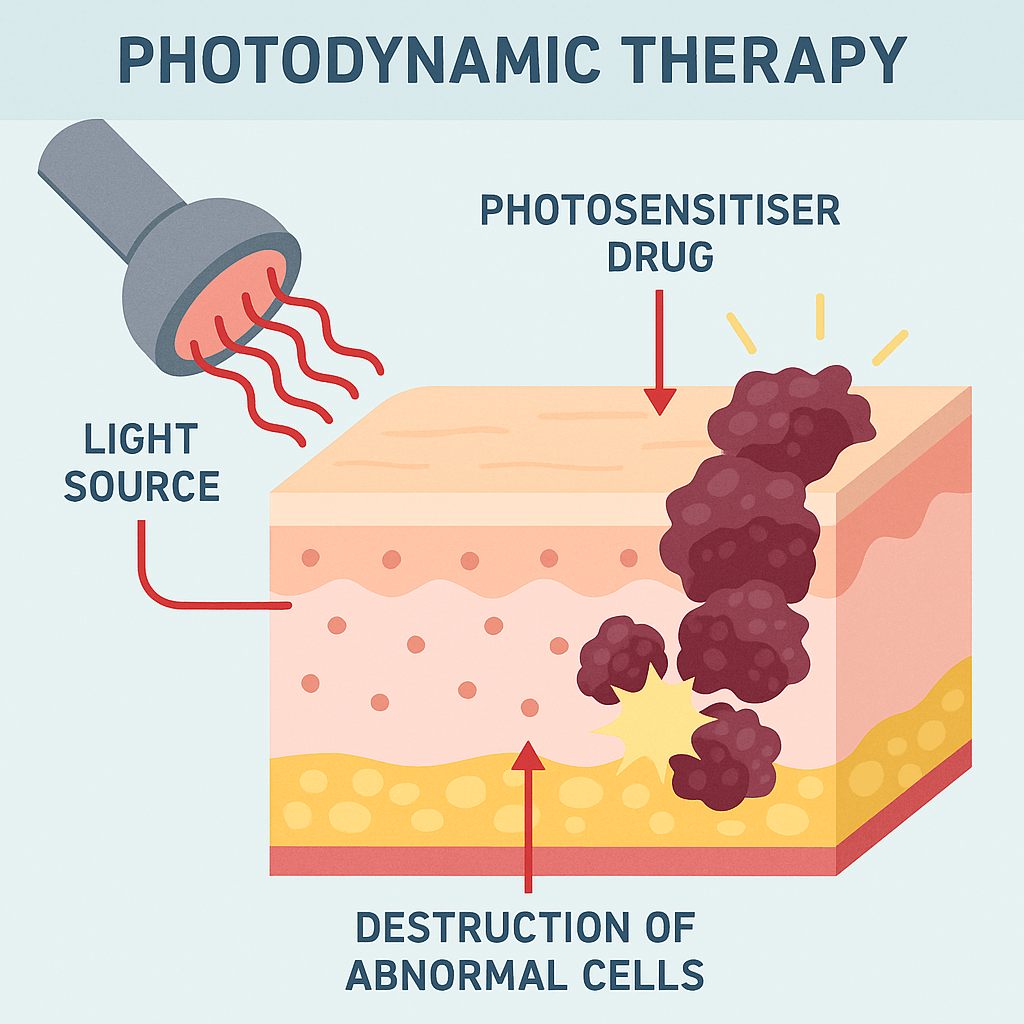
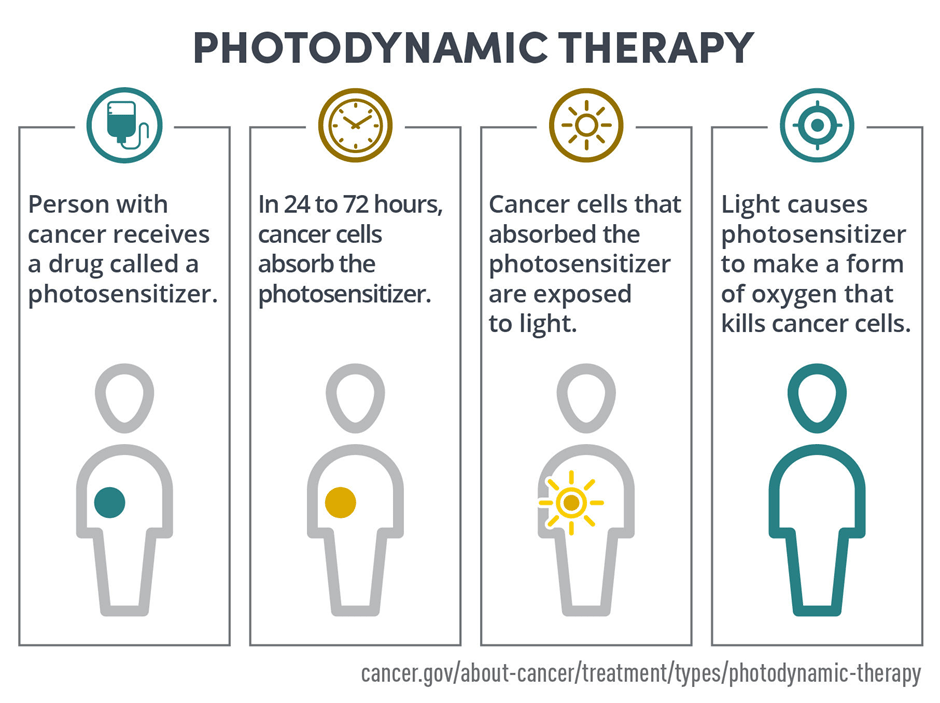
Photodynamic Therapy
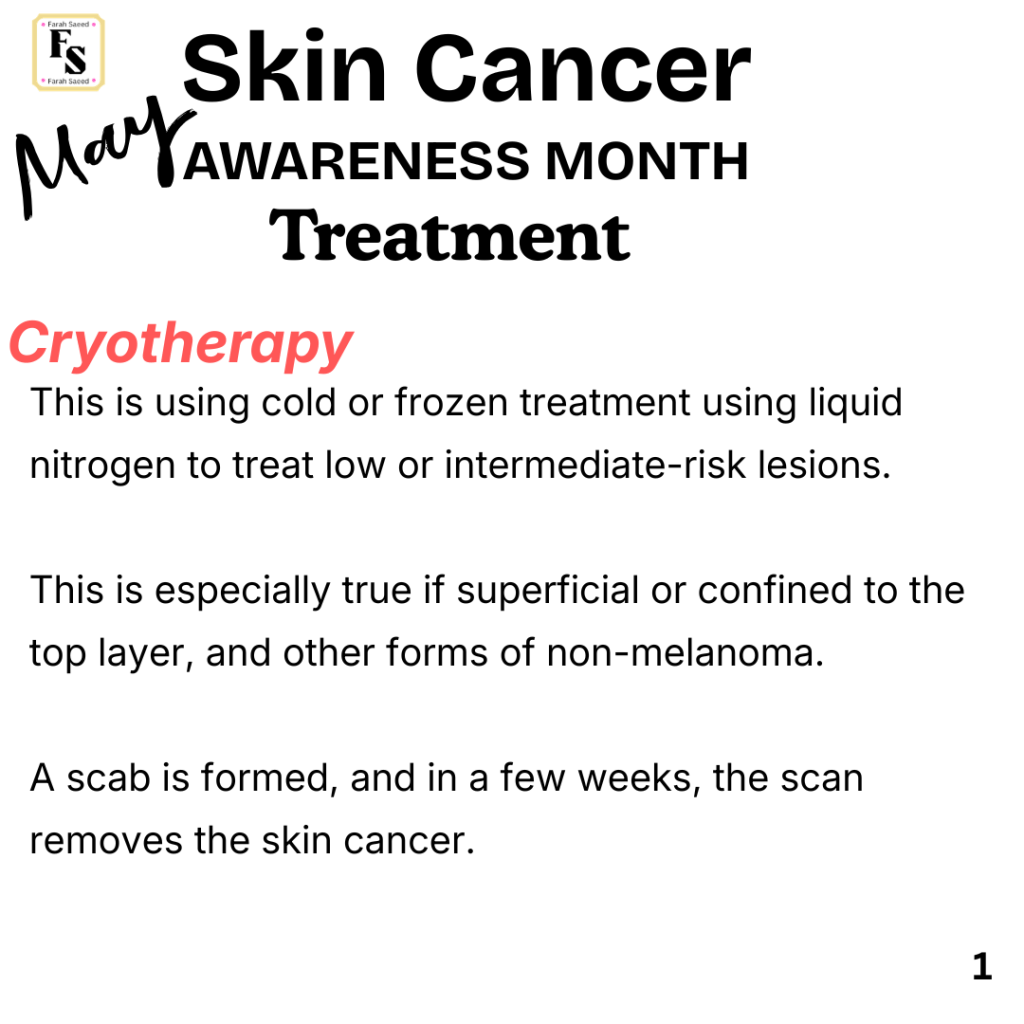
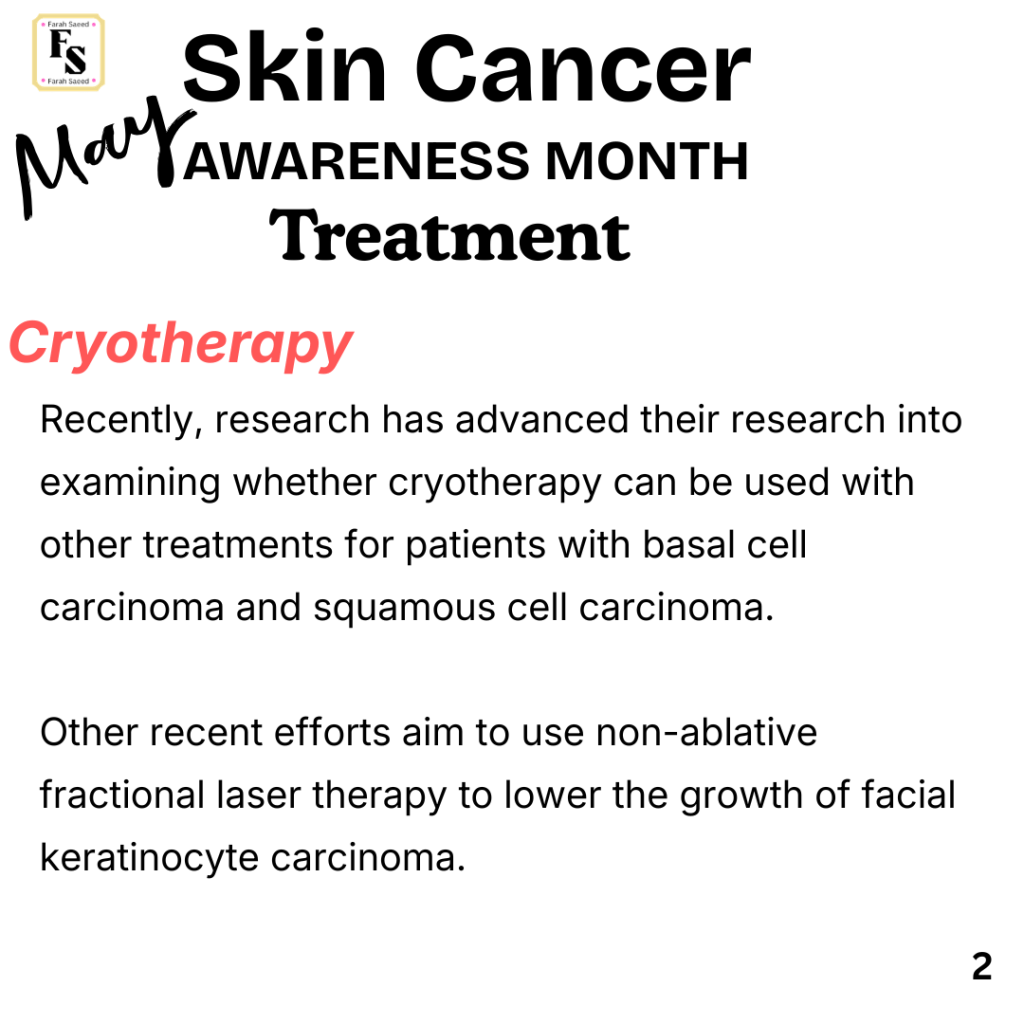
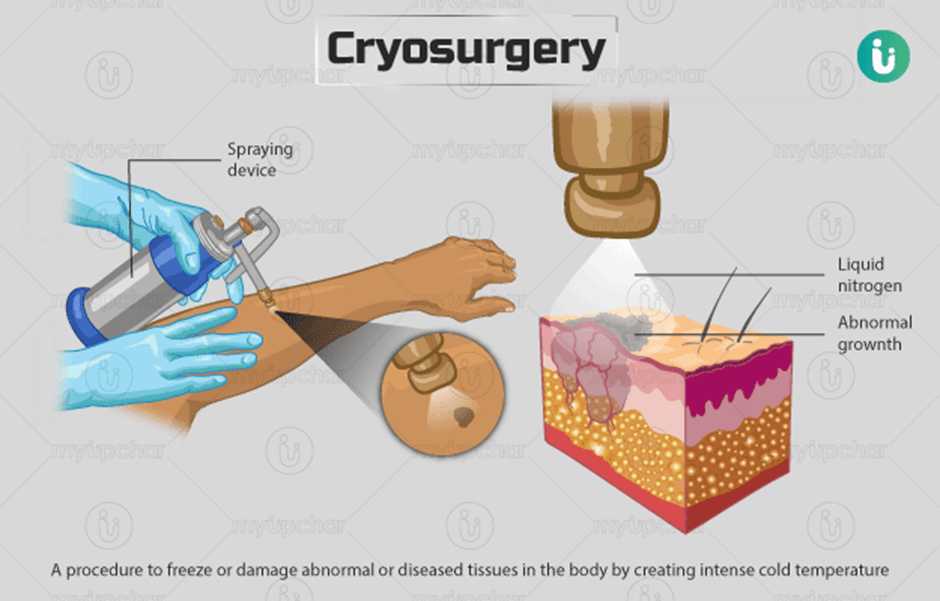
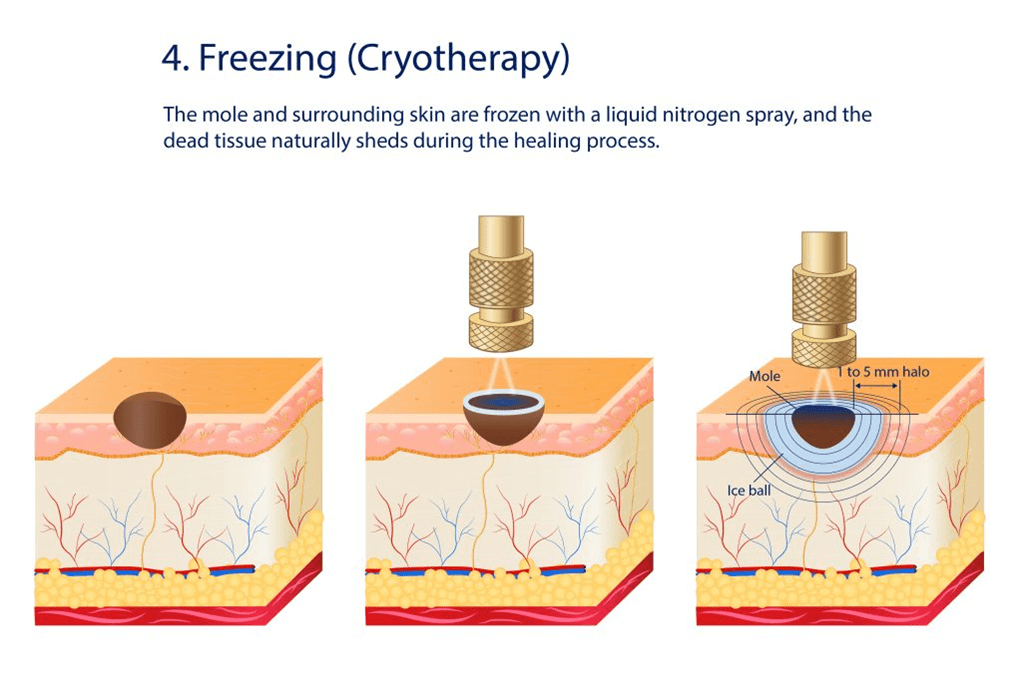
Cryotherapy
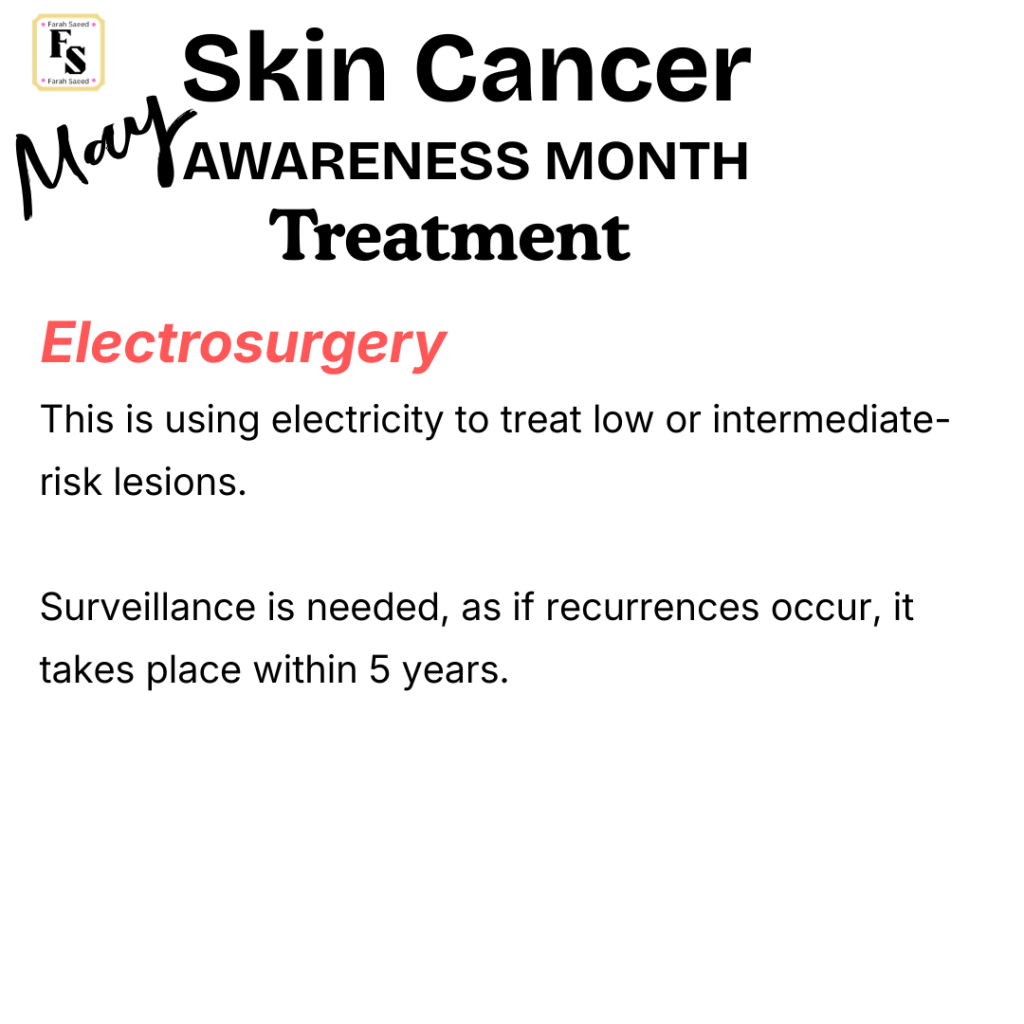
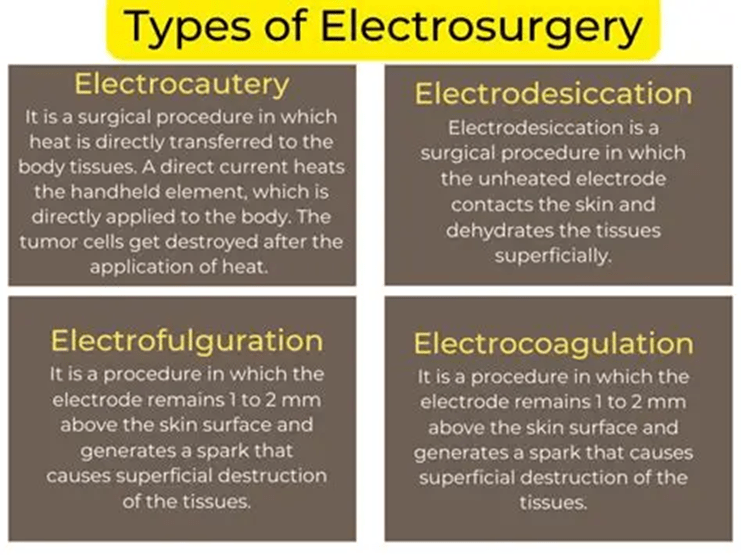
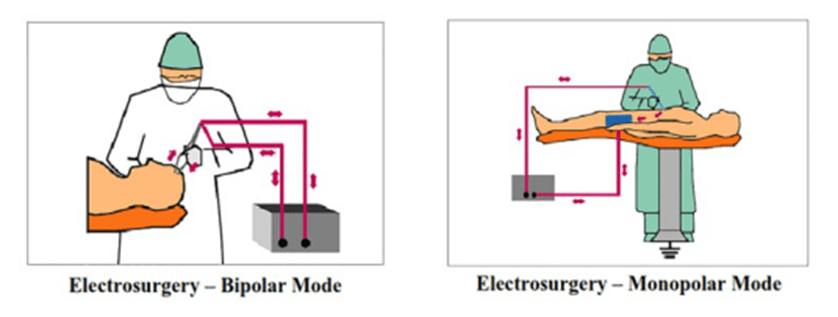
Electrosurgery
Treatment for Squamous Cell Carcinoma
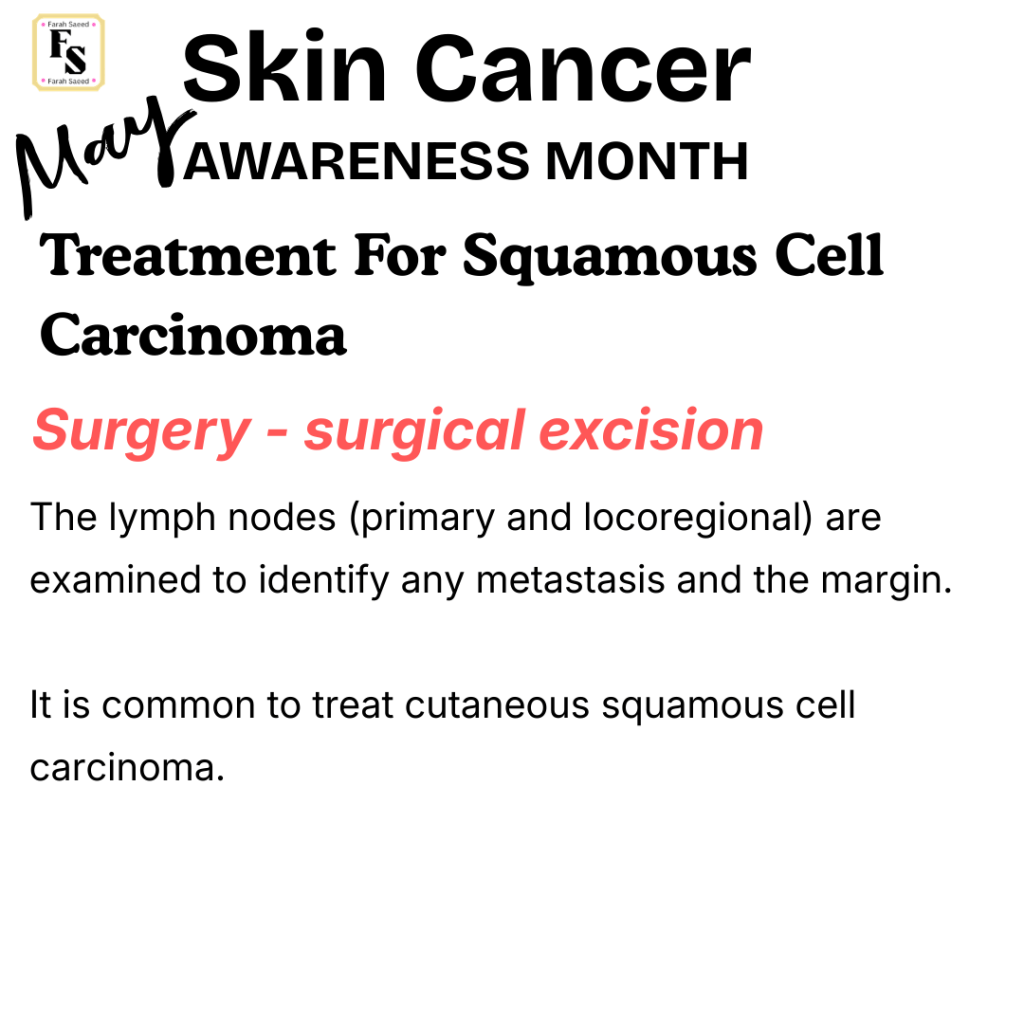
Surgery for Squamous Cell Carcinoma
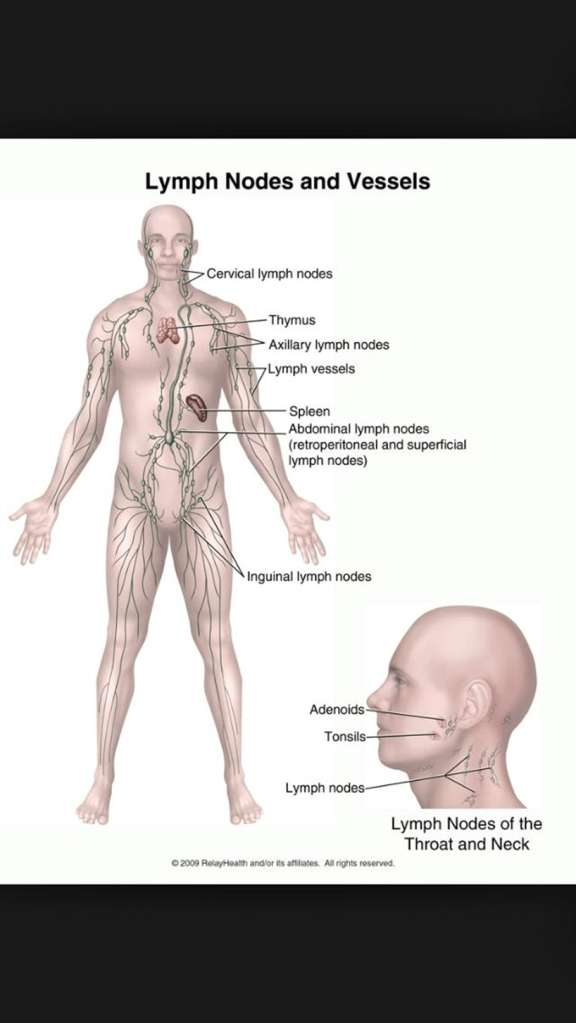
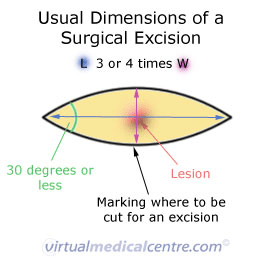
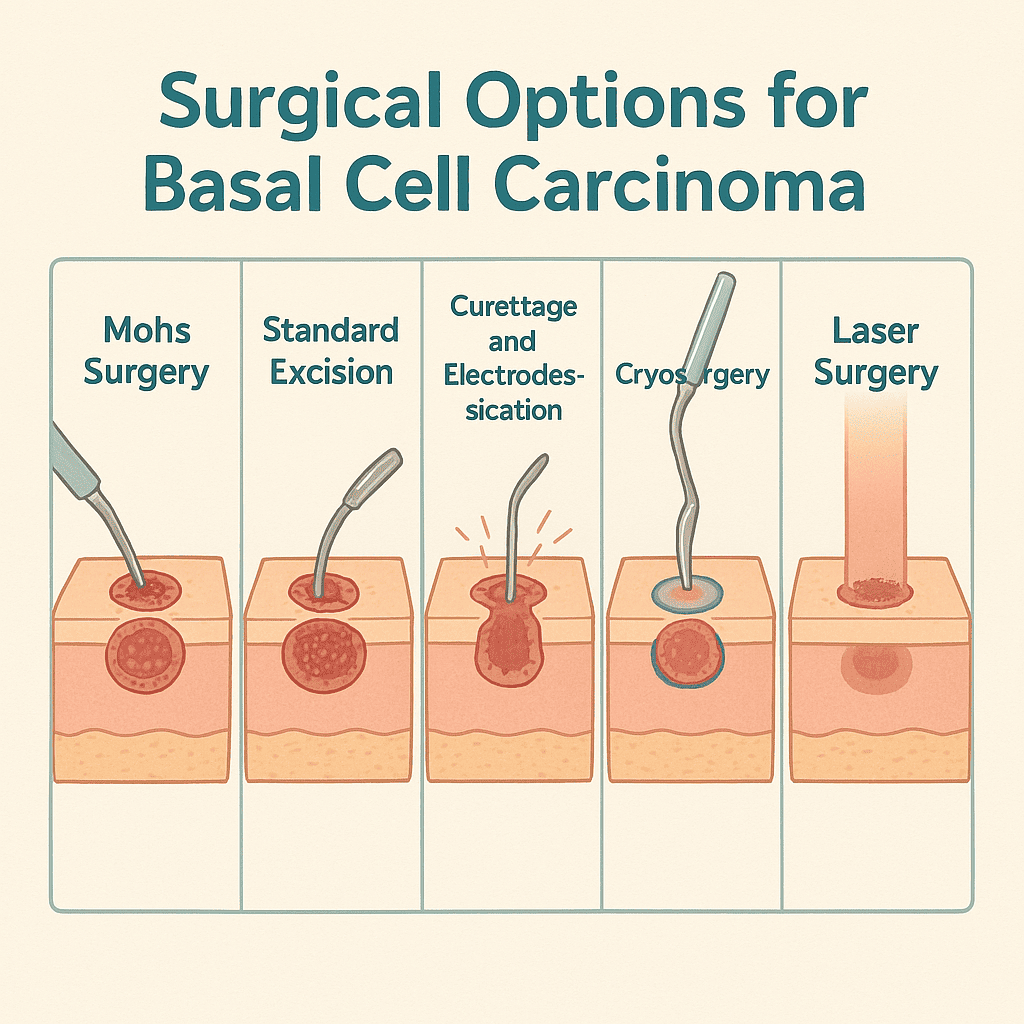
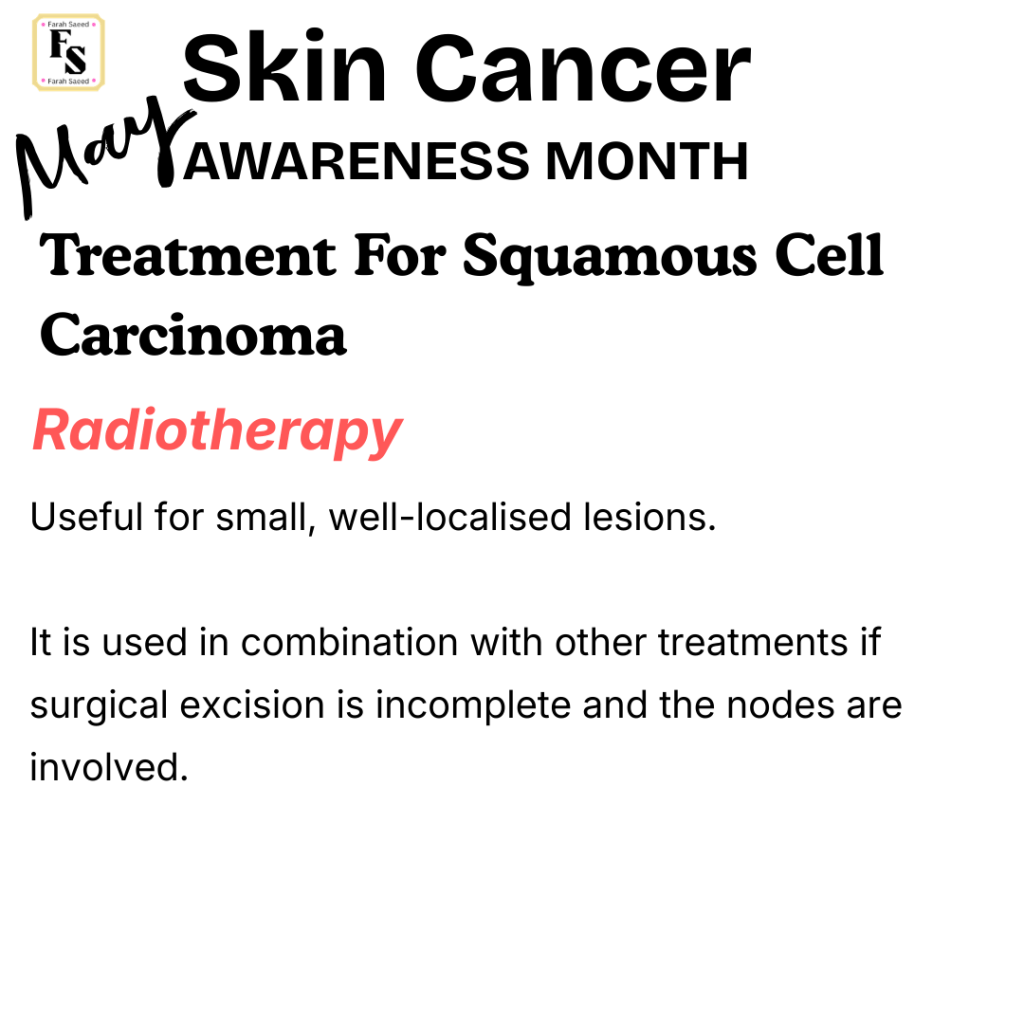
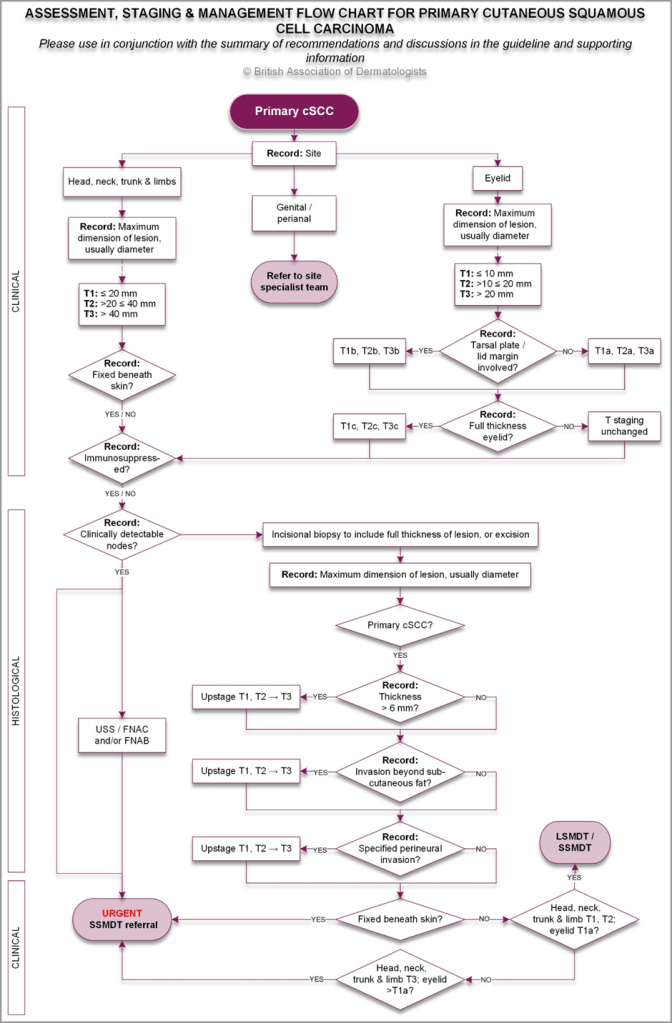
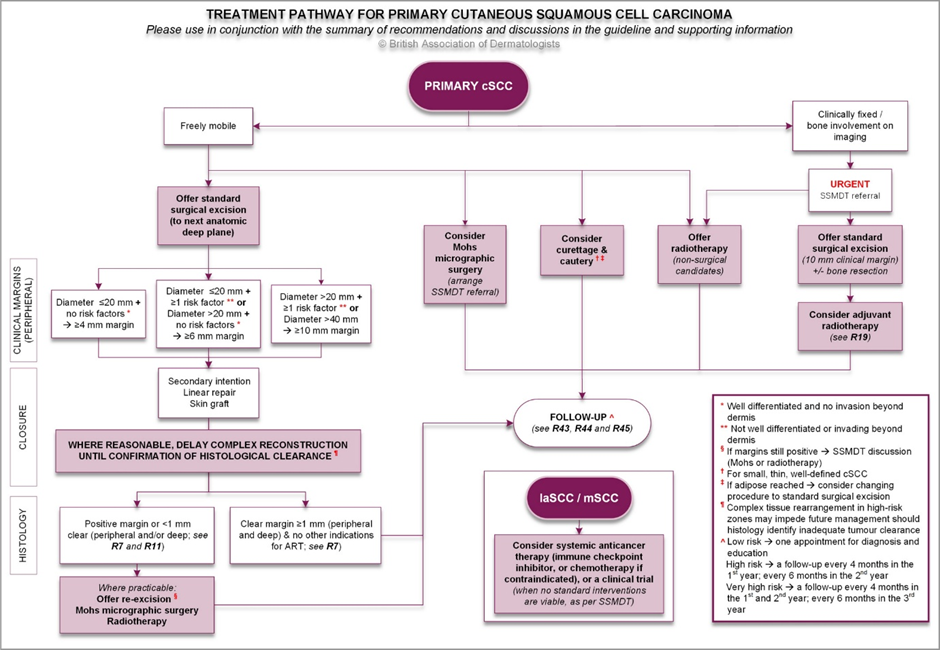
British Association for Dermatologists guidelines for assessment and treatment of Cutaneous Squamous Cell Carcinoma
Please click here for a larger image or to download the source:
Treatment For Malignant Melanoma
Surgery
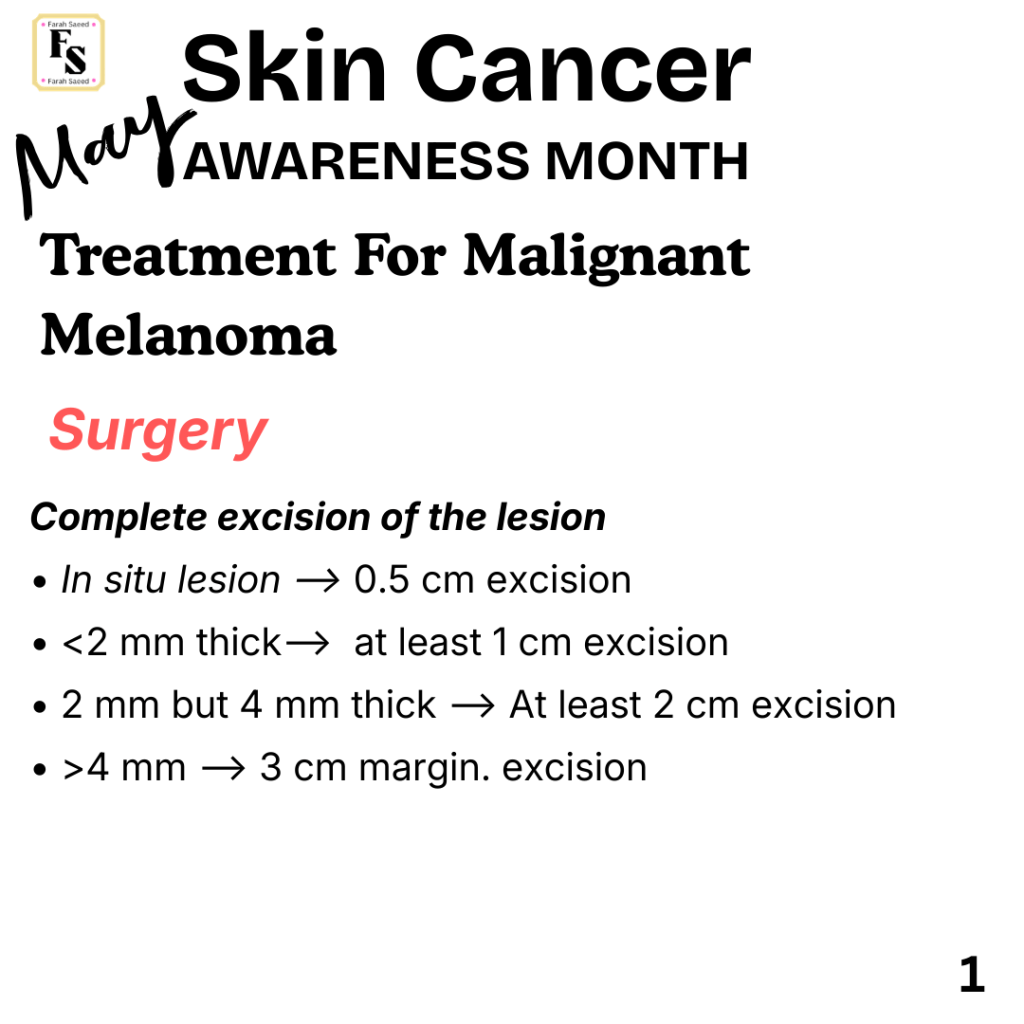
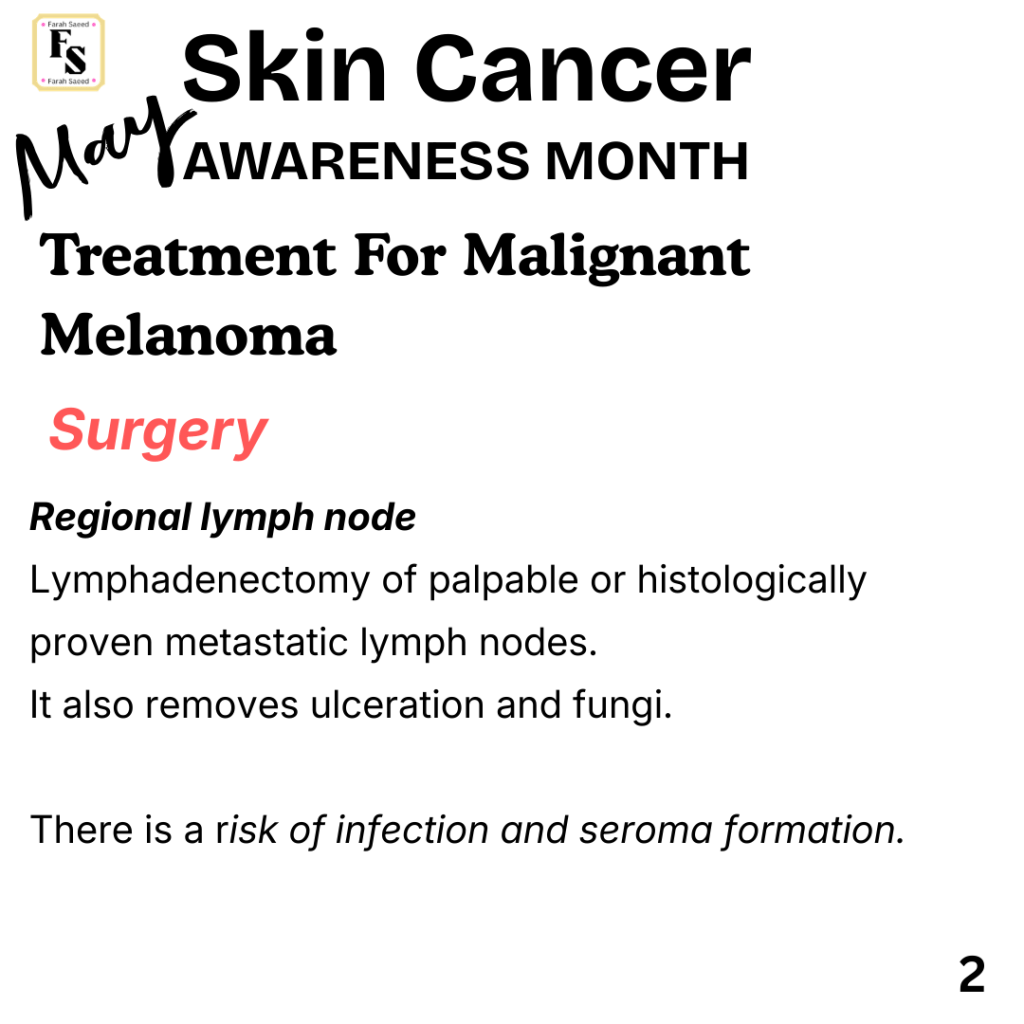
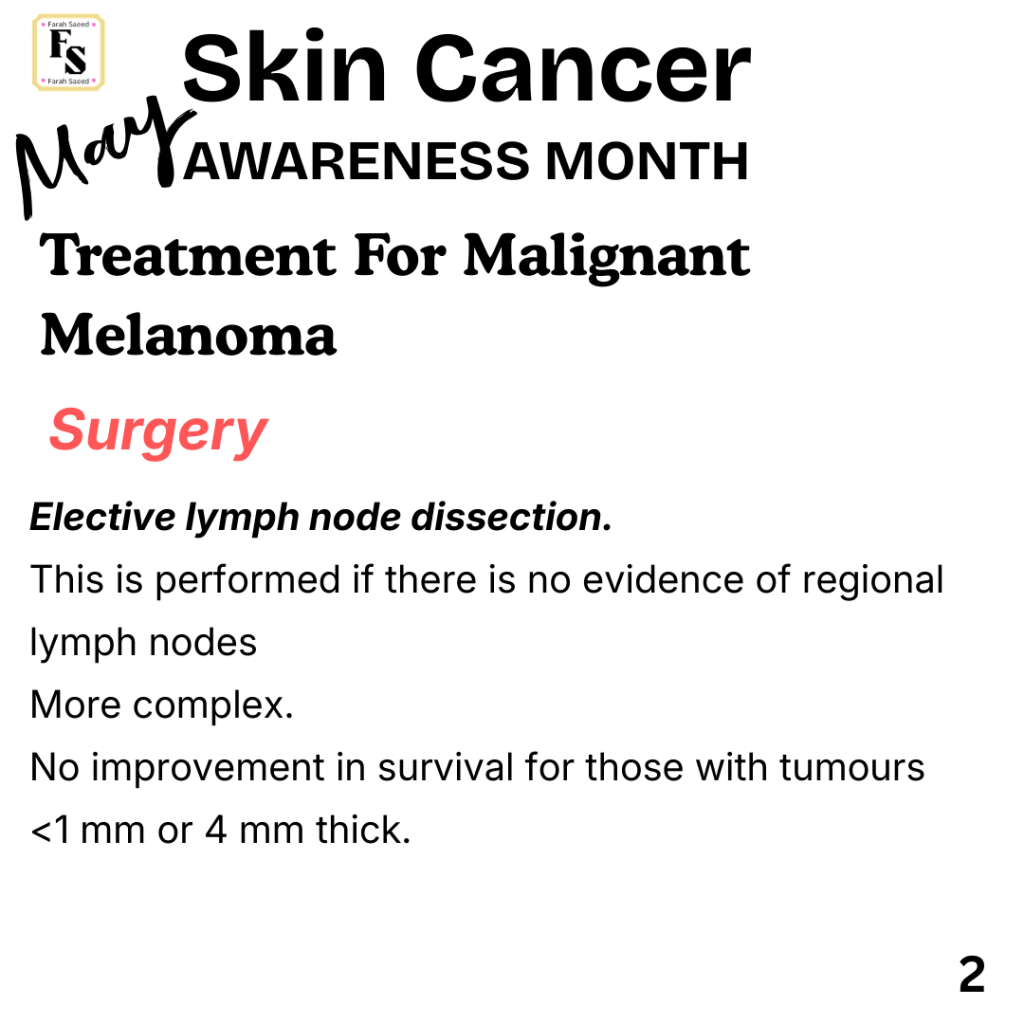
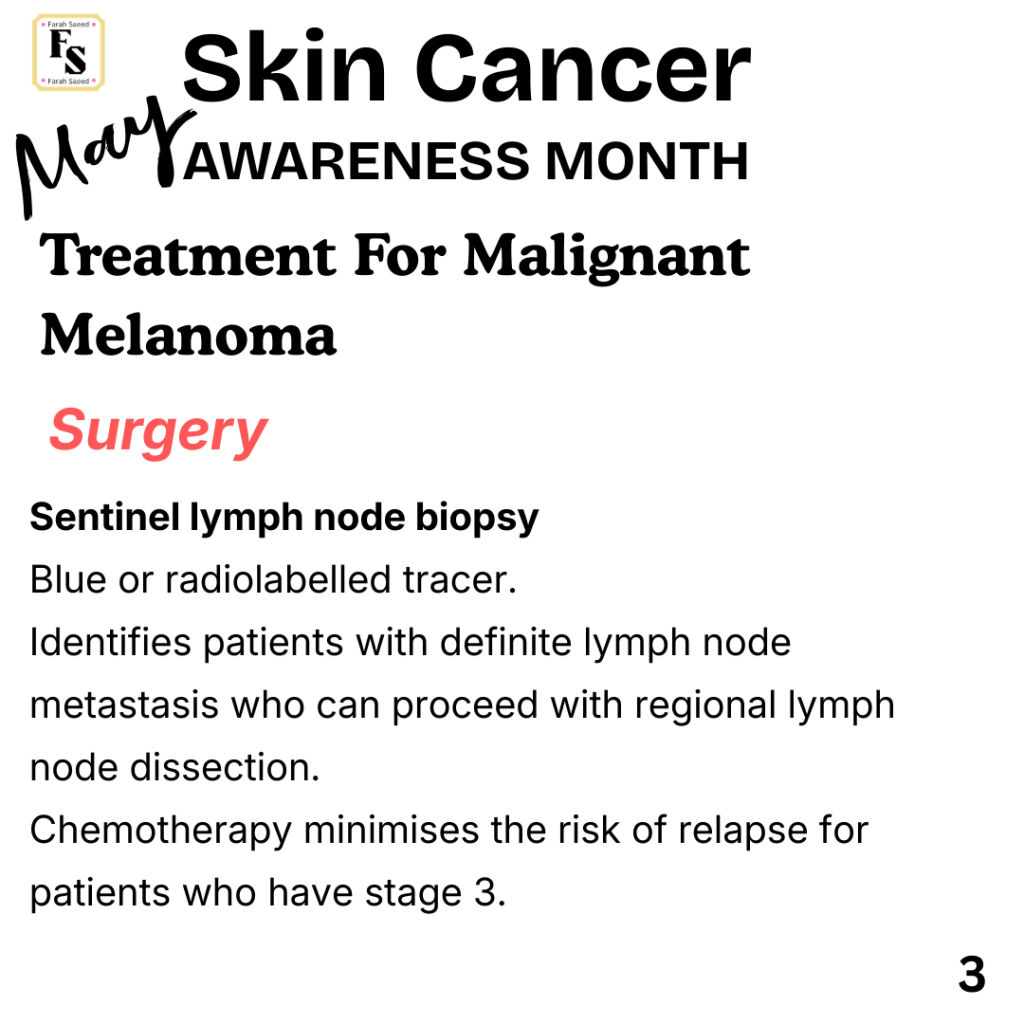
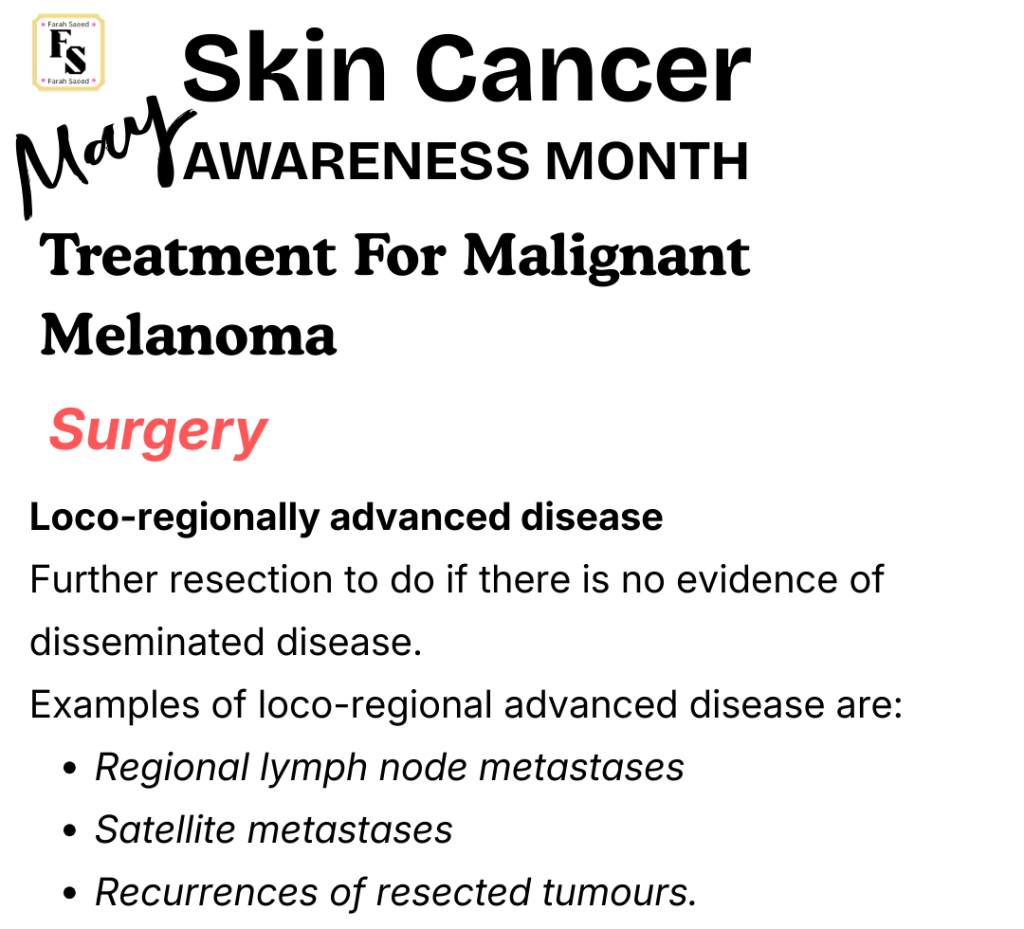
Non-surgical treatments for melanoma skin cancer
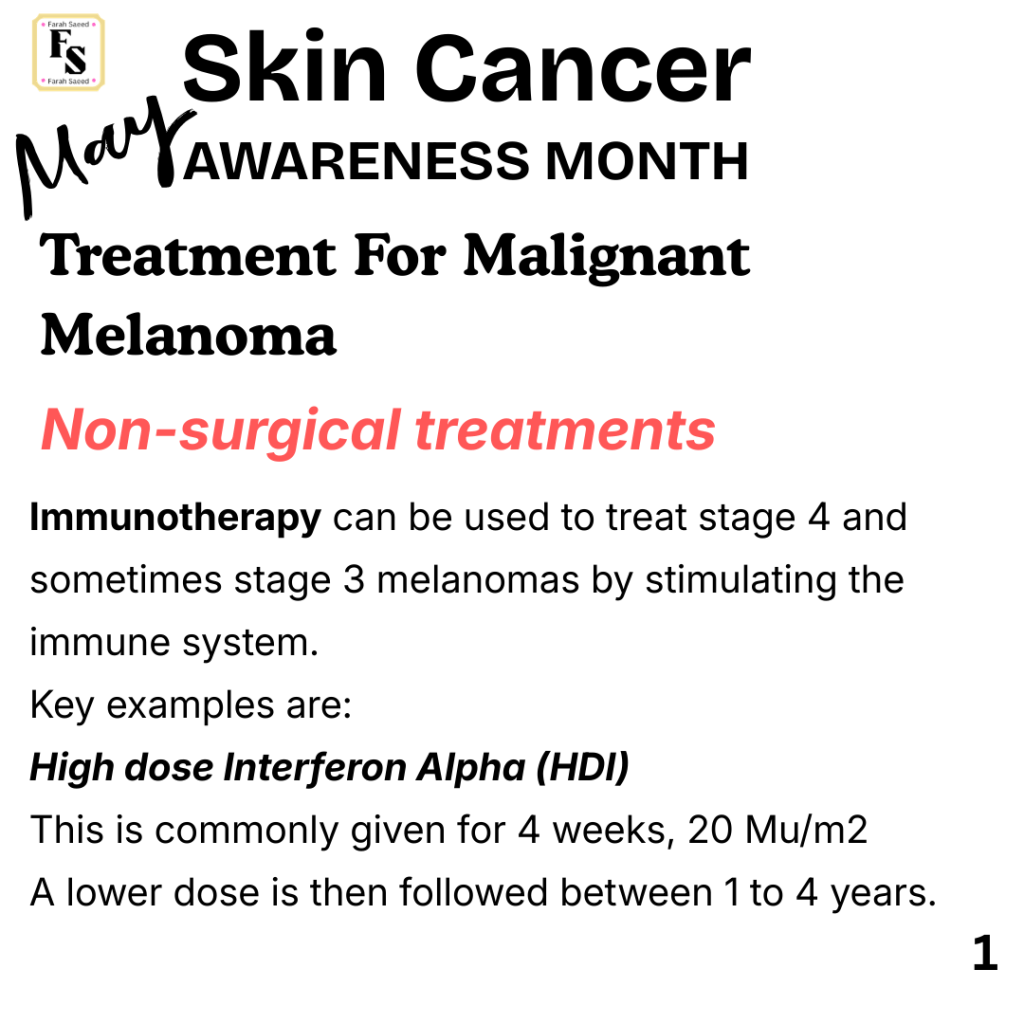
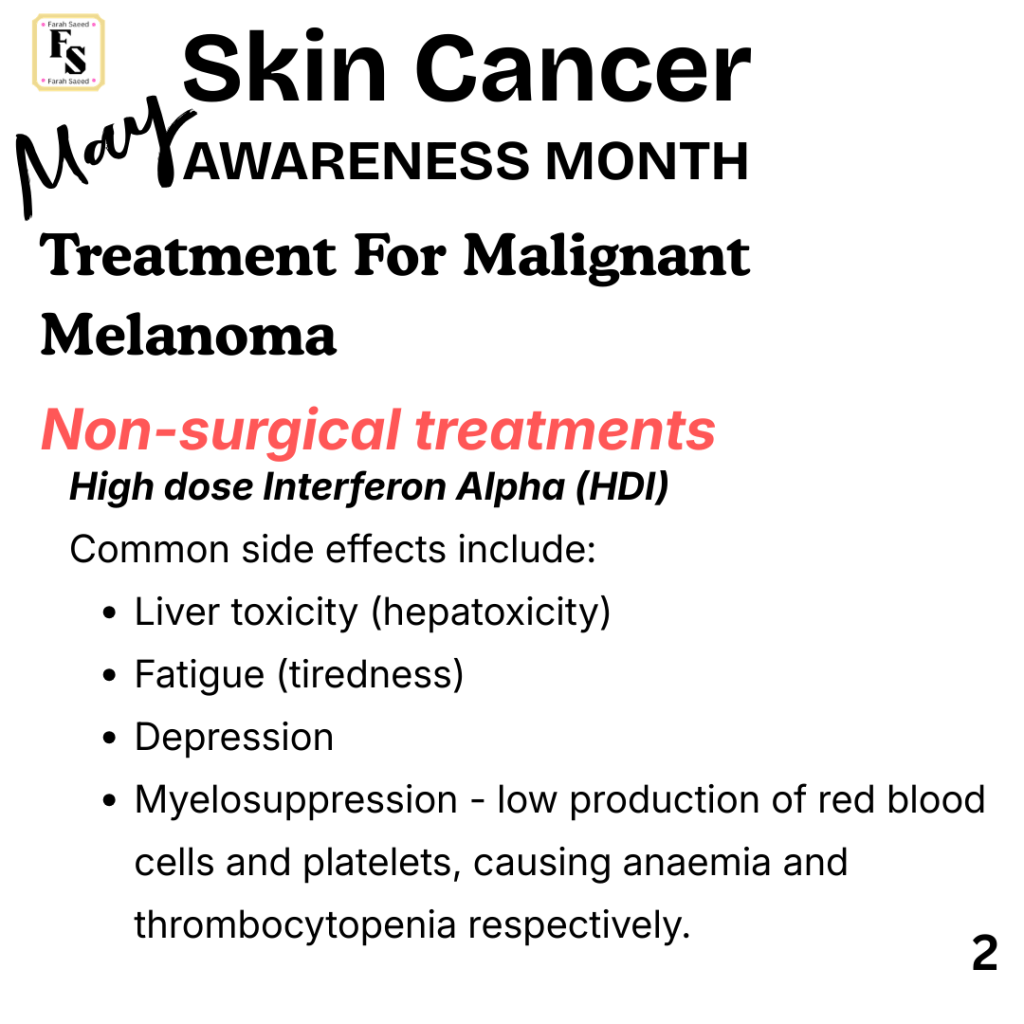
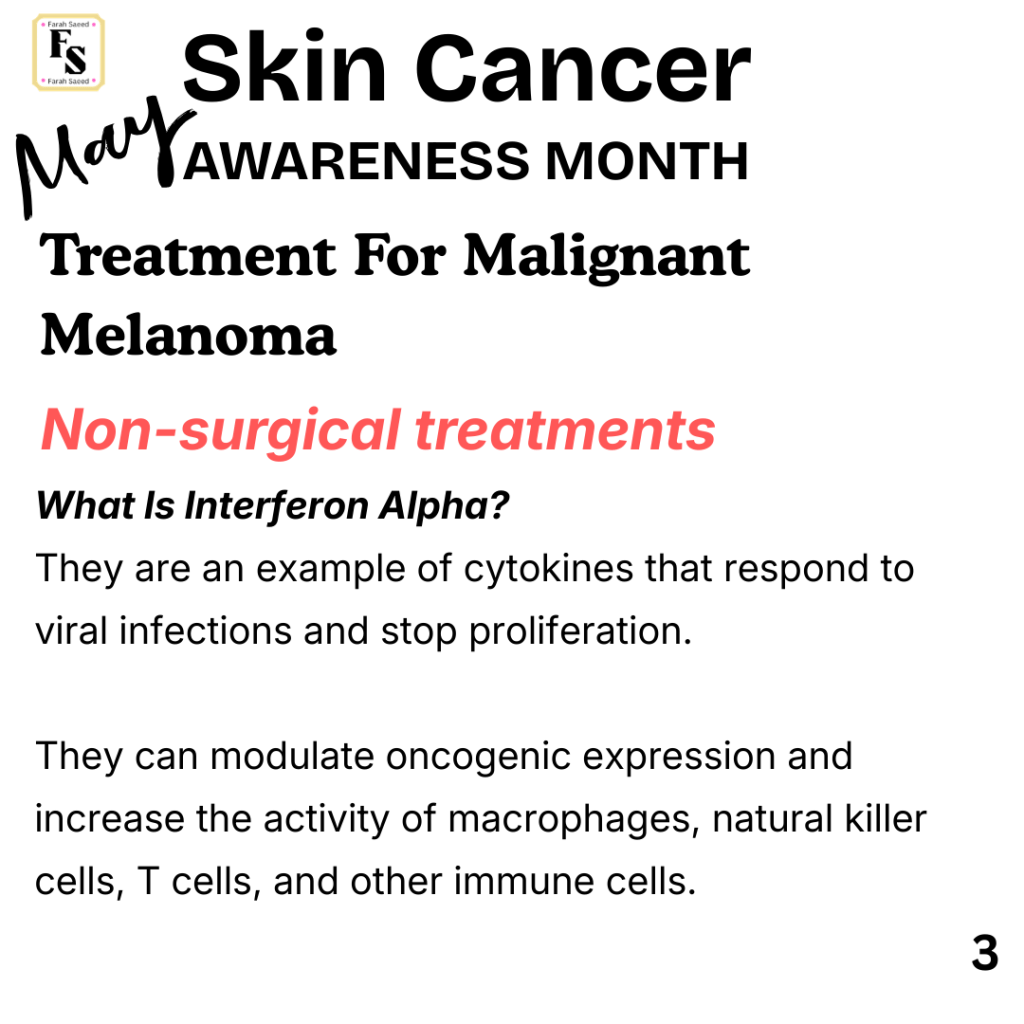
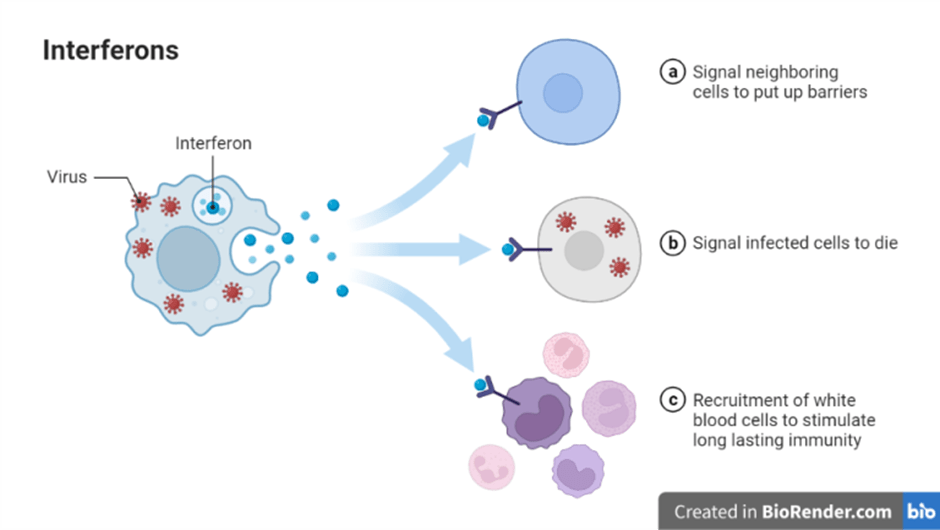
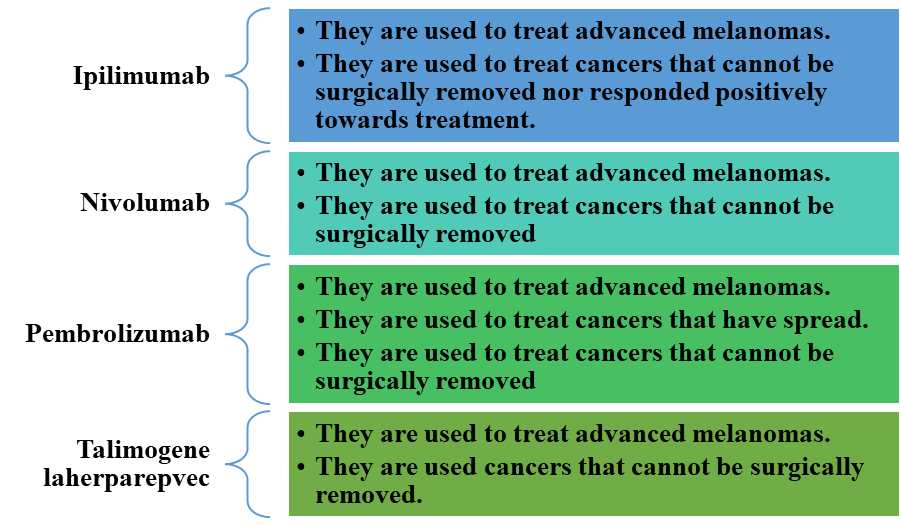
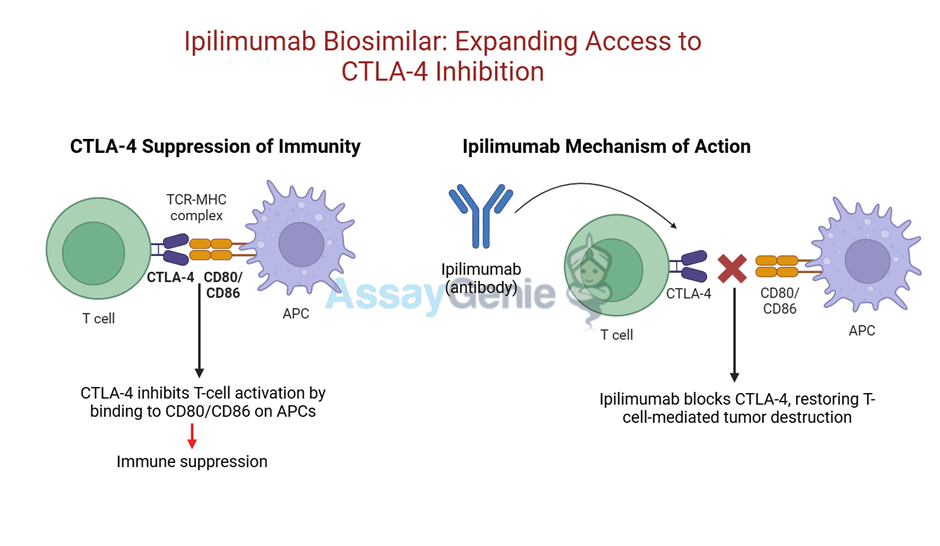
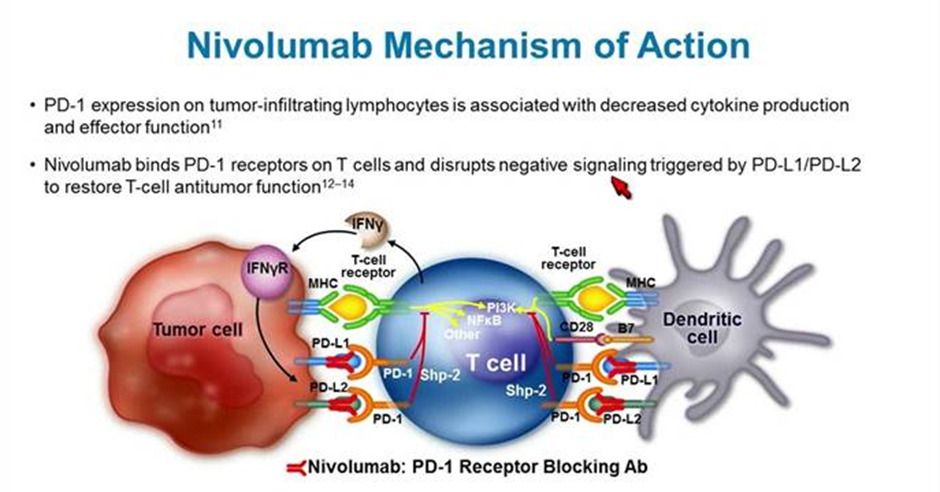
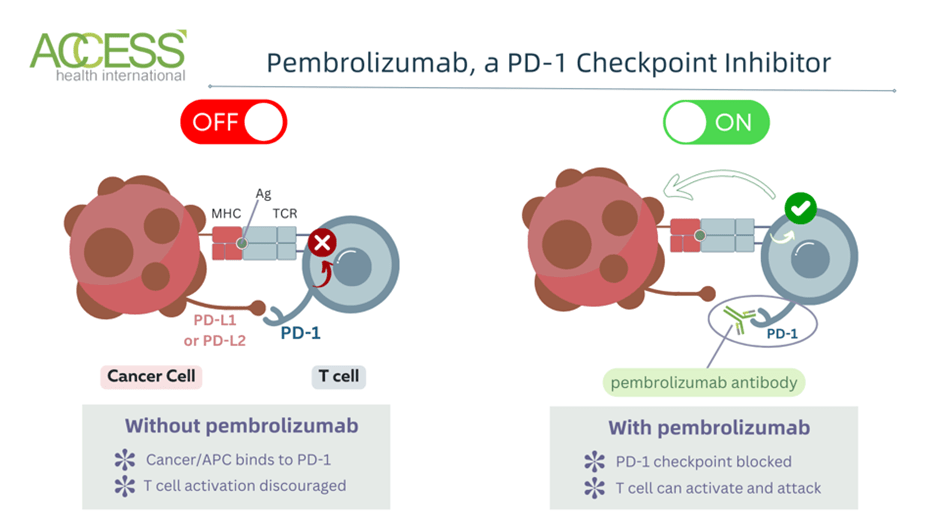
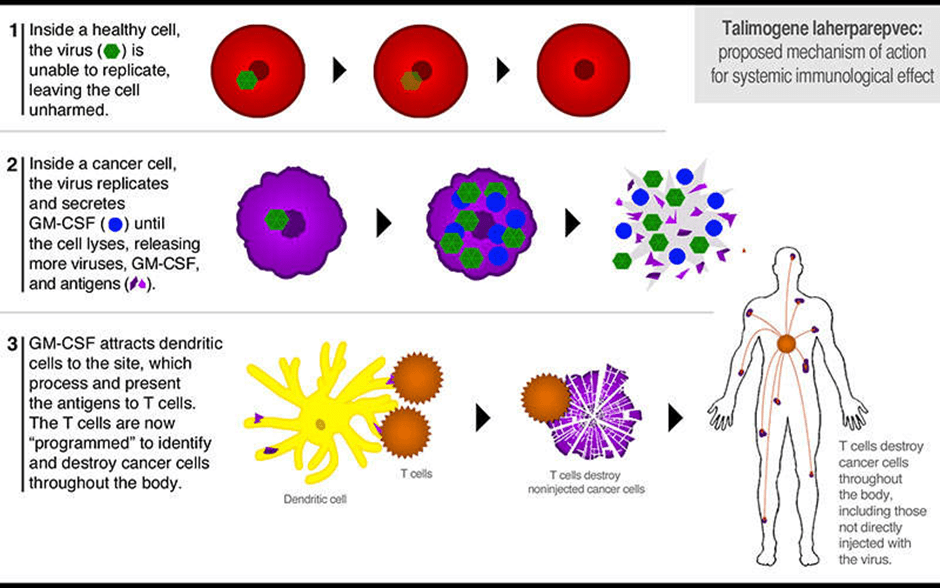
There are four main immunotherapies
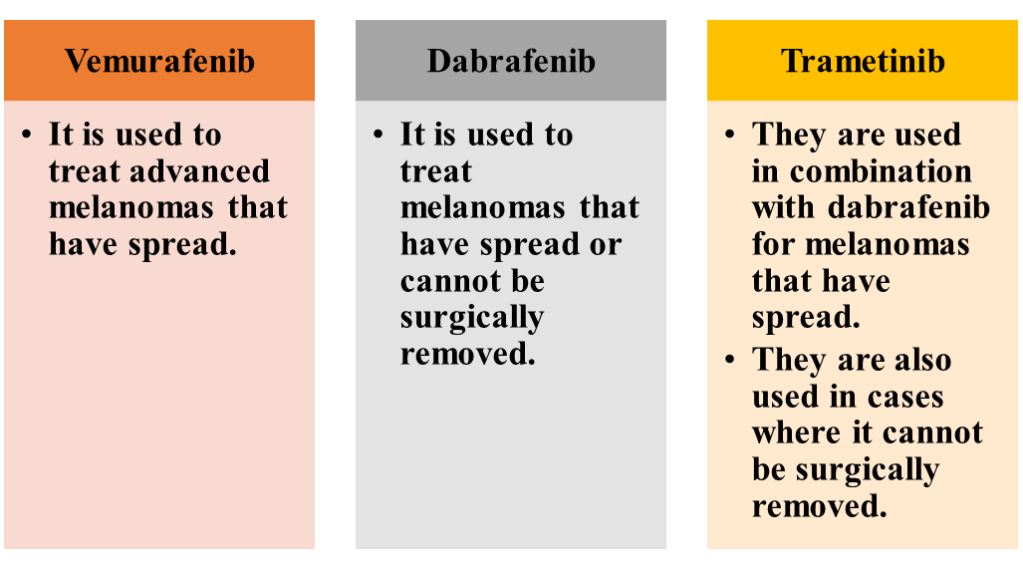
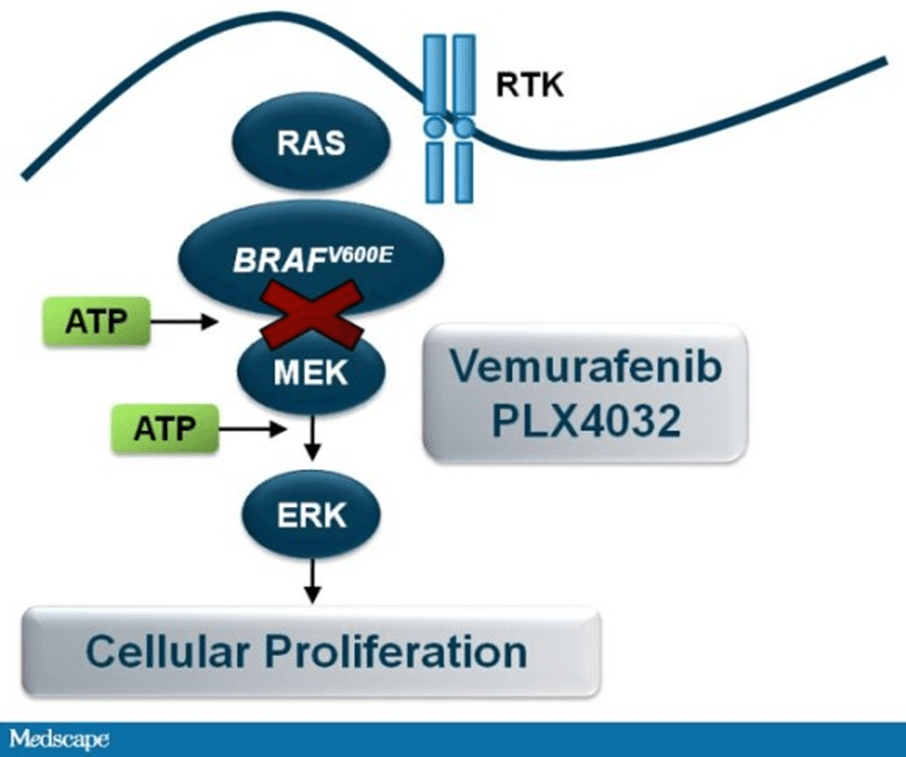
In patient cases of melanoma skin cancers that are caused by mutated genes, for instance, the BRAF V600 gene. There are several examples:
Treatment for Metastatic Melanoma
Surgery
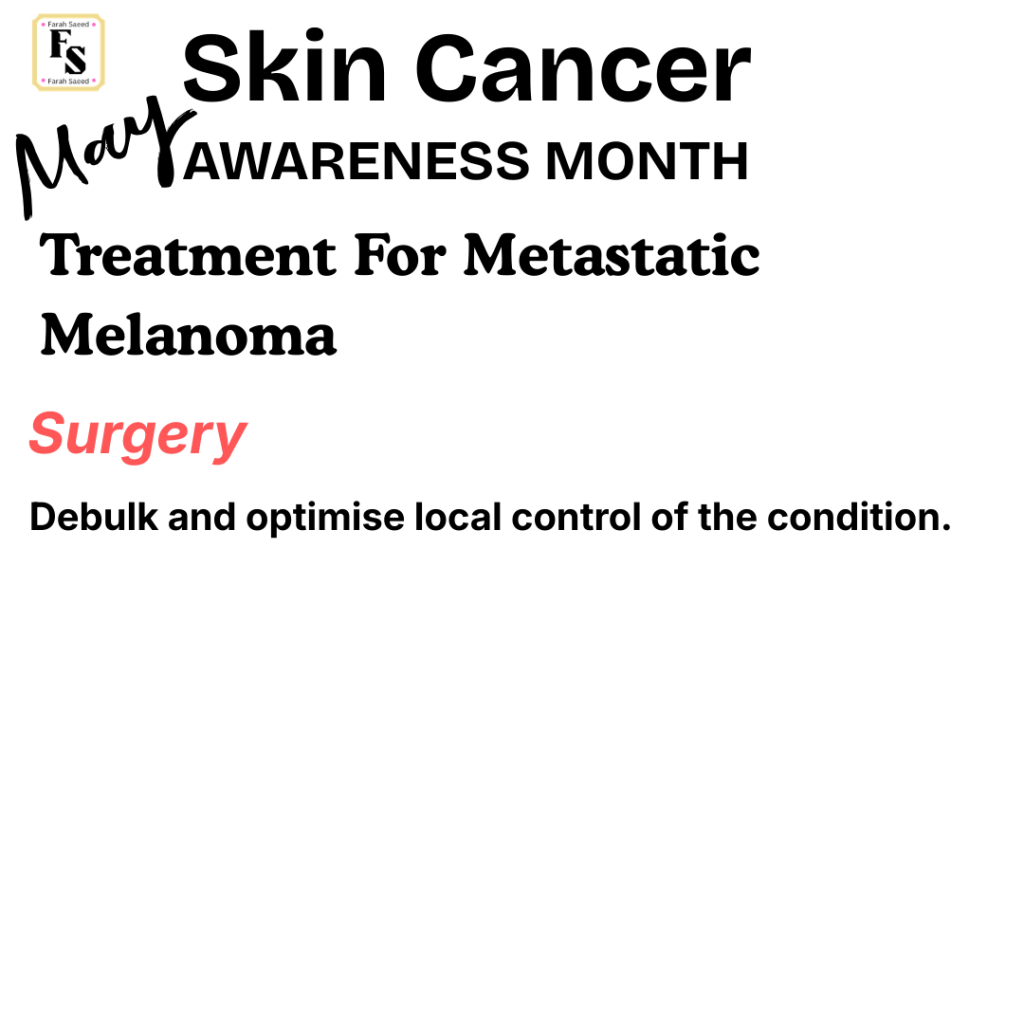
Chemotherapy
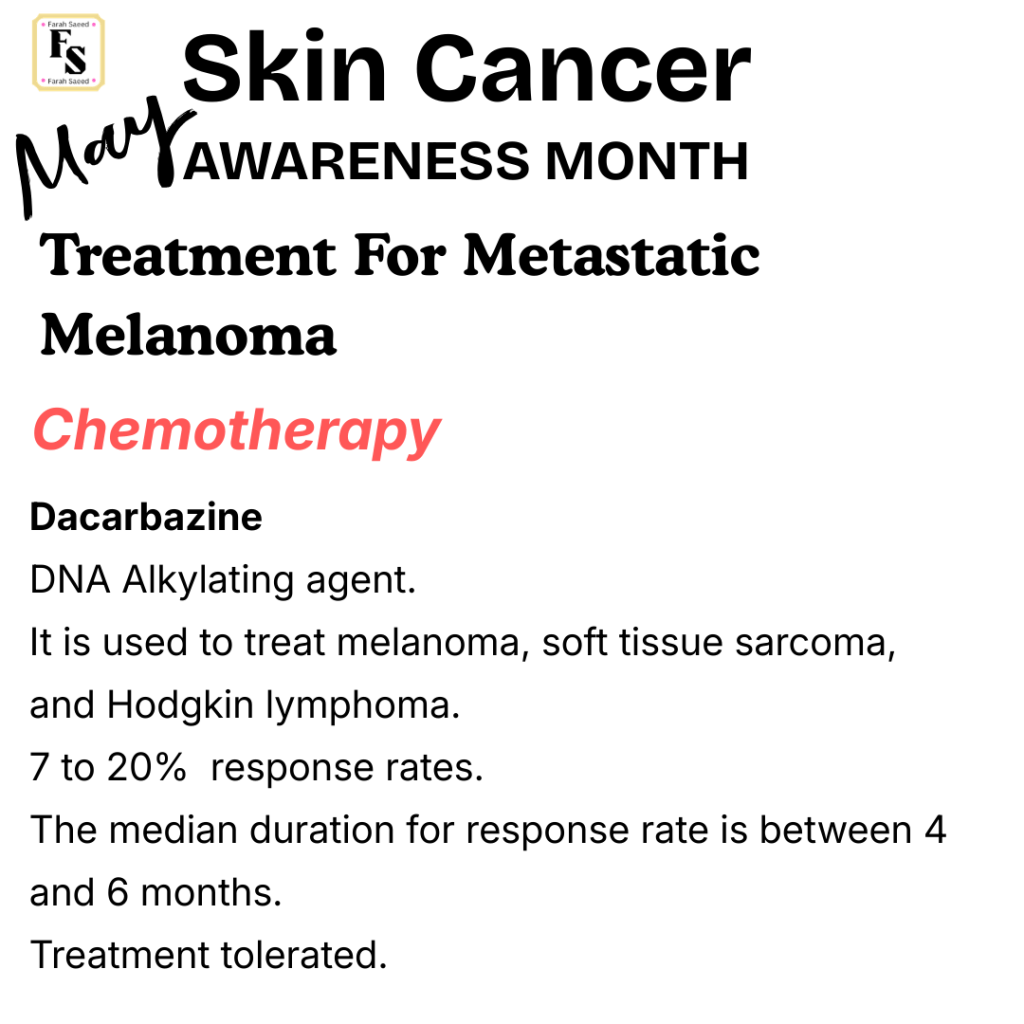
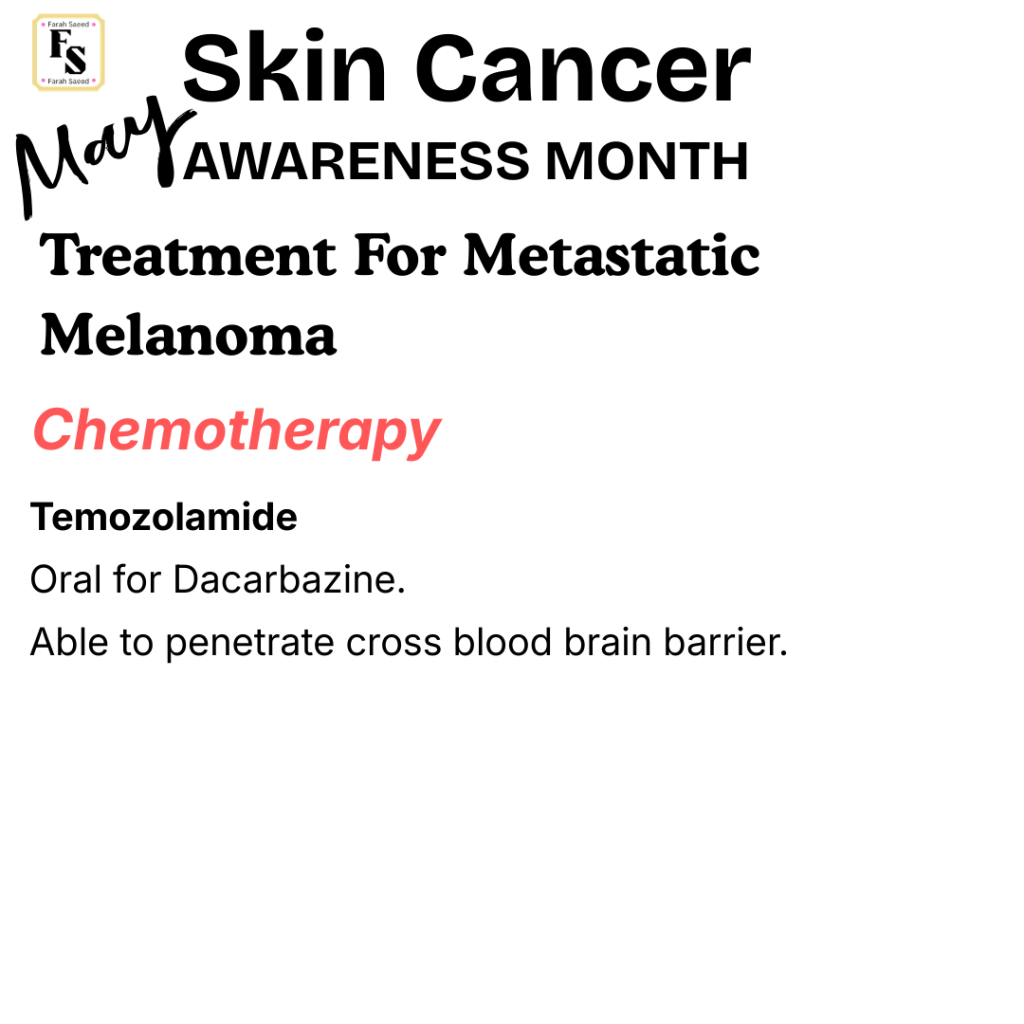
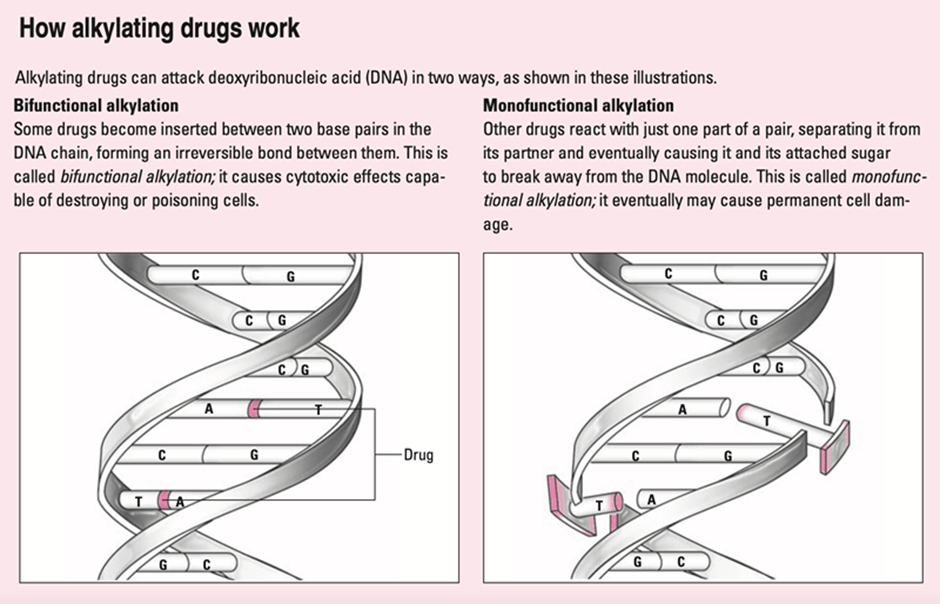
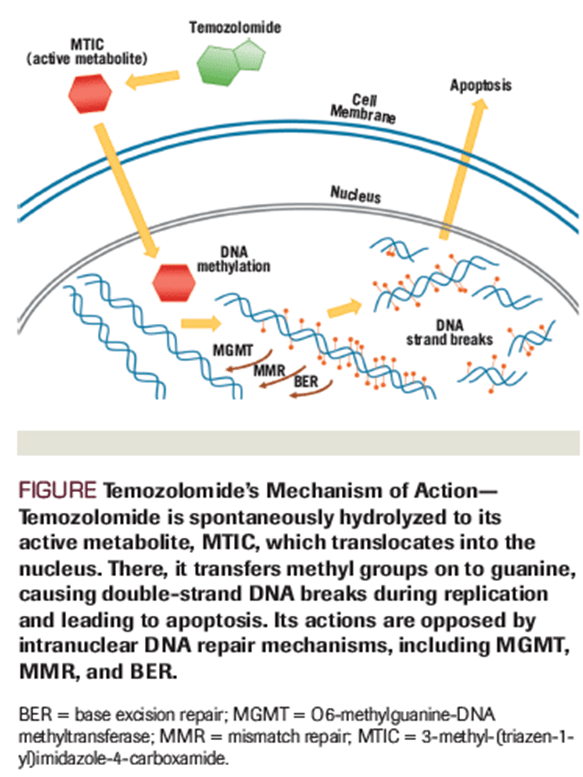
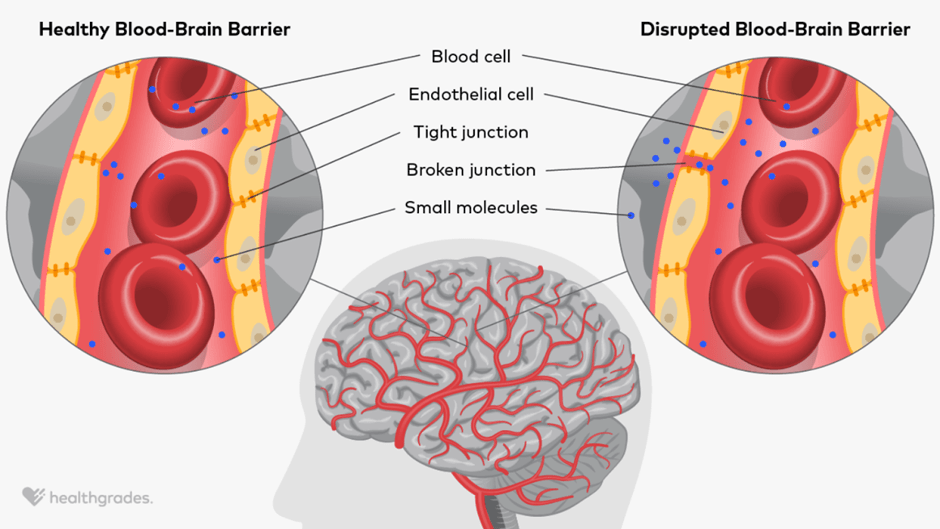
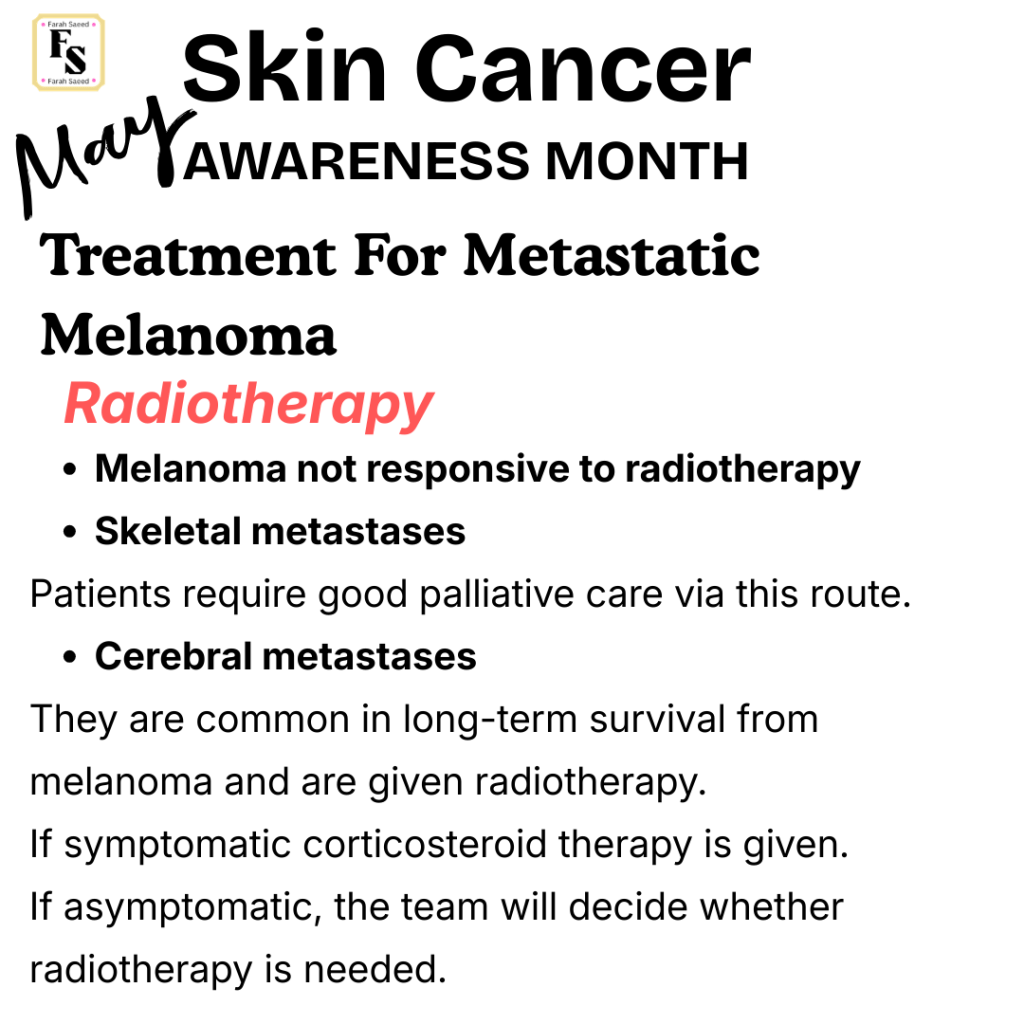
Radiotherapy
Immunotherapy
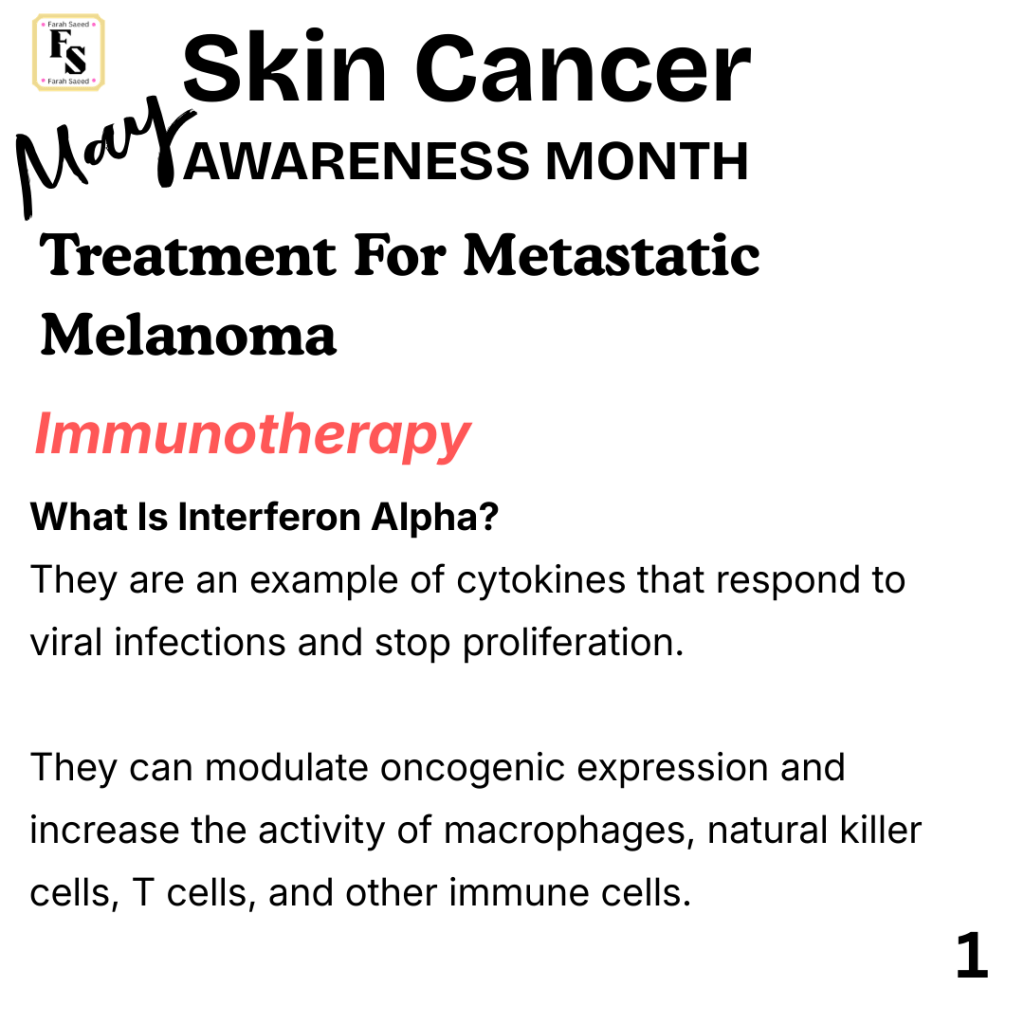
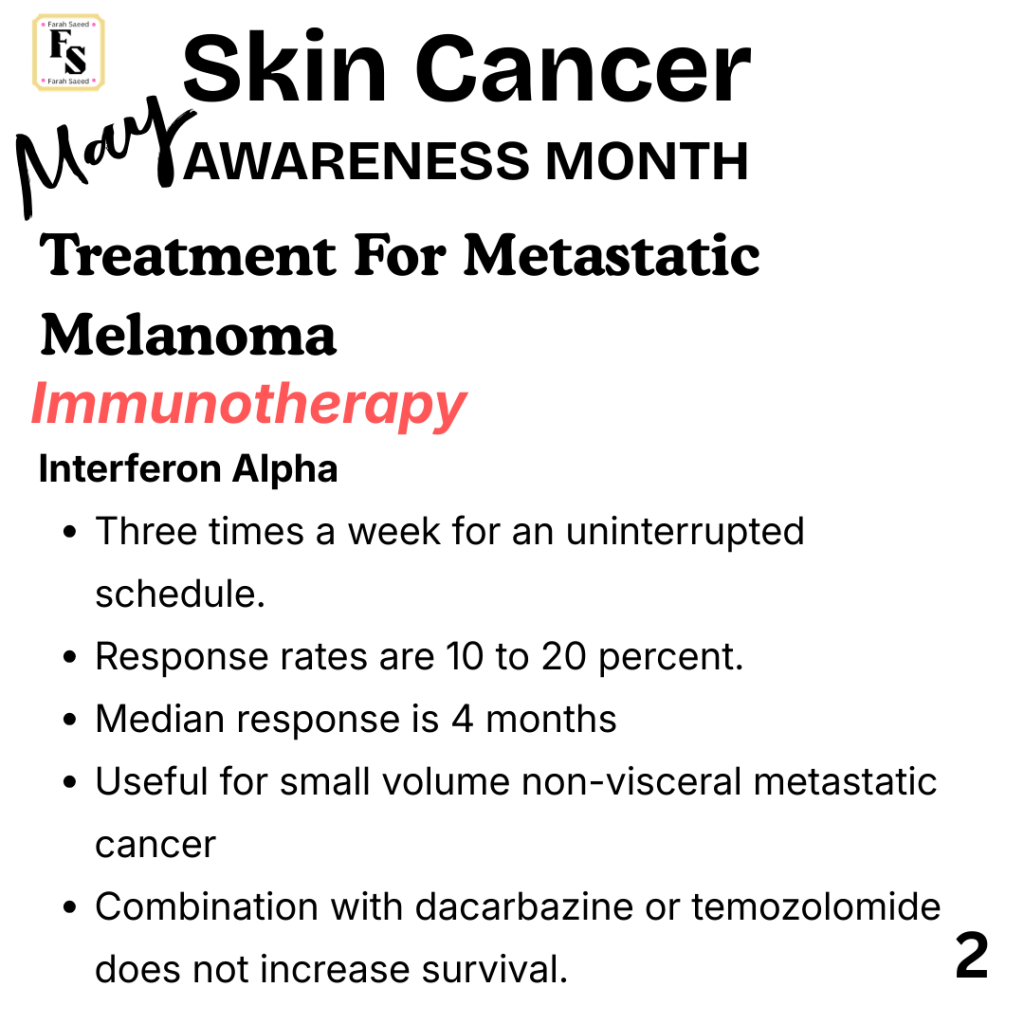
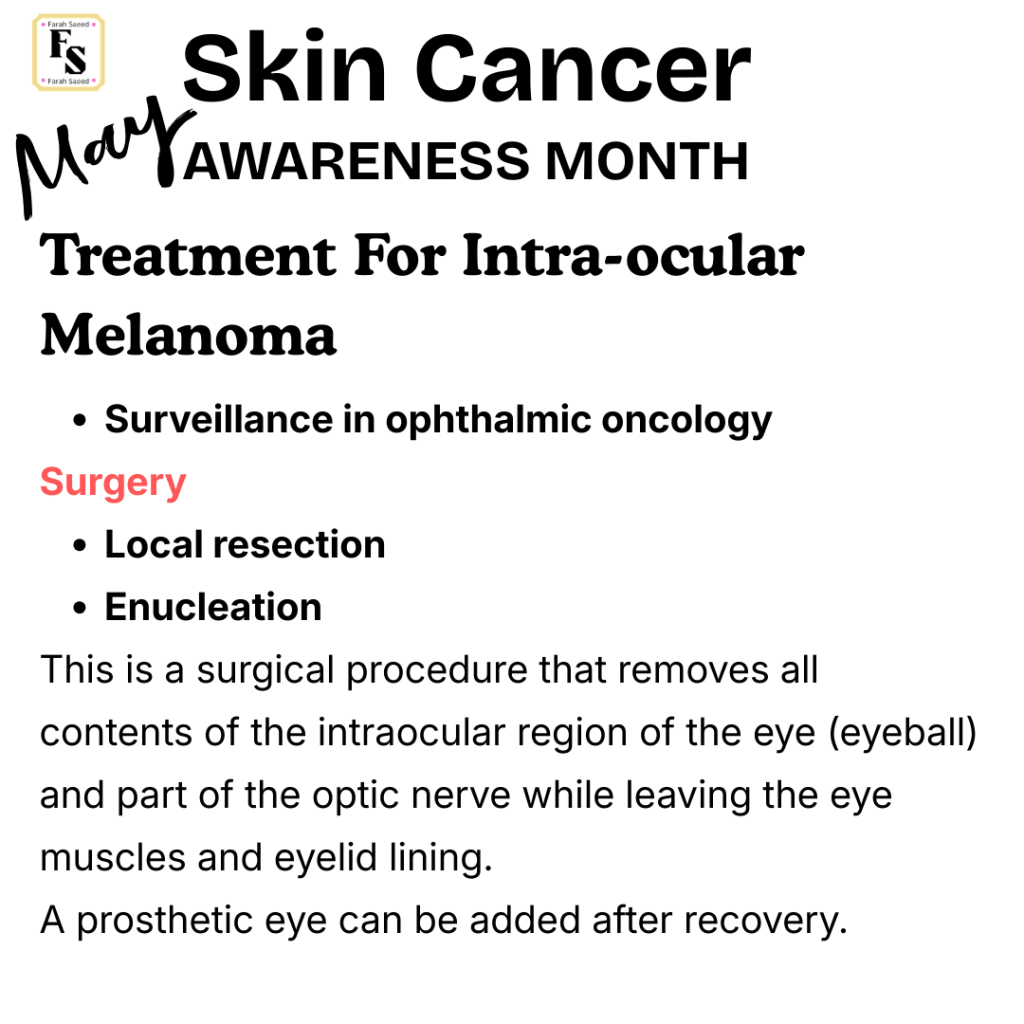
Treatment for Intra-ocular melanoma
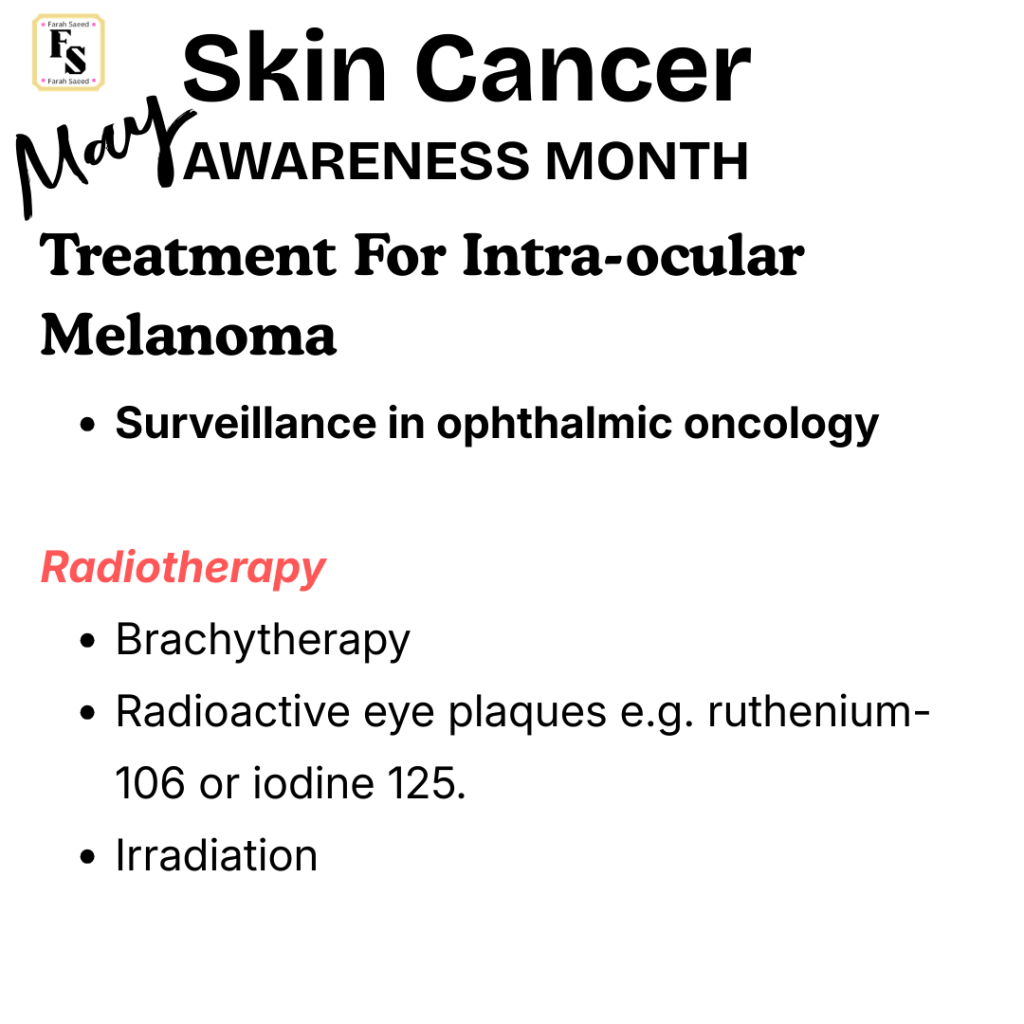
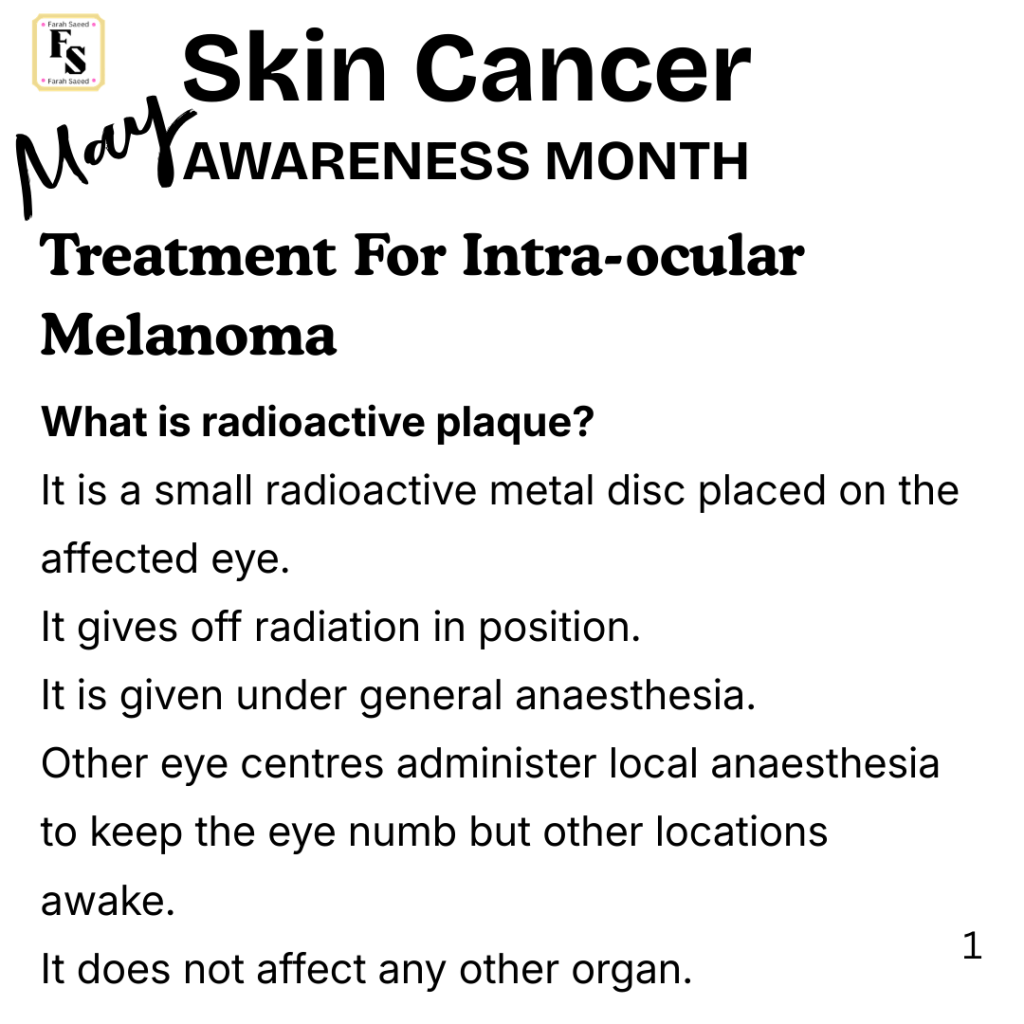
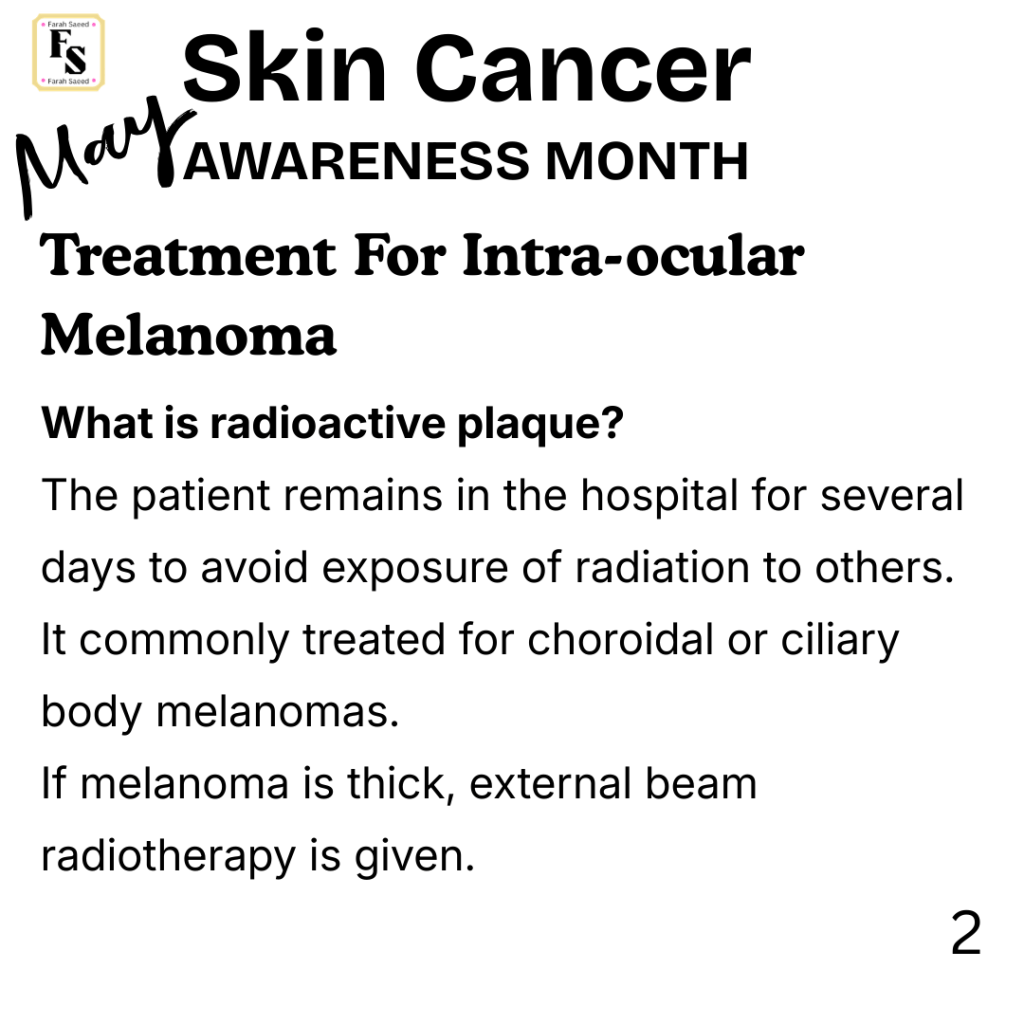
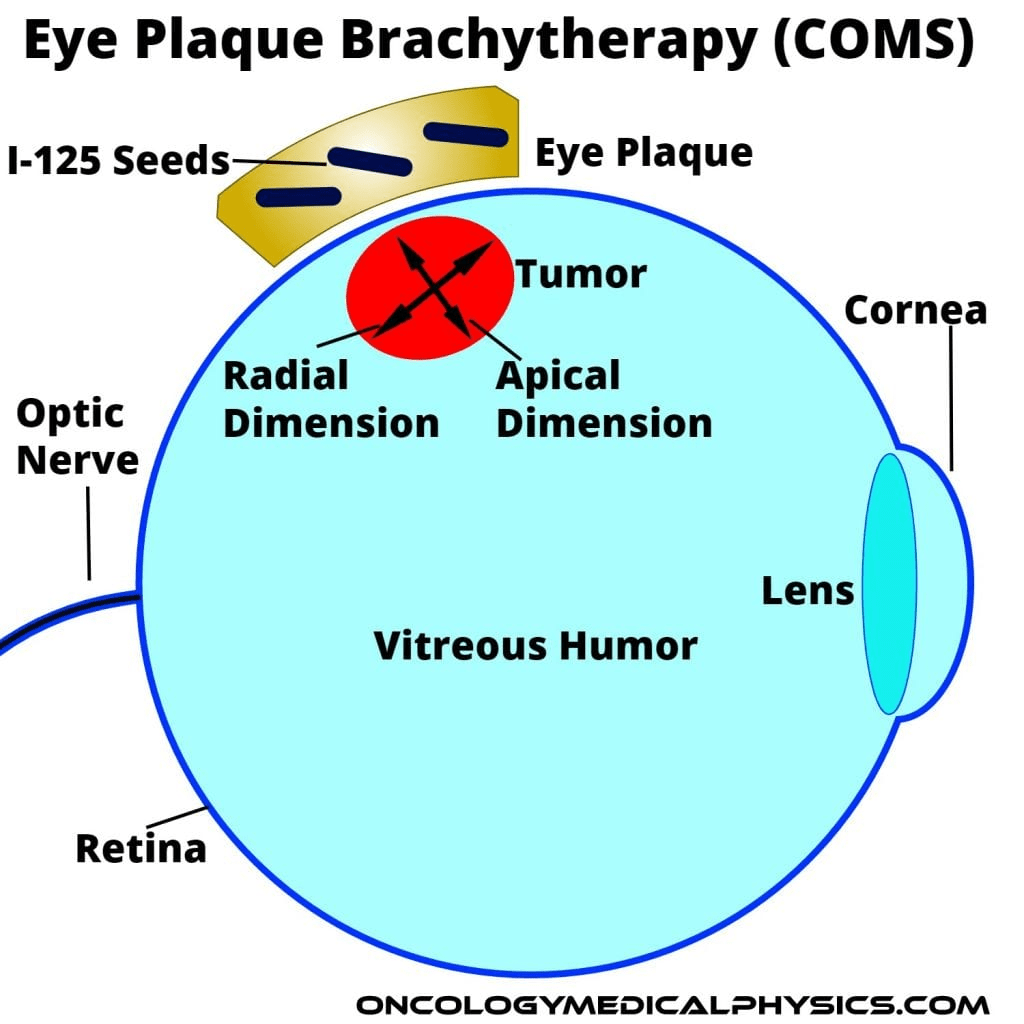
Radioactive eye plaques
Please see the following recommended link for additional information:
Enucleation
Please see the following recommended link for additional information:
https://www.ncbi.nlm.nih.gov/sites/books/NBK562144/
Watch the operation via the Youtube link below:
https://youtu.be/v3H4y7dAgiU?si=UBCS7qJv9csyO9l2
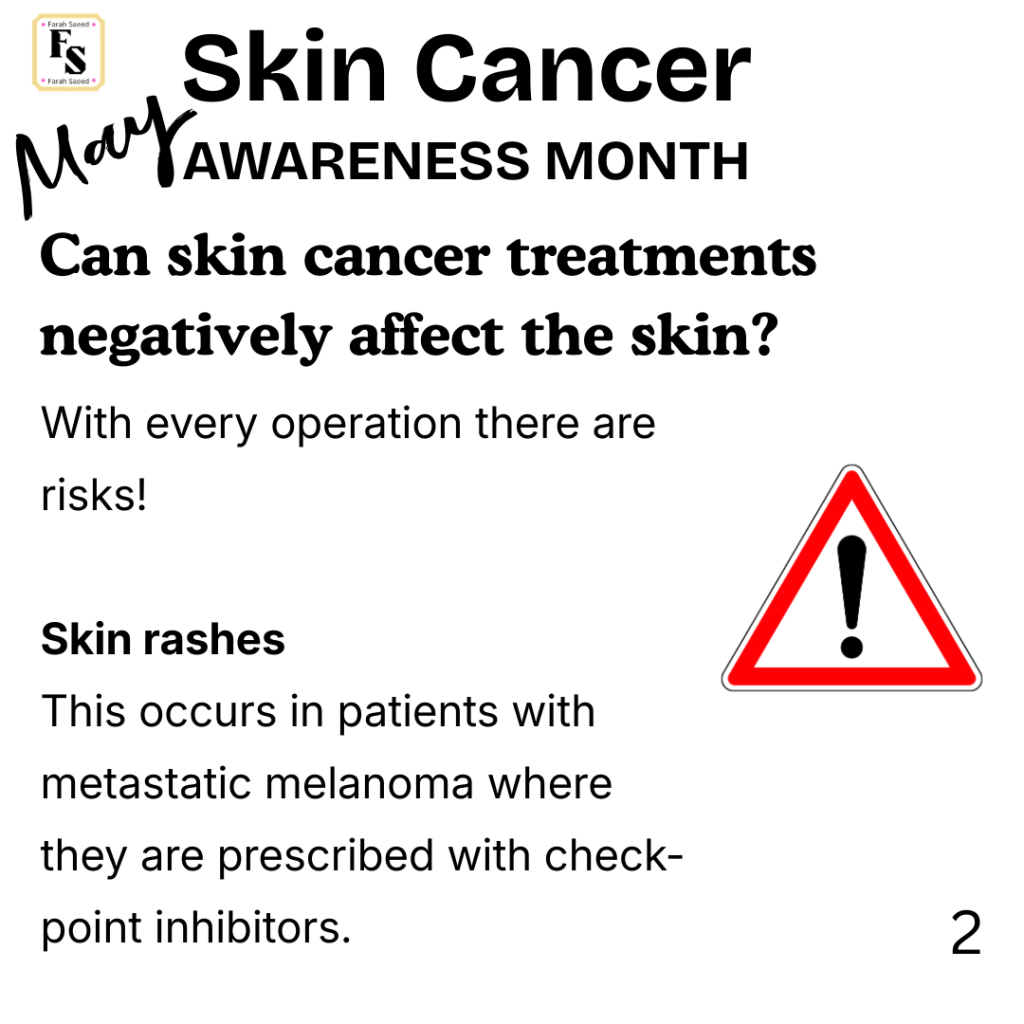
Can skin cancer treatments negatively affect the skin?
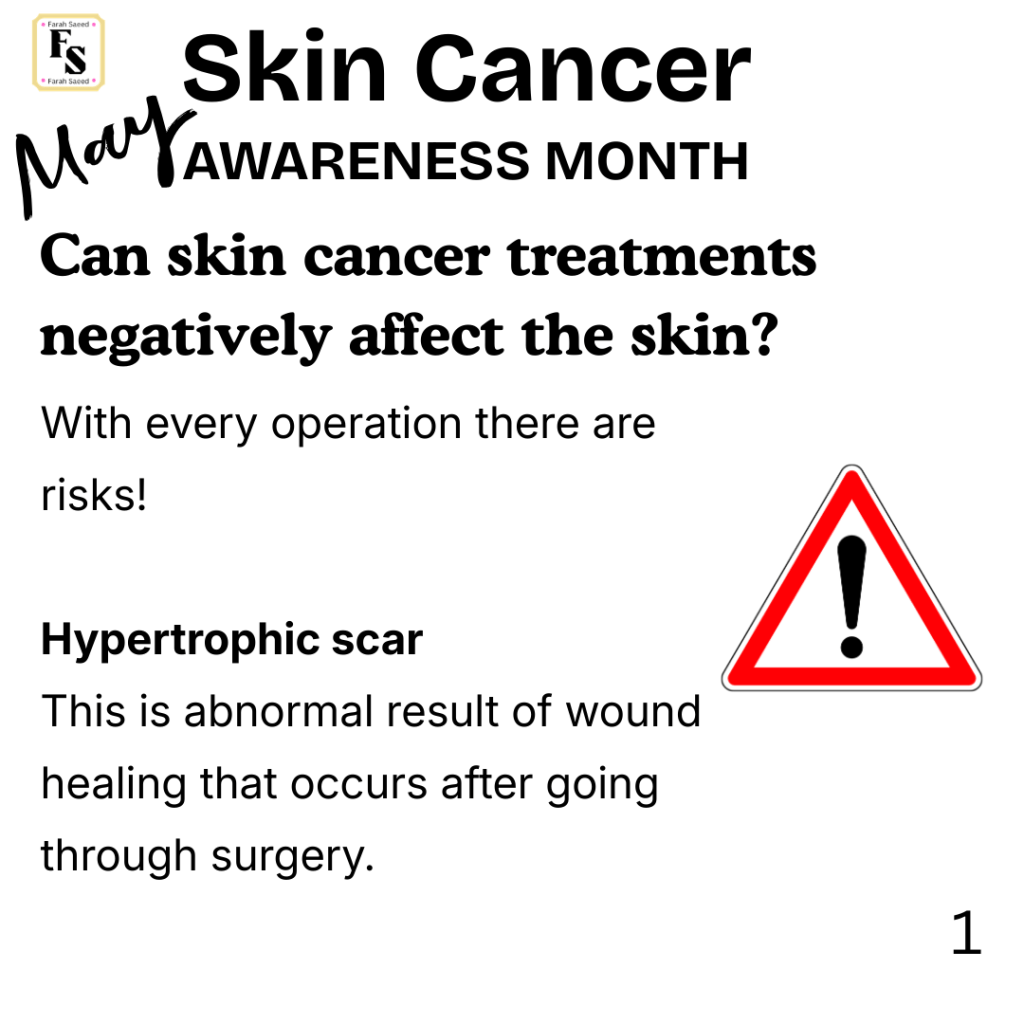

Hypertrophic scars are scars that are bulging, itchy, painful, and do not exceed the initial wound. It may appear paler or darker than normal skin.
Keloid scars are raised, hard, smooth, and shiny scars that may appear red, pink, purple, brown, or a darker tone. It is caused by having too much collagen in the skin. It arises on or near a joint after an injury, damage to the skin, for instance, a cut, burn, surgery, acne, body piercing, or a wound that has healed. It can grow for months, years, and become bigger than the actual wound. There may be feelings of itchiness, pain, lack of comfort, or difficulty moving. Treatment may help improve how it may look, but it cannot be removed.
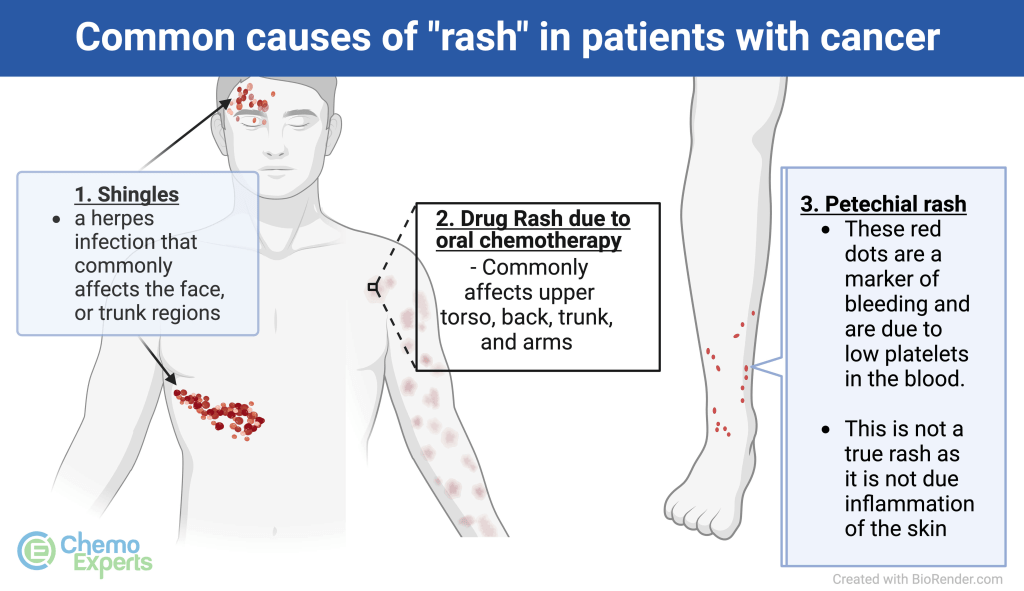
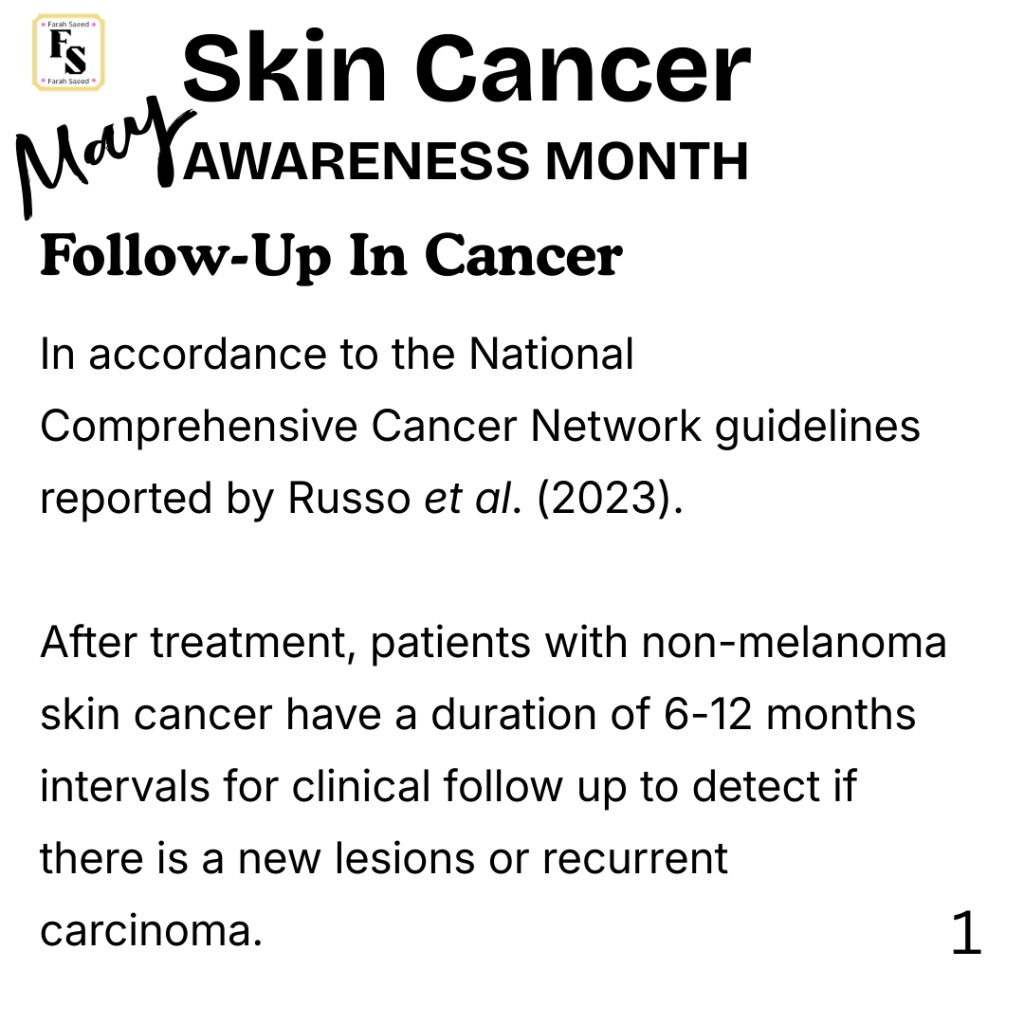
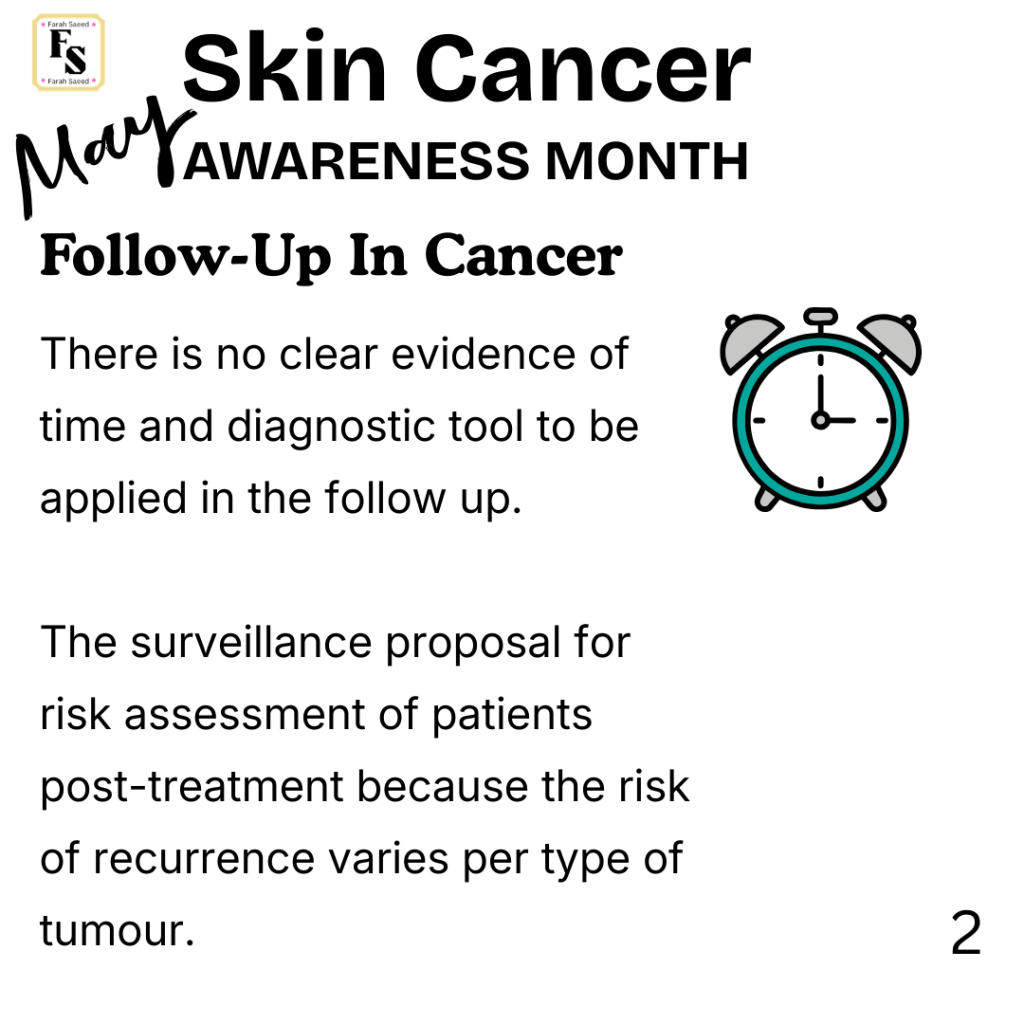
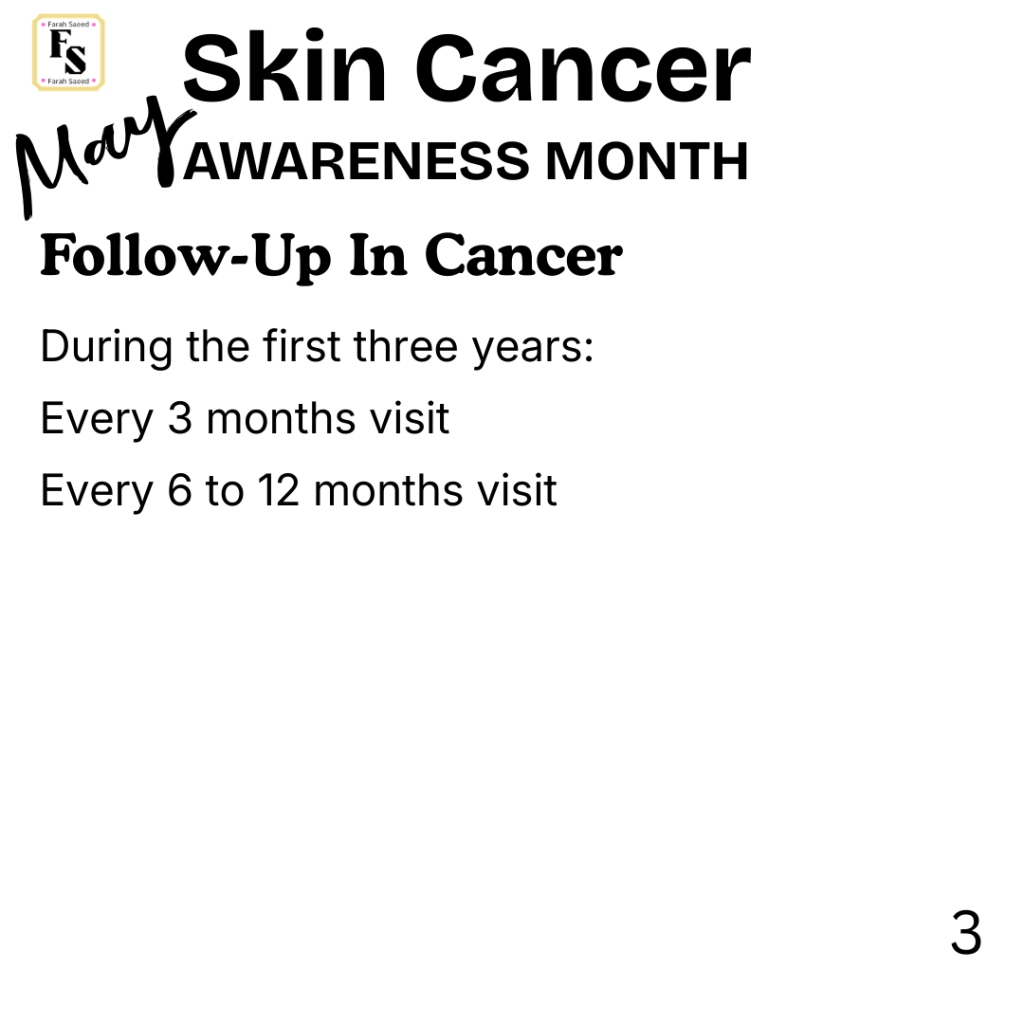
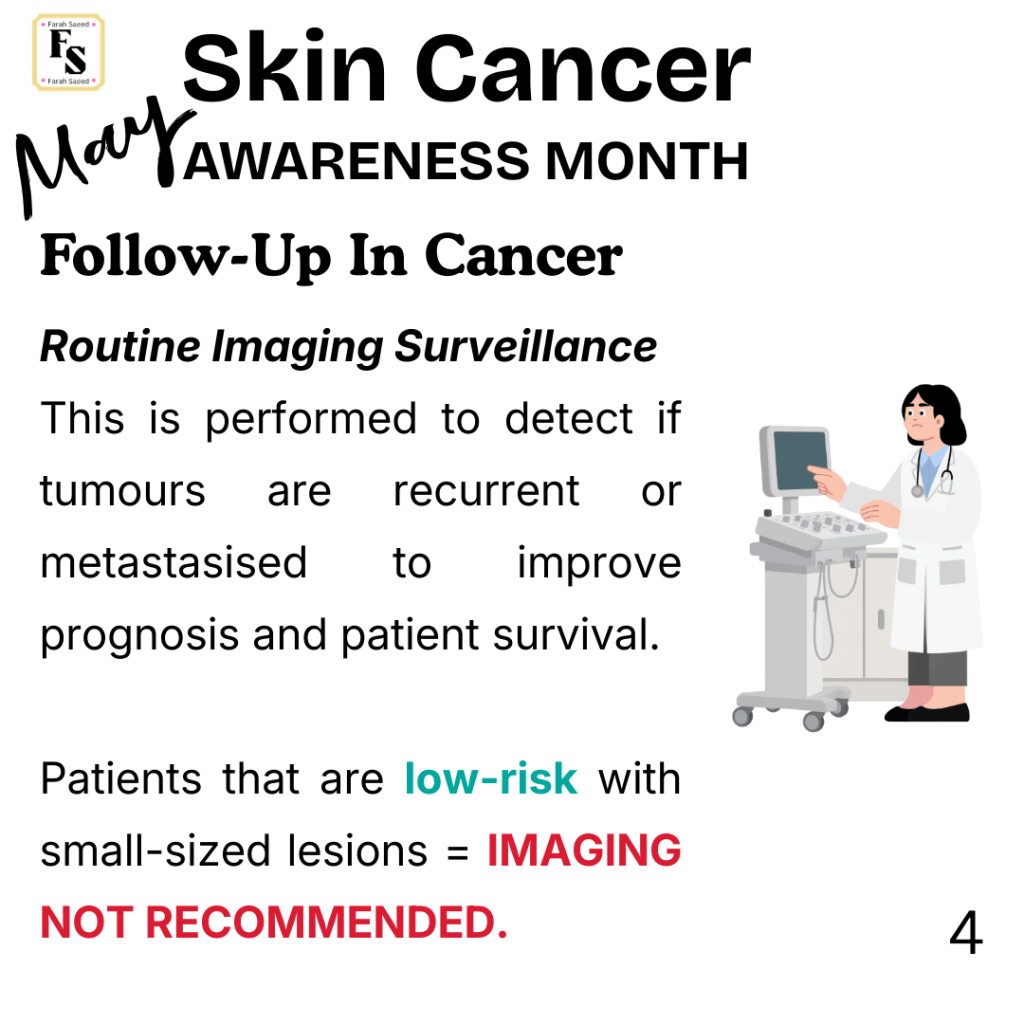
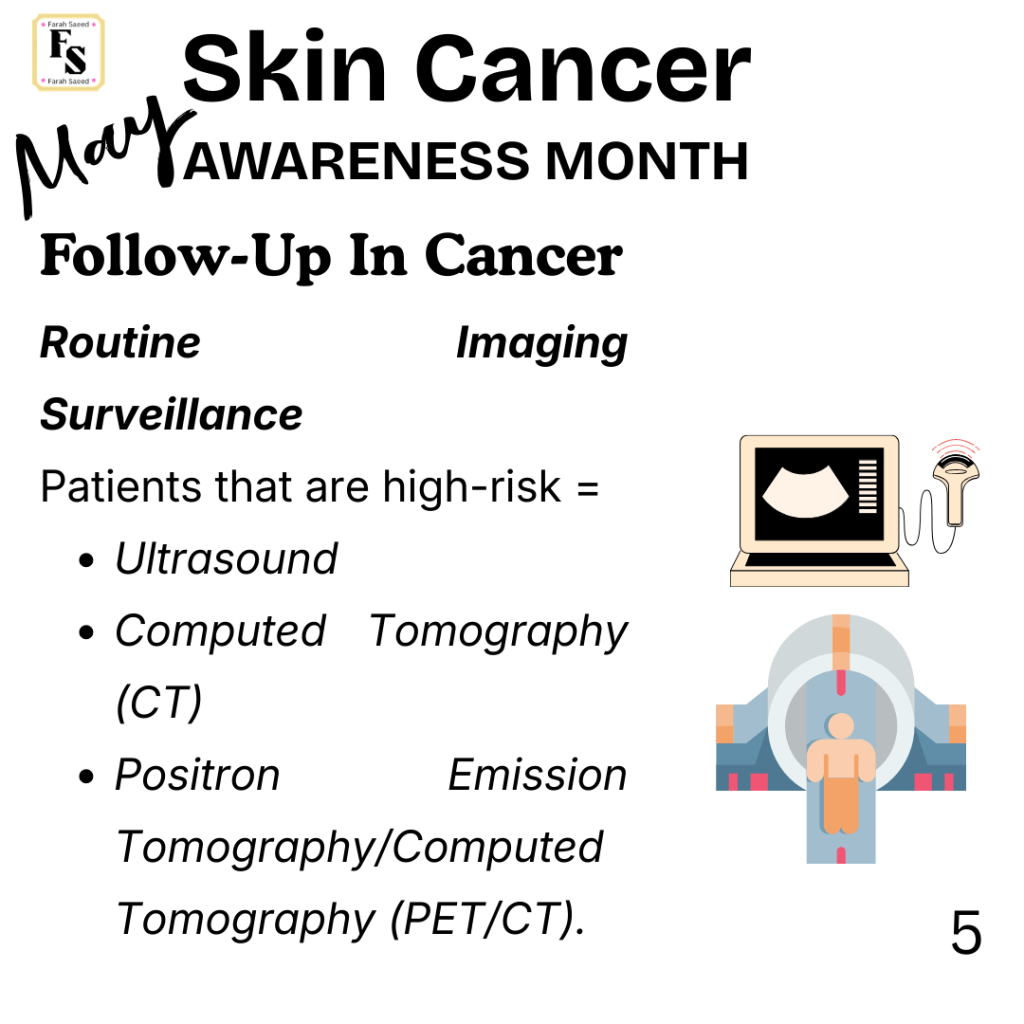
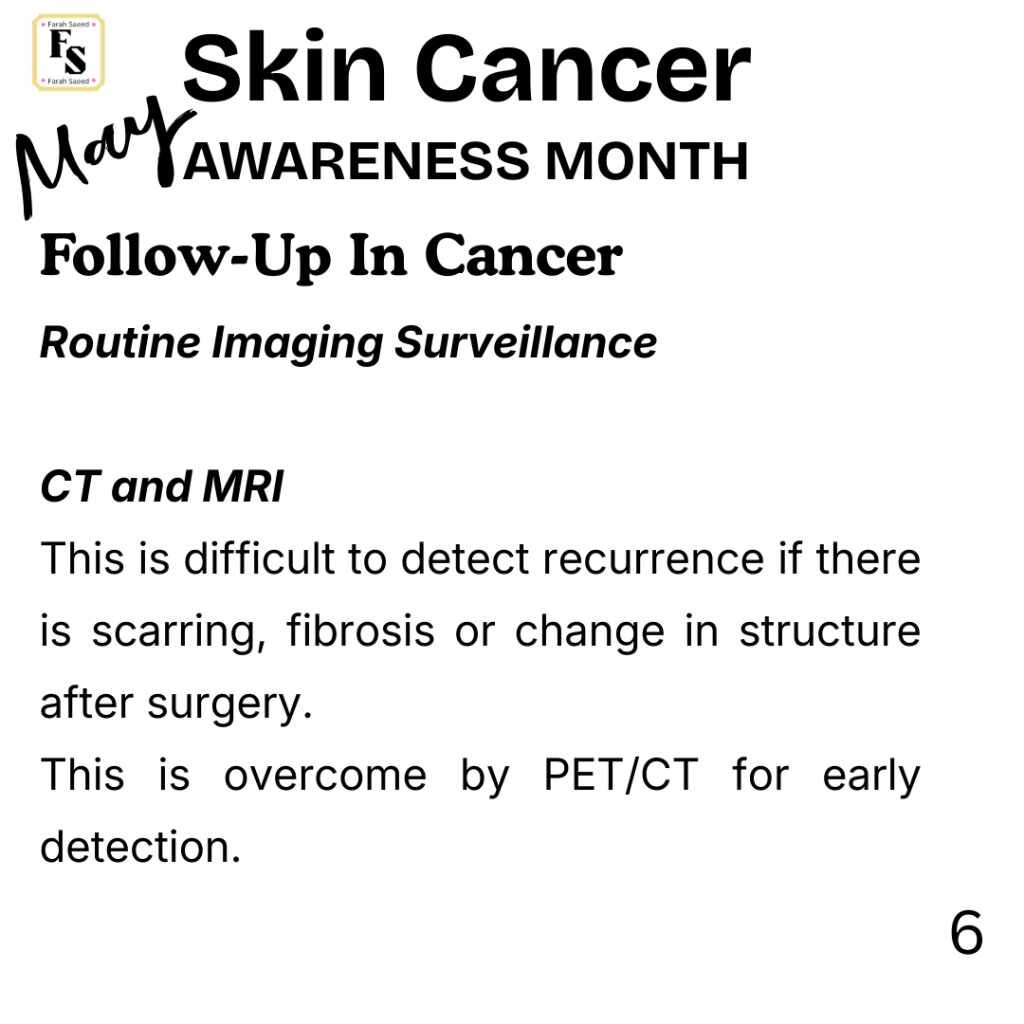
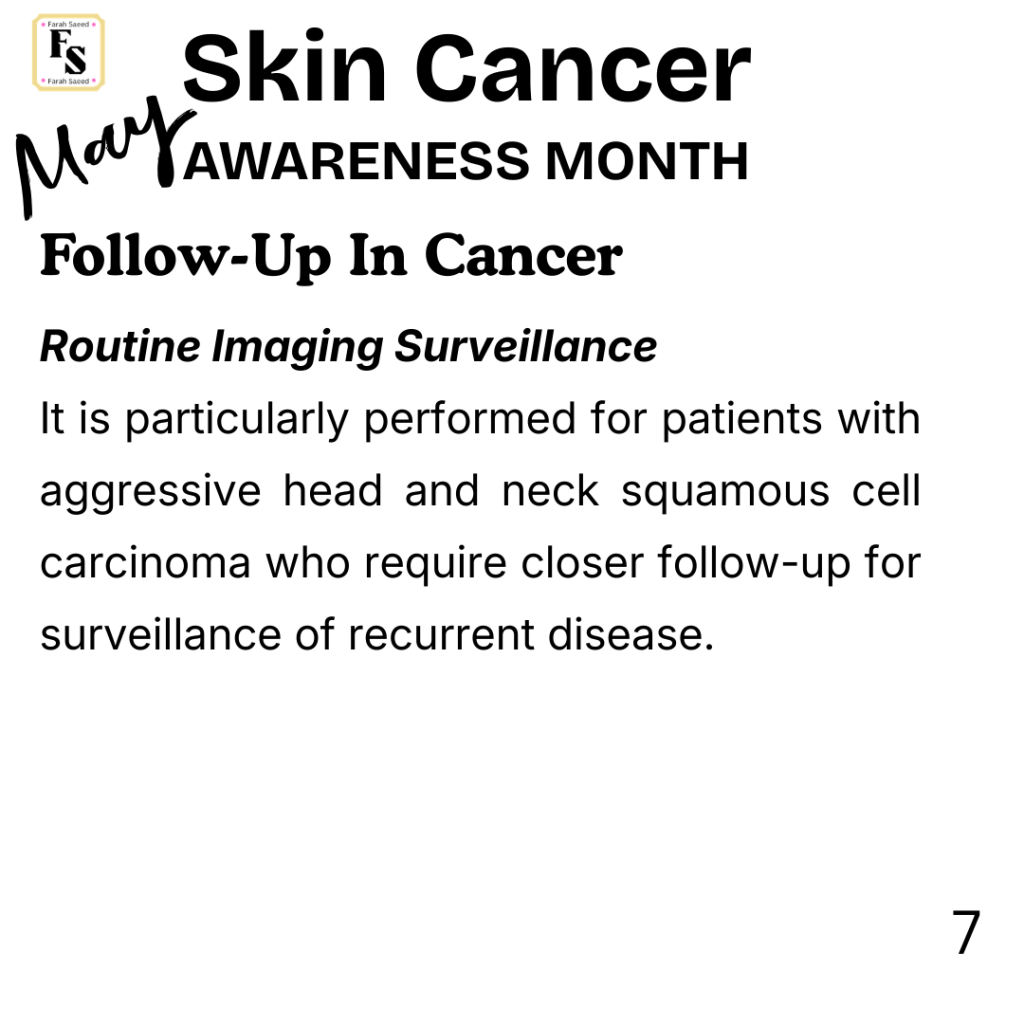
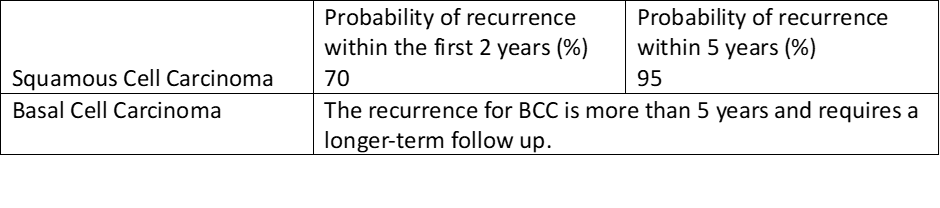
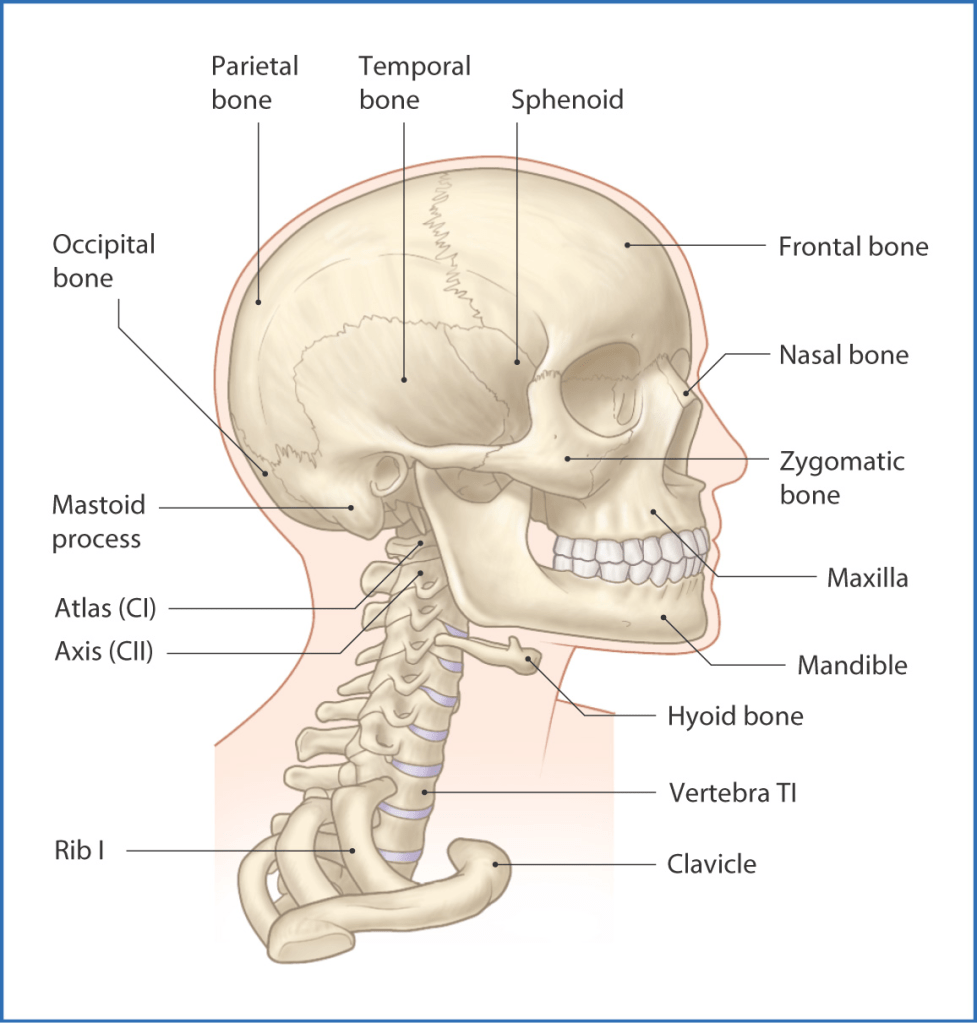
What Is The Follow Up Procedure On Skin Cancer?
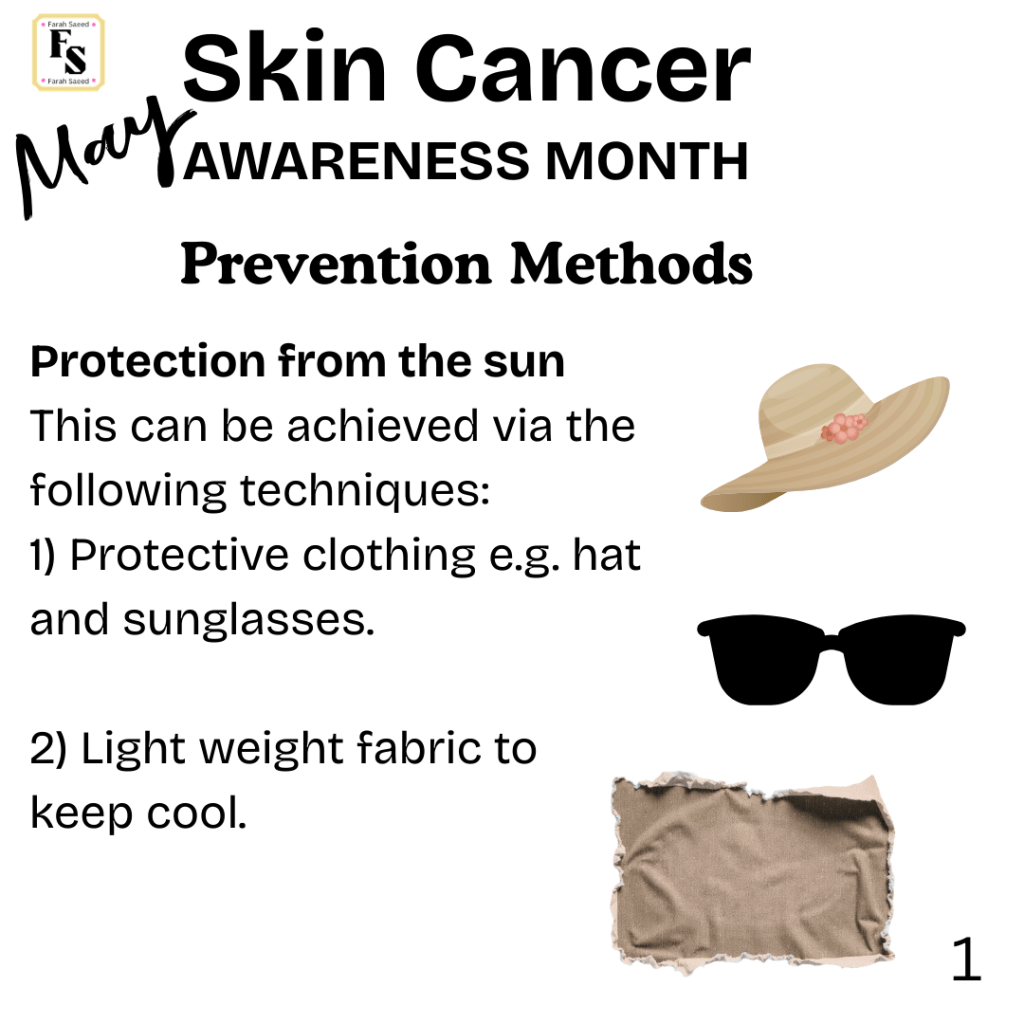
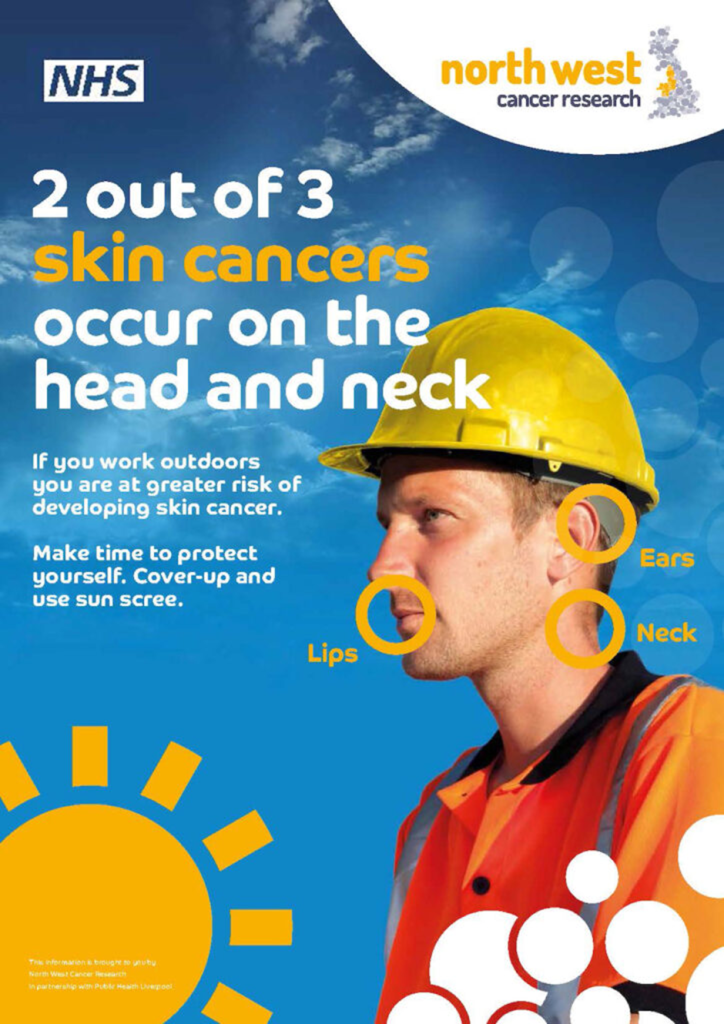
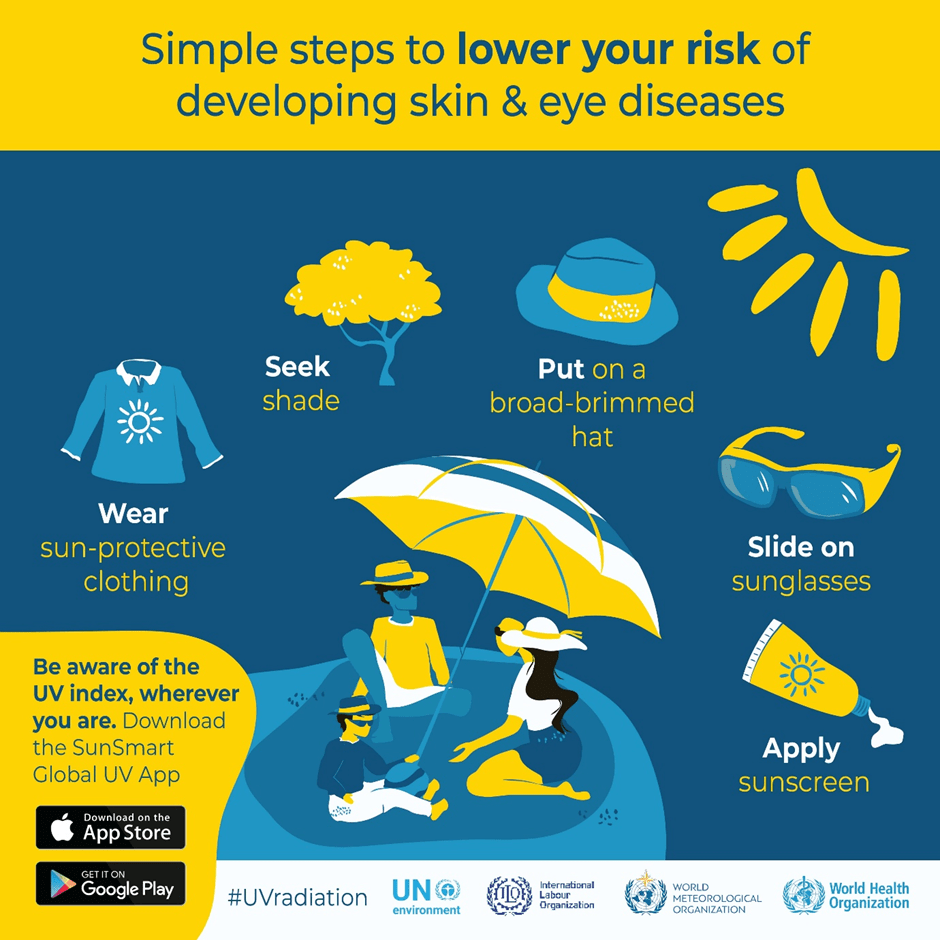
Preventative Ways To Avoid Skin Cancers
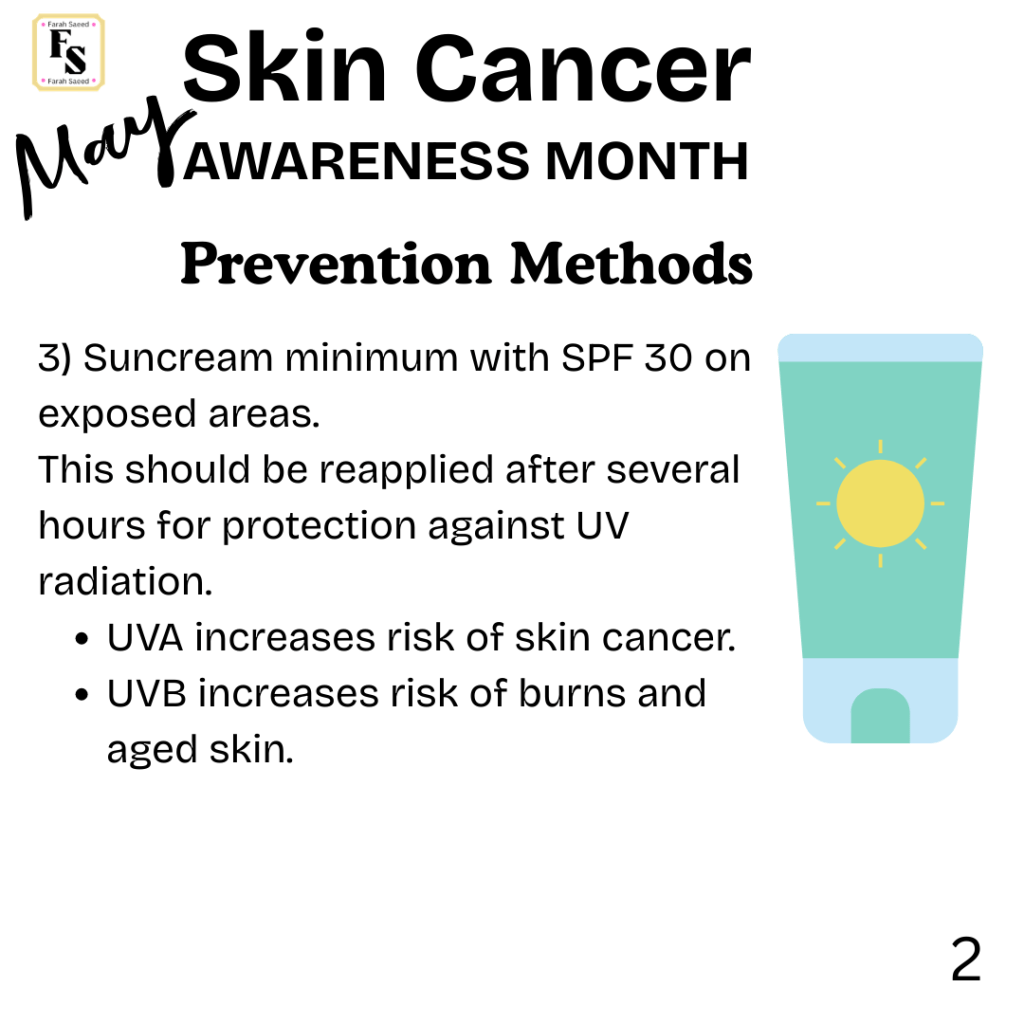
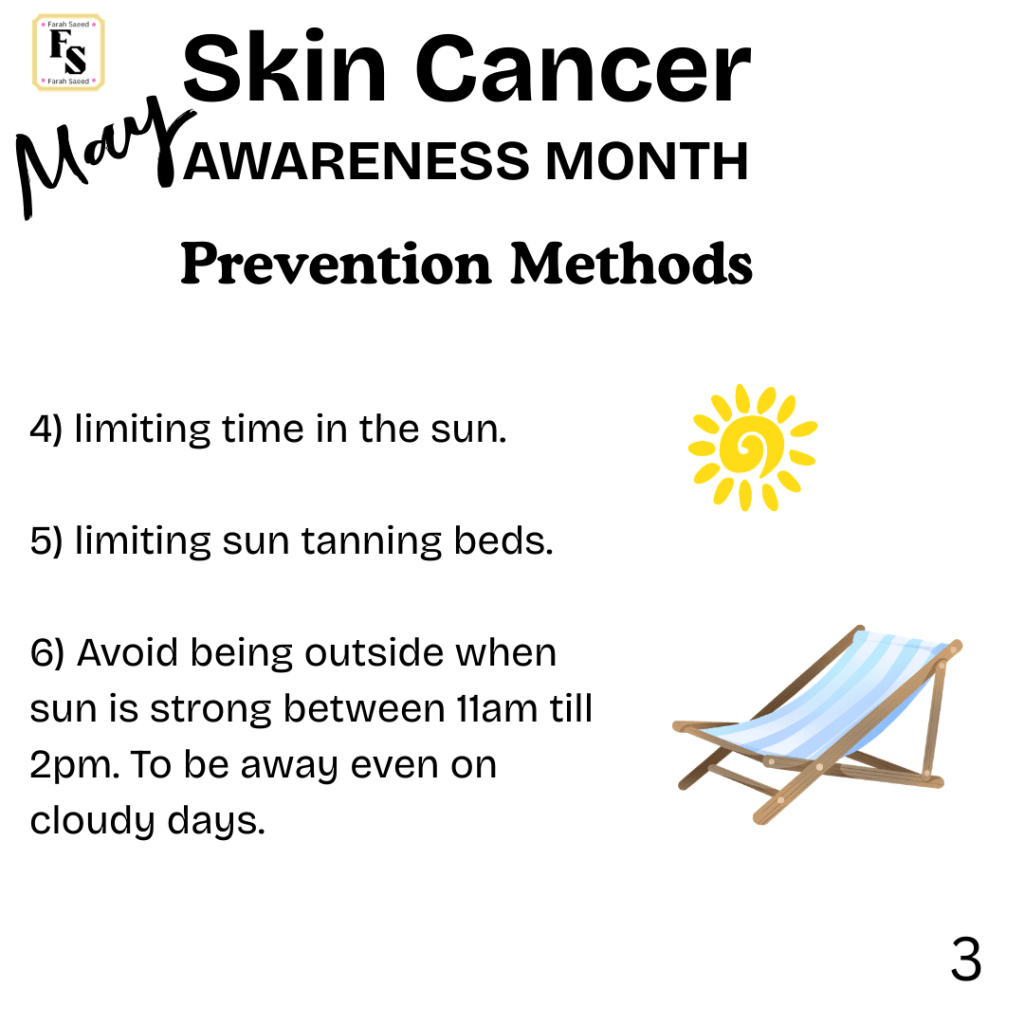
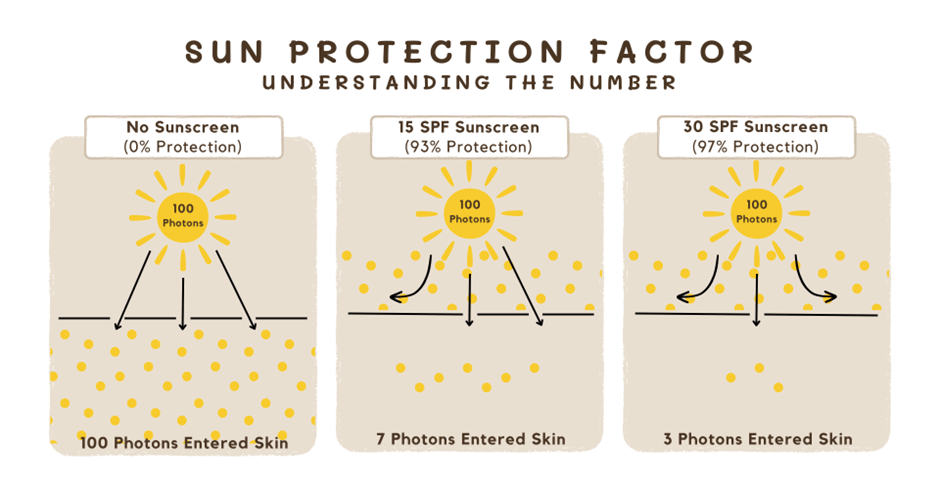
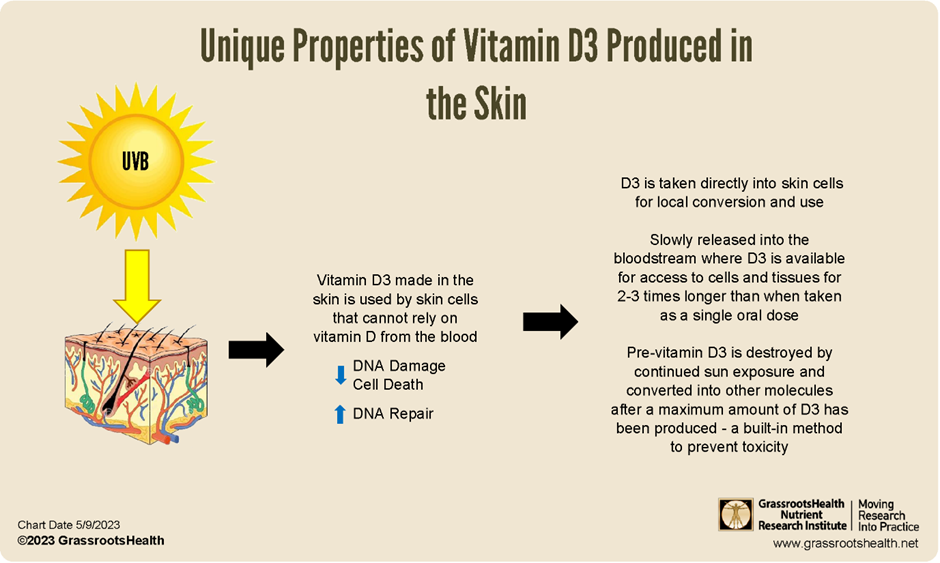
Consumption Of Vitamins
How to check the skin for moles – NHS Guide
To check the skin for abnormal lesions or moles and changes.
Please visit the link below:
https://www.nhs.uk/conditions/moles/
If you’re unsure, visit your GP.
Additional Recommended Sources For Reading
Spotting Cancer: Skin Cancer Guide
Skin Cancer Medical Research Journal Article by Emily Carter
References
Abgral, R., Querellou, S., Potard, G., Le Roux, P.-Y., Le Duc-Pennec, A., Marianovski, R., Pradier, O., Bizais, Y., Kraeber-Bodere, F. and Salaun, P.Y. (2008). Does 18F-FDG PET/CT Improve the Detection of Posttreatment Recurrence of Head and Neck Squamous Cell Carcinoma in Patients Negative for Disease on Clinical Follow-up? Journal of Nuclear Medicine, 50(1), pp.24–29. doi:https://doi.org/10.2967/jnumed.108.055806.
Al-Ibraheem, A., Buck, A., Krause, B.J., Scheidhauer, K. and Schwaiger, M. (2009). Clinical Applications of FDG PET and PET/CT in Head and Neck Cancer. Journal of Oncology, [online] 2009, p.e208725. doi:https://doi.org/10.1155/2009/208725.
Cambridge University Hospitals (2026) Skin cancer. Available at: https://www.cuh.nhs.uk/our-services/cancer-services/cancer-and-types-of-treatment/cancer-types-a-z/skin-cancer/ (Accessed: 5th February 2026)
Cancer Research UK (2023) Dacarbazine. Available at: https://www.cancerresearchuk.org/about-cancer/treatment/drugs/dacarbazine (Accessed: 13th February 2026)
Cancer Research UK (2023) Mohs micrographic surgery (MMS) for skin cancer. Available at: https://www.cancerresearchuk.org/about-cancer/skin-cancer/treatment/surgery/mohs-micrographic-surgery-mms (Accessed: 12th February 2026)
Cassidy, J., Bissett, D., Spene, R., and Payne, M. (2010). Oxford Handbook of Oncology. Oxford: Oxford University Press
Hextall, J. (2022 Skin cancer: how is it treated, and can it be cured? Available at: https://www.topdoctors.co.uk/medical-articles/skin-cancer-how-is-it-treated-and-can-it-be-cured/ (Accessed: 5th February 2026)
Loo, E. van, Mosterd, K., Krekels, G.A.M., Roozeboom, M.H., Ostertag, J.U., Dirksen, C.D., Steijlen, P.M., Neumann, H.A.M., Nelemans, P.J. and Kelleners-Smeets, N.W.J. (2014). Surgical excision versus Mohs’ micrographic surgery for basal cell carcinoma of the face: A randomised clinical trial with 10 year follow-up. European Journal of Cancer, [online] 50(17), pp.3011–3020. doi:https://doi.org/10.1016/j.ejca.2014.08.018.
Madan, V., Lear, J.T. and Szeimies, R.-M. (2010). Non-melanoma skin cancer. The Lancet, [online] 375(9715), pp.673–685. doi:https://doi.org/10.1016/S0140-6736(09)61196-X.
McCusker, M., Basset-Seguin, N., Dummer, R., Lewis, K., Schadendorf, D., Sekulic, A., Hou, J., Wang, L., Yue, H. and Hauschild, A. (2014). Metastatic basal cell carcinoma: Prognosis dependent on anatomic site and spread of disease. European Journal of Cancer, 50(4), pp.774–783. doi:https://doi.org/10.1016/j.ejca.2013.12.013.
Mendenhall, W.M., Ferlito, A., Takes, R.P., Bradford, C.R., Corry, J., Fagan, J.J., Rinaldo, A., Primož Stroja and d Rodrigo, J.P. (2012). Cutaneous head and neck basal and squamous cell carcinomas with perineural invasion. Oral Oncology, 48(10), pp.918–922. doi:https://doi.org/10.1016/j.oraloncology.2012.02.015.
Mikhailovna, S.Y. (2023..) Types of Scars. Available at: https://coolaser.clinic/en/news/types-of-scars/ (Accessed: 25th February 2026)
Morar, N. (2025).. Treating skin cancer without surgery. Available at: https://www.kingedwardvii.co.uk/health-hub/treating-skin-cancer-without-surgery (Accessed: 13th February 2026)
National Health Service (2023). a) Moles. Available at: https://www.nhs.uk/conditions/moles/ (Accessed: 12th February 2026)
National Health Service (2023b) Keloid Scars. Available at: https://www.nhs.uk/conditions/keloid-scars/ (Accessed: 25th February 2026)
National Institute for Health and Care Excellence (2025) Scenario: Referral for suspected skin cancer. Available at: https://cks.nice.org.uk/topics/skin-cancers-recognition-referral/management/referral-for-suspected-skin-cancer/ (Accessed: 13th February 2026)
Roky, A.H., Islam, M.M., Fuad, M., Mostaq, M.S., Mahmud, M.Z. Amin, M.N., and Mahmud, M.A. (2..024) Overview of skin cancer types and prevalence rates across continents. Cancer Pathogenesis and Therapy, 3(2). doi: https://doi.org/10.1016/j.cpt.2024.08.002.
Russo, G.M., Russo, A., Urraro, F., Cioce, F., Gallo, L., Belfiore, M.P., Sangiovanni, A., Napolitano, S., Troiani, T., Verolino, P., Sica, A., Brancaccio, G., Briatico, G., Nardone, V. and Reginelli, A. (2023). Management of Non-Melanoma Skin Cancer: Radiologists Challenging and Risk Assessment. Diagnostics (Basel, Switzerland), [online] 13(4), p.793. doi:https://doi.org/10.3390/diagnostics13040793.
Updated February 2026 Next Review May 2028
 The Farah Saeed Project