
The Structure And Function Of The Male Reproductive System
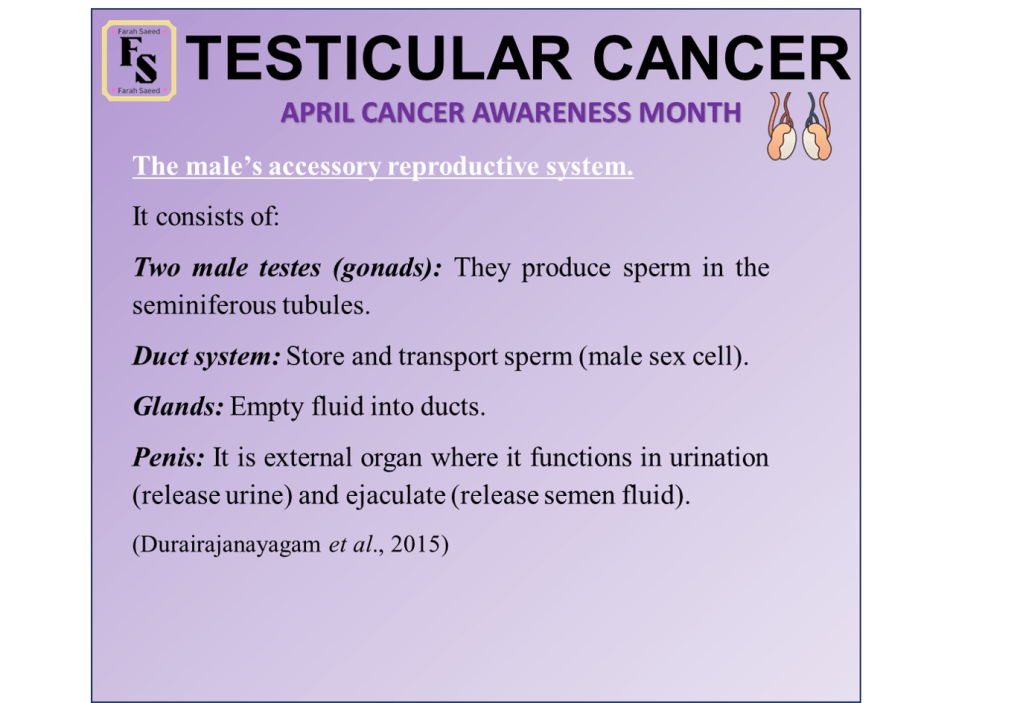
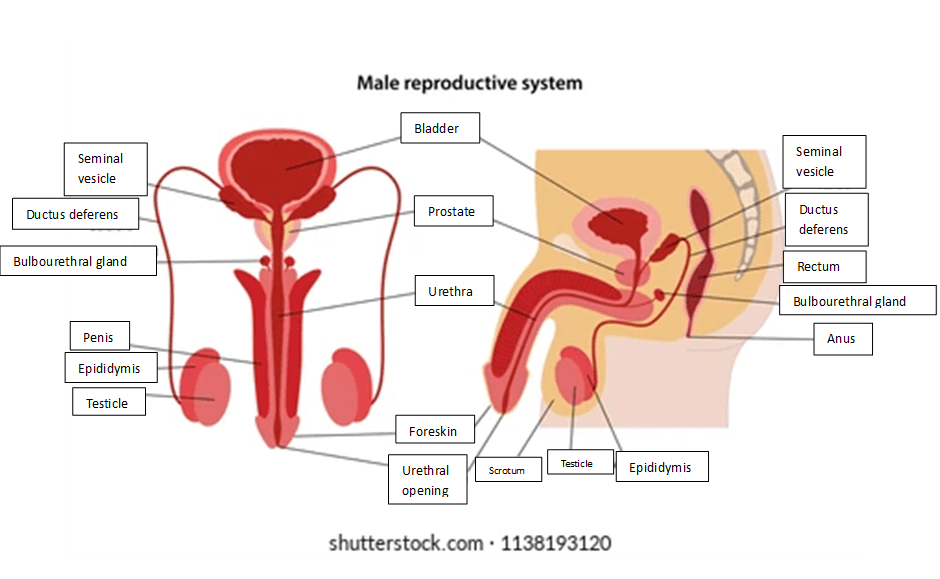
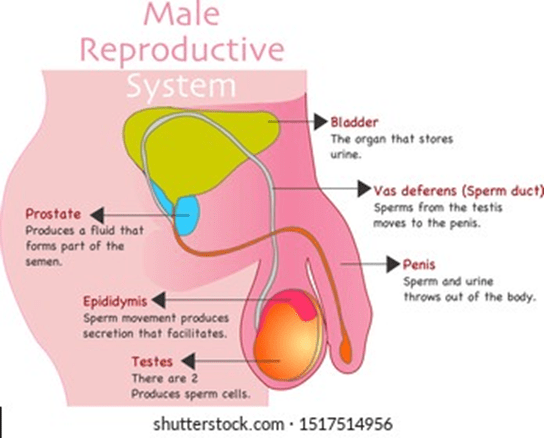
Structure Of The Testes


Testes Development


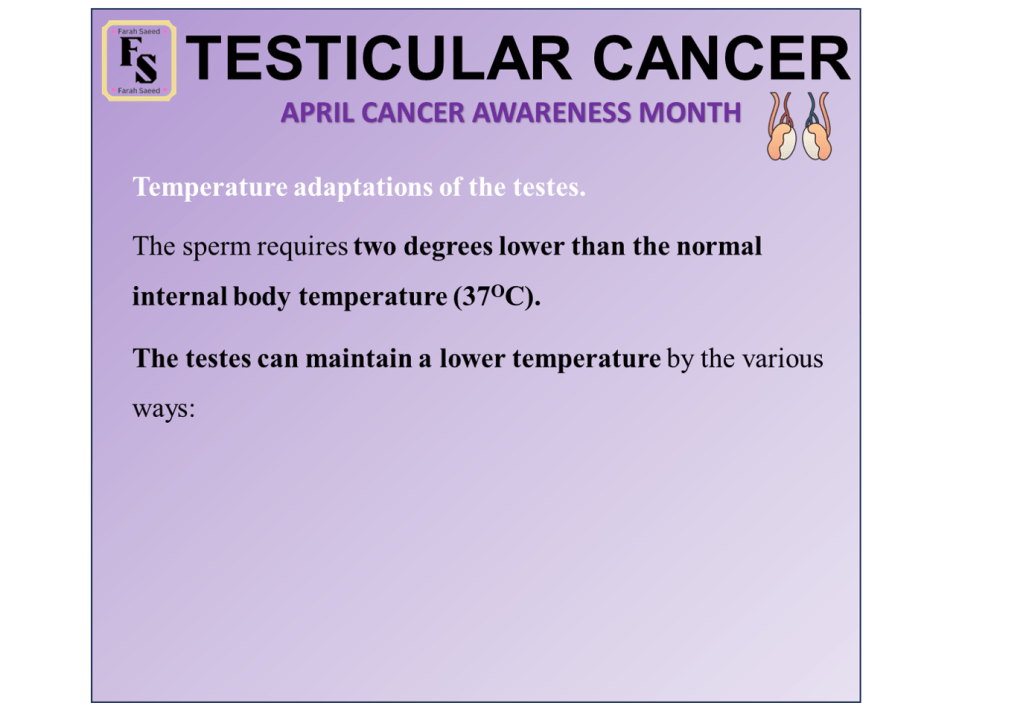
Temperature Adaptations Of The Testes
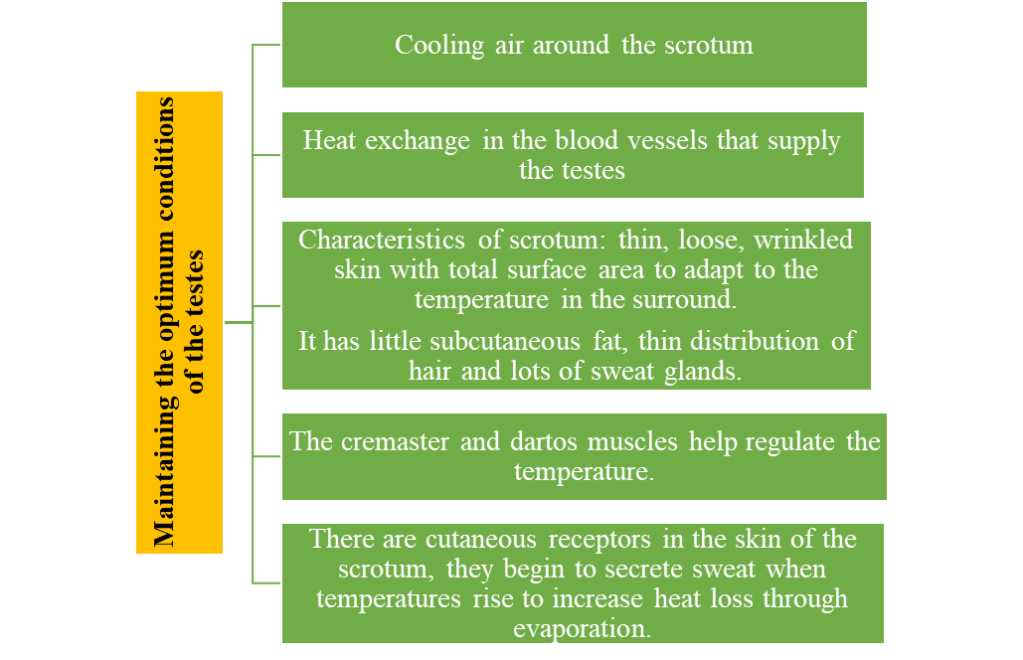
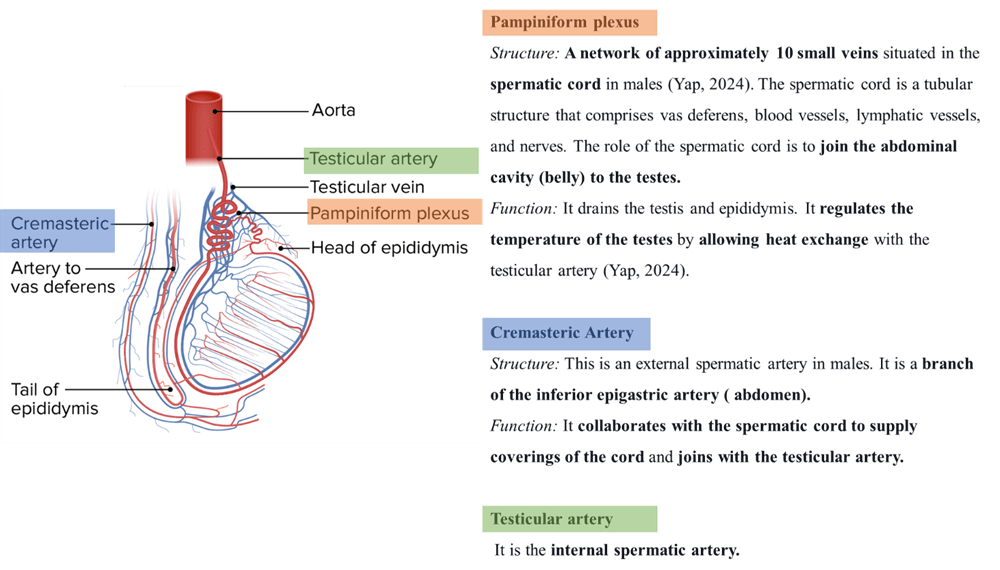
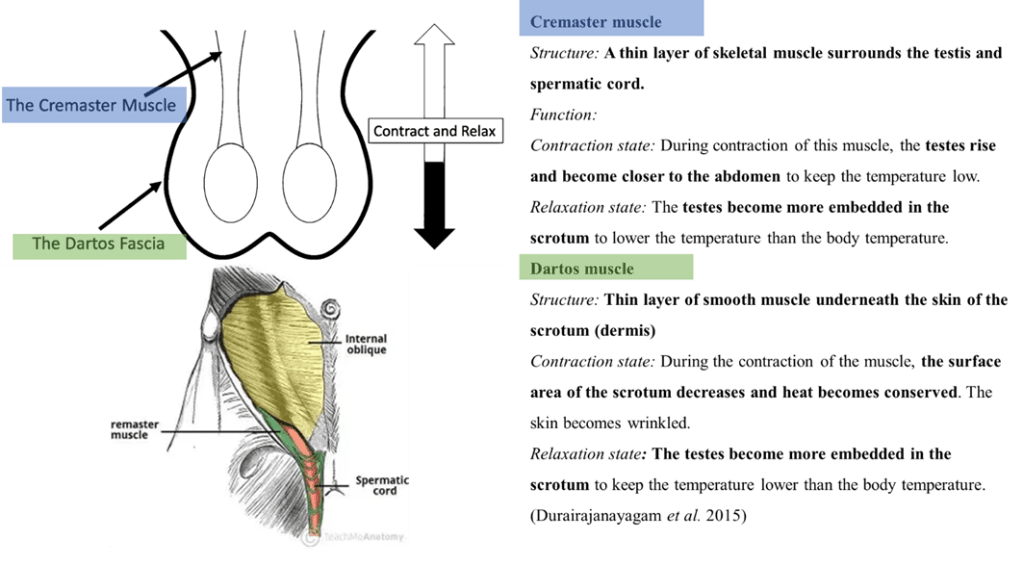
Structure Of The Testes
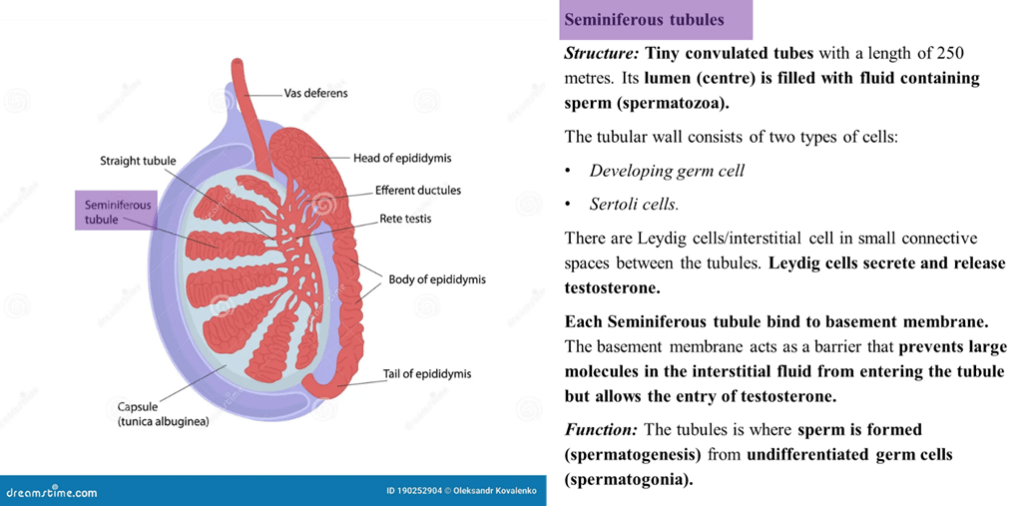

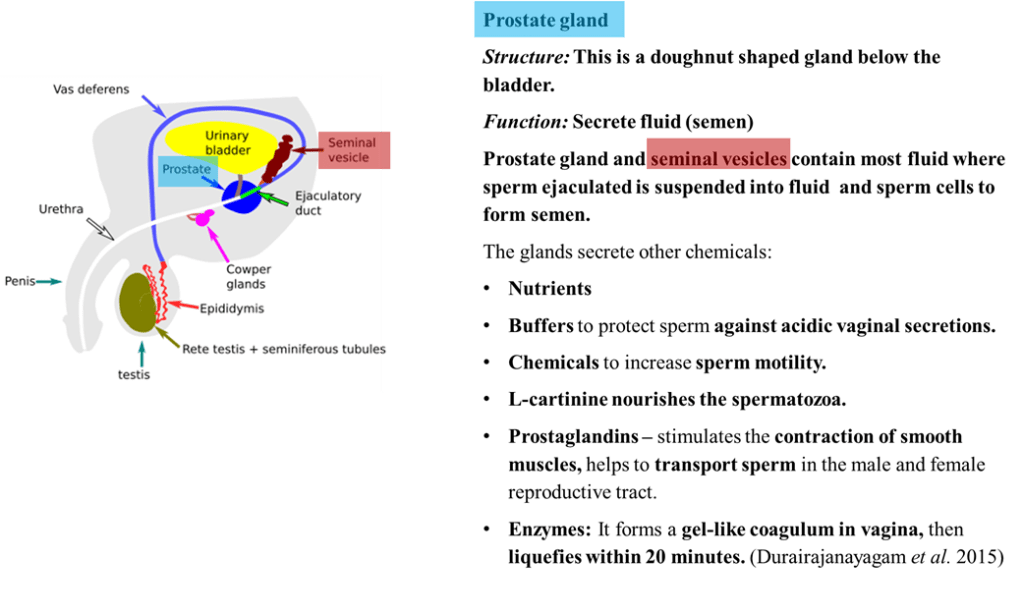
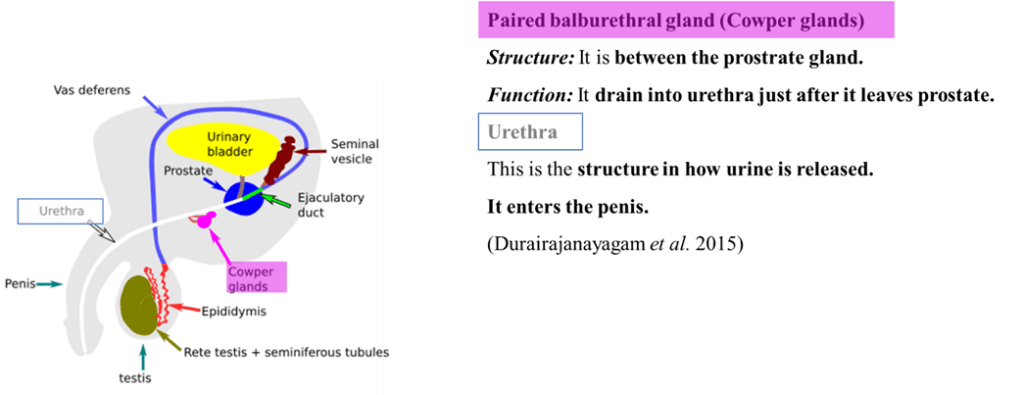
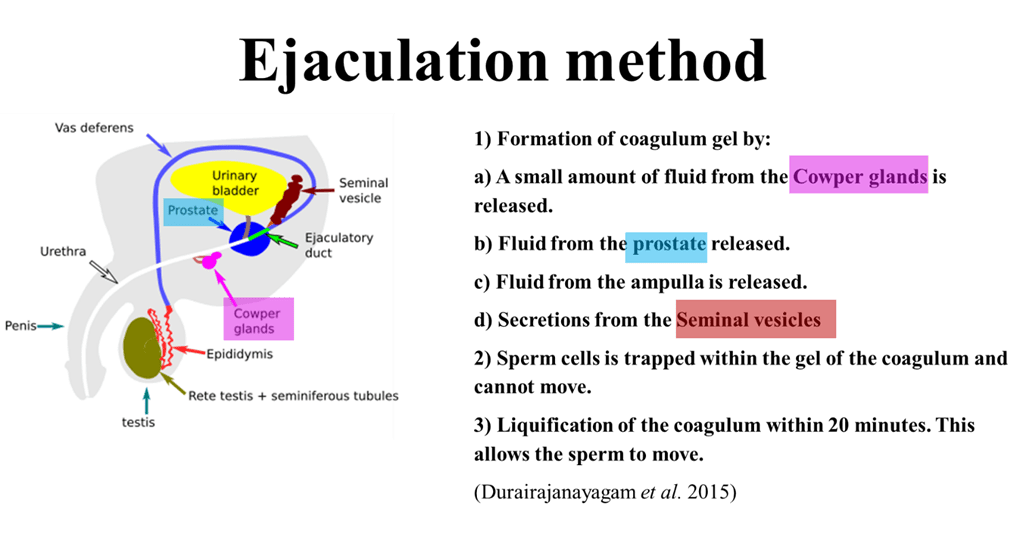
Structure Of The Sperm Cell
The sperm cell is the male sex cell that carries 23 chromosomes. It generally has the following structure.

Growth of sperm (spermatogenesis)
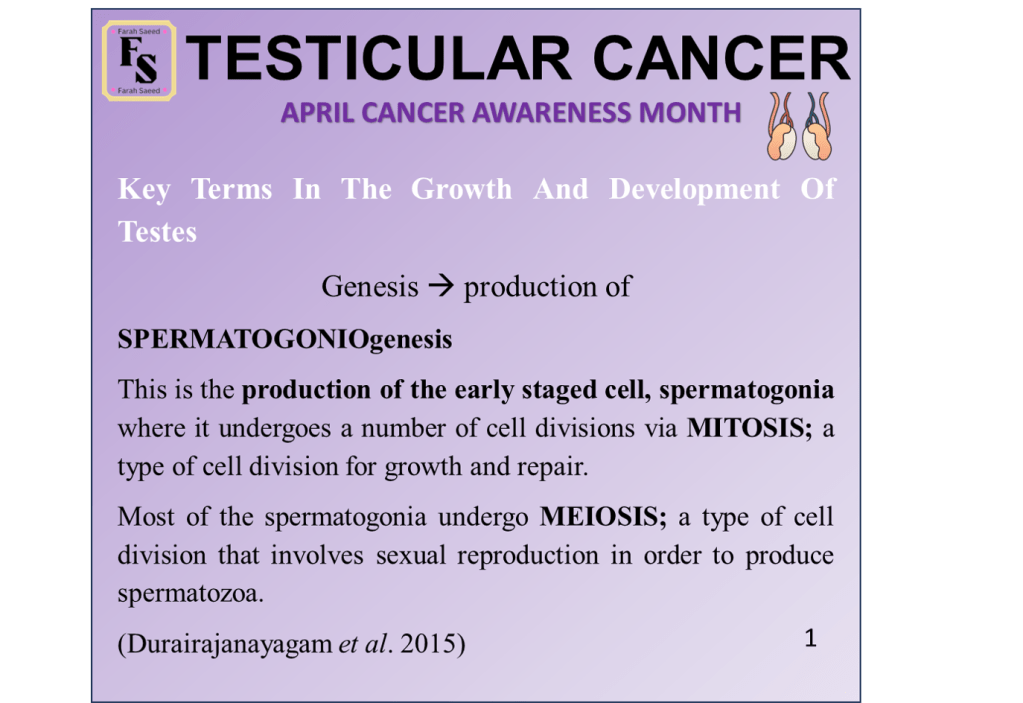
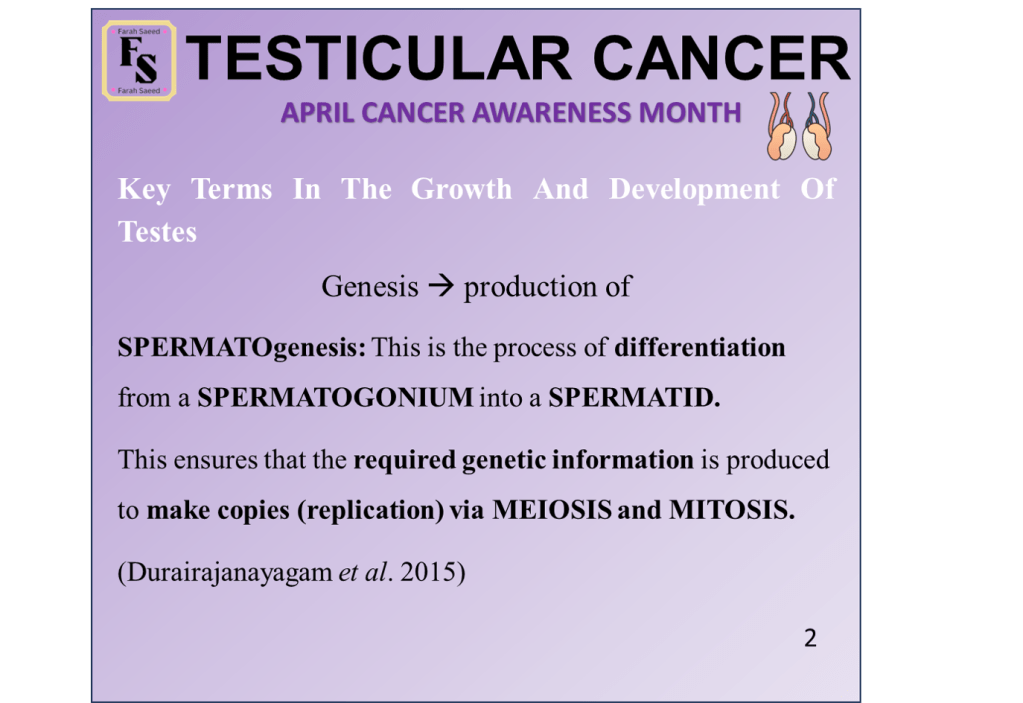
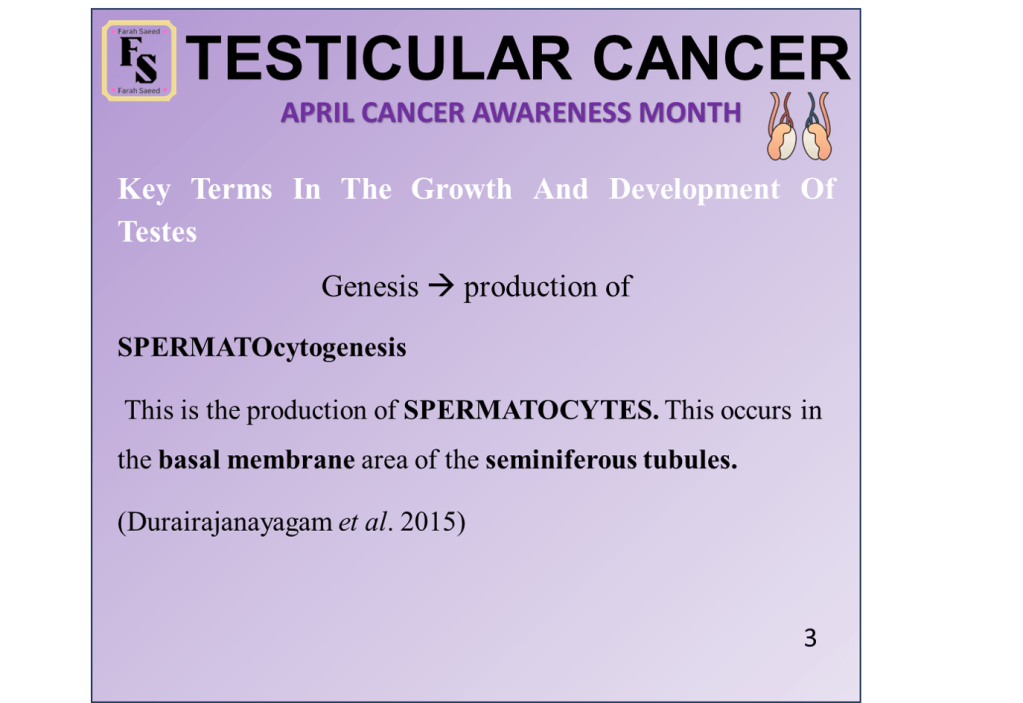
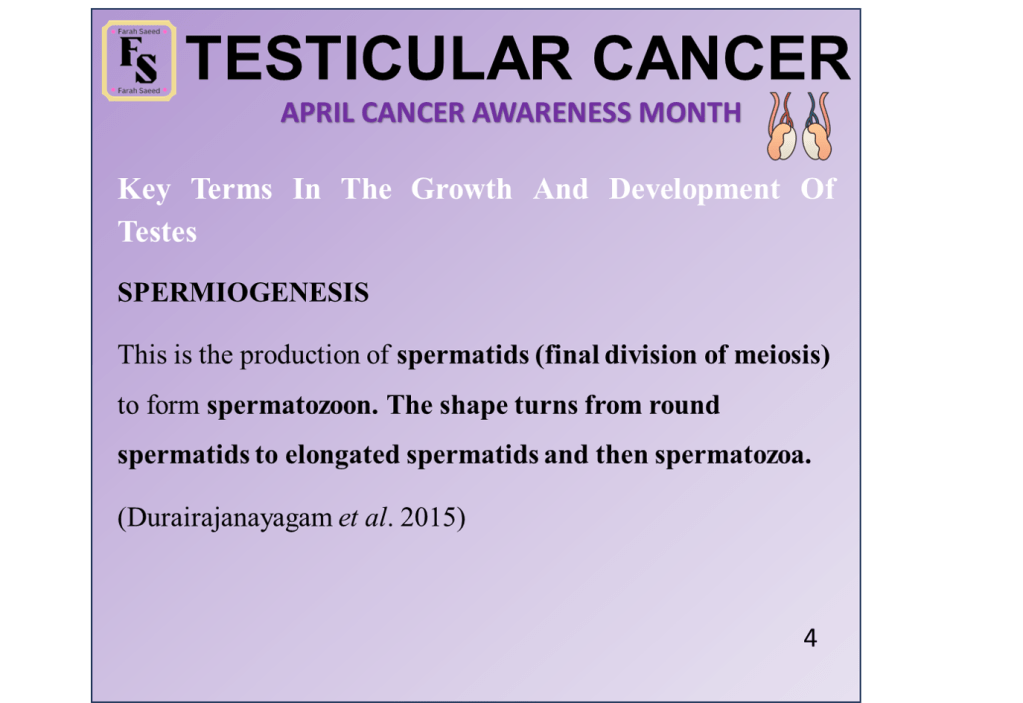
The gonocytes form the germ cell, spermatogonia and multiple mitosis takes place.
Spermatogenesis begins with spermatogonia, that develops and produces spermatozoa. This takes place in the Sertoli cells. It starts in the basal compartment and ends in the apical compartments.Both compartments are separated by tight junctions. This is the blood-testes barrier.
The aim of the whole process of spermatogenesis is to ensure the necessary genetic information is copied (replicated). It commonly takes during puberty and continues throughout the adult life span.
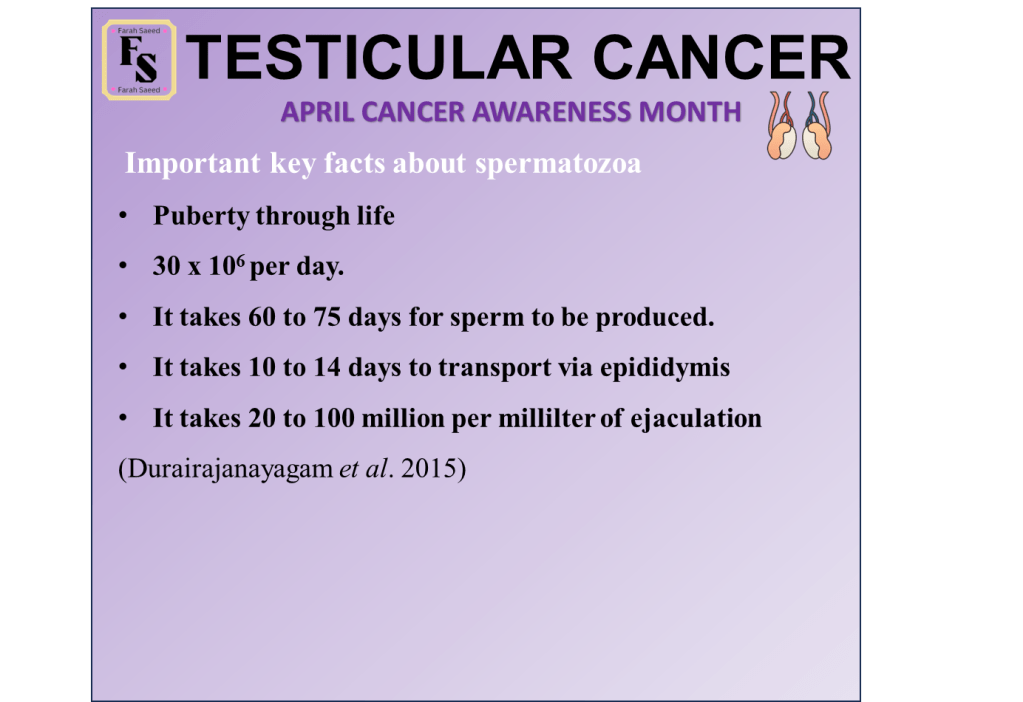
Germ cells are placed in spatial units called stages. They are allocated by Roman numerals and can be recognised by the acrosome, meiosis, shape of the nucleus and spermatozoa. For example, Type A spermatogonia division is shorter than the whole process of spermatogenesis. It is estimated it takes between 42 and 76 days from production to maturation and release. Other suggest it takes approximately 70 days to complete.

How?
Time intervals of the events:
(Durairajanayagam et al., 2015)
What Happens After Mitosis When The Primary Spermocyte Is Formed?
Two cell divisions by meiosis takes place.
The first meiotic division produces two haploid secondary spermocytes.
The second meiotic division produces four haploids spermatids (23 chromosomes). They bound together by bridges called cytoplasmic bridges to help transfer the cytoplasmic products.
Two spermatids carry the X chromosome from either parent (two from the mother, two from the father).
Each of the spermatid undergo spermiogenesis to form spermatozoa before releasing into the lumen of the seminiferous tubules.
(Durairajanayagam et al. 2015)
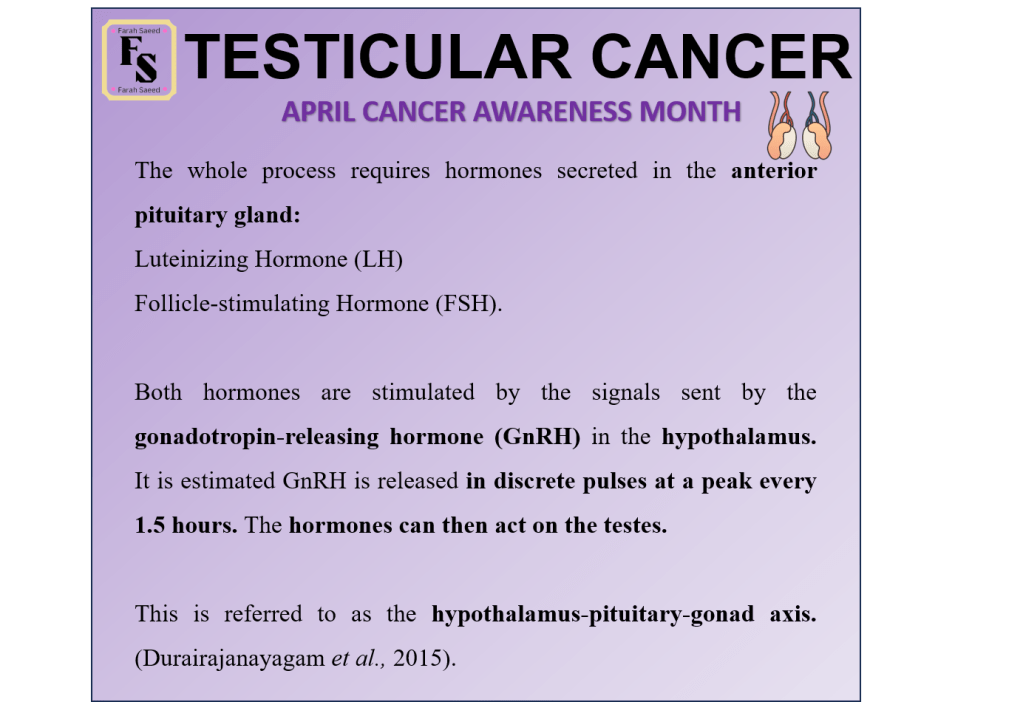
Regulation of the process
Functions Of The Hormones
Function of FSH
The baseline is regulated by the Follicle-stimulating hormone (FSH).
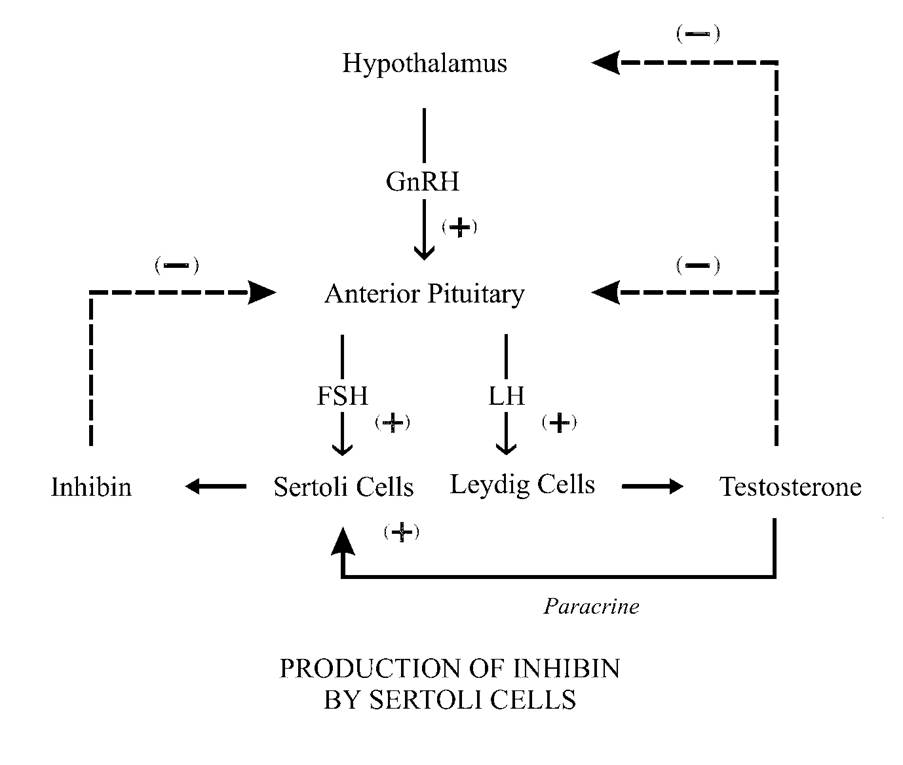
FSH specifically acts on the Sertoli cells to begin spermatogenesis in puberty and mature germ cells.
FSH also acts on Sertoli cells to secrete inhibin and androgen-binding protein (ABP). Sertoli cells have androgen receptors.
Function of LH
LH acts on Leydig cells to stimulate the production of testosterone by converting cholesterol.
It maintains spermatogenesis.
Function of Testosterone

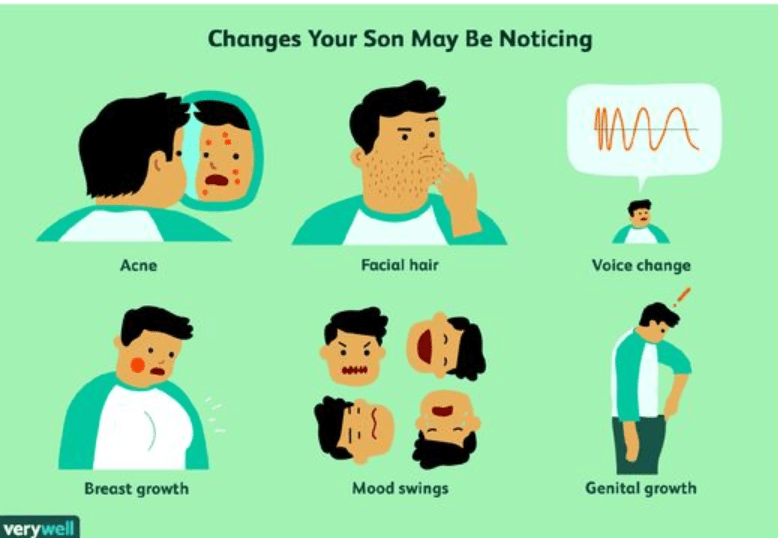
What happens to testosterone when it is produced?
Androgen-binding Protein (ABP) binds to testosterone to go through the lumen of seminiferous tubule and into the epididymis.
Testosterone can be converted to 5α-dihydrotestosterone (5α-DHT) and 17β-estradiol.
5α-DHT is more active than testosterone and needed for the development and function of the penis, scrotum, sex glands, secondary sex characteristics, libido (sexual activity).
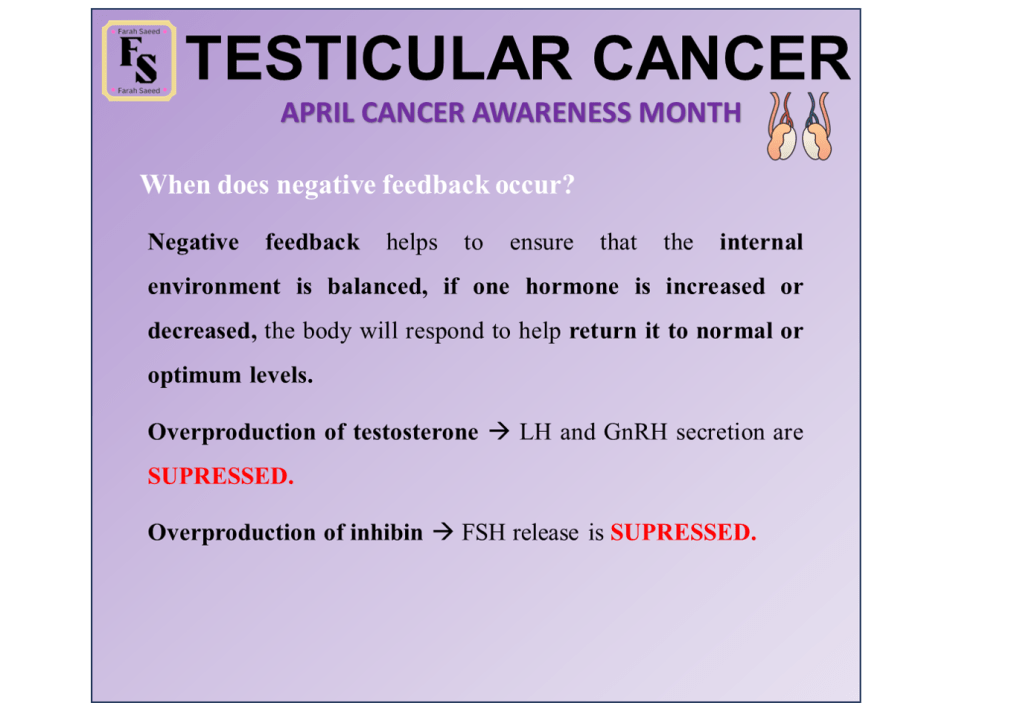
Negative Feedback
(Durairajanayagam et al. 2015)
Supporting Material

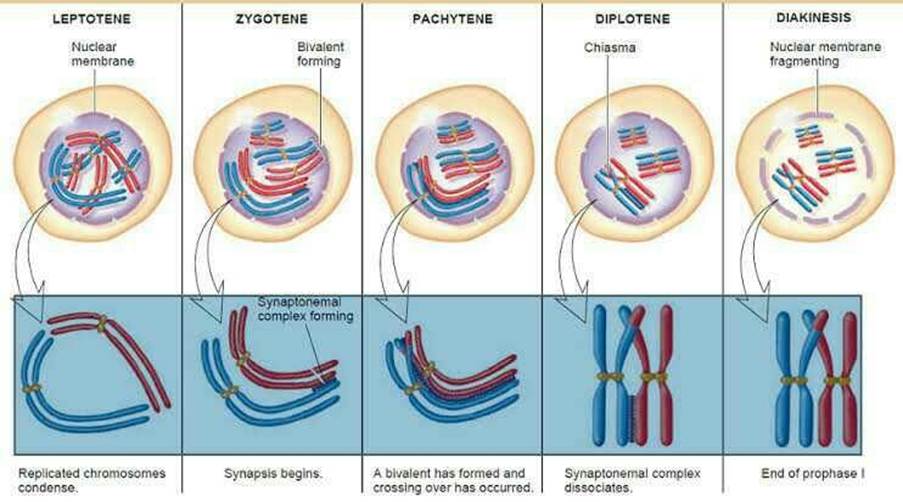
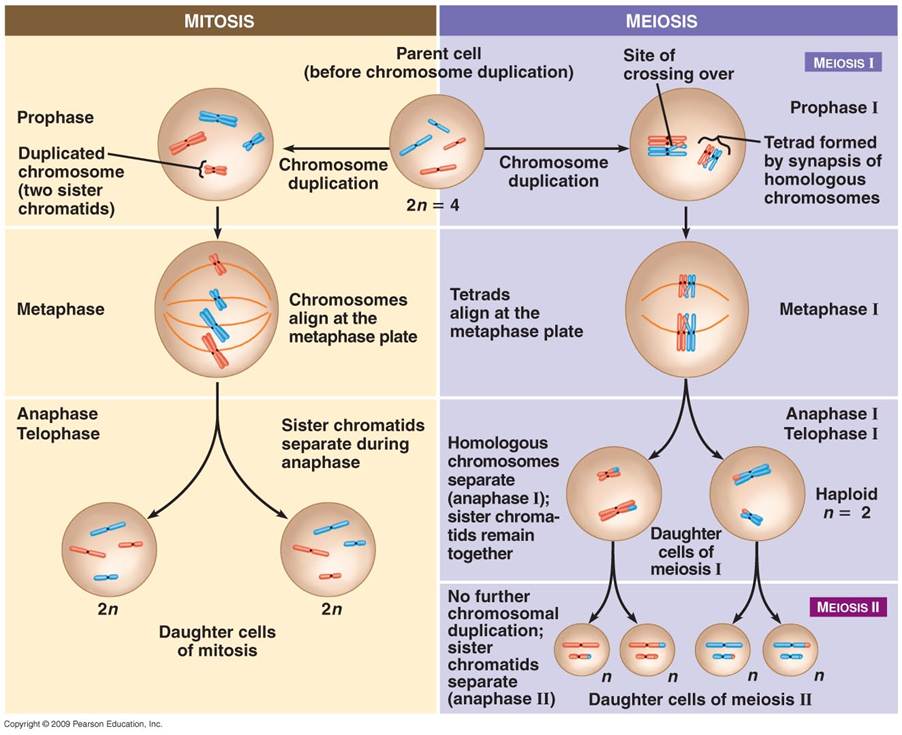
(Creative Commons, 2025)
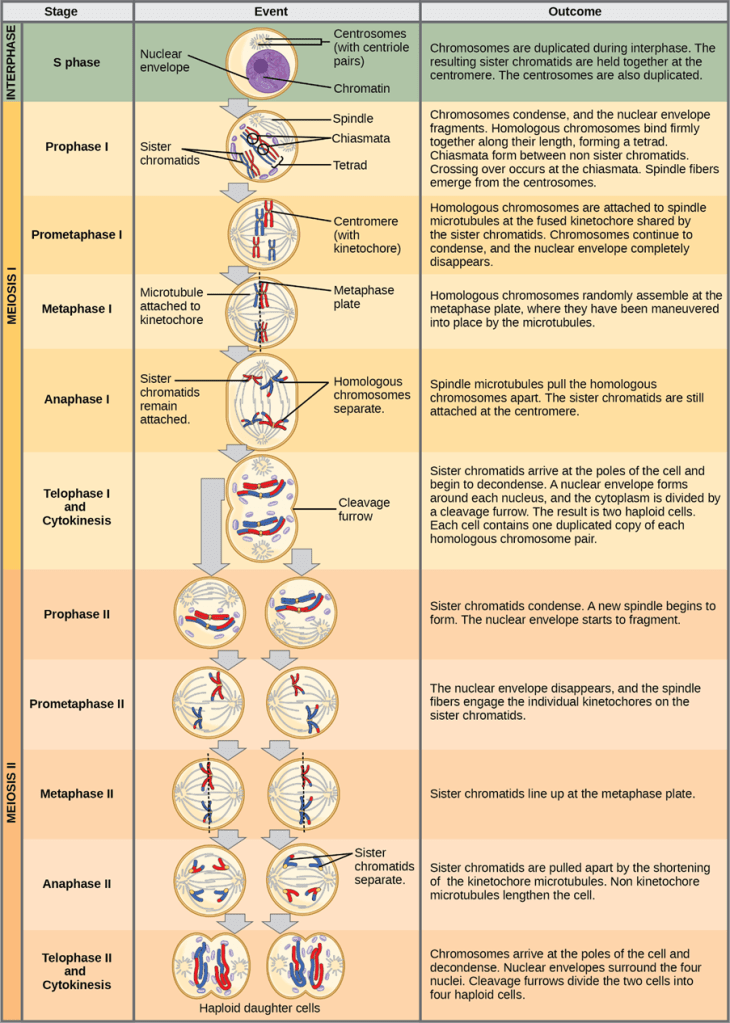
(Creative Commons, 2025)
Role of the lymph nodes in the testes
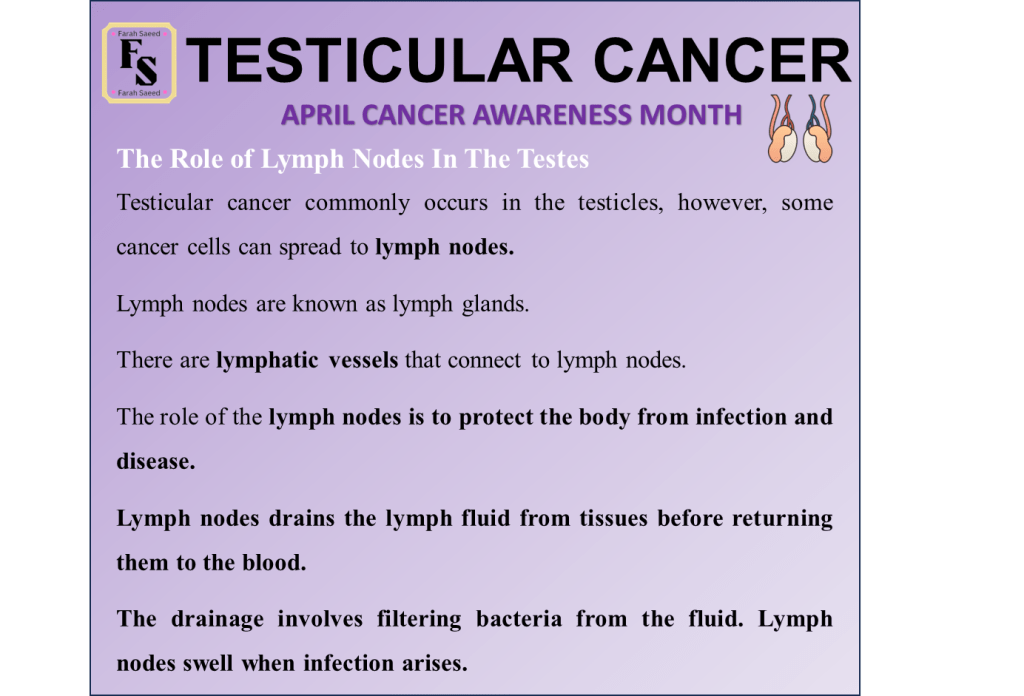

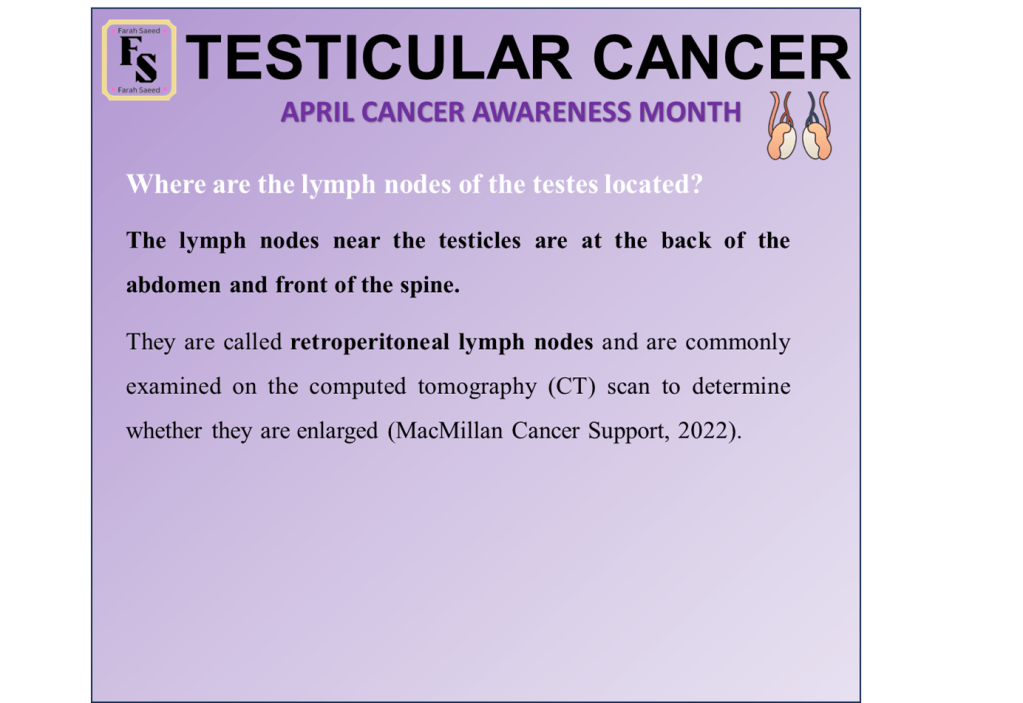
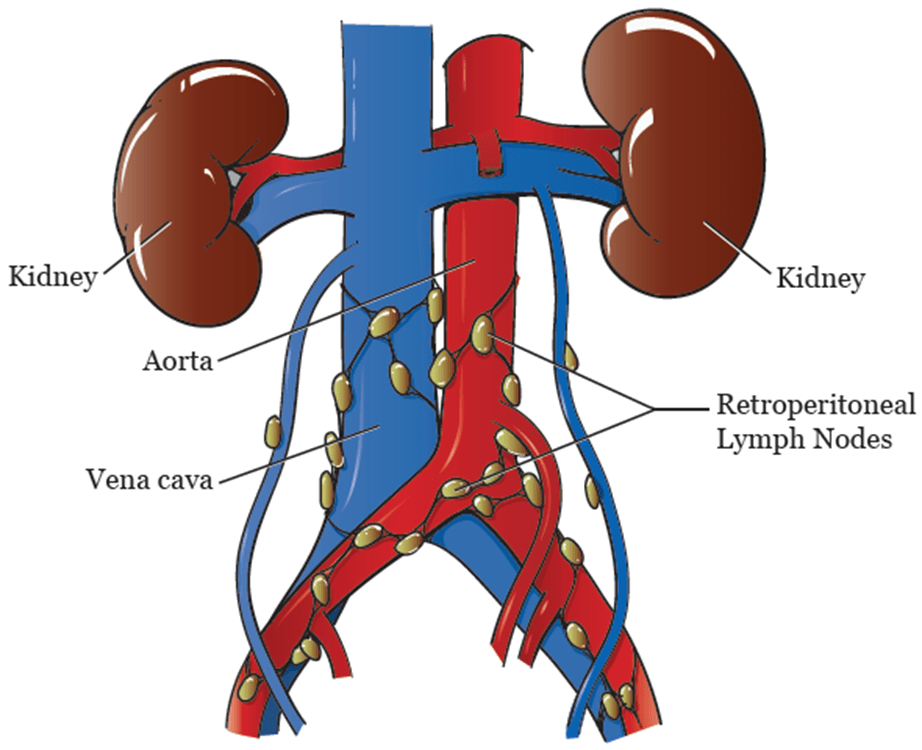
Lymph Nodes That Affect Testicular Cancer
Testicular cancers arising from the right testis can affect the infrarenal inter-aortocaval lymph node (3) and progress to (the paracaval lymph node) (1.) and paraaortic lymph node (5). Testicular cancers of the right testes affect the retroperitoneal lymph node from right to left. Left to right within the retroperitoneum rarely happens and is associated with bulky lymph node disease.
Tumours arising from the left testis affect the paraortic lymph node (5) and then the interaortocaval lymph node (3)
(Gaddam, Bicer, and Chestnut, 2023).

(Abdominalkey.com, 2025)
Recommended Reading
References
Durairajanayagam, D., Agarwal, A. and Ong, C. (2015). Causes, effects and molecular mechanisms of testicular heat stress. Reproductive BioMedicine Online, 30(1), pp.14–27. doi:https://doi.org/10.1016/j.rbmo.2014.09.018.
Gaddam, S.J., Bicer, F., Chesnut, G. (2023) Testicular Cancer. Available at: https://www.ncbi.nlm.nih.gov/books/NBK563159/ (Accessed: 3rd July 2025)
Macmillan Cancer Support (2022) Testicular cancer and the lymph nodes. Available at: https://www.macmillan.org.uk/cancer-information-and-support/testicular-cancer/lymph-nodes (Accessed: 3rd July 2025)
Yap, J. (2024) Pampiniform plexus Available at: https://radiopaedia.org/articles/pampiniform-plexus (Accessed: 4th July 2025)
 The Farah Saeed Project
Leave a comment