Mental Health holds instrumental value to our health and wellbeing. It is experienced differently by each individual as it shifts through different stages of life and is manifested through psychological and sociological approaches from social, economic, environmental, and biological origins. This can be overcome through self-care, positive and supportive social interactions in the community, educational establishments, and the workplace. The inclusion of promoting mental health in training, healthcare services, school-based programs, and policies will help transform for a better health universally and is one of the key developmental areas of Sustainable Development Goals (World Health Organisation, 2022).
Each year, the unified voice of empowerment and mental health awareness is marked on 10th October, where World Mental Health Day takes place. According to the YouGov Survey, 2019 presented in Figure 1, people aged 18 to 24 had significantly poorer mental health states in comparison to the elderly aged above 65 years (Armstrong, 2019). Variation can also be observed statistically by geographical location, where Scotland is the area where poor mental health is to an extent ‘very bad’, with 22%, compared to London with 11%. Minimal differences can be observed between the North, the South, and the Midlands. This may be associated with the socioeconomic status, where people of the lower level C2DE had poor mental health, with 18% in comparison to those with higher status (ABC1) with 13%. Similarly, there is no significant difference between gender and mental health state. This suggests that socioeconomic status, age, and geographical location are contributory risk factors to the demographics of mental health in the United Kingdom.
It also highlights how social integration, stratification, and culture vary in the UK and across countries. For instance, A study discovered steep divergences where more than 30% of women living in an urban area in Zimbabwe have been diagnosed with depression in comparison to less than 3% of women living in a rural or countryside area in Spain (Horwitz, 2012). Another study highlighted that 16% of people living in the Swiss city of Basel have social phobias compared to 1.7% in Puerto Rico in South America (Horwitz, 2012). The outcomes from both studies further highlights the variation of social stressors in cultural contexts. Thus, various factors can affect our thoughts, vision, and behaviour stemming from biological, social, and cultural practices (Horwitz, 2012).
Here, at FST, to support positive mental health, tips and guidance are provided by our team and additional useful resources from the National Health Service.
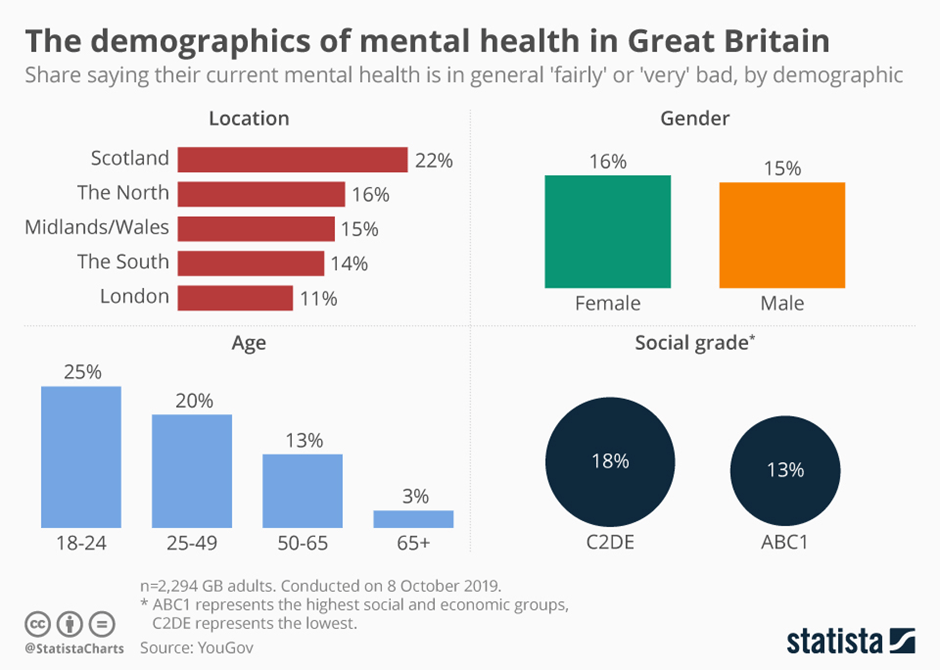
Figure 1: Graphical presentation on the impact of mental health on sociodemographic factors.
Researchers aimed to try and address the mental health issue in response to humanitarian emergencies through the Mental Health and Psychosocial Support (MHPSS) systems. It consists of guidelines on how to respond during and in the recovery phase of emergencies that range from basic emergency support to immediate psychosocial needs that require in-depth psychological care and support. This standard level of care varies from country to country and correlates with how well-developed the country is, accessibility to resources, and preventing stigma through inclusive strategies geographically (Reifels and Dückers, 2023).
The Disaster Risk Reduction (DRR) established in the Sendai Framework for Disaster Risk Reduction 2015-2030 consists of five interconnected segments, pictured in Figure 2: Disaster risk, Hazard, Exposure, Vulnerability, and Capacity. Disaster risk is the existence of an injury or destruction within a society and system for a limited period of time and depends on the hazard and extent of the damage. Hazard is a human activity or process that may cause injury, damage, disease, or disruption. It can impact socially, economically, environmentally, and the physical, mental, and social well-being. Exposure is the people, housing, buildings, hospitals, production, and resources that are found in the area containing a hazard. As a result of the risk, hazard, and exposure, it may increase vulnerability because of the consequences and impact of effects. The capacity to renew and rebuild depends on the attributes and resources one has in the community, society, and organisation to lower disaster risk. It may be due to infrastructure, resilience, character, or experience, or building social relationships to overcome the disaster (Reifels and Dückers, 2023).
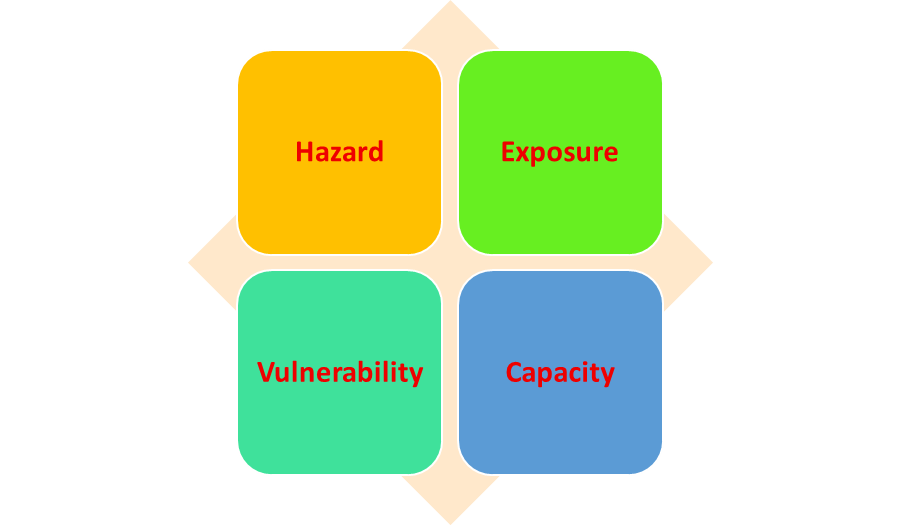
Figure 2. Key elements of disaster mental health risk.
However, such capacity would depend on the effectiveness of the policies, guidelines, training programs, and good practice in global efforts when making decisions in all sectors, education, and disciplines (Reifels and Dückers, 2023).
Overall, the objective of World Mental Health Day is to raise global awareness of mental health.
References:
Armstrong, M (2019) The demographics of mental health in Great Britain. Available at: https://www.statista.com/chart/19603/demographics-of-mental-health-great-britain/ (Accessed: 16th May 2025)
Horwitz, A.V. (2009) An Overview of Sociological Perspectives on the Definitions, Causes, and Responses to Mental Health and Illness. In Scheid, T.L., and Brown, T.N. eds: A handbook for the study of mental health : social contexts, theories, and systems. Cambridge ; New York: Cambridge University Press. P. 6-19
Reifels, L. and Dückers, M.L.A. (2023). Disaster Mental Health Risk Reduction: Appraising Disaster Mental Health Research as If Risk Mattered. International Journal of Environmental Research and Public Health, [online] 20(11), p.5923. doi:https://doi.org/10.3390/ijerph20115923.
World Health Organisation (2022) Mental Health Available at: https://www.who.int/news-room/fact-sheets/detail/mental-health-strengthening-our-response (Accessed: 16th May 2025)
World Health Organisation (2025) World Mental Health Day 2025 Available at: https://www.who.int/campaigns/world-mental-health-day/2025 (Accessed: 28th September 2025).
What Is Mental Health?

Preventative Methods
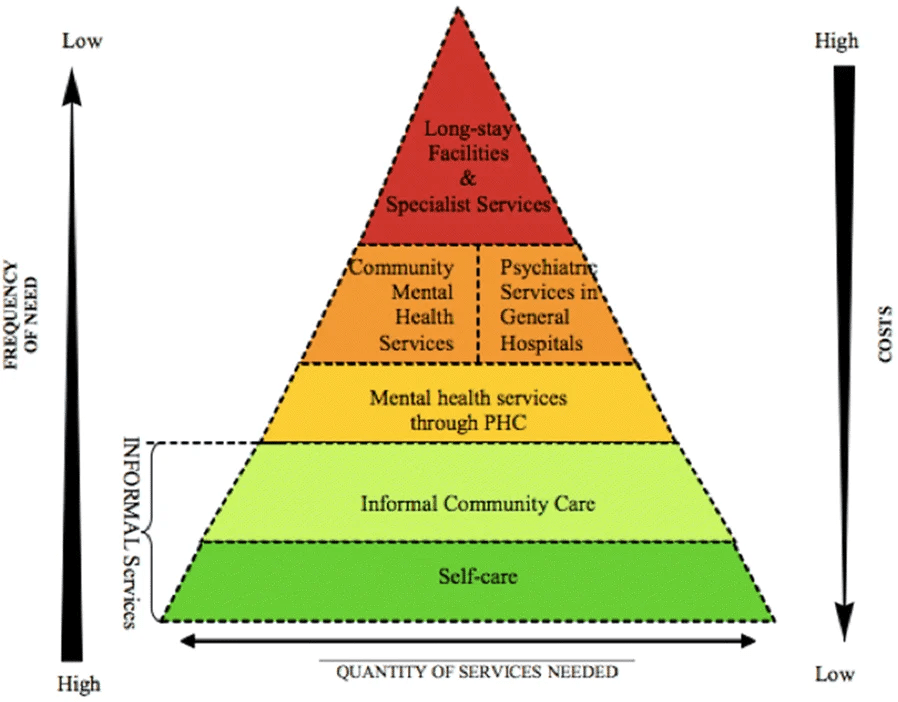
The World Health Organisation considers it is imperative to focus on self-care to help improve our mental health.
How to improve self-care?
Tips by Asqarini Hasbi
It is quite common that during this era of Volatility, Uncertainty, Complexity, and Ambiguity (VUCA), everything seems uncertain…Here are my four suggestions to help you mitigate any anticipated stress or potential signs of depression…
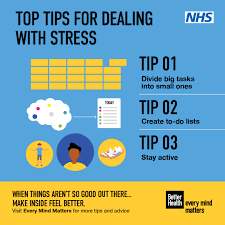
Tips from National Health Service

Mental Health During Emergencies Toolkit By World Mental Health Day
Positive talk and building resilience. Gift this Positive talk as an e-book to someone who needs it…
Buy yourself a flower and our special ribbon message…
The alluring presence of flowering plants and their distinctive fragrances adds an olfactory dimension to the environment. It can have a positive and calming effect on the mind, heart, body, and soul, where it can increase levels of happiness, lower levels of stress, and improve cognition.

 The Farah Saeed Project
Leave a comment