Raising Awareness Does Not Mean It Is Personal. It’s An Important Topic To Discuss In The World Of Health And Community Impact.
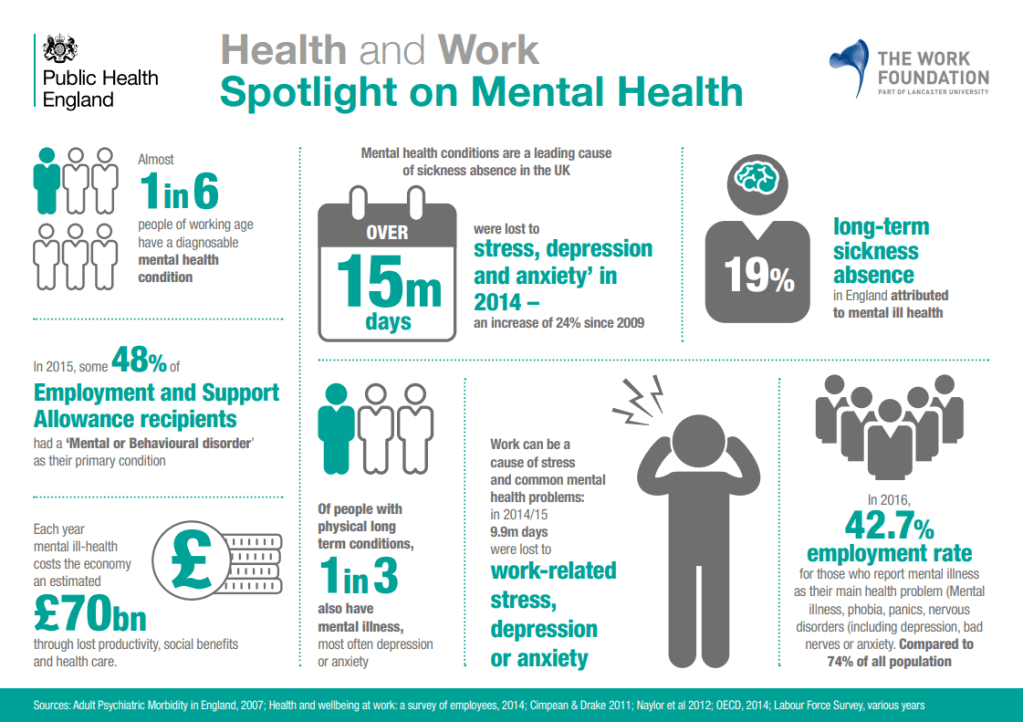
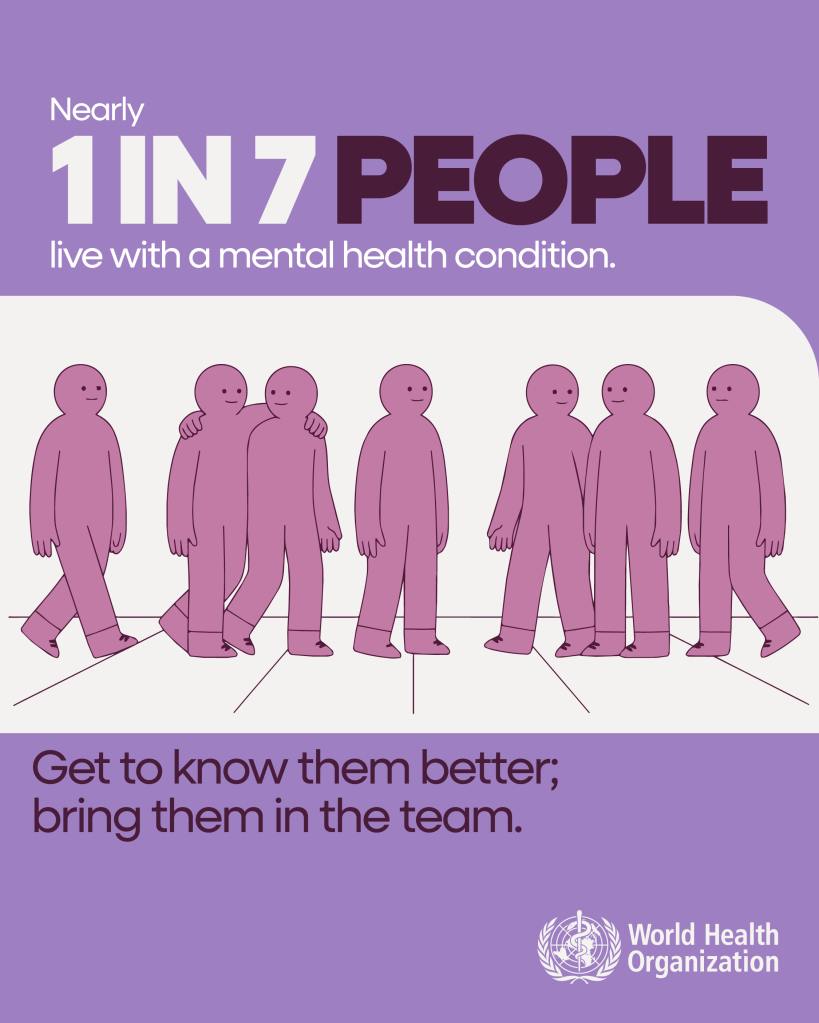
World Health Organisation (2026a) has estimated that more than a million people across the world live with a mental health condition. This increased to 45% in both genders, men and women, between 1993 and 2023/2024. This has been particularly notable in young people (Mind, 2026). In many low-income countries, approximately up to 85% of people have received no care at all for their mental health condition. This is especially true in rural areas, where many face shortages of health providers and longer travel distances. Alternatively, urban areas have better facilities and service delivery. Many patients who have non-communicable diseases, for instance, diabetes and cardiovascular disease, are at higher risk of depression and anxiety. Integrated care models help improve the quality of life and meet all-round needs for patients across the world (Workplace Mental Health Institute, 2026).
Mental health is instrumental to our health and wellbeing. It is experienced differently by each individual as it shifts through different stages of life and is manifested through psychological and sociological approaches from social, economic, environmental, and biological origins. This can be overcome through self-care, positive and supportive social interactions in the community, educational establishments, and the workplace. The inclusion of promoting mental health in training, healthcare services, school-based programs, and policies will help transform health for better health universally and is one of the key developmental areas of the Sustainable Development Goals.
There is a difference between mental health and mental illness. Mental health is a state of well-being where one can realise their potential and cope with life challenges. It is critical in helping to create and maintain relationships, contribute to the community, and make decisions in life. This may include boundaries, empathy, confidence, optimism, belonging, flexibility and other factors that may influence people’s wellbeing.
Alternatively, mental illness is a condition that affects a person’s thinking, feeling, behaviour and/or mood. Distinguishing the difference is vital and is summarised in Figure 1. To further explain the different types of mental Illnesses simply that may affect people globally, anxiety disorders are associated with excessive fear e.g., phobia. Mood disorders are linked to changes in mood that influence daily lives e.g., depression. Psychotic disorders refer to disordered thinking not regulated properly by the brain e.g., schizophrenia. Eating disorders are caused by emotional attitudes towards food, e.g., bulimia and anorexia. Personality disorders are changes in personality traits that influence their interactions with others. Post-traumatic stress disorder (PTSD) is linked to frightening memories that lead to emotional numbness.
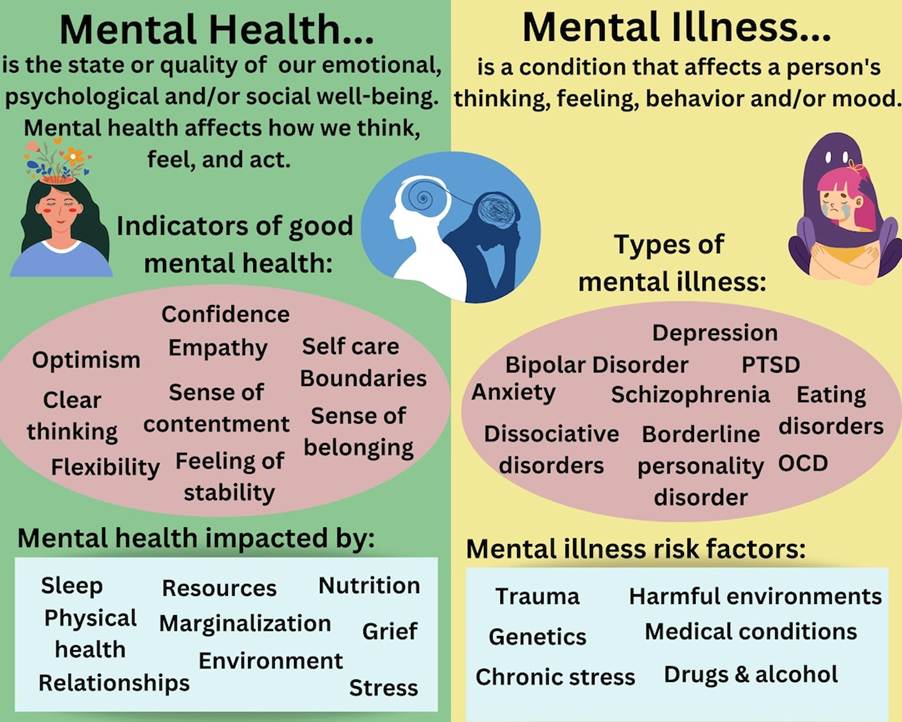
Figure 1: Differentiating the difference between mental health and mental illness
Amongst the main causes of poor mental health are inequality in health, work, stigma, discrimination, human rights, confidence, and grief. Climate change, natural disasters, disease outbreaks, humanitarian emergencies, pandemics, war, loss, displacement, and other emergencies affect health, wellbeing, work, trauma, and education. This leads to uncertainty, isolation, and lasting psychological effects. Other factors include substance abuse, emotional skills, environment, violence, poverty, disability, and even genetics (World Health Organisation, 2026a;b). However, there does not need to be a risk for mental health to occur. The World Health Organisation (2026b) reported that most people who are resilient are even at higher risk of developing a mental health condition. This can occur at any stage in life.
One of the biggest obstacles among all of the risk factors above is stigma because there are lots of misconceptions, negative attitudes, and a lack of trust in people to seek help. Culturally, mental health is seen as weakness or taboo, which causes many to isolate and become silent, especially in Asia and Africa. In the Western world, workplace stigma is a continuous issue, though there are accessible resources, training, and signposts for people to speak to.
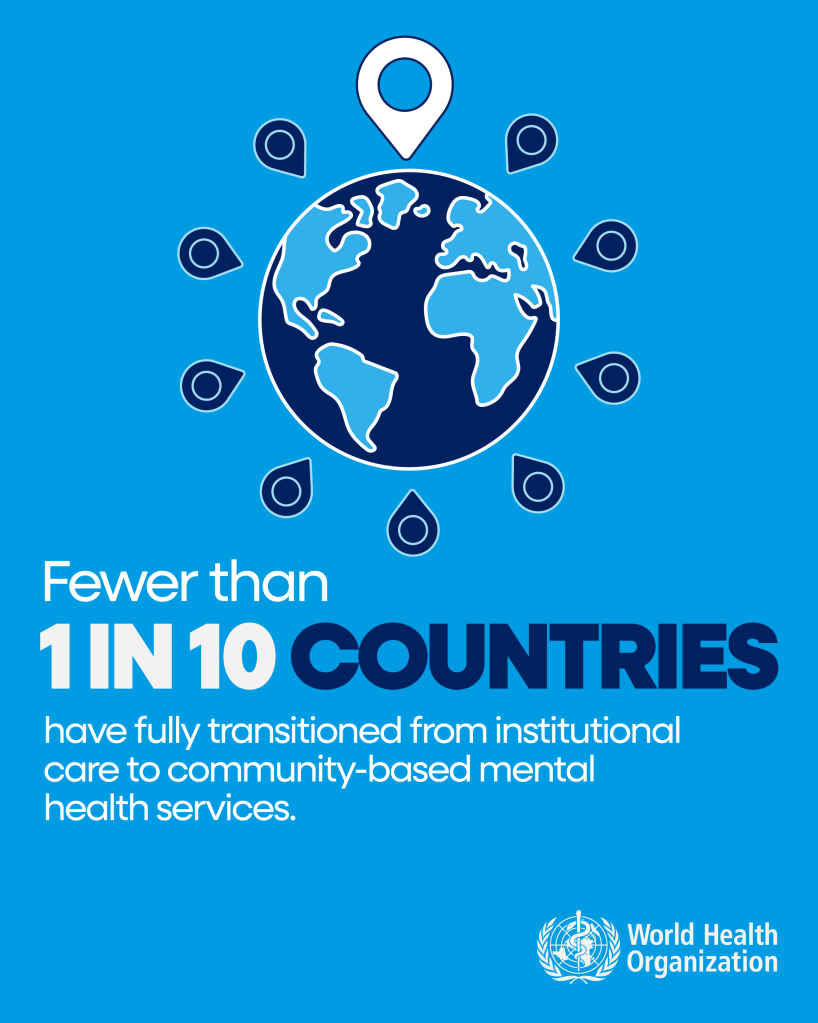
In some cultures, many consider that mental health is a combination of mind, body, spirit, and social harmony. This is why some cultures tend to use faith, community-based support, traditional healing, herbal medicine, local rituals, kinship, and other cultural practices. However, the World Health Organisation (2026) has indicated, as part of its framework, that community-based care is slow. This is supported by the fact that one in 10 countries has transitioned from institutional to community-based care, and 53% are in the early phases. Irrespective of whether there is a risk factor or not, mental health can influence emotional behaviour and inner emotions.
In many parts of the world, digital tools, artificial intelligence, and other applications have provided self-help tools, information, teletherapy, cognitive therapy exercises, and other online resources that enable assessment of signs and symptoms and monitoring of mood. However, just like with accessibility, hard-copy printed supporting resources on mental health are uneven; access to digital mental health also holds the same status because of a lack of internet, devices, and even digital literacy. Artificial Intelligence has also transformed mental health through identification (Workplace Mental Health Institute, 2026).
Each year, the unified voice of empowerment and mental health awareness is marked on 10th October, when World Mental Health Day takes place. Here, at FST, to support positive mental health, tips and guidance are provided by our team and additional useful resources from the National Health Service.
Researchers aimed to address the mental health issue in response to humanitarian emergencies through the Mental Health and Psychosocial Support (MHPSS) systems. It consists of guidelines on how to respond during and in the recovery phase of emergencies that range from basic emergency support to immediate psychosocial needs that require in-depth psychological care and support. This standard level of care varies from country to country and correlates with how well-developed the country is, accessibility to resources, and preventing stigma through inclusive strategies geographically (Reifels and Dückers, 2023).
The Disaster Risk Reduction (DRR) established in the Sendai Framework for Disaster Risk Reduction 2015-2030 consists of five interconnected segments, pictured in Figure 2: Disaster risk, Hazard, Exposure, Vulnerability, and Capacity. Disaster risk is the existence of an injury or destruction within a society and system for a limited period of time and depends on the hazard and extent of the damage. Hazard is a human activity or process that may cause injury, damage, disease, or disruption. It can impact socially, economically, environmentally, and the physical, mental, and social well-being. Exposure refers to the people, housing, buildings, hospitals, production, and resources that are found in the area containing a hazard. As a result of the risk, hazard, and exposure, vulnerability may increase because of the consequences and impact of the effects. The capacity to renew and rebuild depends on the attributes and resources one has in the community, society, and organisation to lower disaster risk. It may be due to infrastructure, resilience, character, or experience, or building social relationships to overcome the disaster (Reifels and Dückers, 2023).
Figure 2. Key elements of disaster mental health risk.

However, such capacity would depend on the effectiveness of the policies, guidelines, training programs, and good practice in global efforts when making decisions in all sectors, education, and disciplines (Reifels and Dückers, 2023).
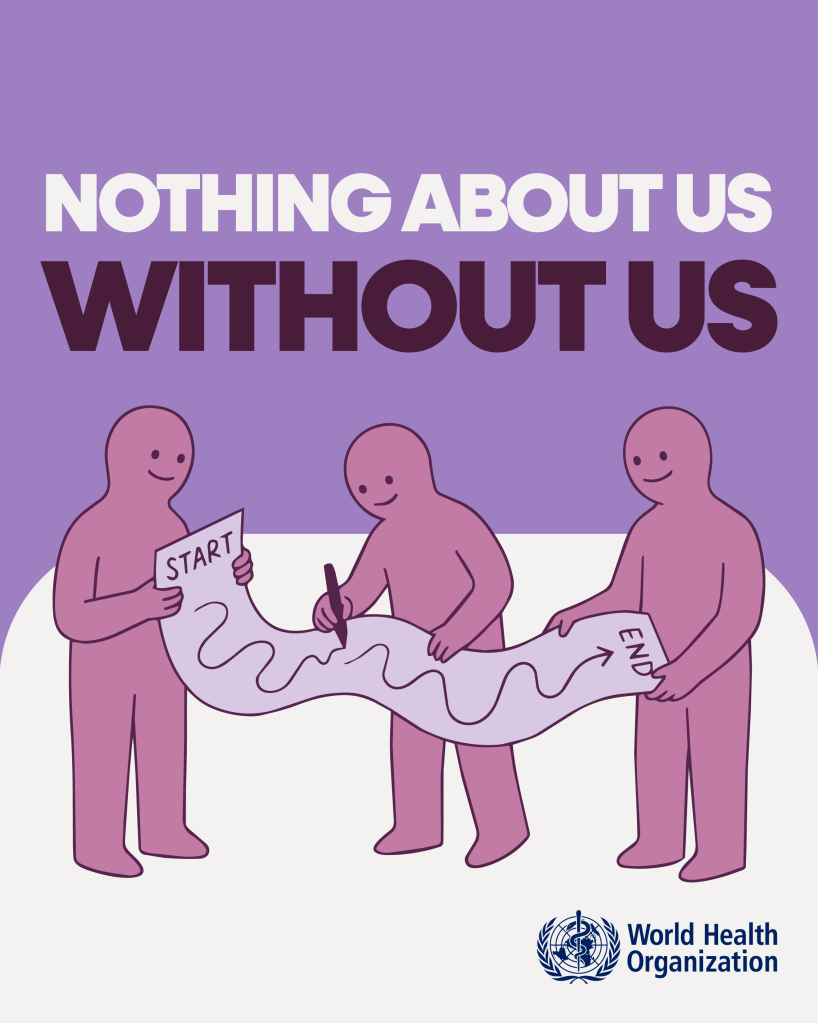
In 2026, the World Federation for Mental Health (WFMH) and the World Health Organization focused on the importance of meaningful engagement to encourage and improve mental health and contribute to decisions on policies, health-care services, laws, and other means. The right to participate in one’s health is a human right, which is reflected in the Constitution of the WHO as “Informed opinion and active co-operation on the part of the public are of the utmost importance in the improvement of the health of the people (59).” This is a step forward to help engage 1.7 billion people who are living with non-communicable diseases by 2030. This is built on two main models: utilitarian and empowerment, where the former focuses on participation as a tool for using lived experience in current health systems and global governance. On the other hand, the empowerment model aims to help people gain control over factors and decisions that shape their lives by having better access, networks, and respect for voice, especially in marginalised populations globally. This not only needs to ensure equitable inclusion but also help to improve health and wellbeing.
Overall, the objective of World Mental Health Day is to raise global awareness of mental health. Mental health is influenced by diverse social, economic, and biological factors. Stigma and cultural perceptions significantly impact mental health care access. Global efforts aim to promote mental wellbeing, especially through community-based mental health care, which is more accessible than institutional care. This forms part of the four key strategies of the World Health Organisation’s response2013 to 2030 on leadership, community-based care, promotion and prevention, and data. This requires strengthening the quality of support and services that meet personalised needs (World Health Organisation, 2026a). This should not only focus on empowering everyone offline but also virtually to boost positive mental health through person-centred care.
For more information and resources, please visit:
For more information and resources, please visit:
https://mentalhealth-uk.org/help-and-information/
https://wmhdofficial.com/
References:
Mind (2026) Mental health facts and statistics. Available at: https://www.mind.org.uk/information-support/a-z-mental-health/mental-health-facts-and-statistics/ (Accessed: 10th October 2026)
Reifels, L. and Dückers, M.L.A. (2023). Disaster Mental Health Risk Reduction: Appraising Disaster Mental Health Research as If Risk Mattered. International Journal of Environmental Research and Public Health, [online] 20(11), p.5923. doi:https://doi.org/10.3390/ijerph20115923.
Workplace Mental Health Institute (2026) The Essential Guide to Mental Health in the World 2026 Available at: https://www.thewmhi.com/mental-health/mental-health-in-the-world/ (Accessed: 10th October 2026)
World Health Organisation (2026a) Mental Health. Available at: https://www.who.int/news-room/fact-sheets/detail/mental-health-strengthening-our-response (Accessed: 10th October 2026)
World Health Organisation (2026b) Mental Health. Available at: https://www.who.int/health-topics/mental-health#tab=tab_1 (Accessed: 10th October 2026)
Preventative Methods
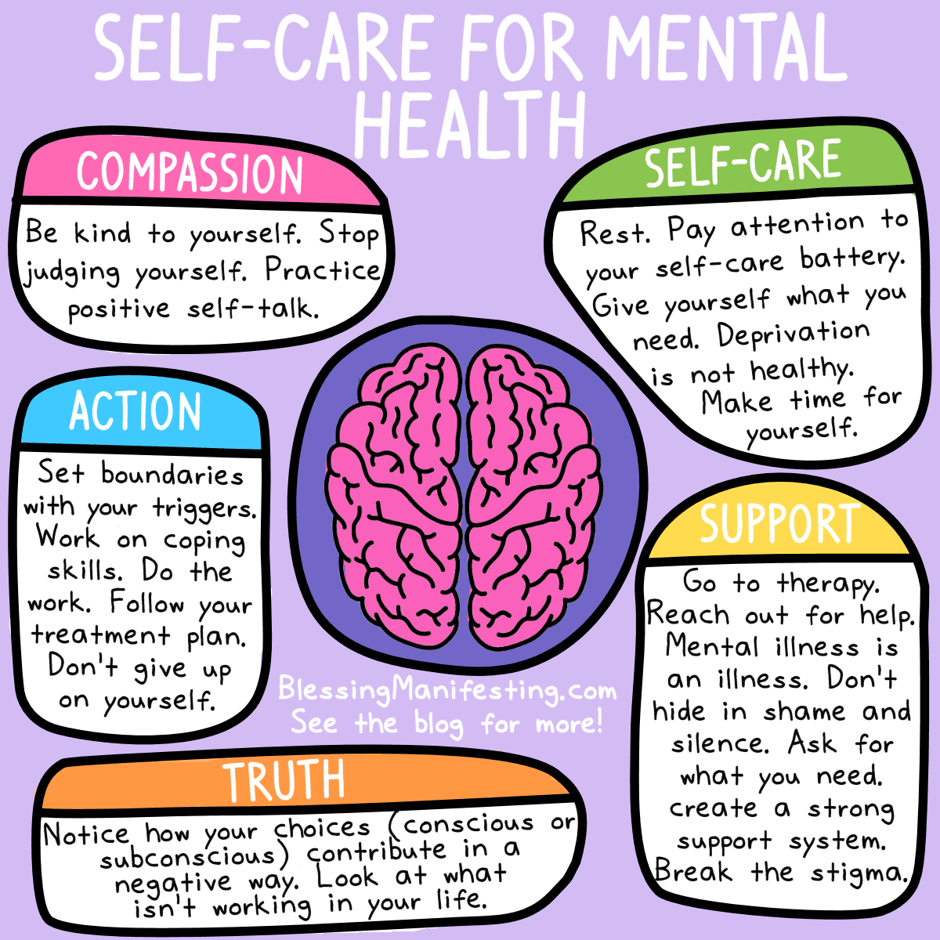
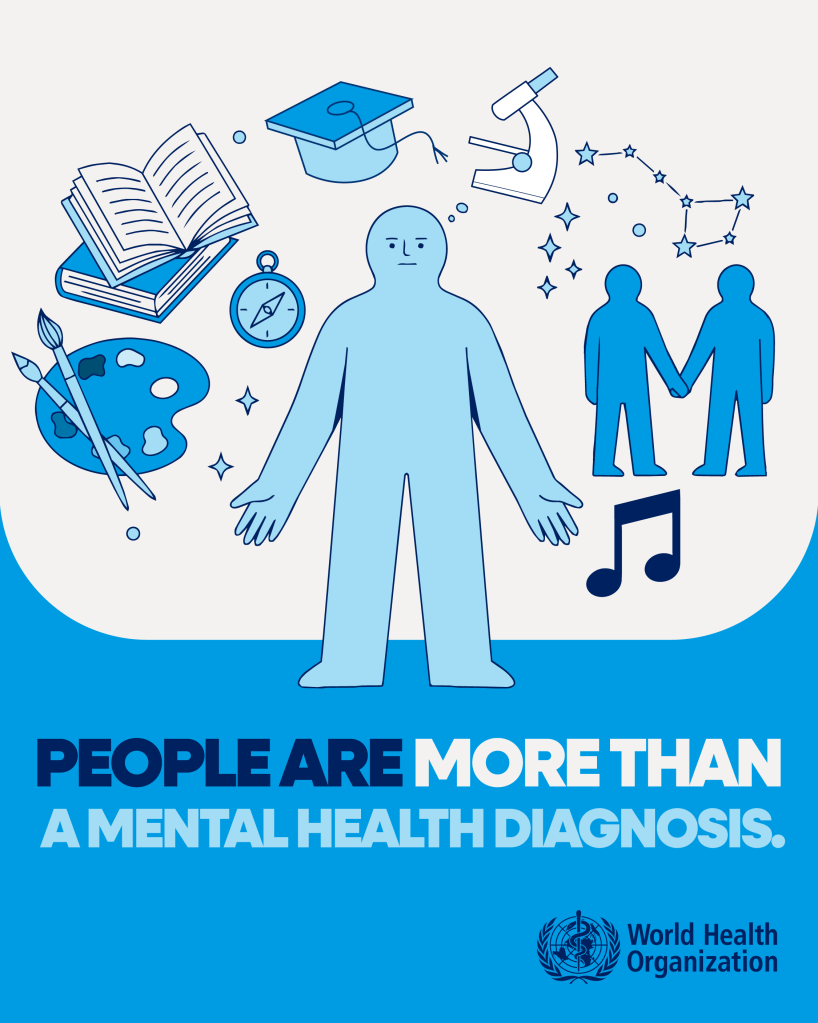
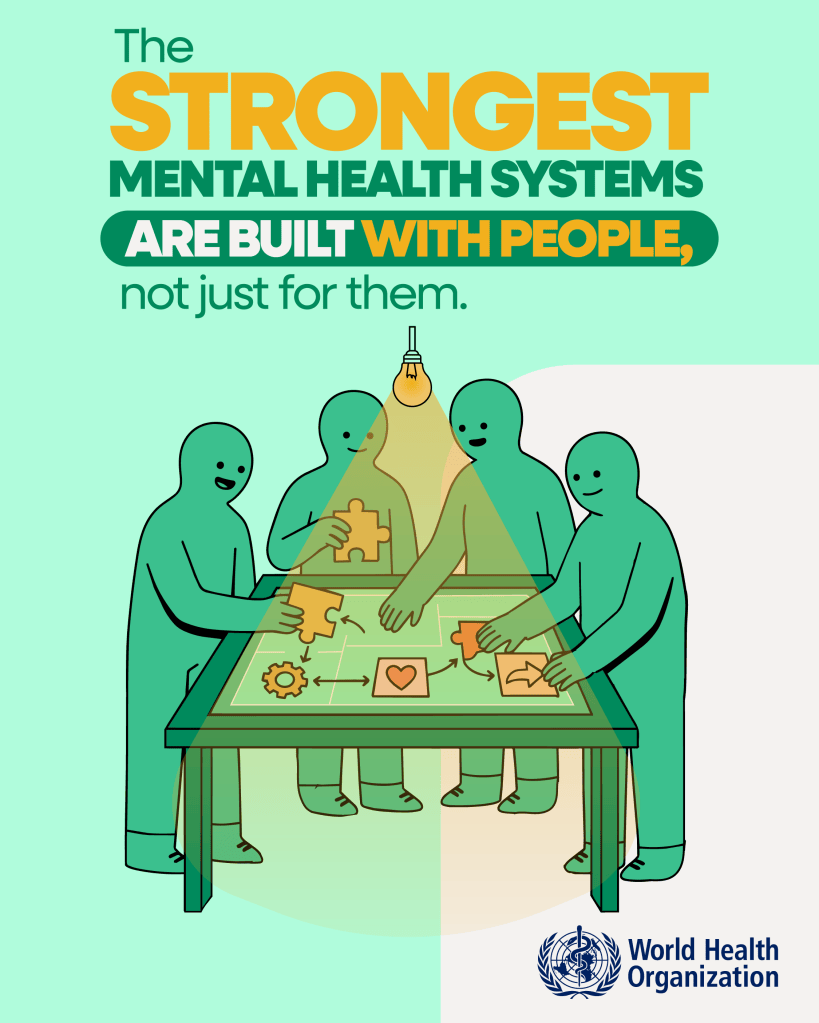
The World Health Organisation considers it is imperative to focus on self-care to help improve our mental health.
How to improve self-care?
Tips by Asqarini Hasbi
It is quite common that during this era of Volatility, Uncertainty, Complexity, and Ambiguity (VUCA), everything seems uncertain…Here are my four suggestions to help you mitigate any anticipated stress or potential signs of depression…
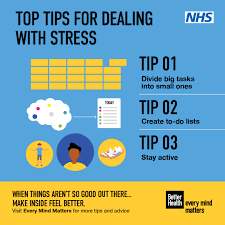
Tips from National Health Service

Mental Health During Emergencies Toolkit By World Mental Health Day
Positive talk and building resilience. Gift this Positive talk as an e-book to someone who needs it…
Buy yourself a flower and our special ribbon message…
The alluring presence of flowering plants and their distinctive fragrances adds an olfactory dimension to the environment. It can have a positive and calming effect on the mind, heart, body, and soul, where it can increase levels of happiness, lower levels of stress, and improve cognition.


Leave a Reply