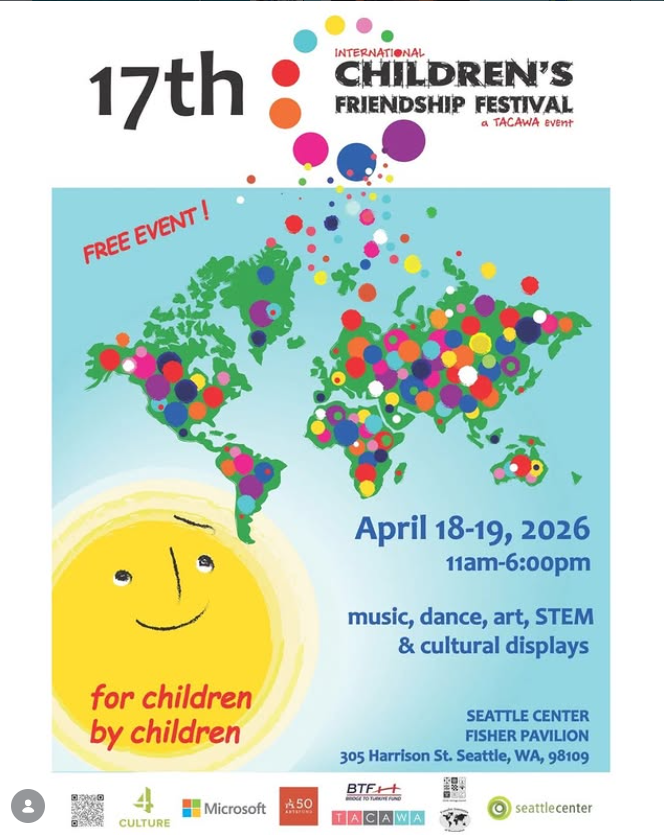
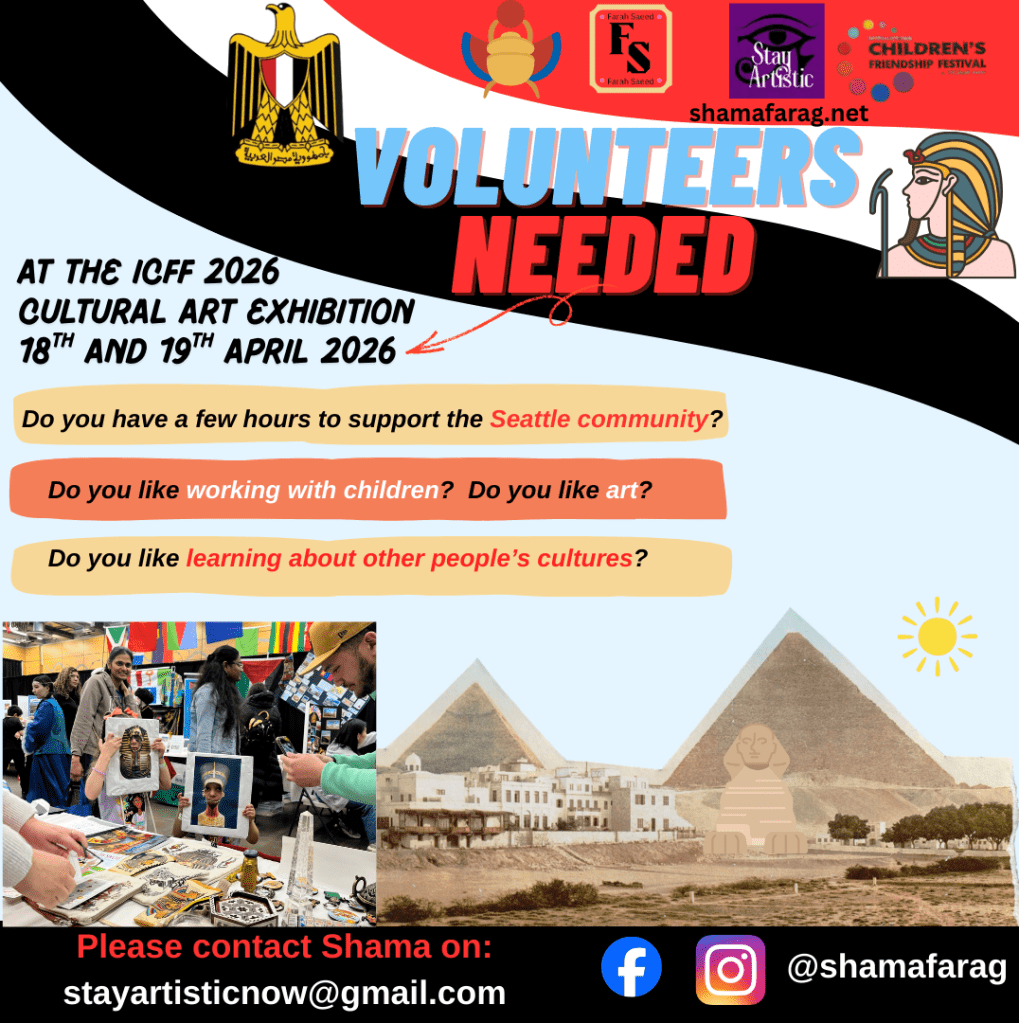
Egyptian Cultural Exhibit at the ICFF Seattle Children’s Festival.
Experience the vibrant Egyptian Cultural Exhibit at the ICFF Seattle International Children’s Friendship Festival in the heart of the Pacific Northwest, Seattle! Discover Egypt’s rich heritage, captivating traditions, and inspiring art, and engage your senses in a celebration of culture that will leave a lasting impression. Don’t miss this unique opportunity to explore and embrace the wonders of Egyptian history for children! The Egyptian Cultural Booth is led by our inspirational Head of Writing, Shama Farag, founder of Stay Artistic—an independent initiative connecting cultures to ignite multicultural understanding through art, cuisine, books, storytelling, and history.
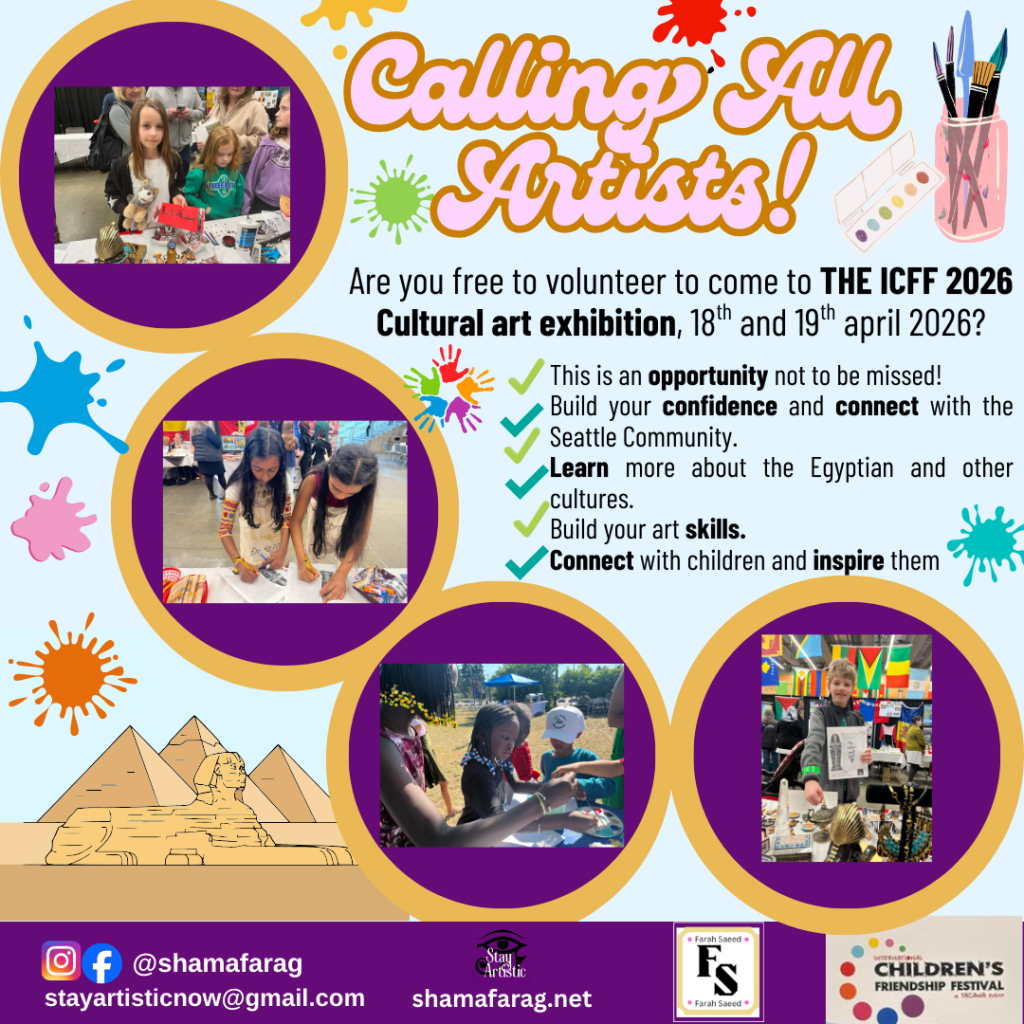
The International Children’s Friendship Festival is a free annual event that teaches children about global citizenship and cultural appreciation through interactive activities, performances, crafts, and art. Families and children of all ages participate in a friendly, inclusive atmosphere where visitors from Seattle and beyond connect and celebrate cultural traditions.
A Glimpse Of Shama
Shama Farag is a passionate bilingual Egyptian American, Chef, Chief Editor, Author, Storyteller, Botanist, and Head of Writing at Farah Saeed Project. She has published many books for children and adults and has written for various Arabic media outlets. This raised a path of theology, arts, and literature. She is the Founder and Head of Stay Artistic, whose aim is to unite cultures equitably through art and understanding. To collaborate, please email Stayartisiticnow@gmail.com.
Why Learn About The Egyptian Culture?
Egypt is an English term that originates from the Ancient Greek word ‘Aigyptos’, whilst the Arabic name for the country, “Misr”, is derived from the Akkadian word “misru” meaning border or a form of frontier. It has a fusion of cultures influenced by Africa and the Middle East. The transcontinental country is situated in the northeastern part of Africa, where it borders the Mediterranean Sea in the North, the Red Sea to the East, Sudan to the South, Libya to the west, and Palestine to the NorthEast. The Gulf of Aqaba in the North-East separates Egypt from Jordan and Saudi Arabia.
Egypt is part of the Fertile Crescent, otherwise known as the ‘Cradle of Civilization’. As the name suggests, it is a crescent-shaped area of fertile land alongside the Mediterranean (Cyprus), the Middle East (Palestine, Jordan, Lebanon, Syria, Iran, Iraq), and Europe (Turkey).
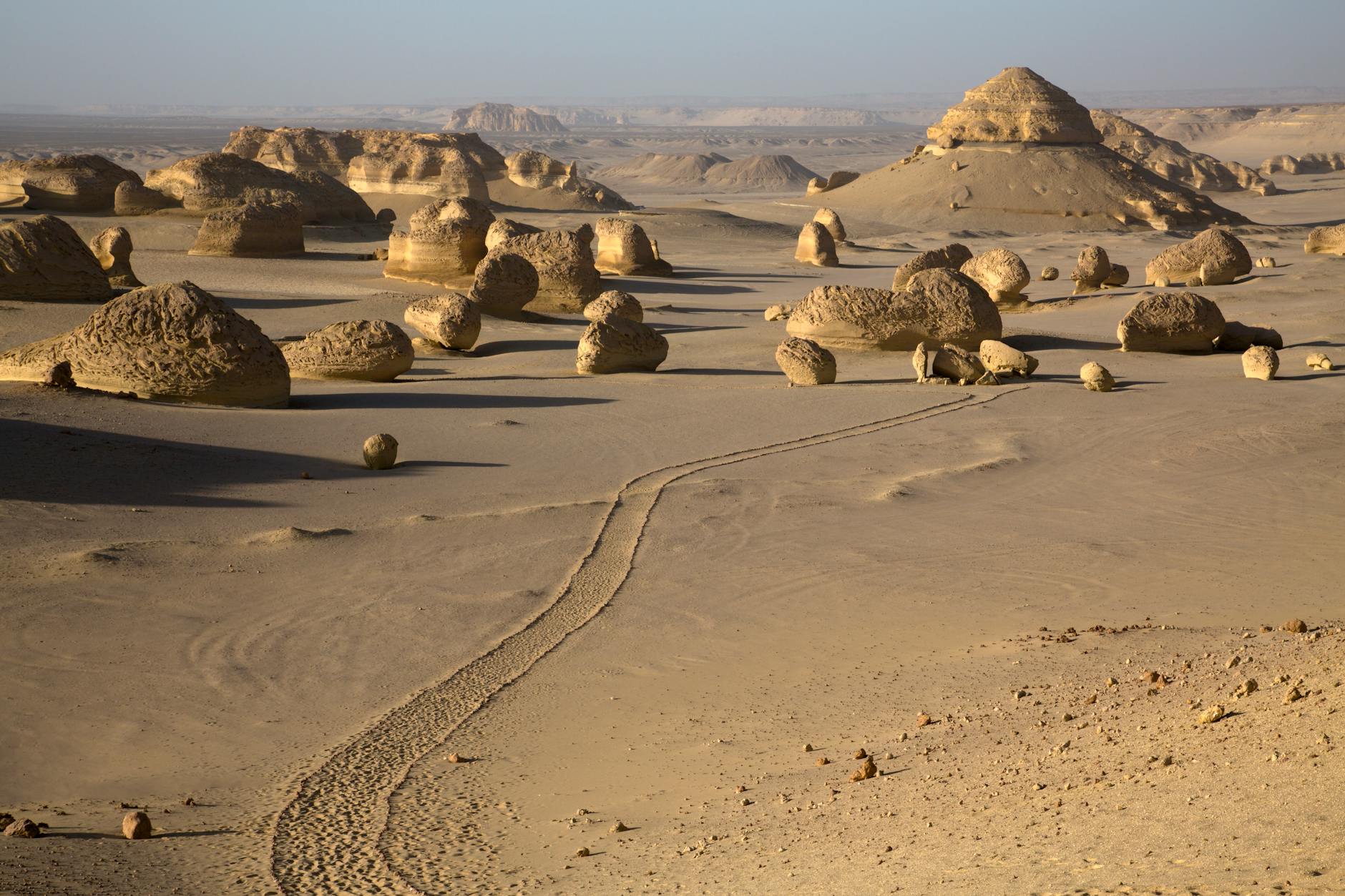
Egypt spans 390,121 square miles and entails natural wonders such as the world’s longest river, the Nile, the Sahara Desert, and oases. About 5,000 years ago, the Ancient Egyptian civilization was established as early as 3100 B.C. in the fertile Nile River valley in Northeast Africa. Multiple independent city-states lined along the Nile were later unified to become one of the most enduring civilizations, ruled by kings called pharaohs. Pharaohs from the same family, or dynasty, helped maintain stable governance and sustainable development.
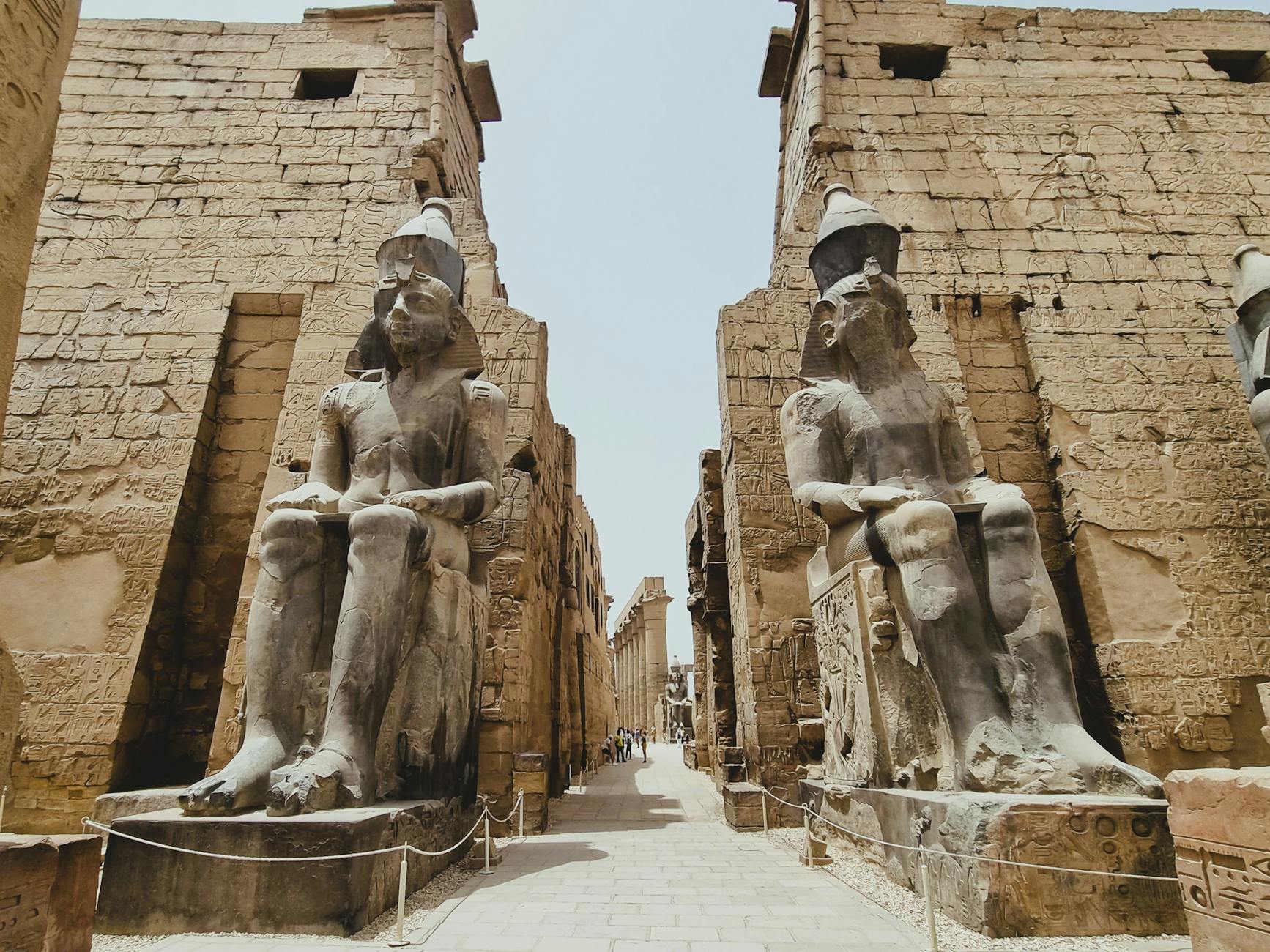
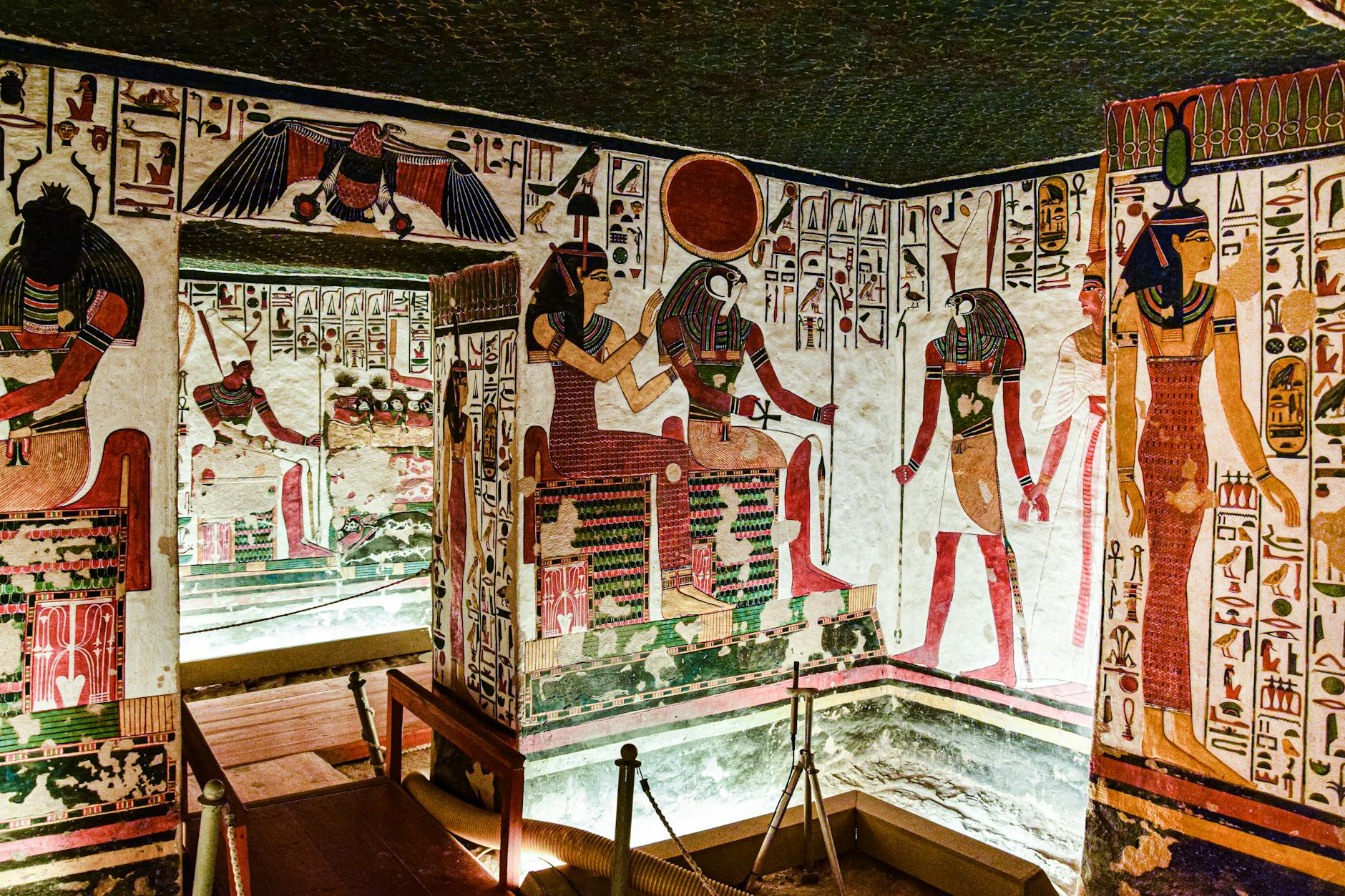
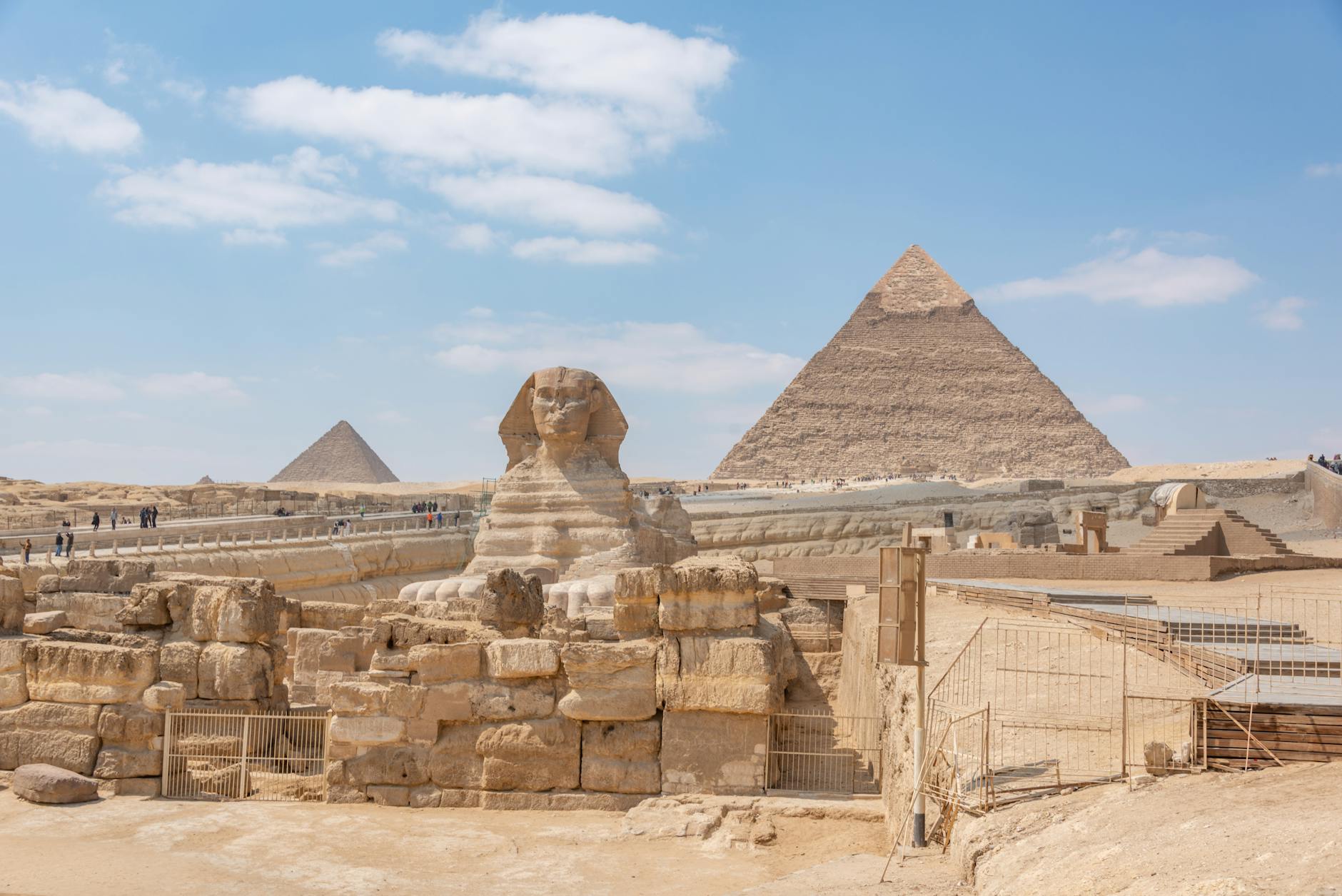
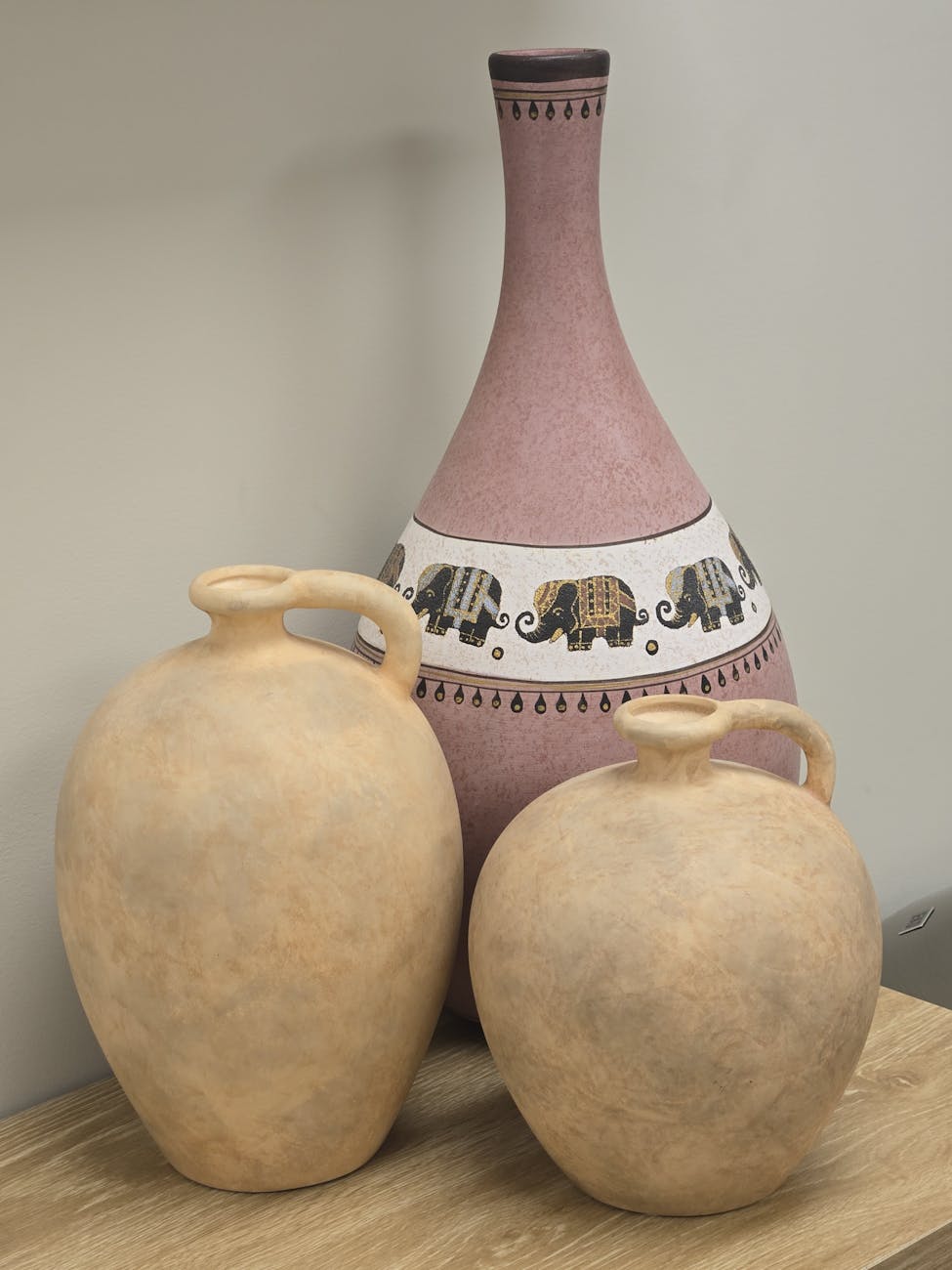
Some researchers indicate that Ancient Egypt began around 3200 BC and lasted until 30 BC. For almost 30 centuries, Egypt was a foremost nation. However, in 332 BC, Alexander the Great heralded the end of the traditional Egyptian way of life. There is a wealth of historical pyramids, temples, tombs, and other monuments that display unique paintings, carvings, and sculptures, depicting everyday life and have highly symbolic images of gods, pharaohs, and cultural motifs. Their advanced mathematics and engineering enabled the precise construction of monumental structures. Among these are the Great Pyramids of Giza, which served as tombs for kings. Other traditional arts, such as pottery and jewelry making, that contained Egyptian motifs, remain influential in artwork today.
Moreover, the ancient Egyptians’ knowledge of agriculture, mummification, herbal remedies, and medicine influenced other ancient civilizations such as the Greeks and Romans.
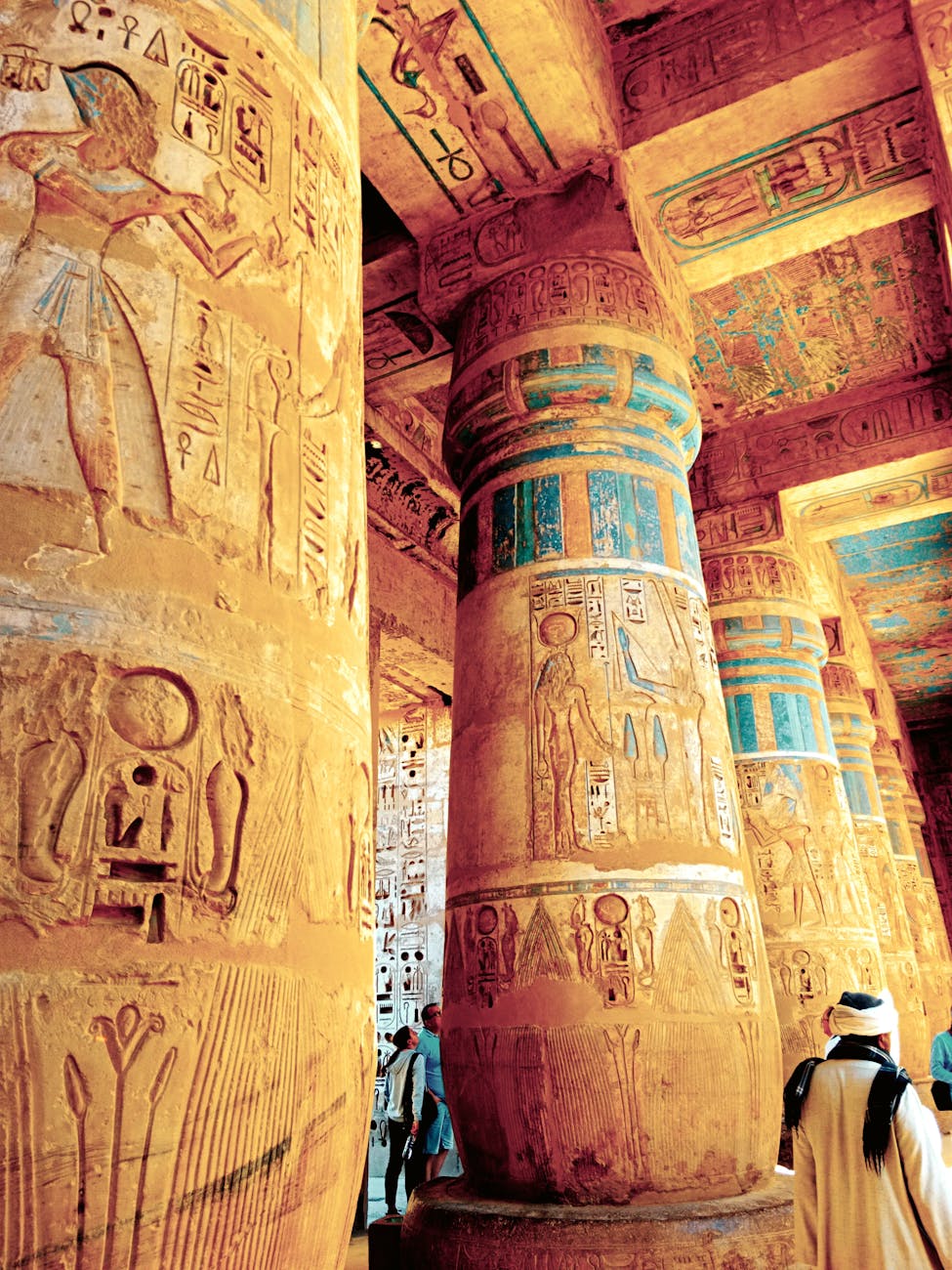
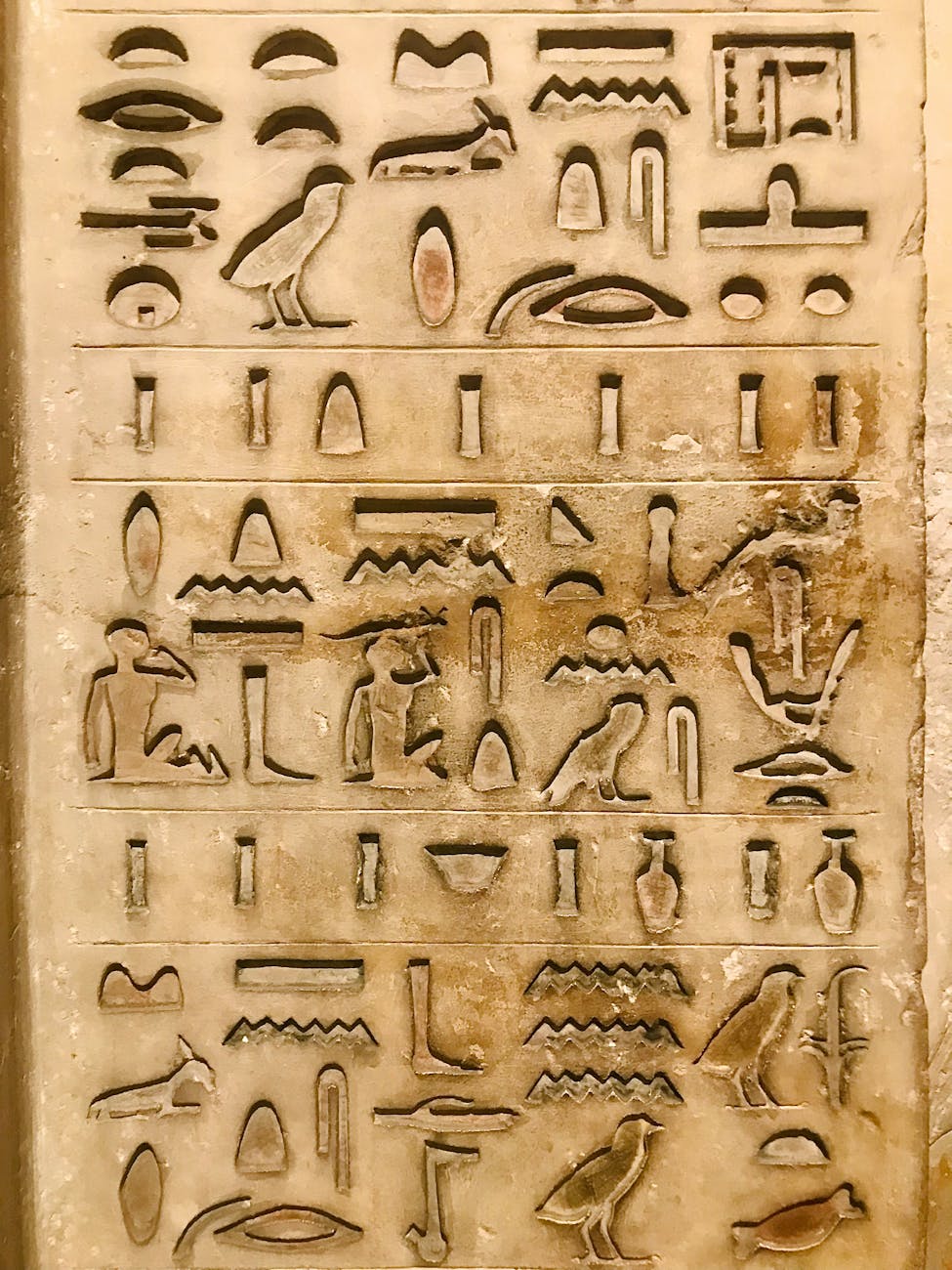
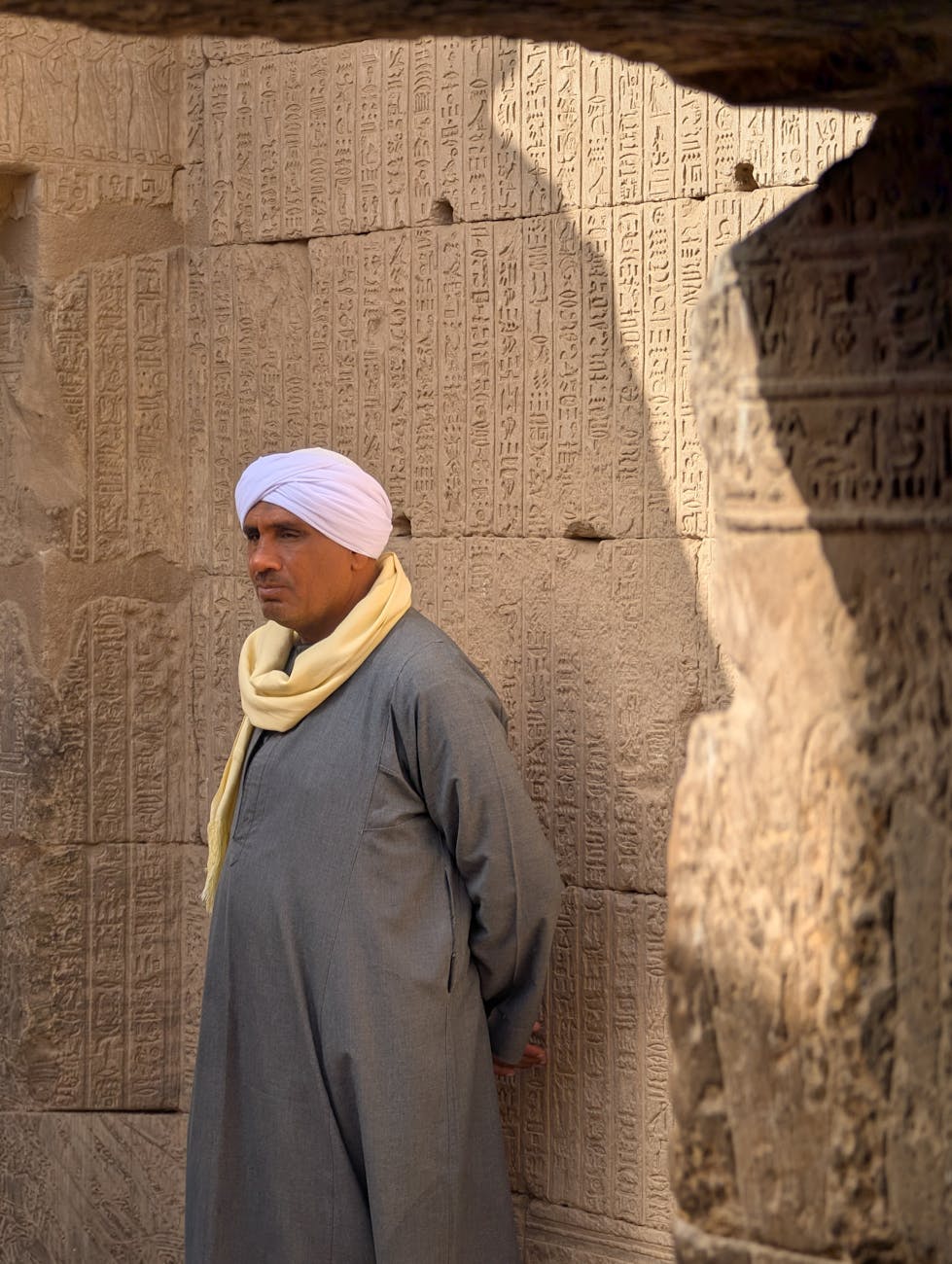
Many of their artworks contain the intricate hieroglyphic system that was discovered in the 19th century by the Rosetta Stone. Its decipherment by Champollion led to the establishment of Egyptology, led to understand and learn about the history of Egypt and its highly distinctive culture through their records and inscriptions that provided valuable insight into their structural system, spiritual beliefs, medicine, economy, and interaction with other neighbouring countries, agriculture, and continues to fascinate people today.
There are several reasons why Egyptian culture and history should be explored:
Learn, respect, and understand how Egyptian history has shaped societies and cultures.
Understand how Ancient Egyptian’s inventions such as the calendar, writing, art, governance, and mathematics have influenced modern society.
Build Artistic skills and learn about hieroglyphics and mummification to increase critical thinking, problem-solving, and artistic/creative skills.
References
Egypt Museum (n.d.) What is important about ancient Egypt? Available at: https://egypt-museum.com/what-is-important-about-ancient-egypt/ (Accessed 12th April 2026)
Imhausen, A. (n.d.) Ancient Egyptian Science. Available at: https://www.hps.cam.ac.uk/students/research-guide/ancient-egyptian-science (Accessed: 12th April 2026)
Maria, C. (2026) 36 Interesting Facts About Egypt Available at: https://factsinstitute.com/countries/facts-about-egypt/ (Accessed: 12th April 2026)
On the Map (2026) Egypt. Available at: https://ontheworldmap.com/egypt/ (Accessed: 12th April 2026)
Tyldesley, J. (2011) Ancient Egypt and the Modern World Available at: https://www.bbc.co.uk/history/ancient/egyptians/egypt_importance_01.shtml (Accessed: 12th April 2026)
Van Dop DeJesus, J. (n.d.) Ancient Egypt Available at: https://kids.nationalgeographic.com/history/article/ancient-egypt (Accessed: 12th April 2026)



Leave a comment