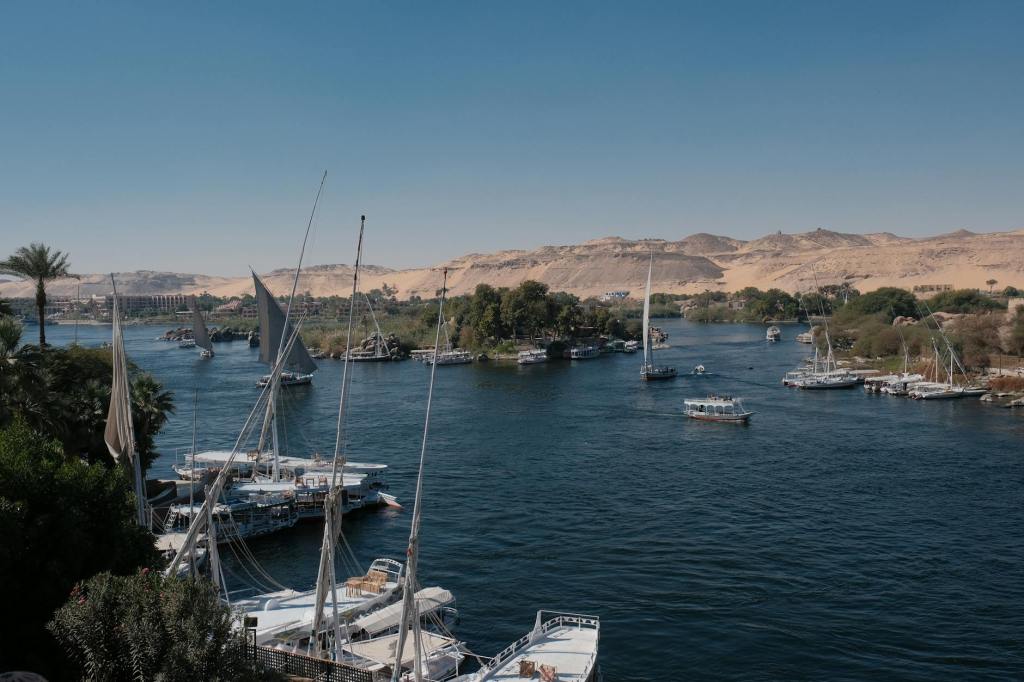
The Nile was described by the Greek Philosopher Herodotus as ‘the gift of the Nile’. The aim is to provide an insight into how the River Nile has played a central role in shaping Egyptian civilization by providing essential resources for agriculture, daily sustenance, and cultural development from ancient times to the present. The River Nile is a fascinating natural source that has shaped a cradle of civilization for millennia, particularly Ancient Egypt. It flourishes its water throughout the country, supporting agriculture, hygiene, and nourishment in Ancient and Modern Day Egypt, providing sustenance.
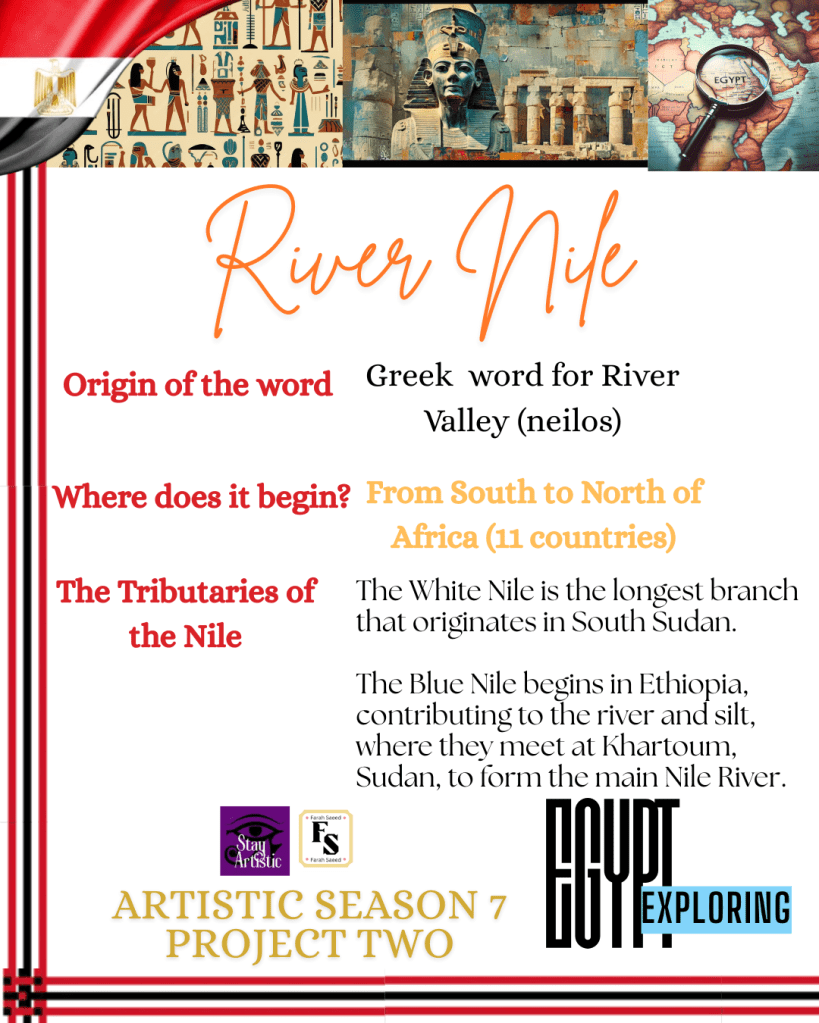
The world’s longest river may have originated from the Greek word for River Valley (neilos) (Amazing Facts Home, 2022). It remains deep in Africa, flowing from South to North of Africa, where it begins from Lake Victoria, present in Kenya, Tanzania, and Uganda, and then travels more than 6,800 kilometers (4,000 miles) (National Geographic, 2026). Other sources suggest 6,650 kilometers (4,132 miles) (Amazing Facts Home, 2022). These variations in reported river lengths arise due to differences in how the river’s source and course are measured, as well as updated research findings. For example, some sources consider differing starting points, such as tributaries or headwaters, which affect the total distance calculated. National Geographic is widely recognized for its thorough research and uses the higher estimate, while other reputable sources may be more conservative in their measurements. Explicitly recognizing these discrepancies is important for clarity when discussing the Nile’s overall span. The flow is due to the tilt of the Earth in how the water moves from high to low elevations, influencing climate, agriculture, and geography.
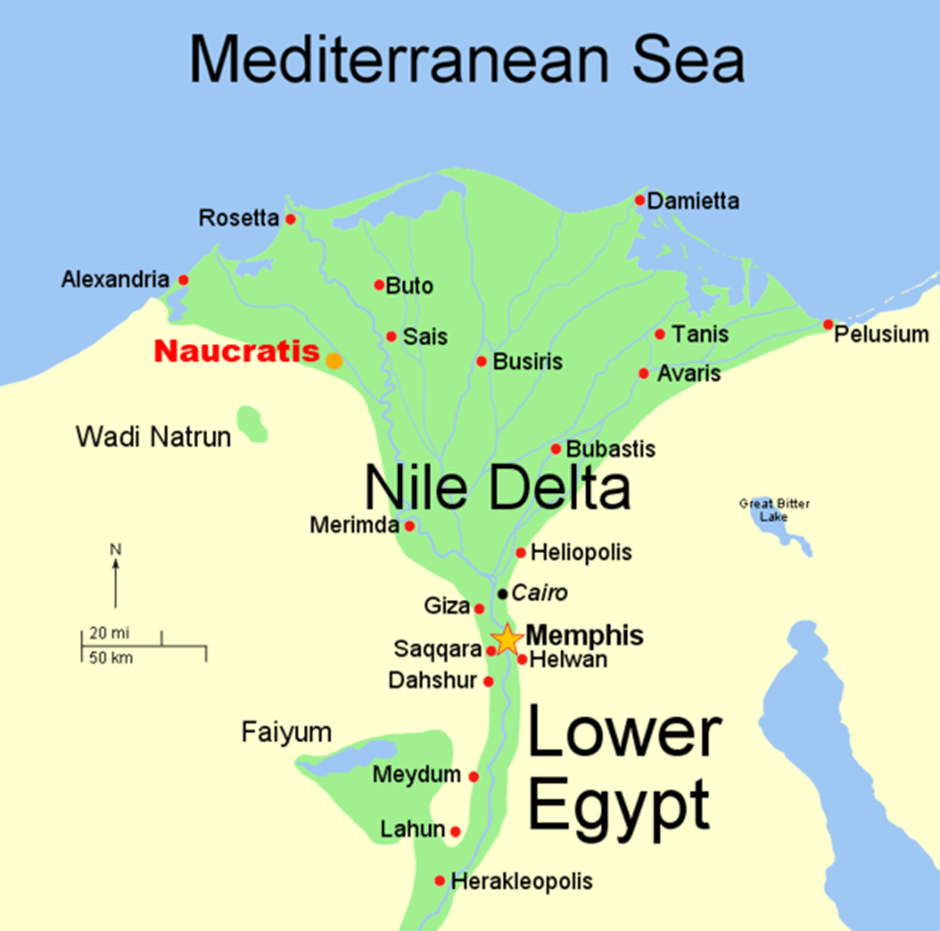
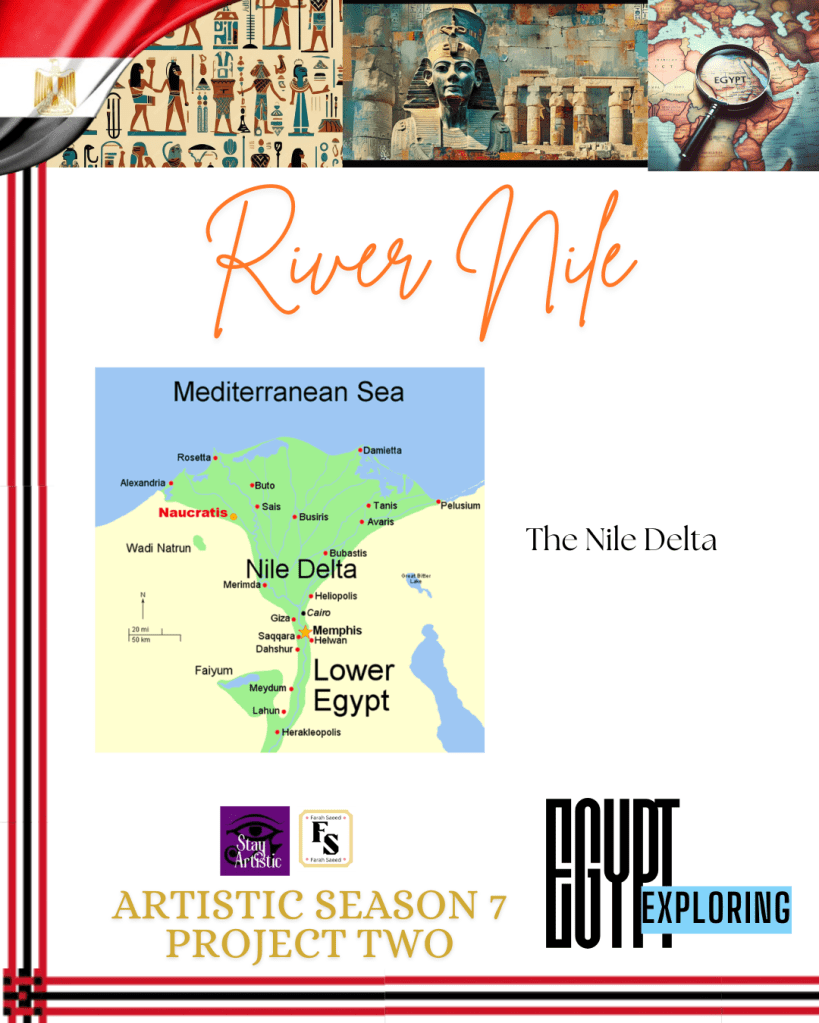
The River Nile forms a triangular region in Northern Egypt where it drains into the Mediterranean Sea and is known as the Nile Delta. The Nile Delta extends from North of Cairo to Egypt’s coast, situated between Alexandria and Port Said. It is 160 km from North to South and 240 km from West to East. Many birds migrate along the East African stopover at the Nile River Delta.
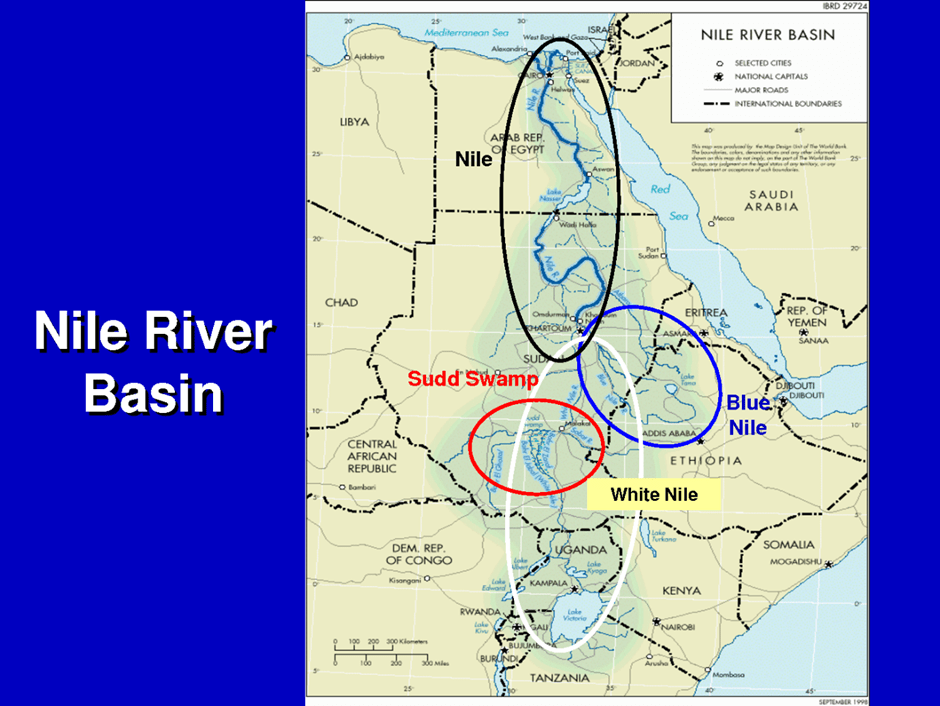
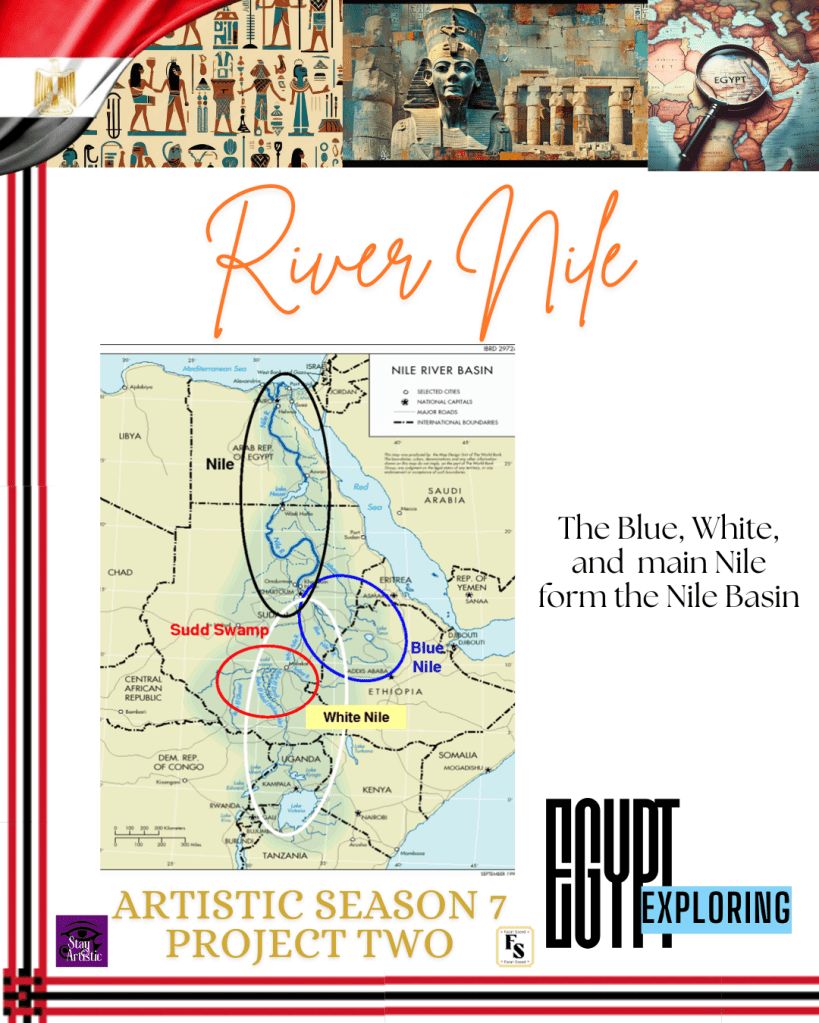
The river is subdivided into three tributaries: the Atbara, the Blue Nile, and the White Nile. The White Nile is the longest branch that originates in South Sudan; the Blue Nile begins in Ethiopia, contributing to the river and silt, where they meet at Khartoum, Sudan, to form the main Nile River.
The discovery of the source of the River Nile was identified in Lake Victoria in Uganda by John Hanning Speke in 1858, which helped to further reveal the river’s complex network of streams, lakes, and rivers through eleven countries of Africa, called the River Basin, subdivided into tributaries. The Nile sustains over 400 million people across its basin countries: Tanzania, Burundi, Rwanda, Democratic Republic of the Congo, Kenya, Uganda, South Sudan, Sudan, Ethiopia, Eritrea, and Egypt. Each country has its own defined relationship with the River Nile, and this shared nature of the Nile leads to cooperation and sometimes conflict.
Moreover, the Nile Basin is enriched with a biodiverse atmosphere, like the Nile crocodile, lizards, hippopotamus, and a range of fish and other aquatic species, and more than 250 species of birds on its banks and marshes.
Ancient Egyptians used boats and ships to travel and connect different areas for trade, resources, and ideas. This transportation promoted economic growth and facilitated cultural exchange within Ancient Egypt.
The Nile provides a vast water source for daily personal and household use. Today, 95 percent of Egyptians reside within a few miles of the Nile; thus, the Nile Valley is densely populated. In Ancient Egypt, there was minimal rainfall, and in every spring, the Ethiopian highlands melted their ice; this caused an increase in water each year.
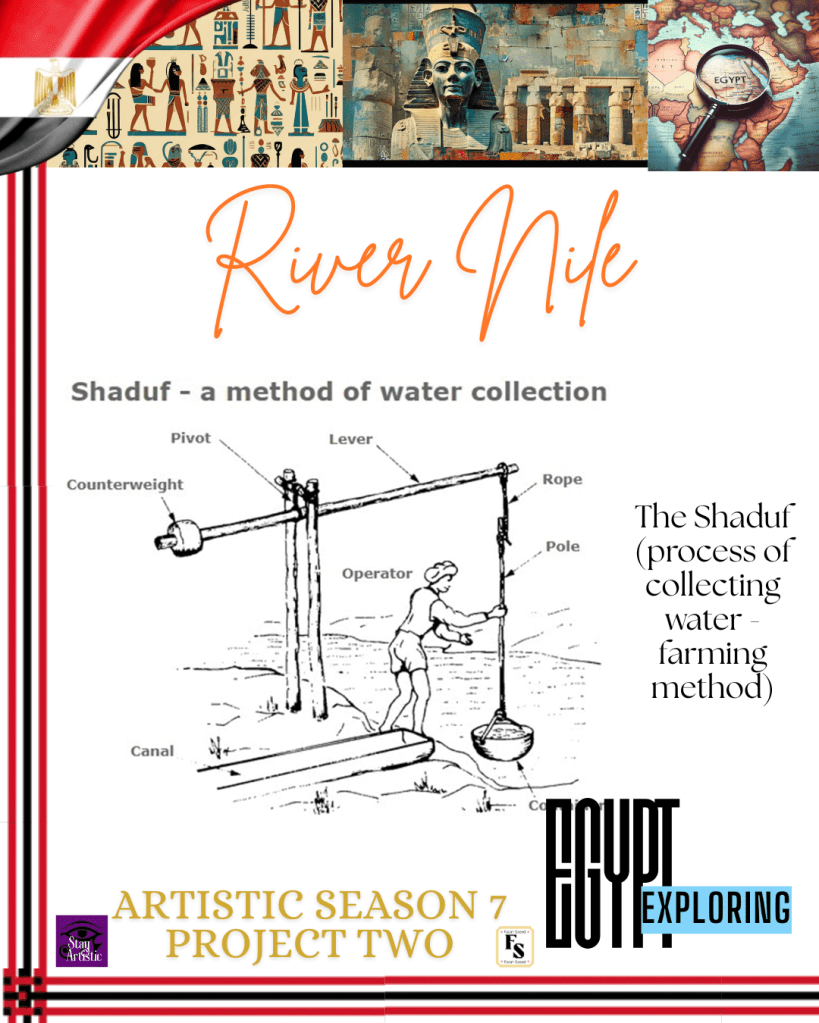
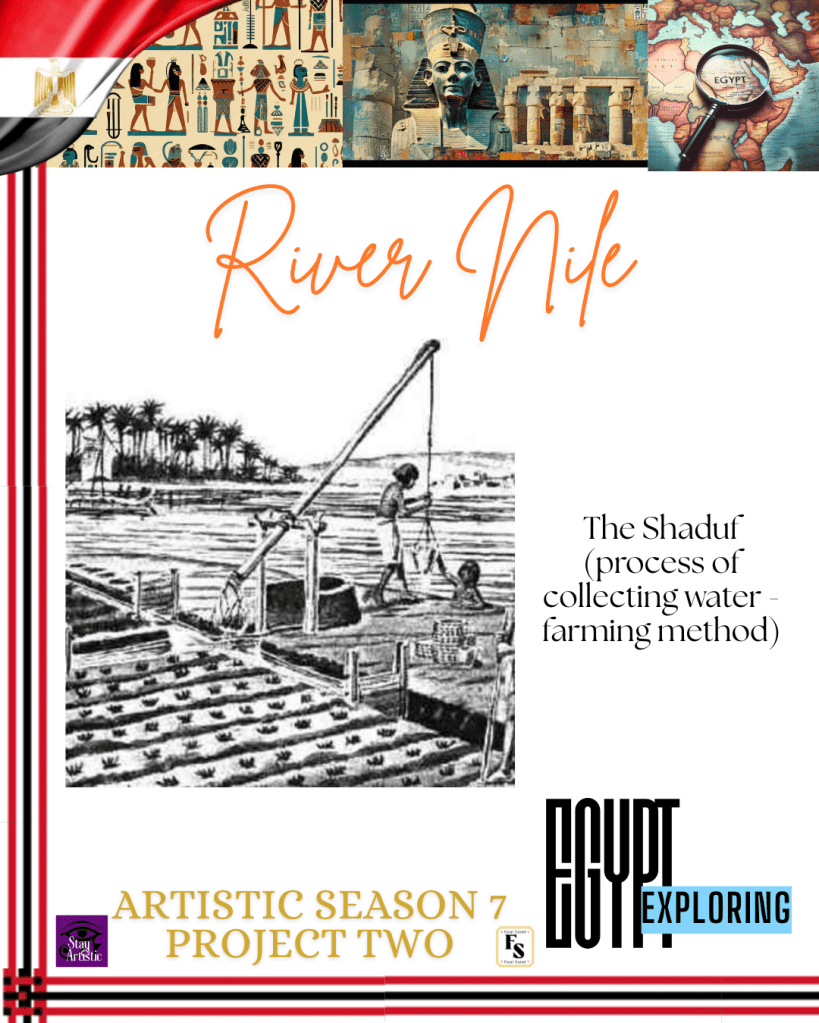
There was overflowing and annual flooding, predominantly in late July and in November, and it was distinctive from the flood in Mesopotamia. Mesopotamia is present-day Iraq. The annual flooding facilitated in providing fertile soil, a better farming system, and efficiently manage water for irrigation through the development of canals and reservoirs in an arid region. For instance, the shaduf was a simple hand-operated tool that effectively lifted water and is a foundation for many agricultural practices.
The fertile soil of the Nile River Delta is enriched with nutrients and provides Egypt’s agricultural output because of the large silt and sediment deposits left behind by the Nile as it drains into the Mediterranean Sea. The Ancient Egyptians, therefore, divided Egypt into black and red land. The black land referred to the fertile banks of the river Nile, whereas the red land referred to the desert.
Several dams were built to control the river, such as the Aswan Dam. The first was completed in 1902, and another, built in the 1960s, is crucial for hydroelectric power, electricity, and flood control. Modern Egypt faces environmental and climate challenges, causing changes in flow patterns and droughts. Silt builds up behind the dam, while erosion affects the Mediterranean coast. Annual flooding that once cleared human and agricultural waste now rarely occurs in many parts of the Nile, threatening wildlife.
The annual flooding was considered a divine blessing for the Ancient Egyptians as they connected the river Nile to their spiritual beliefs and performed rituals and religious festivals, and even built monuments and temples as an unwavering devotion to honour the gods. Gods like Hapi are associated with its flooding. Therefore, when a Pharaoh passed away, he was sent down the sacred Nile River in a boat as a metaphor for continuing their journey after death.
The Nile River is referenced in religious texts like the Bible and the Quran, which are symbolic of life and reverence for God’s creation. The annual flooding also connected the Ancient Egyptians with the natural world, enabling them to maintain the abundance of staple food supply even during dry seasons, particularly lettuce, wheat, flax, barley, papyrus, water, and other resources in the ancient Egyptian civilization. The papyrus plant had an important use to make paper, clothing, ropes, and boxes. For instance, the Ancient Egyptians also learnt how to transport the river water to their fields, where beans, apricots, olives, and grapes were grown.
Overall, the River Nile is a natural resource for life and vitality.
Slideshow
References
Amazing Facts Home (2022) 24 Facts About The Nile River (You Must Know) Available at: https://www.amazingfactshome.com/facts-about-the-nile-river/ (Acccessed: 19th April 2026).
Ancient Egypt Online (2026) The Geography of Ancient Egypt. Available at: https://www.ancient-egypt-online.com/ancient-egyptian-geography.html (Accessed: 19th April 2026)
National Geographic (2026) Nile River. Available at: https://education.nationalgeographic.org/resource/nile-river/ (Accessed: 19th April 2026)
Tyldesley, J. (2011) Ancient Egypt and the Modern World Available at: https://www.bbc.co.uk/history/ancient/egyptians/egypt_importance_01.shtml (Accessed: 12th April 2026)
 The Farah Saeed Project
Leave a comment