
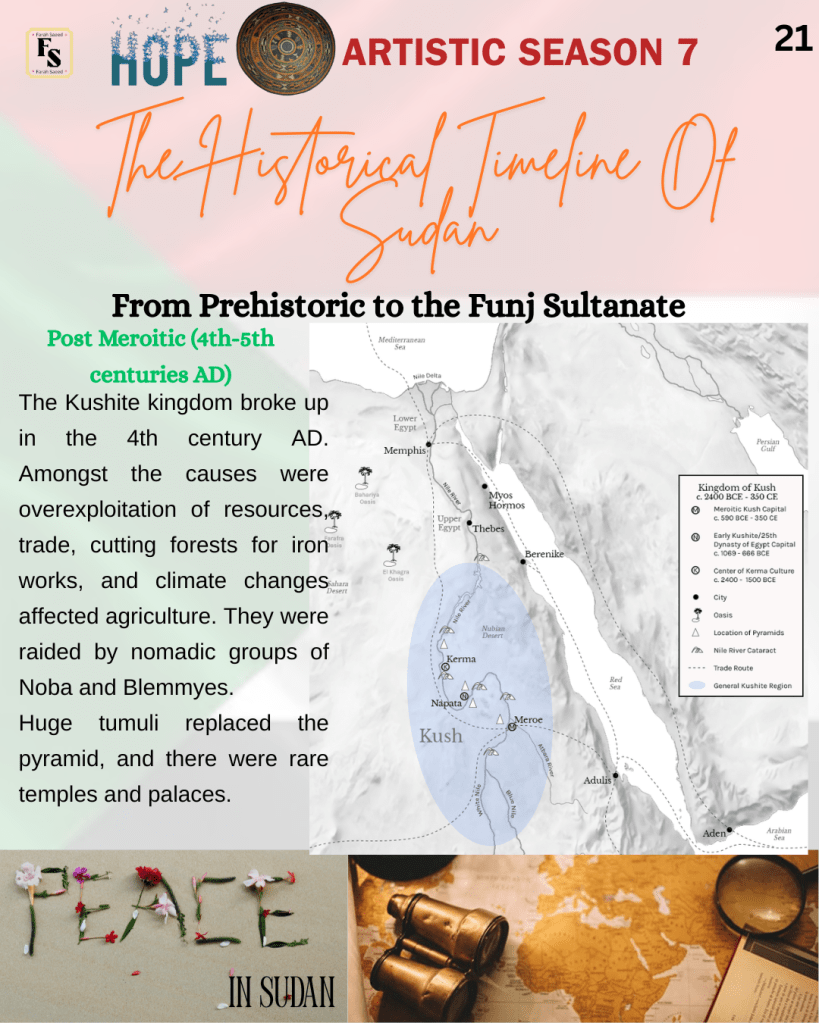
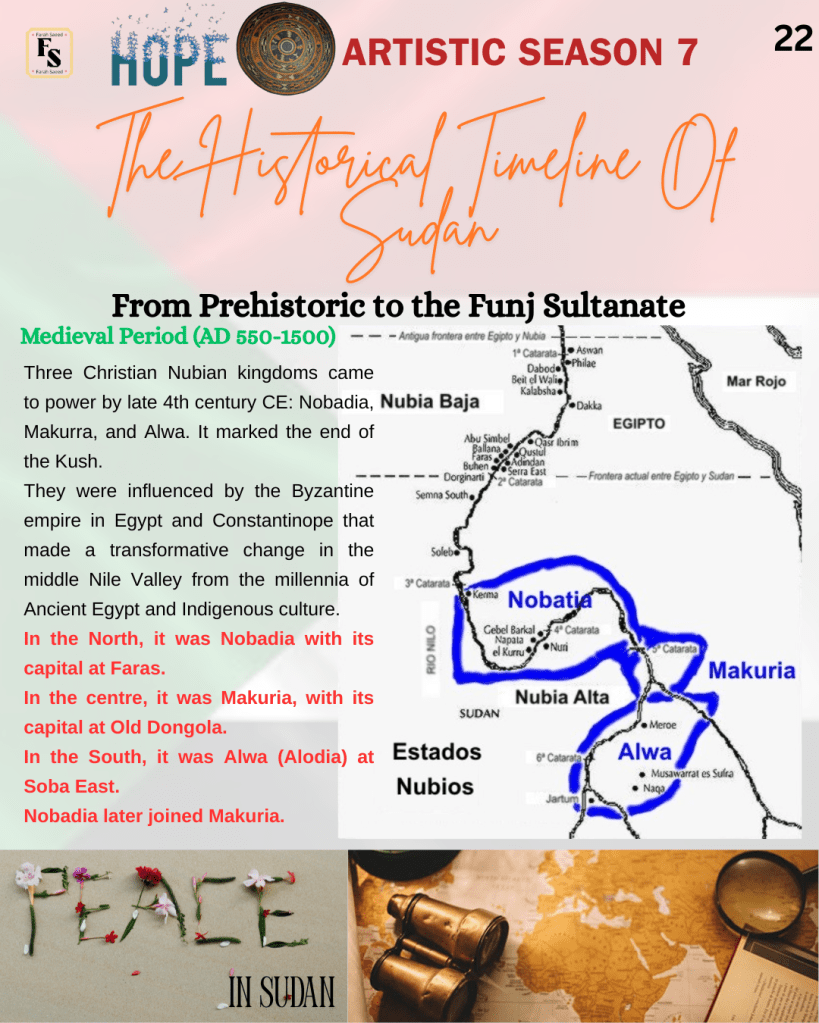
Sudanese architecture is diverse, varied, and vast, with its style, materials, and way of life shaped by climatic, cultural, and historical influences. To the Ancient Egyptians, it was known as Ta-sety, ‘the land of Bow’, and Kush, whereas the Greeks referred to the region as Aethiopia. Kush can be found in the Old Testament of the Bible, whereas Aethiopia was a specific term used for the geographical location. Archaeological evidence, advanced technology, and the presence of cataracts over time have enabled the ancient history of the Sudanese to come to light, allowing it to be subdivided into defined historical periods.
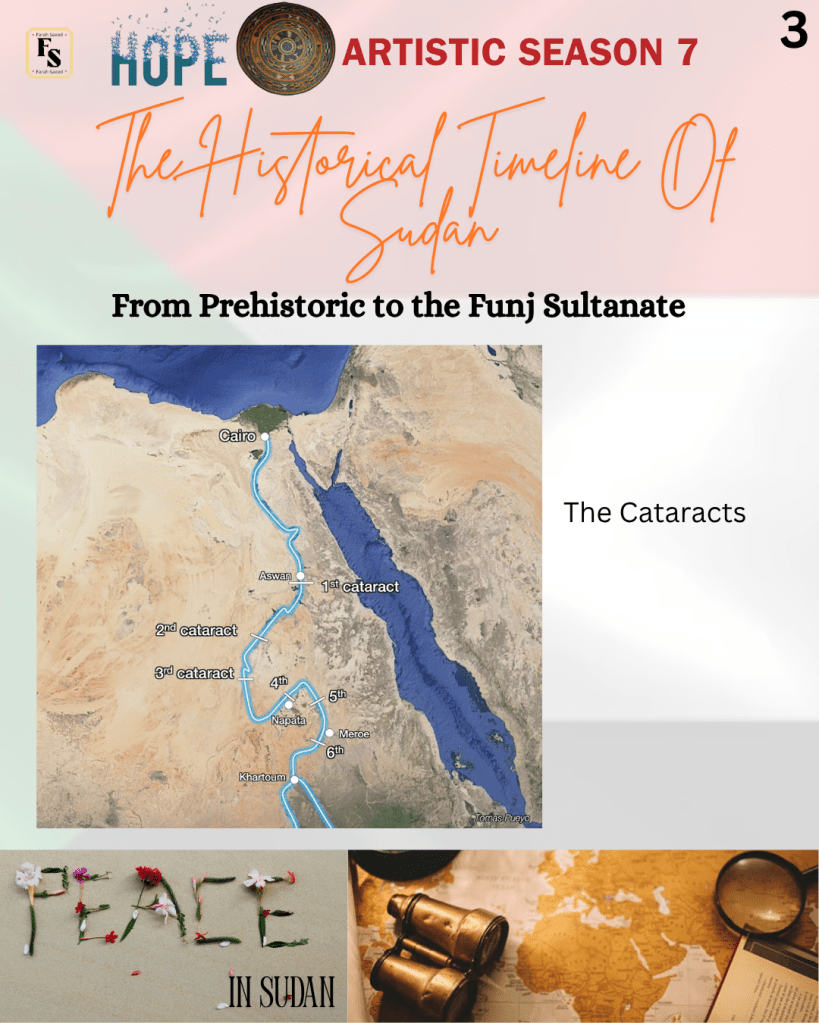
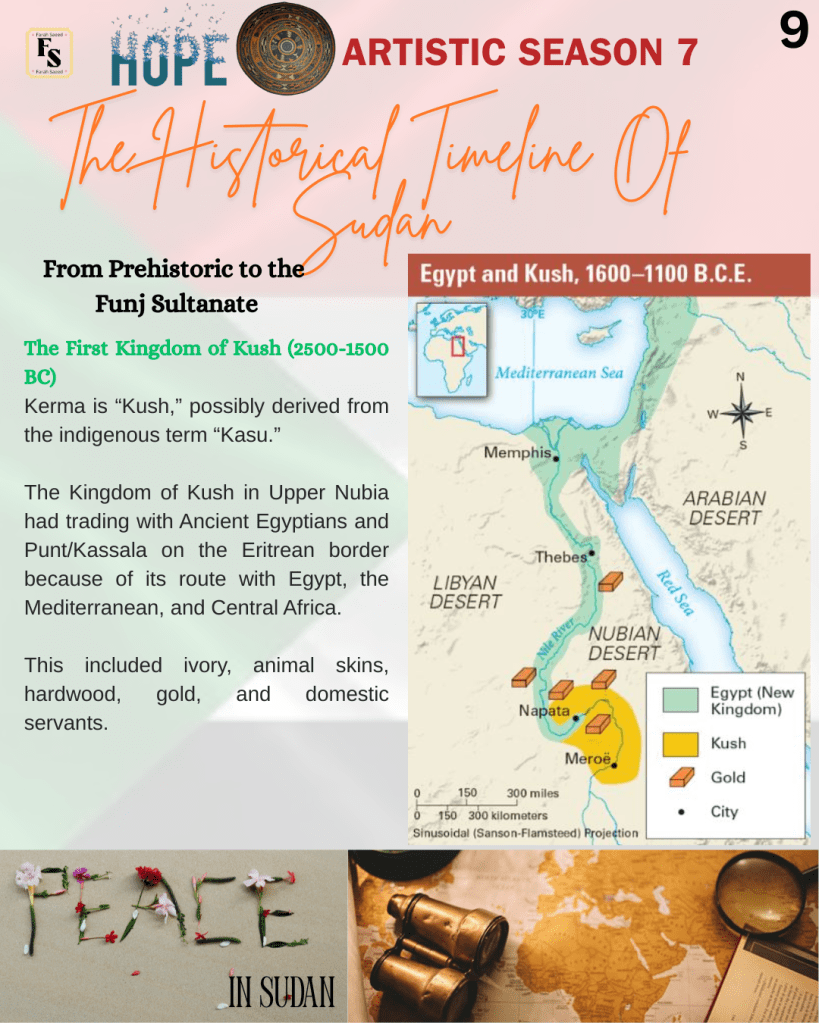
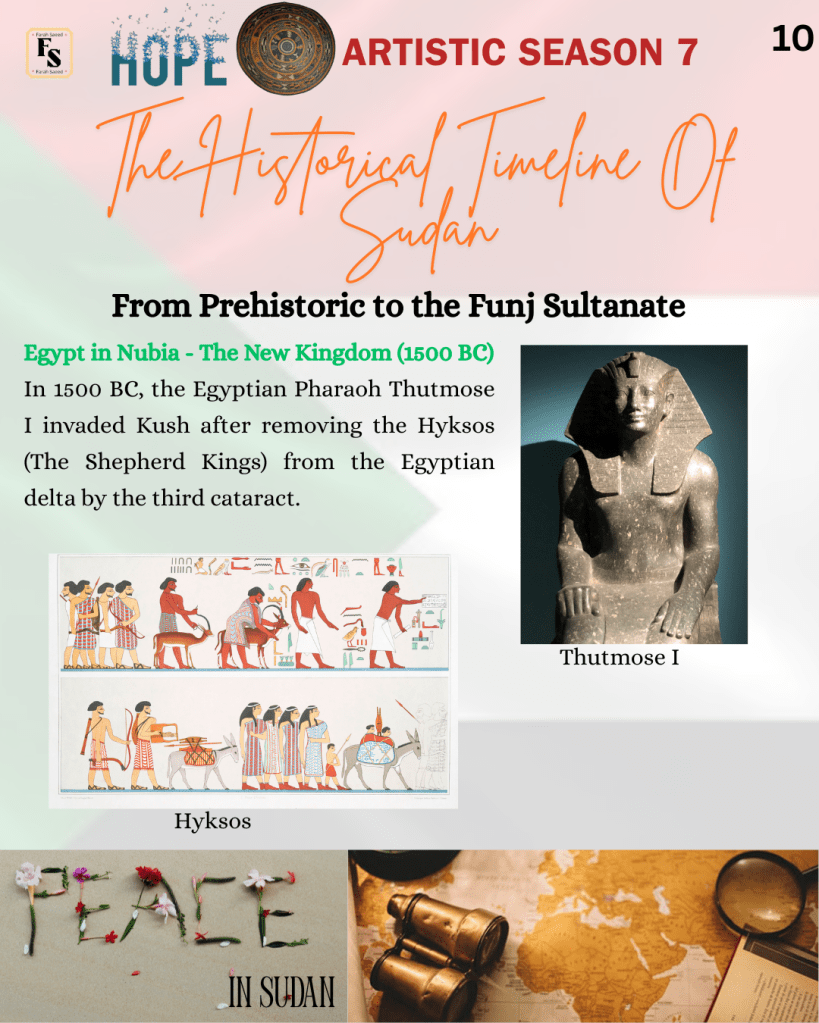
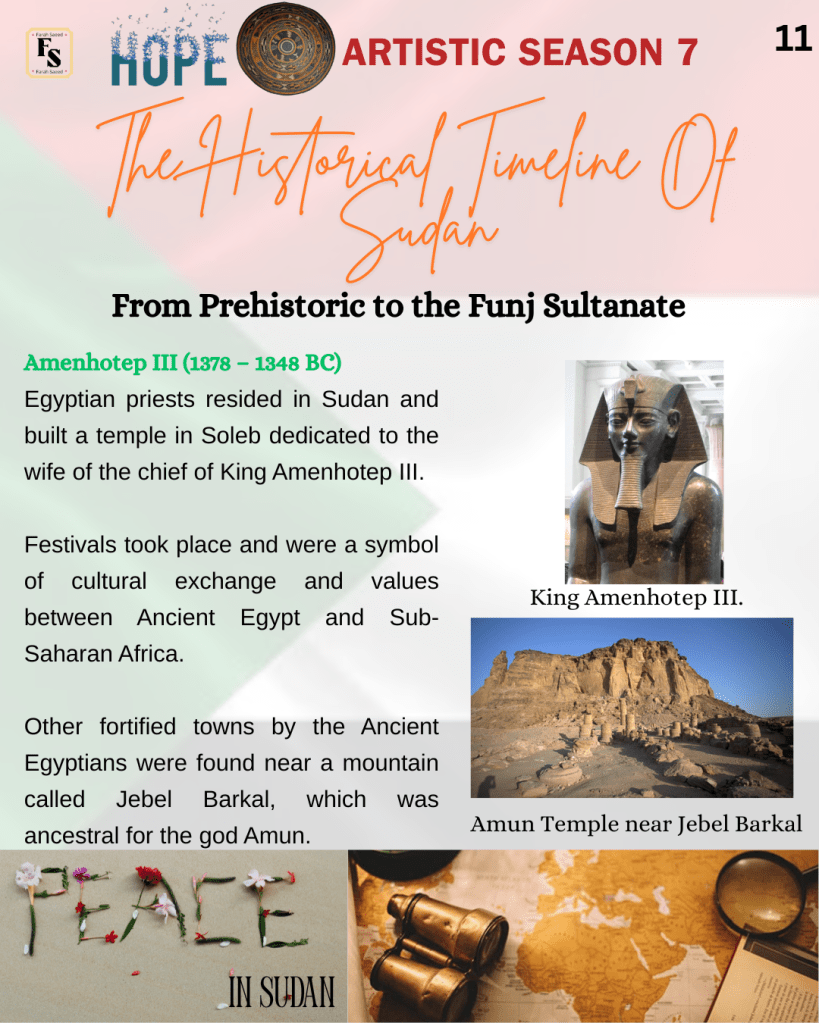
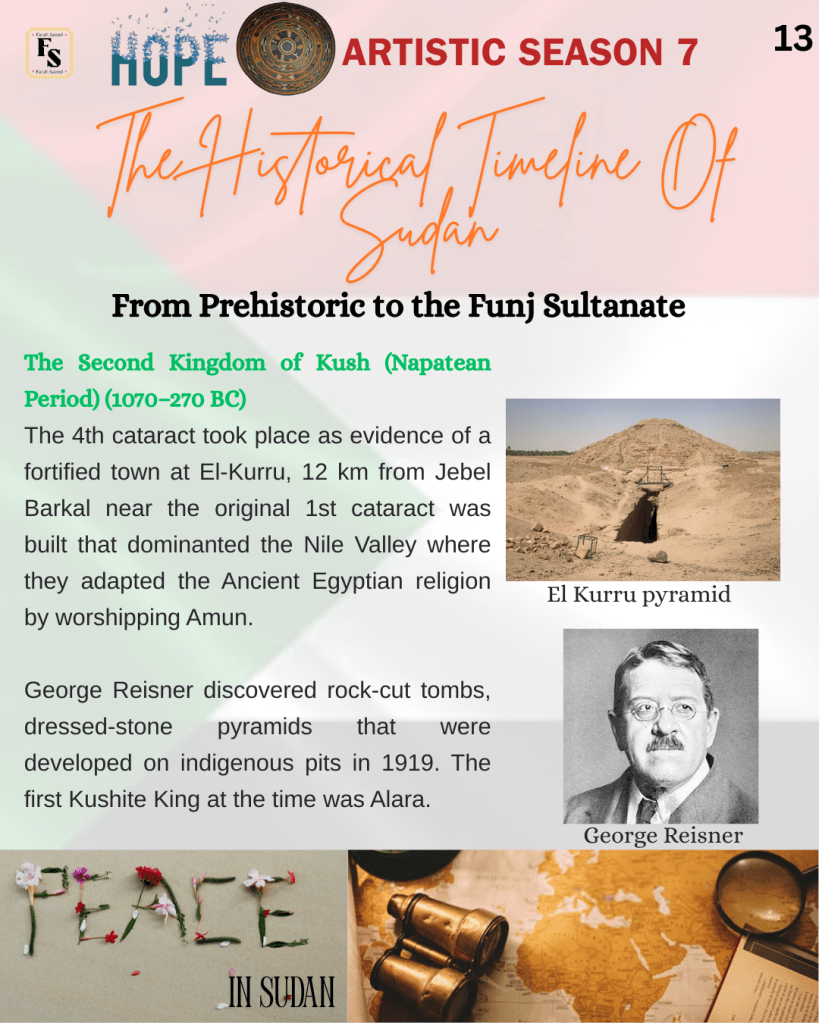
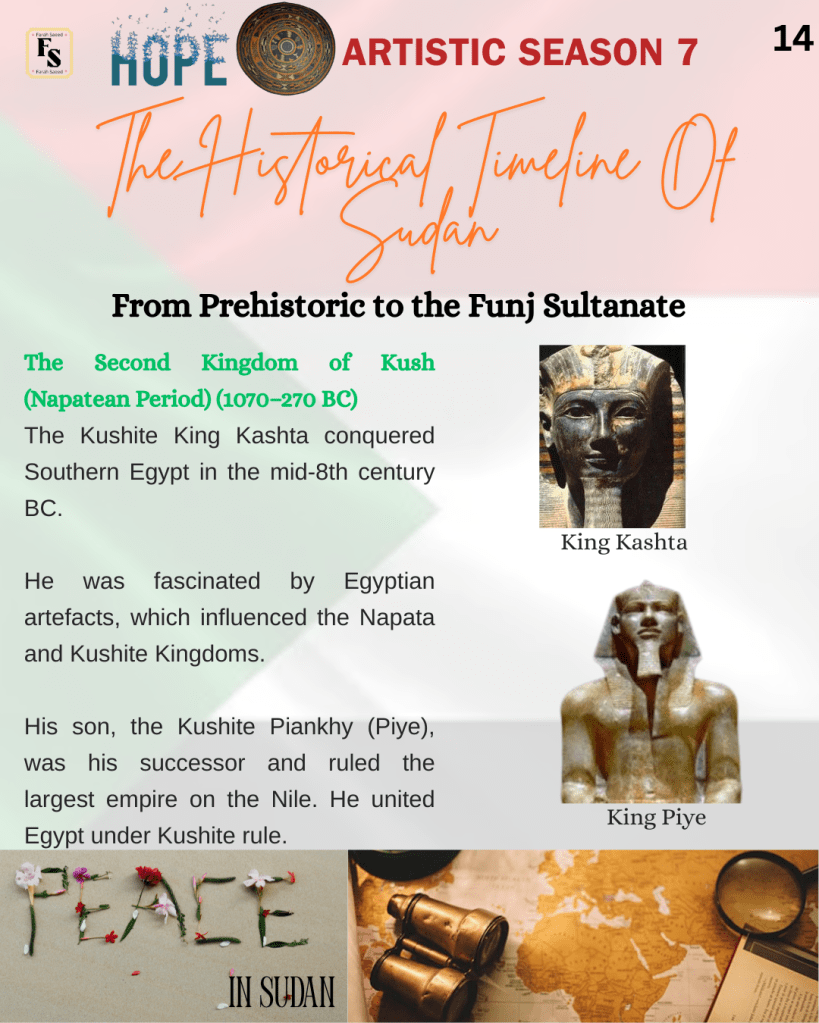
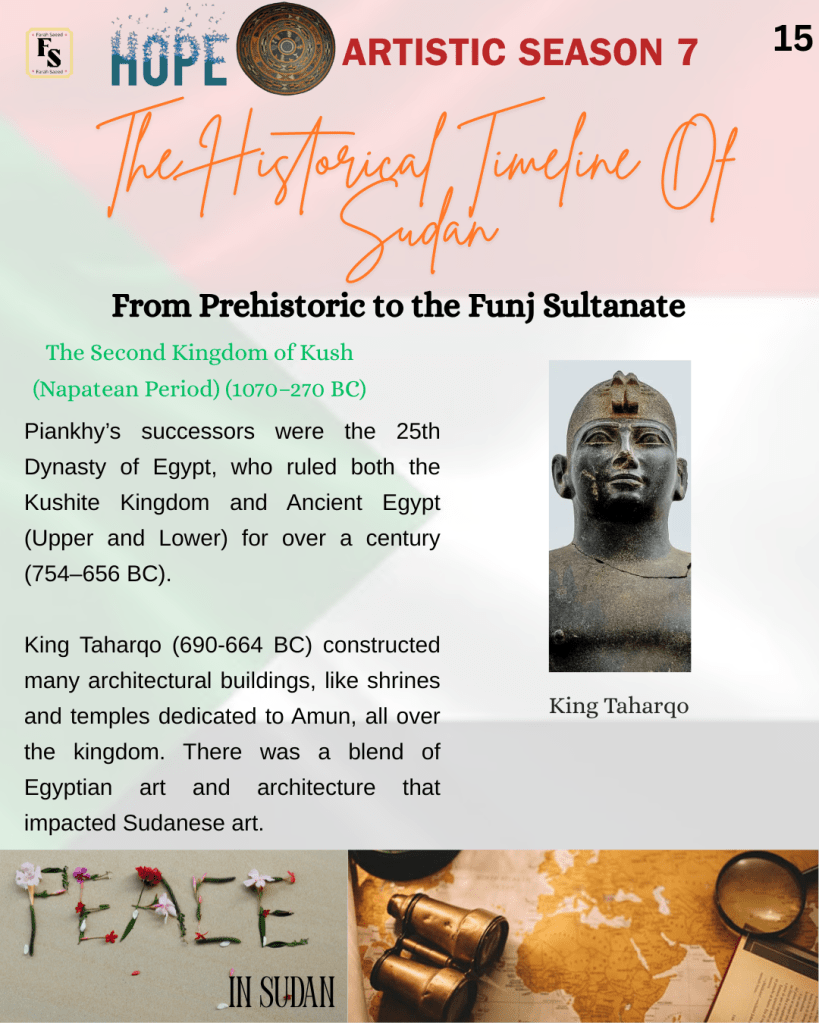
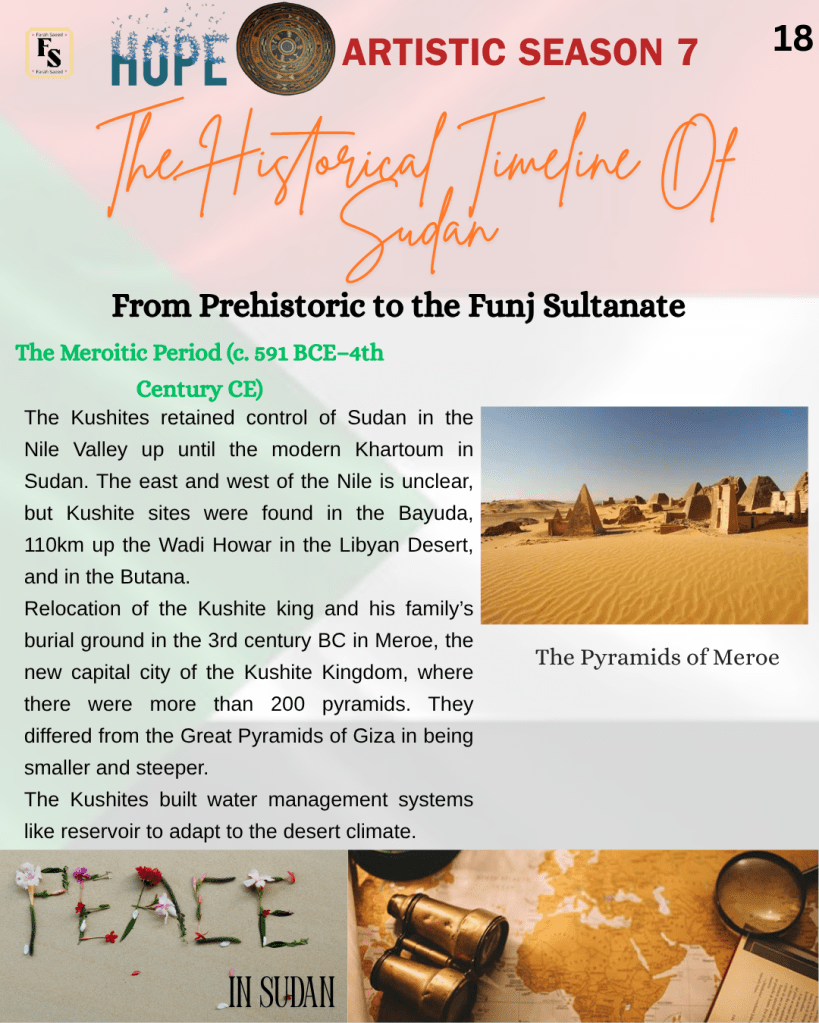
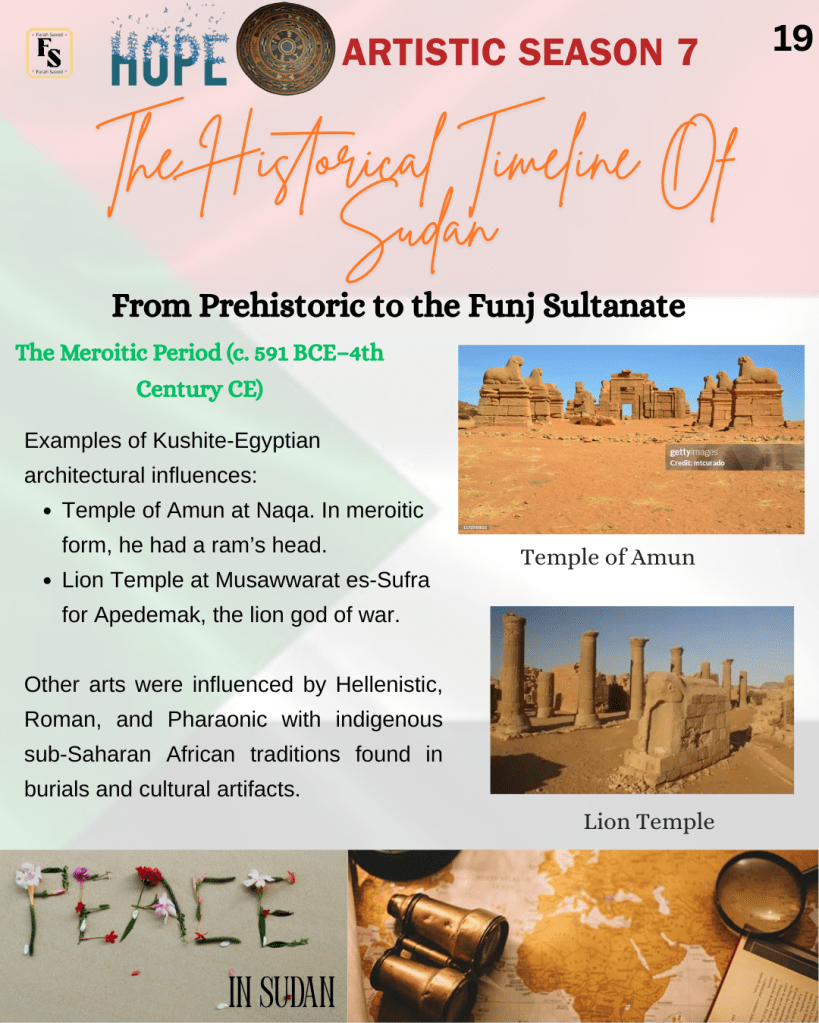
In the historical context, a cataract is a large rapids of water over rocks or waterfalls along the Nile River. They are naturally formed and typically found from Ethiopia to Egypt. Their presence has enabled us to gain an insight into Ancient civilizations in those areas. This has been particularly evident in the architectural legacy of the Kingdom of Kush, where, despite extensive Egyptianization in terms of traditions, temple construction, pyramid building, and the sharing of religious beliefs, such as those centered on Amun. Notable examples of Sudanese architecture include the pyramids of Meroë, which have steep sides and are smaller than their Egyptian counterparts, as well as impressive temples such as those at Naqa and Musawwarat es-Sufra, featuring elaborate columns and carved reliefs.
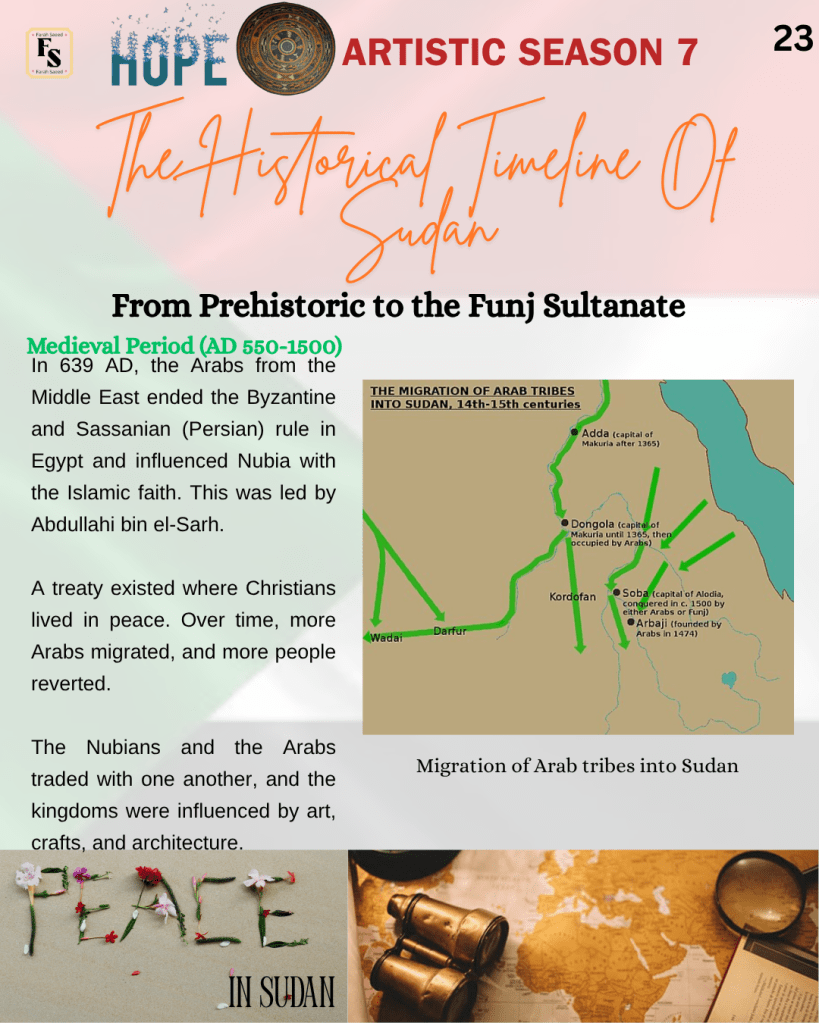
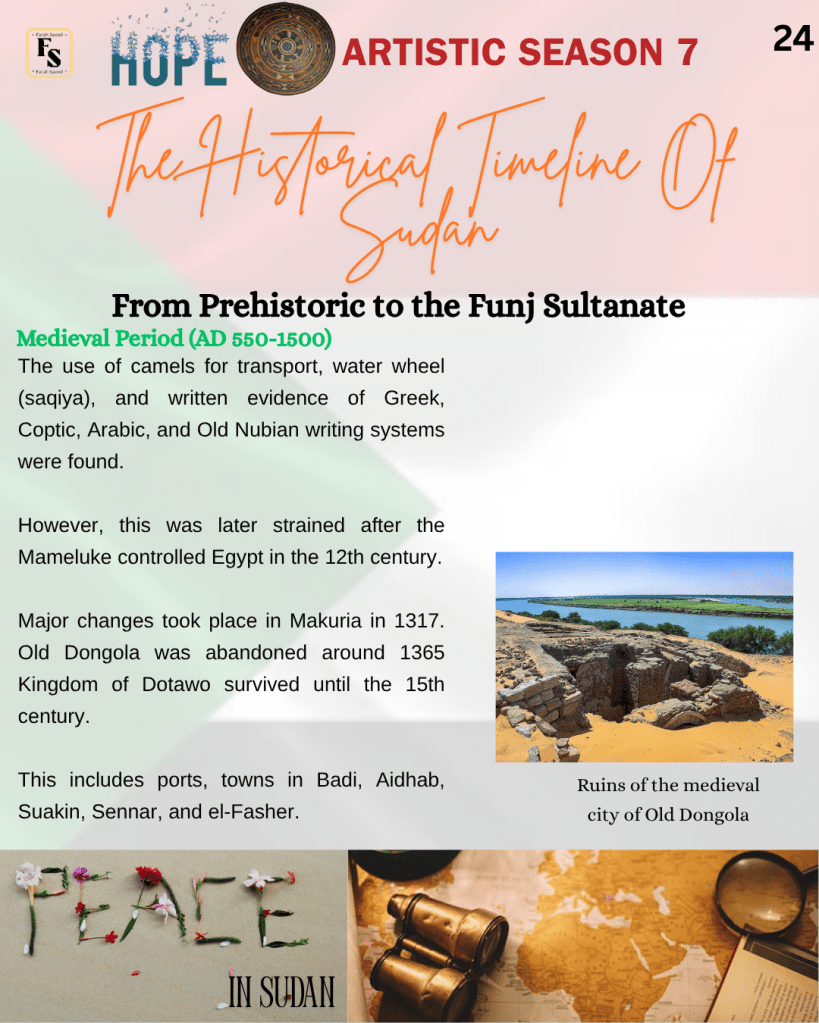
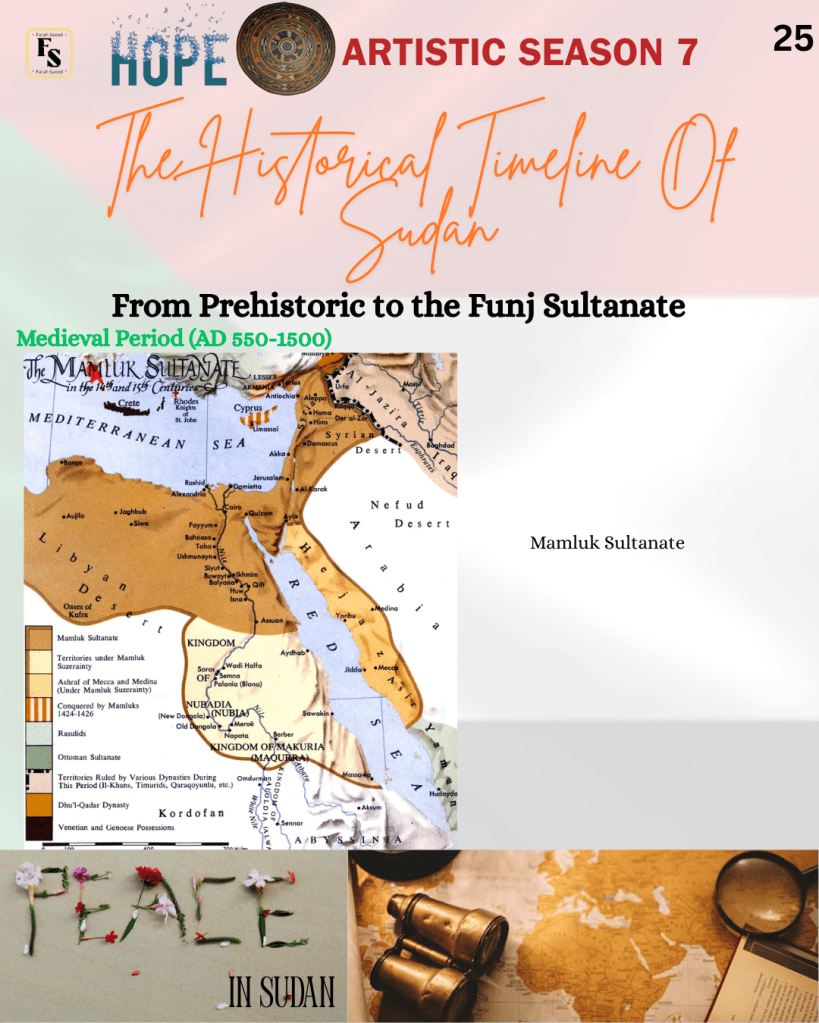
These structures help illustrate the distinct blend of styles and the technological skill of the Sudanese people. They possessed uniqueness in their cultural identity, evident in their art, crafts, and architecture. The blend of African and Egyptian traditions inspired the Nubian kingdoms, which succeeded the Kushite Kingdom.

 The Farah Saeed Project
Leave a comment