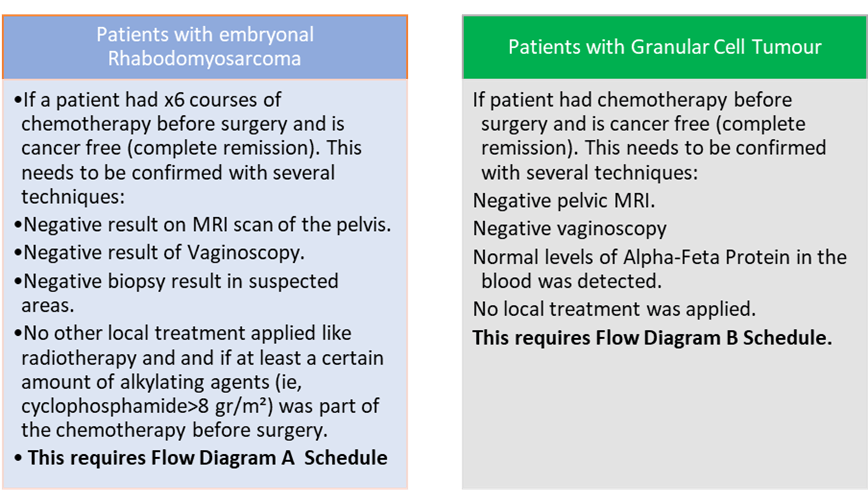
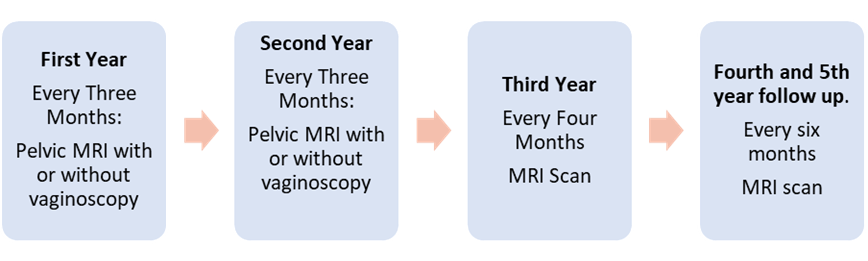
Flow Diagram A Schedule
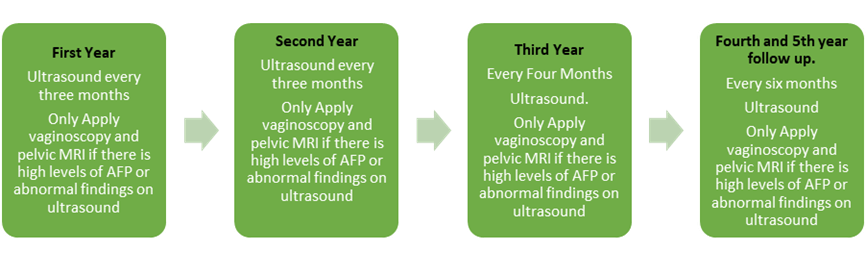
Flow Diagram B Schedule
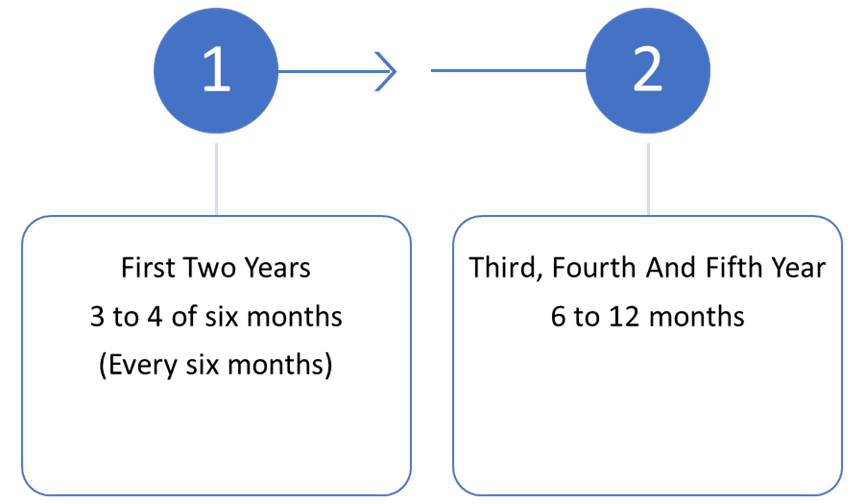
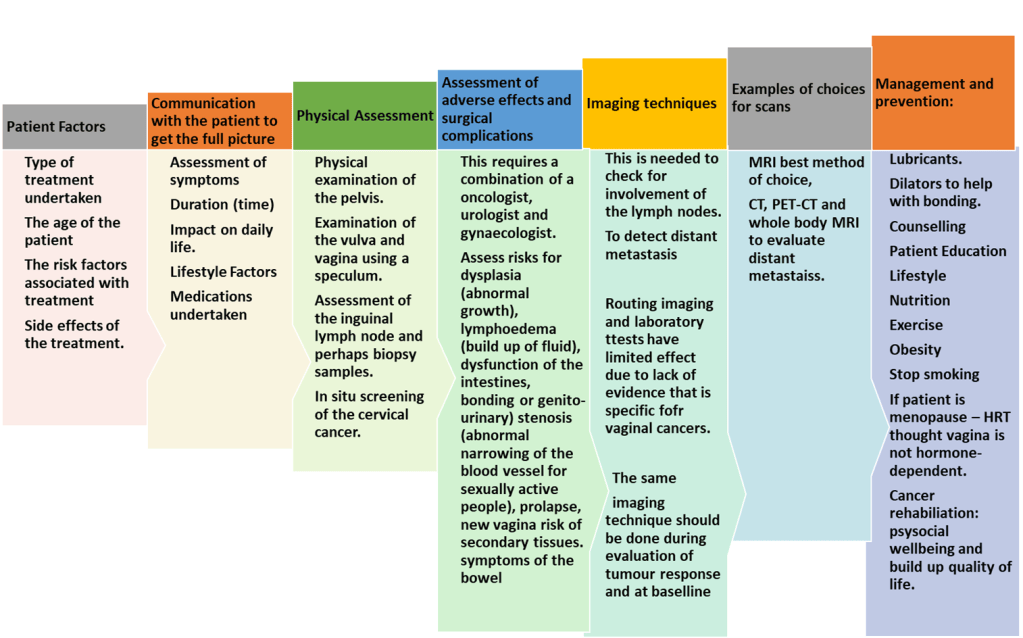
General Follow-Up Timeline For Vaginal Cancer
Tumour response after chemoradiotherapy (chemotherapy + radiotherapy). This should not be early than three months after completing treatment.
Re-evaluation should not be performed before 8 to 12 weeks thereafter.
Relapse (returning cancers) commonly occurs within first 2 years after treatment.
General Follow-Up Procedure For Vaginal Cancer
Is Hormone Replacement Therapy (HRT) The Same As Hormone Therapy?
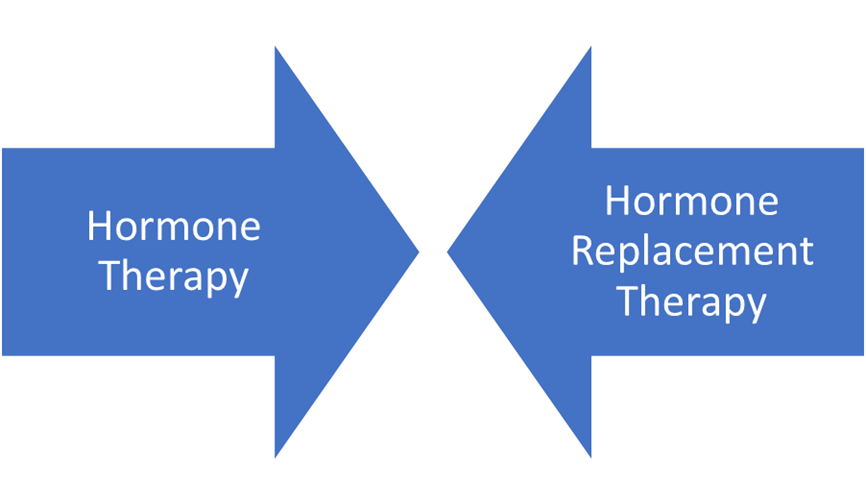
Hormone Replacement Therapy and Hormone Therapy are NOT the same. They both use hormones, but the principle is DIFFERENT. This is why it is used to help with symptoms rather than as a treatment for vaginal cancers. Hormones are chemical messengers that are secreted by the endocrine glands found in several organs around the body. They are released into the blood and travel to the target organ to elicit its effect.
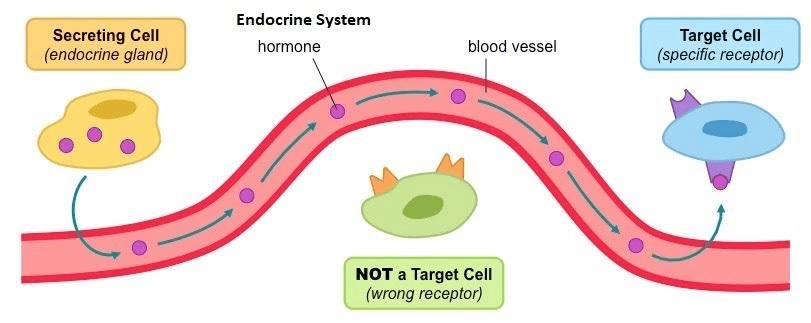
In hormone-sensitive tumours, hormones help to promote cancer growth linked to sex steroid hormones (oestrogen and progesterone) for ovarian, endometrial (womb), and chest cancers, and androgens (testosterone) for testicle and prostate cancers. Other examples of hormone-responsive cancers are kidney cancer and meningioma (a type of brain cancer that arises in the meninges), pancreas, stomach (carcinoid), and thyroid cancers.
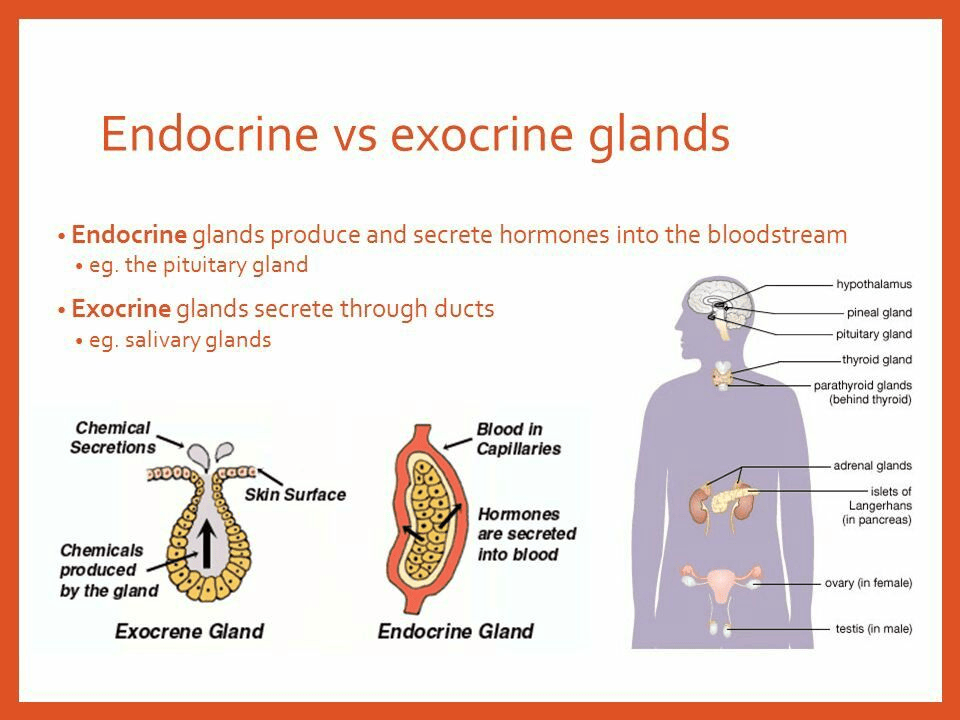
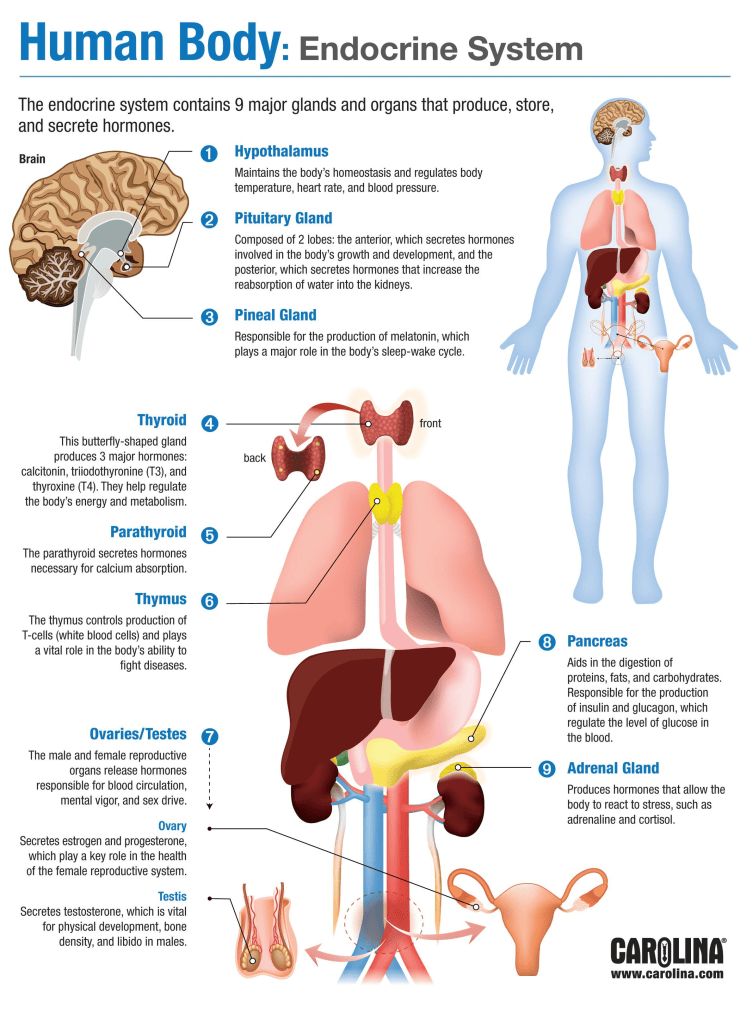
The aim of hormone therapy is to decrease the circulating hormones that cause tumour growth or to block the receptors for the hormones in the tumour cells. Both prevent the growth of tumours that depend on these hormones and help prevent cell proliferation and cell death (apoptosis). Tumour responses may be durable even in advanced cases.
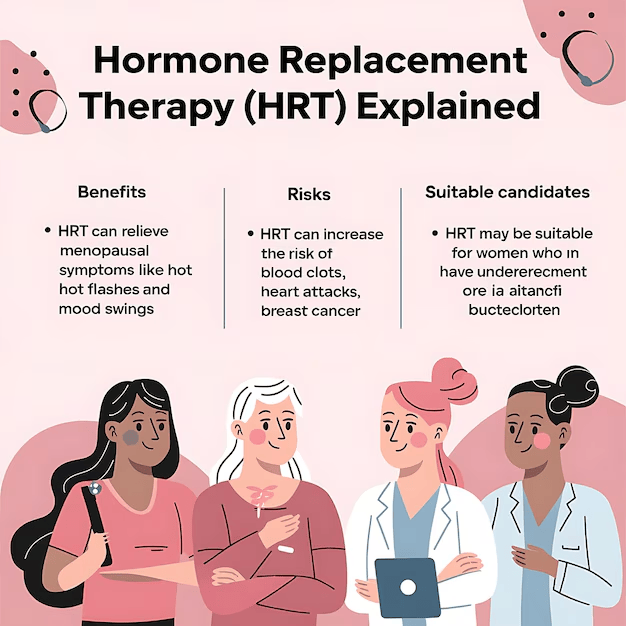
On the other hand, hormone replacement therapy helps to increase the levels of hormones to relieve some of the symptoms that may occur after menopause (one of the predominant risk factors of vaginal cancers where the cessation of ovarian function takes place). Oestrogens are either prescribed to be taken orally or via a gel or skin patch or under the skin (subcutaneous implant). On the other hand, it depends on the type of cancer; for endometrial cancer (womb cancer), having oestrogen alone can cause overstimulation of the womb or even cause cancer, which is why oestrogen and progesterone are taken combined to help protect the womb.
Though the vagina does not secrete any hormones, it helps to overcome vaginal dryness and vasomotor symptoms (hot flushes). HRT should only be applied in the short term and at low doses to prevent its risk of causing other conditions like stroke, breast cancer, and endometriosis.
Moreover, overcoming oestrogen deficiency can help increase the response of insulin to glucose (sugar), lowering the risk of diabetes.
Below summarizes the main points for the histological classification, signs, symptoms, diagnosis and treatments in accordance to the European Society of Gynaecological Oncology (ESGO), European Society for Radiotherapy and Oncology (ESTRO) and the European Society of Paediatric Oncology (SIOPe) 2023 guidelines. A 2025 update of Vaginal cancer has been provided by experts from the following reference:
Adams, T.S., Maluleke, J.C. and Cuello, M.A. (2025). Cancer of the vagina: 2025 Update. International Journal of Gynecology & Obstetrics, 171(S1), pp.48–59. doi:10.1002/ijgo.70325.
Please read the guidelines attached for further details.
Updated: November 2026. Next Review: September 2028


Leave a Reply