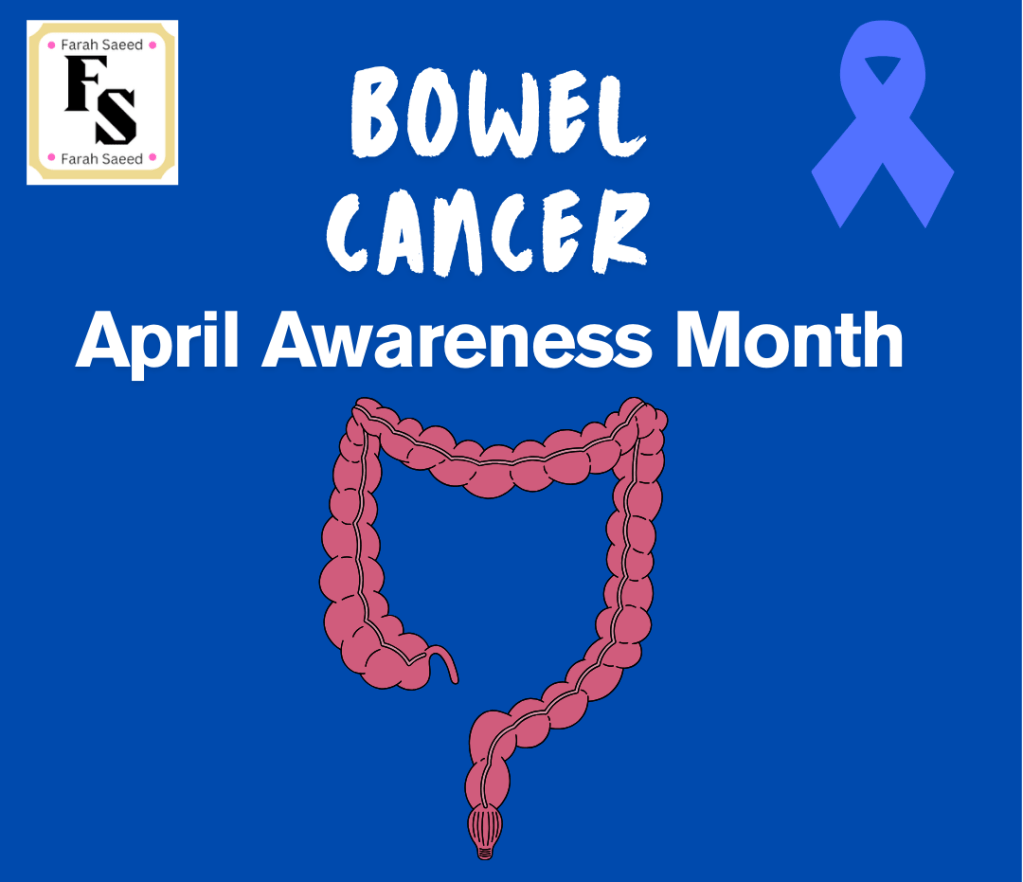
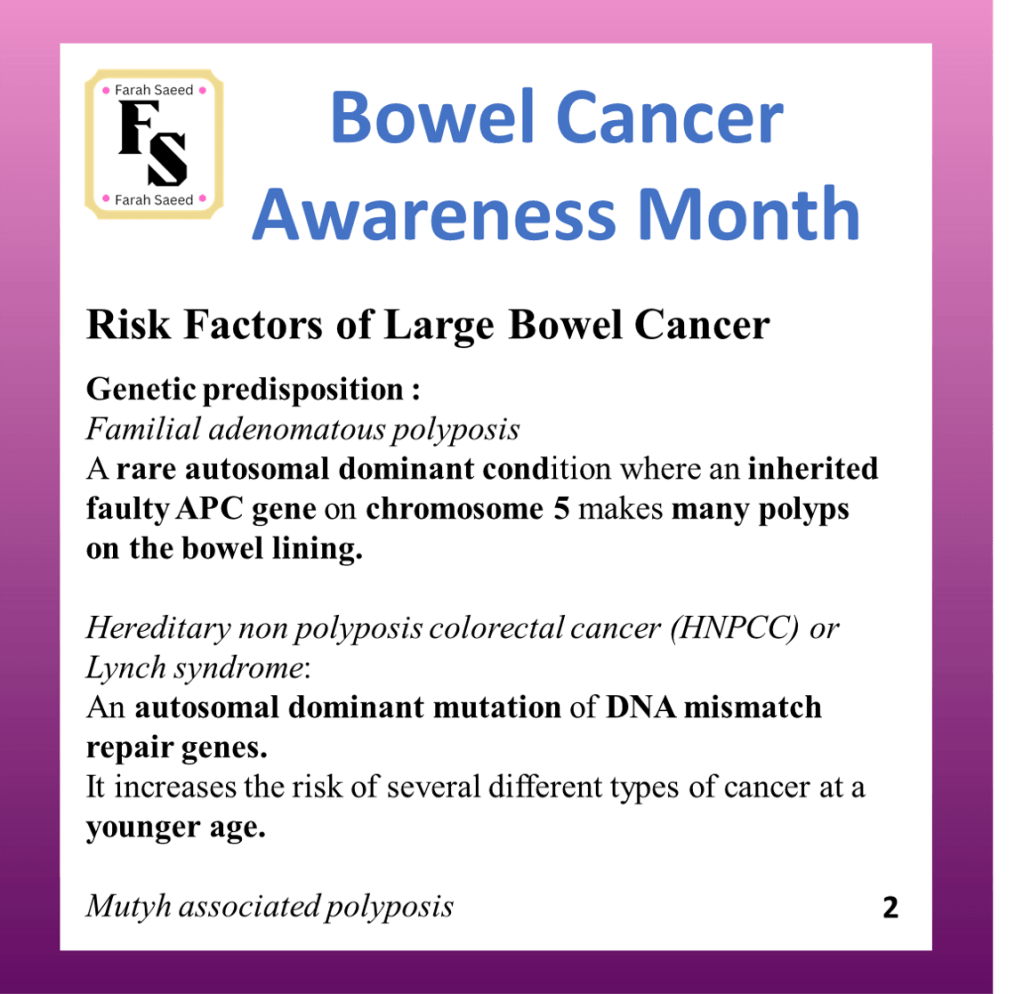
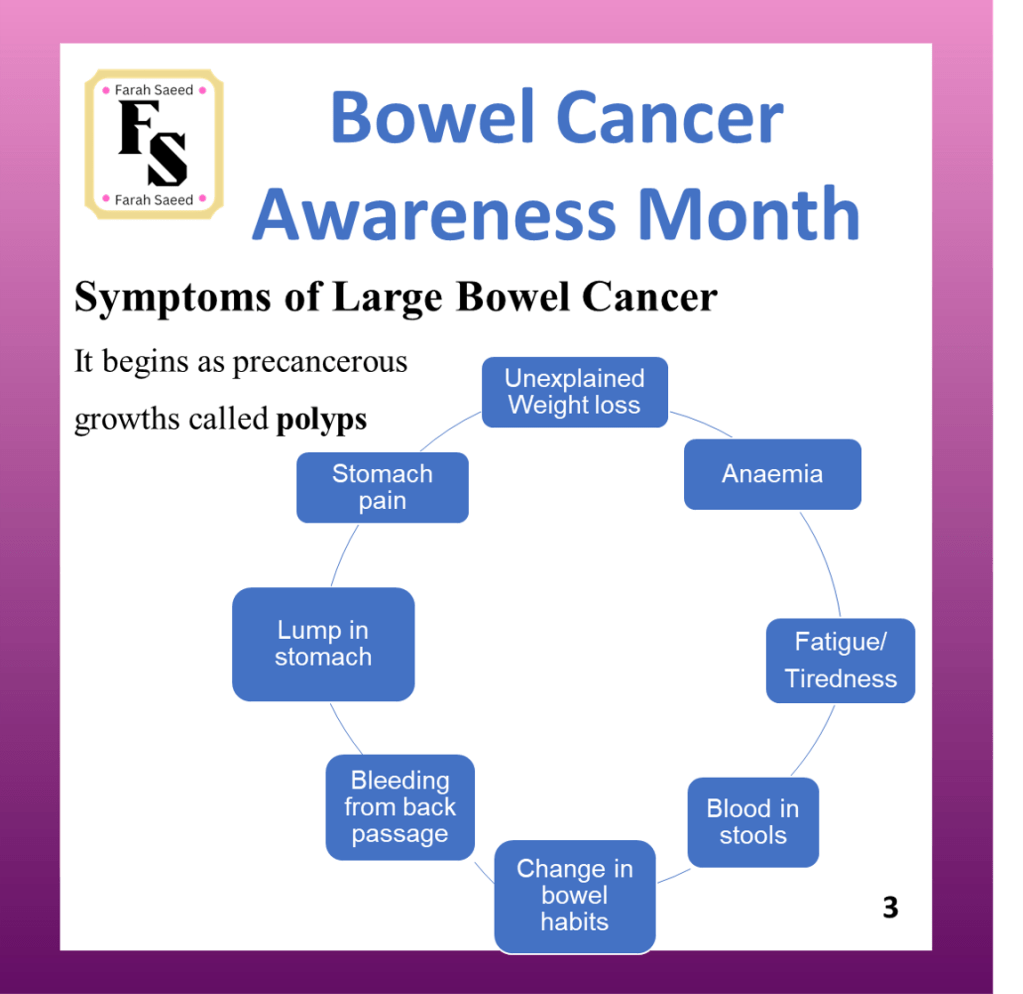
Recap On The Risk Factors and Symptoms Of Colorectal Cancer (large bowel)
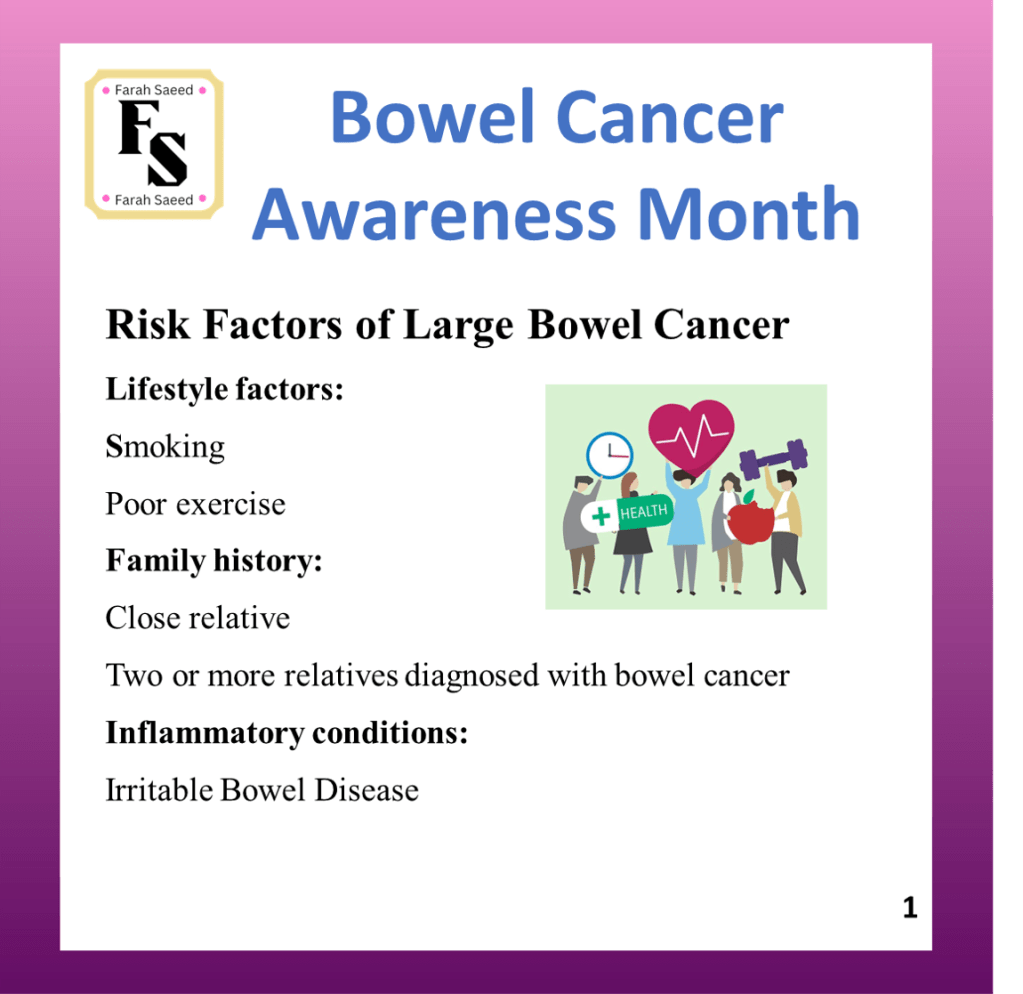
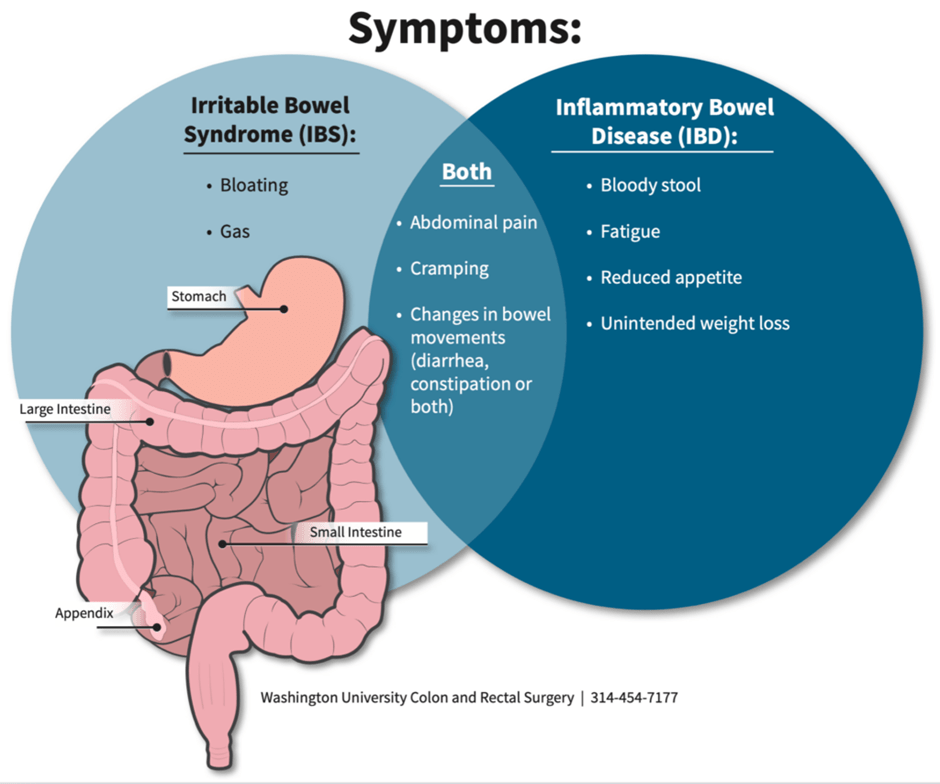
Risk factors of Small Bowel Cancer
Poor diet
A diet rich in red meat or smoked foods, or a high fat diet.
However, fruit, vegetables, coffee, fish and dietary fibre protect against small bowel cancer (Cancer Research UK, 2022; Pedersen, Raghav and Overman, 2019).
Genetic conditions
Most cases of small bowel cancer are sporadic.
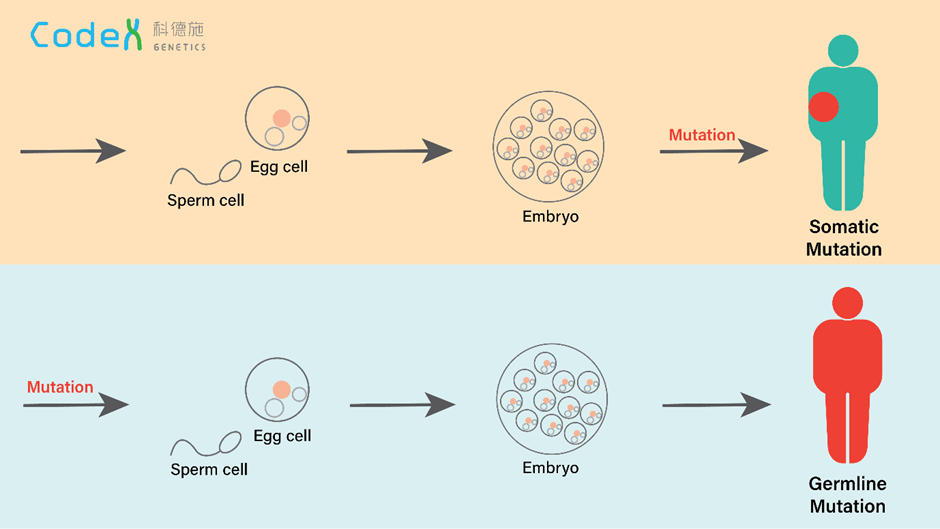
Genetic mutations can increase risk not only to small bowel cancer and colorectal cancer but also endometrial (womb lining), ovaries, gastric (stomach), bile duct (biliary), urinary tract, and skin cancers (Pederson, Raghav and Overman, 2019)
Familial adenomatous polyposis – a rare autosomal dominant condition where an inherited faulty APC gene on chromosome 5 makes many polyps develop on the bowel lining.
Hereditary non polyposis colorectal cancer (HNPCC) or Lynch syndrome: autosomal dominant mutation of DNA mismatch repair genes. It increases the risk of several different types of cancer at a younger age.
Peutz Jeghers syndrome – an inherited condition where benign (non cancerous) polyps form in the bowel (Cancer Research UK, 2022)
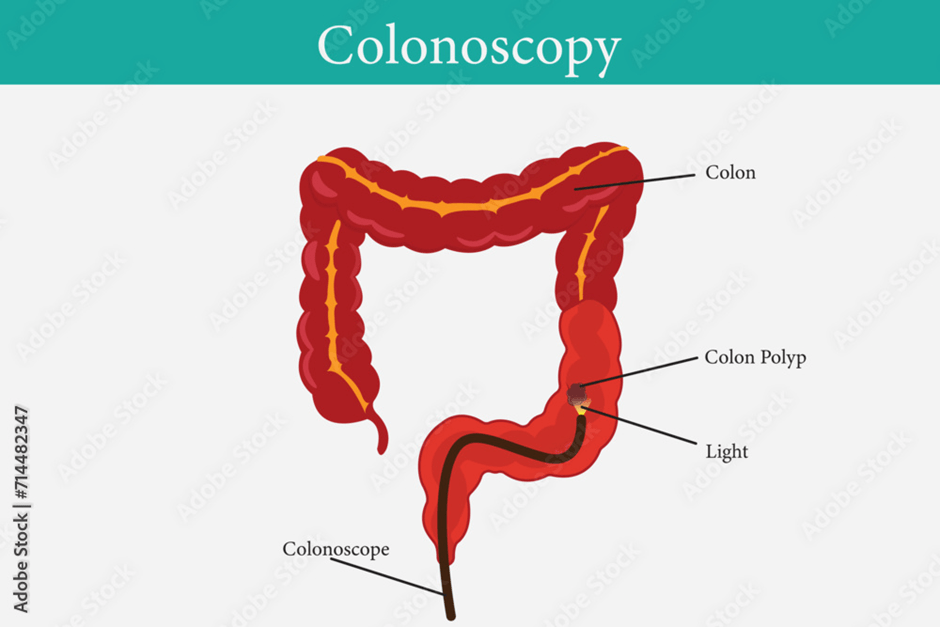
Gastrointestinal disorders
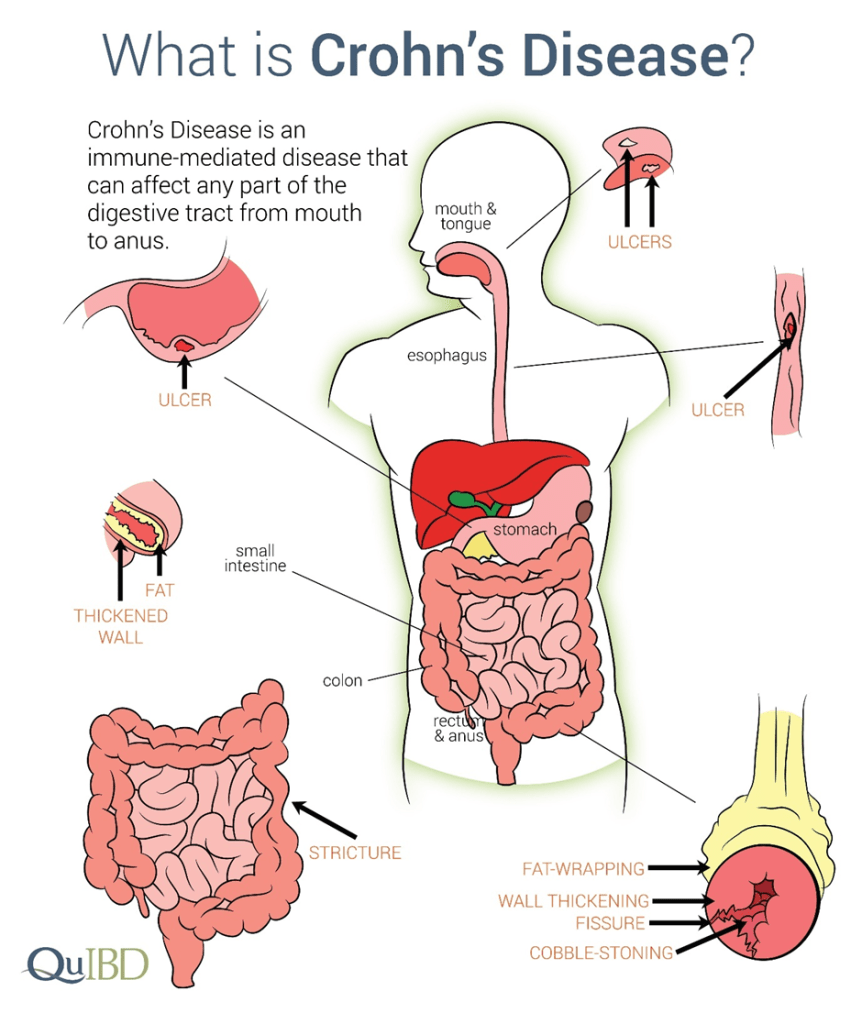
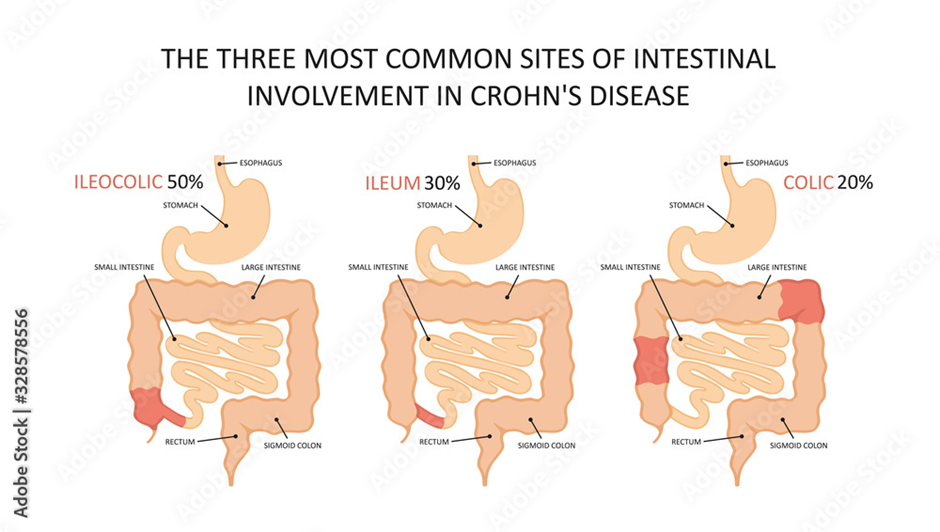
Crohn’s disease – cancers related to Crohn’s disease are usually adenocarcinomas of the ileum. Only 2 out of 100 people with Crohn’s disease (2%) will develop cancer in the small bowel.
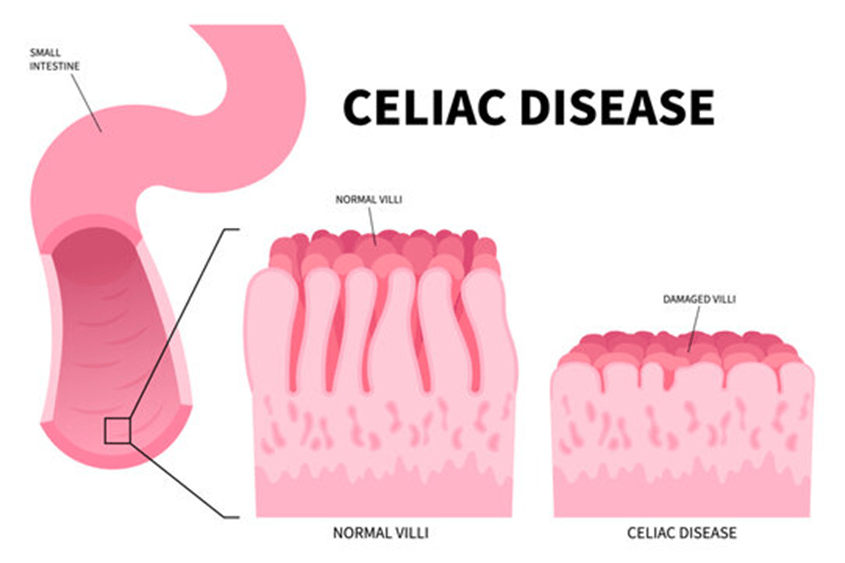
Coeliac disease – It may slightly increase your risk of developing lymphoma or adenocarcinoma of the small bowel. Adhering to a gluten free diet reduces the risk (Cancer Research UK, 2022).
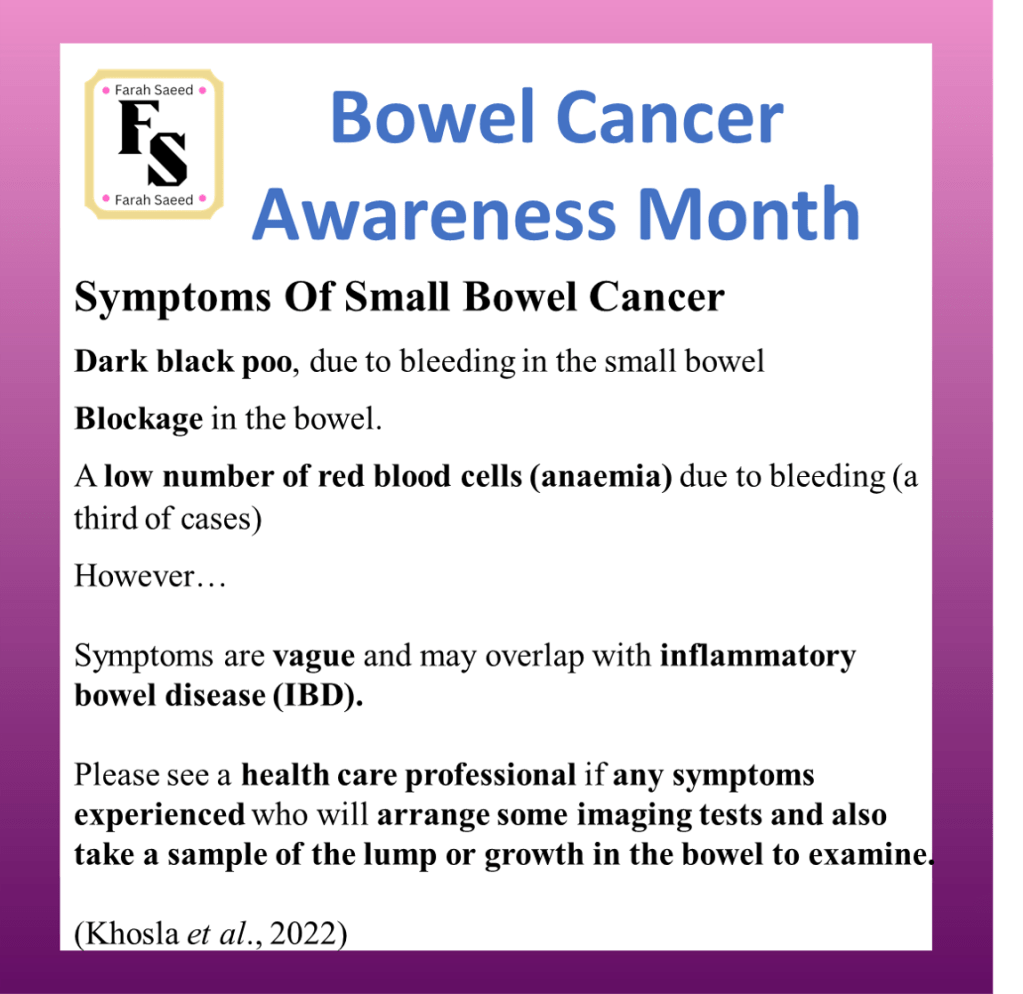
Symptoms Of Small Bowel Cancer
References
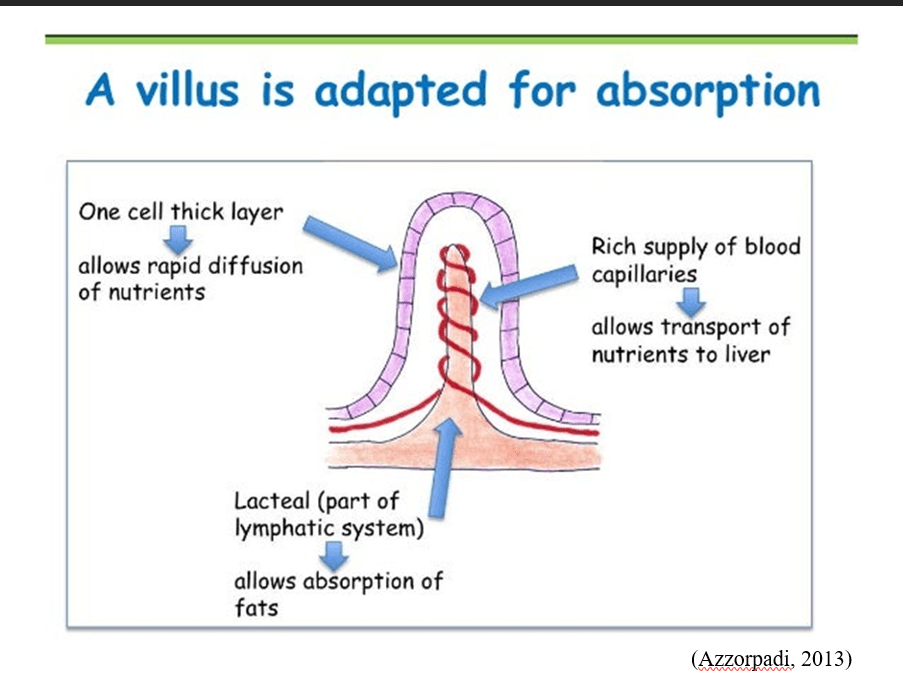
Azzopardi, M. (2013) Digestion. Available at: https://www.slideshare.net/slideshow/digestion-29026783/29026783 (Accessed: 17th June 2025)
Cancer Research UK (2022) What is small bowel cancer? https://www.cancerresearchuk.org/about-cancer/small-bowel-cancer/about (Accessed: 8th April 2025)
Chang, S.Y., Song, J.H., Guleng, B., Cotoner, C.A., Arihiro, S., Zhao, Y., Chiang, H.S., O’Keeffe, M., Liao, G., Karp, C.L., Kweon, M.N., Sharpe, A.H., Bhan, A., Terhorst, C. and Reinecker, H.C (2013). Circulatory Antigen Processing by Mucosal Dendritic Cells Controls CD8+ T Cell Activation. Immunity, 38(1), pp.153–165. doi:https://doi.org/10.1016/j.immuni.2012.09.018.
Khosla, D., Dey, T., Madan, R., Gupta, R., Goyal, S., Kumar, N. and Kapoor, R. (2022). Small bowel adenocarcinoma: An overview. World Journal of Gastrointestinal Oncology, [online] 14(2), pp.413–422. doi:https://doi.org/10.4251/wjgo.v14.i2.413. https://pmc.ncbi.nlm.nih.gov/articles/PMC8918997/
Pedersen, K.S., Raghav, K. and Overman, M.J. (2019). Small Bowel Adenocarcinoma: Etiology, Presentation, and Molecular Alterations. Journal of the National Comprehensive Cancer Network, 17(9), pp.1135–1141. doi:https://doi.org/10.6004/jnccn.2019.7344.
Sanders, L.M., Henderson, C.E., Hong, M.Y., Rola Barhoumi, Burghardt, R.C., Carroll, R.J., Turner, N.D., Chapkin, R.S. and Lupton, J.R. (2004). Pro-oxidant environment of the colon compared to the small intestine may contribute to greater cancer susceptibility. Cancer Letters, 208(2), pp.155–161. doi:https://doi.org/10.1016/j.canlet.2003.12.007.
Useful resources and further reading
Cancer Research UK (2022) Small Bowel Cancer Available at: https://www.cancerresearchuk.org/about-cancer/small-bowel-cancer (Accessed: 17th June 2025)
Cancer Research UK (2024) Grades and types of bowel cancer Available at: https://www.cancerresearchuk.org/about-cancer/bowel-cancer/stages-types-and-grades/grades-and-types (Accessed: 17th June 2025)
Updated June 2025 Next Review June 2027
 The Farah Saeed Project