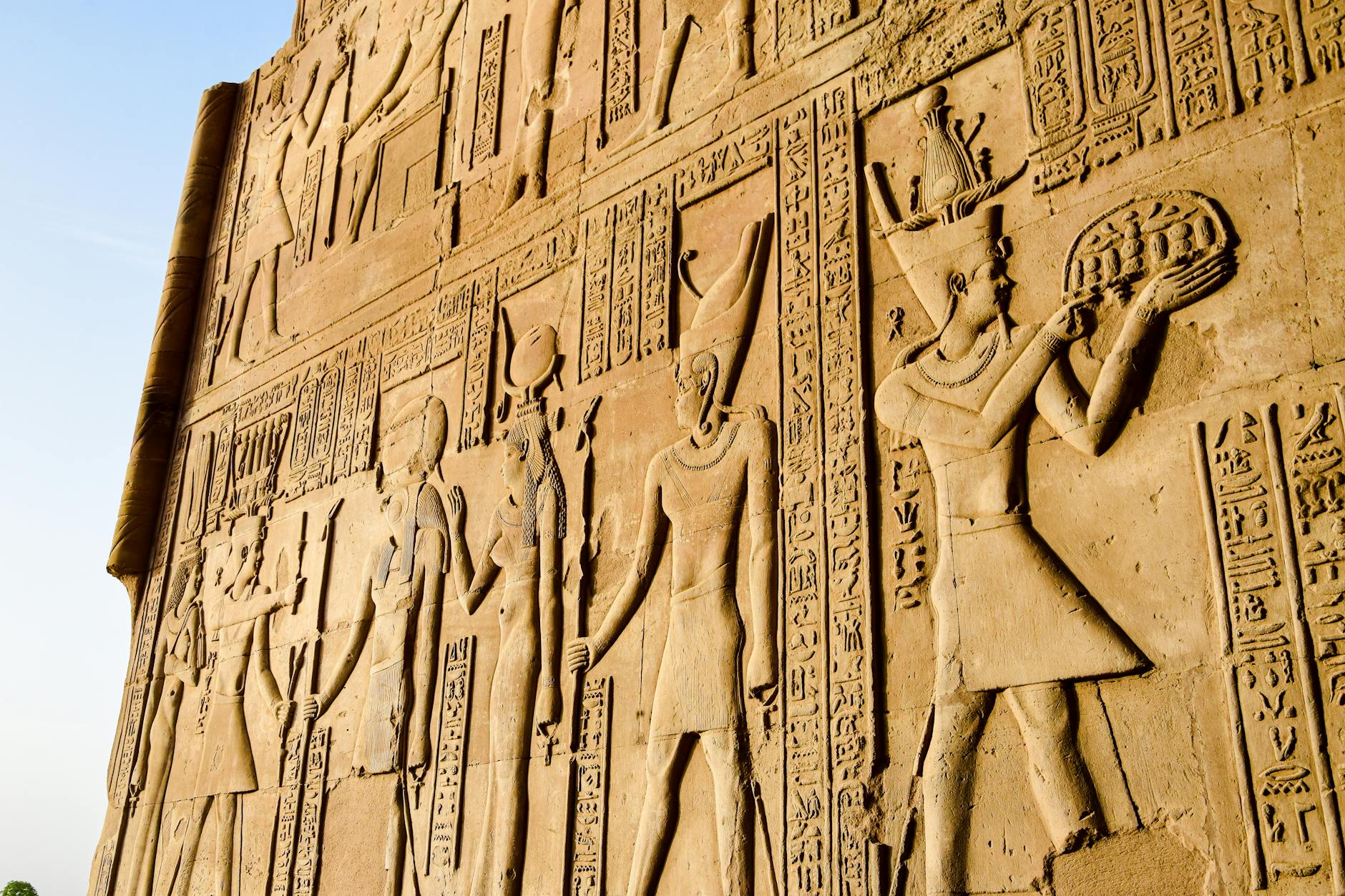
Clothing in both ancient and modern Egypt has served as a powerful symbol of cultural identity, reflecting regional traditions, social status, beliefs, and environmental conditions. Today, the aim is to provide an insight into how Egyptians dress, from antiquity to the present. It is deeply intertwined with the nation’s cultural and religious values, and its evolution demonstrates how clothing can both preserve tradition and adapt to shifting historical influences. Archaeological evidence further suggests that Ancient Egyptian garments were impacted by factors such as social status, power, values, spiritual devotion, and cosmological beliefs.
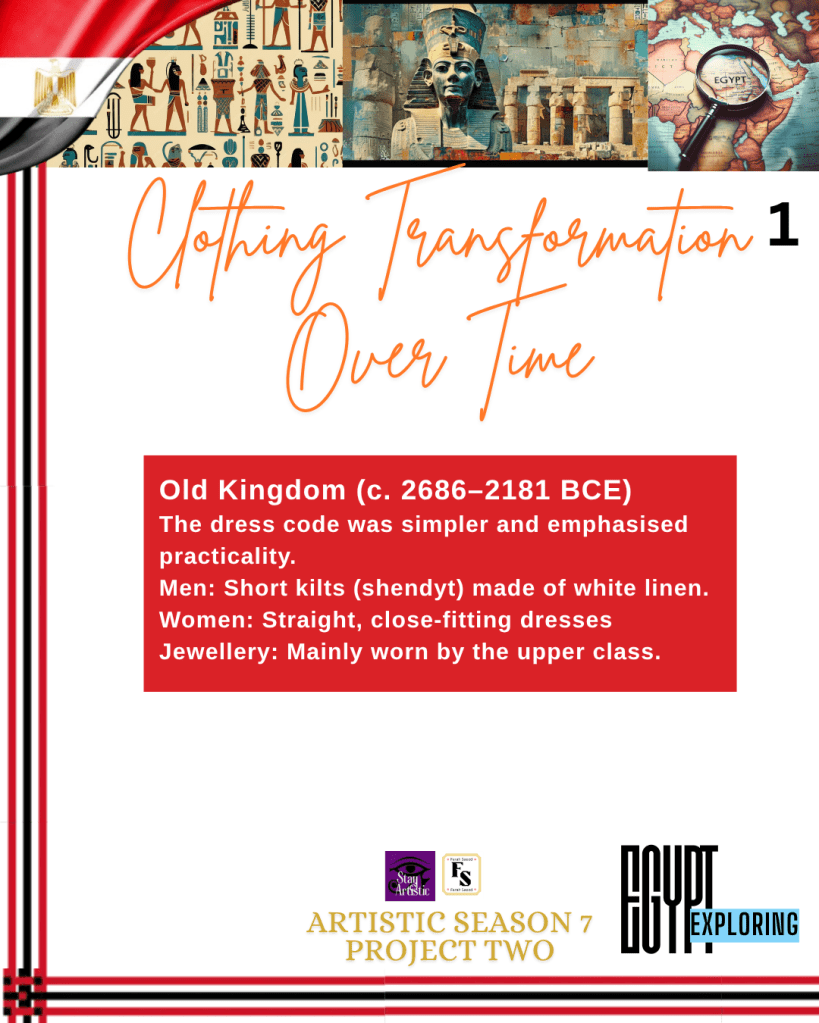
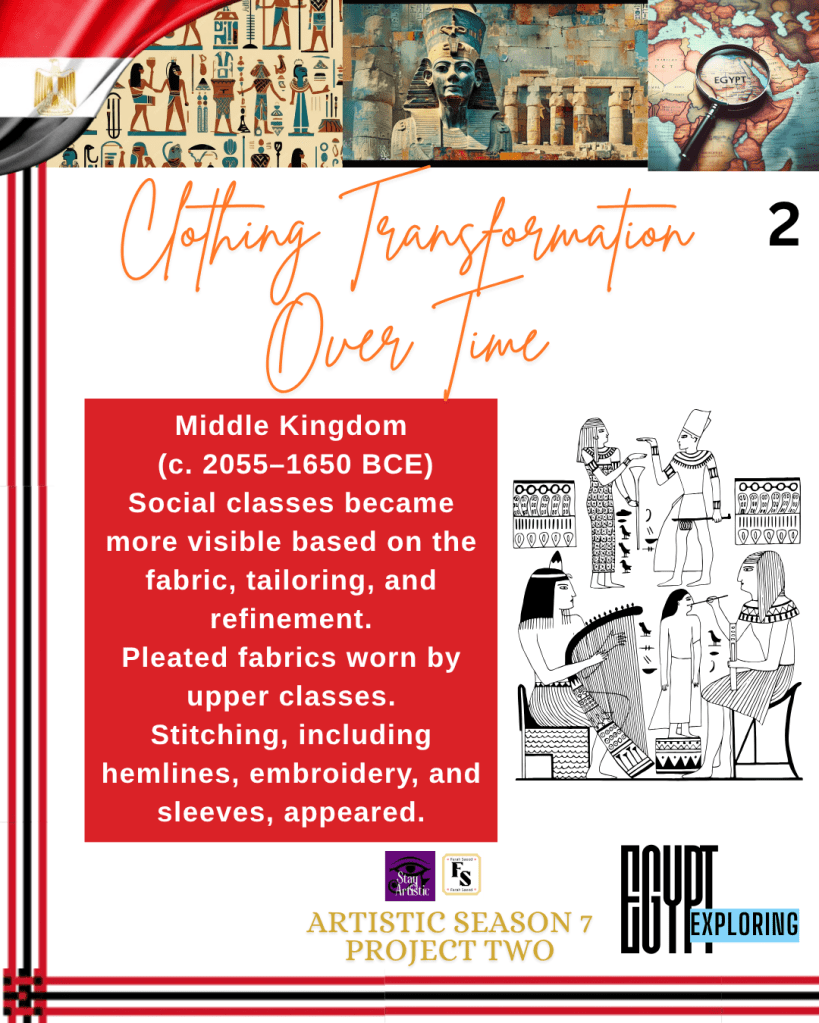
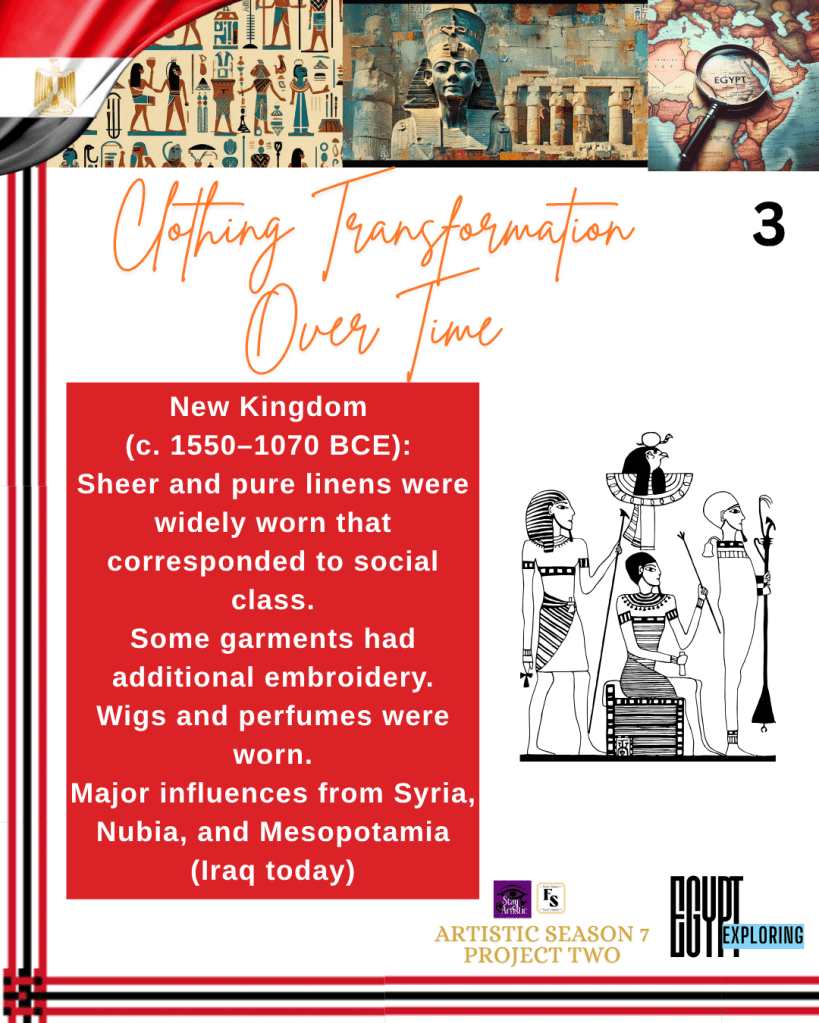
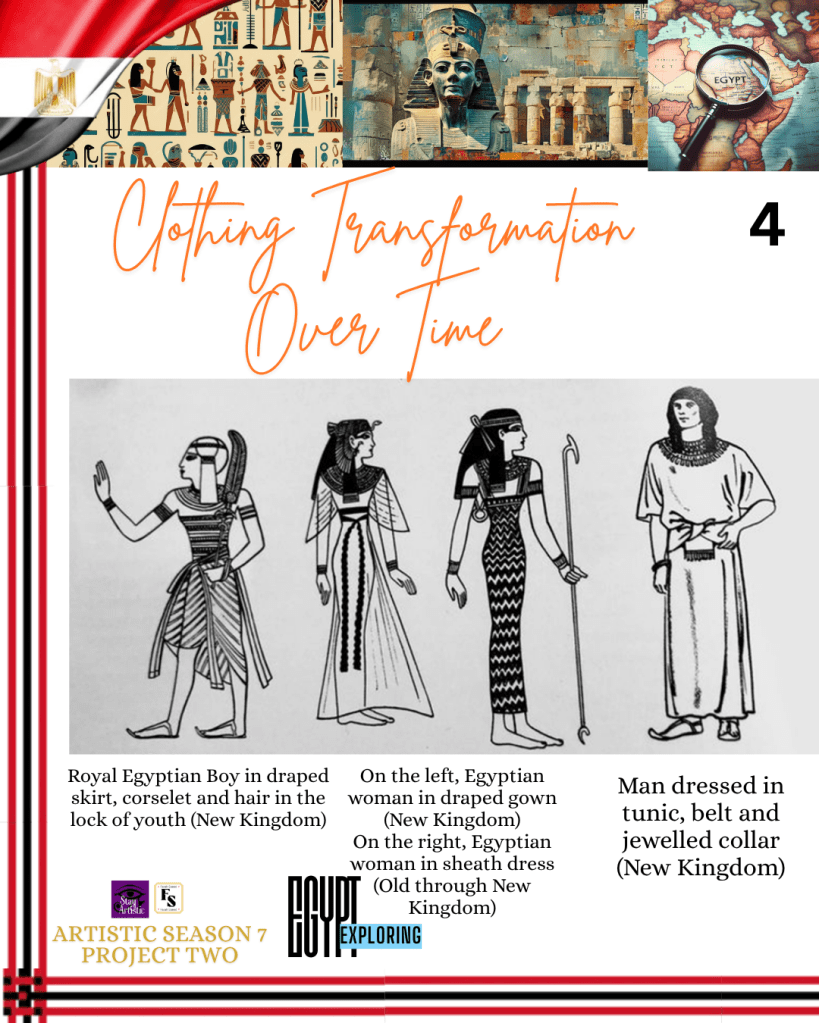
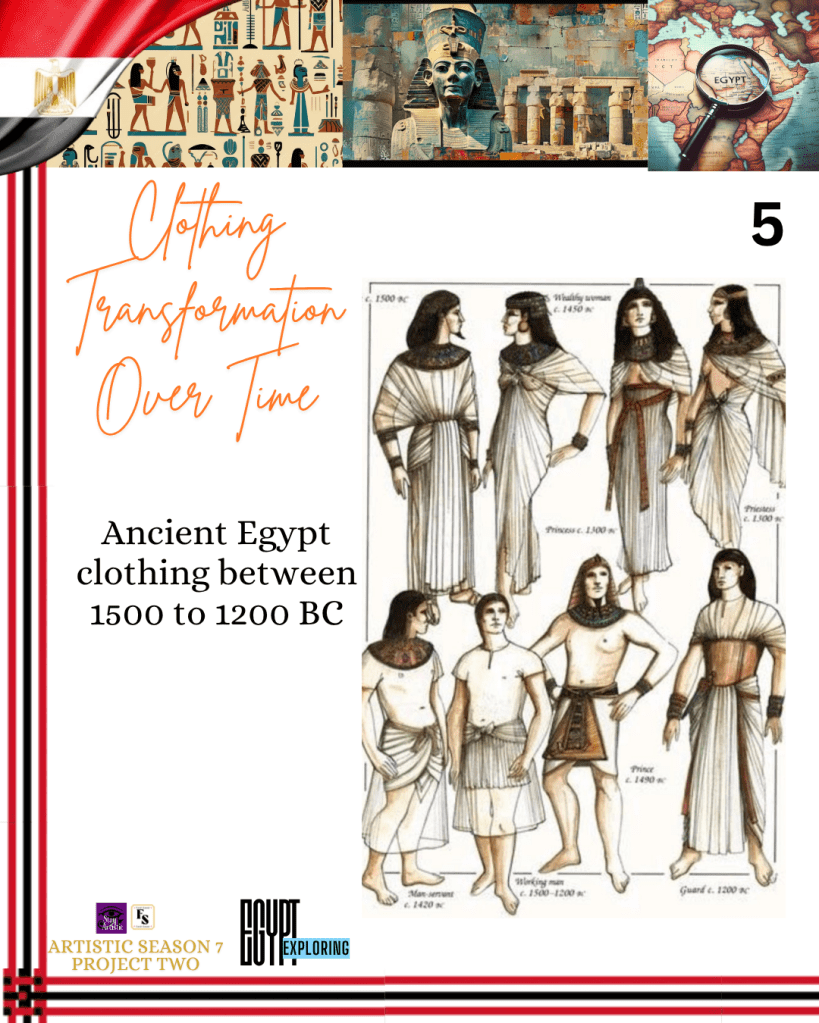
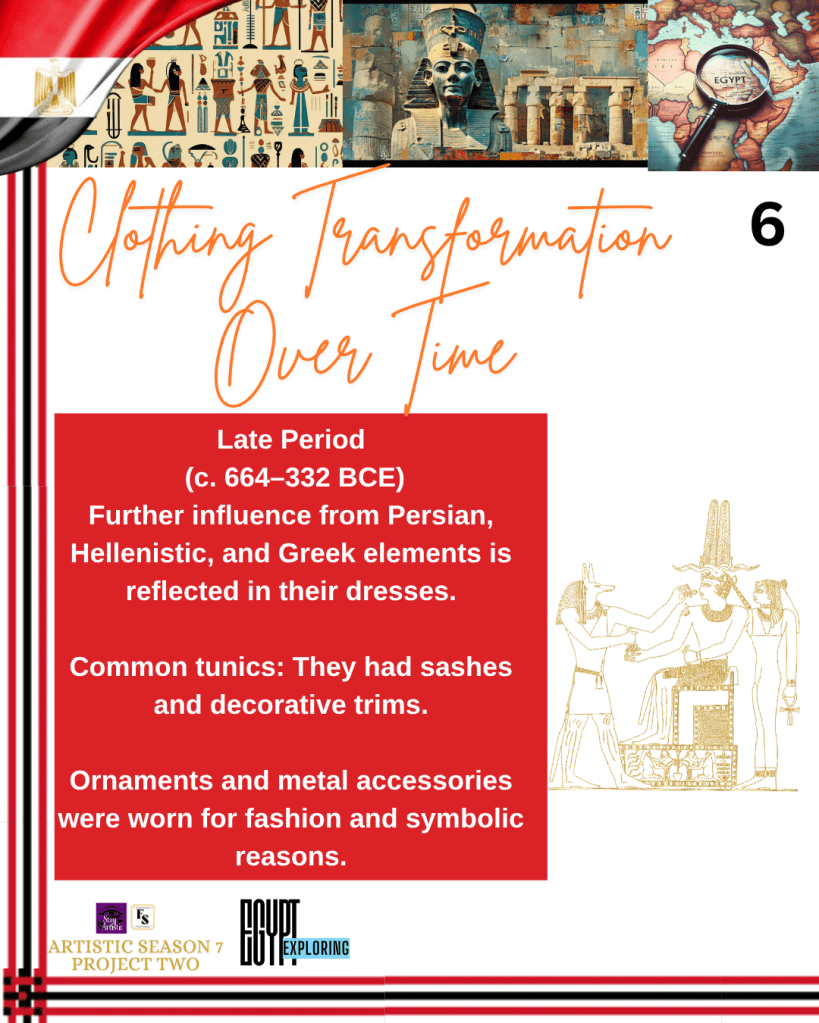
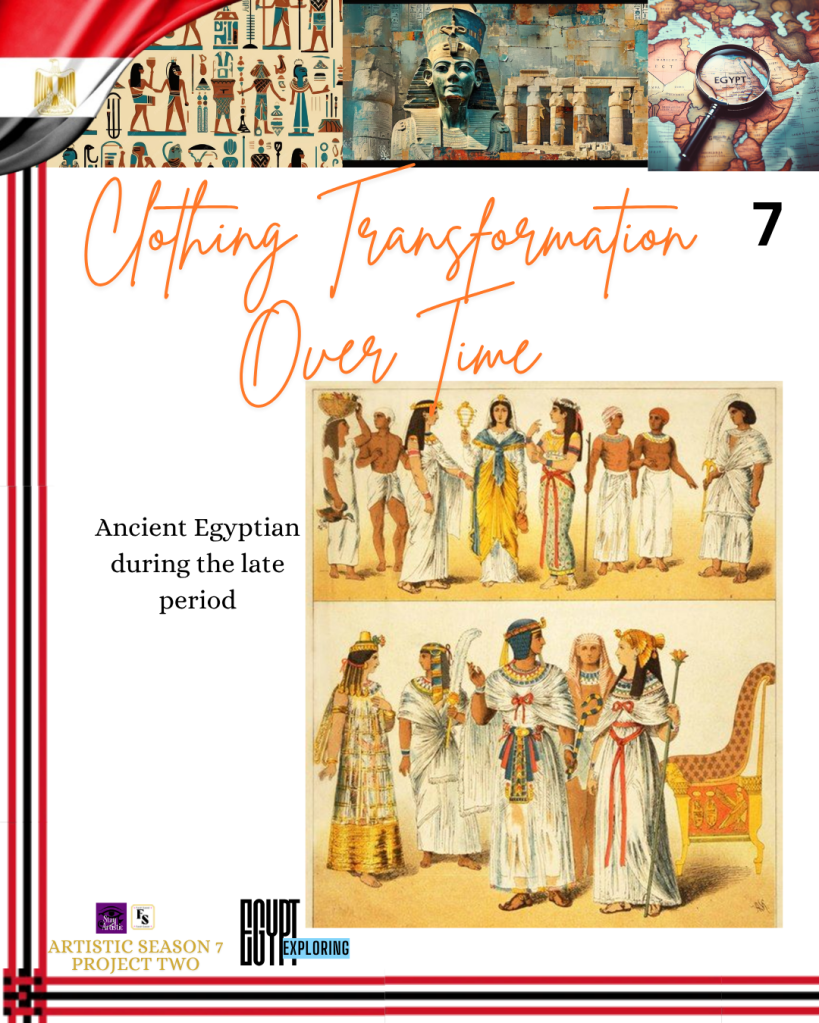
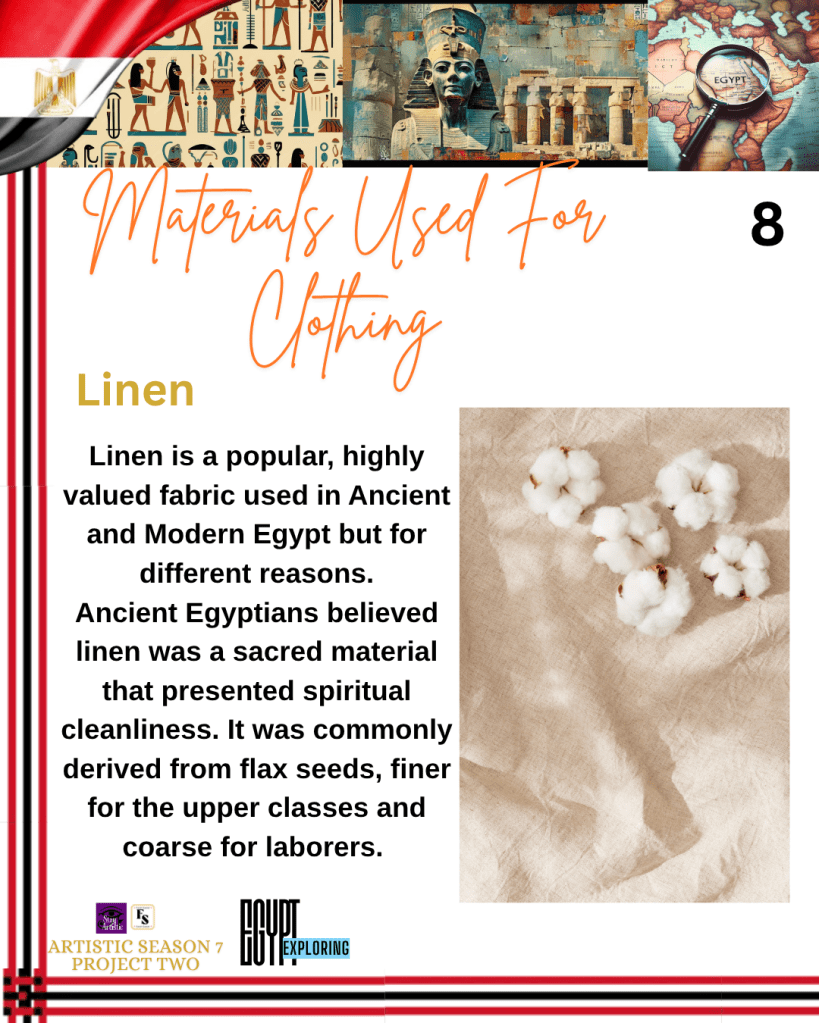
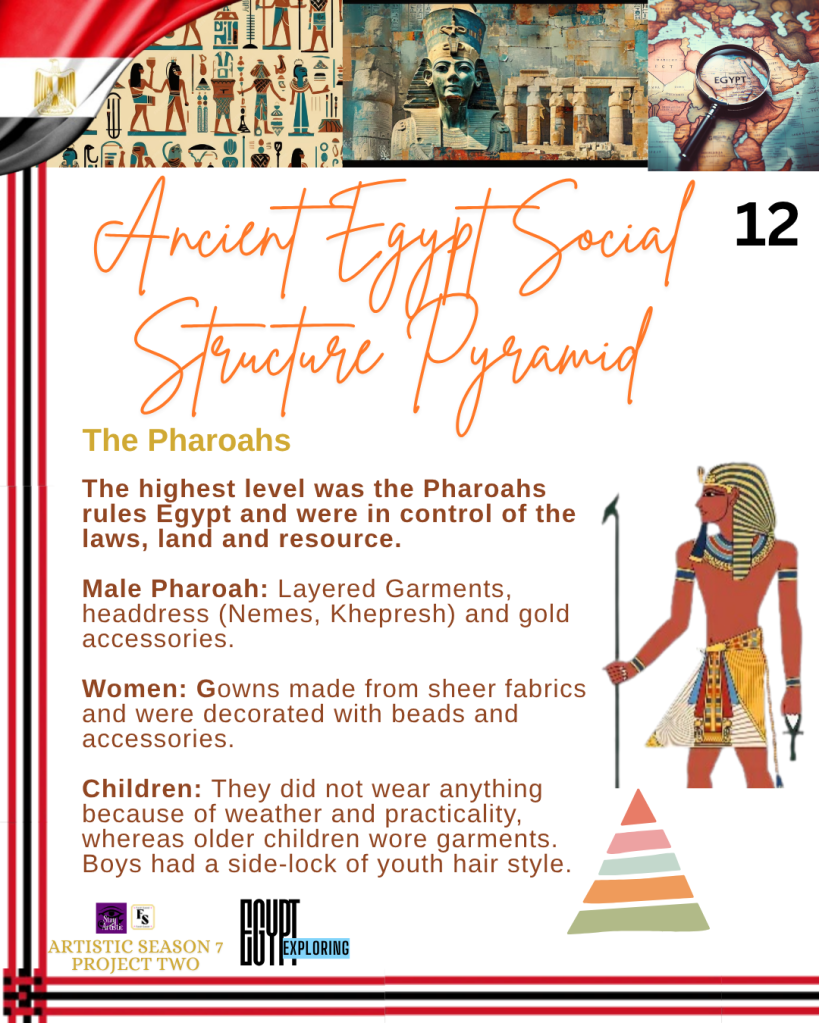
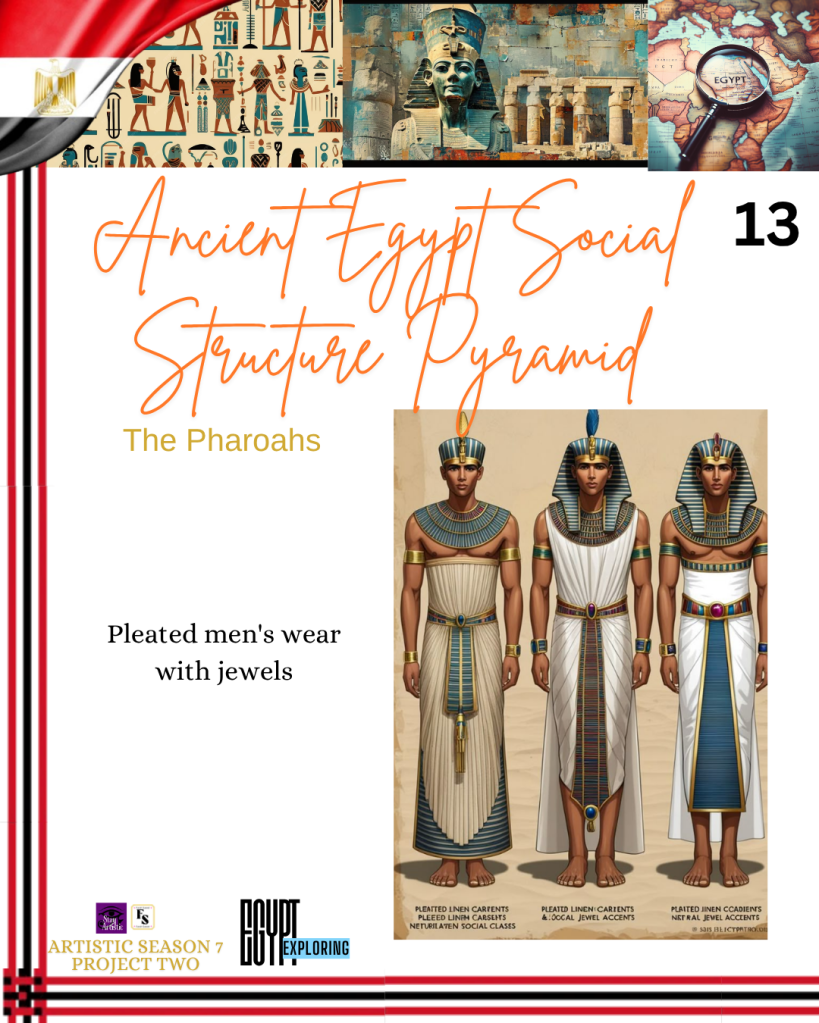
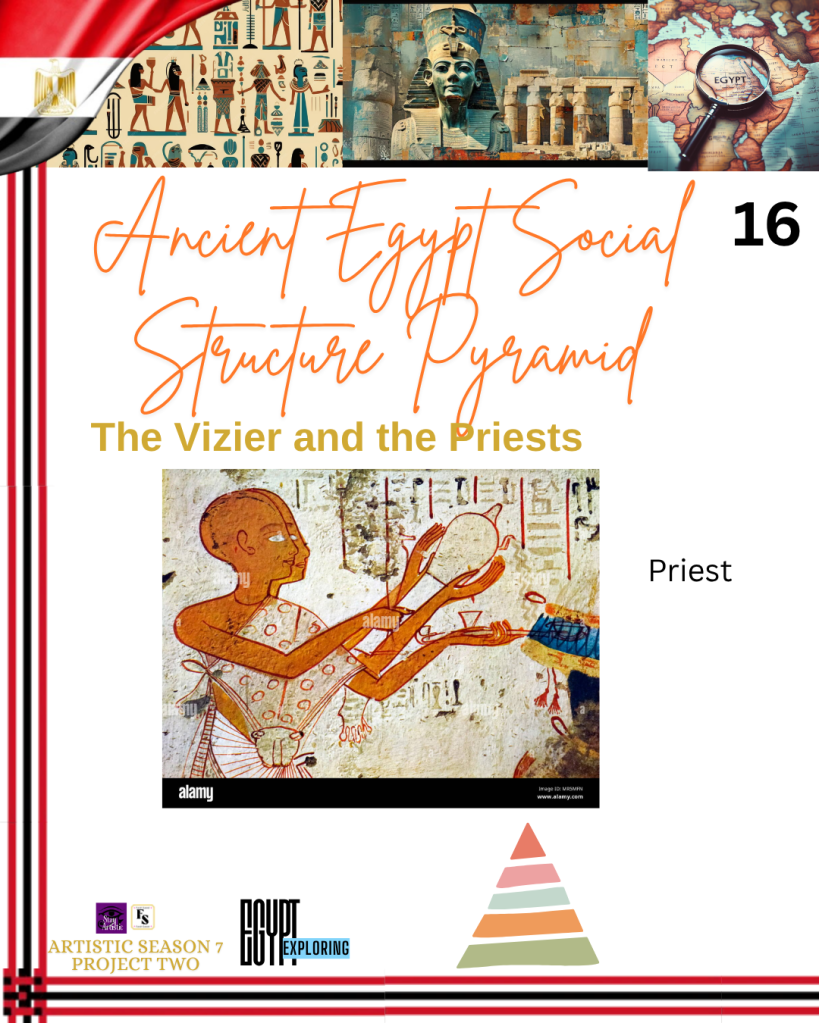
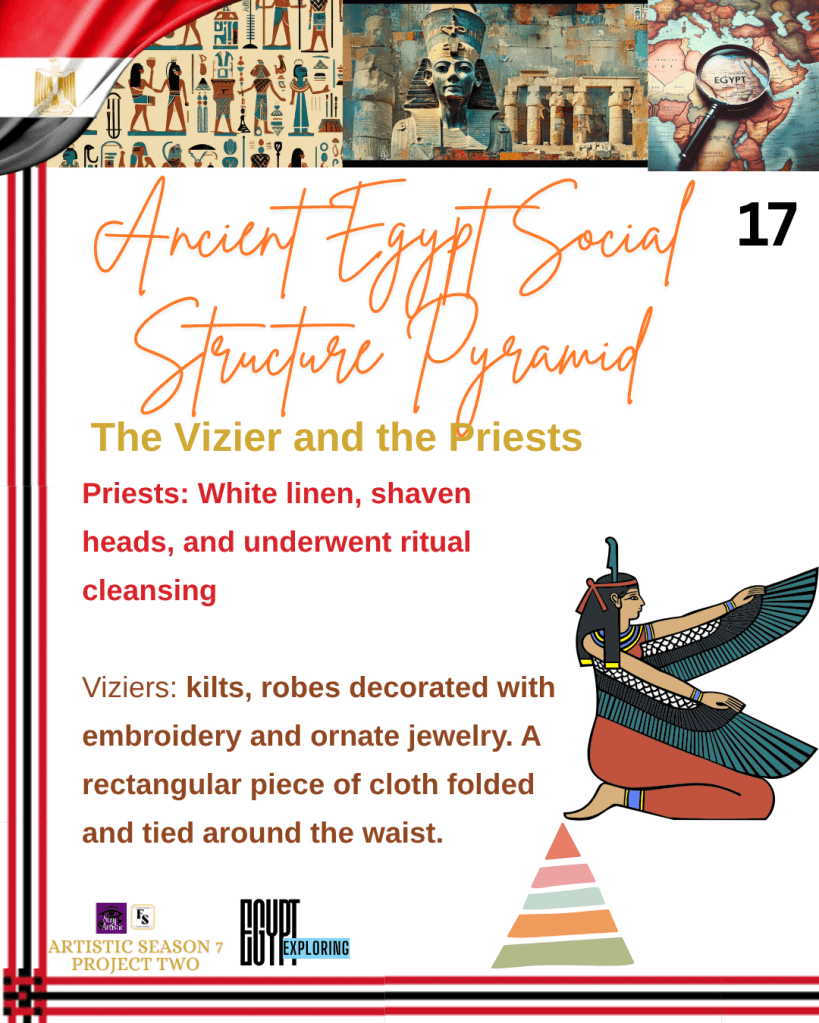
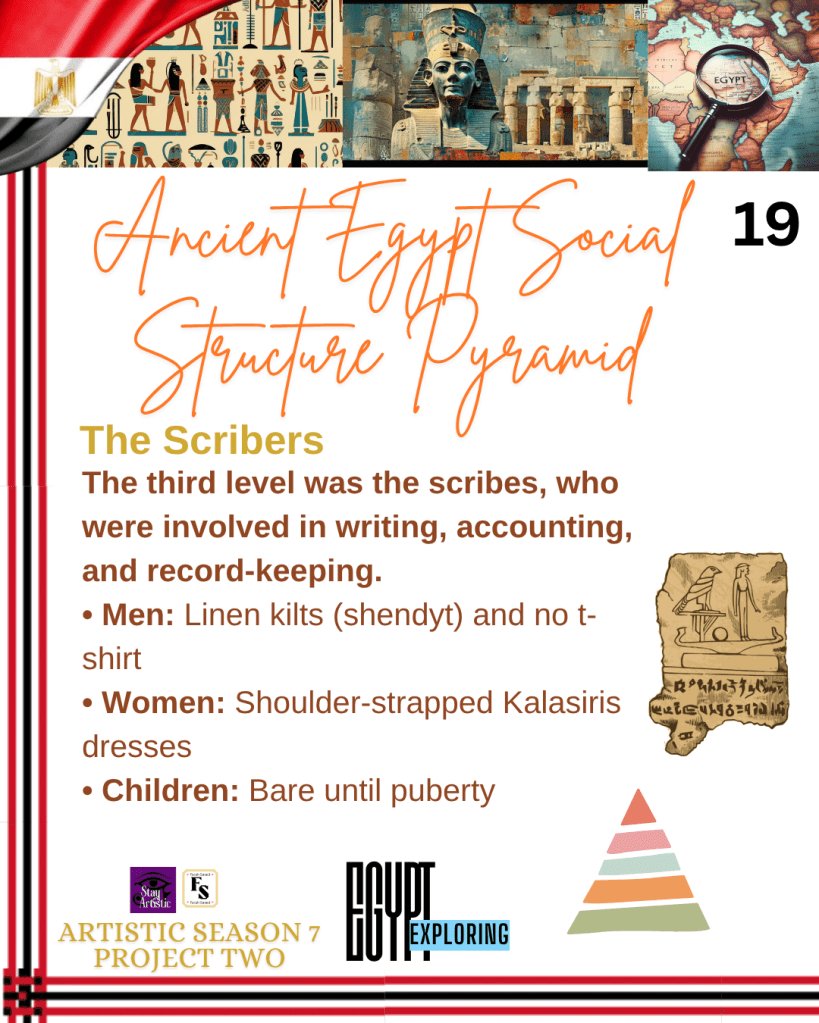
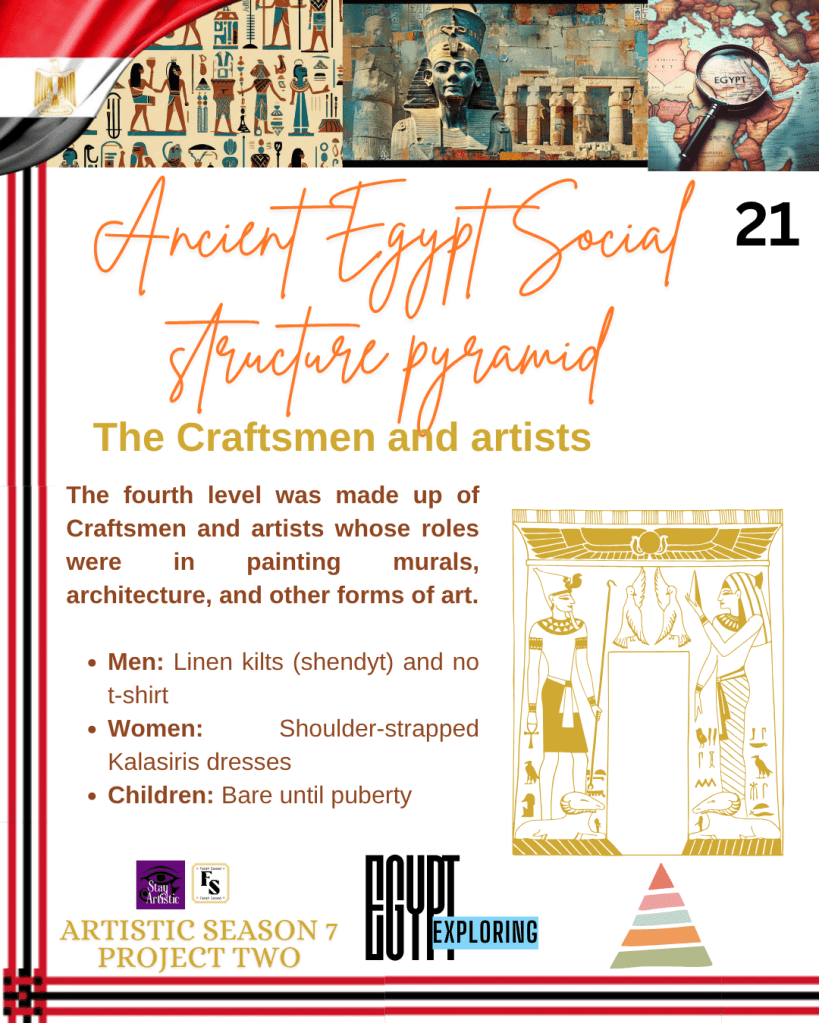
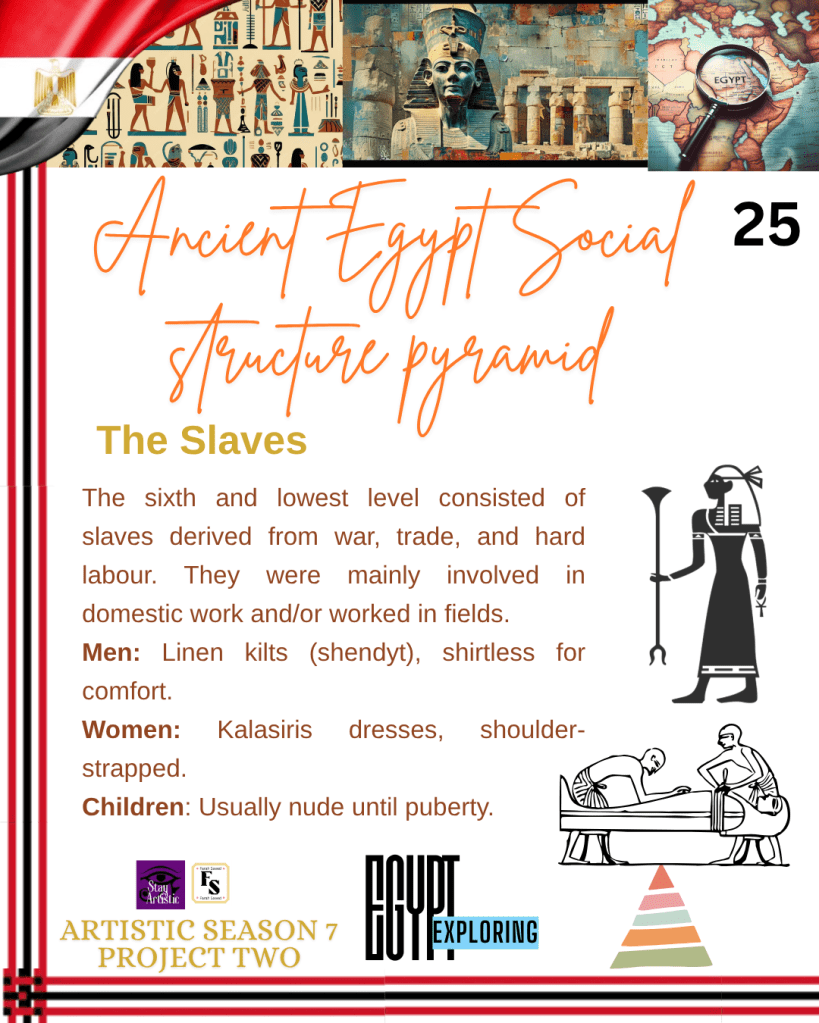
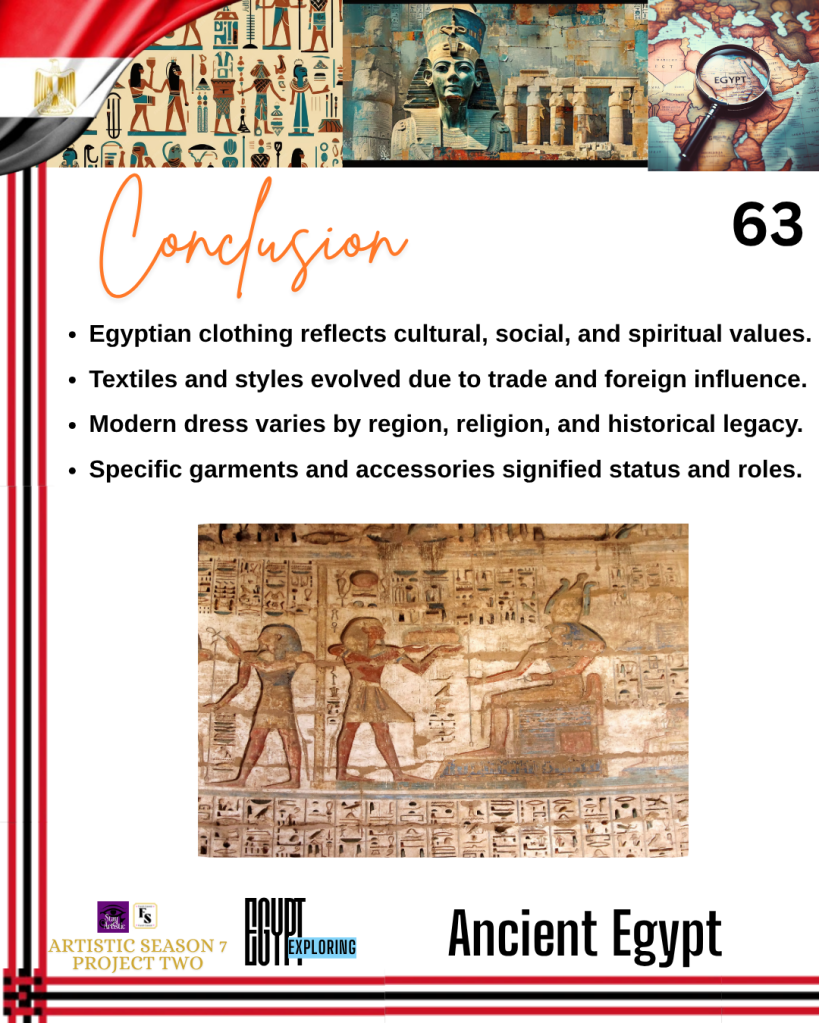
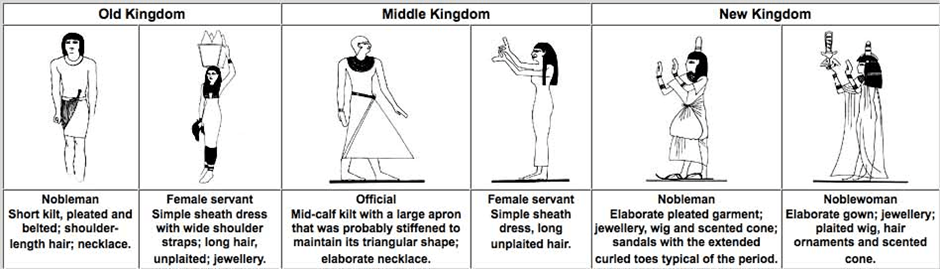
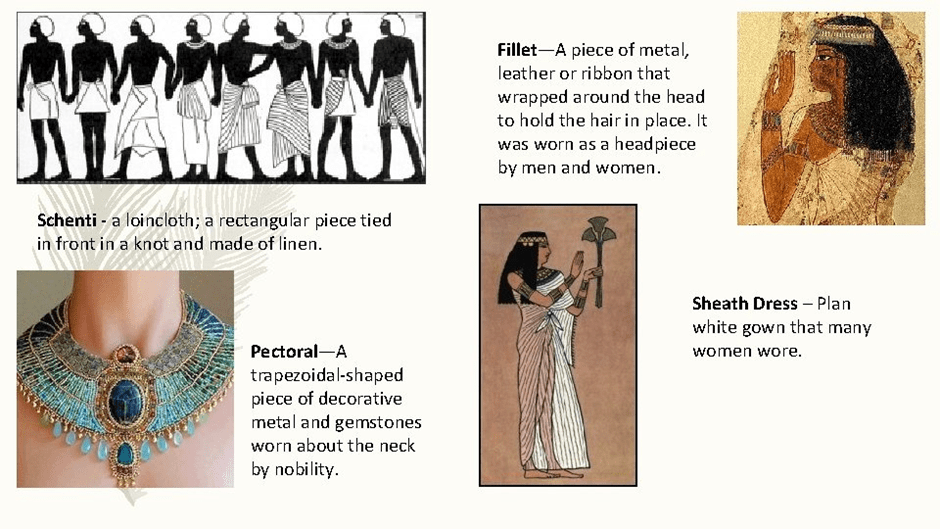
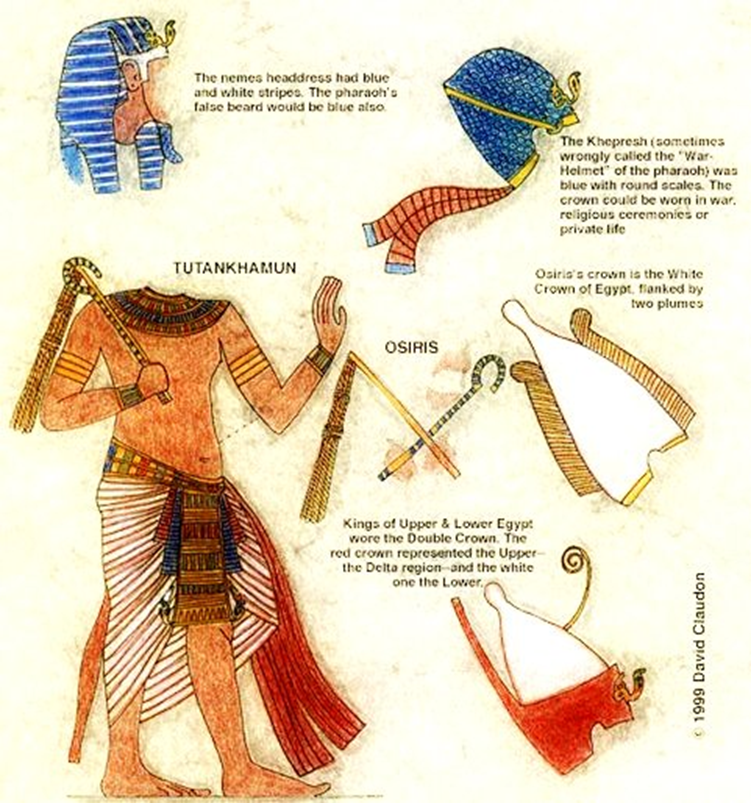
The linen robes, folds, and decorated textiles indicate the style and craftsmanship that have emerged and evolved across millennia. For example, the simple sheath dress, known as the kalasiris, was popular among women in Ancient Egypt, often embellished with beaded straps and elaborate pleating. Men traditionally wore the shendyt, a type of kilt, which, over time, incorporated decorative belts and colored borders. Through the linen trade and the exchange of fabrics as diplomatic gifts, new materials and designs were introduced into Egyptian clothing. After the conquest by Alexander the Great and later Roman occupation, foreign influences led to noticeable changes in fashion: Greek chitons and himations inspired looser garments and draped styles, while Persian influence introduced trousers and decorative embroidery. The Romans brought heavier fabrics and tunics, which gradually became integrated into Egyptian wardrobes, particularly among the elite. These external elements blended with native traditions, resulting in hybrid garments that reflected both Egyptian heritage and the cultural shifts brought by foreign powers.
Ma’at was the Ancient Egyptian’s central cosmological belief and goddess that connotes paired contrasting emotions: peace and war, truth and falsehood, balance between order and chaos, life and death, and justice within society. With the rise of Ma’at, the Ancient Egyptians believed the universe would function appropriately. Imbalance would lead to Isfet, which personified chaos.
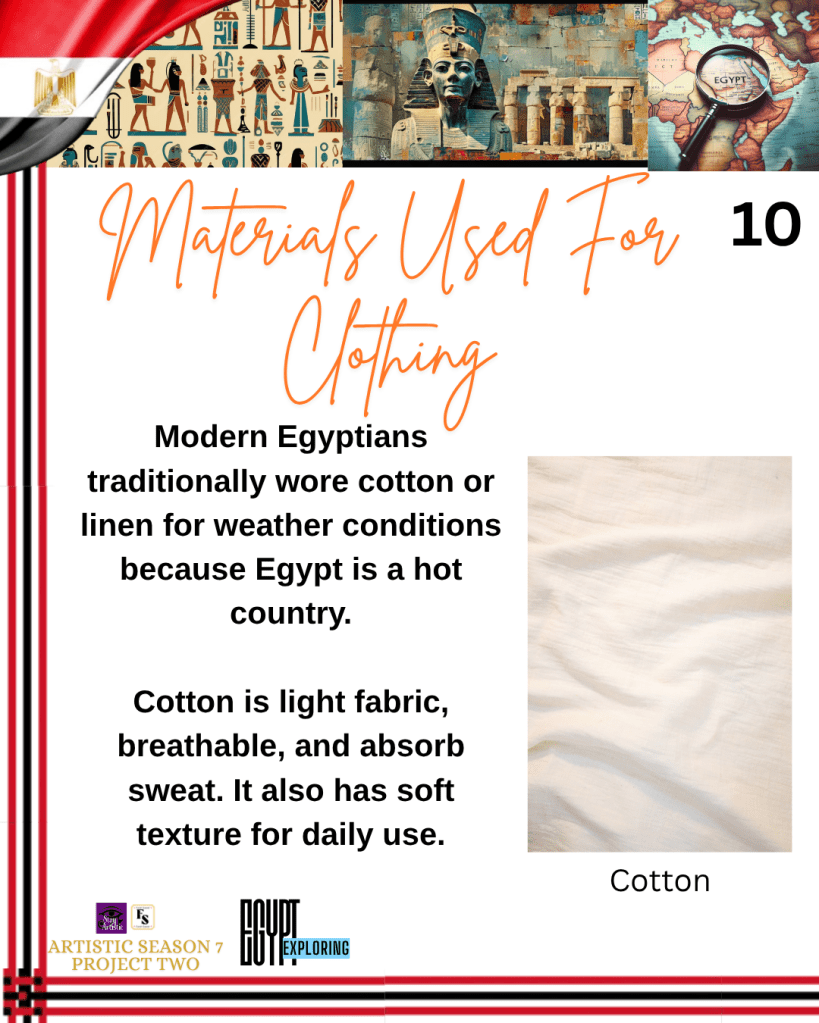
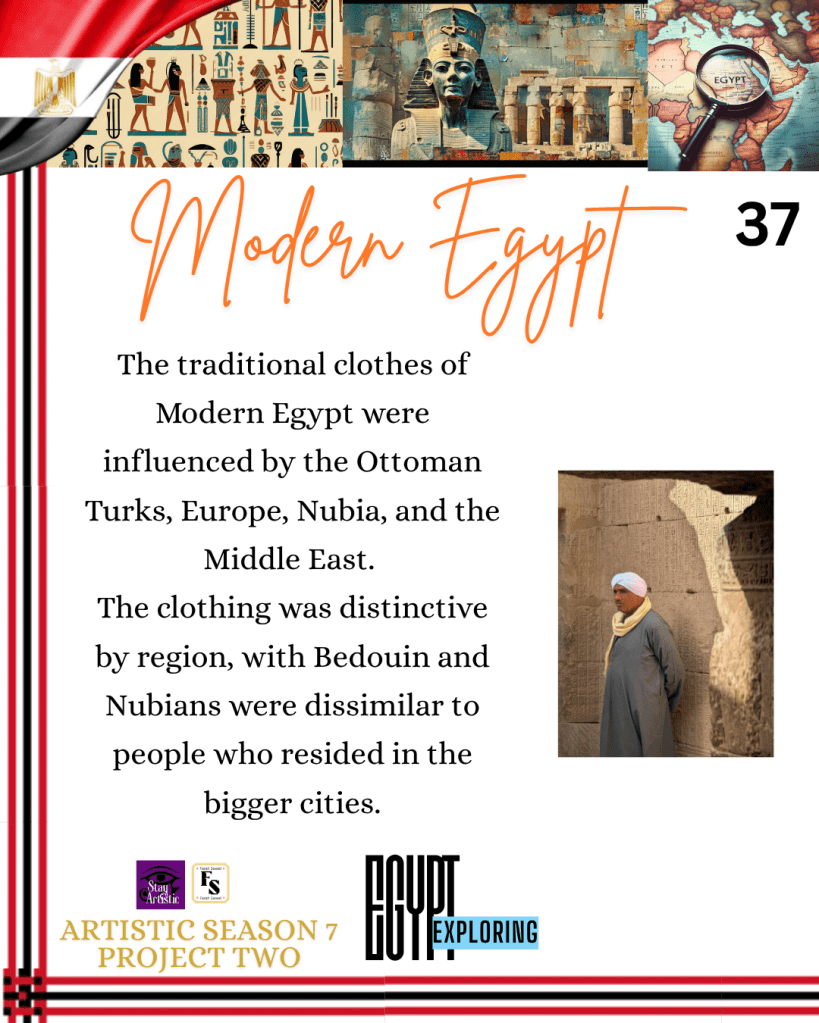
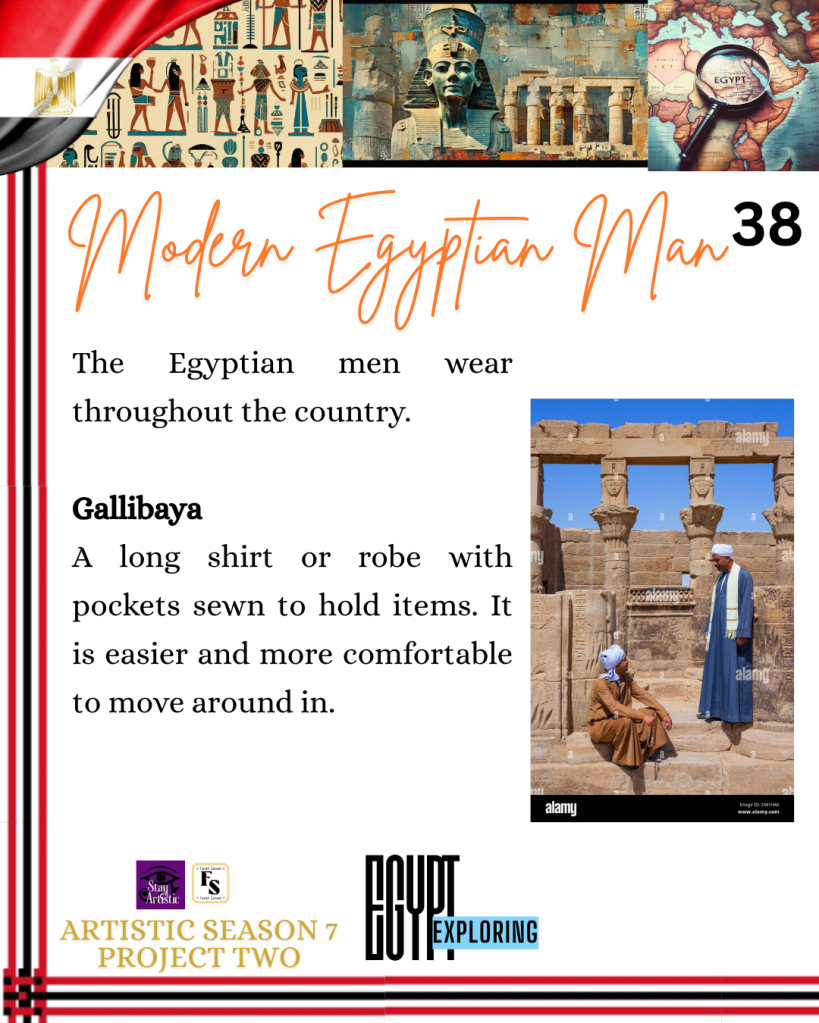
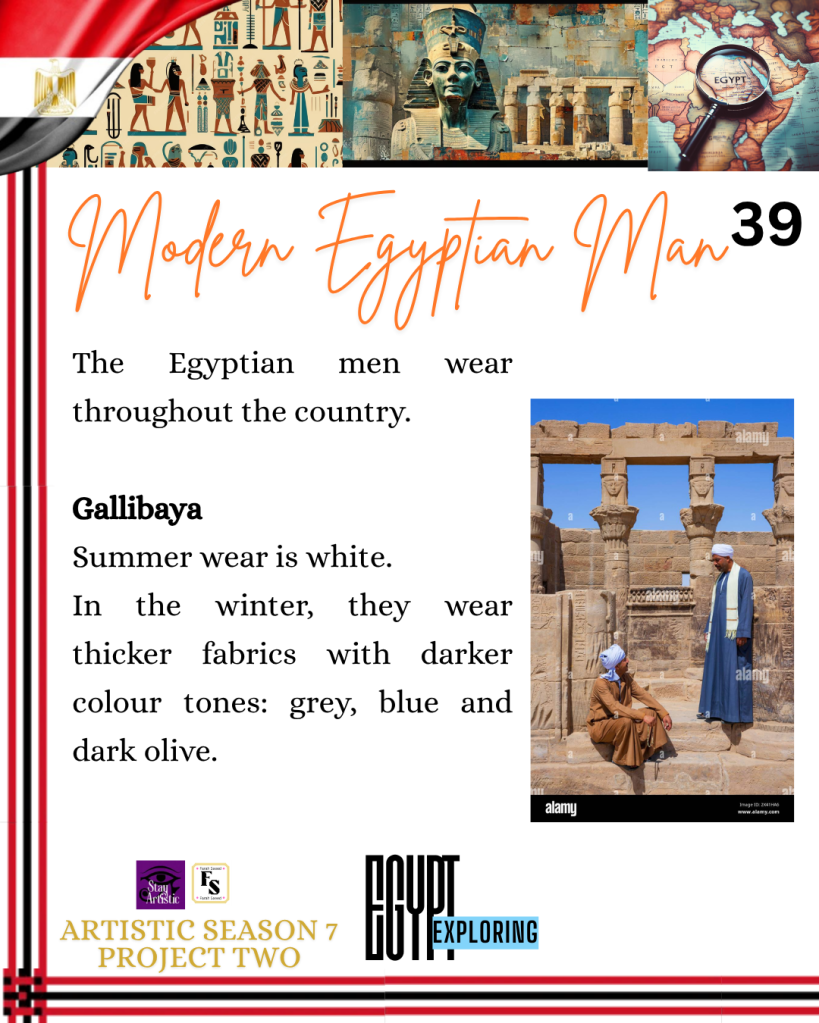
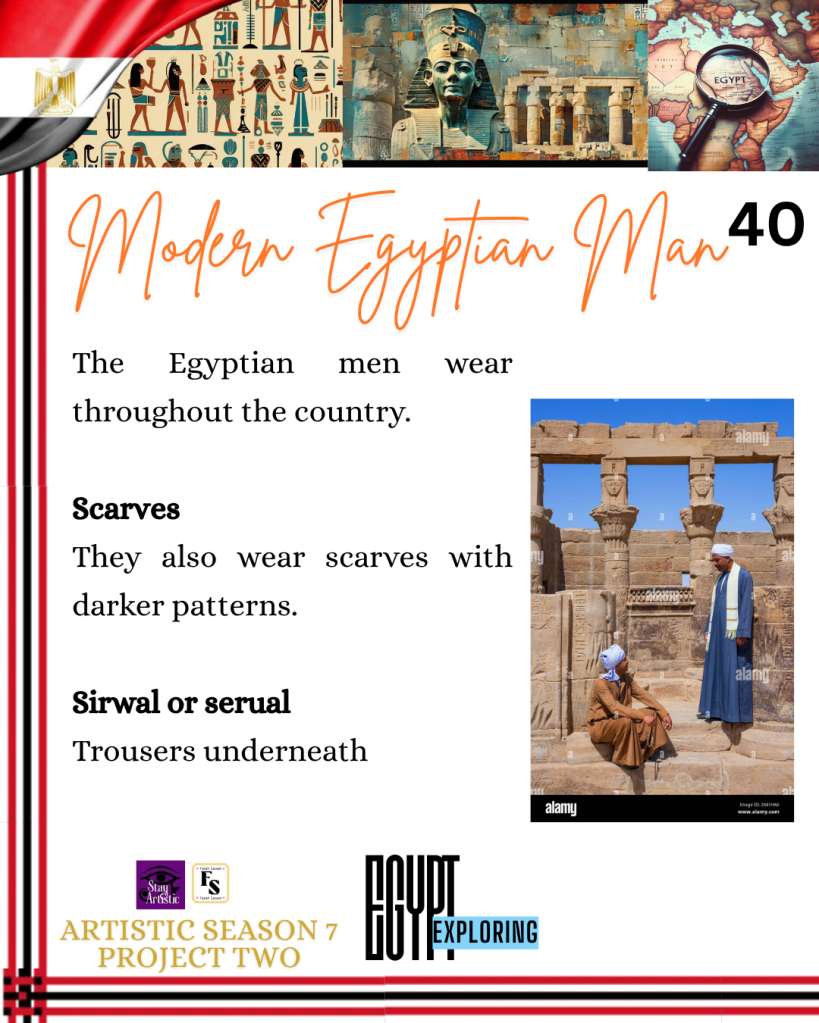
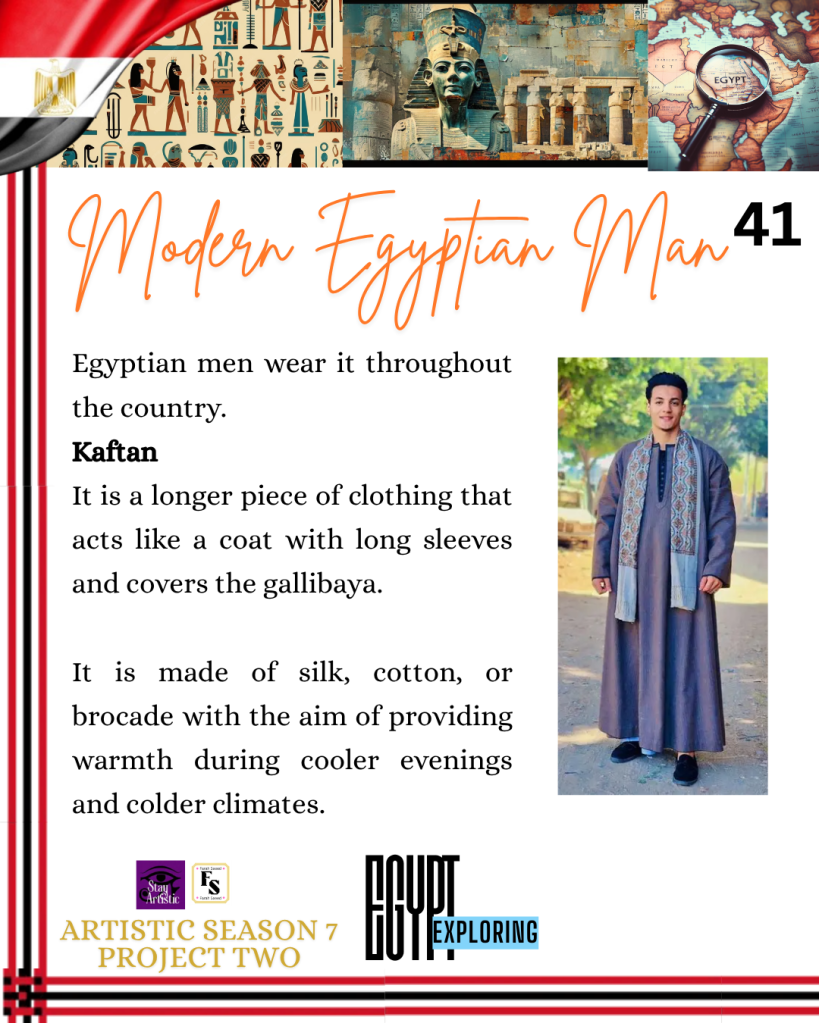
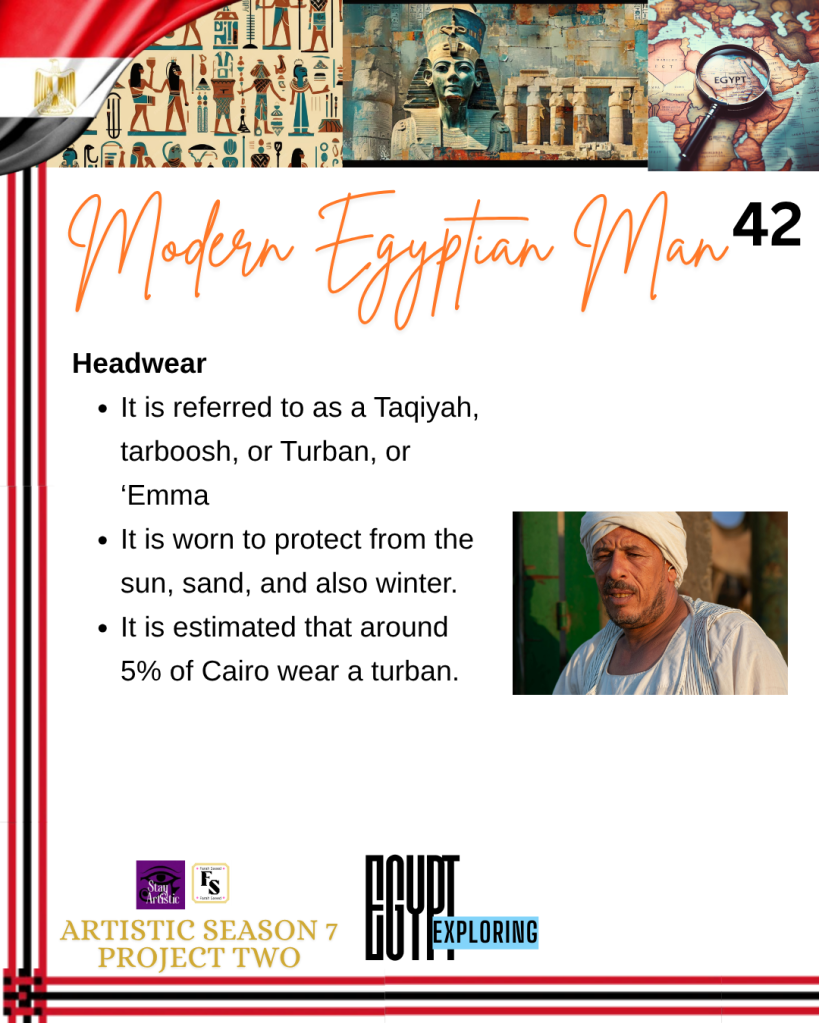
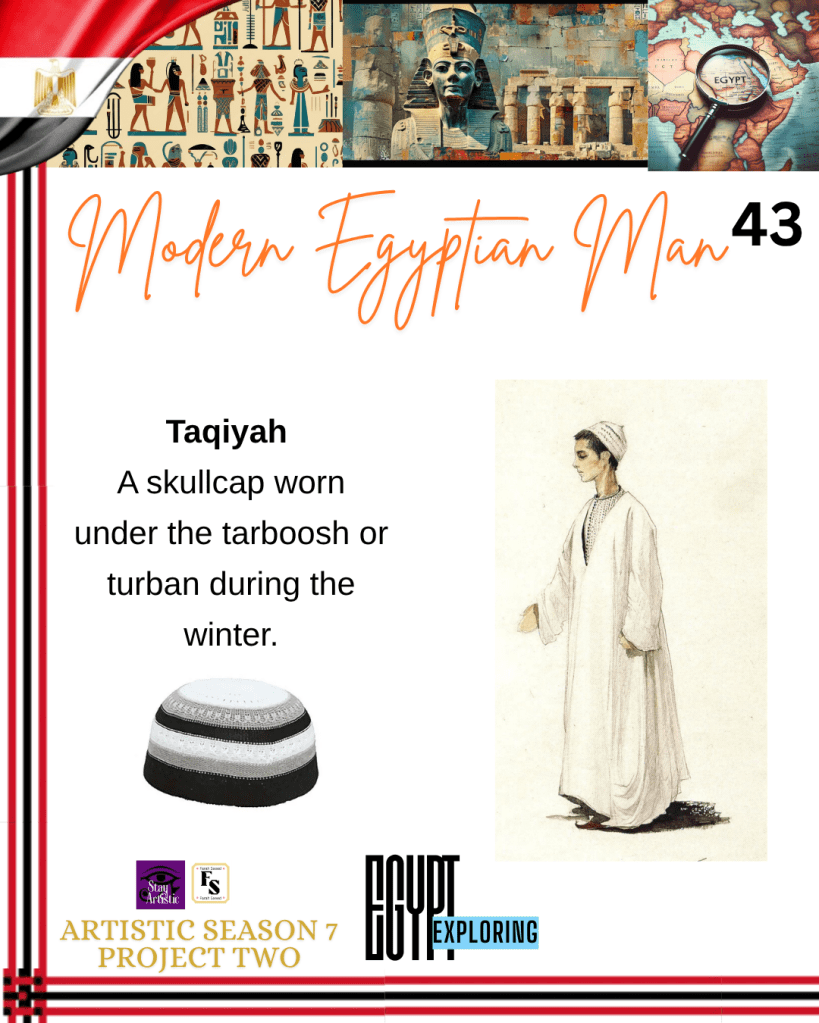
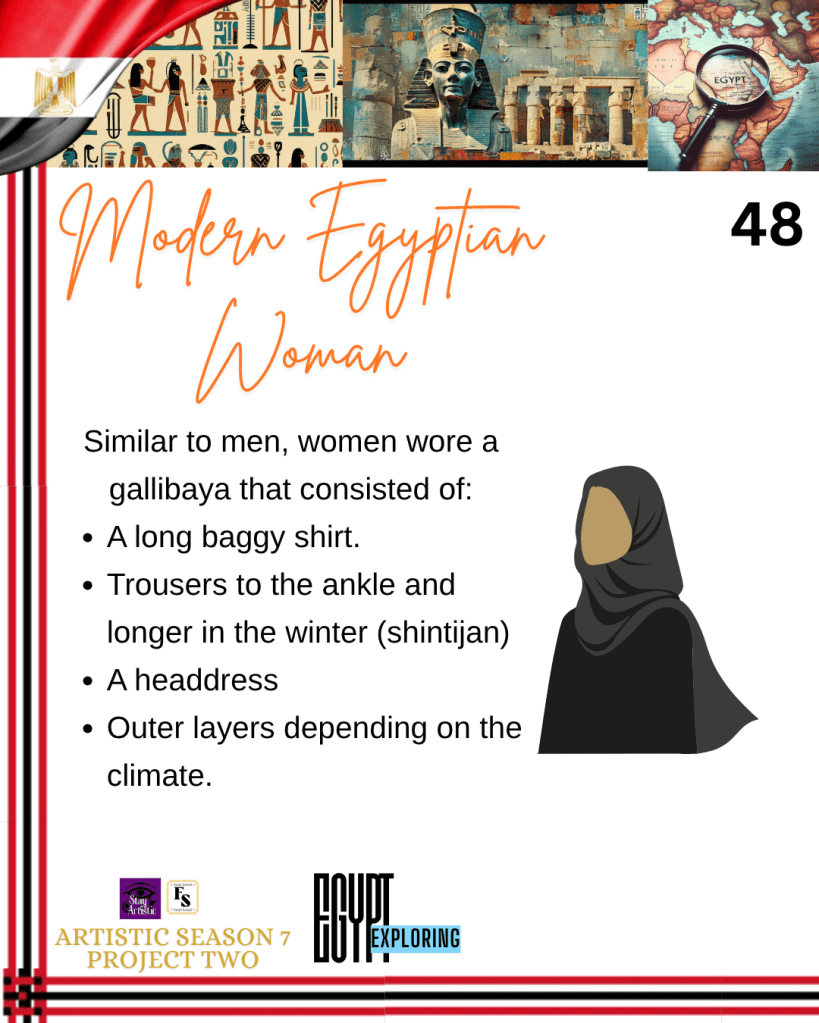
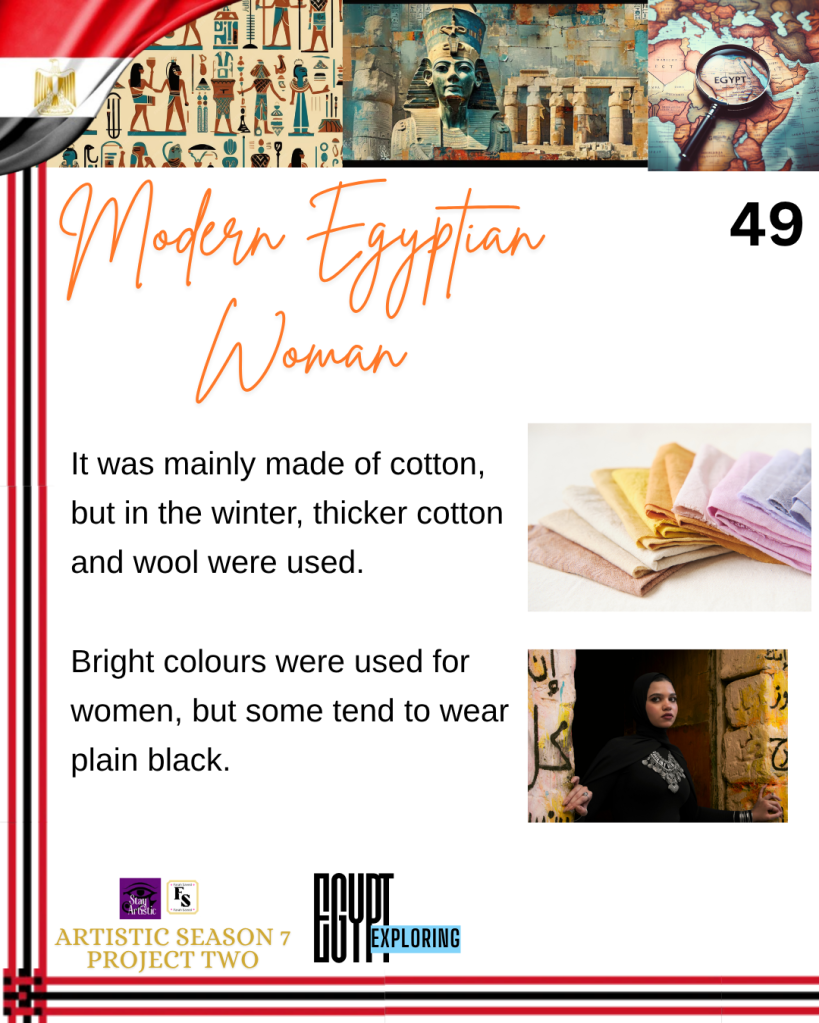
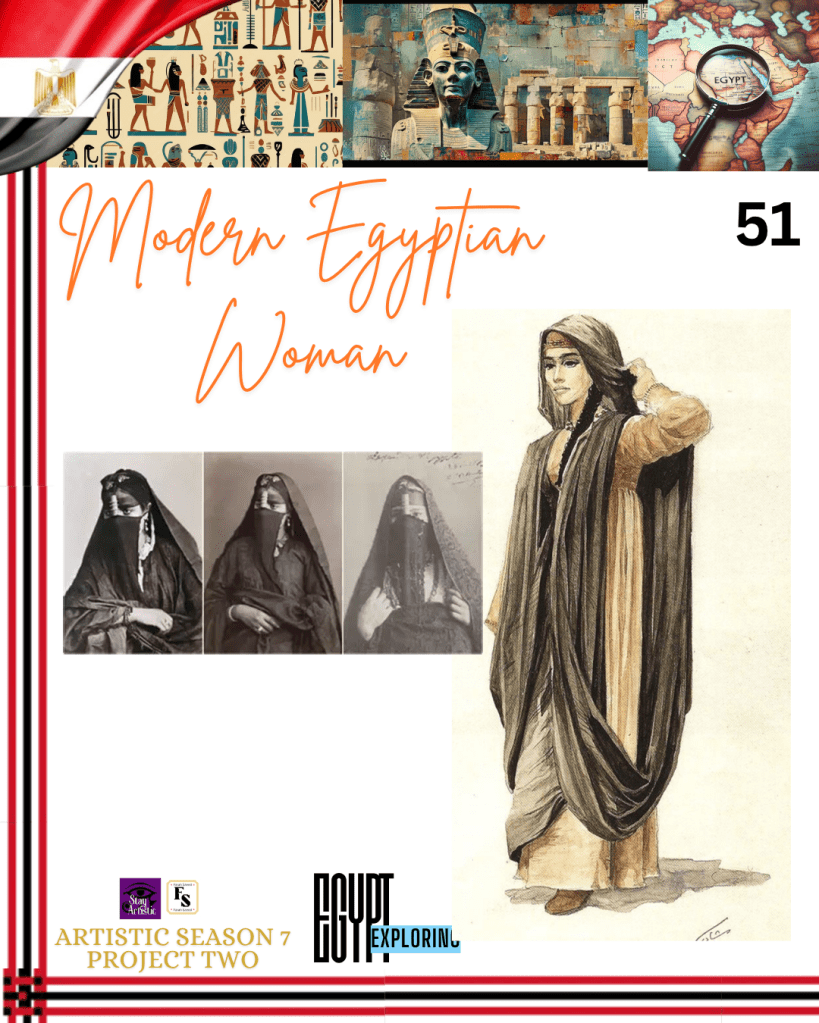
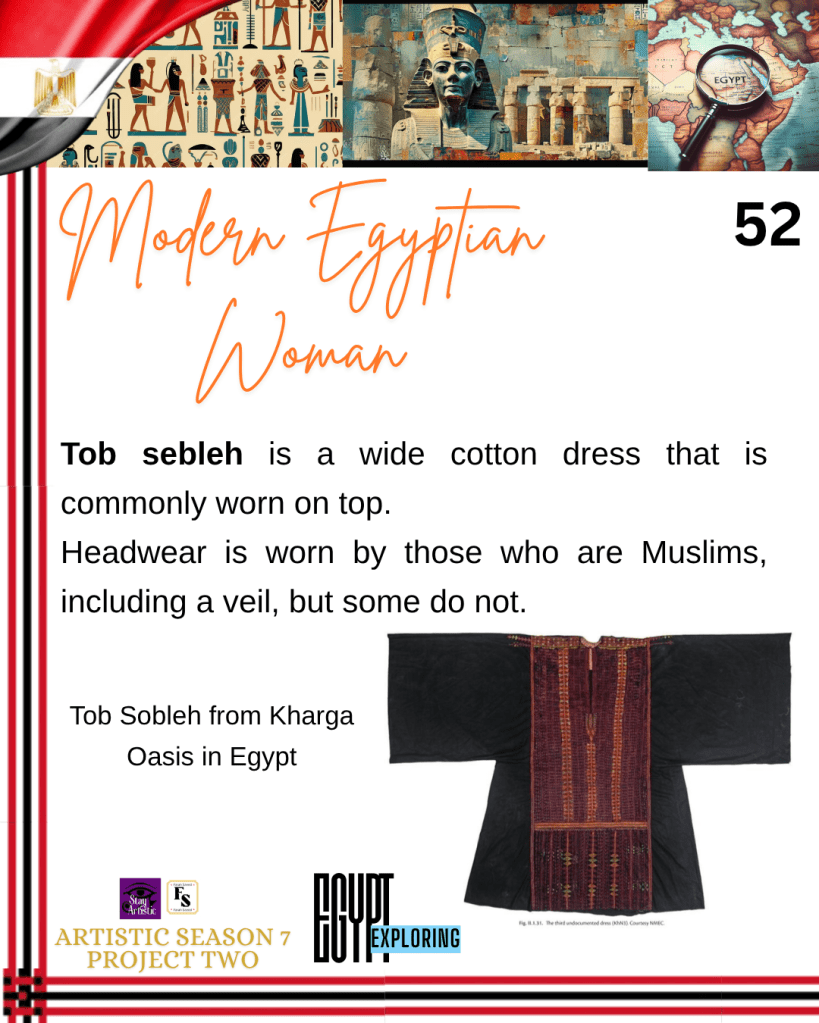
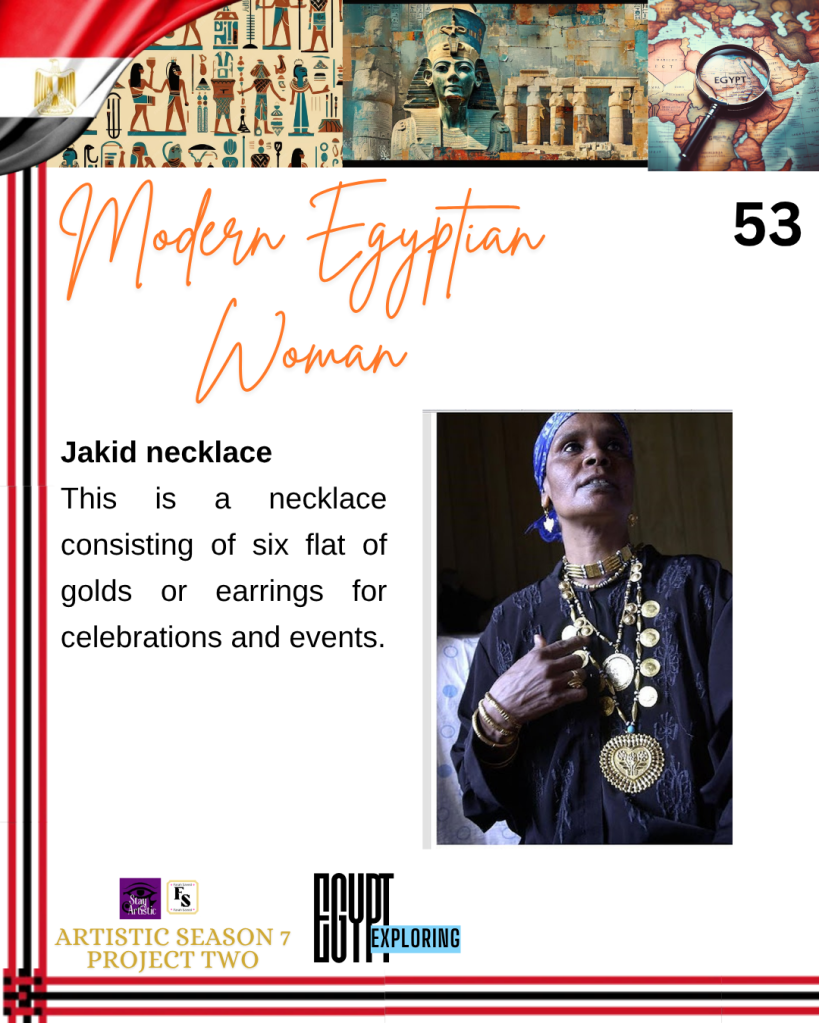
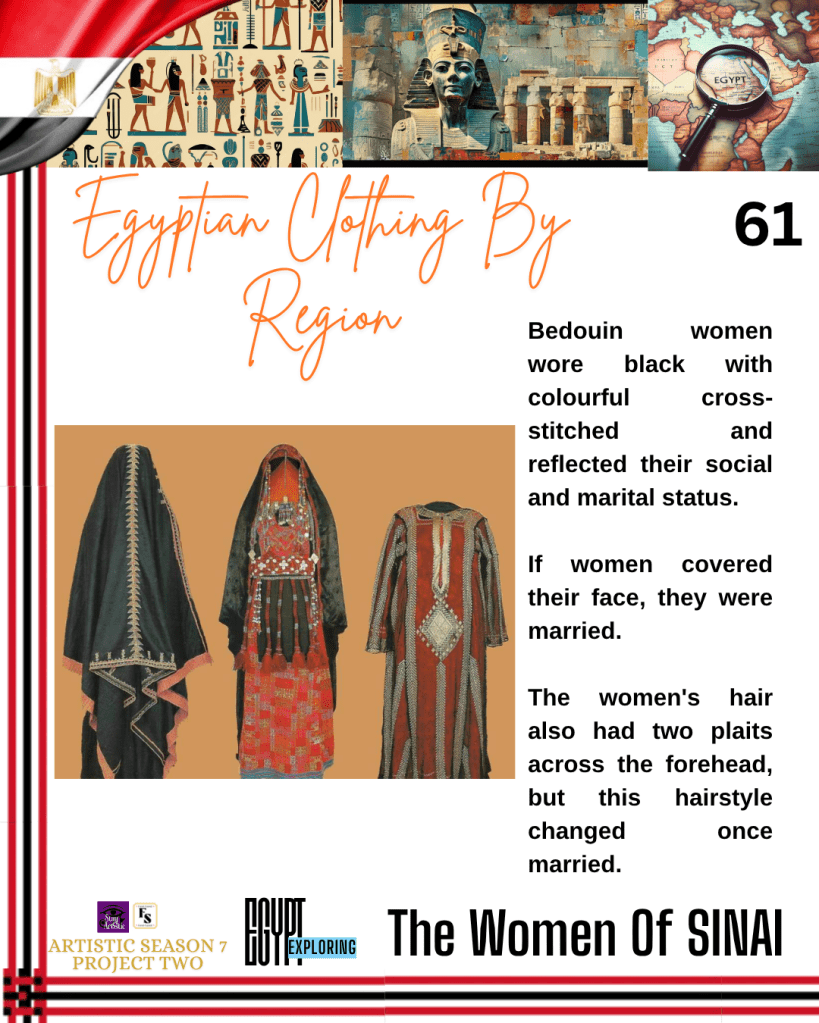
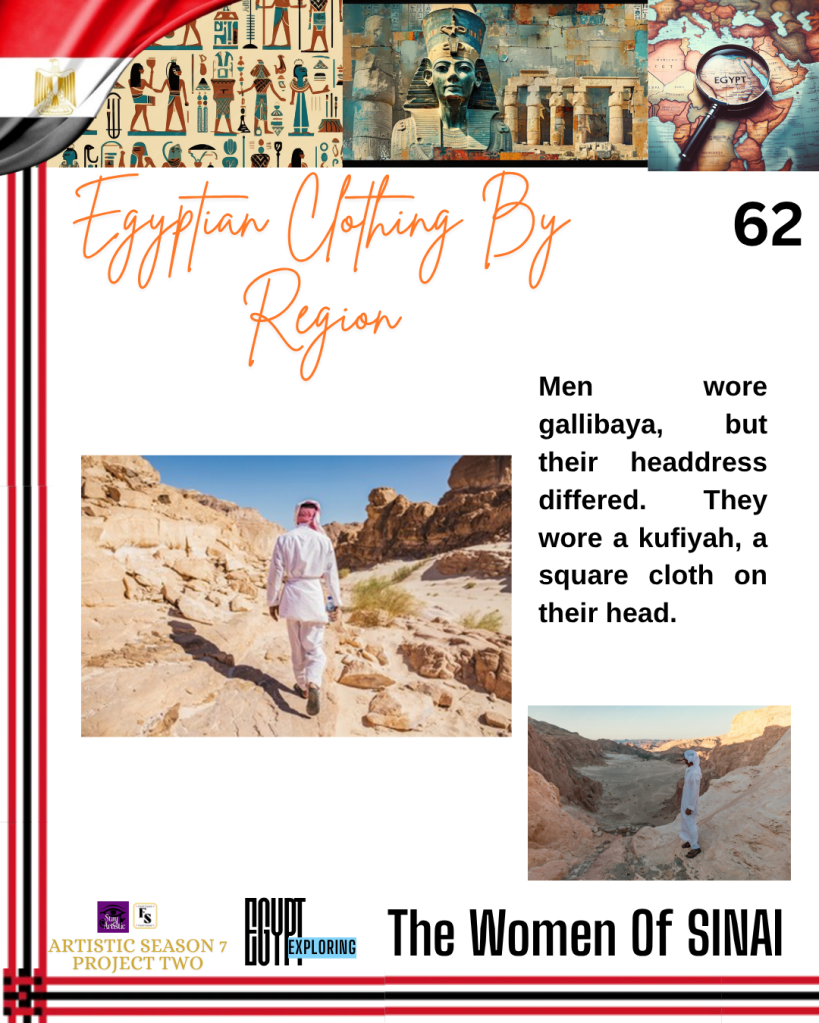
However, not all elements were merged into the modern traditional dress. The modern dress varies based on tribe and communities under the Ottoman Empire. The gallabiyah has a long-standing tradition and is the national dress worn throughout Egypt, particularly in traditional areas and the capital city of Cairo . It consists of a loose-fitting long dress or shirt worn by both men and women in traditional areas and especially the capital – Cairo. Today, a modest dress code is valued throughout Egypt but is a little more relaxed in cities of Cairo, Alexandria, and the Red Sea coast. The country is a combination of Muslim and Coptic Christian, which is why many in the traditional regions like the Upper Nile would wear the hijab, which covered the head and neck, whilst some wore a niqab that would cover their faces.
Additional Gallery
Time is a factor.
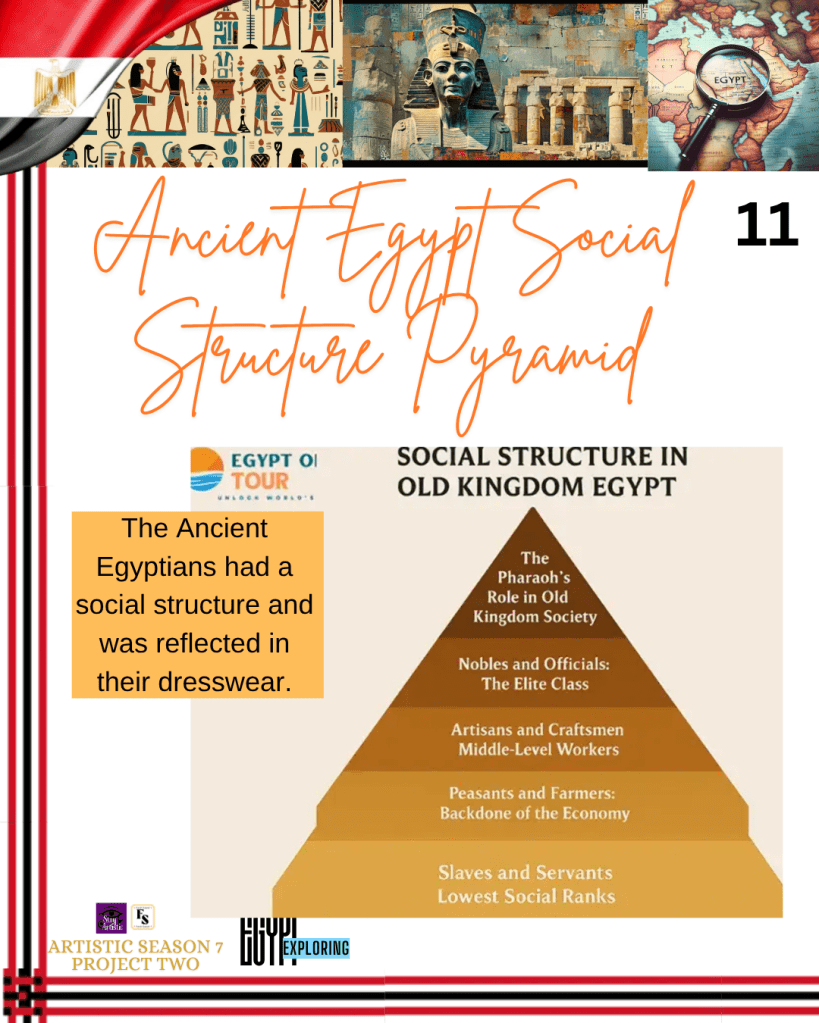
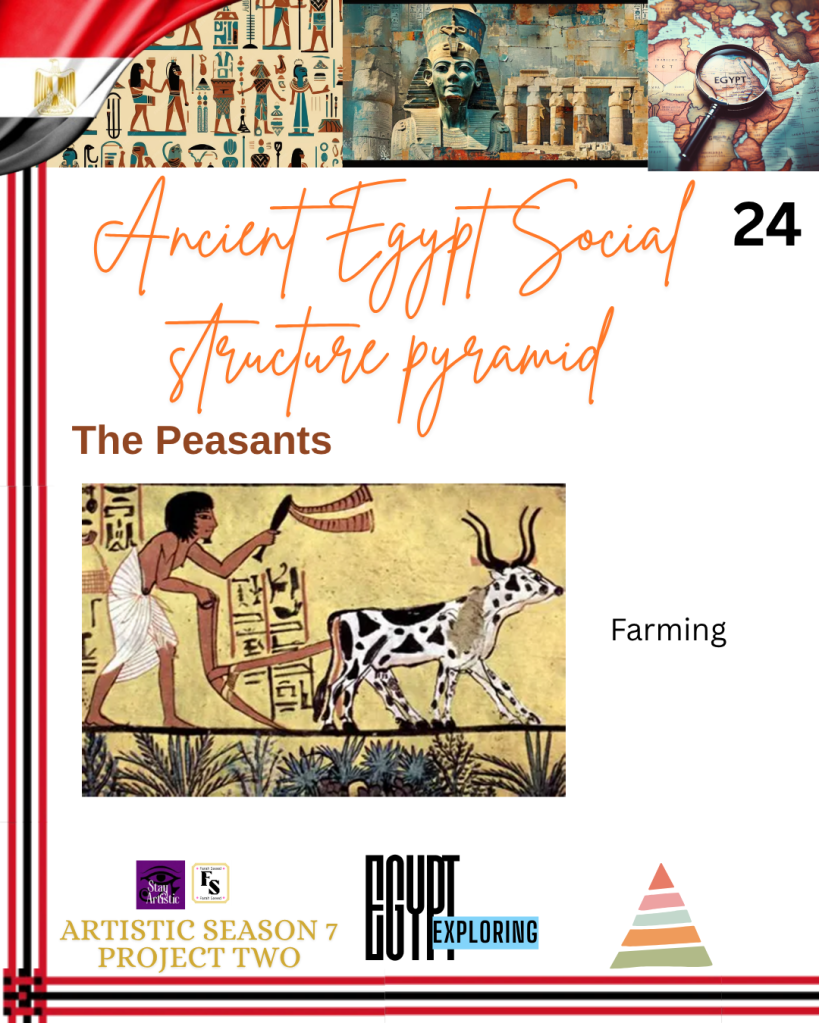
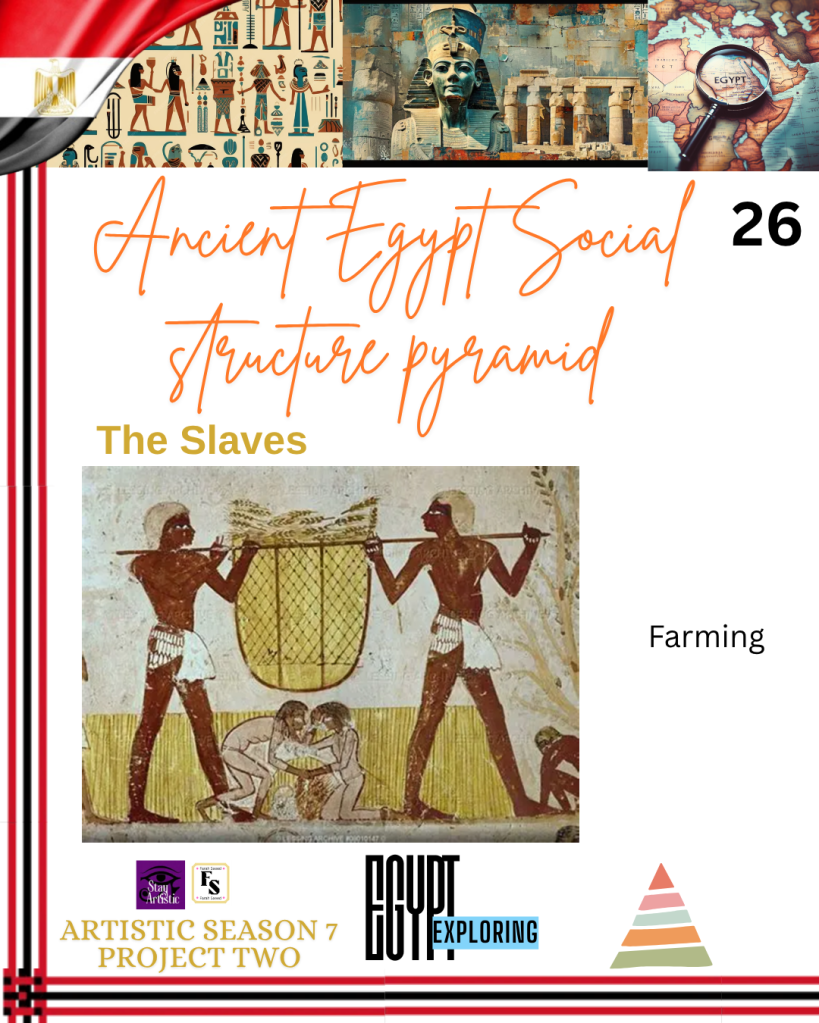
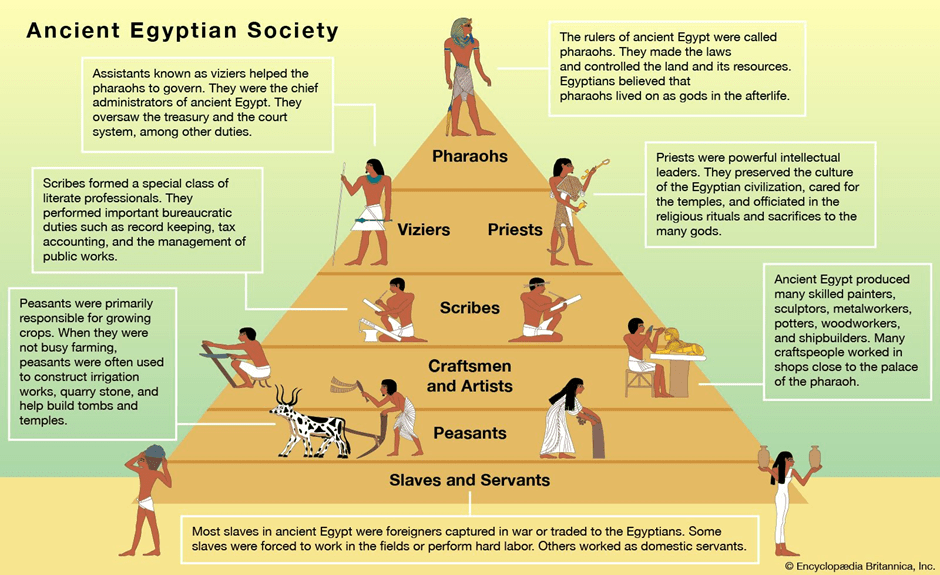
The Ancient Egyptian Social Structure
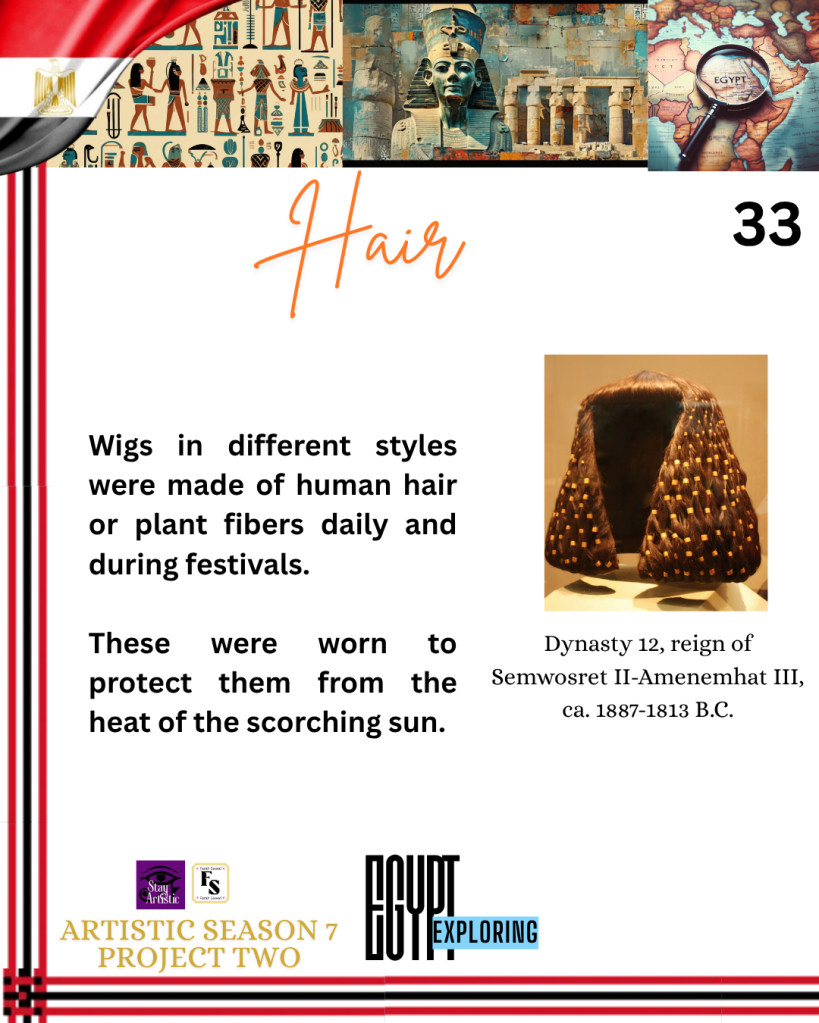
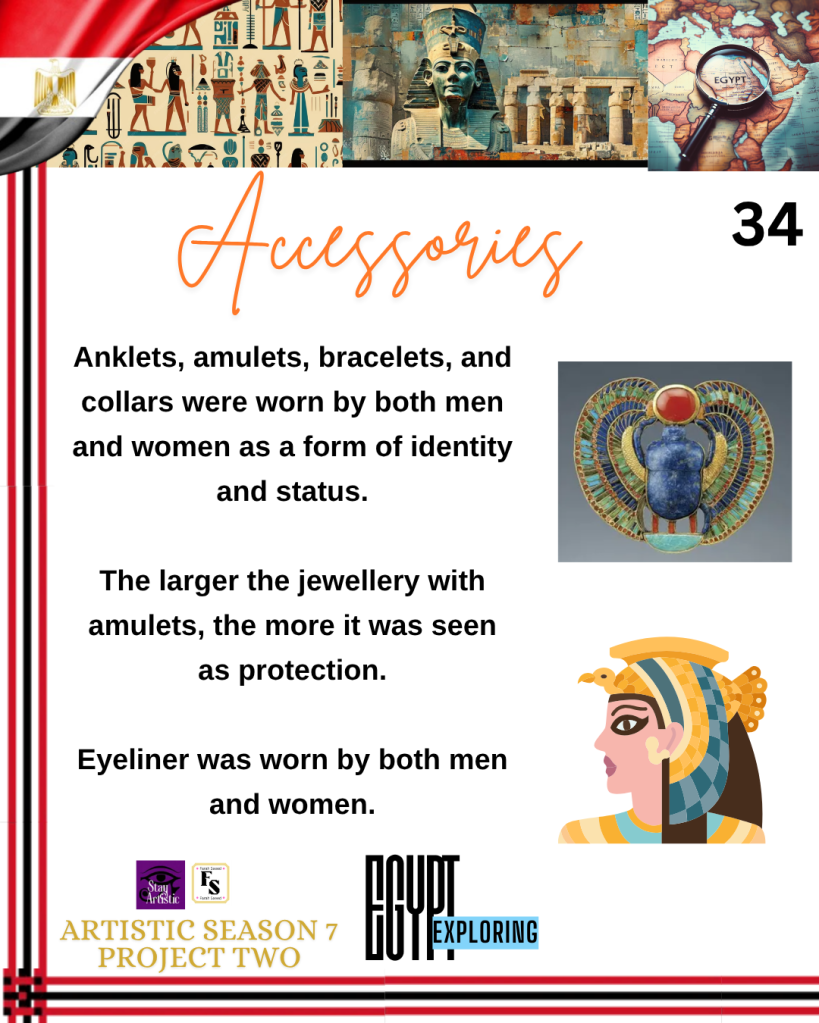
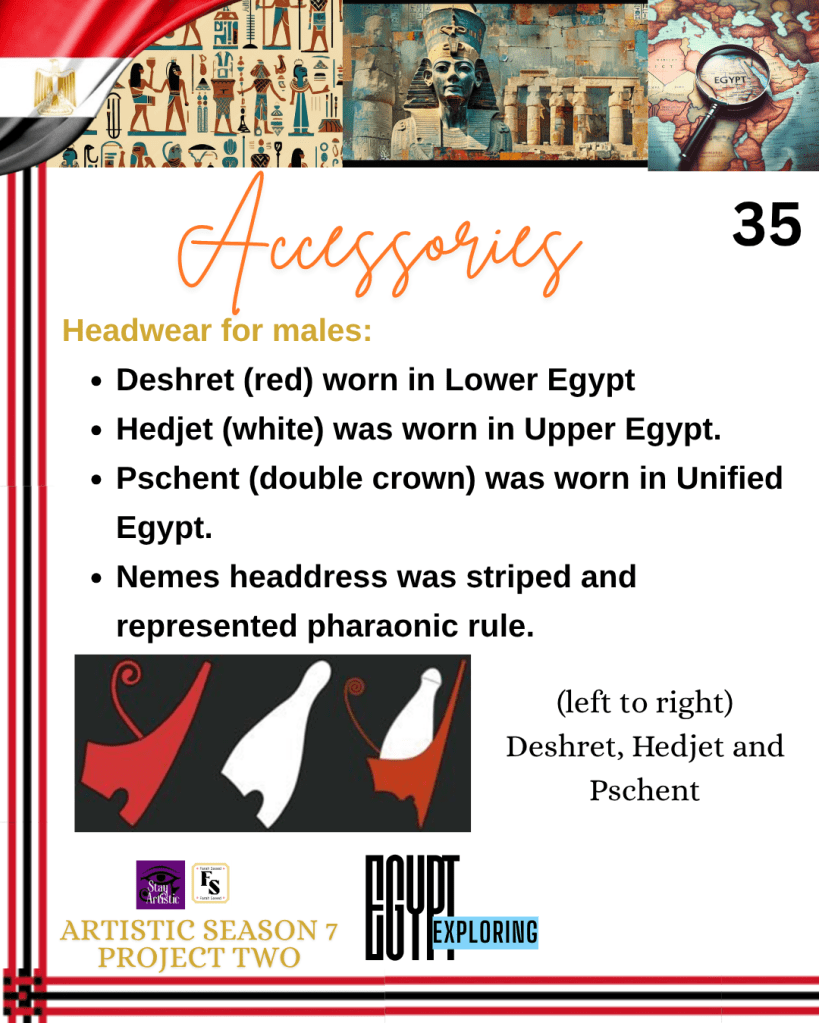
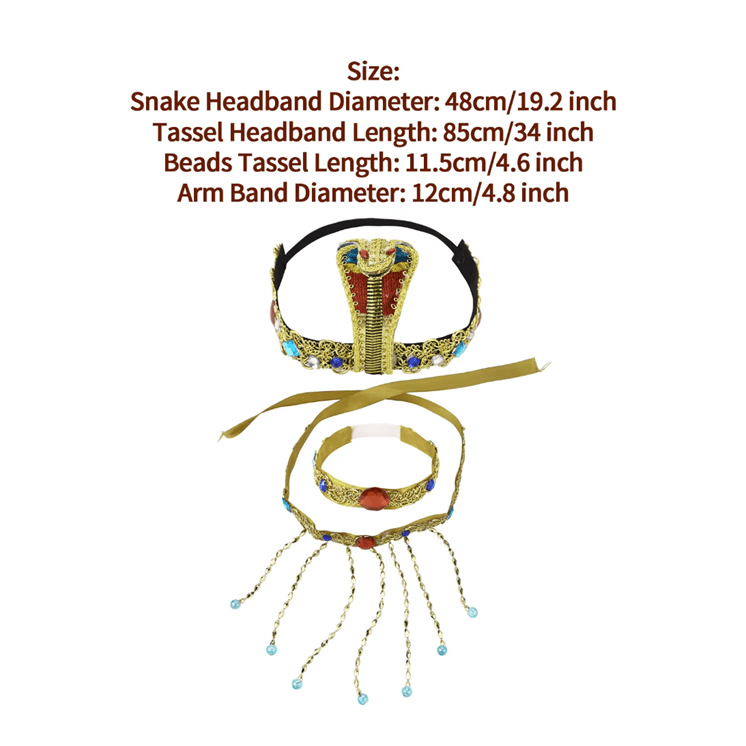
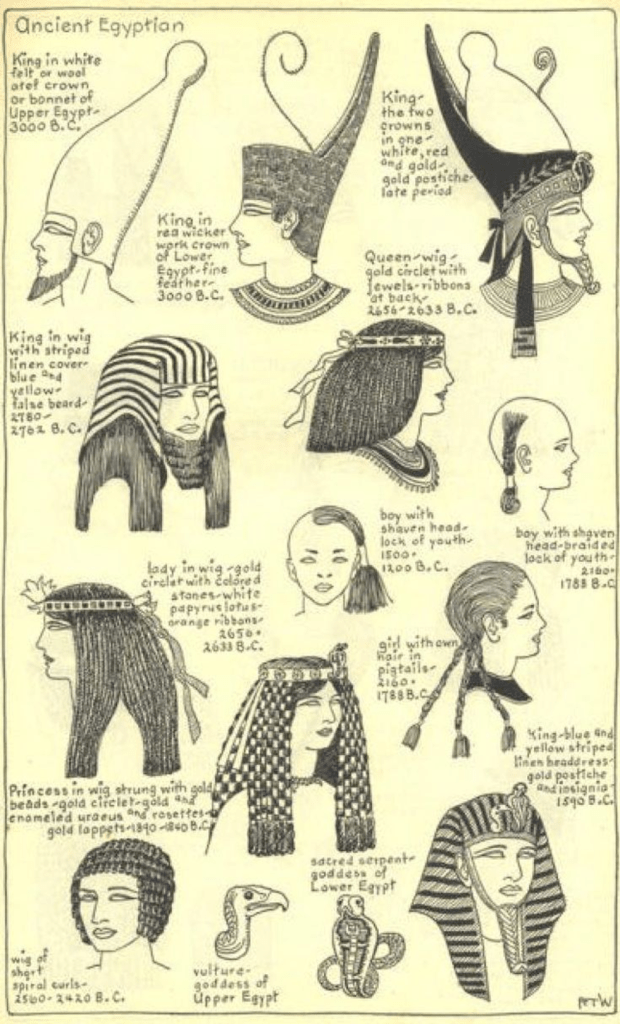
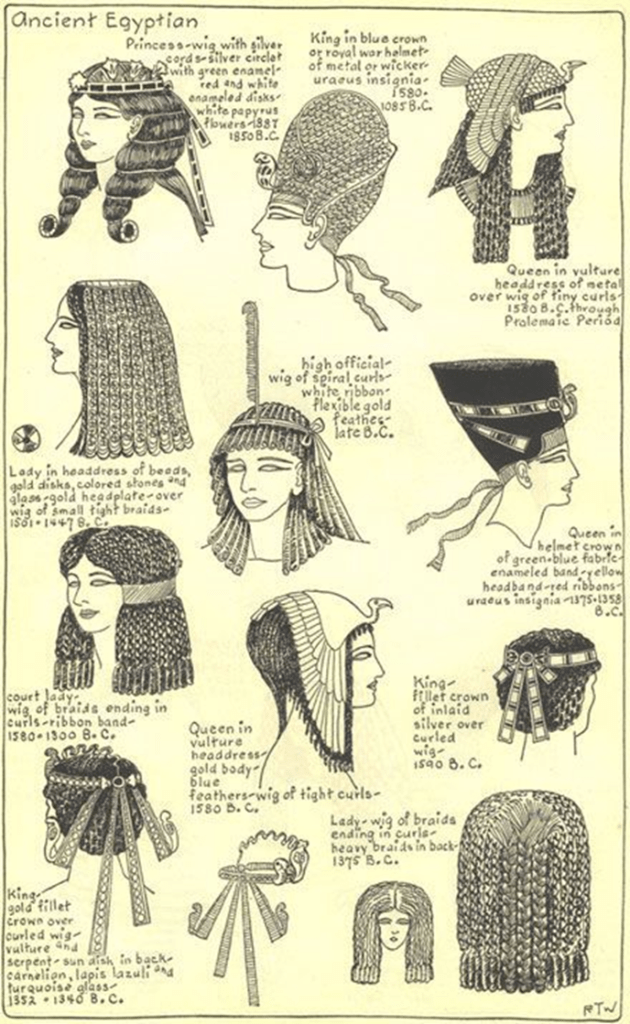
Hair and Accessories


Leave a comment