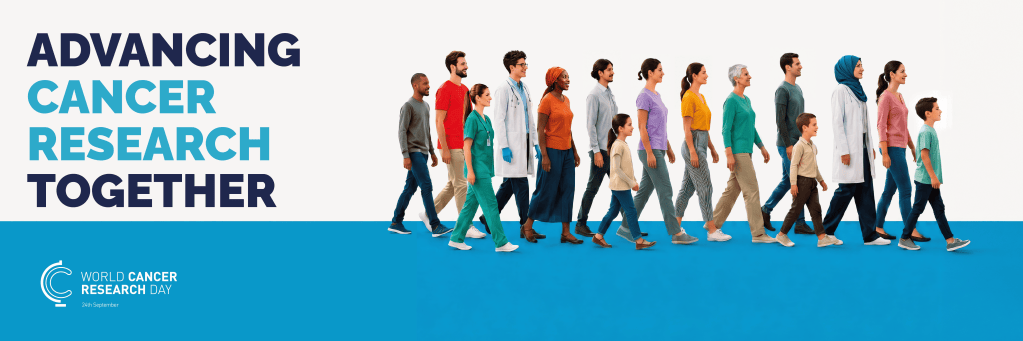
Happy World Cancer Research Day!
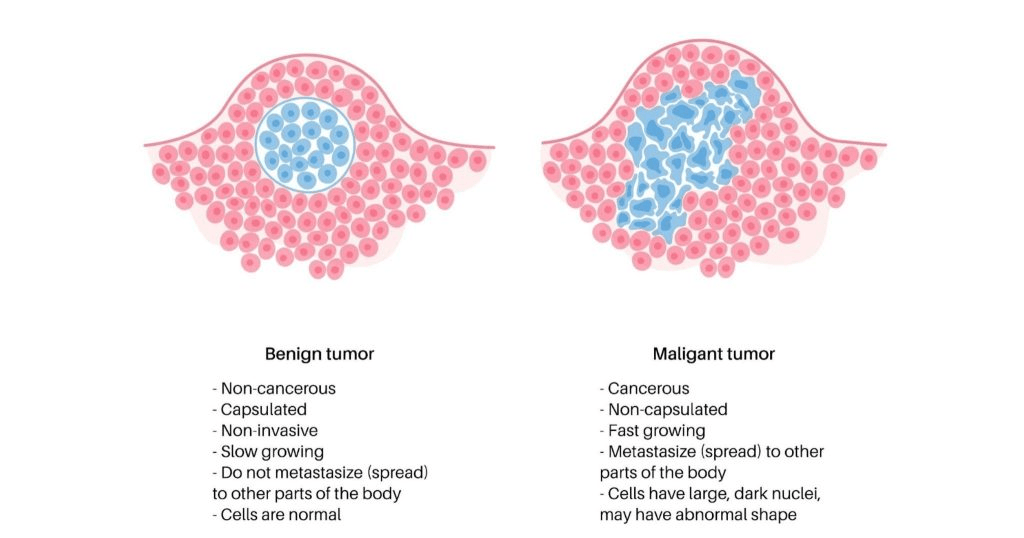
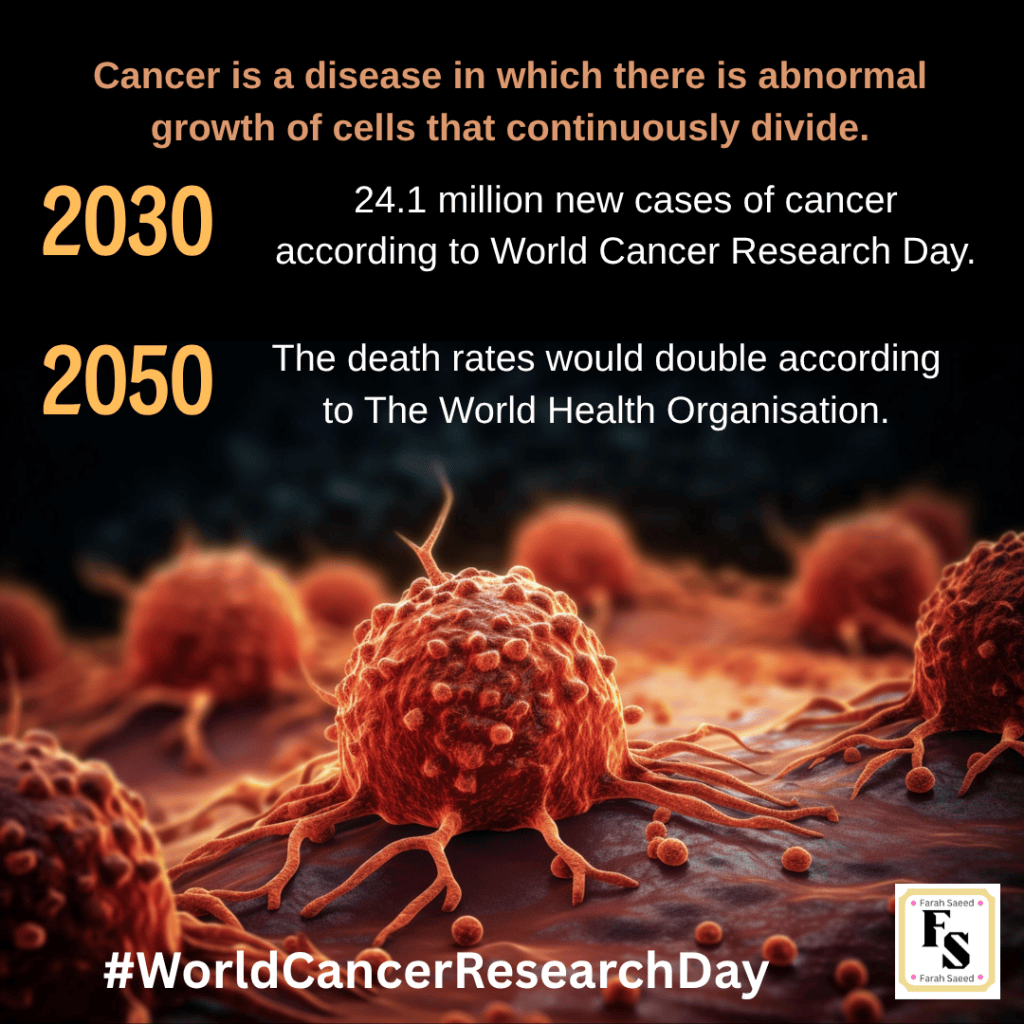
Cancer is one of the leading causes of death and accounts for 24.1 million new cases by 2030. It affects families, friends, colleagues, and all communities worldwide, putting pressure on public health systems. The World Health Organization predicted that the death rates would double by 2050. The abnormal, uncontrolled division of cells that can invade and destroy other tissues. A cancer situated in the primary site is referred to as a primary tumour that is benign. However, some cancers spread cancer cells via the blood and lymphatic vessels, as well as body cavities like the pleural and peritoneal spaces, to create new tumours that are referred to as tumors that have metastasized. Several risk factors contribute to their existence; some are lifestyle, environmental, malfunctioning or changed genes, other health conditions, and other causative factors. Many cancers are preventable because their causes have been identified, and minimizing exposure to cancer-causing chemicals (carcinogens) in the environment (primary prevention) is an effective strategy in cancer prevention. However, most environmental factors that initiate or promote cancer are yet to be identified.
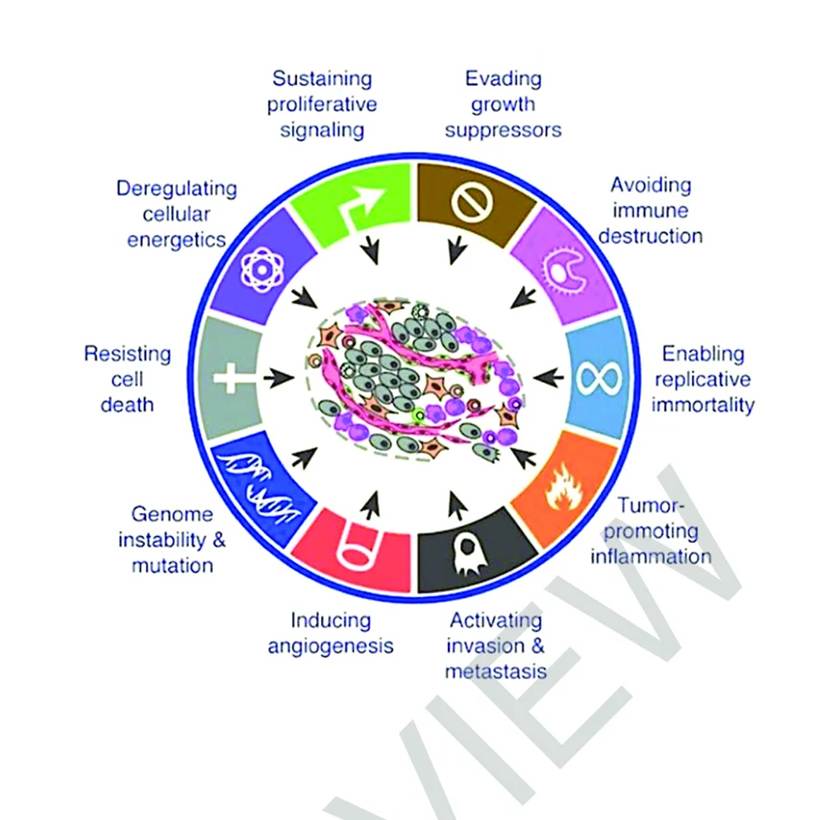
The earliest records of cancer were identified in the Edwin Smith Papyrus, which describes a bulging tumour using hieroglyphics on a 4.5-metre-long scroll. Archaeologists consider it was written about 3500 years ago, in 1600 BCE. Other researchers speculate that cancers existed during the time of the dinosaurs, which is between 100 and 200 million years ago. The oldest human cancer was found in the left toe bone 1.7 million years ago in South Africa. In the last several centuries, understanding the existence of cells, microorganisms, the Warburg effect, the development of the microscope, DNA and X-rays have all contributed to cancer research. Otto Warburg and his colleagues’ research on cancer metabolism in the 1920s focused on how tumour cells grow and the metabolic changes that occur in the metabolism of glucose to lactate. Hanahan and Weinberg’s hallmarks of cancer in early 2011 further enhanced our understanding of the frameworks of cancer.
What Is Its Relevance?
Our understanding of cancer today is better after several milestones today and this is due to the existence of health and cancer organizations, researchers, healthcare professionals, volunteers, lecturers, research participants, communities, and everyone. There is a difference between World Cancer Day and World Cancer Research Day; the former focuses on raising awareness of cancer, factors that affect its existence, and how to overcome it. World Cancer Research Day aims to raise the importance of cancer research and how it can improve lives. On the 24th of September 2026, it marks the tenth anniversary of World Cancer Research Day that has united multiple organizations to globally raise the importance of cancer research to improve our understanding of cancer and improve varied cancer treatments, lower side effects, and better diagnostic tests to boost survival rates.
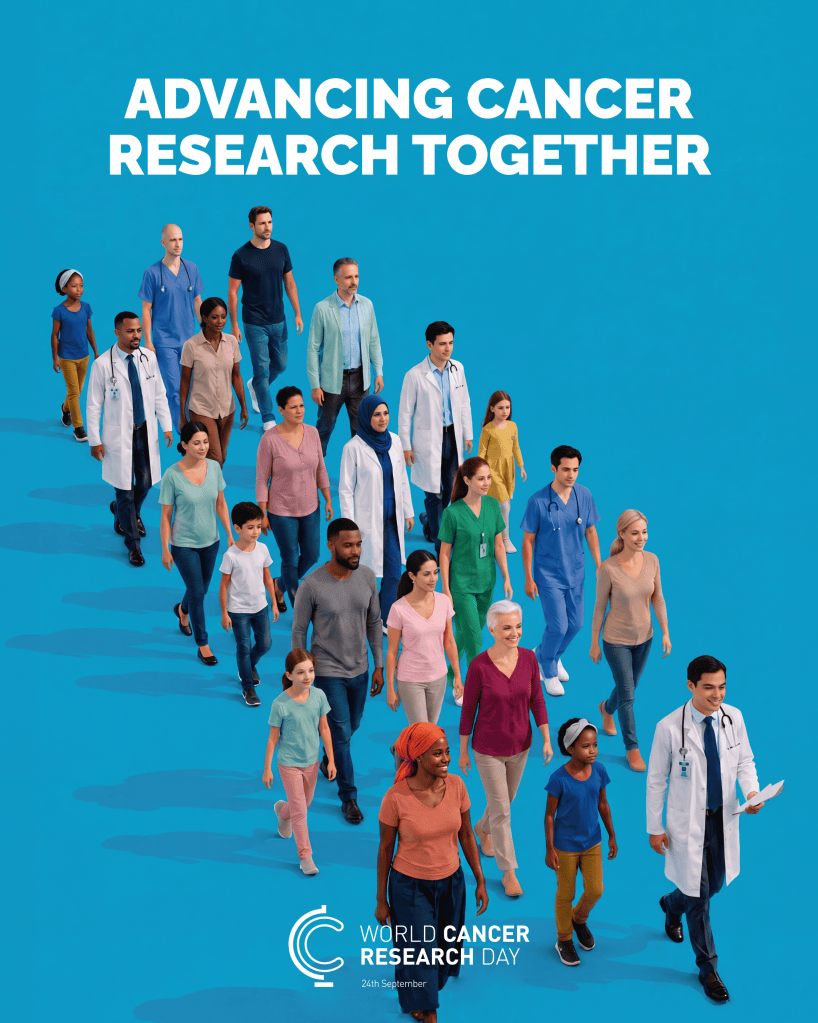
The theme for 2026, organized by World Cancer Research Day, is “Advancing Cancer Research Together”
What Does Together Mean?
This is where people worldwide from different backgrounds come together and help make better progress. This creates an inclusive environment and facilitates understanding of different cultures.
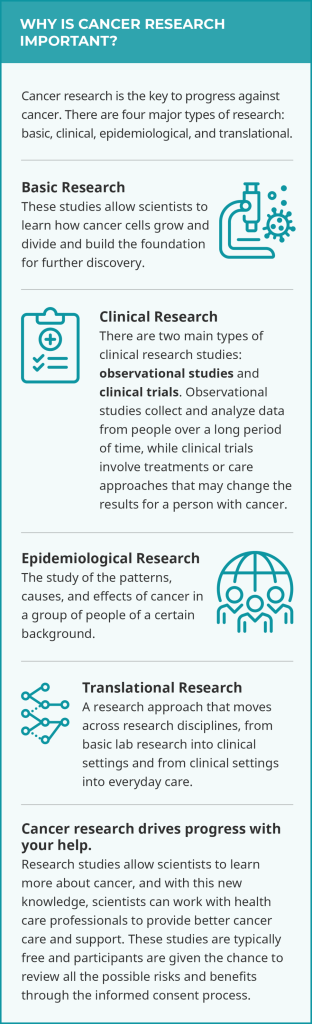
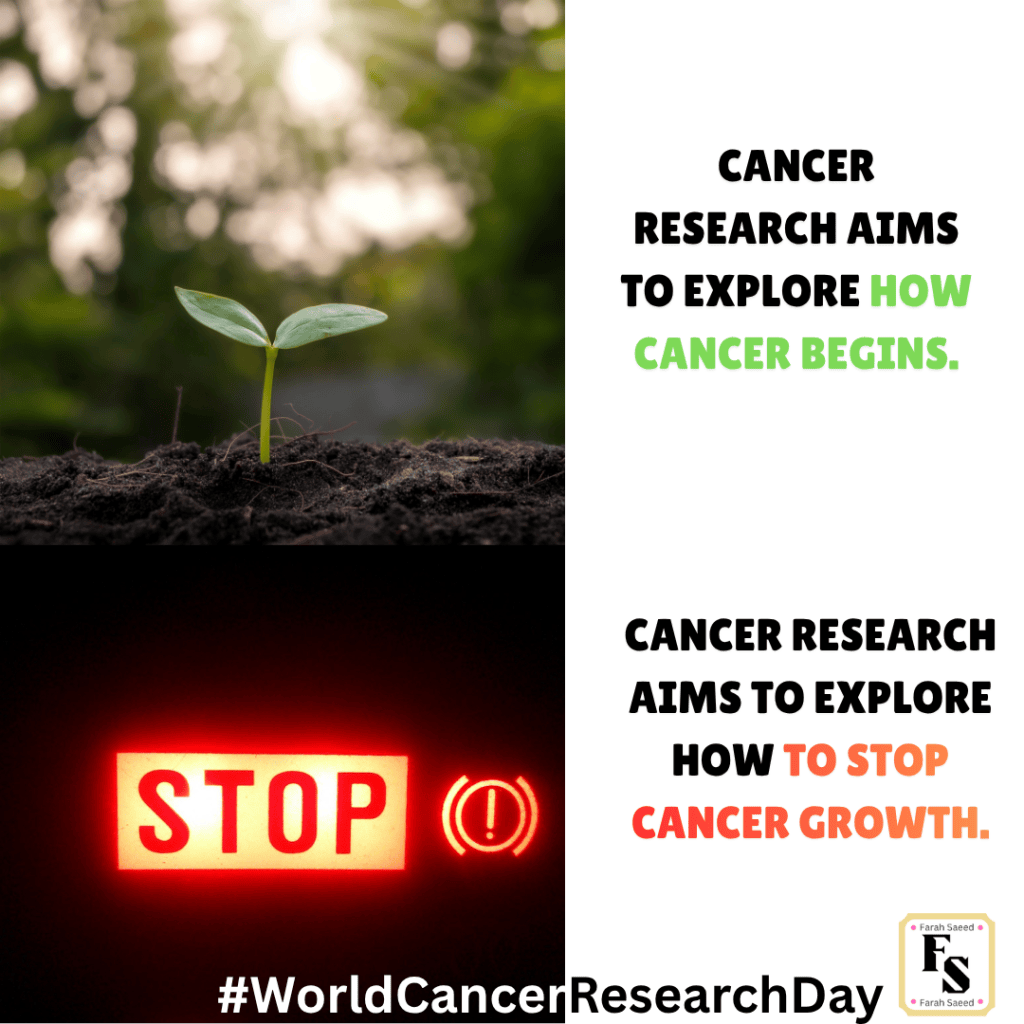
Cancer research aims to explore how cancer begins and how to stop cancer growth. From laboratory studies to translational studies of developing a new drug to clinical research, where it is tested to see how safe and effective it is.
New treatments are ongoing in the four main avenues: chemotherapy, immunotherapy, radiotherapy, and surgery. The fuel for constant improvement in the world that is ever-changing.
Why Is Cancer Research Important? It was originally published by the National Cancer Institute.
References
Koppenol, W.H., Bounds, P.L. and Dang, C.V. (2011). Otto Warburg’s contributions to current concepts of cancer metabolism. Nature Reviews Cancer, 11(5), pp.325–337. doi:10.1038/nrc3038.
National Cancer Institute (2026) Cancer Research Needs People from All Backgrounds. Available at: https://www.cancer.gov/research/participate/diversity-in-cancer-research (Accessed: 23rd September 2026
World Cancer Research (2025b) How long has cancer been around? Available at: https://www.worldwidecancerresearch.org/cancer-and-research-information/myths-and-misinformation/how-long-has-cancer-been-around/ (Accessed: 23rd September 2026)
World Cancer Research Day (2026) Available at: https://worldcancerresearchday.com/ (Accessed: 23rd September 2026)
Worldwide Cancer Research (2025) Why is cancer research important?. Available at: https://www.worldwidecancerresearch.org/cancer-and-research-information/understanding-discovery-research/why-is-cancer-research-important/ (Accessed: 23rd September 2026)


Leave a comment