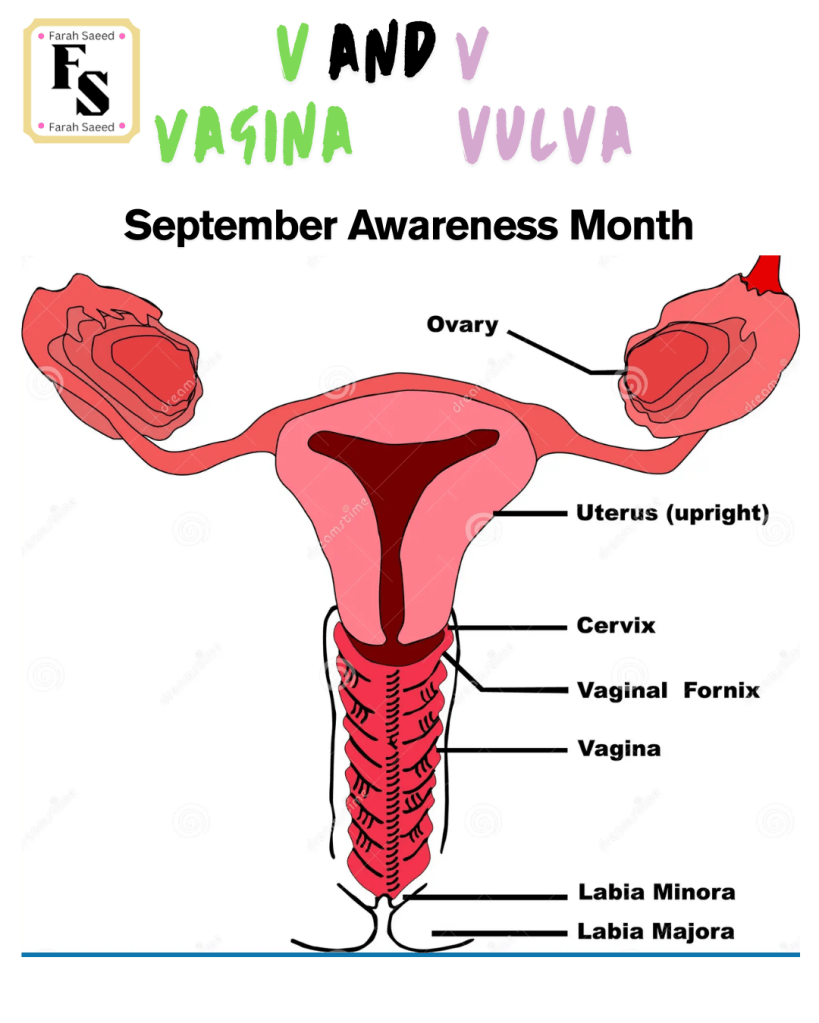
Below summarizes the main points for all treatments in accordance to British Gynaecological Cancer Society (BGCS) vulval cancer guidelines: An update on recommendations for practice 2023. Please read the guidelines attached for further details.
This page will humbly review some of the types of vulval cancers in accordance to the British guidelines:
Basal Cell Carcinoma
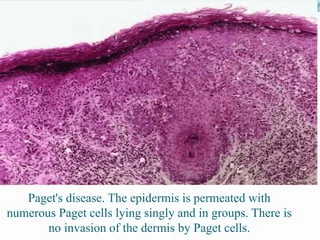
Vulval Paget’s Disease
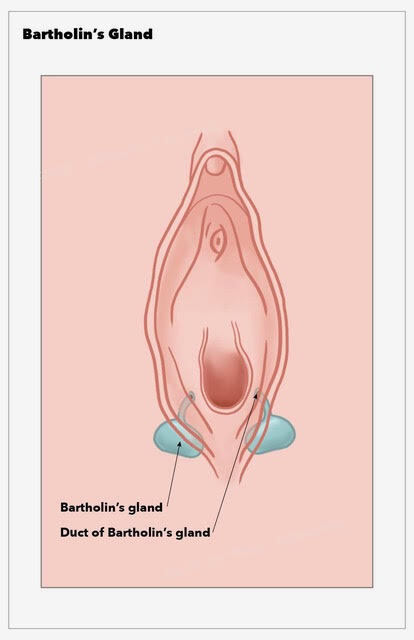
Bartholin’s gland carcinoma
Adenoid Cystic Carcinoma
Vulval Melanoma
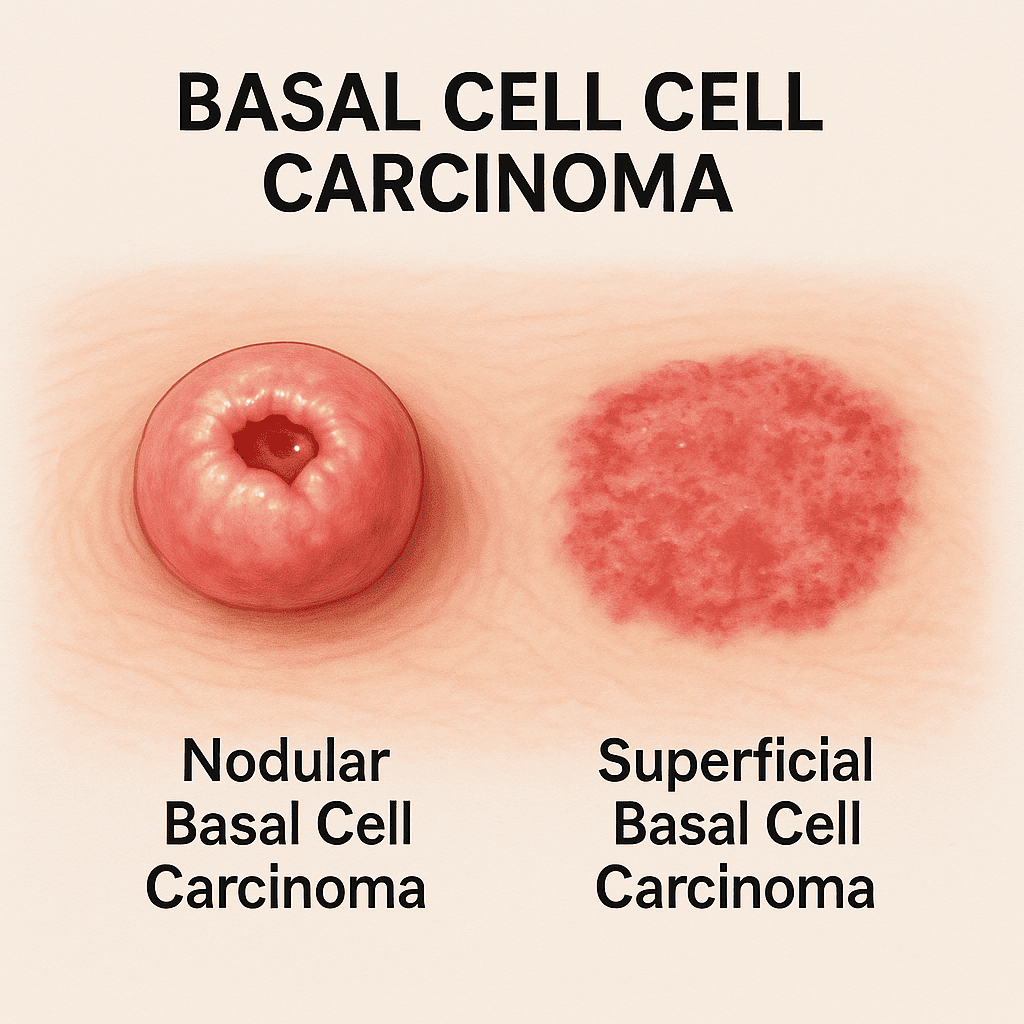
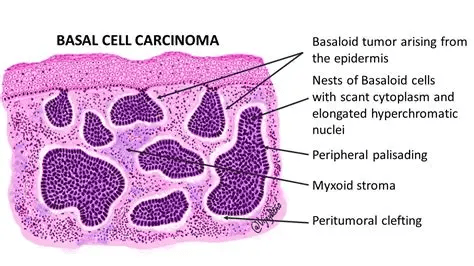
Basal Cell Carcinoma
Rare, less than or about 5% of vulval cancers.
Locally invasive cancers.
Ability to metastasise to lymph nodes if large and invasive.
This can be removed via naked eye (macroscopic clearance) alongside regional nodes to improve symptoms and quality of life.
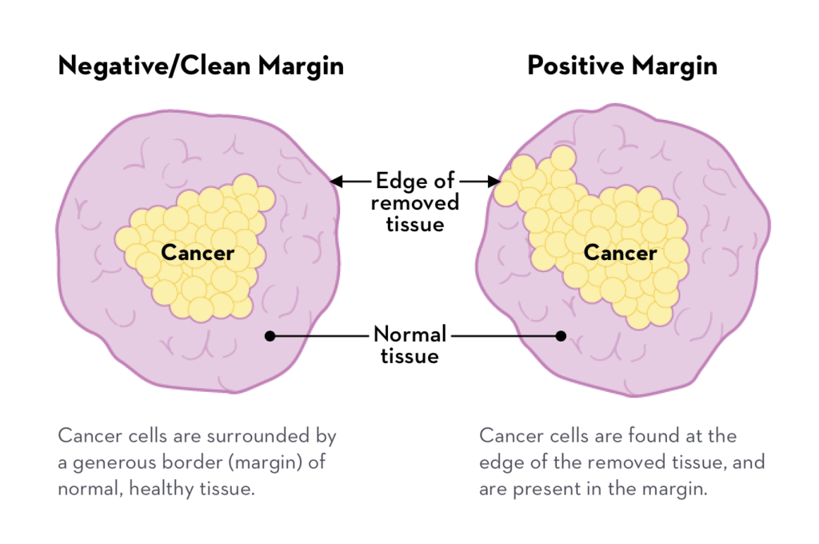
However, it can recur within the margins.
Plastic surgery and dermatology for patients with multiple basal cell carcinoma – symptoms and tumour burden.
Wide local excision if there are no microscopic margins by > 1 mm.
If margins are microscopically involved, further surgery is recommended.
If inoperable – watch and wait for an appropriate time.
Radiotherapy post- surgery helps lower recurrence.
Vulval Paget’s Disease
1 to 2% of vulval cancers.
Incidence varies due to literature – non-invasive, invasive, vulval adenocarcinoma, VPD with malignancy.
Excision and removal of the lymph nodes (lymphadenectomy) if there is a minimum of 1 mm depth of invasion.
If there is no invasion, two solutions:
OPTIONAL SOLUTION ONE
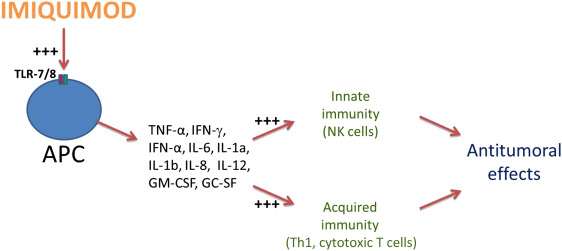
Imiquimod – this is especially good for benign/non-invasive VPD, basal cell carcinoma and genital warts, cutaneous T-cell lymphoma, vulval intraepithelial neoplasia, squamous cell carcinoma and other skin conditions.
The strength that is commonly used to treat cancers and skin conditions is 5%.
It is a topical cream that modulates the immune system.
It is used to treat actinic keratoses – a skin condition that causes red spots and scaly, itchy skin. This is caused by skin damaged by the sun. There is a minimal chance it can alter to skin cancer if untreated.
During the initial stage, it becomes sore and red but wears off after a few weeks.
Imiquimod cream helps to recognise and destroy damaged skin cells.
OPTIONAL SOLUTION TWO:
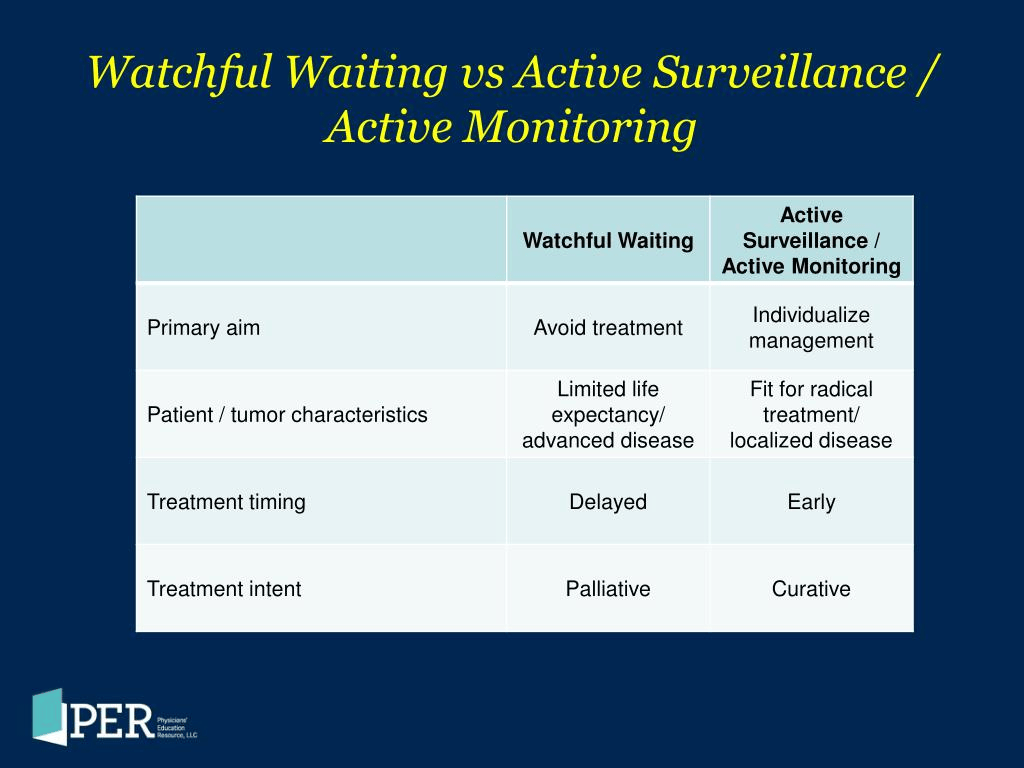
The second option is Watchful waiting
- Monitoring signs and symptoms through tests and scans.
- It does not involve any medical treatment.
- Monitors staging and progression.
Bartholin’s gland carcinoma
5% of vulval malignancies.
It shares or overlaps some of the management techniques of the squamous cancers of the vulva because of the fewer reported cases in the literature.
Each case is based on histological examples and may require operative aggressiveness to gain optimal outcome.
Tumour must be in correct position and apply Honan’s criteria:
Deep in labium majora
Normal overlying skin
Normal gland present
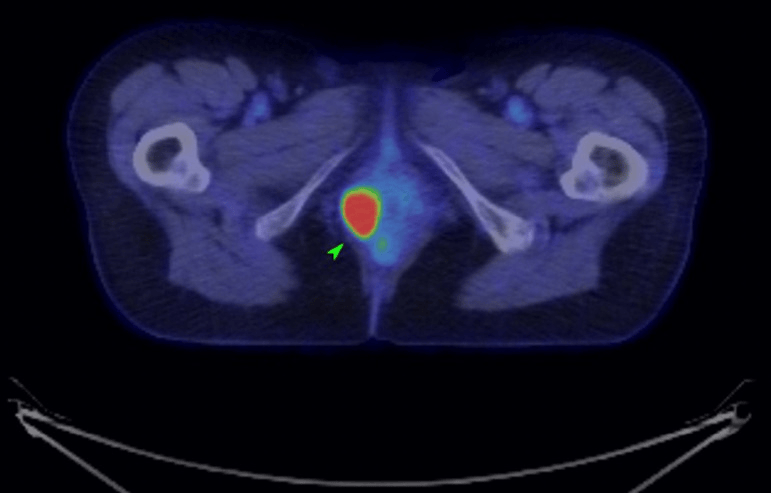
A radiolabelled tracer has been added where the amount of metabolism (glucose) being used is measured using 18F-labelled fluorodeoxyglucose (FDG) to help identify tumours, metastases, and how active the tumour is. In this image, FDG is used to identify the Bartholin’s gland tumour on axial computed tomography-positron emission tomography (CT-PET). The red area highlighted using the green arrow reflects the intensity of the metabolism of the tumour present in the gland.
Addley, S., Sadeghi, N., Smyth, S.L., Johnson, C., Damato, S. and Majd, H.S. (2023). Bartholin’s gland carcinoma—the diagnostic and management challenges of a rare malignancy—a case report and review of current literature. Translational Cancer Research, [online] 12(1). doi:10.21037/tcr-22-612.
Adenoid Cystic Carcinoma
This accounts for 10% of all Bartholin gland malignancies.
0.1-5% of survival for basal cell carcinomas.
0.001% for female cancers.
Mean age is 49.
Slow-growing tumour.
Lower symptoms – tendency symptoms may common again.
Examples include pain, pain during sex, itching, and discharge with abcess.
Benign cysts can be misdiagnosised for endometriosis.
Endometriosis is the presence of endometrial tissue outside the uterus. This could be the lung, rectum and umbilicus (navel).
Treatment for Adenoid Cystic Carcinoma
Wide local excision Recurrence 68.9%
Radical vulvectomy with or without lymph nodes. 42.9%
If a patient has positive resection margins, adjuvant radiotherapy lowers reduction of incidence.
Limited data on palliative anti-cancer therapy for adenoid cystic carcinoma of the vulva because it is rare.
Clinical data have illustrates the use of DNA alkylating agents with patients with lung metastasis. Key examples are cyclophosphamide, doxorubicin and cisplatin in one patient where the disease was stabled. Another patient had stable after having doxorubicin and cisplatin.
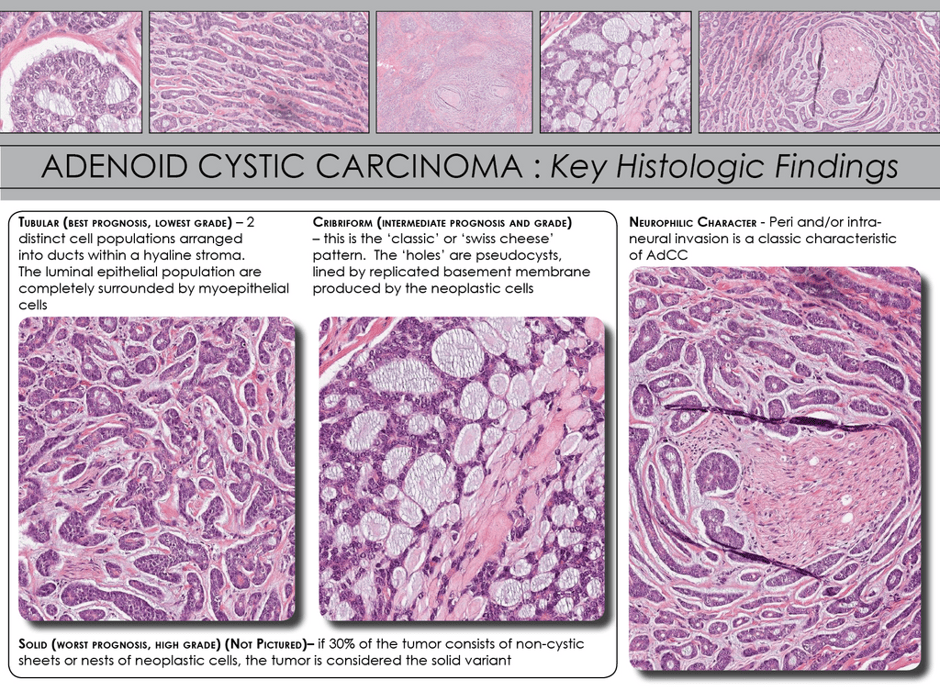
Iowa Head and Neck Protocols (2017) Adenoid Cystic Carcinoma. Available at: https://iowaprotocols.medicine.uiowa.edu/protocols/adenoid-cystic-carcinoma (Accessed: 4th October 2026)
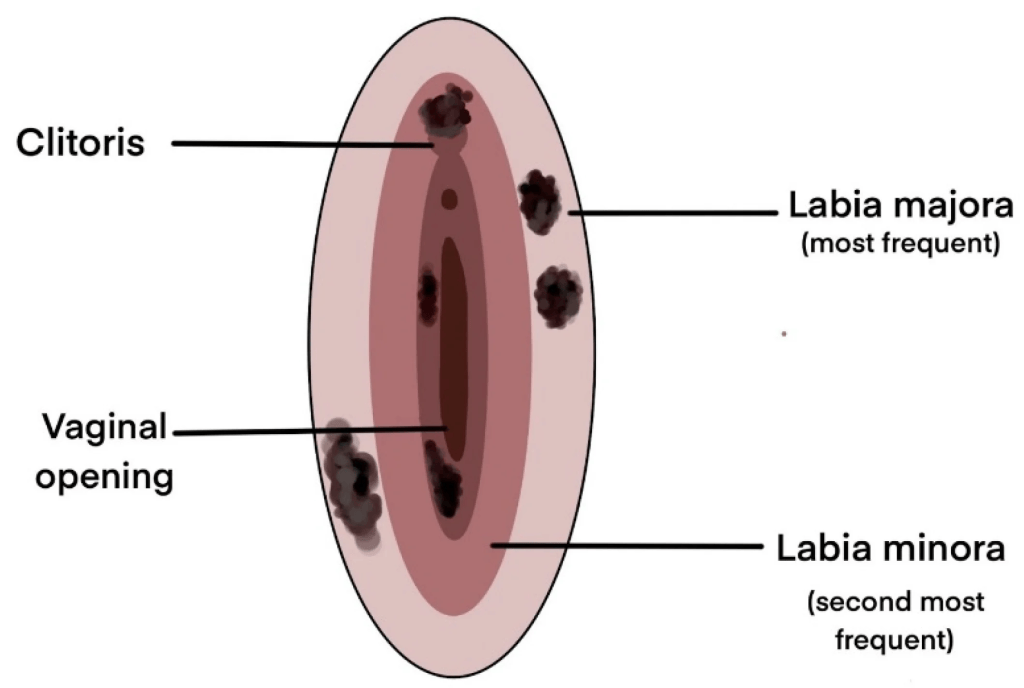
Vulval Melanoma
Sentinel lymph node biopsy is commonly performed and may influence treatment choices
Inguino-femoral lymphadenectomy or dissection is performed if there is lack of survival.
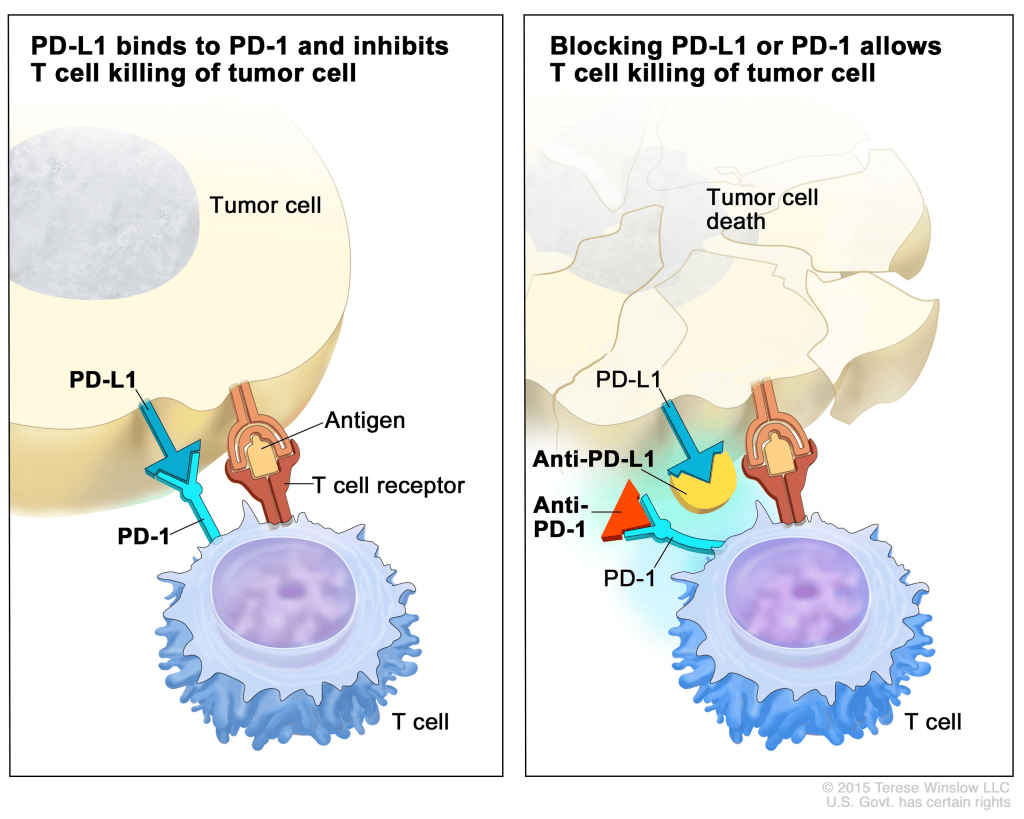
PD-1 inhibitor Nivolumab has shown to improve recurrence-free survival in patients with remaining lymph nodes post-surgery (node-positive surgically resected melanoma).
References
Addley, S., Sadeghi, N., Smyth, S.L., Johnson, C., Damato, S. and Majd, H.S. (2023). Bartholin’s gland carcinoma—the diagnostic and management challenges of a rare malignancy—a case report and review of current literature. Translational Cancer Research, [online] 12(1). doi:10.21037/tcr-22-612.
American Cancer Society (2026) Anal Cancer. Available at: https://www.cancer.org/cancer/types/anal-cancer.html (Accessed: 2nd October 2026)
British Association of Dermatologists (2026) Imiquimod cream. Available at: https://www.bad.org.uk/pils/imiquimod-cream (Accessed: 30th September 2026)
Cancer Research UK (2028) Chemotherapy for vulval cancer. Available at: https://www.cancerresearchuk.org/about-cancer/vulval-cancer/treatment/chemotherapy (Accessed: 30th September 2026)
Cleveland Clinic (2026) Volumetric Modulated Arc Therapy (VMAT). Available at: https://my.clevelandclinic.org/health/treatments/17626-volumetric-modulated-arc-therapy-vmat (Accessed: 30th September 2026)
Hoppe-Seyler, K., Bossler, F., Braun, J.A., Herrmann, A.L. and Hoppe-Seyler, F. (2018). The HPV E6/E7 Oncogenes: Key Factors for Viral Carcinogenesis and Therapeutic Targets. Trends in Microbiology, [online] 26(2), pp.158–168. doi:10.1016/j.tim.2017.07.007.
Iowa Head and Neck Protocols (2017) Adenoid Cystic Carcinoma. Available at: https://iowaprotocols.medicine.uiowa.edu/protocols/adenoid-cystic-carcinoma (Accessed: 4th October 2026)
Kochhar, R., Plumb, A.A., Carrington, B.M. and Saunders, M. (2012). Imaging of Anal Carcinoma. American Journal of Roentgenology, 199(3), pp.W335-W344. doi:10.2214/ajr.11.8027.
Lobna Ouldamer, Z. Chraibi, Flavie Arbion, Barillot, I. and Body, G. (2013). Bartholin’s gland carcinoma: Epidemiology and therapeutic management. 22(2), pp.117–122. doi:10.1016/j.suronc.2013.02.004.
Morrison, J., Baldwin, P., Hanna, L., Andreou, A., Buckley, L., Durrant, L., Edey, K., Faruqi, A., Fotopoulou, C., Ganesan, R., Hillaby, K. and Taylor, A. (2024). British Gynaecological Cancer Society (BGCS) vulval cancer guidelines: An update on recommendations for practice 2023. PubMed, 292, pp.210–238. Doi: 10.1016/j.ejogrb.2023.11.013.
National Cancer Institute (2026) Vulvar Cancer Treatment (PDQ®)–Health Professional Version. Available at: https://www.cancer.gov/types/vulvar/hp/vulvar-treatment-pdq (Accessed: 17th August 2026)
Royal College of Obstetricians and Gynaecologists (2014) Guidelines for the Diagnosis and Management of Vulval Carcinoma. Available at: https://www.rcog.org.uk/media/dqwnw2a1/vulvalcancerguideline.pdf (Accessed: 1st October 2026)
The Eve Appeal (2026) Vulval cancer Available at; https://eveappeal.org.uk/information-and-advice/gynaecological-cancers/vulval-cancer/ (Accessed: 7th August 2026)


Leave a comment