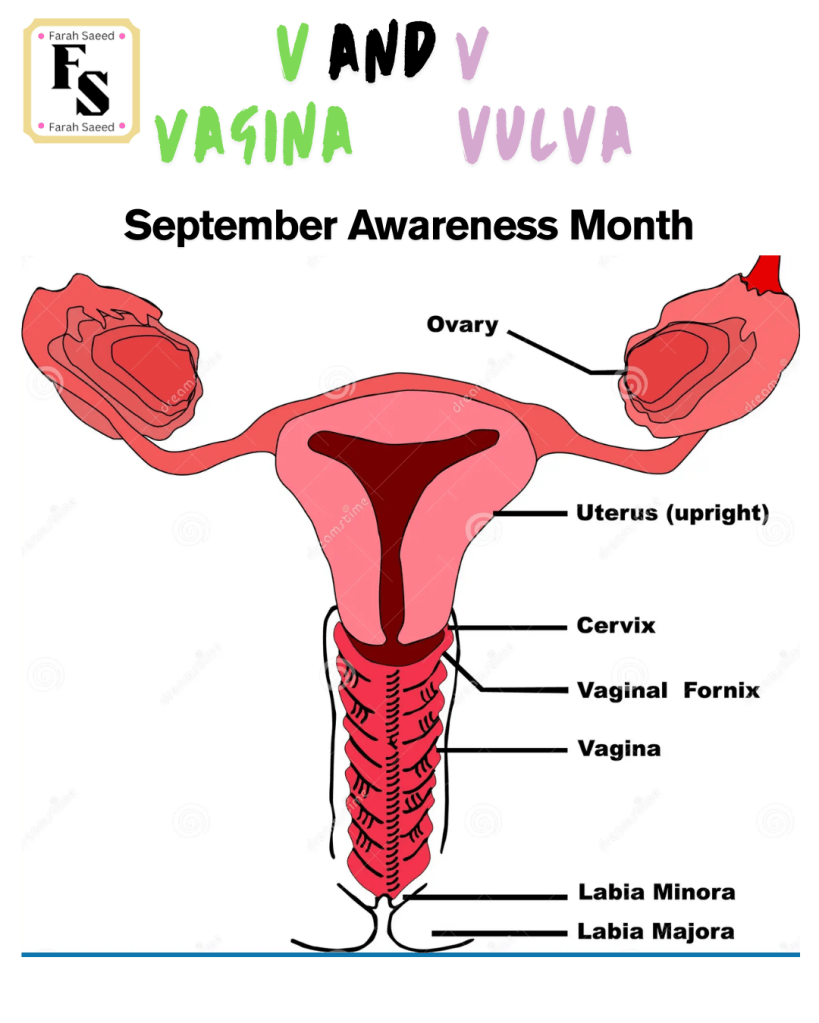
Below summarizes the main points for all treatments in accordance to British Gynaecological Cancer Society (BGCS) vulval cancer guidelines: An update on recommendations for practice 2023. Please read the guidelines attached for further details.
Importance of Immunotherapy
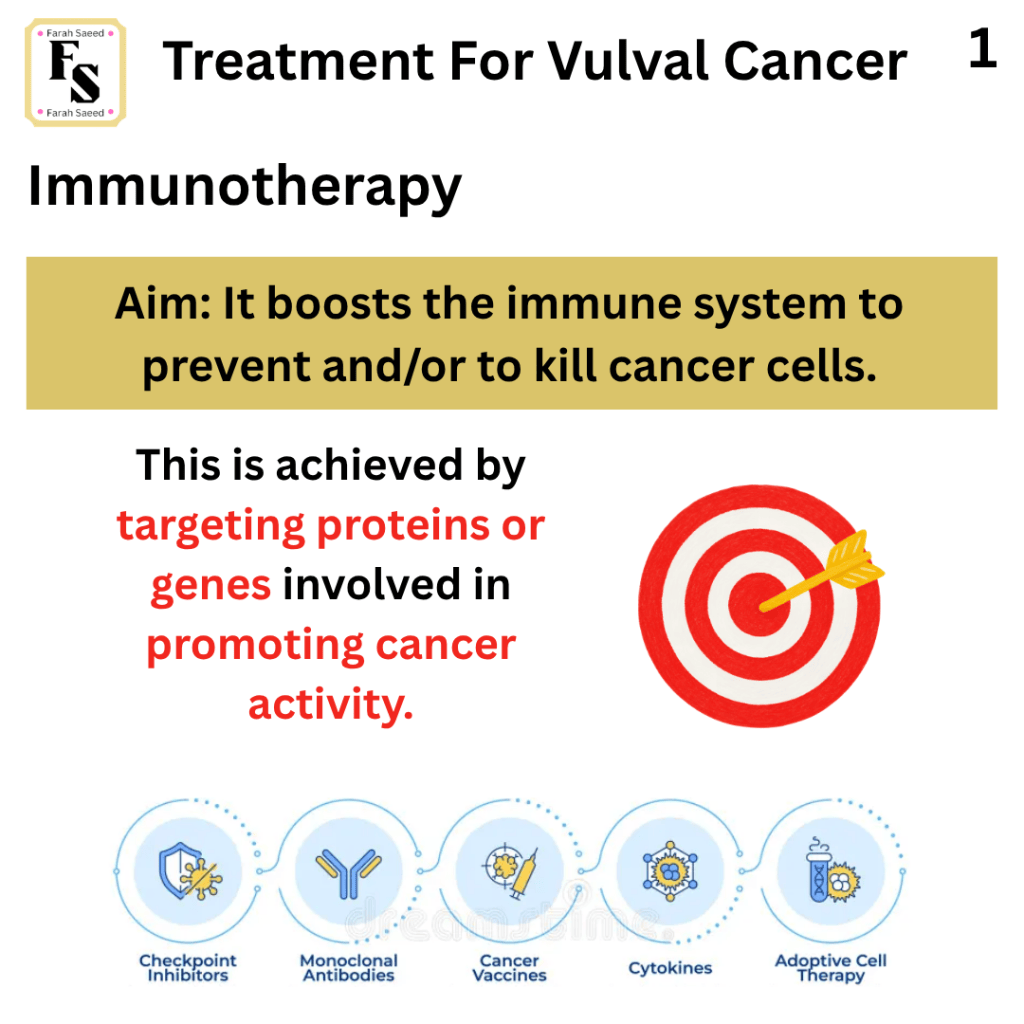
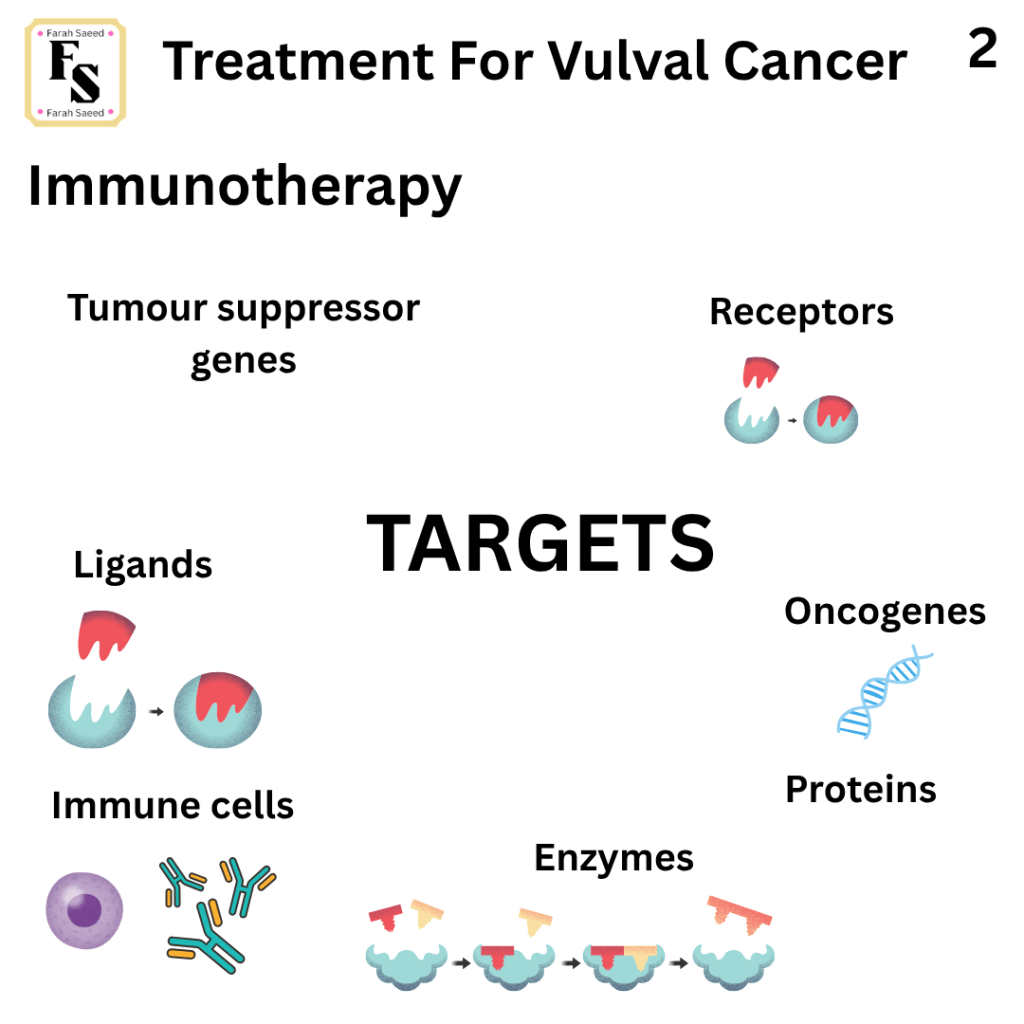
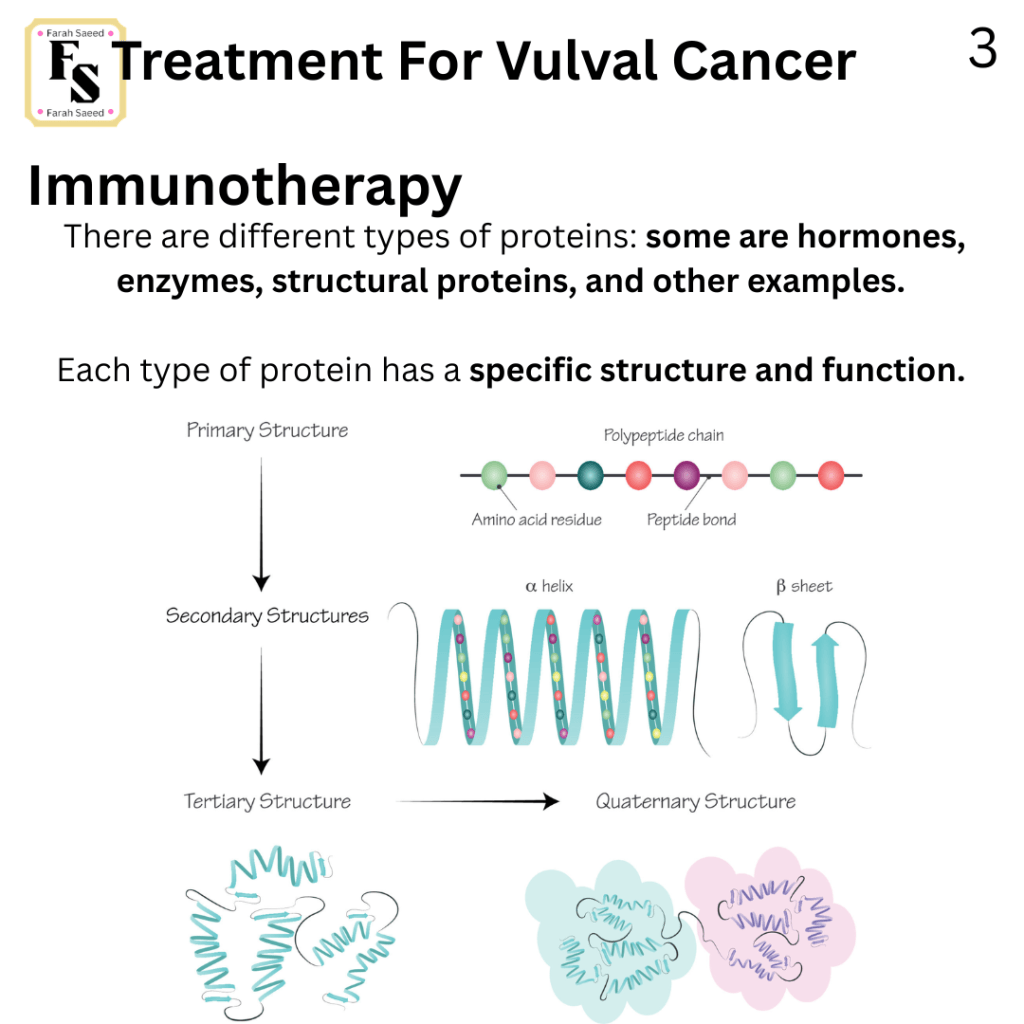
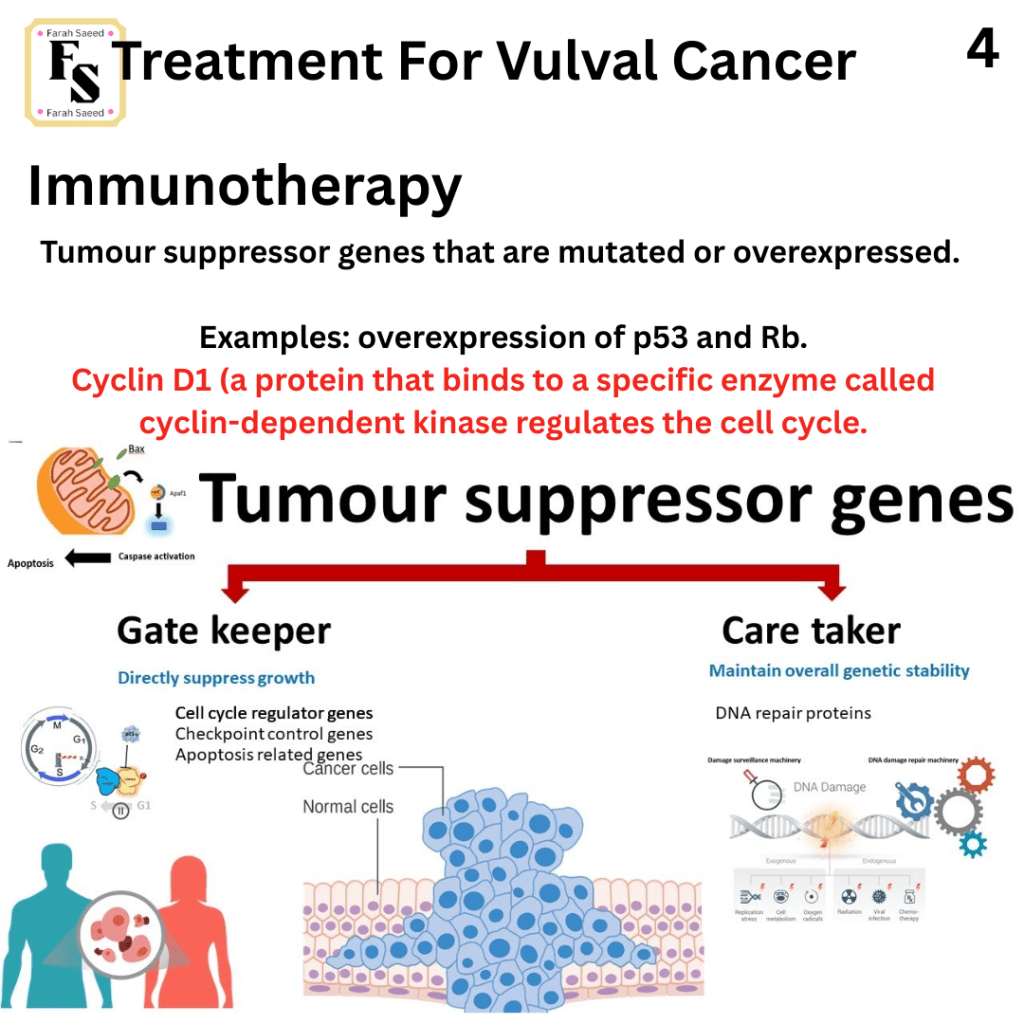
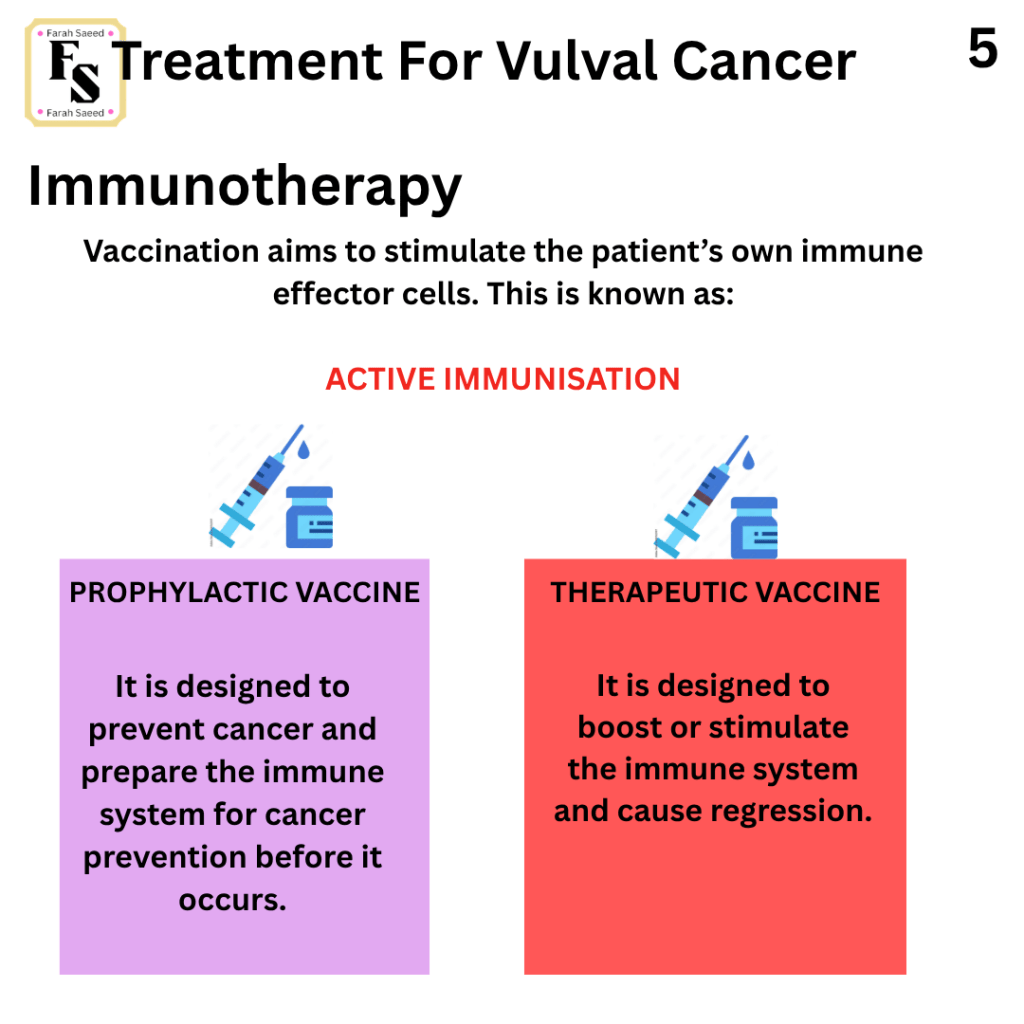
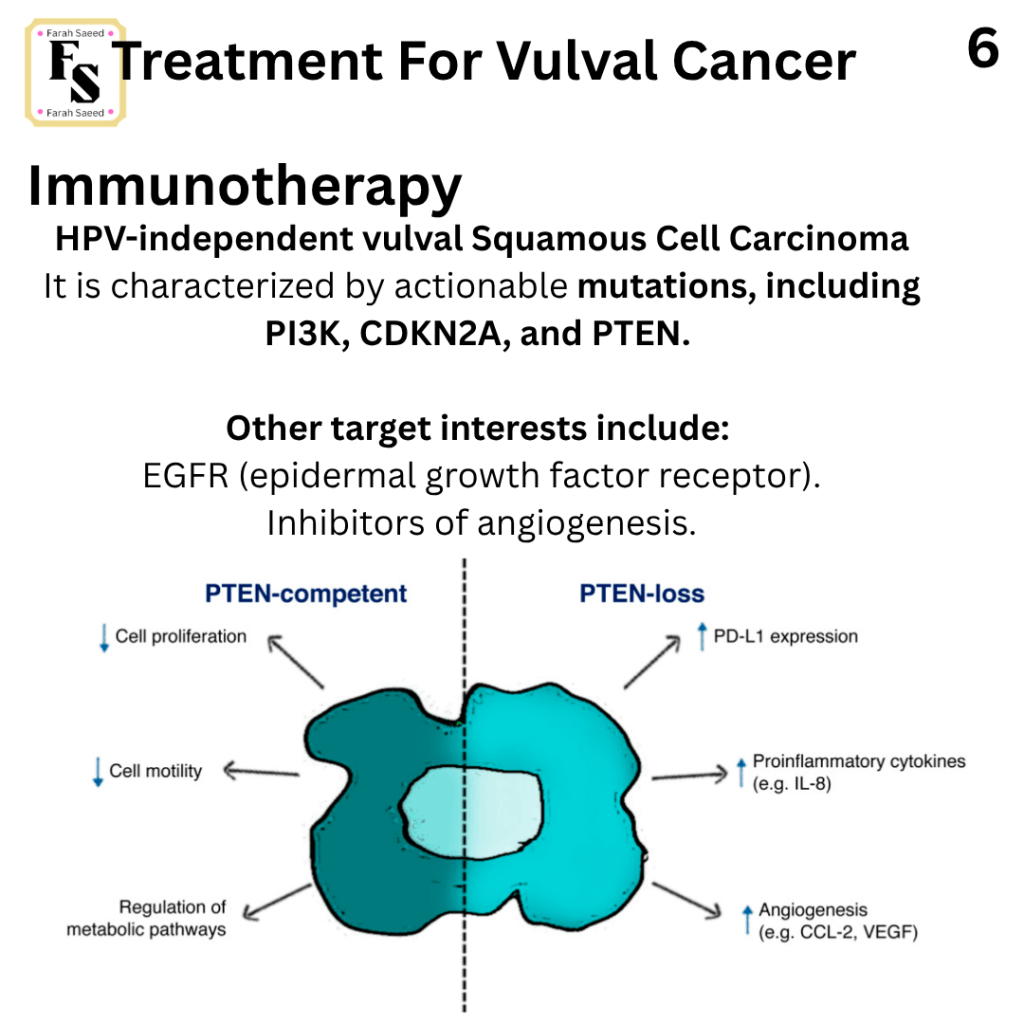
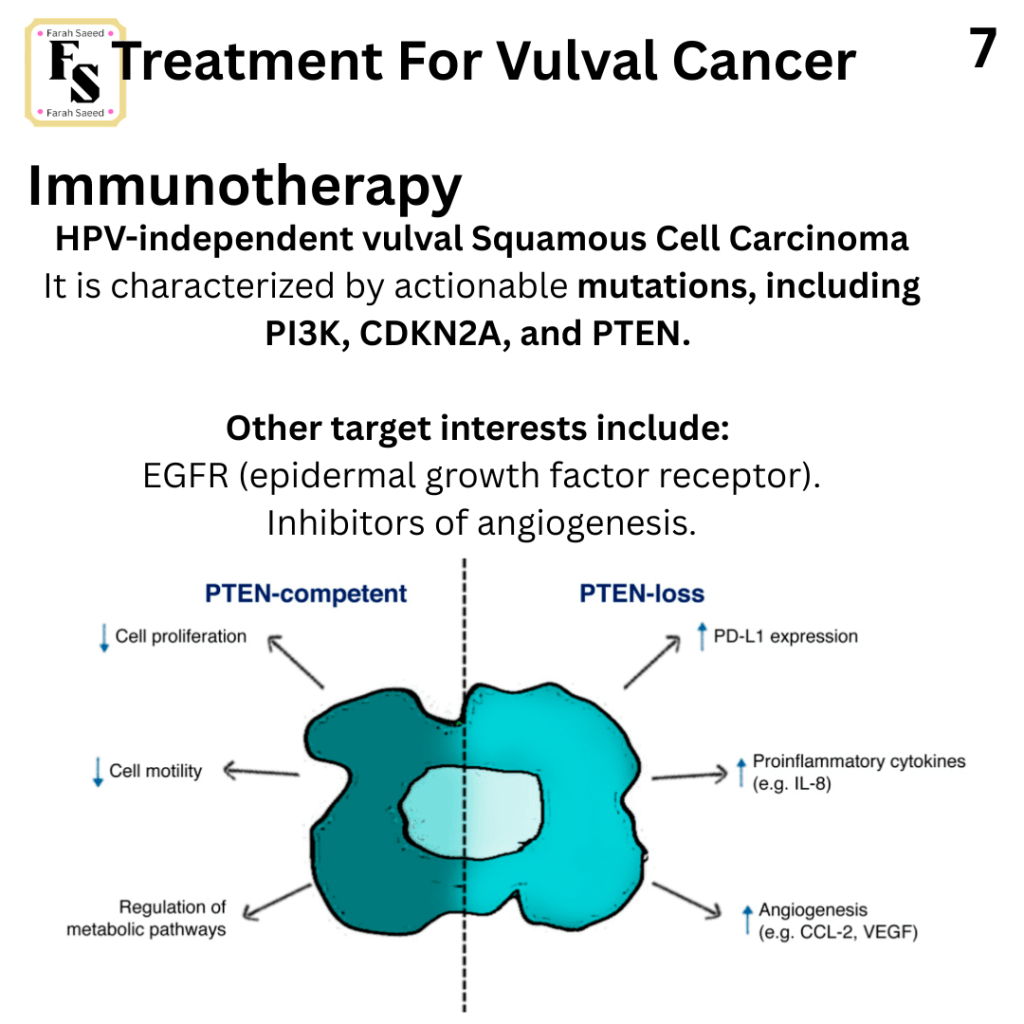
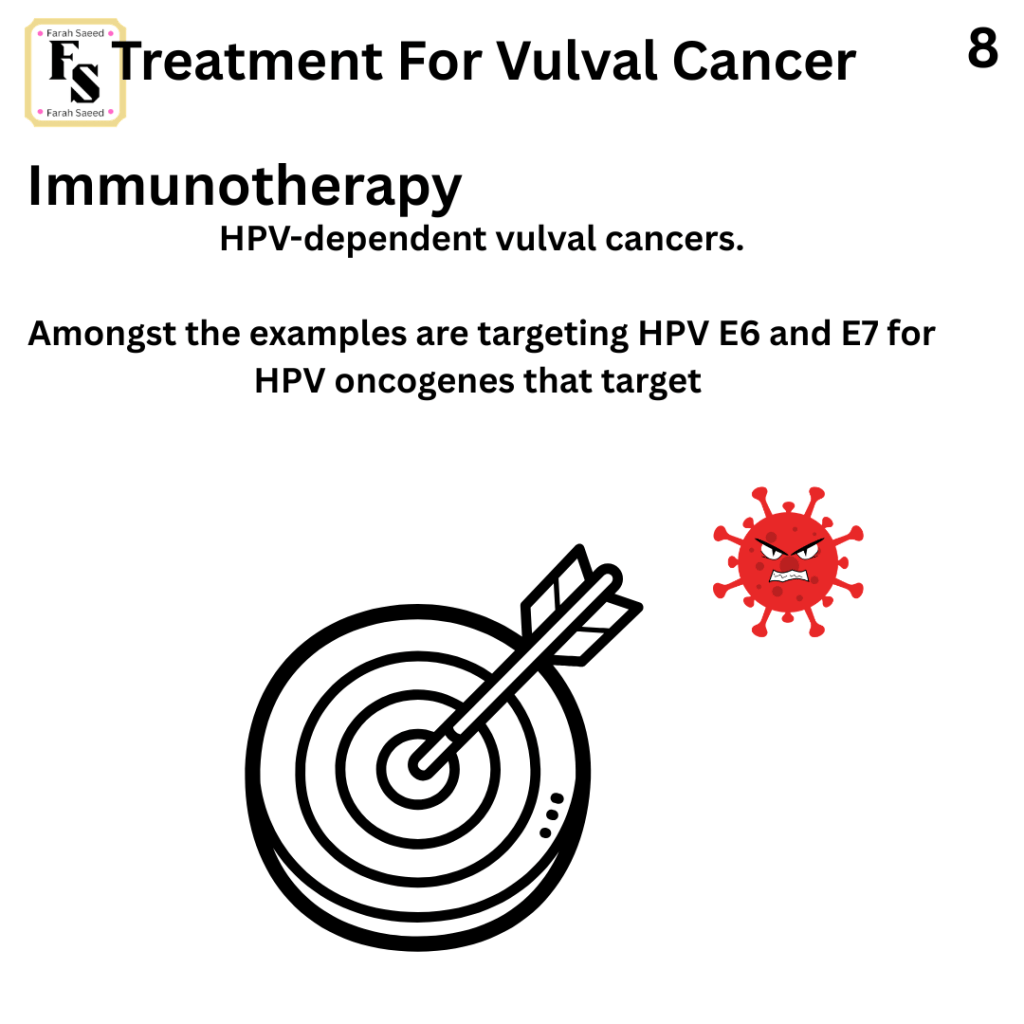
Supporting Images For Immunotherapy for Vulva
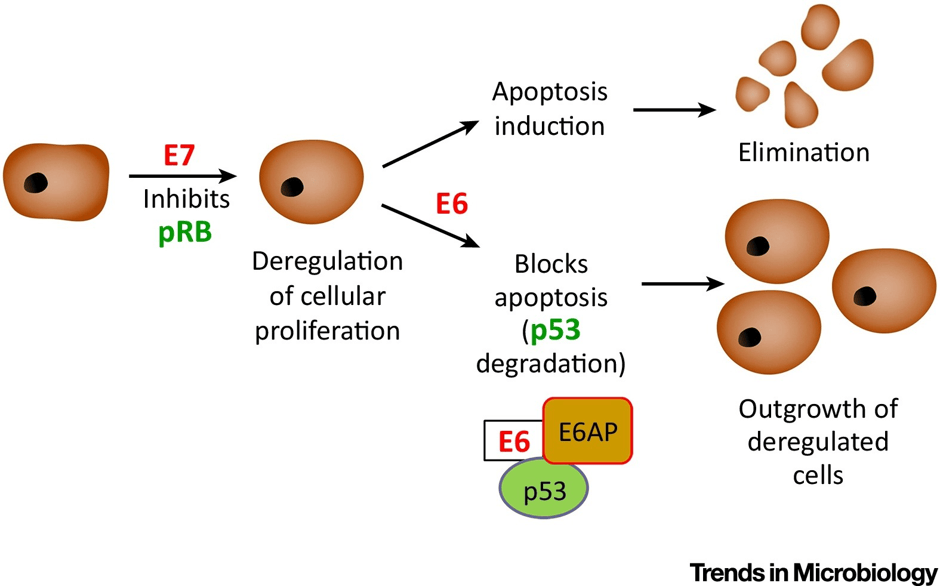
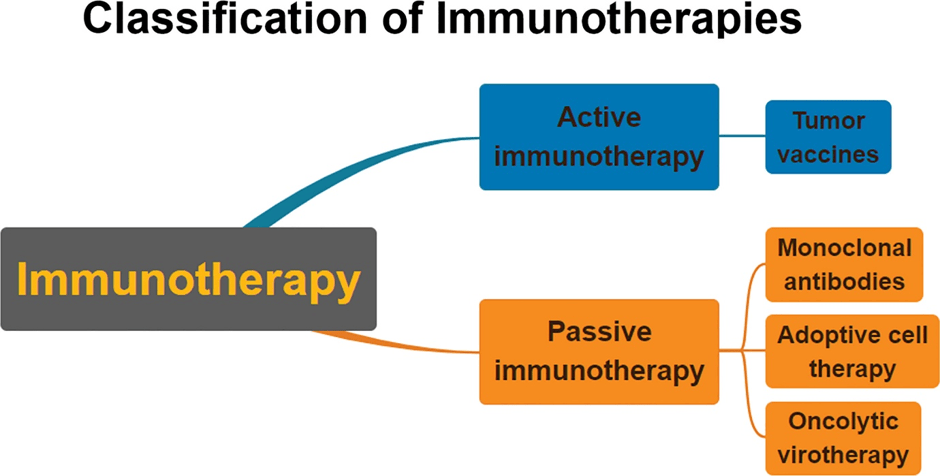
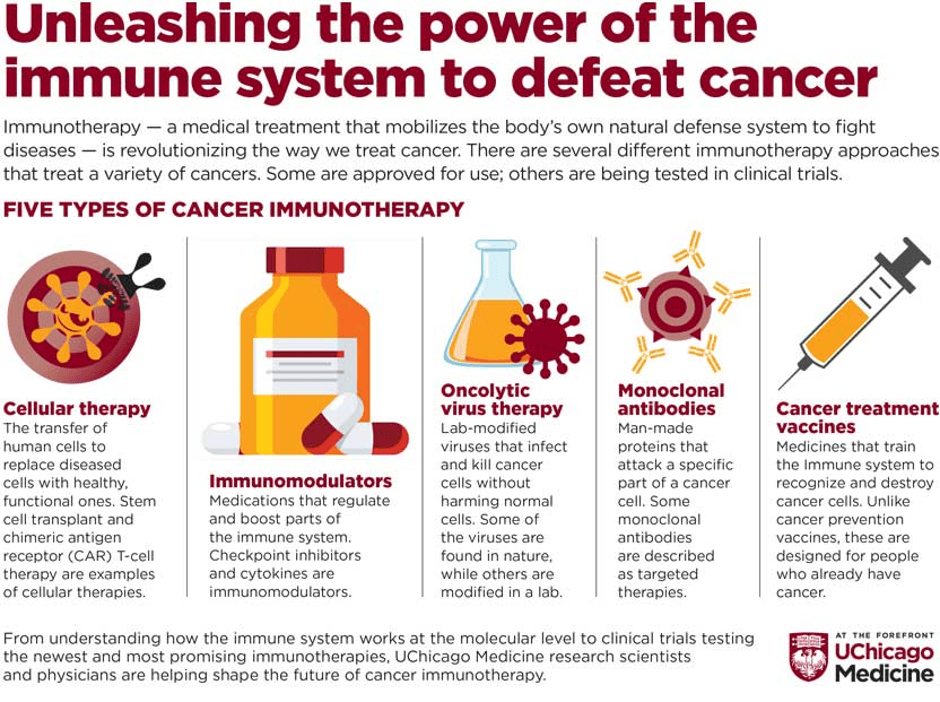
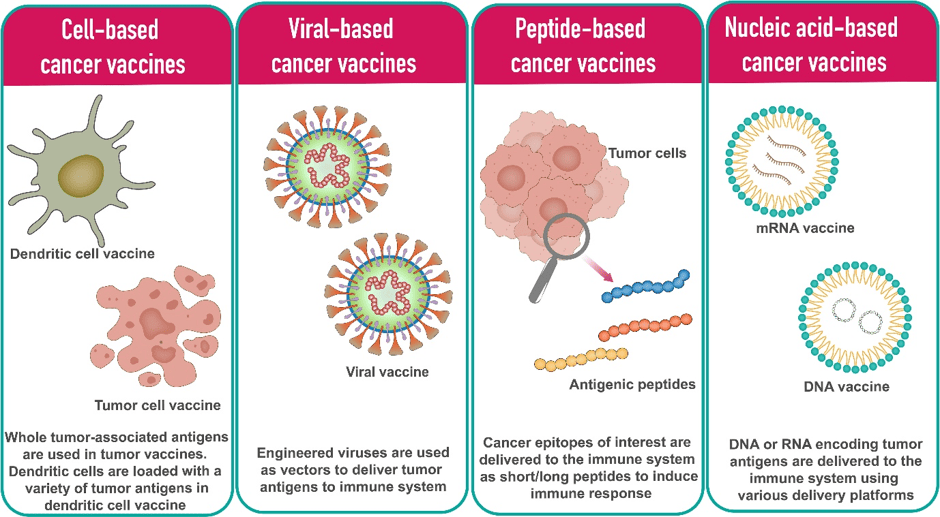
Viral-based cancer vaccines are when engineered viruses are used as vectors. Therefore, the viruses are made in the laboratory, where they isolate and manipulate fragments of the virus and the DNA. When the recombinant virus vector is re-introduced into the body, it can replicate, delivering antigens to the immune cells. Another example is Gardasil, where the capsid protein expressed using recombinant DNA techniques helps to make virus-like particles. It is commonly used to treat cervical cancer primarily but also has shown effectiveness in other types of tumours that arise in the female reproductive system.
Peptide-based vaccines focus on using tumour-associated antigens to make an immune response via T-cells rather than the whole cells from tumours. Tumour-specific antigens vary in their characteristics and quantity on tumour cells in comparison to normal cells. Peptides (short sequences of amino acids) that code for the tumour-specific antigens are used to produce synthetic or recombinant proteins. An epitope is a particular part that is recognised by immune cells.
Nucleic acid-based vaccines are vaccines in which DNA or RNA encoding the tumour antigens is presented to the immune system using different techniques.
The ultimate goal is for the T-cells to recognise the antigens on the tumour cell surface and kill the tumour cells, whether that is associated with a virus or the ability to target tumour-specific antigens by the local delivery of gene-vector inoculation to generate a tumour-specific response that can be copied/replicated/amplified to target tumour cells at distant sites.
References
American Cancer Society (2026) Anal Cancer. Available at: https://www.cancer.org/cancer/types/anal-cancer.html (Accessed: 2nd October 2026)
British Association of Dermatologists (2026) Imiquimod cream. Available at: https://www.bad.org.uk/pils/imiquimod-cream (Accessed: 30th September 2026)
Cancer Research UK (2028) Chemotherapy for vulval cancer. Available at: https://www.cancerresearchuk.org/about-cancer/vulval-cancer/treatment/chemotherapy (Accessed: 30th September 2026)
Cleveland Clinic (2026) Volumetric Modulated Arc Therapy (VMAT). Available at: https://my.clevelandclinic.org/health/treatments/17626-volumetric-modulated-arc-therapy-vmat (Accessed: 30th September 2026)
Hoppe-Seyler, K., Bossler, F., Braun, J.A., Herrmann, A.L. and Hoppe-Seyler, F. (2018). The HPV E6/E7 Oncogenes: Key Factors for Viral Carcinogenesis and Therapeutic Targets. Trends in Microbiology, [online] 26(2), pp.158–168. doi:10.1016/j.tim.2017.07.007.
Kochhar, R., Plumb, A.A., Carrington, B.M. and Saunders, M. (2012). Imaging of Anal Carcinoma. American Journal of Roentgenology, 199(3), pp.W335-W344. doi:10.2214/ajr.11.8027.
Lobna Ouldamer, Z. Chraibi, Flavie Arbion, Barillot, I. and Body, G. (2013). Bartholin’s gland carcinoma: Epidemiology and therapeutic management. 22(2), pp.117–122. doi:10.1016/j.suronc.2013.02.004.
Morrison, J., Baldwin, P., Hanna, L., Andreou, A., Buckley, L., Durrant, L., Edey, K., Faruqi, A., Fotopoulou, C., Ganesan, R., Hillaby, K. and Taylor, A. (2024). British Gynaecological Cancer Society (BGCS) vulval cancer guidelines: An update on recommendations for practice 2023. PubMed, 292, pp.210–238. Doi: 10.1016/j.ejogrb.2023.11.013.
National Cancer Institute (2026) Vulvar Cancer Treatment (PDQ®)–Health Professional Version. Available at: https://www.cancer.gov/types/vulvar/hp/vulvar-treatment-pdq (Accessed: 17th August 2026)
Royal College of Obstetricians and Gynaecologists (2014) Guidelines for the Diagnosis and Management of Vulval Carcinoma. Available at: https://www.rcog.org.uk/media/dqwnw2a1/vulvalcancerguideline.pdf (Accessed: 1st October 2026)
The Eve Appeal (2026) Vulval cancer Available at; https://eveappeal.org.uk/information-and-advice/gynaecological-cancers/vulval-cancer/ (Accessed: 7th August 2026)


Leave a comment