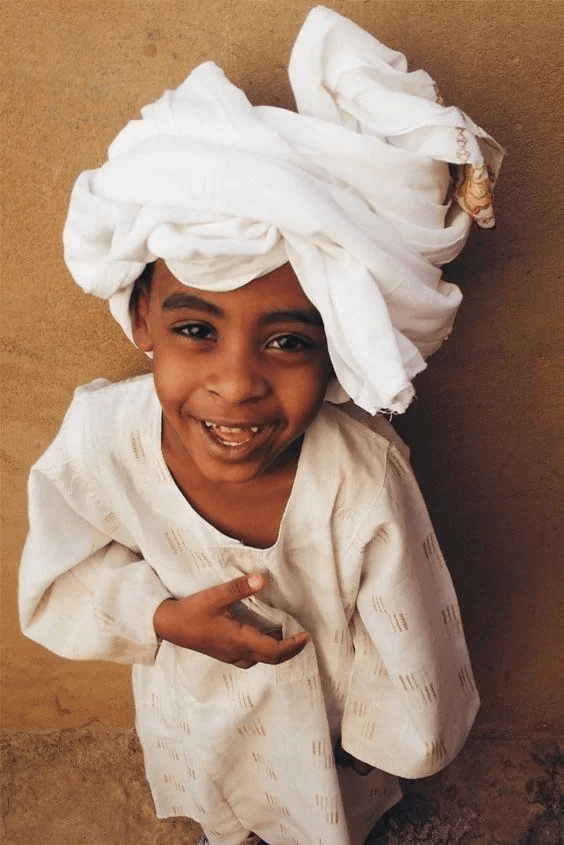
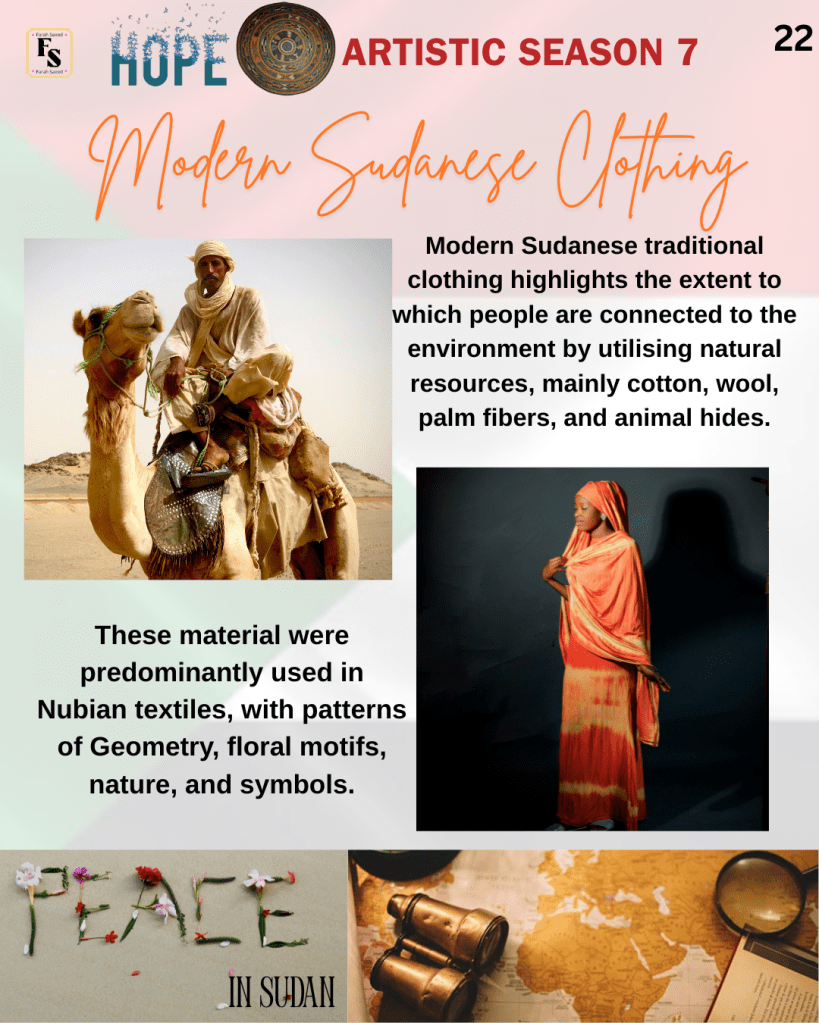
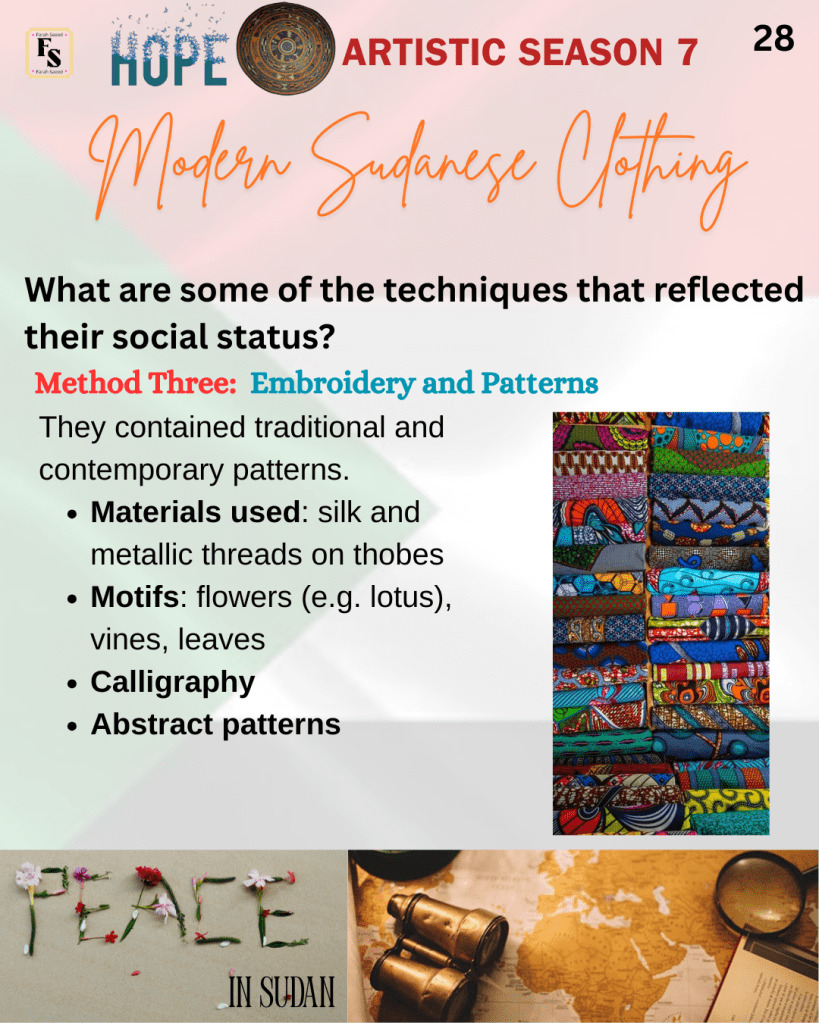
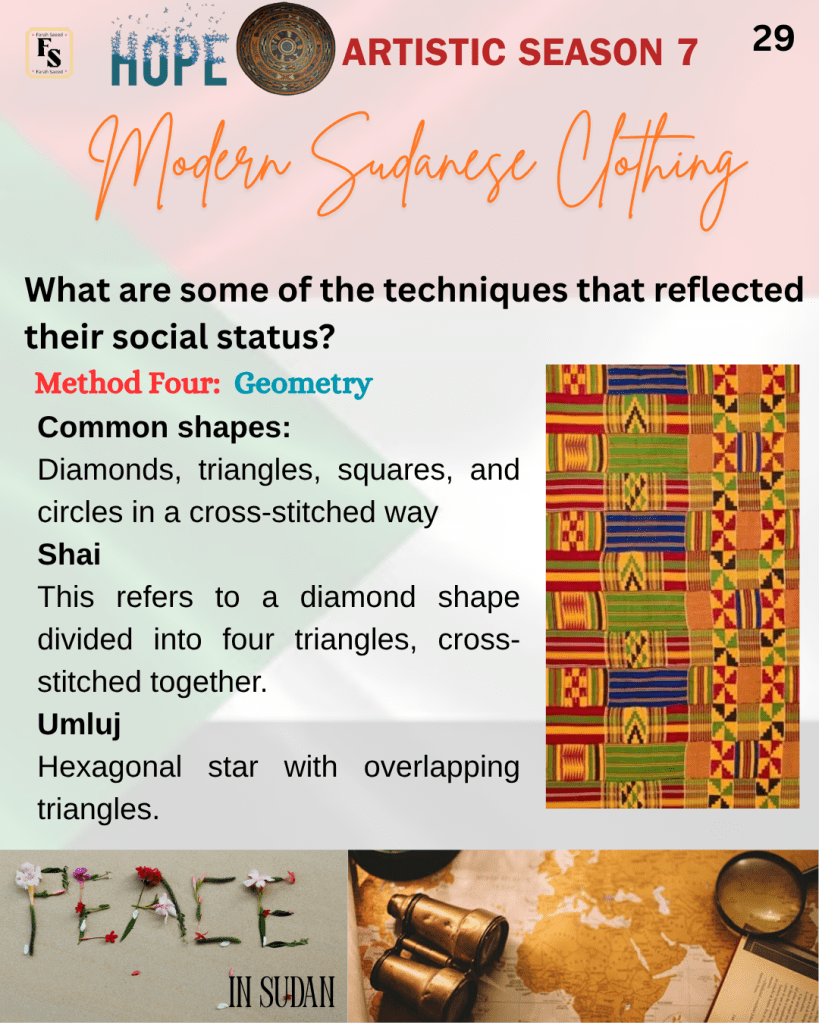
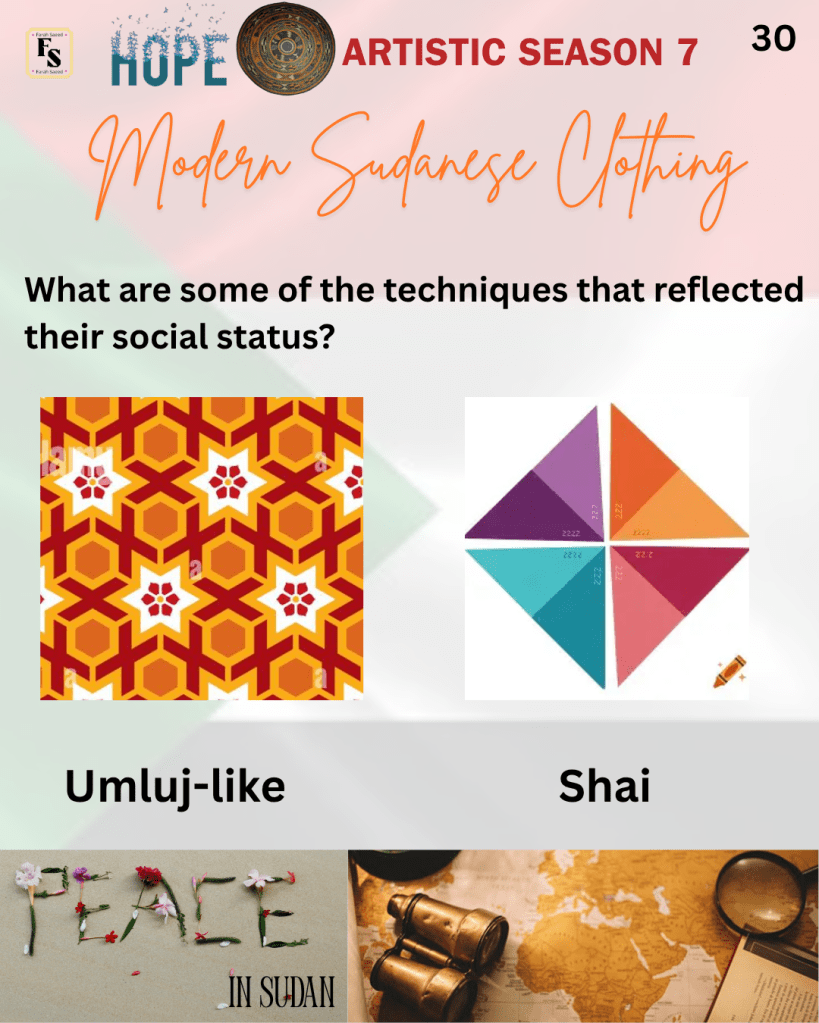
The Northeastern country of Sudan has vibrant cultural traditions that have a fundamental impact that is artistically expressed in its clothing. This has been influenced by a blend of Arab, African, Nubian, Greek, and Roman civilizations that is reflected in its historical journey and fashion landscape. Every embroidery, motif, pattern, and fabric reflects the values and beliefs of the Sudanese people and is a means of communication and identity. Common motifs include the palm tree, which symbolizes life and resilience, and the crescent moon, often representing spirituality and renewal. Geometric patterns such as triangles and diamonds are frequently used to convey strength, protection, and unity within the community. These distinctive symbols, incorporated into Sudanese attire, help preserve cultural stories and connect generations.
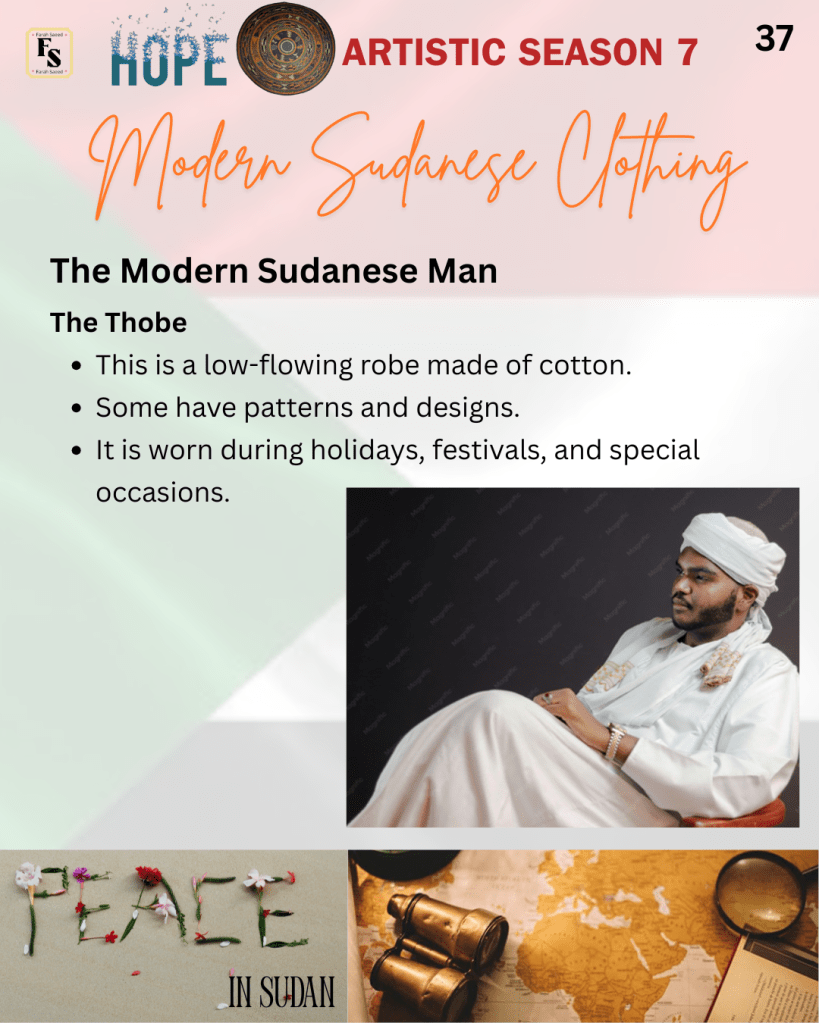
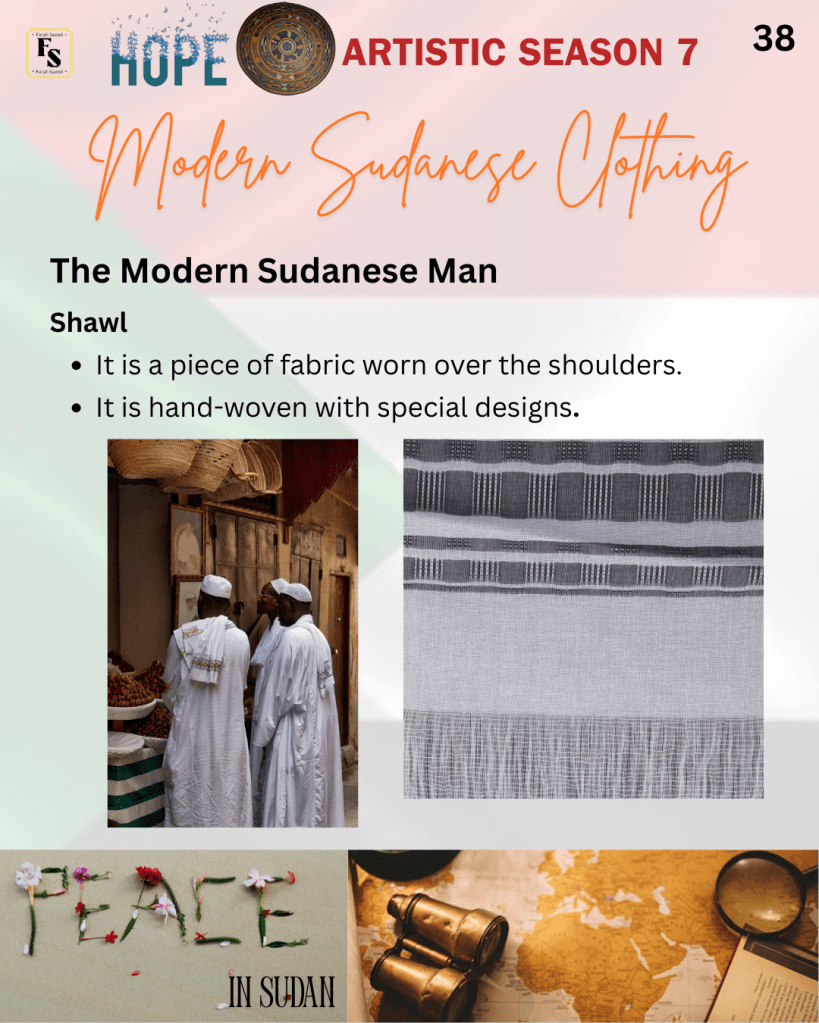
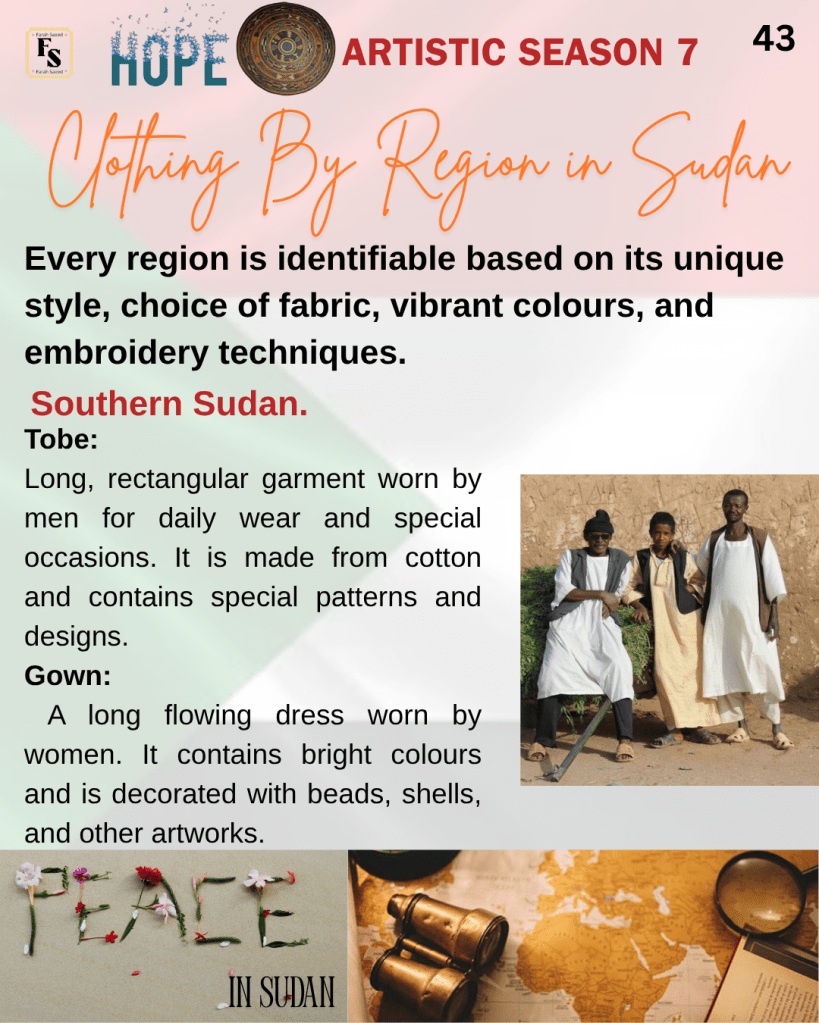
The traditional gallibaya is commonly worn in Egypt, but variations of this garment are also found in neighbouring Sudan and regions of East Africa. In Sudan, the equivalent garment is called the thawb, and while both are long and loose-fitting, there are noticeable differences between them. The Egyptian gallibaya is typically simpler, often made in solid, understated colours and worn mostly by men. In contrast, the Sudanese thawb is distinguished by its wider cut, flowing fabric, and vibrant colours.
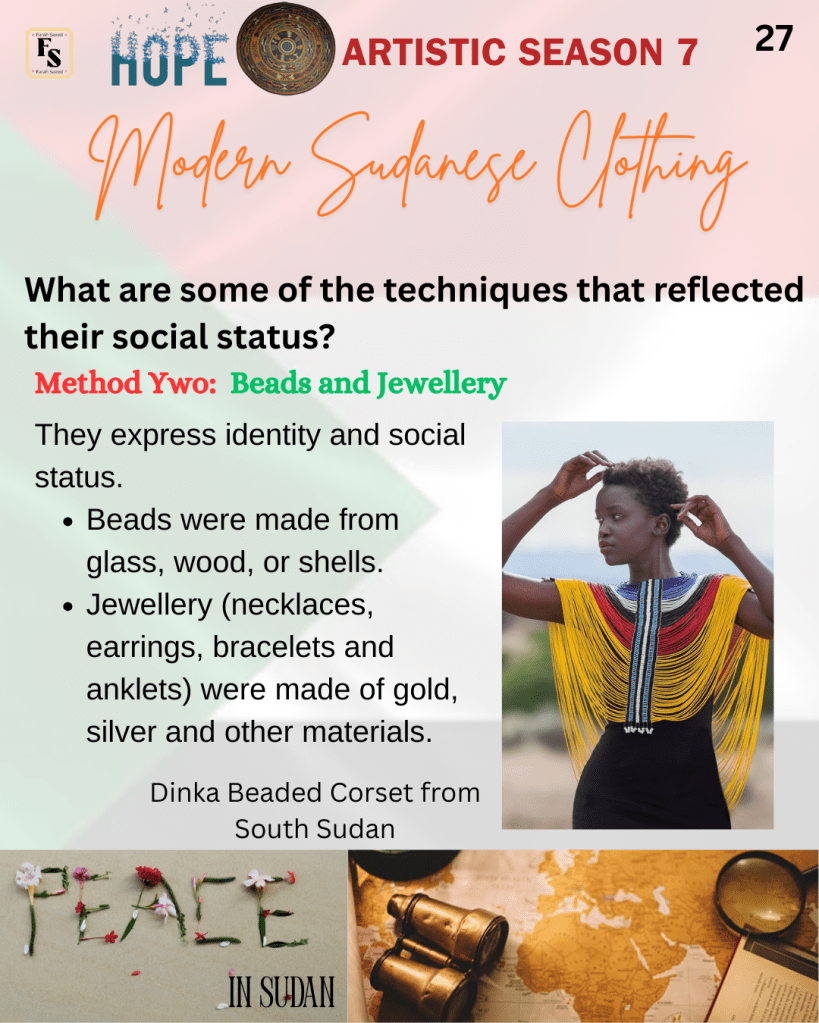
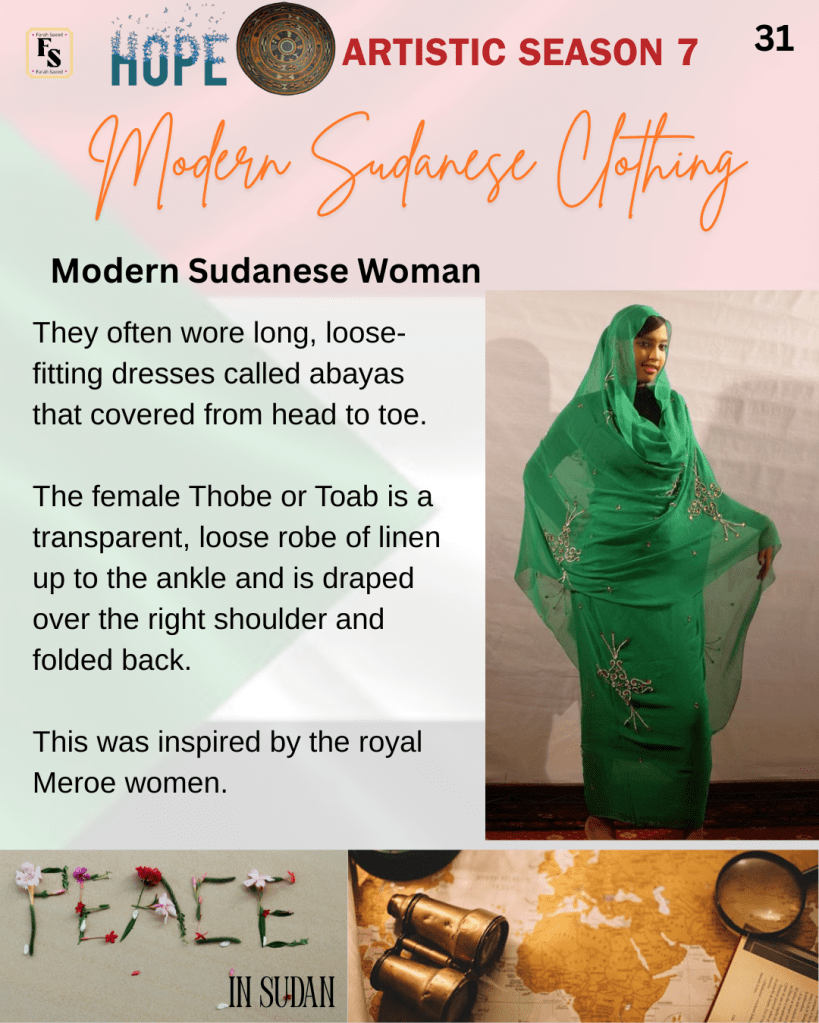
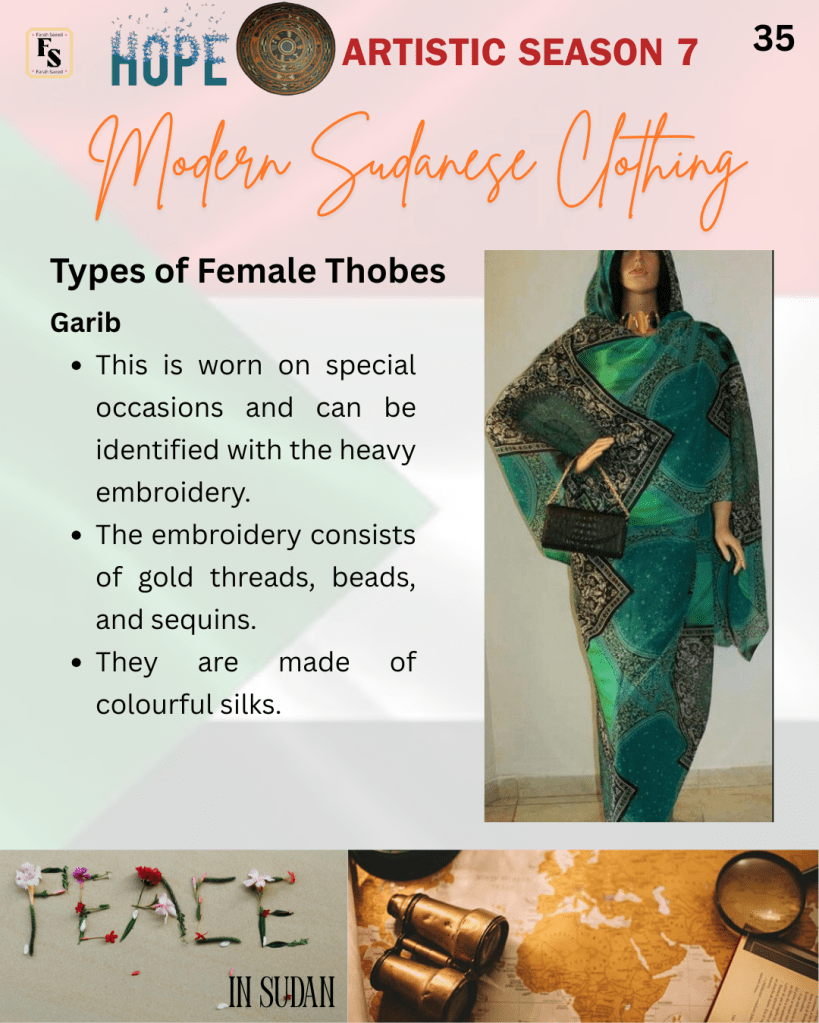
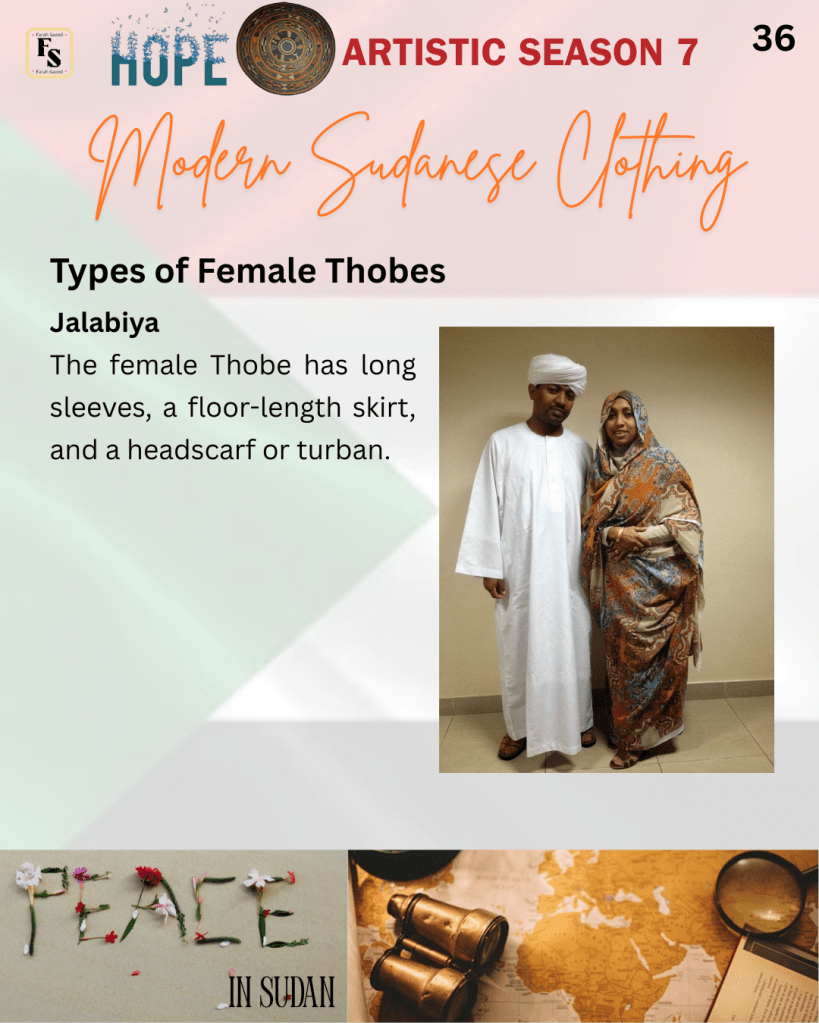
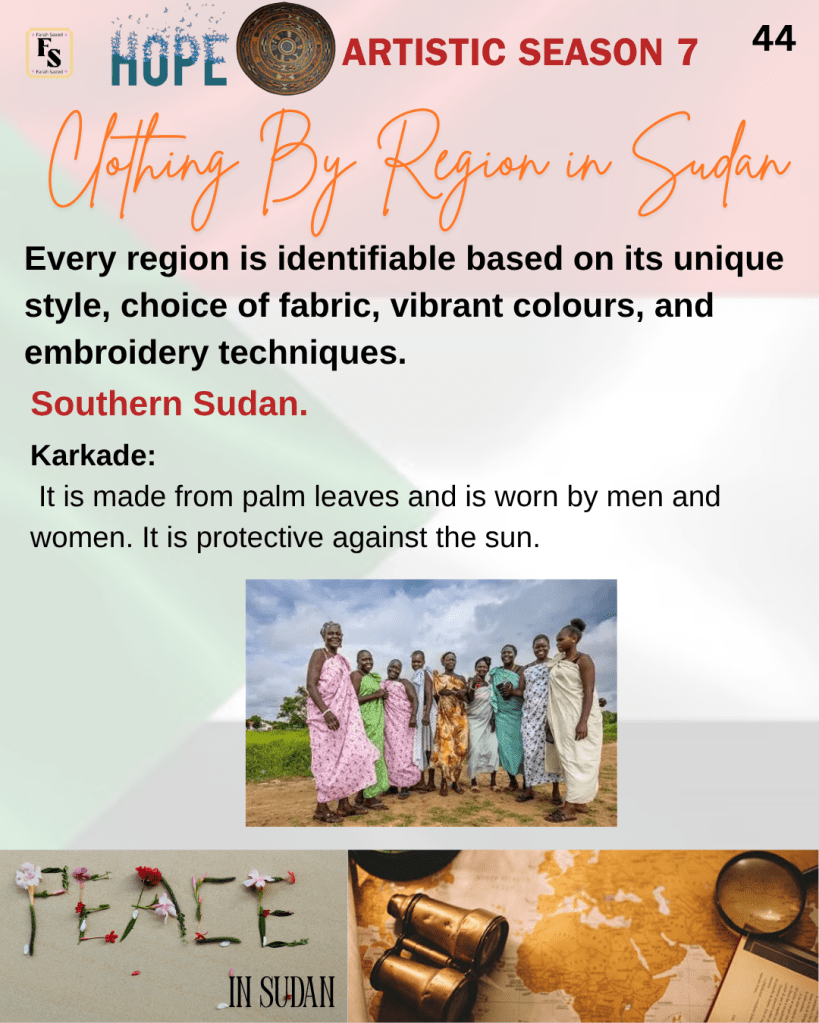
Women also wear Thobe that is often adorned with elaborate embroidery and decorative motifs. Sudanese women also accessorise their thawbs with items such as headwear, belts, and beaded jewellery, adding to its elegance and cultural meaning. Through their distinctive style of traditional attire, the people of Sudan maintain a strong connection with their cultural roots and express their identity amid pressures of globalisation and modernisation.
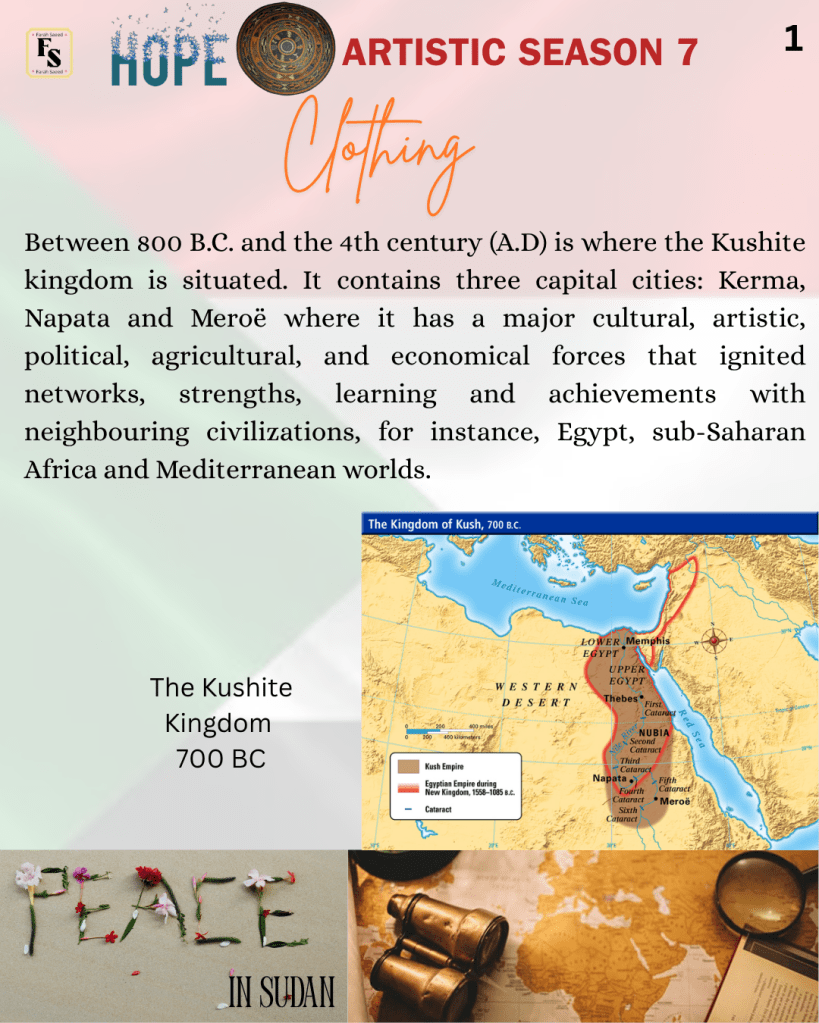
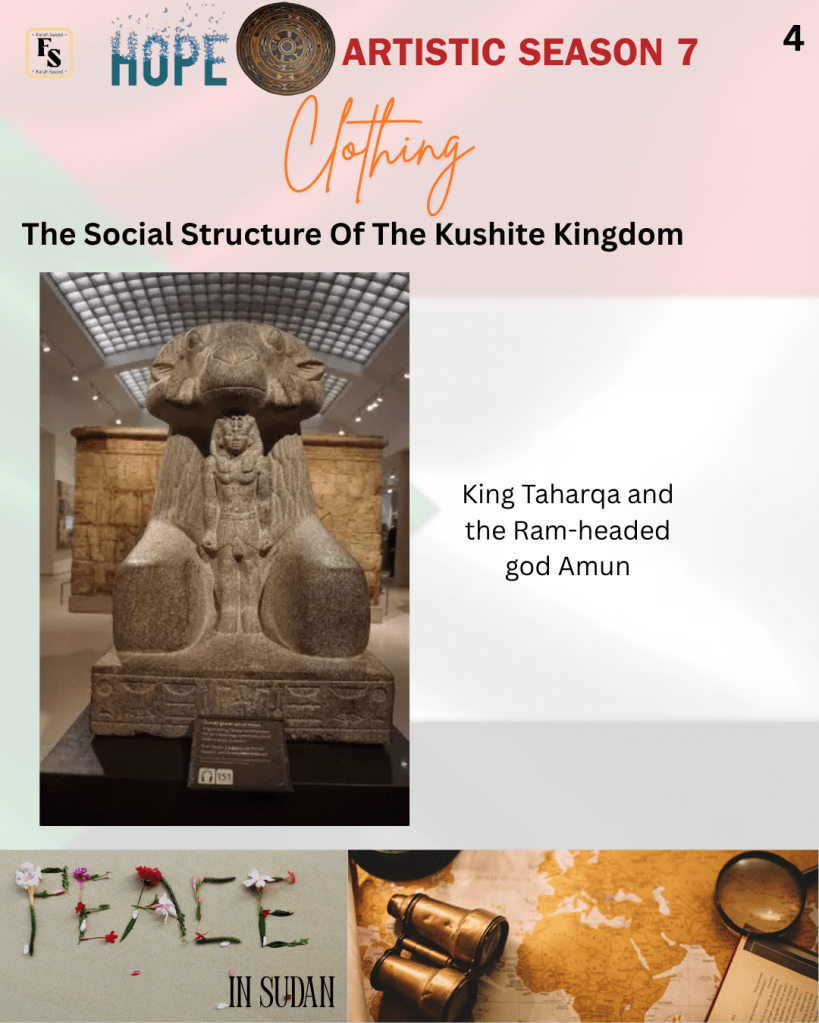
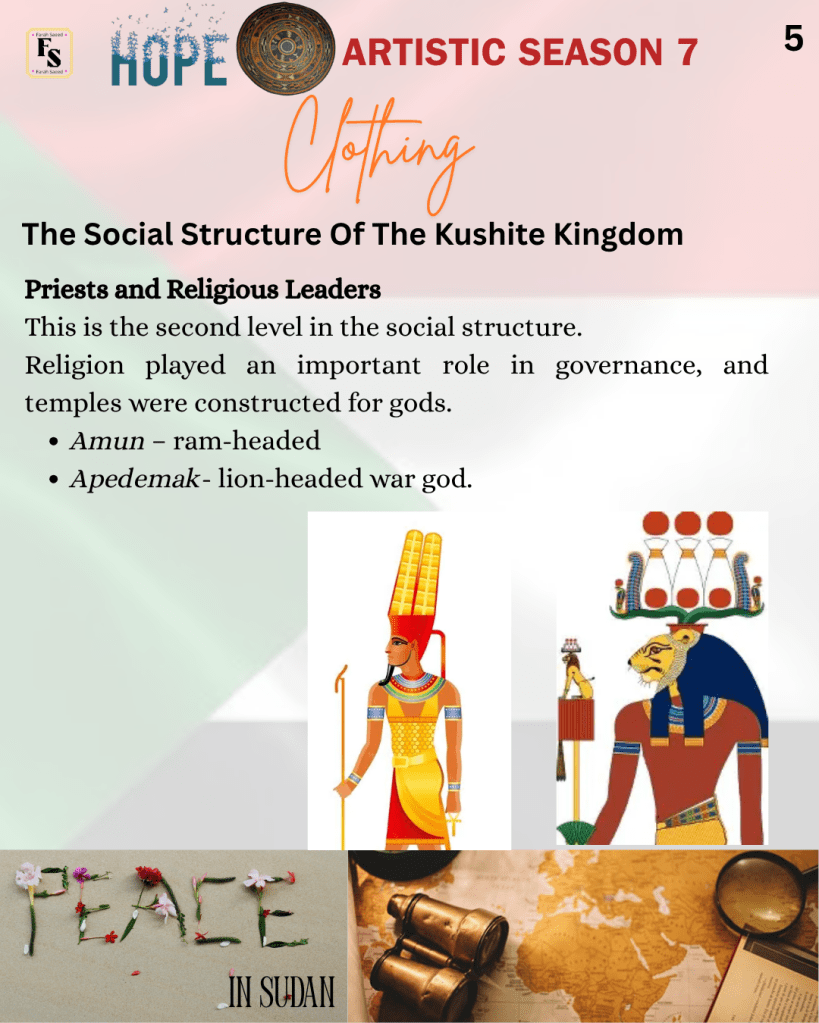
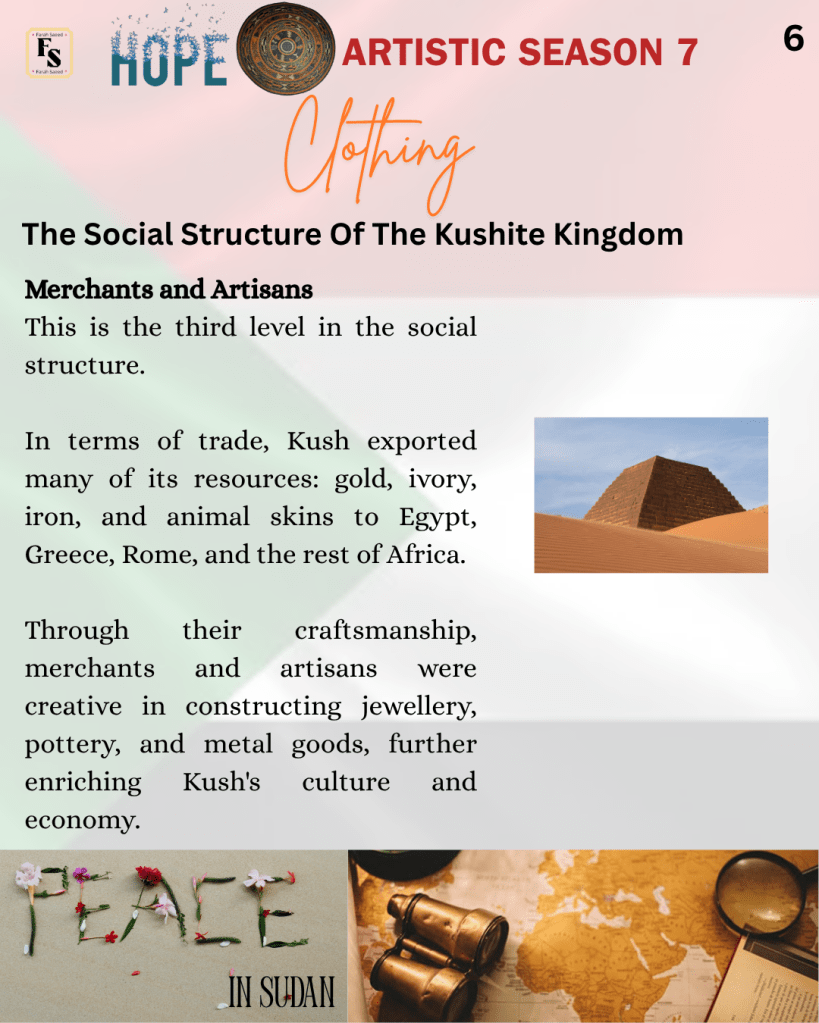
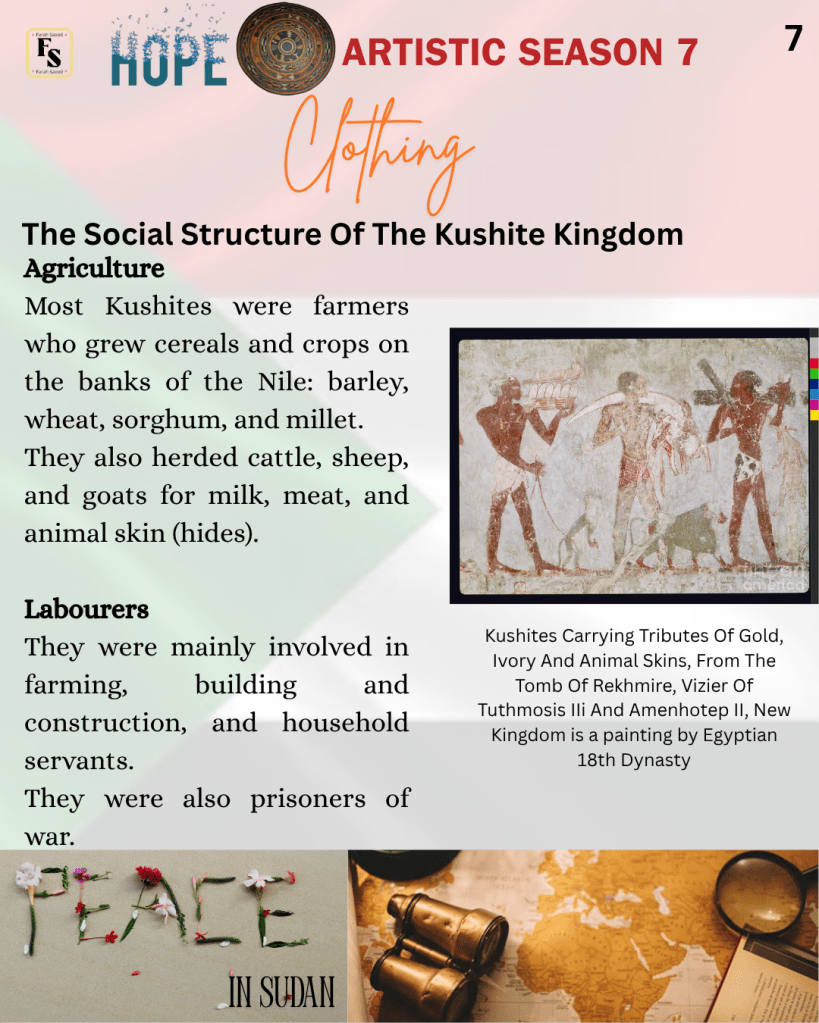
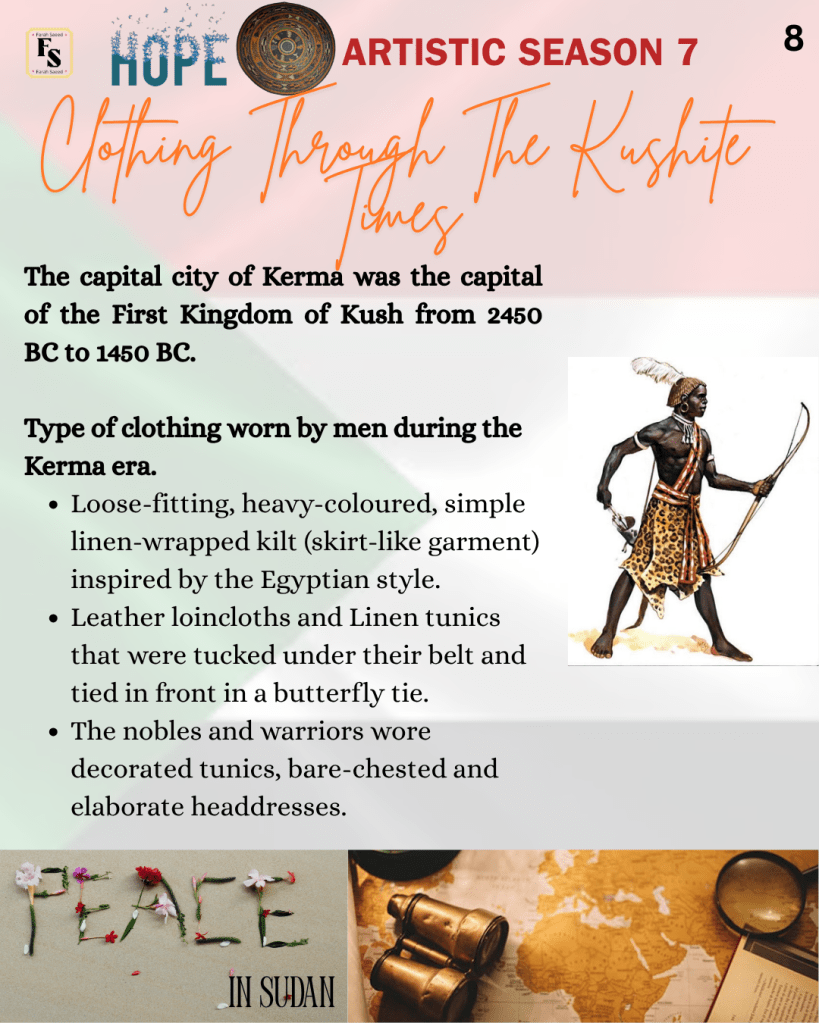
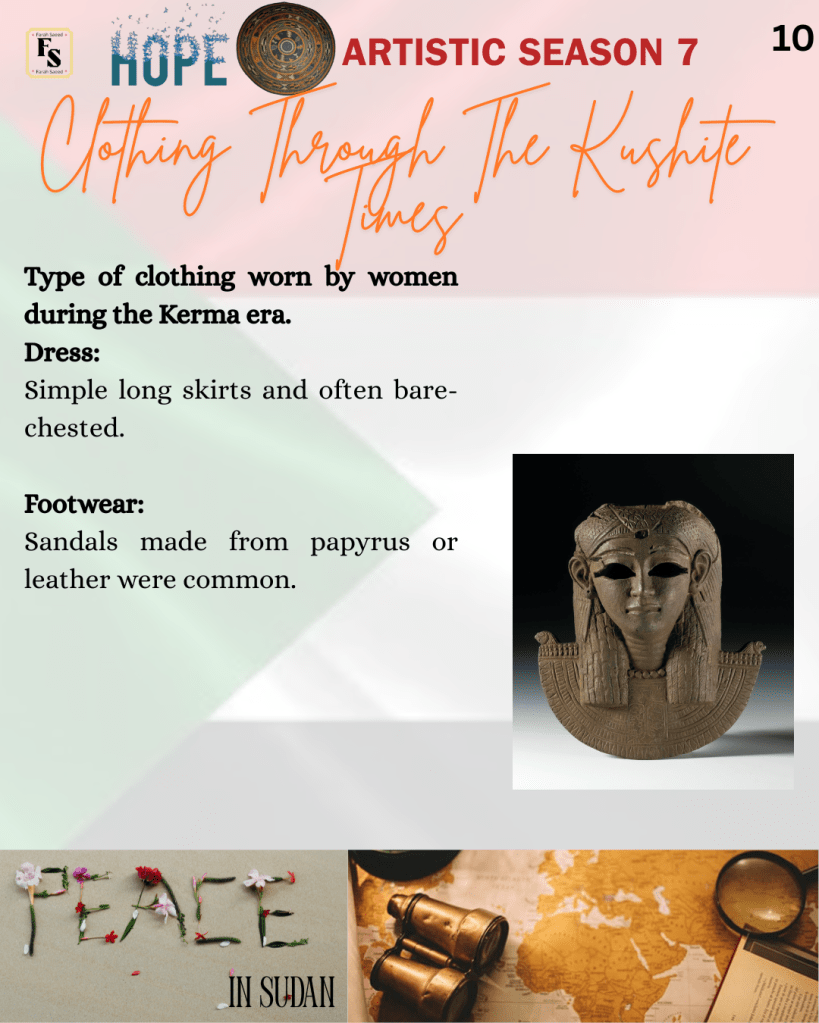
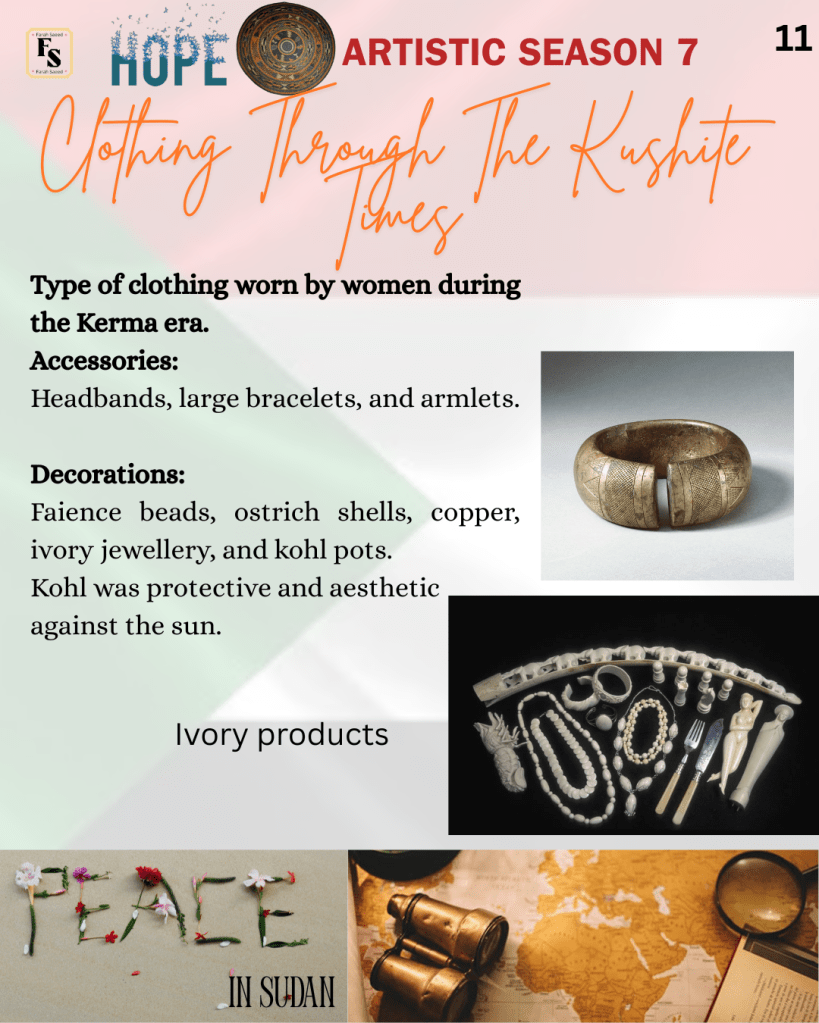
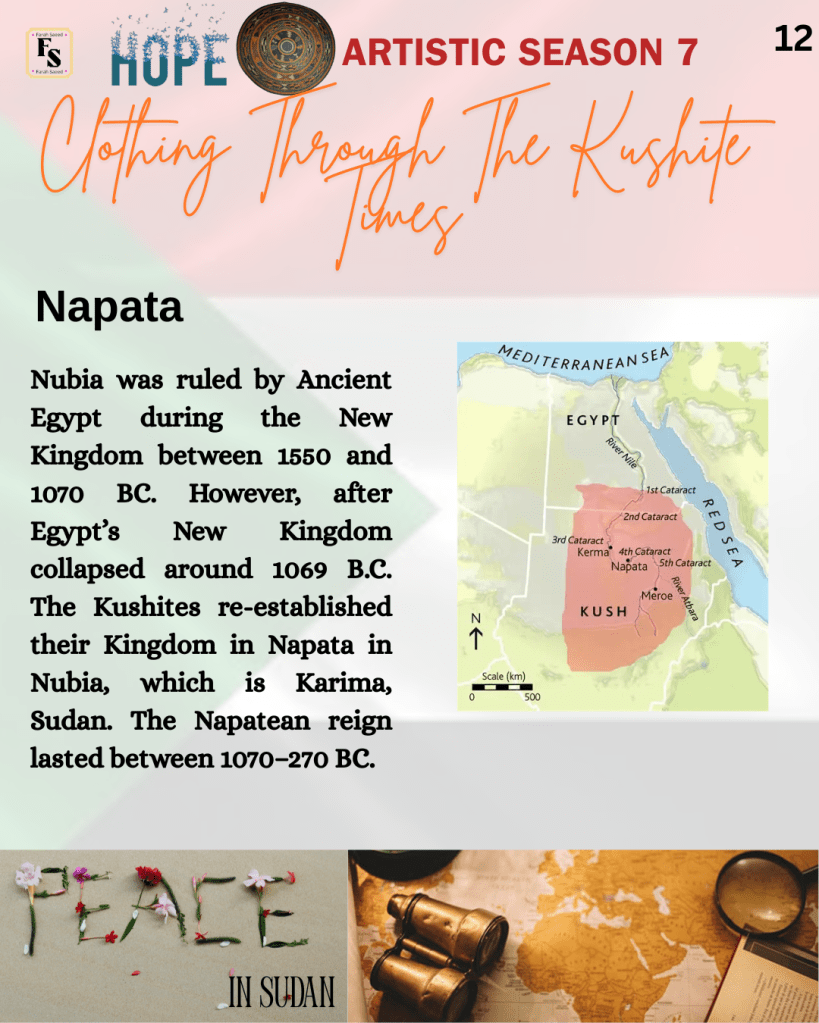
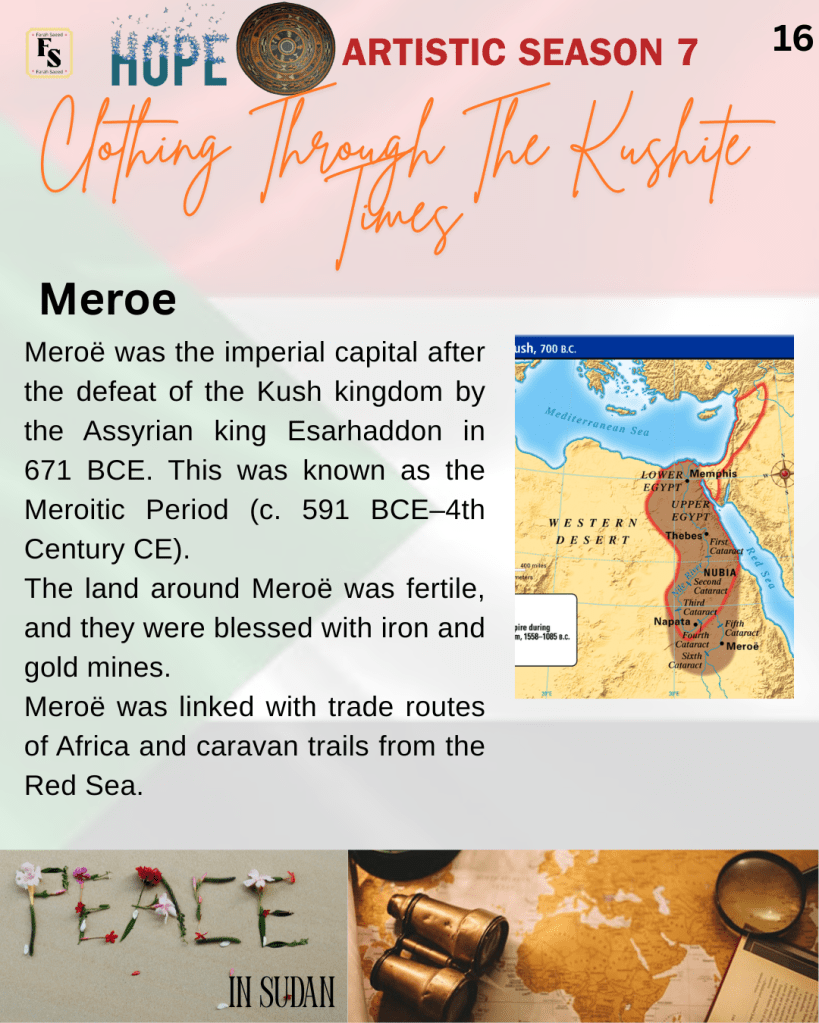
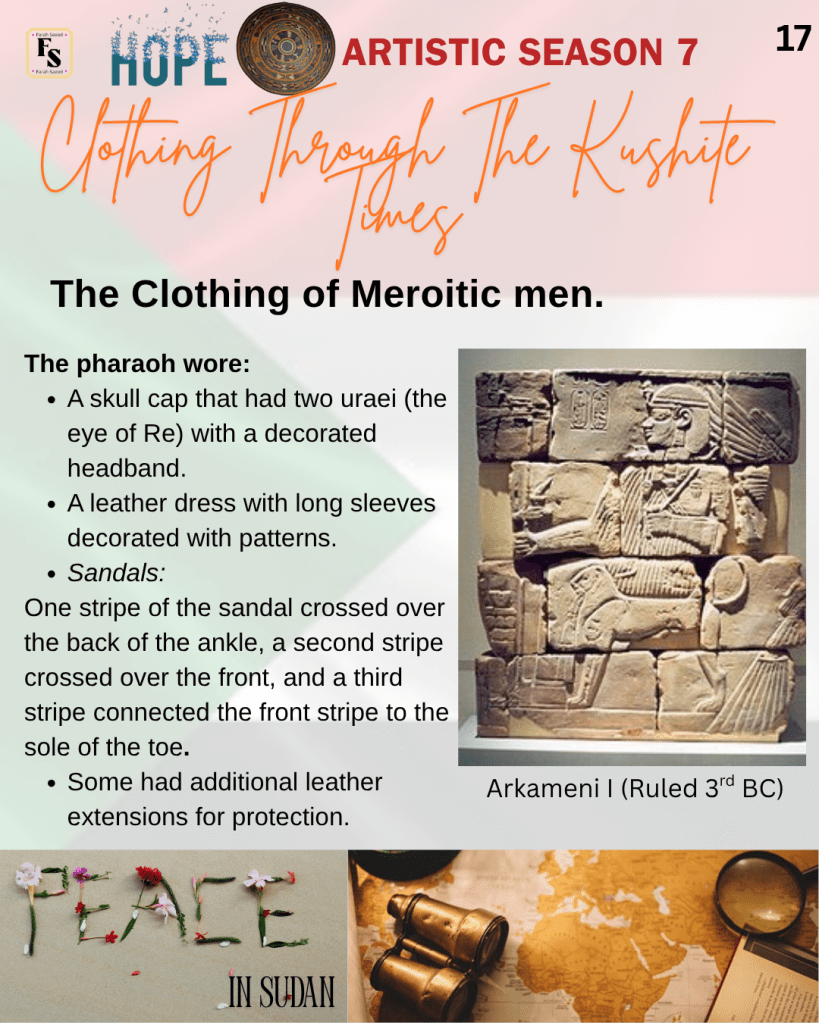
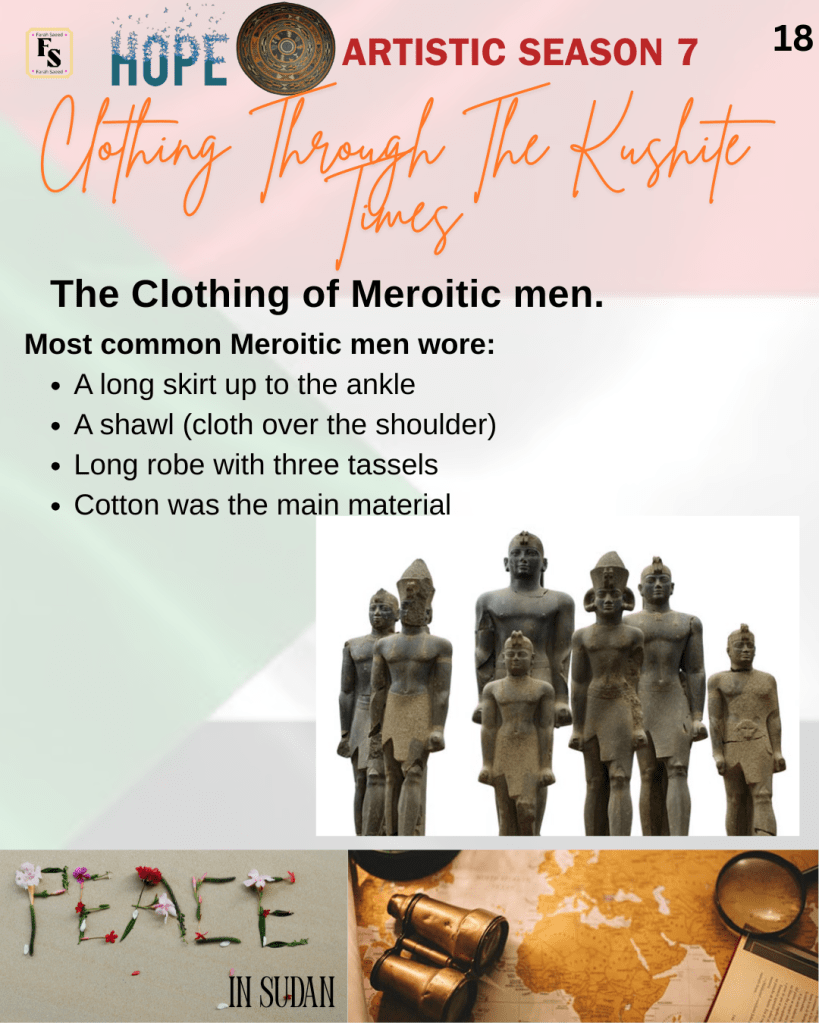
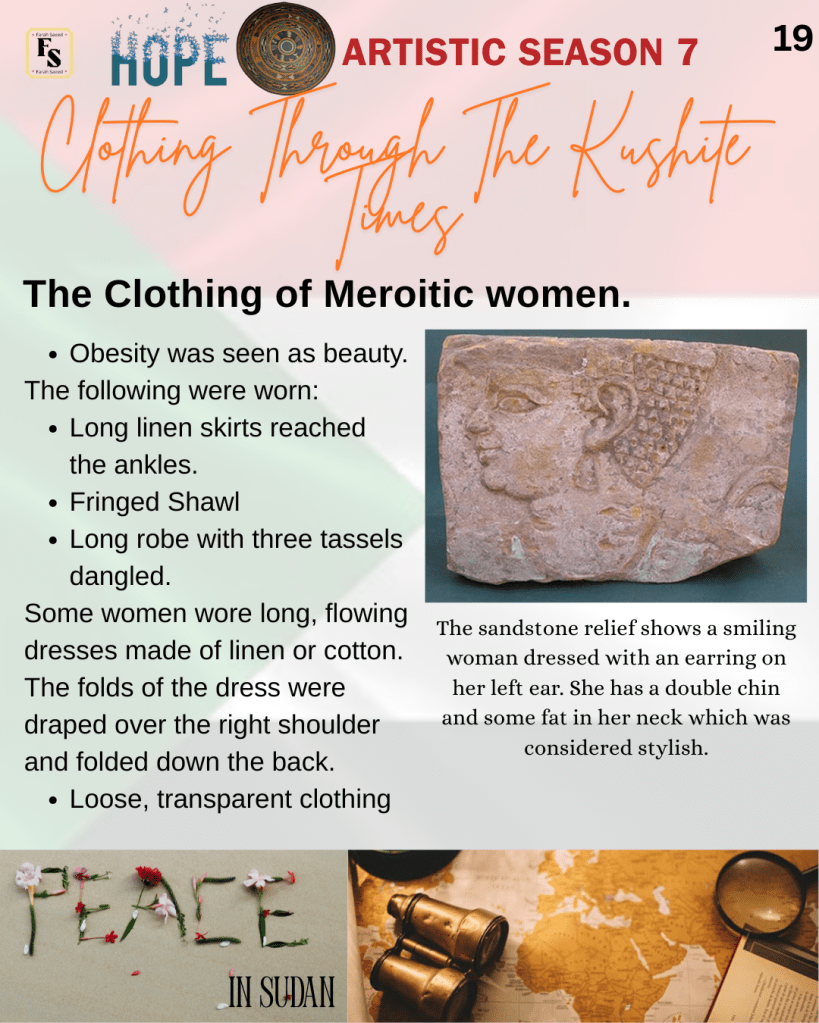
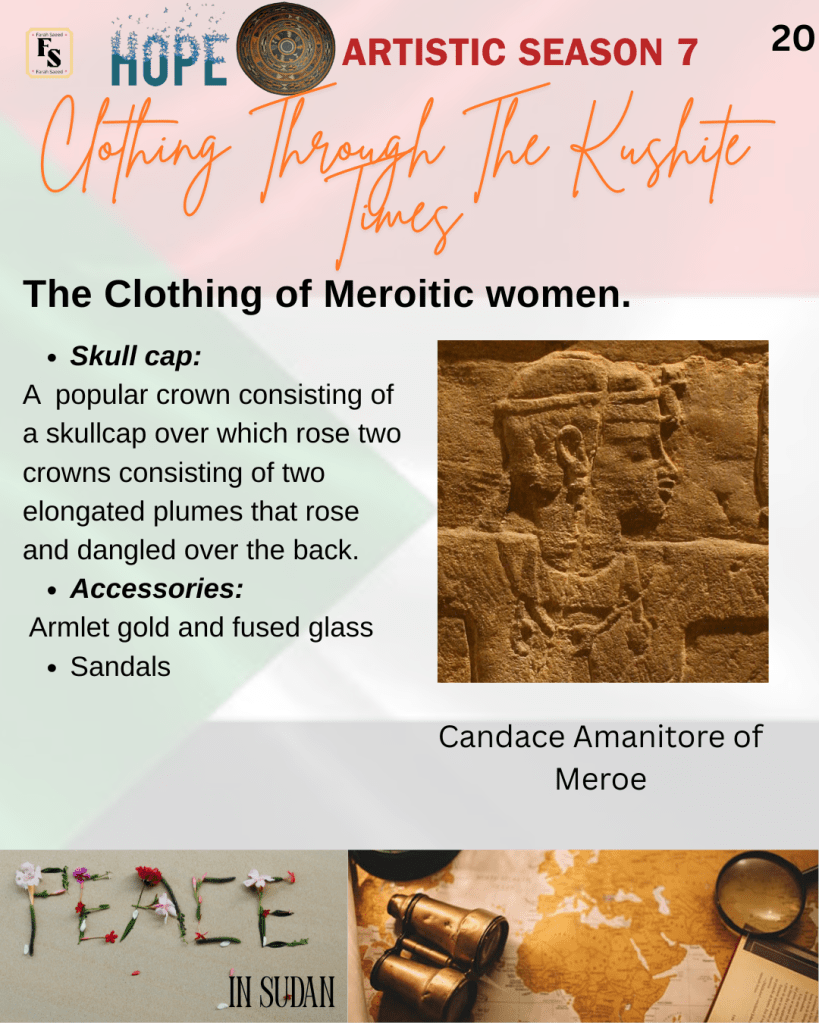
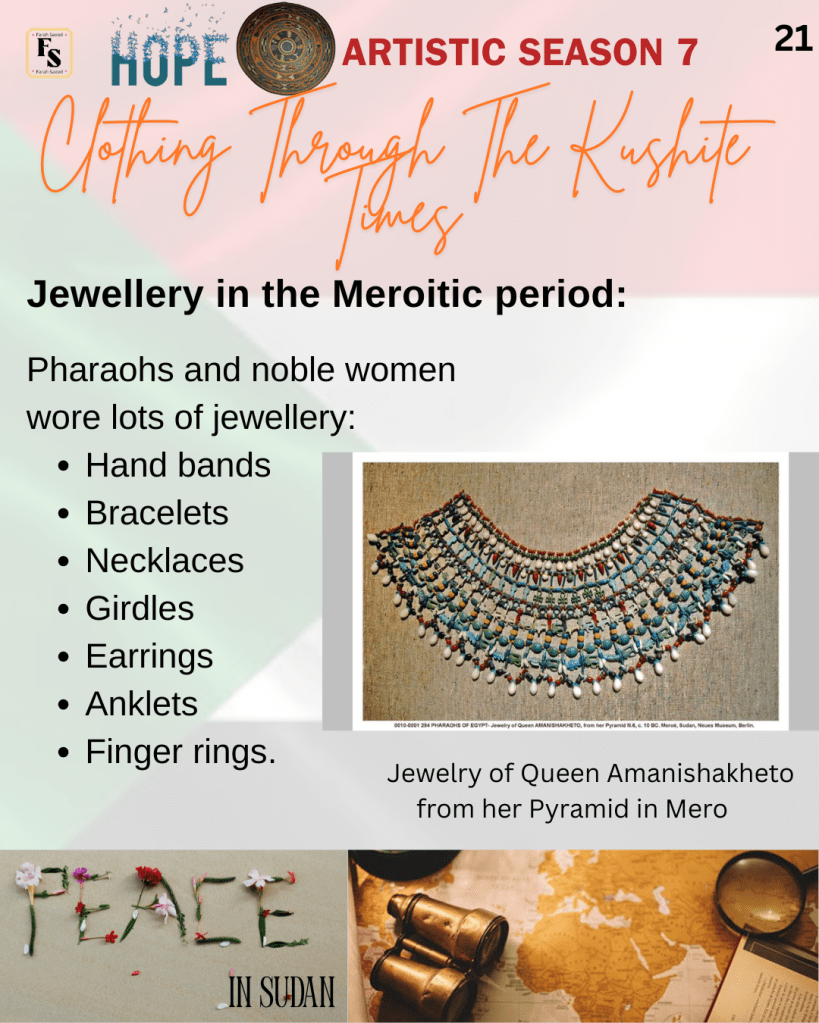
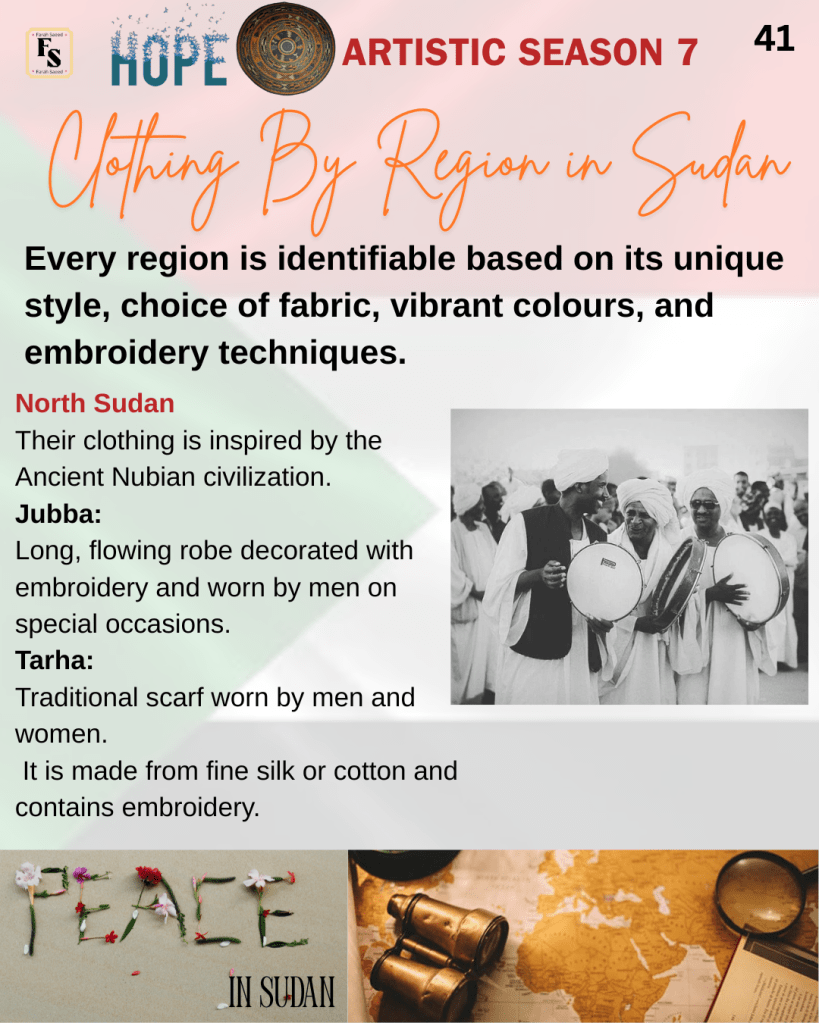
Amongst Sudan’s past civilizations lies a loosely defined region of Southern Egypt and Northern Sudan – Nubia, that is, along a 1000-mile stretch of the Nile. Nubia was referred to by the Egyptians as Ta-Seti (“Land of the Bow”), Yam or Wawat to the Egyptians and to the Greeks and Romans, and Aethiopia. This is distinctive to Ethiopia, which was previously called Abyssinia. Nubia is a major source of ebony, gold, ivory, animal skins, and other exotic materials that have been depicted in its clothing. Much of our understanding of what ancient Sudanese wore was through studying excavated graves.


Leave a comment