This is where a protein or enzyme is targeted to help prevent tumour growth and progression and boost the immune system. Several factors influence the type of targeted therapy:
Clinical and medical history
General Health
Type of cancer
Size of the cancer
Previous cancer treatments for the cancer, whether new or recurring.
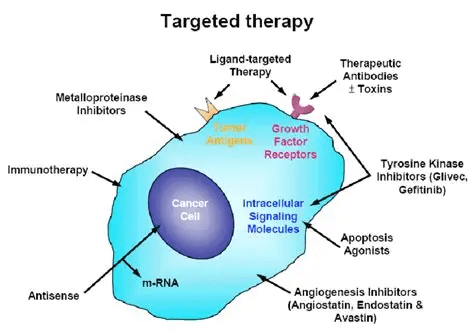
The main types of targeted therapy in Bone Cancer
Mifarmatide
It is given after surgery with chemotherapy (adjuvant) to remove any residual cancer. Mifarmatide is a form of targeted therapy that aims to target the muramyl dipeptide (MDP) found in the cell wall of bacteria. The Paneth cells of the gastrointestinal tract help make small proteins called defensins, which have an antimicrobial effect on bacteria and other microorganisms that cause disease (pathogenic) and do not cause disease (non-pathogenic, commensal flora).
There are pattern-recognition molecules that are detectable by Toll-like receptors and oligomerization domain (NOD)-like receptors (NOD1, NOD2 and NLRP3). They are sensitive and can recognise particular aspects in the peptidoglycan polymer found in the wall of the bacteria.
It aims to induce an immune response by promoting inflammation and inducing cytokines via the NFKB and MAPK signalling pathways. Amongst the cytokines released are interleukin-1 beta (IL-1β), interleukin-6 (IL-6), and tumour necrosis factor (TNF-α), chemokines, antimicrobial peptides, and adhesion molecules.
Other examples of targeted therapy.
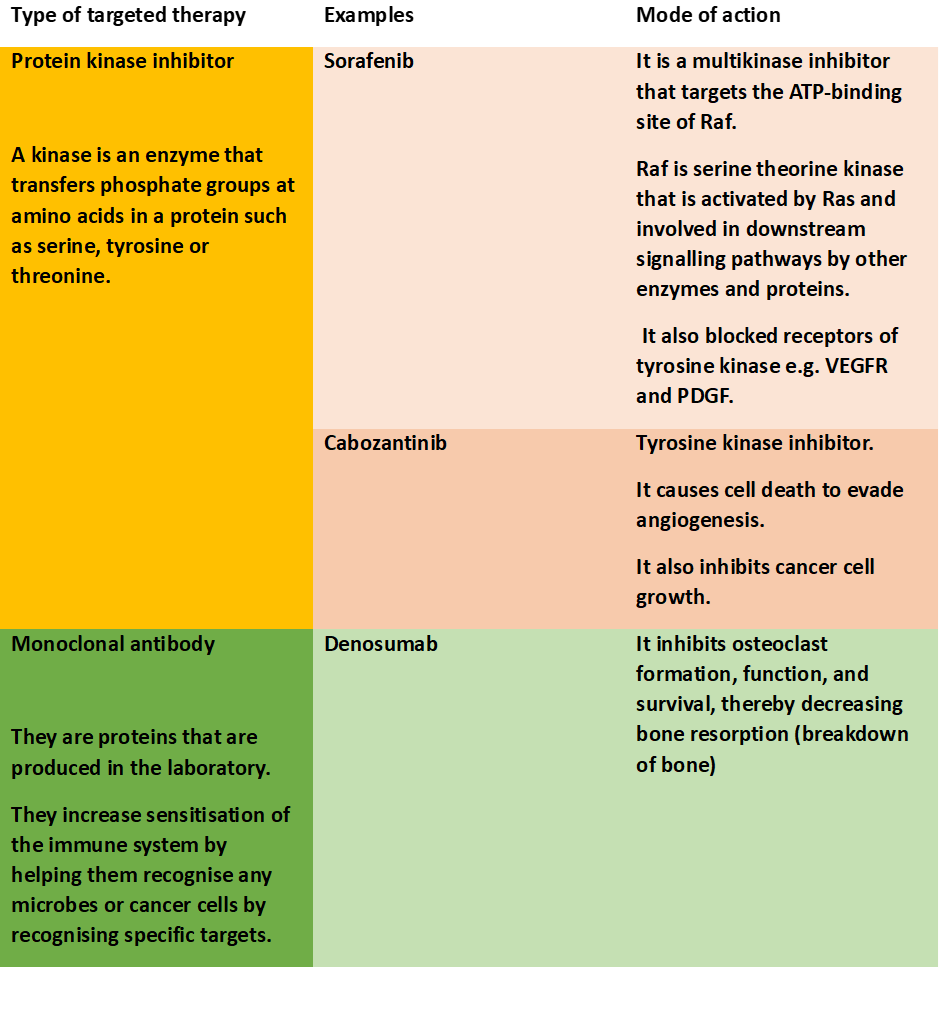
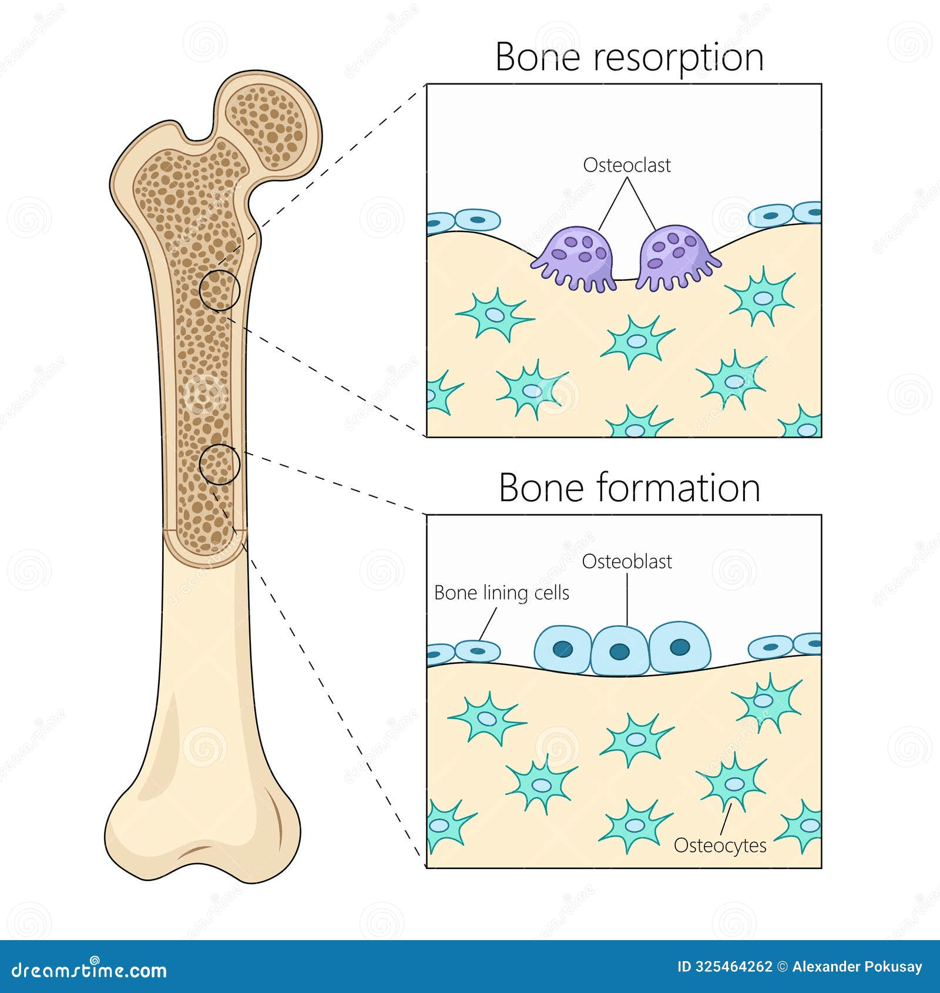
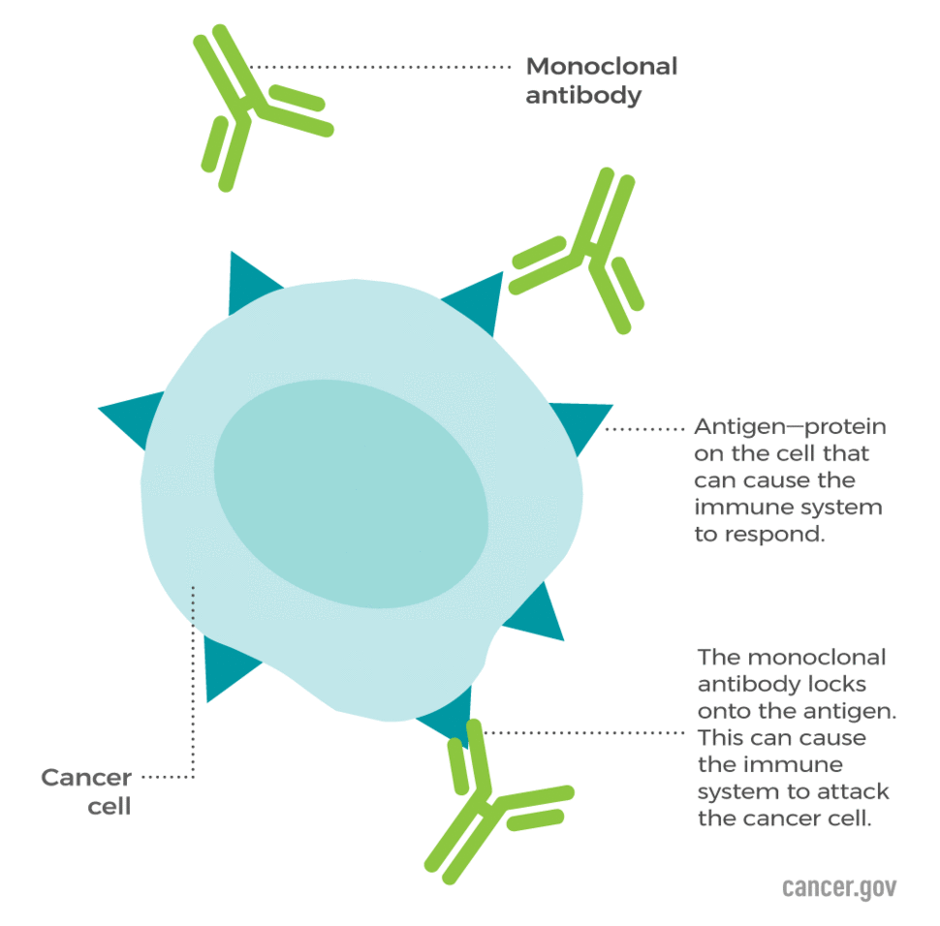
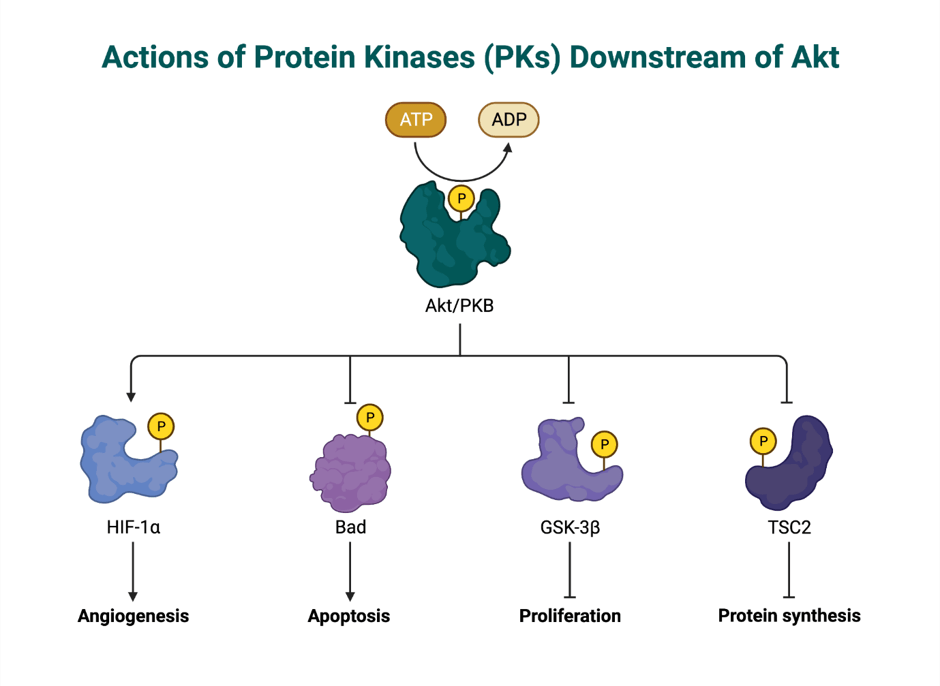
Targeted therapy for cancers like giant cell tumours
Denosumab is the main targeted therapy.
How does Denosumab work?
It is a rare form of bone cancer that can be malignant (cancerous) after diagnosis or after treatment like radiotherapy, where it forms osteosarcoma, fibrosarcoma or malignant fibrous histiocytoma.
The transformation of a non-cancerous Giant Cell Tumour into a cancerous Giant Cell Tumour can happen up to 20 years after initial treatment. This shows how important surgery is to remove all the tumour, so there is less risk of it returning.
It is given before surgery to help facilitate tumour excision (surgical removal of the tumour) by shrinking the tumours to form a calcified rim around soft tissue in mature GCT. This enables curettage with local adjuvant in previously unresectable GCT.
A better response and higher resection margin when it aims to inhibit tumour osteolysis and raise bone mineral density, increasing marginal sclerosis.
It cannot stop local recurrence.
When is Denosumab given?
Denosumab is given as a monthly subcutaneous injection (under the skin) after three loading doses at weekly intervals.
All patients require daily calcium and vitamin D supplements and must avoid pregnancy by using adequate contraception.
Regular X-rays for monitoring tumour response. This will determine the appropriate time to operate.
Recommended reading
https://www.cancerresearchuk.org/about-cancer/bone-cancer/treatment/Targeted-cancer-drugs
References
Bone Cancer Research Trust (2026) Giant Cell Tumour of the Bone Available at:https://www.bcrt.org.uk/information/information-by-type/giant-cell-tumor/ (Accessed: 4th April 2026)
Marshall, E. (2026) Actions of Protein Kinases (PKs) Downstream of Akt. Available at: https://www.biorender.com/template/actions-of-protein-kinases-pks-downstream-of-akt (Accessed: 9th June 2026)
National Cancer Institute (2019) Monoclonal antibodies. Available at: https://www.cancer.gov/about-cancer/treatment/types/immunotherapy/monoclonal-antibodies (Accessed: 9th June 2026)
National Health Service (2025) Treatment for bone cancer. Available at: https://www.nhs.uk/conditions/bone-cancer/treatment/ (Accessed: 4th April 2026)
National Institute For Health And Care Excellence (2026) How dose carbozantinib work? Available at: https://www.cancerresearchuk.org/about-cancer/treatment/drugs/cabozantinib-tablets#how-does-cabozantinib-work (Accessed: 9th June 2026)
Pietrangelo, A. (2019) What is fibrosarcoma and how is it treated? Available at: https://www.healthline.com/health/fibrosarcoma (Accessed 3rd April 2026)
Updated July 2026 Next Review July 2028


Leave a Reply