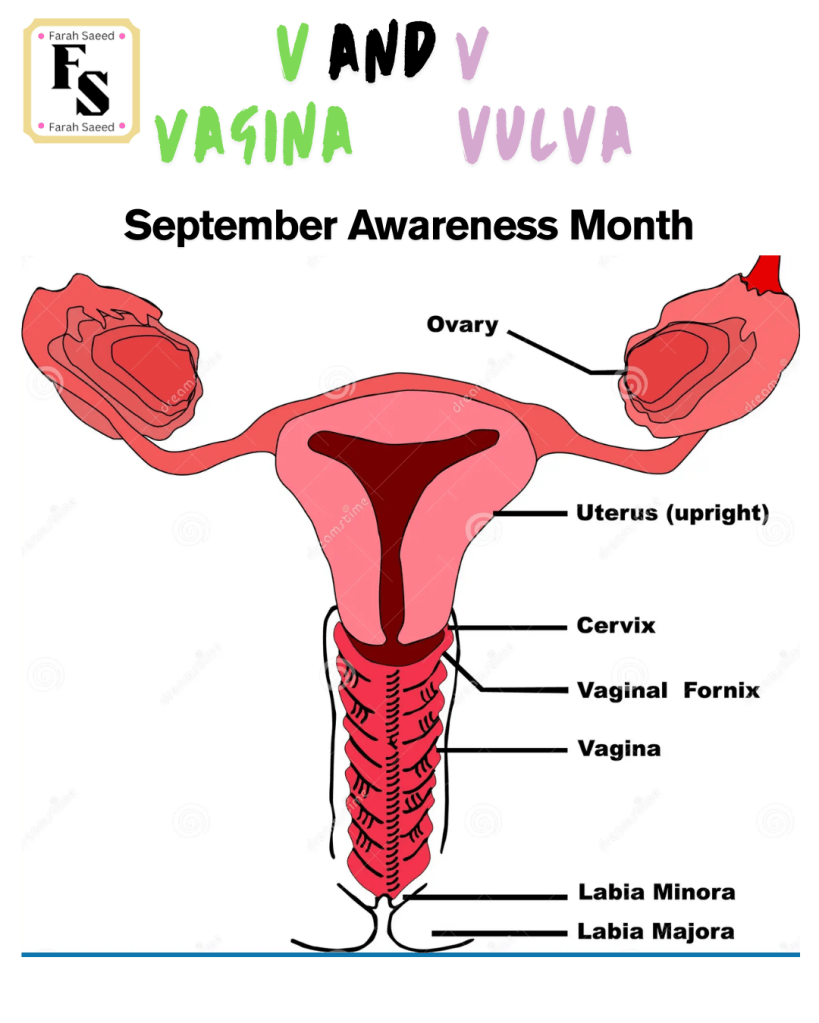
Below summarizes the main points for all treatments in accordance to British Gynaecological Cancer Society (BGCS) vulval cancer guidelines: An update on recommendations for practice 2023. Please read the guidelines attached for further details.
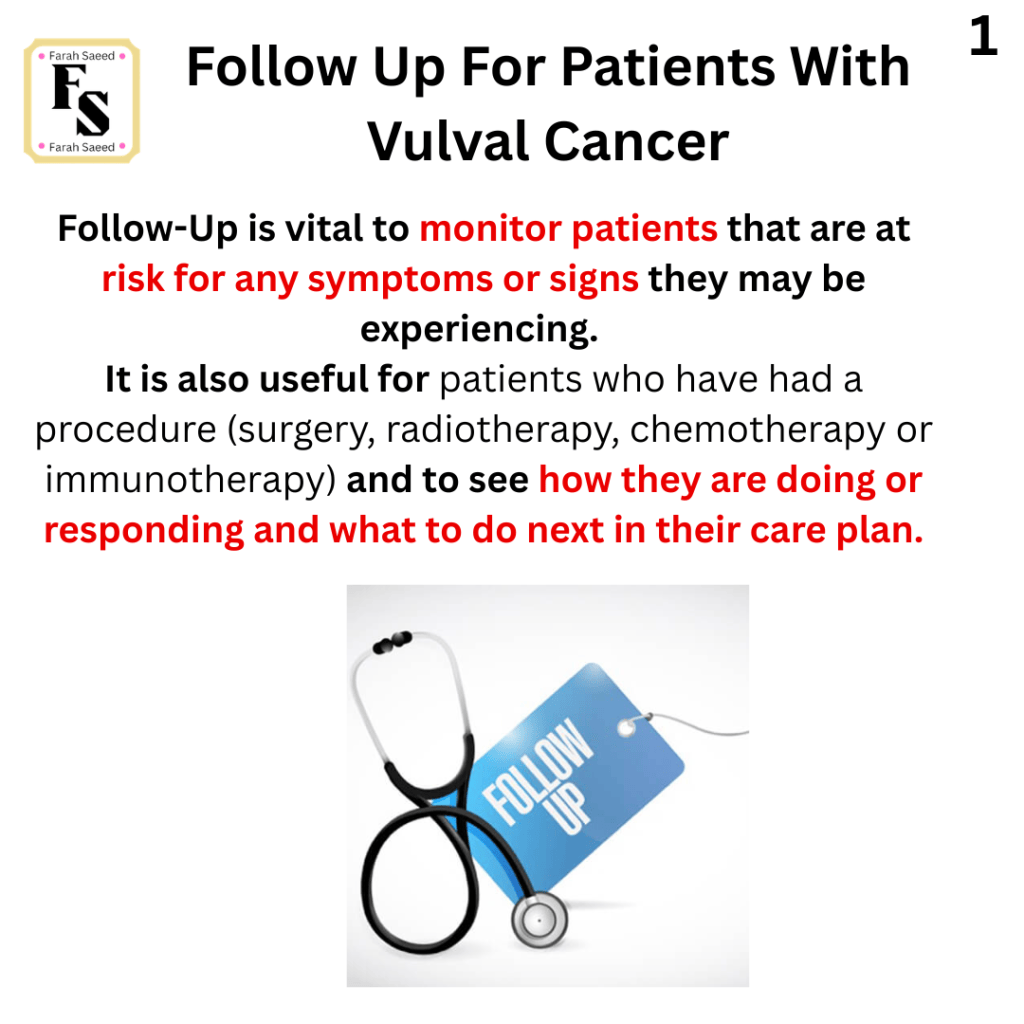
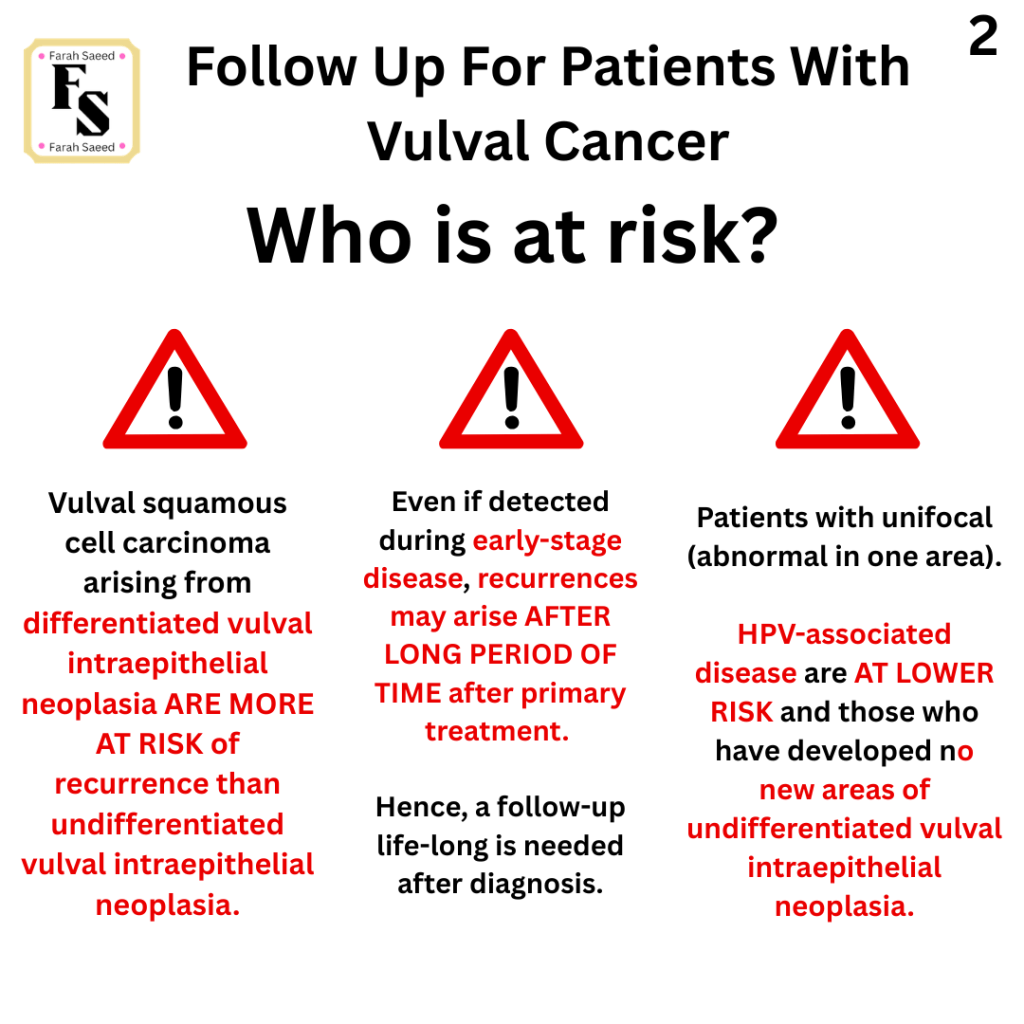
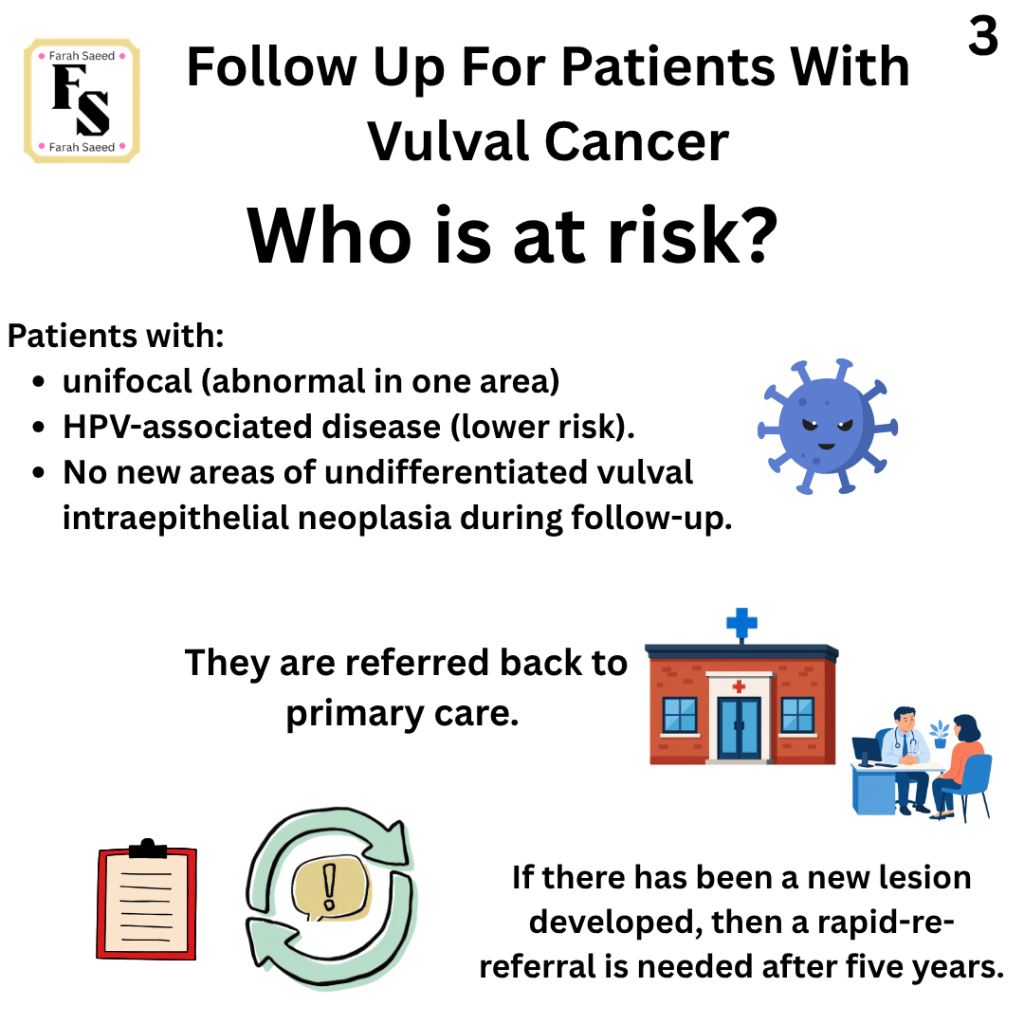
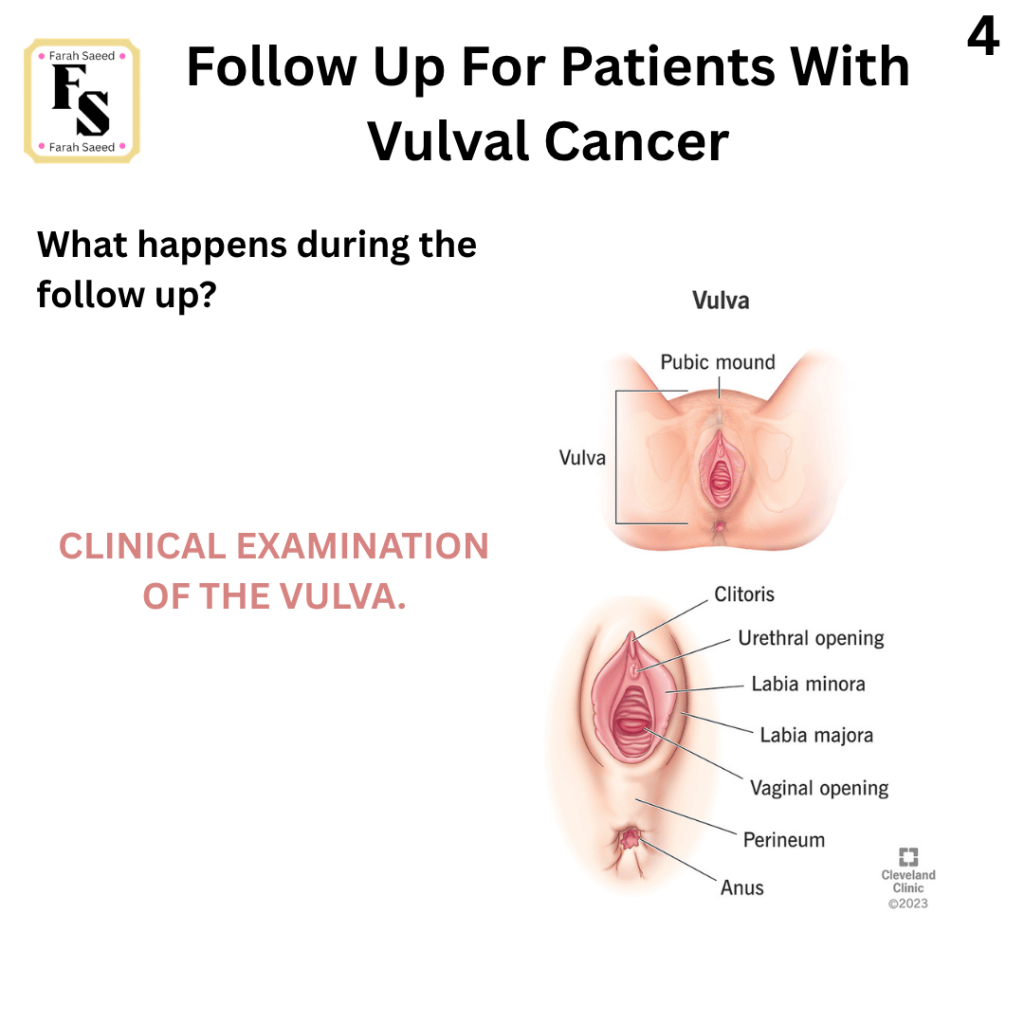
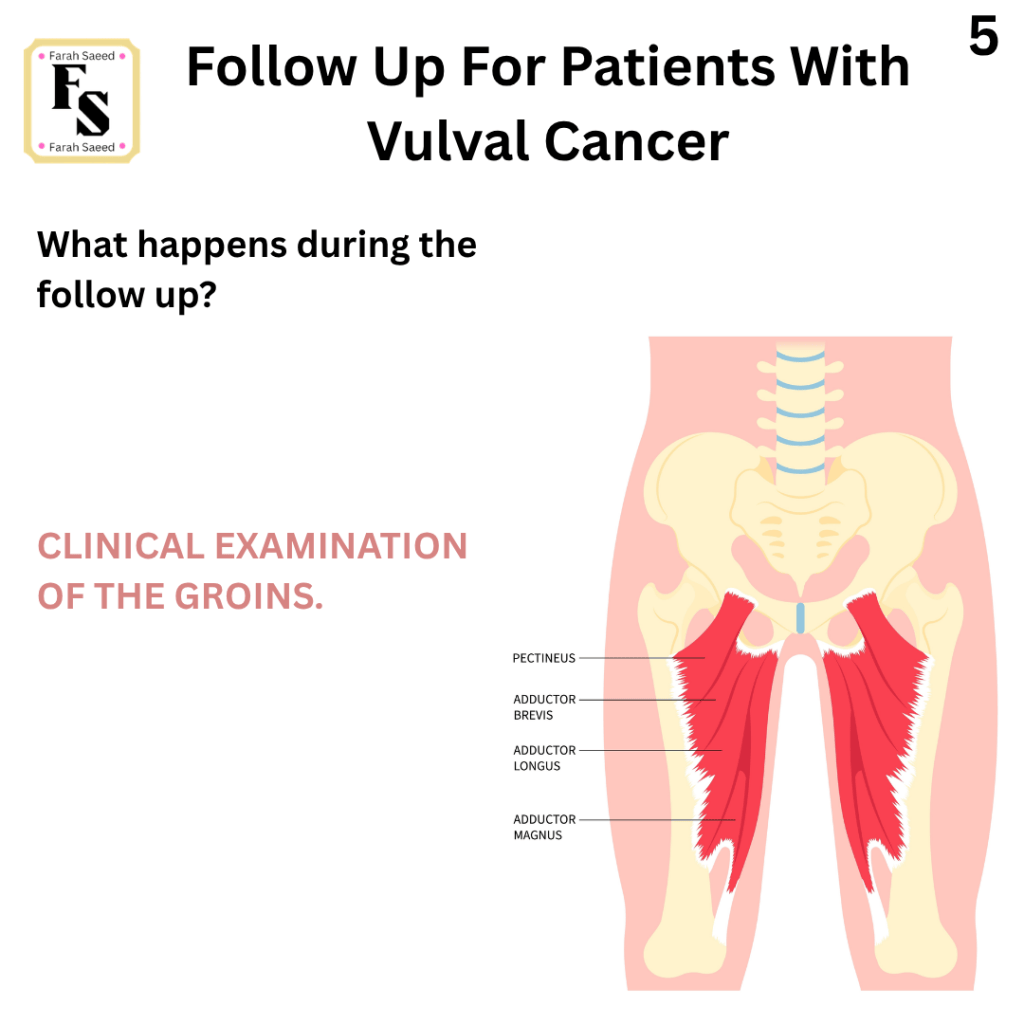
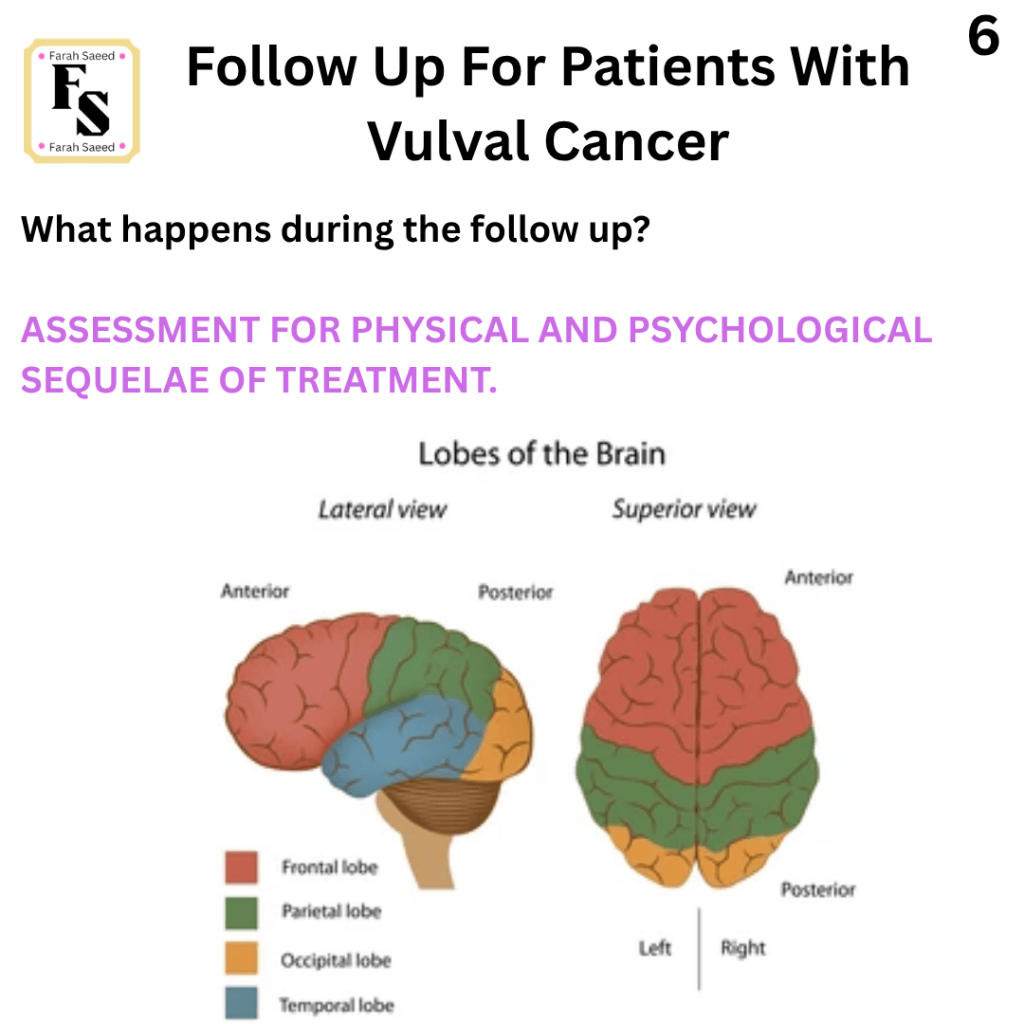
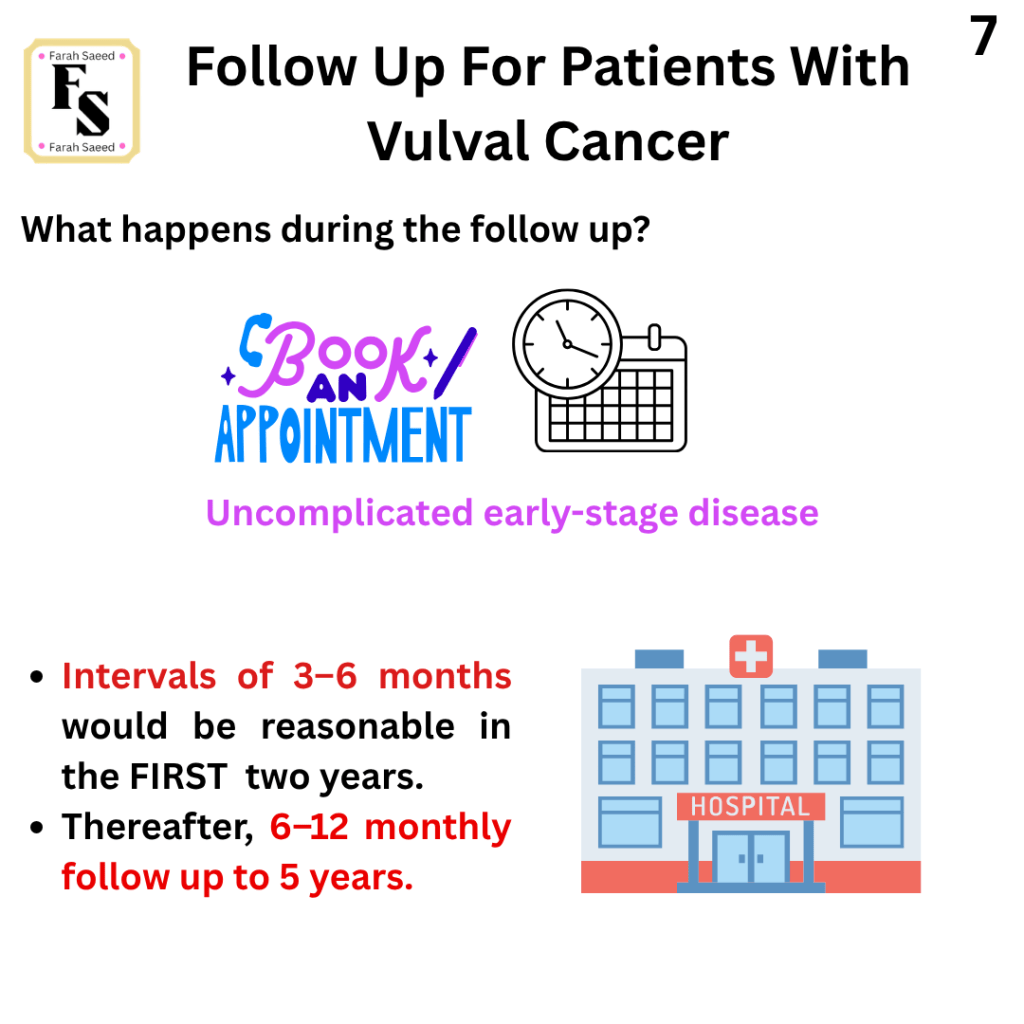
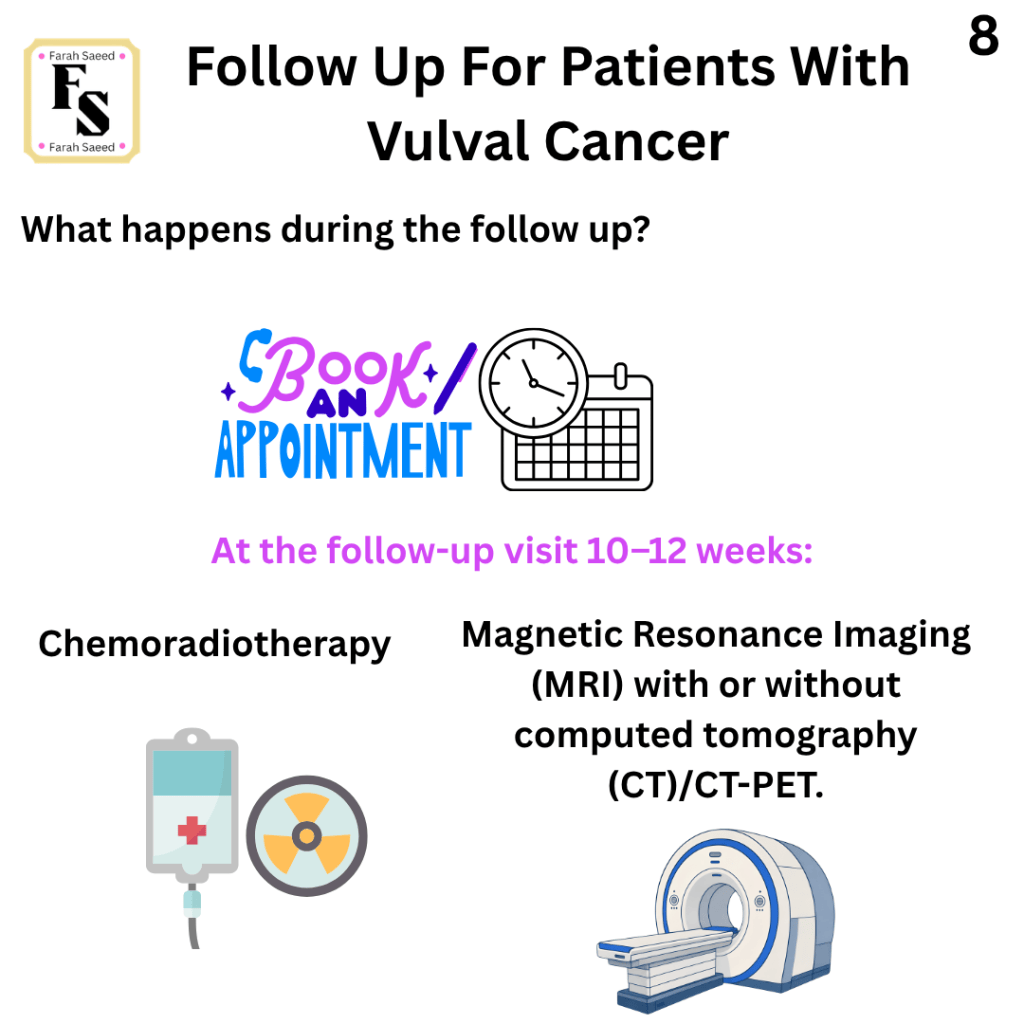
Patients With Specific Types Of Vulval Cancer – What Are The Key Things To Search For Other Than General Gynaecological Symptoms?
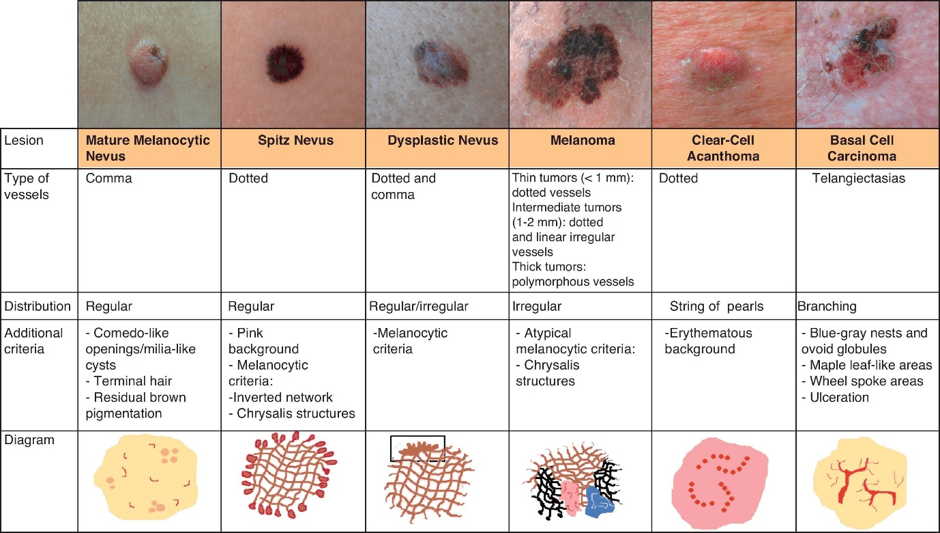
If a patient has basal cell carcinoma or Gorlin’s syndrome – long-term follow-up with dermatology is needed.

Risk of recurrence is high.
Long-term follow-up in a specialist vulval cancer clinical suggested.

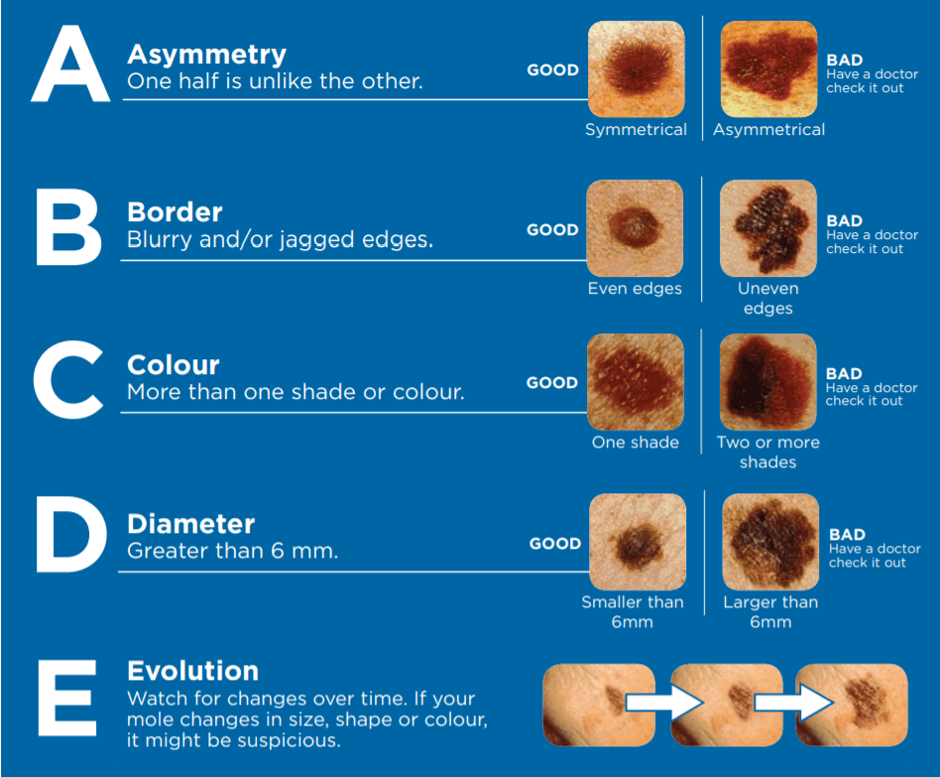
Patients with vulval melanoma.
It is a rare cancer that arises in melanin-making cells (melanocytes) and check-ups commonly occurs initially after every three months.
Thereafter, after three years, a check up after 6 months takes place.
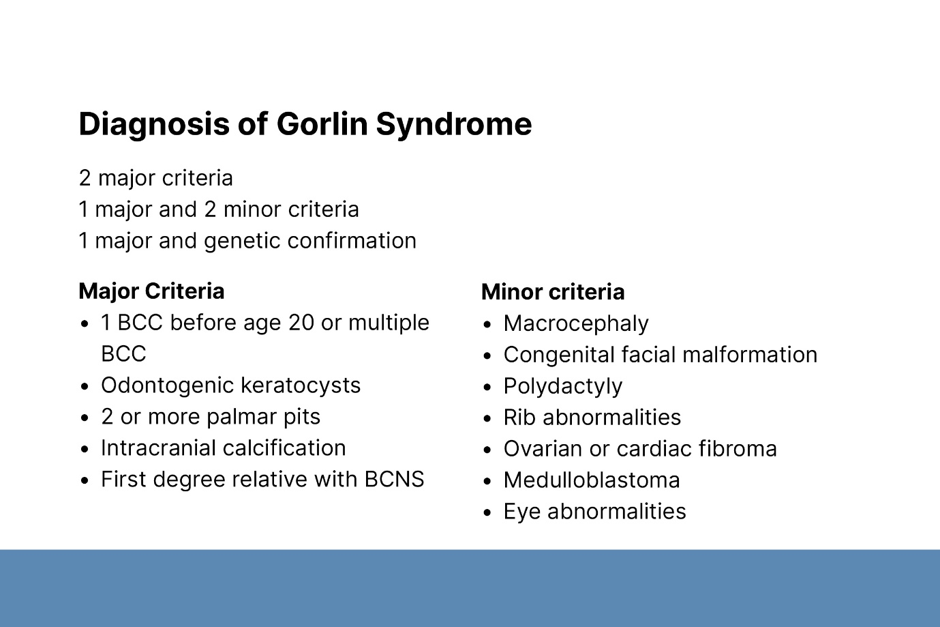
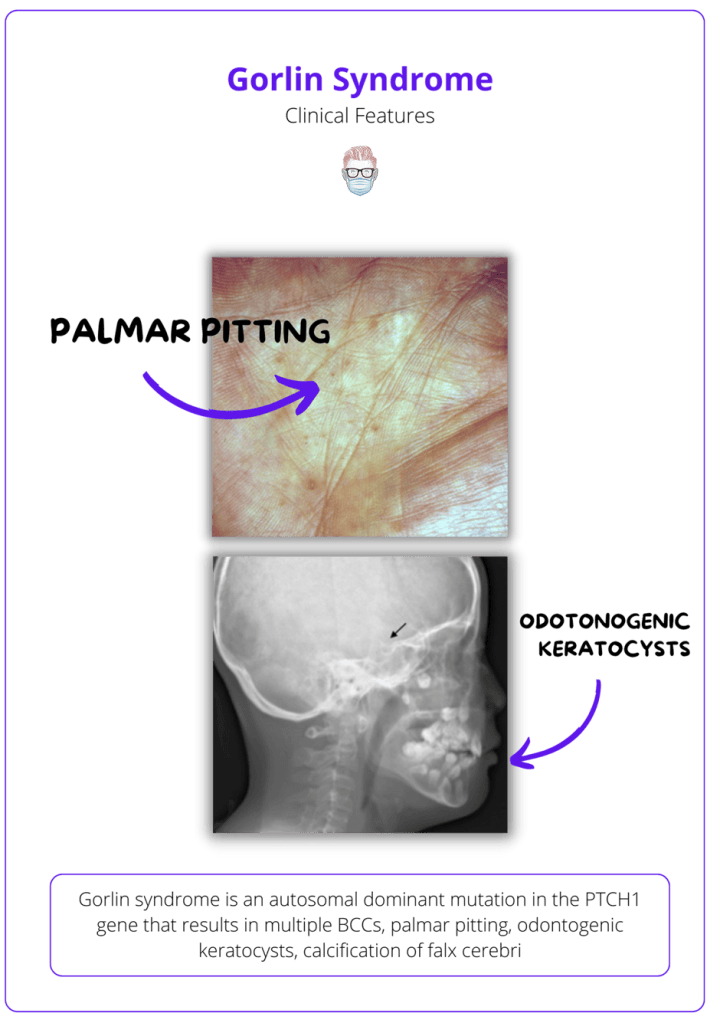
What Is Gorlin’s Syndrome?
Gorlin’s syndrome is a genetic condition that causes disorders of the skin, bones, and nervous system and an increased risk of basal cell carcinoma.
Patients With Lichen Sclerosus
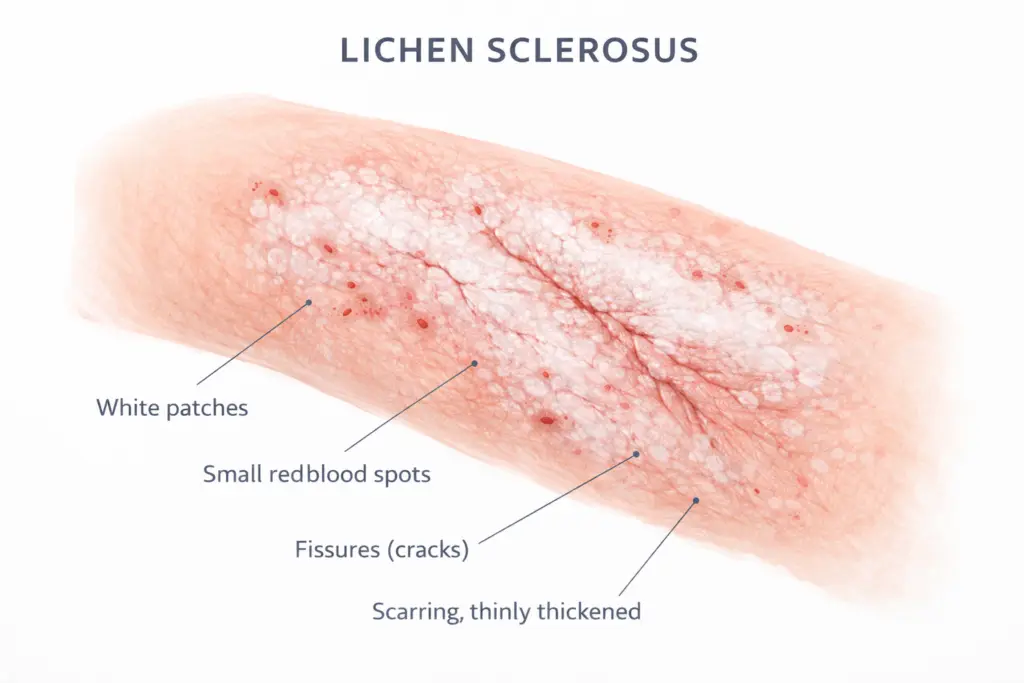
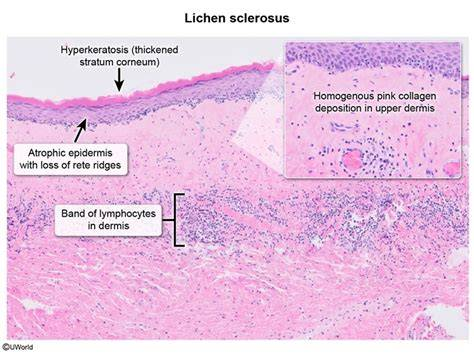
This is a condition that is a chronic skin disease that affects the anogenital area, especially the vulva and is commonly recognised by ivory-white skin that itches and also causes atrophy of the labia minora.
This is commonly treated with topical corticosteroids, and follow-up normally occurs after three months to check response to initial treatment.
Thereafter, it is a 6-month follow-up to check compliance and self-management.
Follow-up is necessary due to the small risk of developing vulval cancers, and any change in signs or symptoms should be reported to the general practitioner. This is because the risk of recurrent disease is high, especially during the first two years.
Six-monthly follow-up for two years, then annual follow-up for up to five years.
Human immunodeficiency virus (HIV) testing should be offered as per the 2020 recommendations from the British HIV Association, British Association of Sexual Health and HIV British Infection Society. Anal screening is commonly performed in high-risk populations for instance, those who are HIV positive or same-gender bonding.
Patients who have had micrometastases in sentinel lymph node biopsy
Aim: To detect any recurrences in the groin after a negative Sentinel Lymph Node Biopsy (SLNB)
A gentle reminder – the removal of the first lymph node that gets affected when the cancer grows from the primary or original site. Lymph nodes are filtering structures in the lymphatic system that boost immune response.
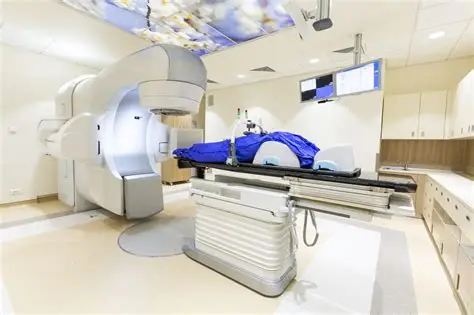
Radiotherapy is therefore a better option than completion IFLND for those with micrometastases in SLN.
Recurrence risk is greatest in the first two years, and follow-up regimes should be aimed at detecting metastases at an early stage during this period.
Ultrasound is more effective at detecting lymph node metastasis than clinical assessment, but data to support the cost-effectiveness of routine ultrasound in these patients is limited
Recommended Article on Ultrasound Findings Of The Lymph Nodes Using The Vulva International Tumour Analysis For Follow Ups
References
Addley, S., Sadeghi, N., Smyth, S.L., Johnson, C., Damato, S. and Majd, H.S. (2023). Bartholin’s gland carcinoma—the diagnostic and management challenges of a rare malignancy—a case report and review of current literature. Translational Cancer Research, [online] 12(1). doi:10.21037/tcr-22-612.
American Cancer Society (2026) Anal Cancer. Available at: https://www.cancer.org/cancer/types/anal-cancer.html (Accessed: 2nd October 2026)
British Association of Dermatologists (2026) Imiquimod cream. Available at: https://www.bad.org.uk/pils/imiquimod-cream (Accessed: 30th September 2026)
Cancer Research UK (2028) Chemotherapy for vulval cancer. Available at: https://www.cancerresearchuk.org/about-cancer/vulval-cancer/treatment/chemotherapy (Accessed: 30th September 2026)
Cleveland Clinic (2026) Volumetric Modulated Arc Therapy (VMAT). Available at: https://my.clevelandclinic.org/health/treatments/17626-volumetric-modulated-arc-therapy-vmat (Accessed: 30th September 2026)
Hoppe-Seyler, K., Bossler, F., Braun, J.A., Herrmann, A.L. and Hoppe-Seyler, F. (2018). The HPV E6/E7 Oncogenes: Key Factors for Viral Carcinogenesis and Therapeutic Targets. Trends in Microbiology, [online] 26(2), pp.158–168. doi:10.1016/j.tim.2017.07.007.
Iowa Head and Neck Protocols (2017) Adenoid Cystic Carcinoma. Available at: https://iowaprotocols.medicine.uiowa.edu/protocols/adenoid-cystic-carcinoma (Accessed: 4th October 2026)
Kochhar, R., Plumb, A.A., Carrington, B.M. and Saunders, M. (2012). Imaging of Anal Carcinoma. American Journal of Roentgenology, 199(3), pp.W335-W344. doi:10.2214/ajr.11.8027.
Lobna Ouldamer, Z. Chraibi, Flavie Arbion, Barillot, I. and Body, G. (2013). Bartholin’s gland carcinoma: Epidemiology and therapeutic management. 22(2), pp.117–122. doi:10.1016/j.suronc.2013.02.004.
Morrison, J., Baldwin, P., Hanna, L., Andreou, A., Buckley, L., Durrant, L., Edey, K., Faruqi, A., Fotopoulou, C., Ganesan, R., Hillaby, K. and Taylor, A. (2024). British Gynaecological Cancer Society (BGCS) vulval cancer guidelines: An update on recommendations for practice 2023. PubMed, 292, pp.210–238. Doi: 10.1016/j.ejogrb.2023.11.013.
National Cancer Institute (2026) Vulvar Cancer Treatment (PDQ®)–Health Professional Version. Available at: https://www.cancer.gov/types/vulvar/hp/vulvar-treatment-pdq (Accessed: 17th August 2026)
Royal College of Obstetricians and Gynaecologists (2014) Guidelines for the Diagnosis and Management of Vulval Carcinoma. Available at: https://www.rcog.org.uk/media/dqwnw2a1/vulvalcancerguideline.pdf (Accessed: 1st October 2026)
The Eve Appeal (2026) Vulval cancer Available at; https://eveappeal.org.uk/information-and-advice/gynaecological-cancers/vulval-cancer/ (Accessed: 7th August 2026)


Leave a comment