
This is a sensitive topic and is presented for medical educational purposes for the general public to be aware of the cancers that can affect different parts of the human body – even the sensitive ones. Understandably, some people may be uncomfortable for cultural reasons, but this is one of the reasons why cancer incidence rates exist in many parts of the world. Here, in this section, there will be images for educational purposes. If you don’t want to read more about this, that’s understandable.
Objectives
Our posters have seven key objectives:
- To know what a gynaecological cancer is.
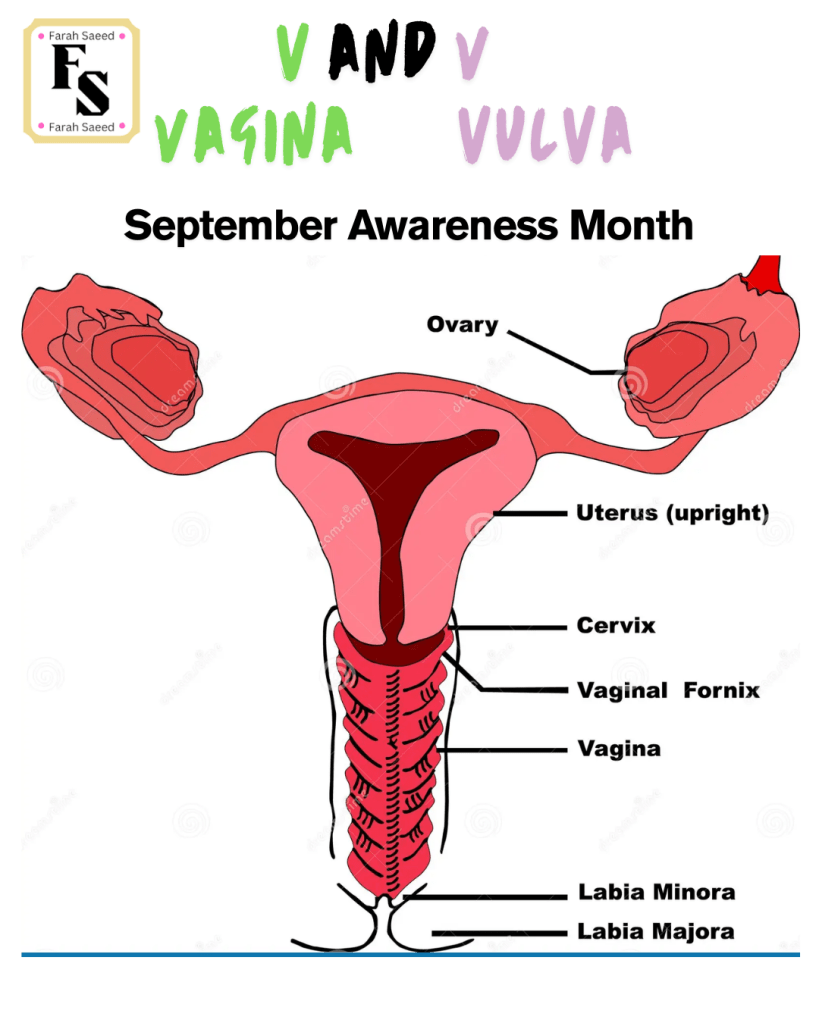
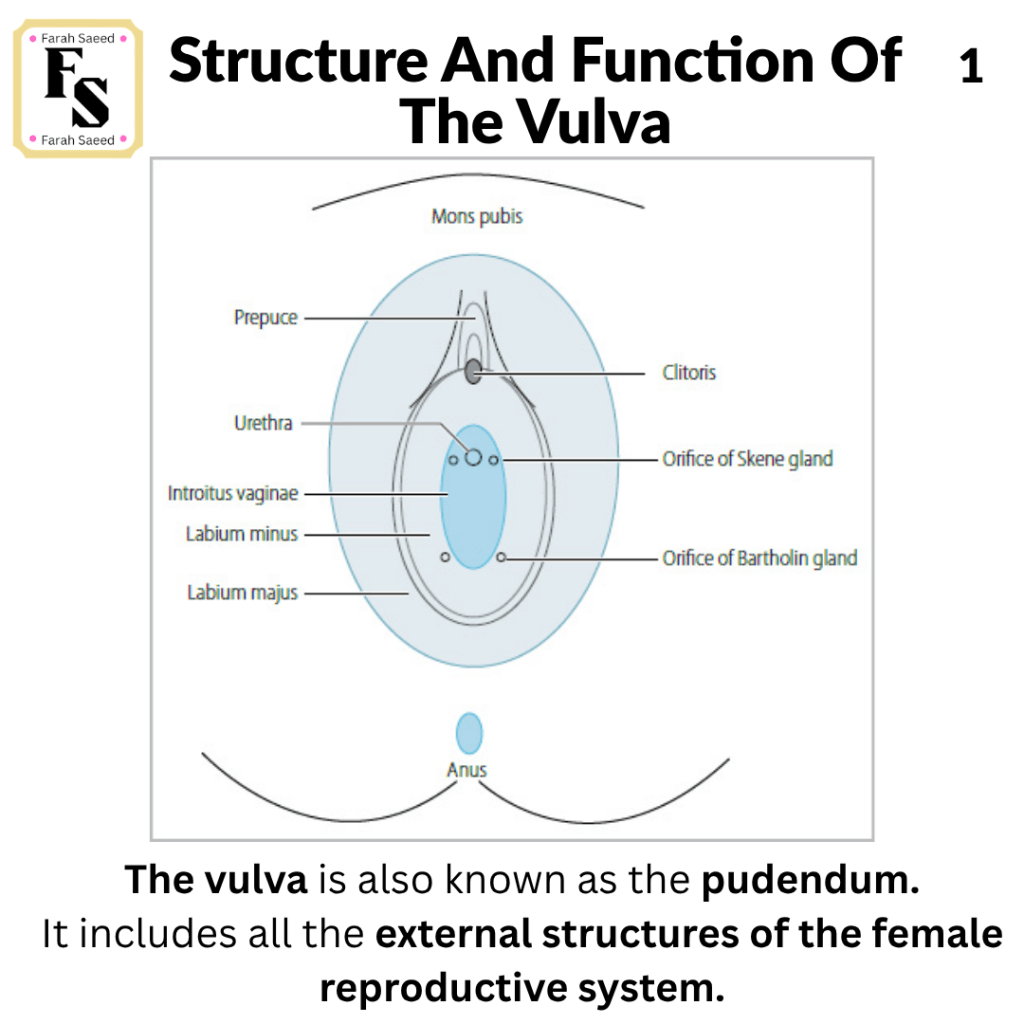
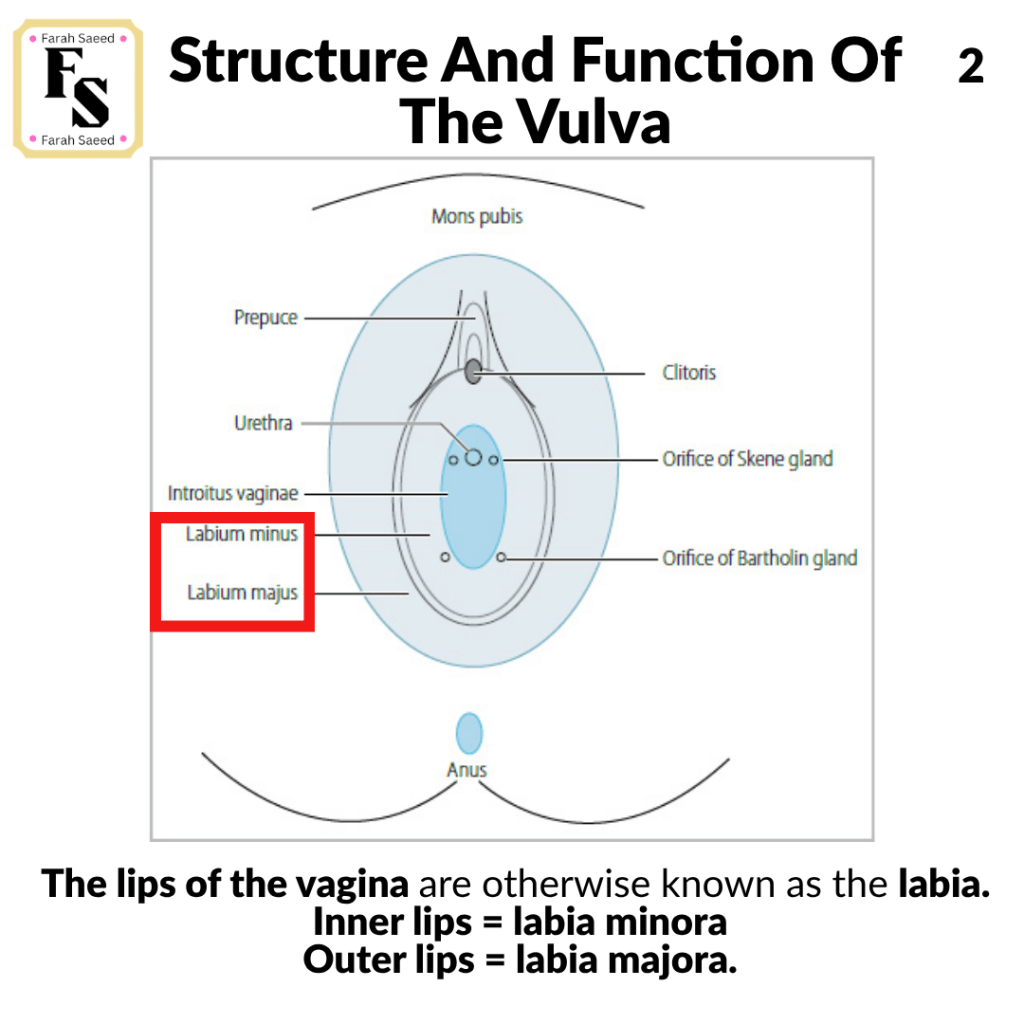
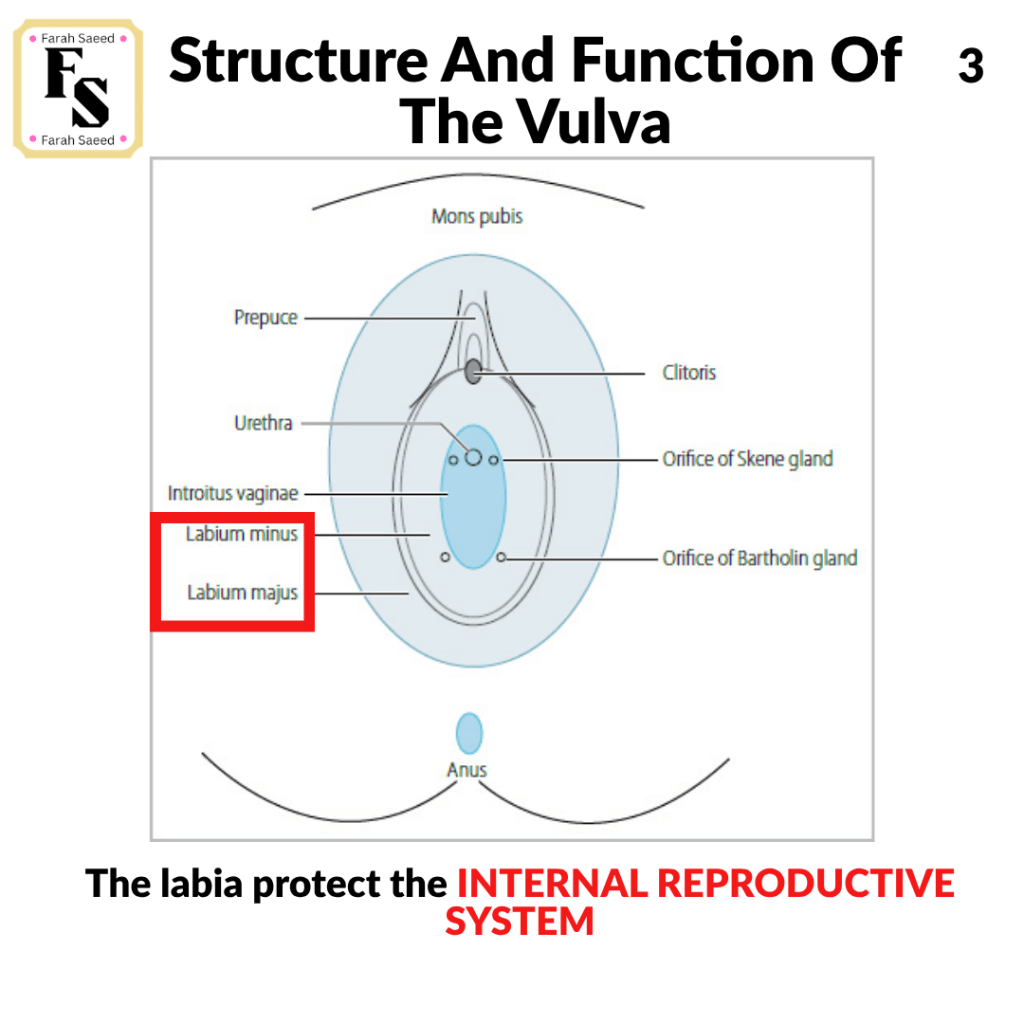
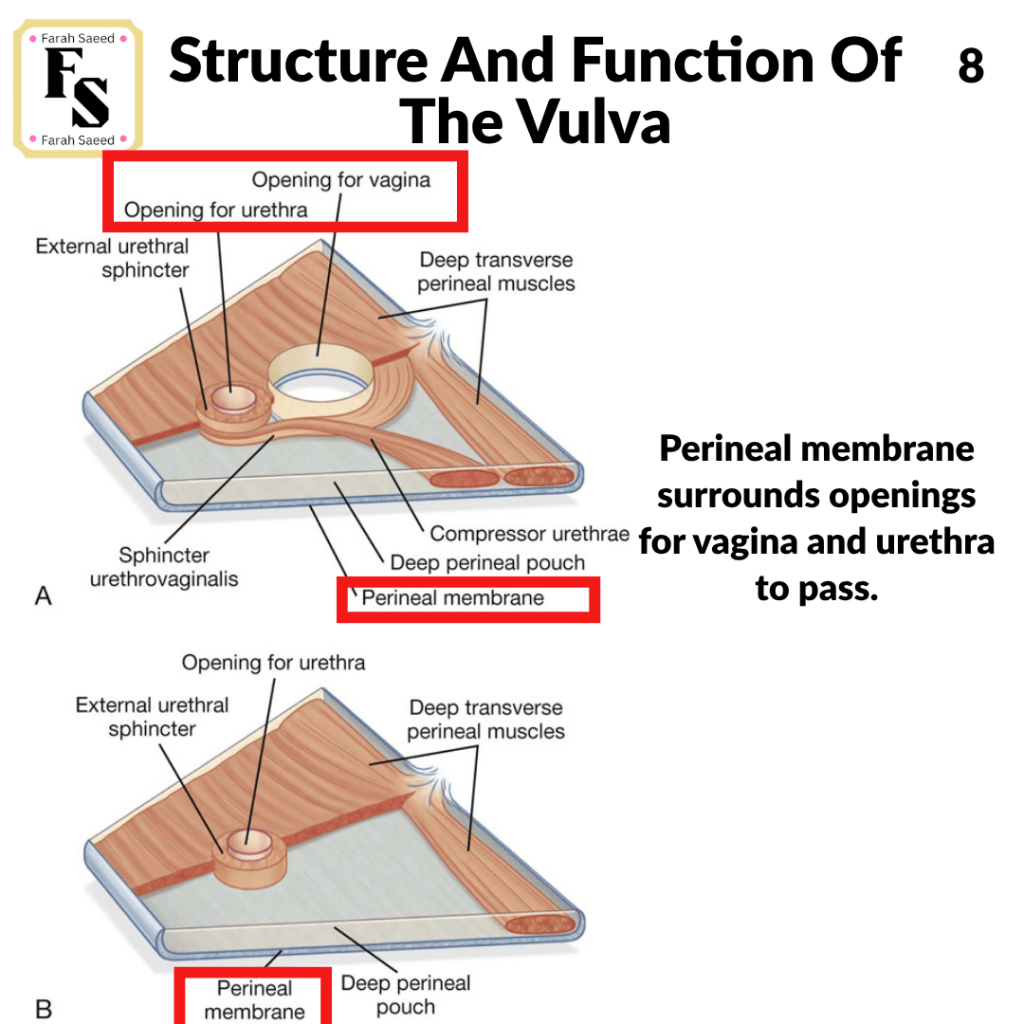
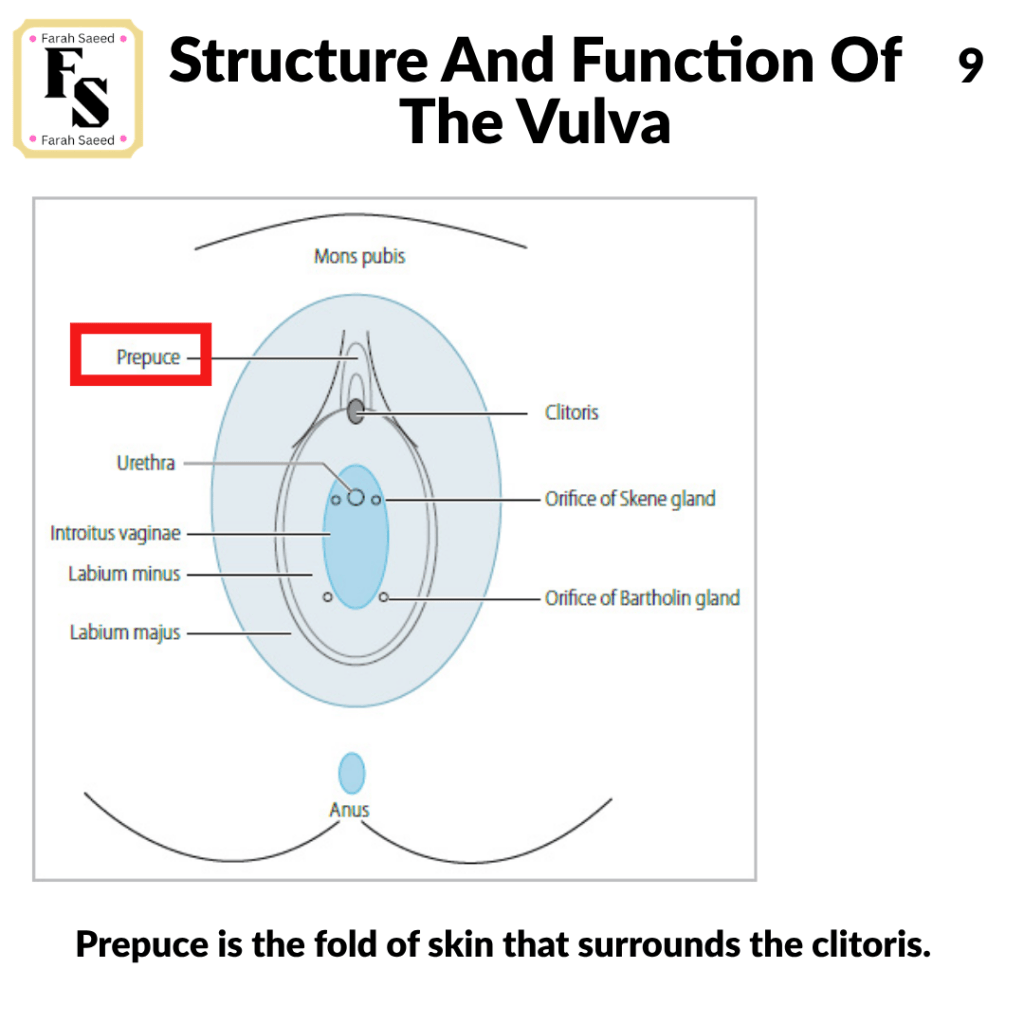
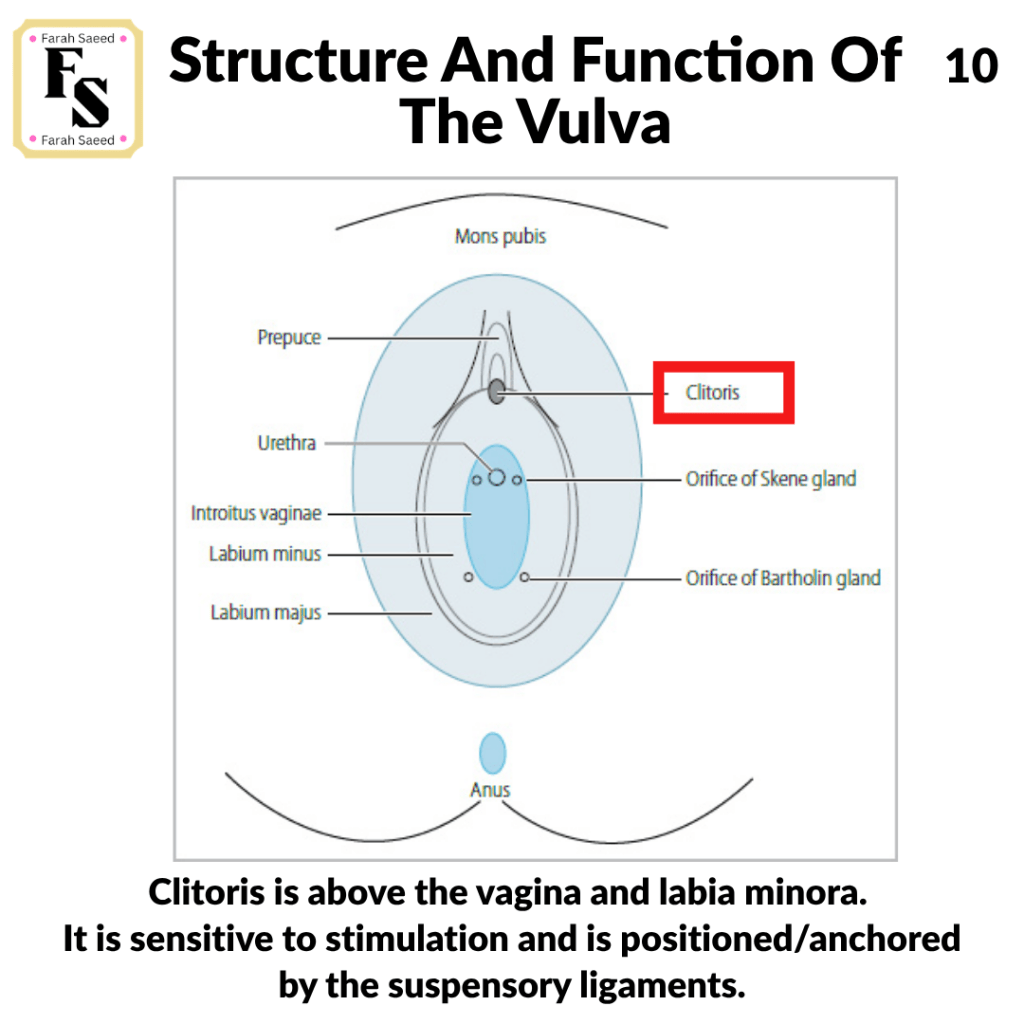
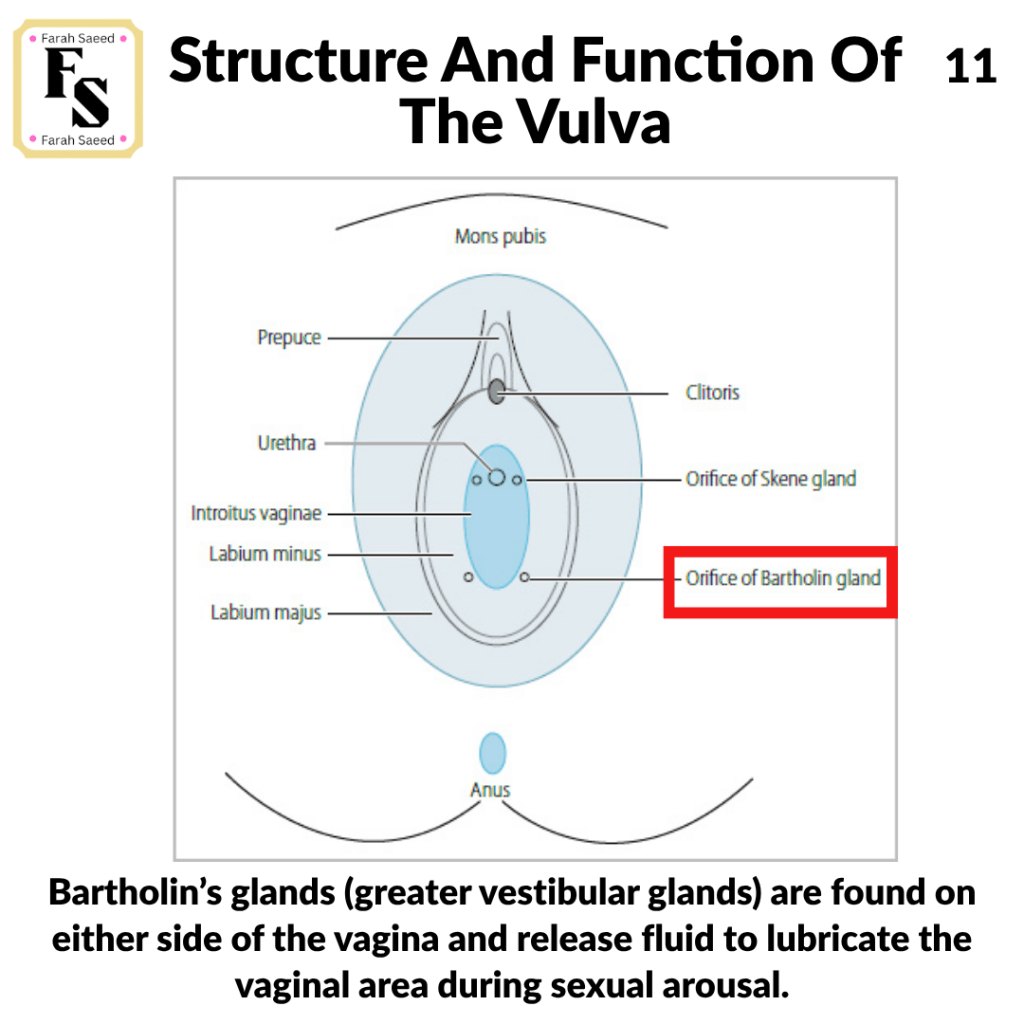
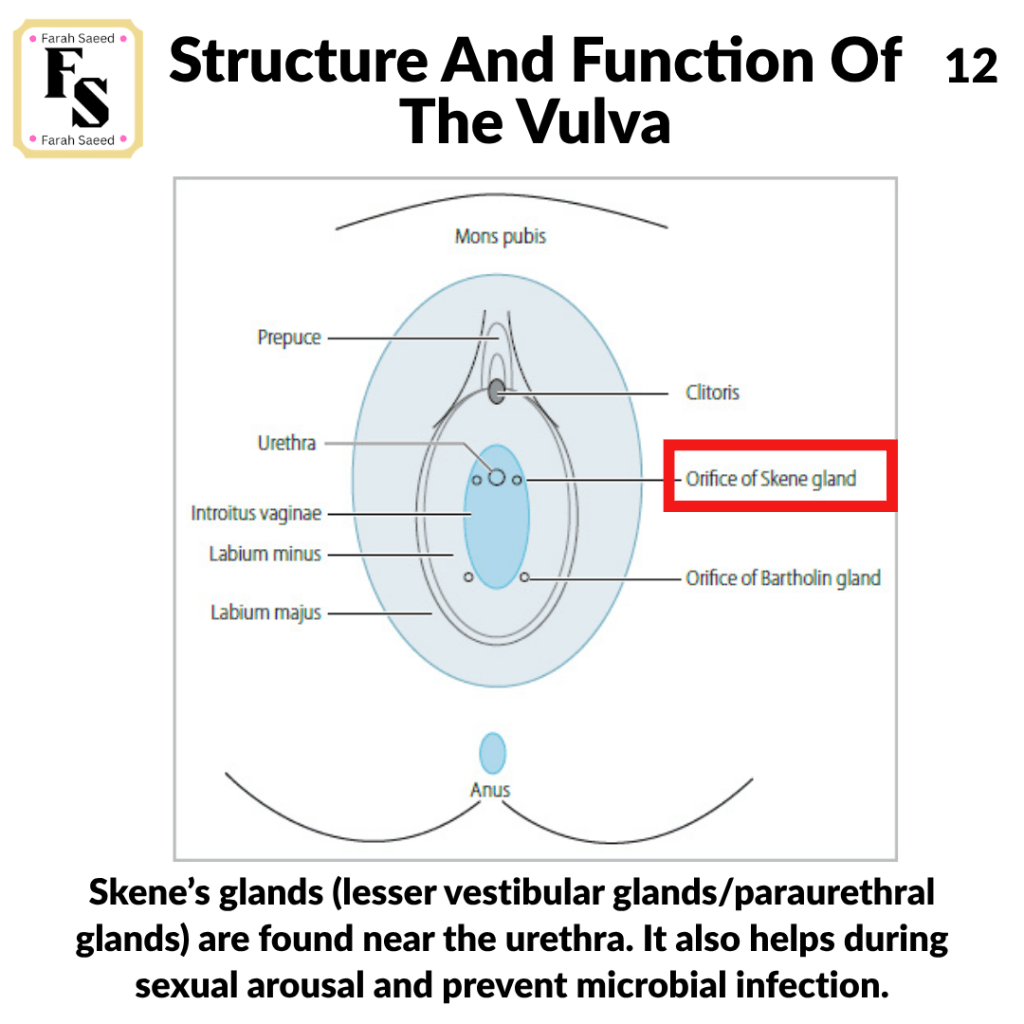
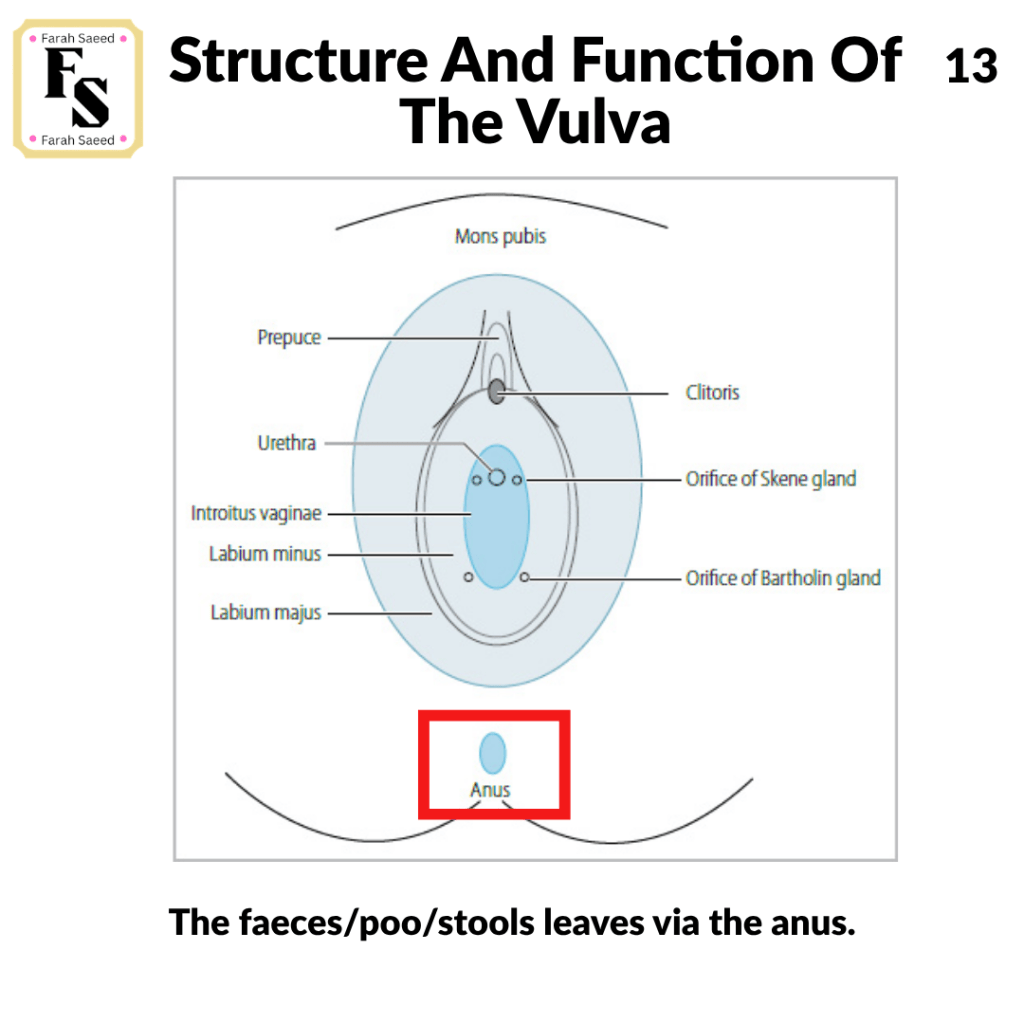
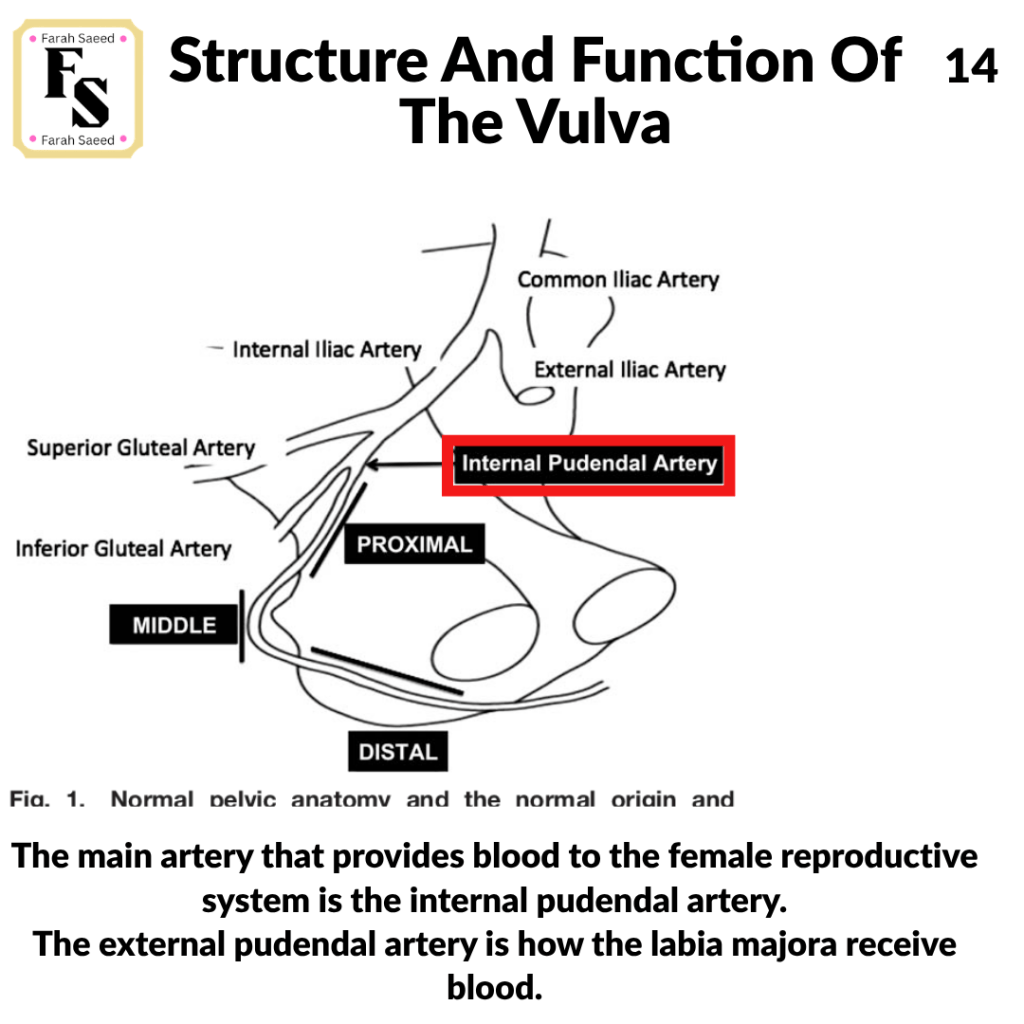
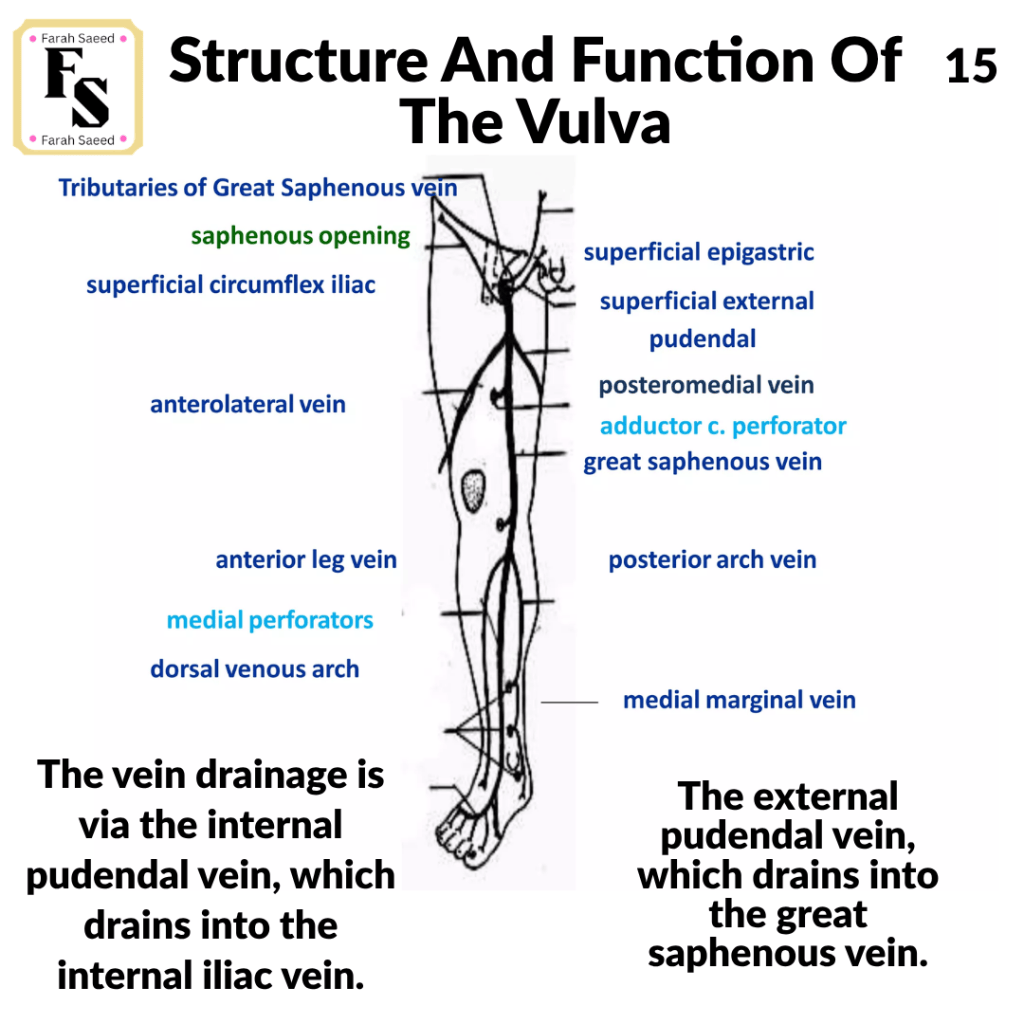
- To recap and understand the structure and function of the vulva.
- To understand the types of vulval cancer.
- To understand the causes and risk factors of vulval cancer.
- To be aware of the signs and symptoms of vulval cancer.
- To understand how vulval cancer is detected.
- To understand how vulval cancer is treated and prevented.
Polite notice: These posters are FREE to use for educational purposes and sharing across social media.
References for the following information are from the National Health Service, Cancer Research UK, Pathology Outlines, National Cancer Institute, National Institute for Health and Care Excellence, and medical research journal articles.
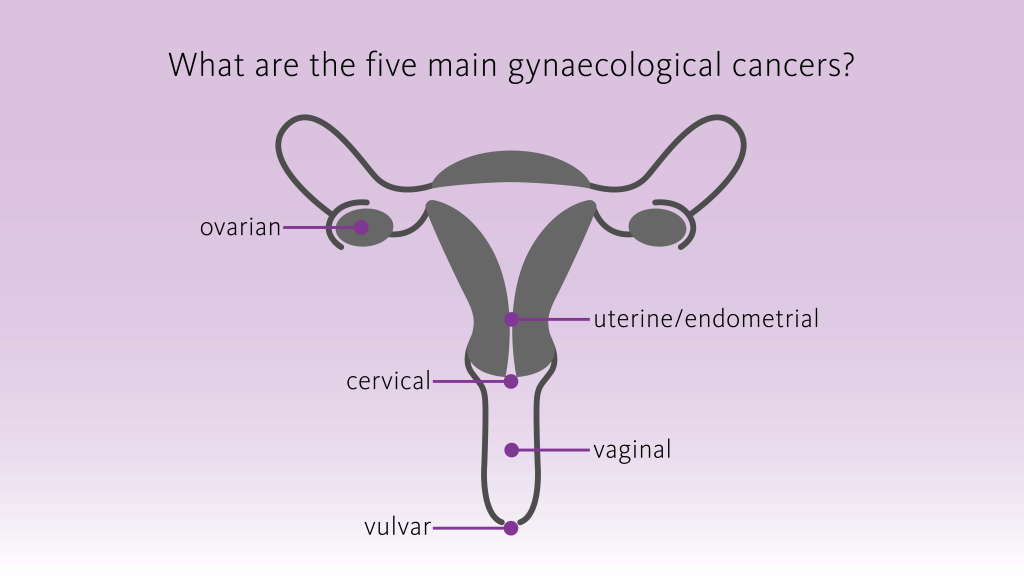
What Is Gynaecological Cancer?
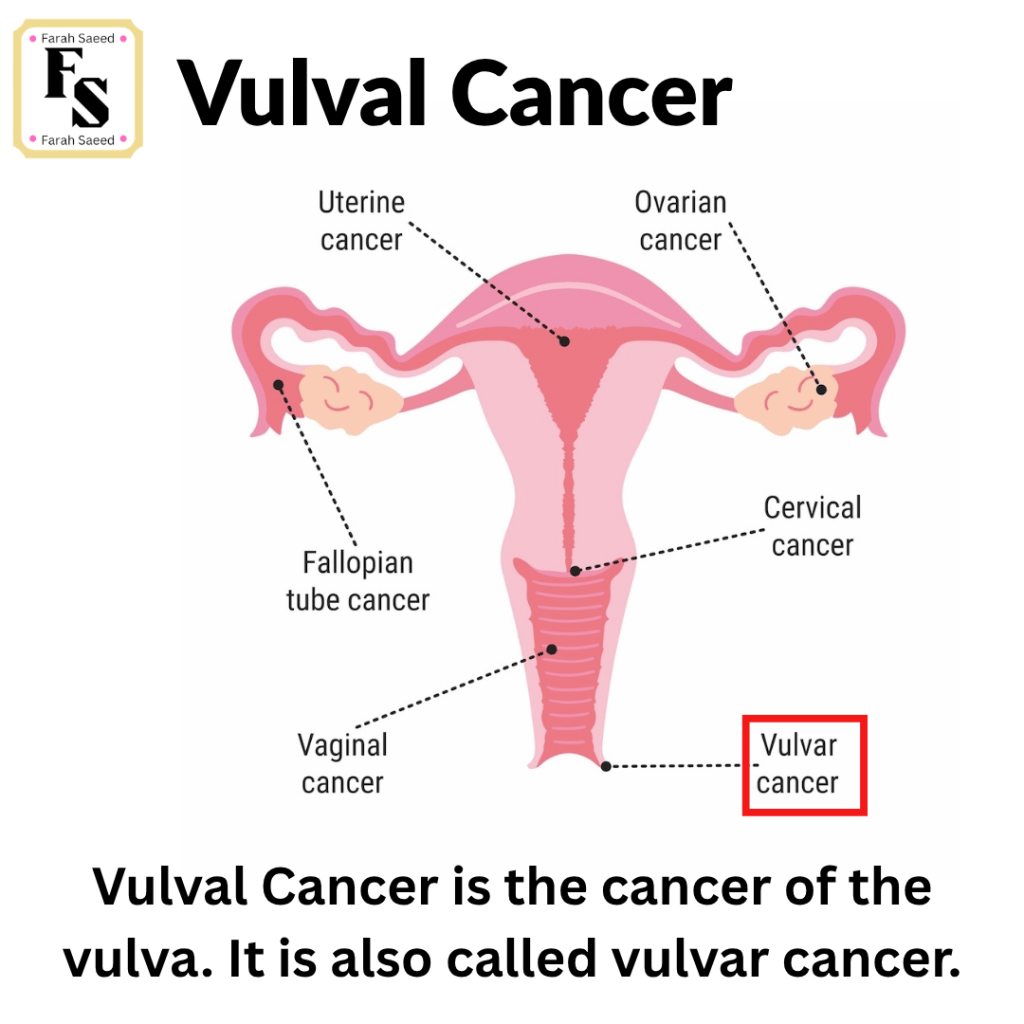
Gynaecological cancers are cancers that affect the female reproductive system.
What Is Vulval Cancer?
Structure And Function Of The Vulva
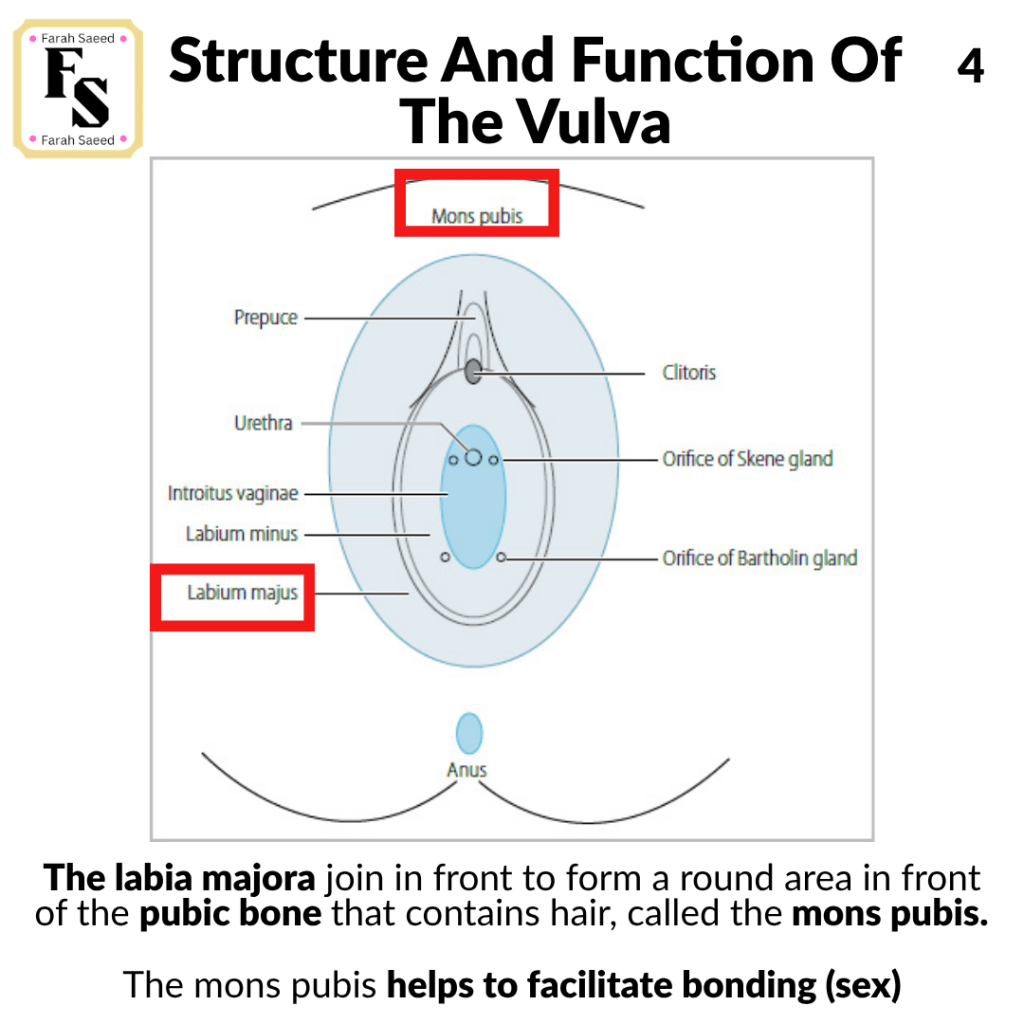
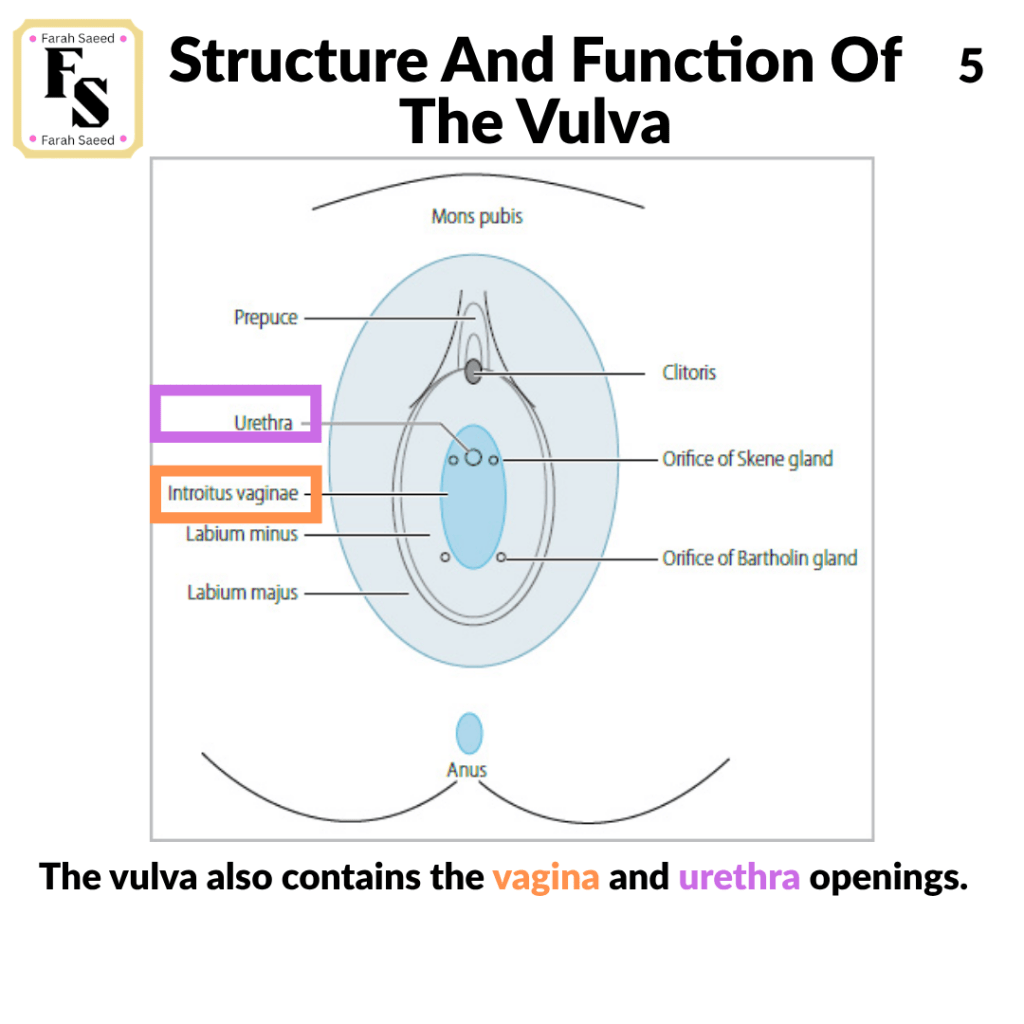
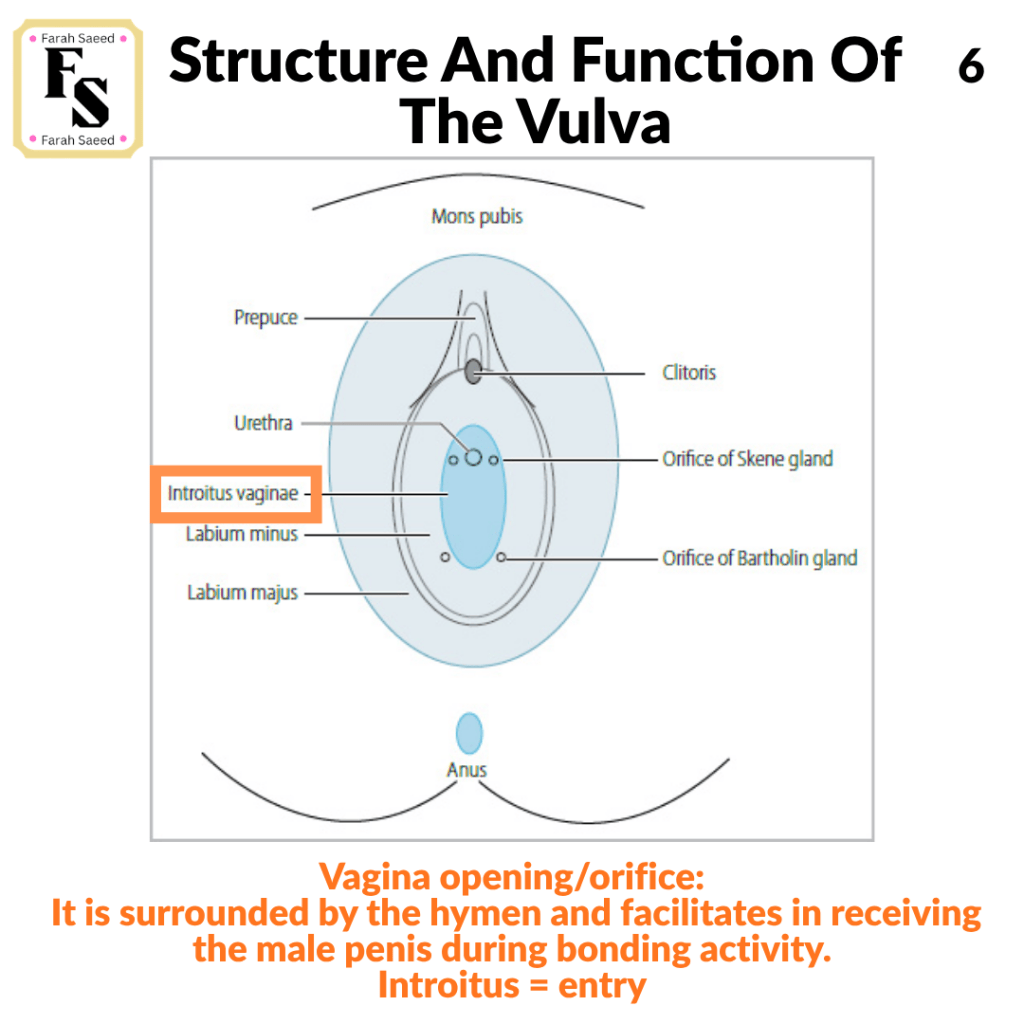
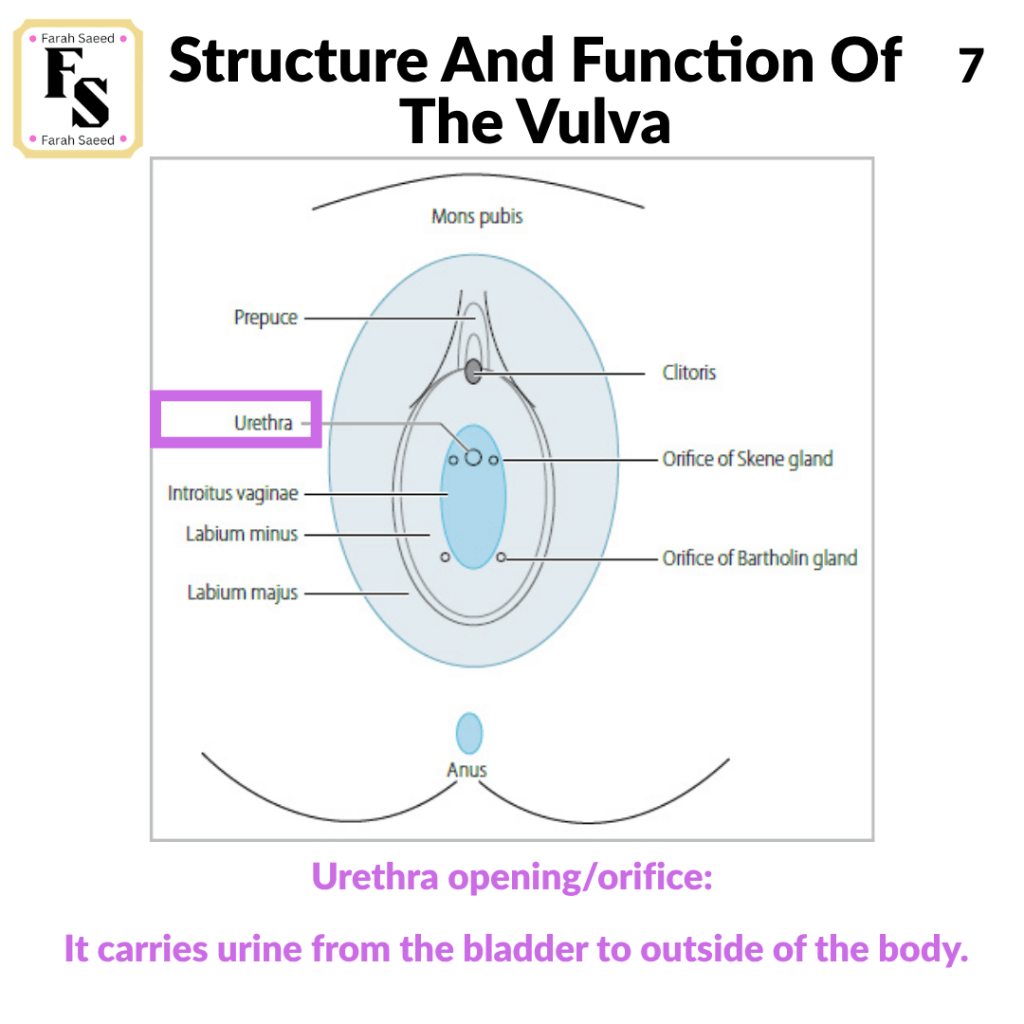
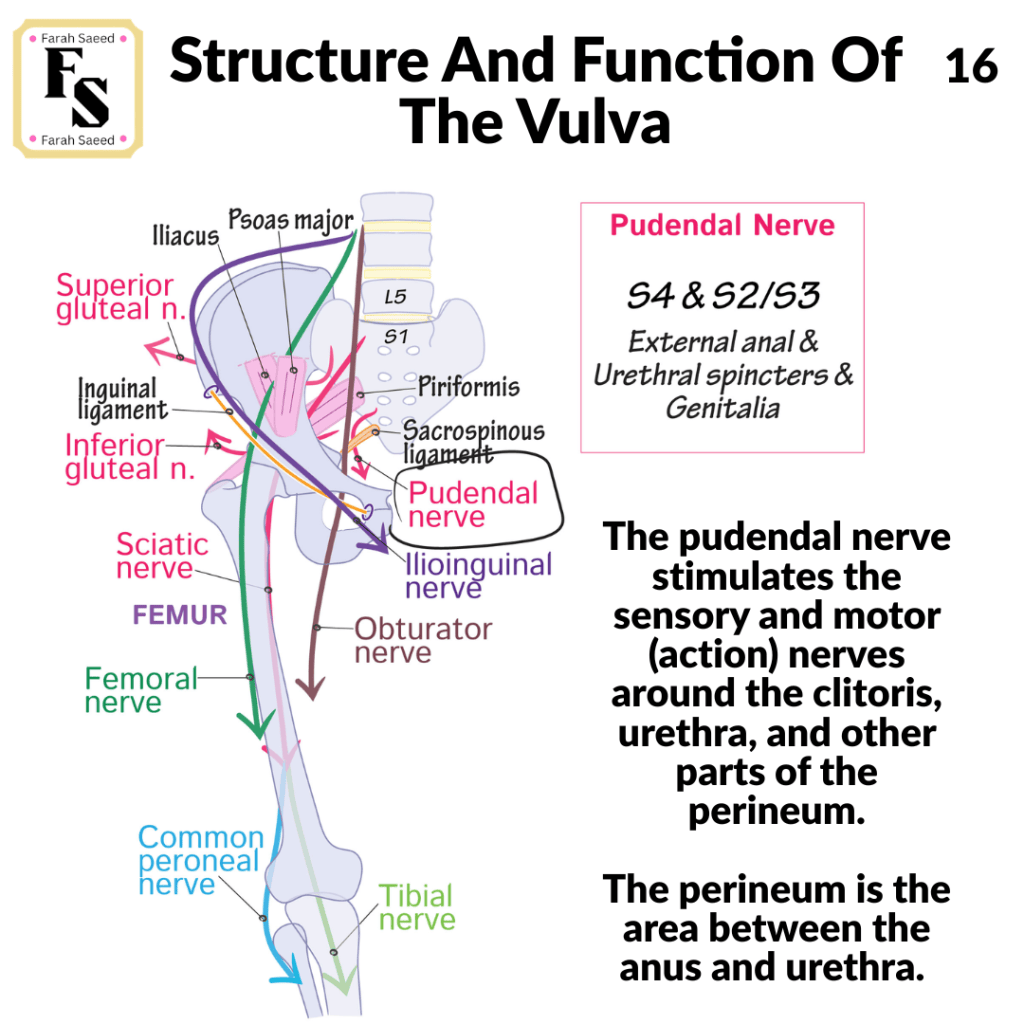
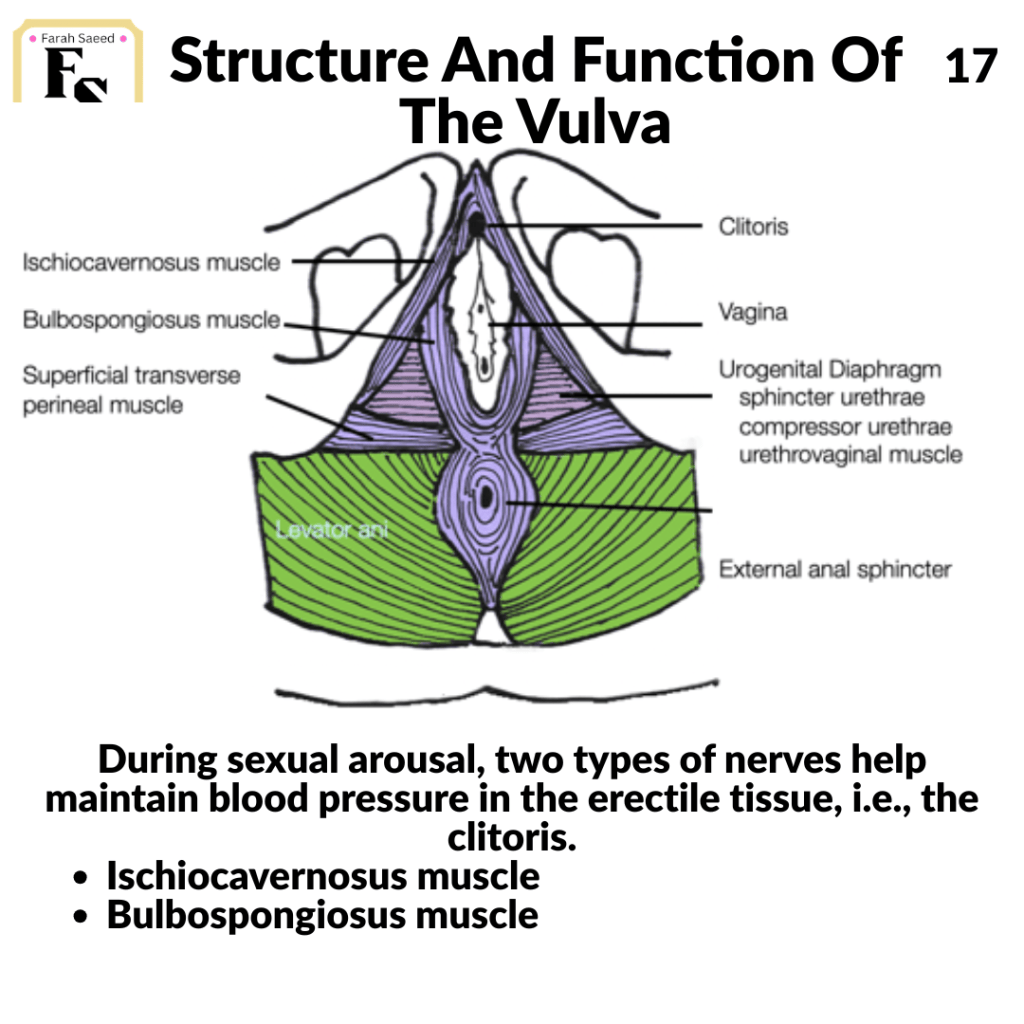
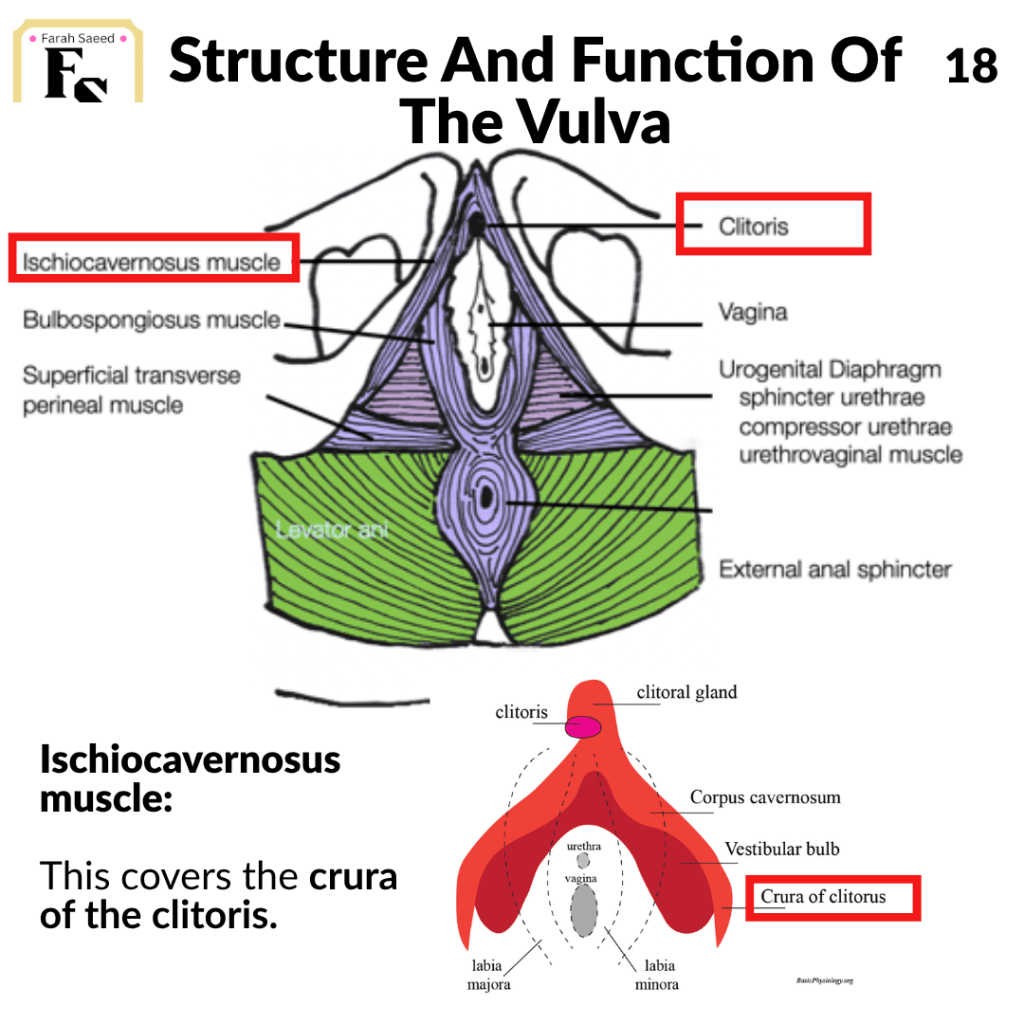
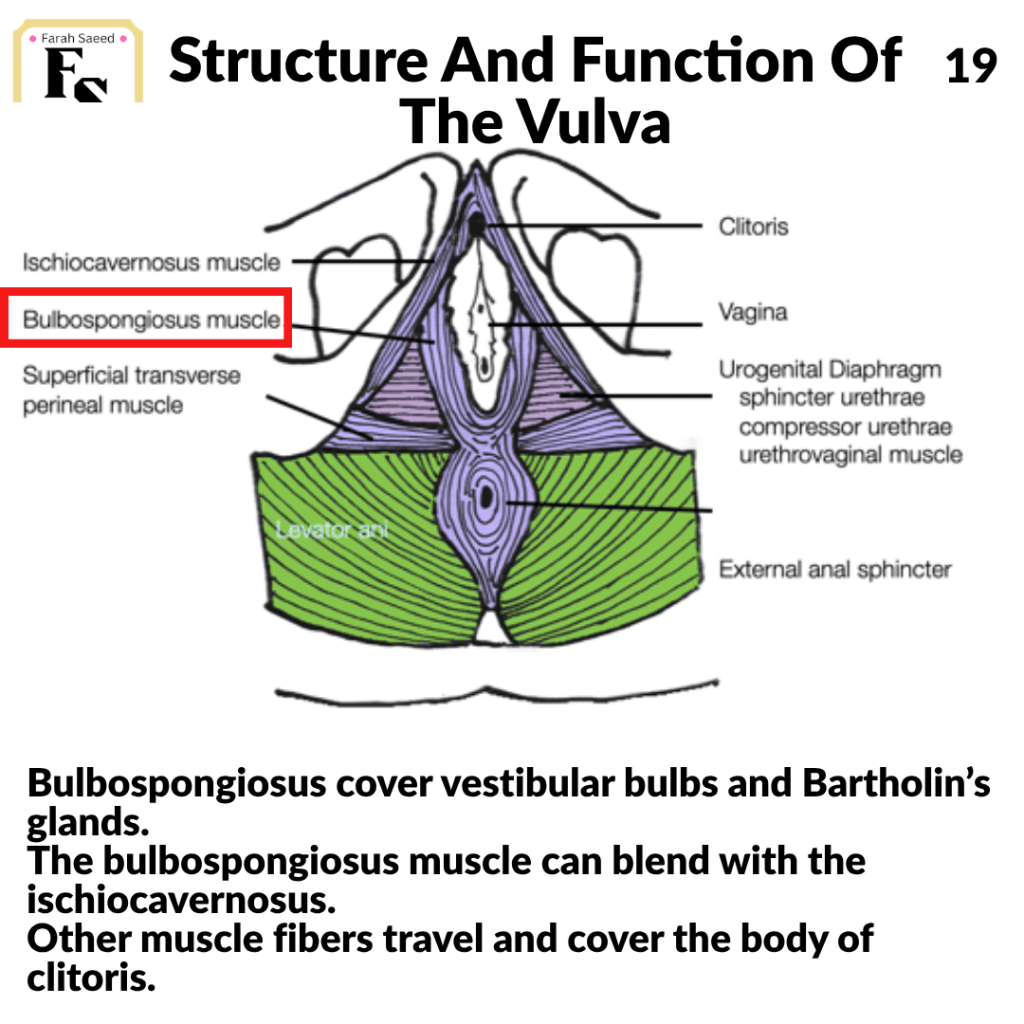
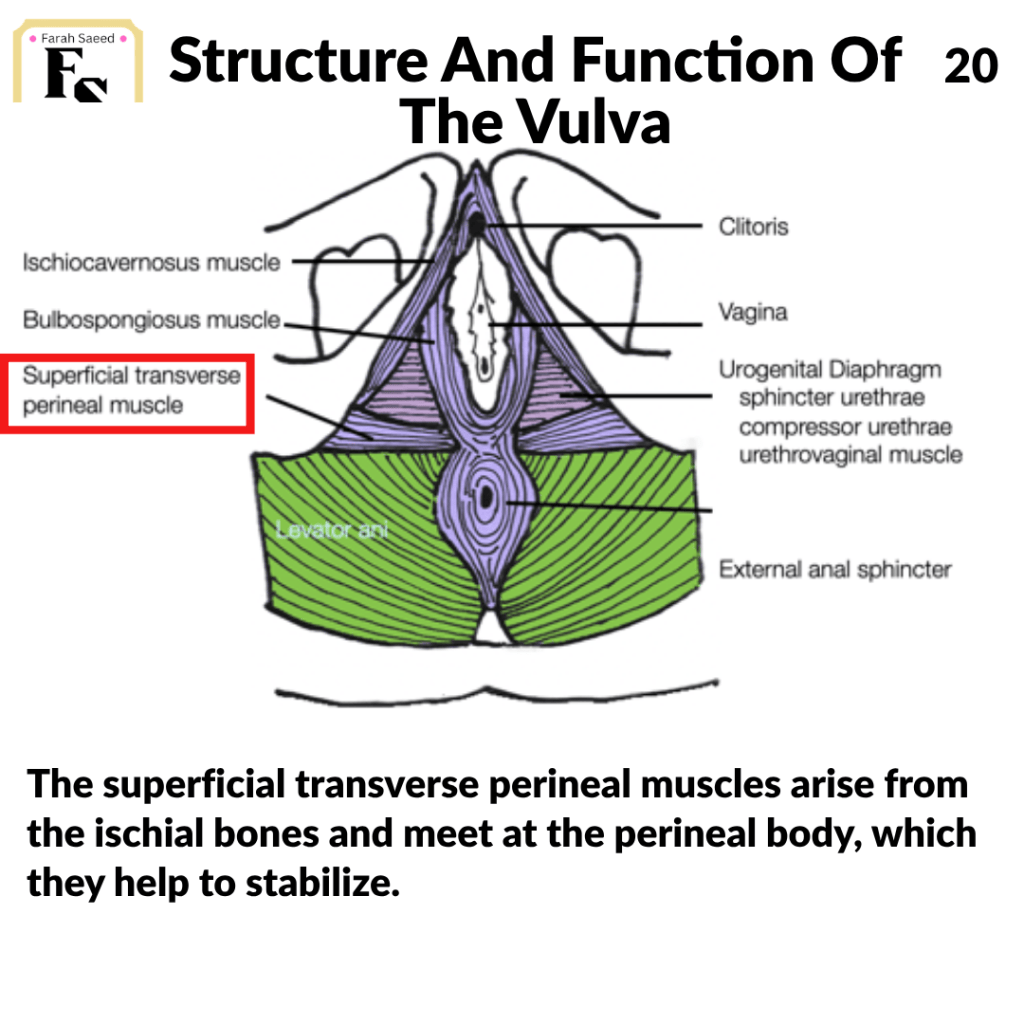
For more detail on the structure and role of the vulva, please visit the following link:
References
National Cancer Institute (2024) What is Vulvar Cancer? Available at; https://www.cancer.gov/types/vulvar/what-is-vulvar-cancer (Accessed: 7th August 2026)
Seladi-Schulman, J. (2026) Everything to Know About Female Reproductive Organs. Available at: https://www.healthline.com/health/womens-health/female-reproductive-organs (Accessed: 7th August 2026)
Thompson, L. (n.d.) The Vulva. Available at; https://teachmeanatomy.info/pelvis/female-reproductive-tract/the-vulva/ (AccessedL 7th August 2026)
Updated September 2026; Next Review September 2028

