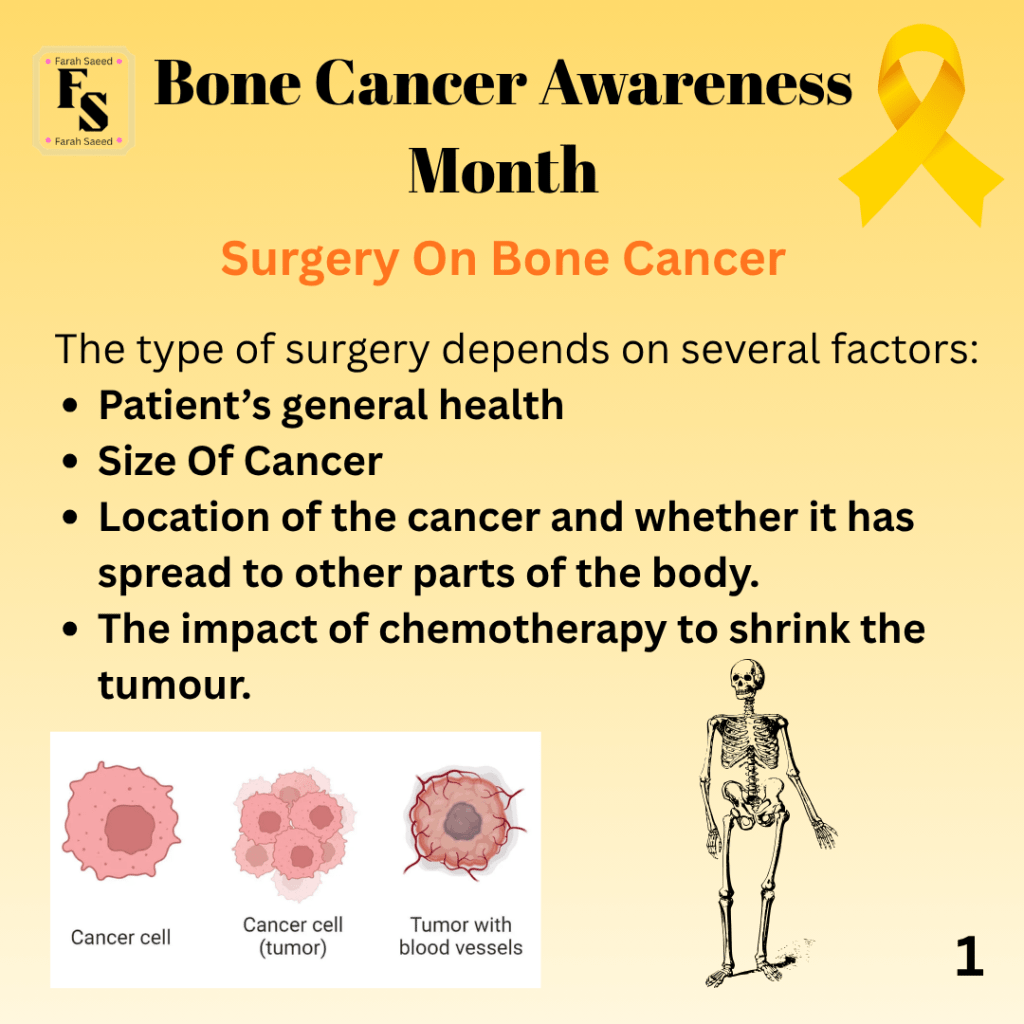
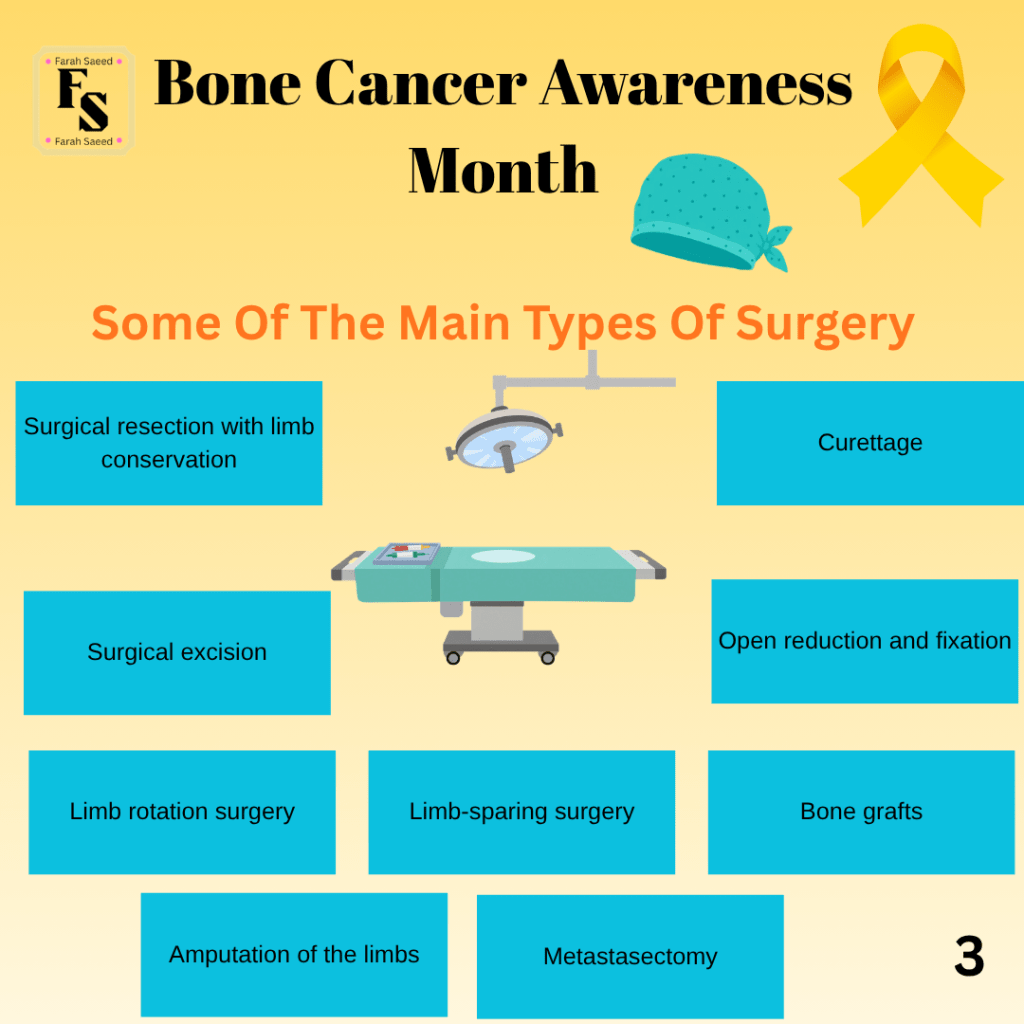
Surgical Resection With Limb Conservation.
This is where the cancer is removed without removing the affected arm or leg.
Curettage
- Curettage is the removal of the tumour (intralesional resection) and trying to save as much bone as possible.
- This involves removing some normal bone using a cortical window. The tumour cells are scraped from the area to create a hole.
- Surgeon fills the hole with bone cement or bone graft or cementless fixation, making it strong and to prevent tumour from returning. This is referred to as endoprosthetic reconstruction.
- This limb-salvage option is also suitable for periarticular tumour resection and can minimise risk of infection and aseptic loosening (the body’s inflammatory response to wear particles from a joint replacement implant leads to bone loss and implant failure).
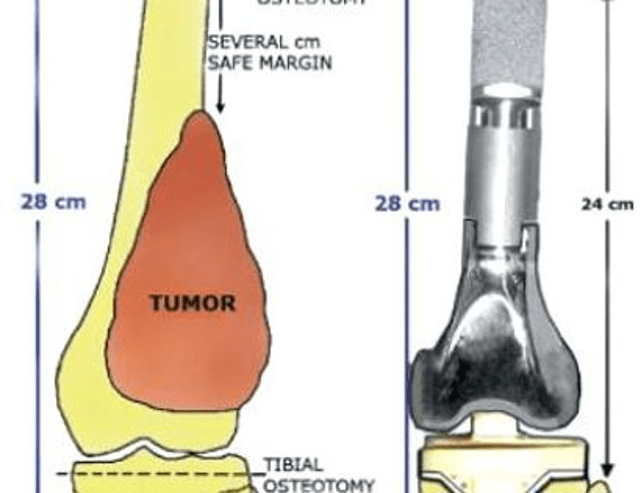
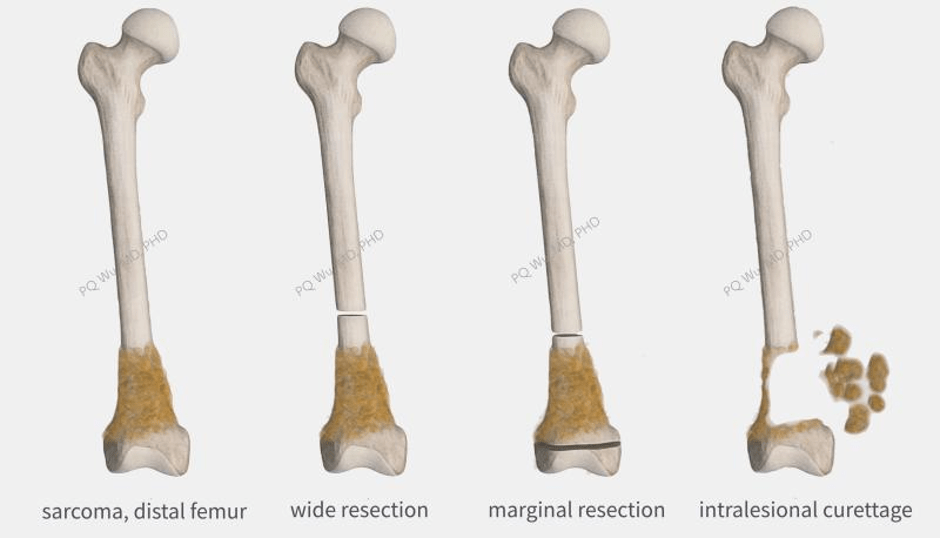
An example of where curettage is used is osteoid osteoma.
Osteoid Osteoma is a benign tumour that affects long bones. Under general or regional anaesthesia, curettage can be performed in such cases.
This can be treated with non-steroidal anti-inflammatory drugs (NSAIDs) e.g. aspirin and ibuprofen, to relieve pain.
Surgical Excision
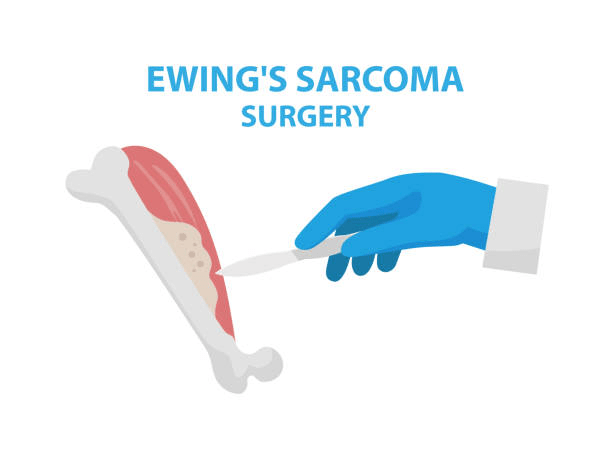
- This is a wide excision that is commonly performed in patients with low-grade tumours.
- This is where the tissue is removed using a sharp knife called a scalpel or other cutting tools. It also removes some of the normal tissue to ensure all the tumour has been removed. This prevents the tumour returning, e,g giant cell tumours.
- If the tumour is aggressive and causes lots of damage, the surgery becomes more invasive.
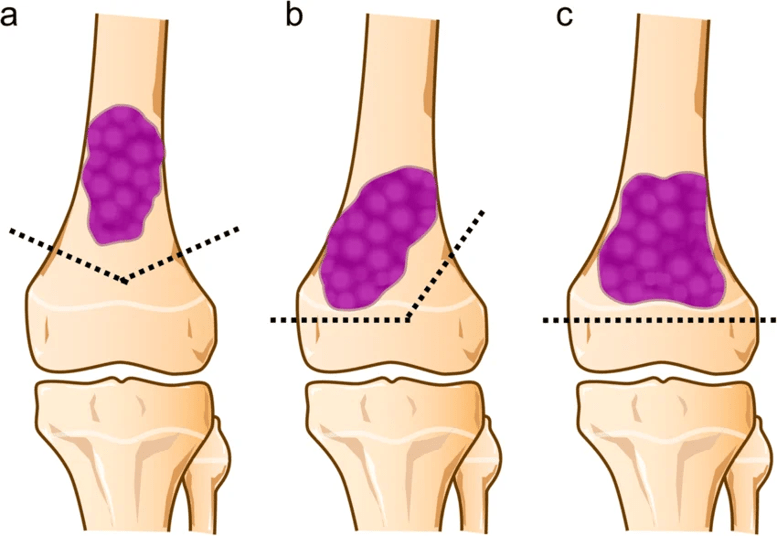
Akihiko Takeuchi et al. 2019
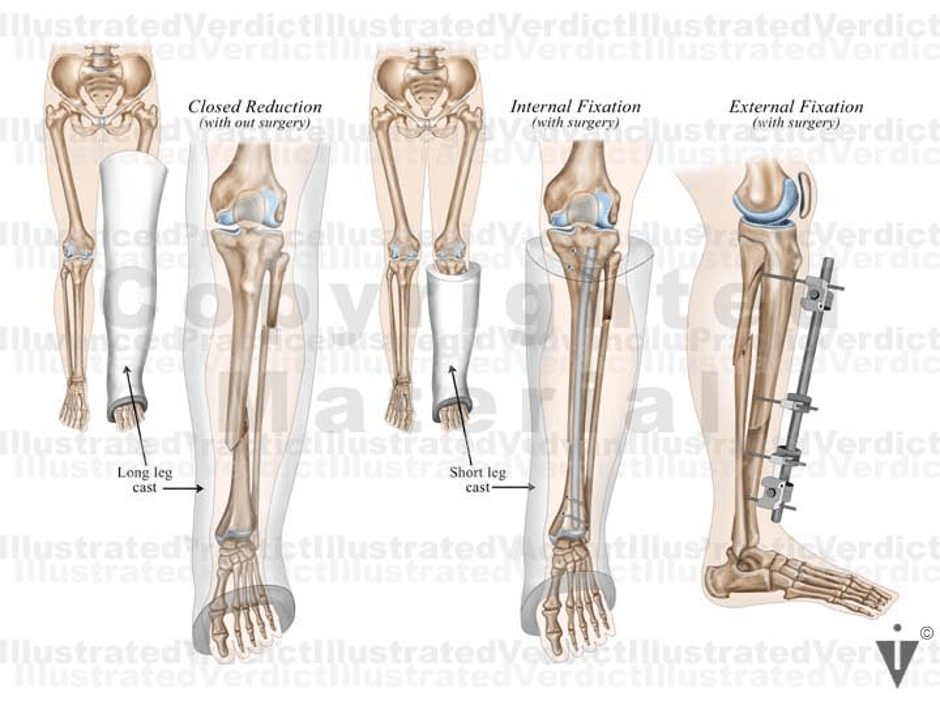
Open Reduction And Fixation
Limb rotation surgery
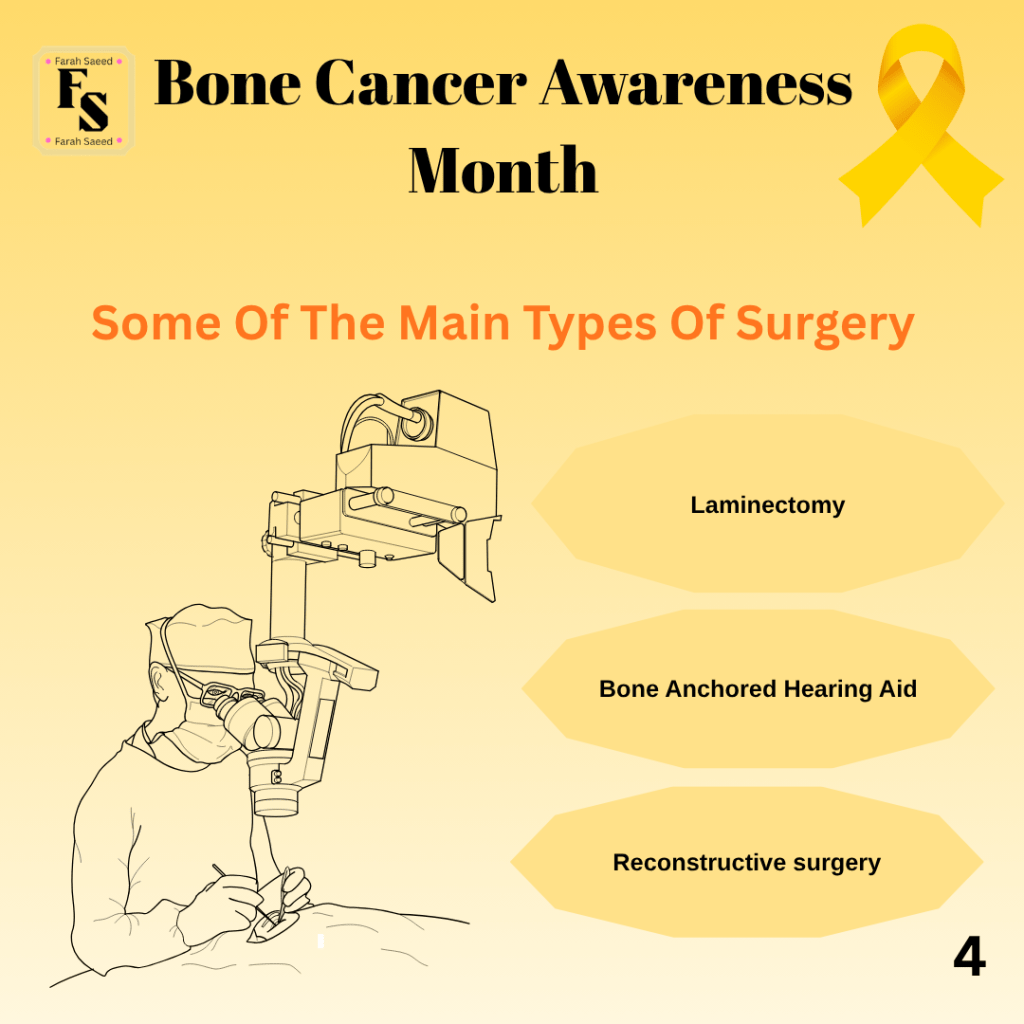
Reconstructive Surgery
With any surgery that has a large portion removed, reconstruction is needed. This may involve bone grafts, metal implants or advanced reconstructive processes to restore structure and function.
Limb-sparing surgery and Bone Grafts
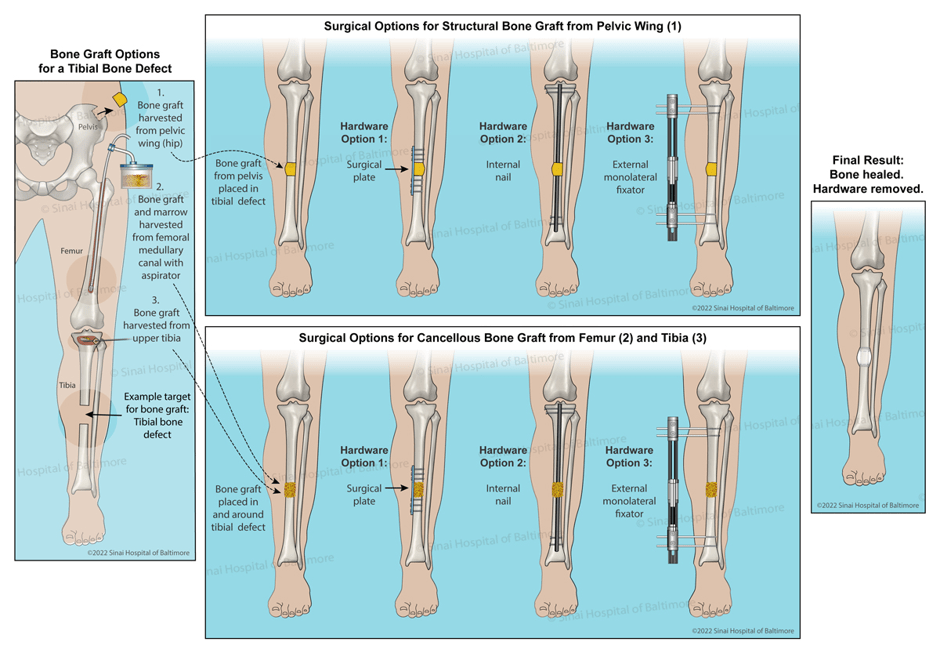
If the tumour is in a limb, some bone needs to be removed or replaced using a metal implant (prosthesis) or a bone from another part of the body (bone graft).
Bones can regenerate by themselves.
However, large bone defects require bone grafts.
Types Of Grafts
Autograft or autologous or autogenous grafts.
What is an autologous graft?
This type of graft is where there is a removal of a bone area from the patient himself or herself.
This is commonly performed during osteoinduction, osteoconduction, and total histocompatibility of autografts.
This helps to lower immune reaction and transmission of disease. There is a risk of donor-site morbidity.
There could also be a limited amount of tissue to harvest or obtain, further additional surgeries, and prolonged surgery times.
This is overcome by allograft and xenograft which will be discussed later.
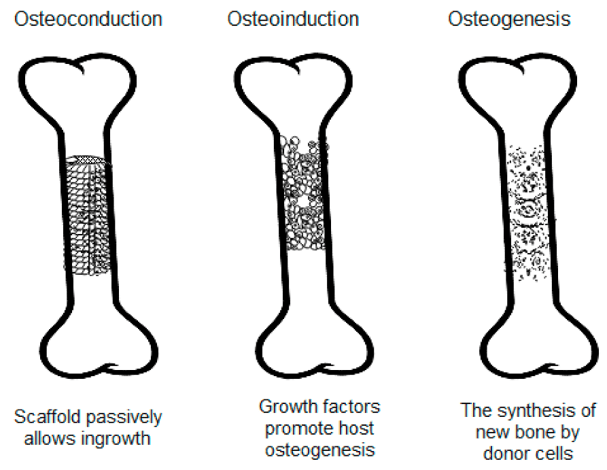
What Is Osteoconduction, osteoinduction, and osteogenesis?
Osteoconduction – Some materials appear like a scaffold where bone cells attach, move, grow, and divide.
Osteoinduction – normal chemicals in the body cause stem cells or immature bone cells to grow and mature to form healthy bone tissue.
Neovascularization – the formation of new blood vessels as part of microvascular networks. It is different from angiogenesis (formation and sprouting of new blood vessels, e.g., capillary buds from pre-existing blood vessels).
An insight into Dental Bone Graft
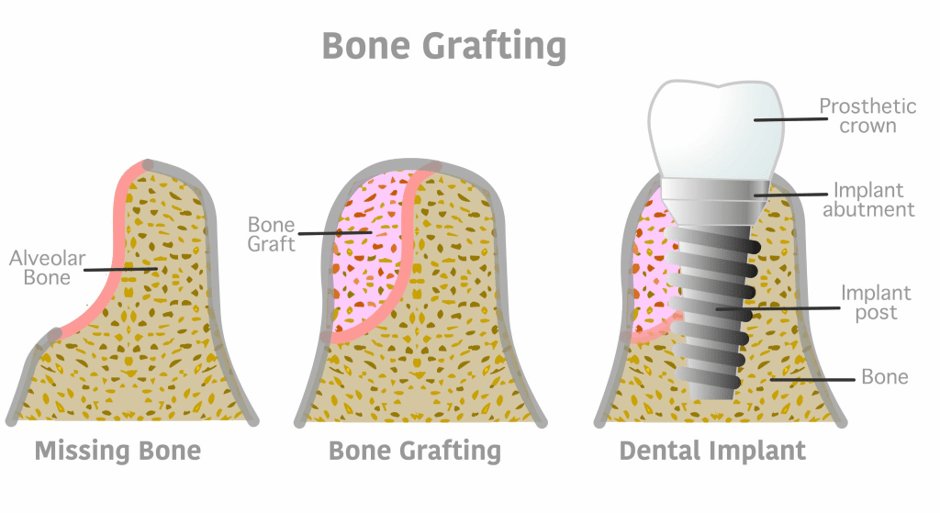
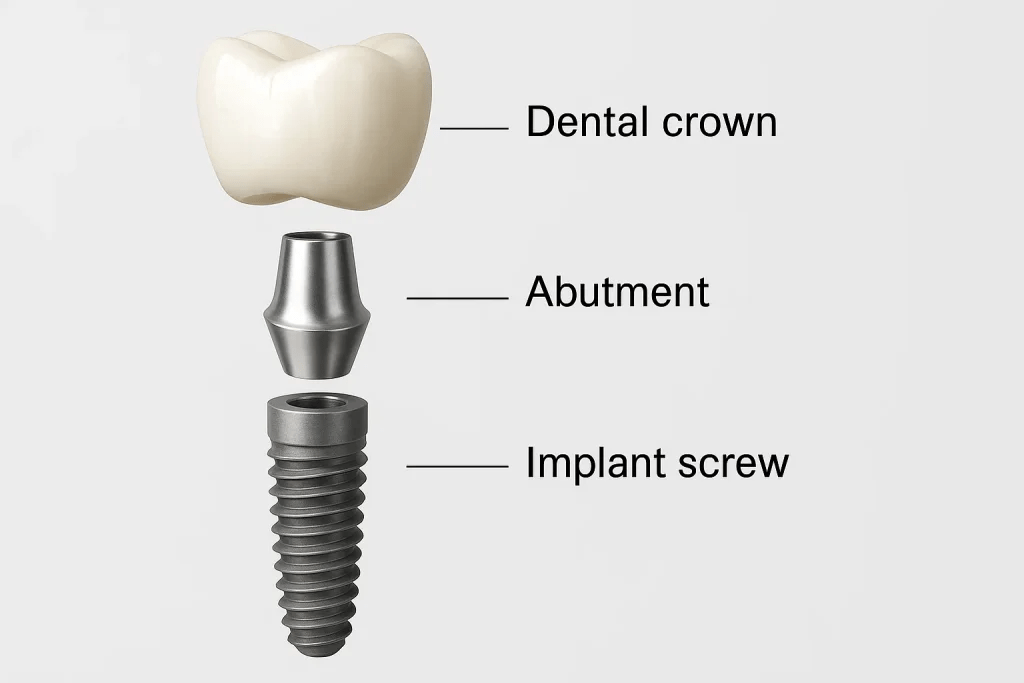
A bone graft or implant is when a rigid structure is embedded in bone or is under its periosteum (outer covering of the bone) to provide support for its replacement teeth on a denture or a bridge.
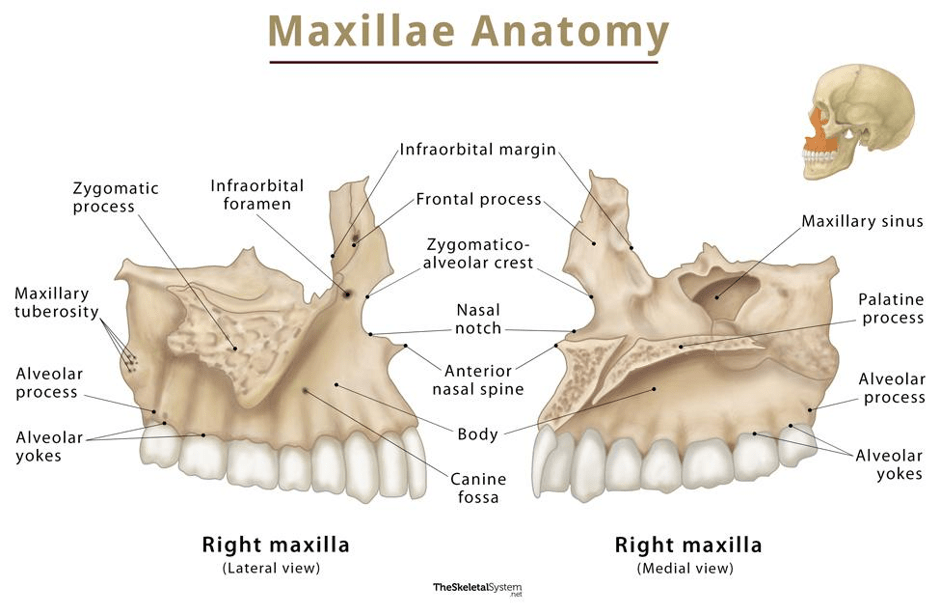
There are also osseous-integrated implants, which are a type of implant where special titanium metal alloy inserts called fixtures are placed in the jawbone (mandible and maxillae). There are structures called abutments which are fitted after the bone has healed. An artificial tooth is then placed or bolted onto the abutments.
They also help to retain facial prostheses.
Key areas of bone grafts:
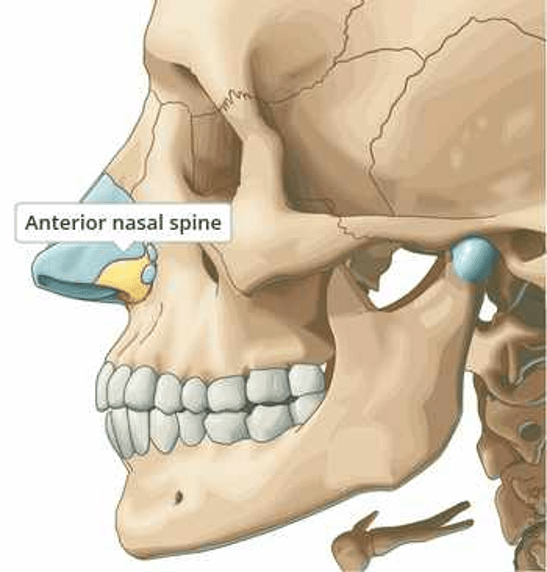
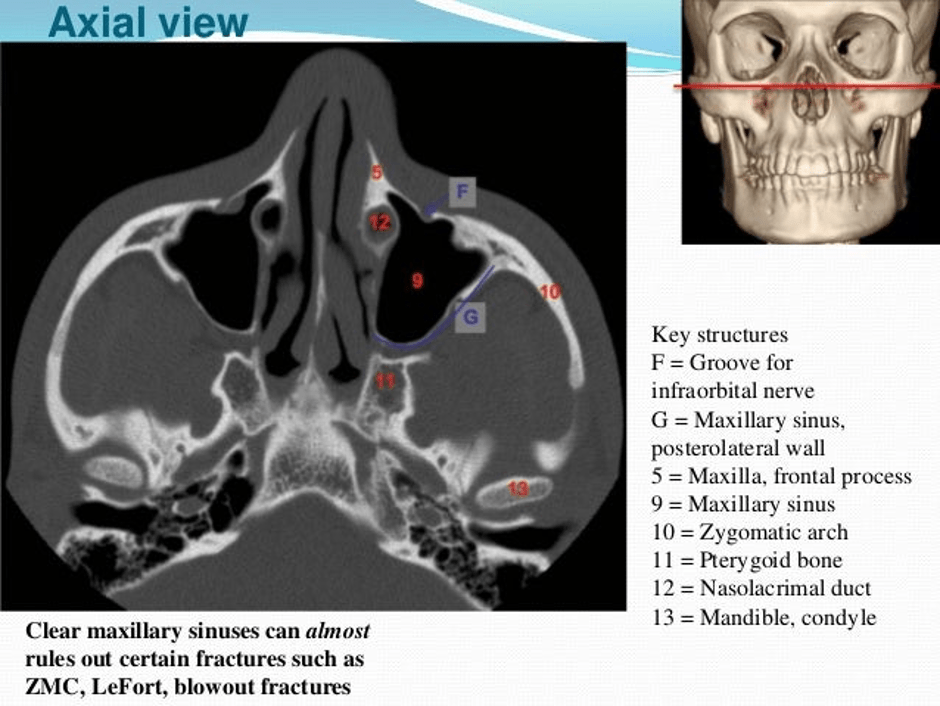
- Oral: anterior maxillary sinus wall, anterior nasal spine, ascending ramus, palate (hard/soft), symphysis, tuberosity
- Anterior maxillary sinus – air-filled spaces lined with mucous membrane and some bones of the skull.
- Anterior nasal spine – part of the nose that form the bridge and root of the nose.
- Ascending ramus – a process projecting from the bone e..g rami of the mandible
- Palate – roof of the mouth that separates the mouth from the nasal cavity. The hard palate is at the front of the mouth and is formed from the maxillae and palatine bones. The soft palate is further back in the mouth and links with a flap of tissue called uvula.
- Symphysis – the line that marks the fusion of the two bones during development e.g. mandible
- Tuberosity – large round protuberance on a bone that serves attachment to muscles and ligaments
- Body: Cranium (skull). Upper limbs (radius), Lower limbs (tibia, fibular) and pelvis (iliac crest)
Supporting Images Of Dental Implants
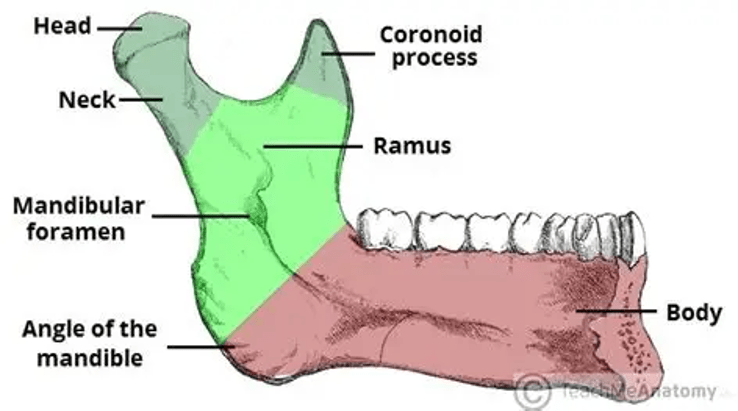
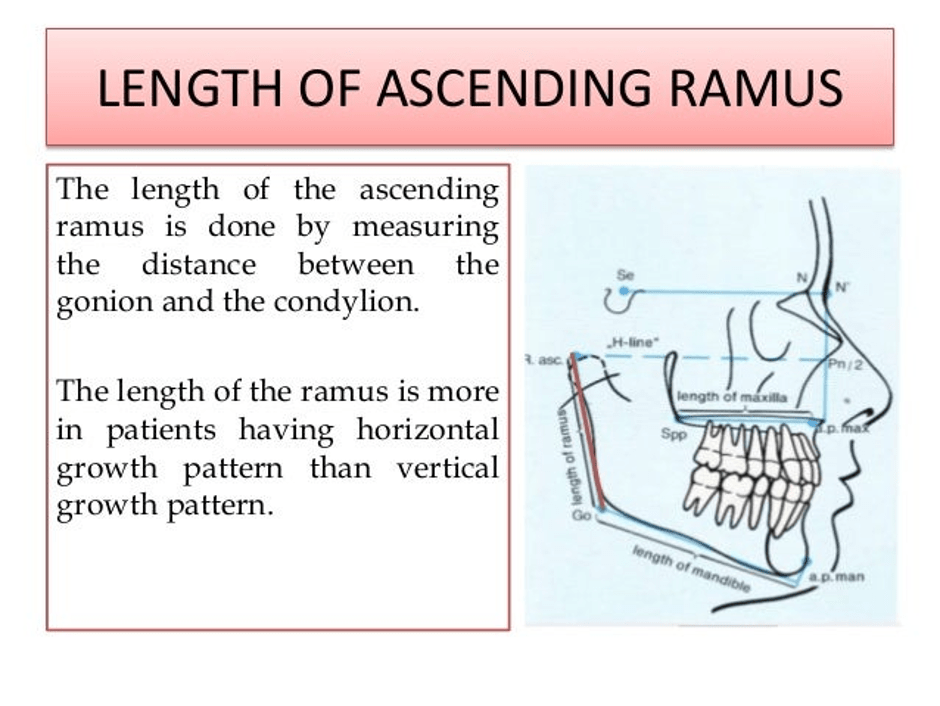
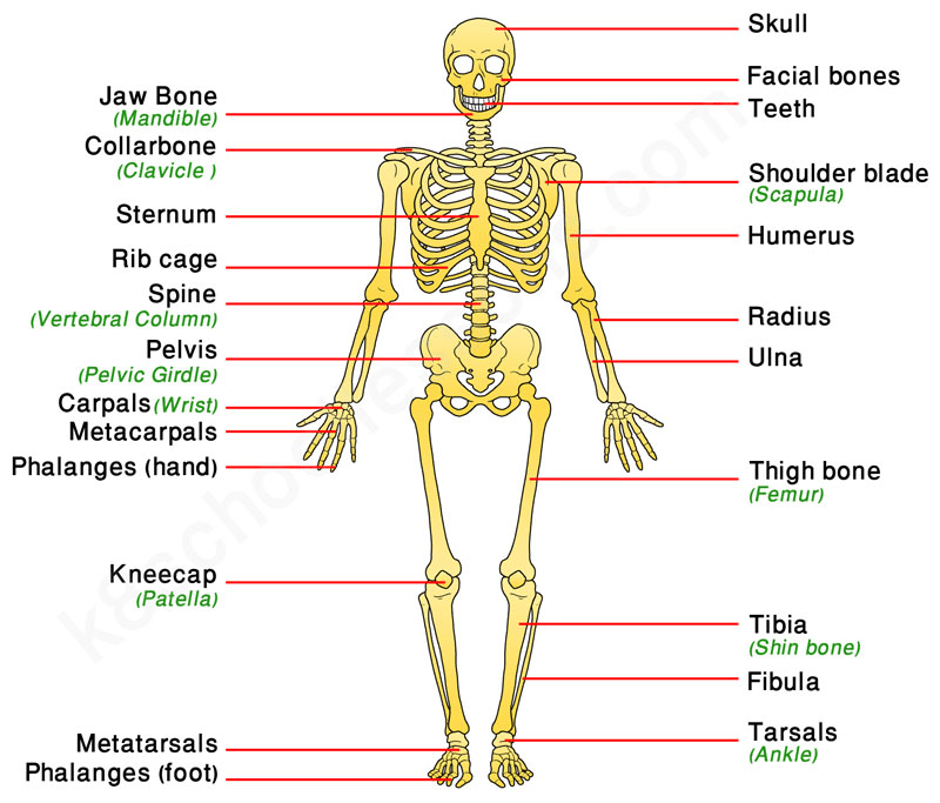
Iliac Crest
Allograft
- Bone obtained from living or non-living human donors through a bone tissue bank.
- These grafts typically contain minerals such as hydroxyapatite and calcium phosphate.
- Dense cortical bone is used to fill gaps, promote bone formation, and aid healing.
- Allografts are osteoconductive, provide little osteoinductive potential, and are not osteogenic.
A gentle reminder:
Osteoconduction – Some materials appear like a scaffold where bone cells attach, move, grow, and divide.
Osteoinduction – normal chemicals in the body cause stem cells or immature bone cells to grow and mature to form healthy bone tissue.
There is a risk of transmitting diseases with these grafts. Variability depending on the method.
- Fresh/frozen bone
- FDBA – freeze-dried bone allograft
Allograft that maintains natural calcium and mineral content.
It provides stability and space for bone healing.
It has a slow resorption (bone breakdown) rate, and therefore it helps to form dense bone.
Suitable for surgeries where there is durable scaffolding and predicted bone volume.
- DFDBA – demineralized freeze-dried bone allograft
This is the removal of bone morphogenetic proteins (BMP) that induce osteoinduction.
This helps to speed up the rate of resorption, but its mechanical strength and volume stability are lower than its alternatives.
Xenograft
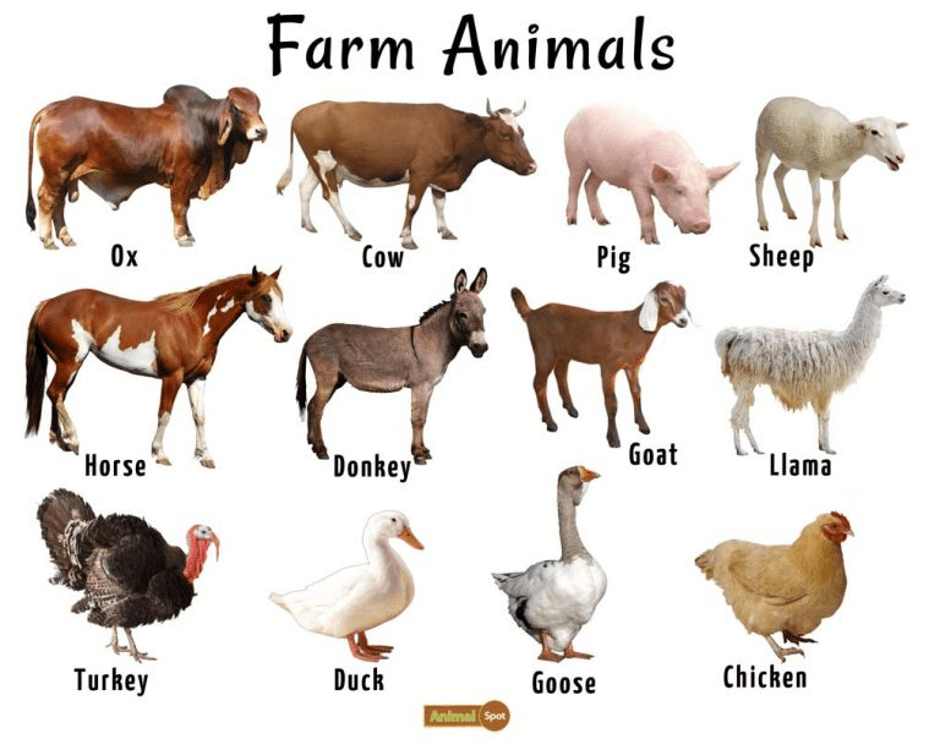
- They are harvested or “obtained” from bovine, porcine, equine, coralline and algae.
- They are osteoconductive, but there is risk of disease transmission, immunogenicity (immune response) and variability in properties.
Osteoconduction Some materials appear like scaffold where bone cells attach, move, grow and divide.
Bovine –> cattle.
Caprine –> goats
Equine –> horses, mules, zebras, and asses/donkeys.
An ass is a single hoofed mammal of the genus Equus, related to horses.
They are smaller in build and have bigger ears. It includes mule, burro, hinny, jack, and donkeys.
Ovine –> sheep.
Porcine –> swine/pig
Coralline algae –>
It is a type of red algae that precipitates/releases calcium carbonate in its cell wall, giving a stony, hard texture.
Supporting Images Of Xenografts
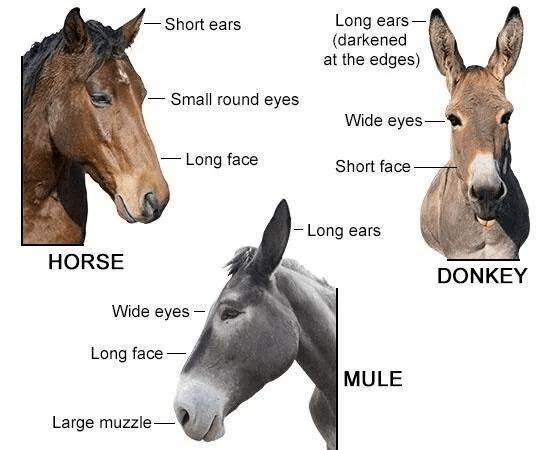
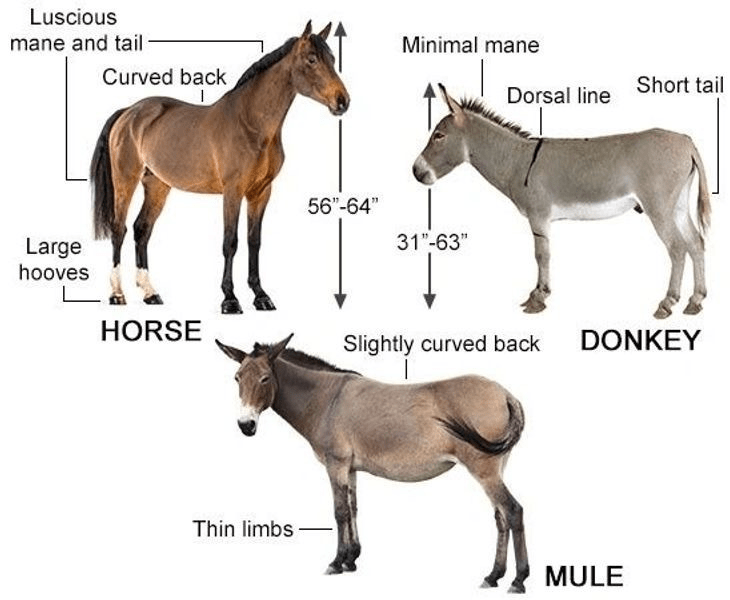
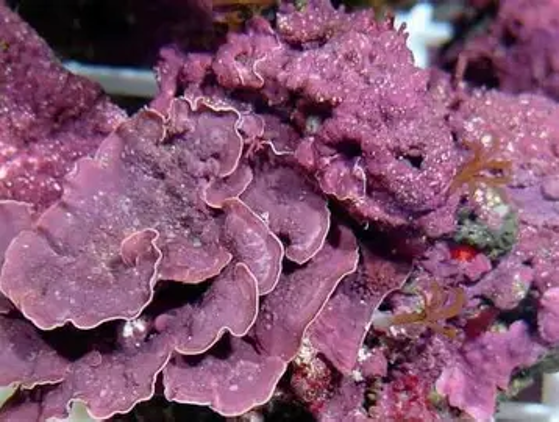
Synthetic bone graft
Synthetic bone graft.
Culture and Diversity: Implants of animal tissues may be rejected by some patients because of religion, culture, and ethical concerns about animal rights.
This limitation is overcome by using artificial grafts that have been added to repair bone defects.
- Calcium phosphate
- Hydroxyapaptite
- Calcium carbonate
- Calcium sulphate
- Bioactive glasses
- Osteoconductive
Variability of properties depending on method.
Recommended Reading on Bone Grafts
Good article on BMP and other bone derived factors
Amputation Of The Limbs
- This is the removal of the affected limb and is commonly done to prevent spread to the surrounding area, especially if it affected nerves and blood vessels.
- The limb can be rebuilt with surgery to maintain function, but the process varies by patient.
Metastasectomy
The removal of the cancer that spread to another part of the body.
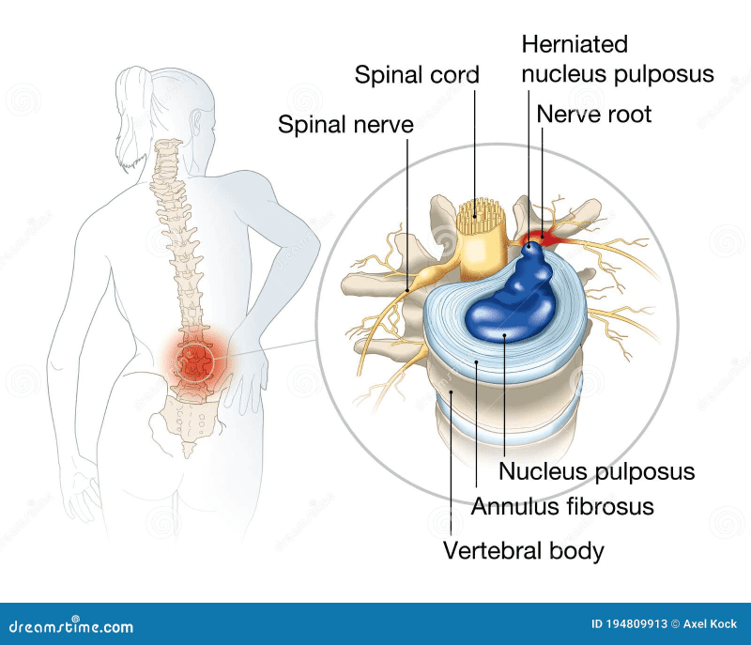
Laminectomy
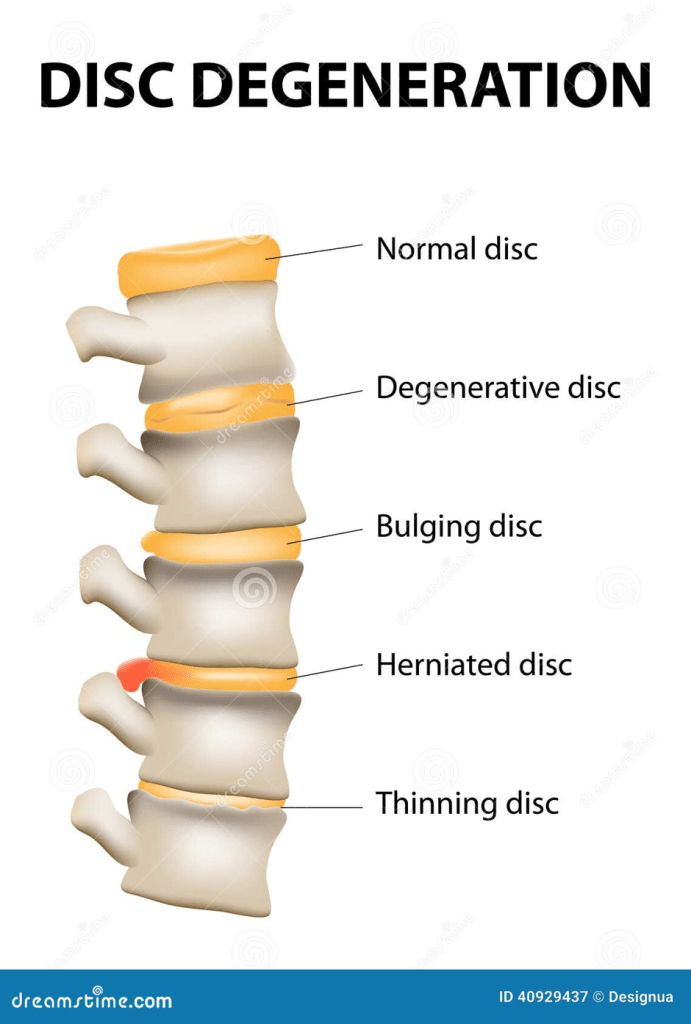
The procedure of relieving pressure on the spinal cord or nerves and symptoms such as herniated discs and spinal stenosis by removing all the vertebral bone (lamina) – bony arch
This helps to decompress by lowering pain and numbness and tingling in back, arms and legs and improve nerve function.
Bone-Anchored Hearing Aid
Small titanium screw fixed in bone of skin behind external ear using osseointegration method.
Osseointegration is defined as the process by which materials, for instance titanium metal, may be introduced into the living bone without forming a reaction.
Post-Surgery
Depending on the outcome,
The most important aspect is rehabilitation to regain mobility via physiotherapy.
Bone Cancer Surgery: What Actually Happens and Recovery By Ginger Healthcare.
What Physical Therapy Techniques Help With Bone Cancer By Bone Cancer Relief Guide
Recommended Reading On Surgery
References
Bădilă, A.E., Rădulescu, D.M., Niculescu, A.-G., Grumezescu, A.M., Rădulescu, M. and Rădulescu, A.R. (2021). Recent Advances in the Treatment of Bone Metastases and Primary Bone Tumors: An Up-to-Date Review. Cancers, [online] 13(16), p.4229. doi:https://doi.org/10.3390/cancers13164229.
Biology Insights (2025) What Is Coralline Algae and Why Is It Important? Available at: https://biologyinsights.com/what-is-coralline-algae-and-why-is-it-important-2/ (Accessed: 11th June 2026)
Bone Cancer Research Trust (2026) Giant Cell Tumour of the Bone Available at:https://www.bcrt.org.uk/information/information-by-type/giant-cell-tumor/ (Accessed: 4th April 2026)
Budhu, J.A., Wen, P.Y. and Lee, E.Q. (2022). Neurologic complications of oncologic therapy. Handbook of Neuro-Oncology Neuroimaging, pp.131–155. doi:https://doi.org/10.1016/b978-0-12-822835-7.00013-5.
Livestock conservancy (n.d) Animal Terms And Their Proper Usage. Available at: https://livestockconservancy.org/resources/animal-terms/ (Accessed: 11th June 2026)
National Cancer Institute (2019) Adamantinoma https://www.cancer.gov/pediatric-adult-rare-tumor/rare-tumors/rare-bone-tumors/adamantinoma (Accessed: 4th April 2026)
National Health Service (2025) Treatment for bone cancer. Available at: https://www.nhs.uk/conditions/bone-cancer/treatment/ (Accessed: 4th April 2026)
Orthofix (2021) Internal Fixation vs External Fixation. Available at: https://abs.orthofix.it/blog/internal-fixation-vs-external-fixation/ (Accessed: 9th June 2026)
Pietrangelo, A. (2019) What is fibrosarcoma and how is it treated? Available at: https://www.healthline.com/health/fibrosarcoma (Accessed 3rd April 2026)
Pullan, J. and Lotfollahzadeh, S. (2024). Primary Bone Cancer. Available at: https://www.ncbi.nlm.nih.gov/books/NBK560830/ (Accessed: 9th April 2026)
Rajamani, K, V., Udayshankar, V., Prakash, P. and Jain, V. (2019). Bone graft materials used in dental implants: A review. IP Annals of Prosthodontics and Restorative Dentistry, 5(3), pp.58–62. doi:https://doi.org/10.18231/j.aprd.2019.014.
Takeuchi, A., Yamamoto, N., Hayashi, K., Matsubara, H., Miwa, S., Igarashi, K. and Tsuchiya, H. (2019). Joint-preservation surgery for pediatric osteosarcoma of the knee joint. Cancer and Metastasis Reviews, 38(4), pp.709–722. doi:https://doi.org/10.1007/s10555-019-09835-z.
Thomas, A., Bates, S.M Figg, W. and Pommier, Y. (2017) DNA Topoisomerase-targeting drugs Available at: https://oncohemakey.com/dna-topoisomerase-targeting-drugs/ (Accessed: 9th June 2026)
Trusolino, L., Bertotti, A. and Comoglio, P.M. (2010). MET signalling: principles and functions in development, organ regeneration and cancer. Nature Reviews Molecular Cell Biology, 11(12), pp.834–848. doi:https://doi.org/10.1038/nrm3012.
Tumor Surgery (2026) Adamantinoma: A Rare Bone Tumor of the Tibia Explained. Available at: https://www.tumorsurgery.org/2025/12/16/adamantinoma-rare-bone-tumor-tibia/ (Accessed: 4th April 2026)
Vitality (2025) Mineralised vs demineralized bone grafts: which is better for implant succees? Available at: https://www.vitality-product.com/blogs/news/mineralized-vs-demineralized-bone-grafts-which-is-better-for-implant-success (Accessed: 4th June 2026)
Your Genome (n.d.) What is mitosis? Available at: https://www.yourgenome.org/theme/what-is-mitosis/ (Accessed: 4th June 2026)
Updated July 2026 Next Review July 2028


Leave a Reply