Classification Of Bone
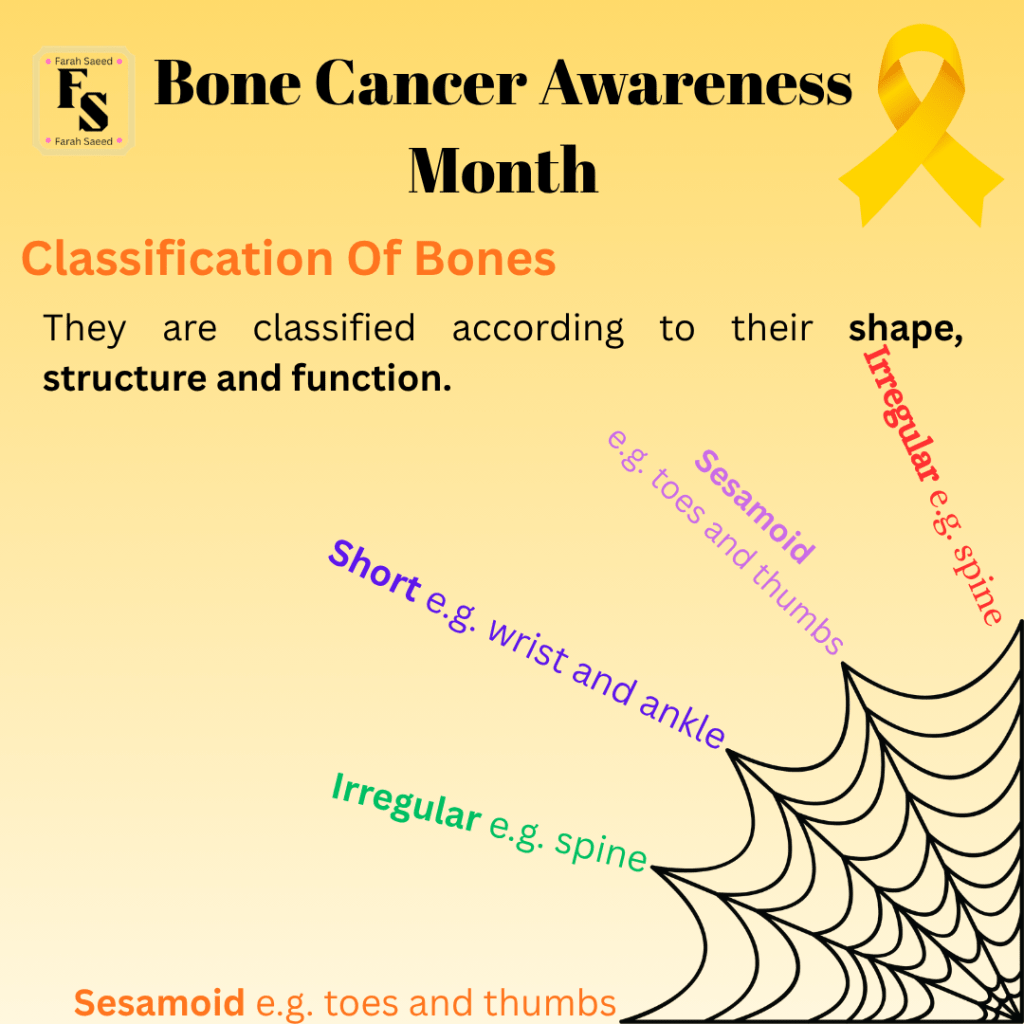
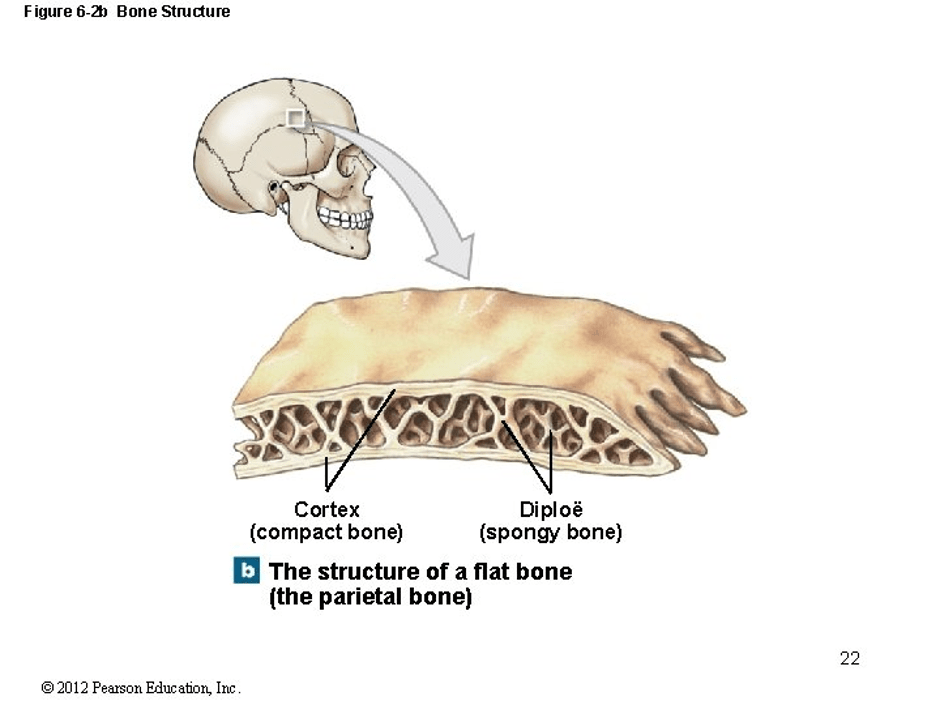
Flat Bones

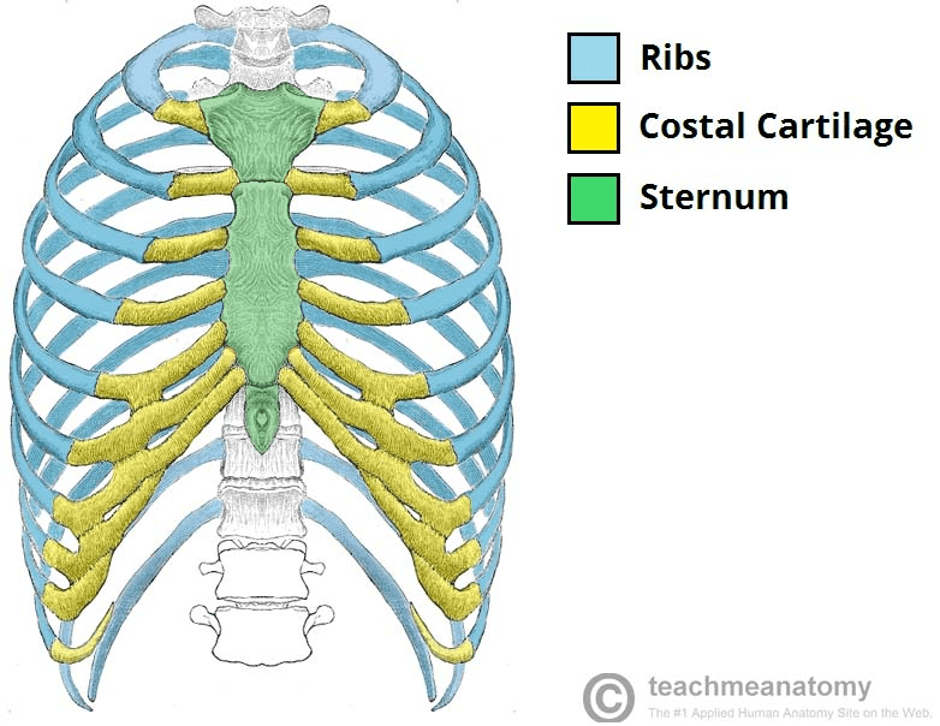
Example One Of Flat Bones: Ribs
Structure
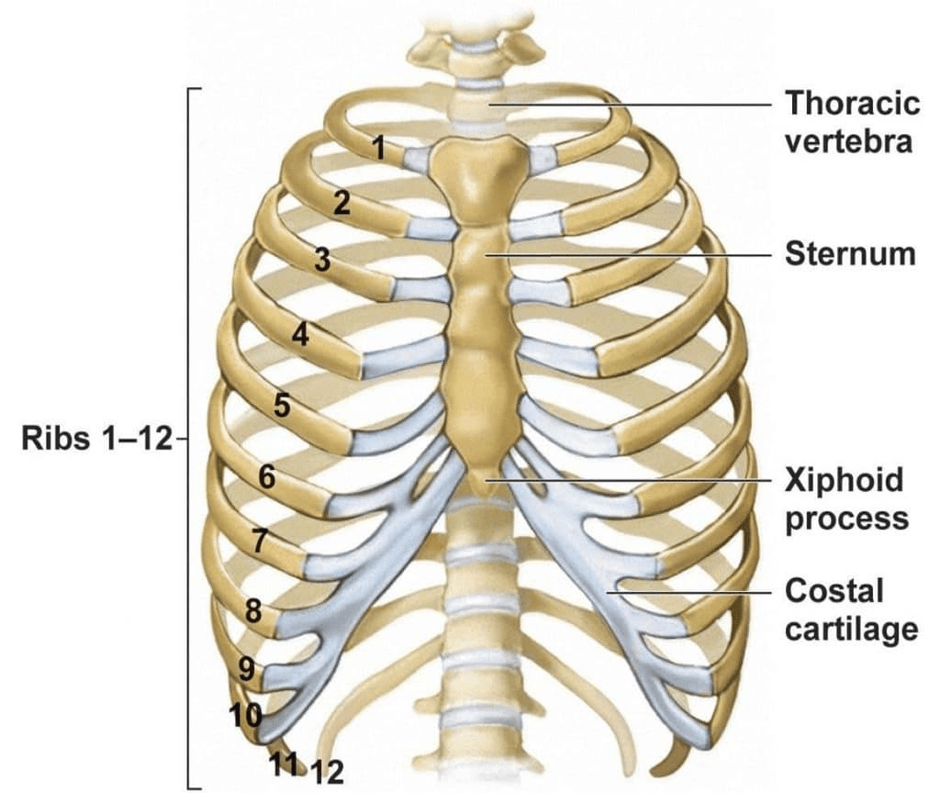
There are 12 pairs of ribs in the ribcage.
One end (Head) of each rib binds with the 12 thoracic vertebrae.
The other end – it connects the sternum (breast bone) by costal cartilages.
Function:
Protect the heart and lungs.
Example Two Of Flat Bone: Skull
Structure
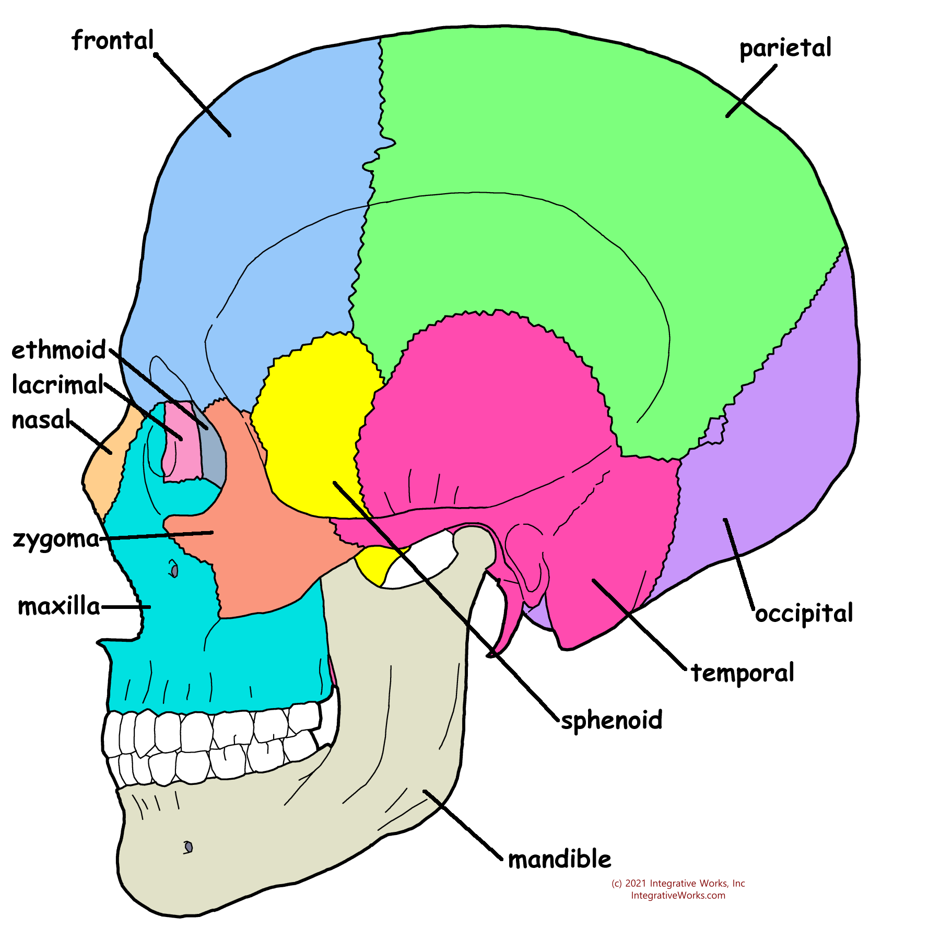
The Cranium (skull) is made of 22 bones and subdivided into cranial bones and facial bones.
The cranium has 8 bones:
Some of the cranium bones are in pairs (x2):
Parietal
Temporal.
Some of the cranium bones are singular (x1):
Frontal
Occipital
Sphenoid
Ethmoid
The cranium bones are further subdivided into:
Skull Calvaria: frontal, parietal, occipital, and temporal.
Base: Sphenoid and ethmoid
The face bones are NOT flat; they are irregular bones.
Irregular Bones
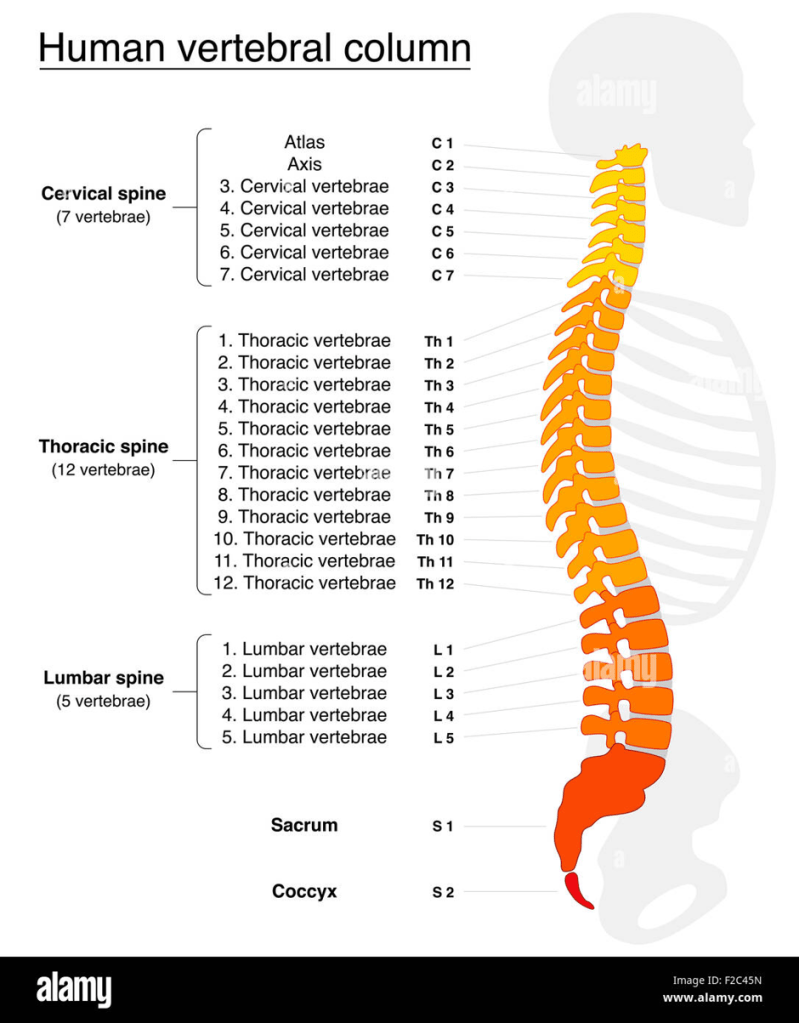
Example One Of Irregular Bone: Spinal Vertebrae
Structure
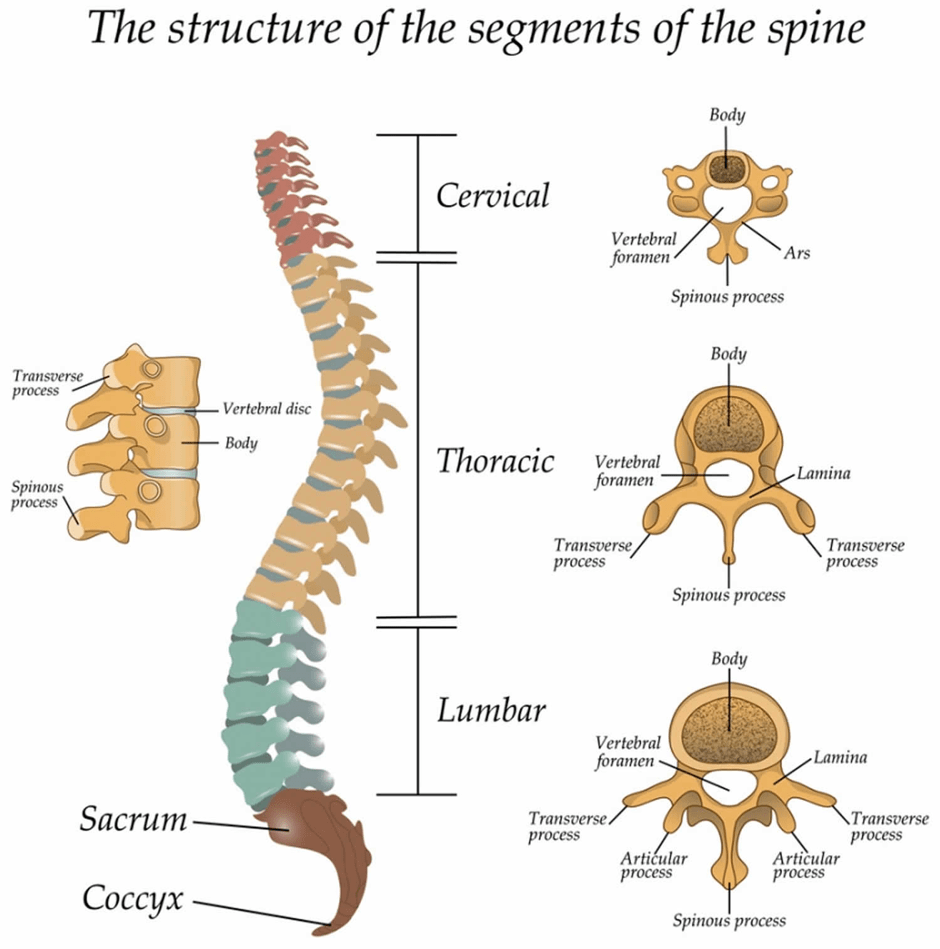
It has 33 bones.
The vertebral column consists of 5 sections: Cervical, thoracic, lumbar, sacrum, and coccyx.
The body of the vertebra is called a centrum.
The centre is called the canal foramen.
Function
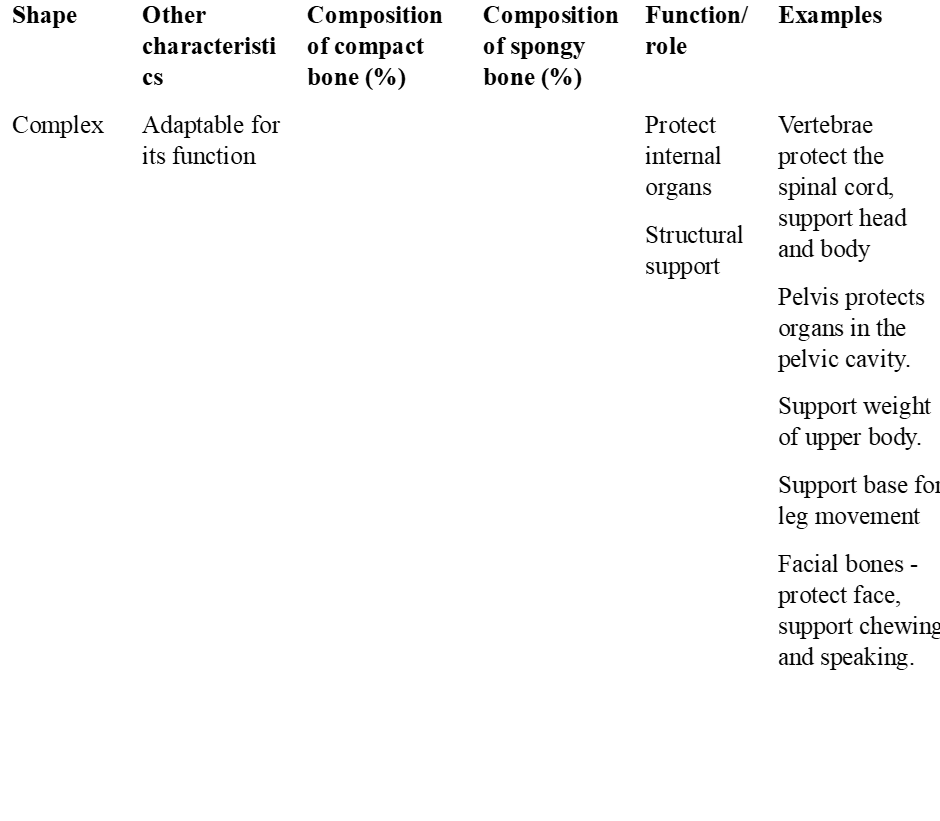
It protects the spinal cord and provides structural support.
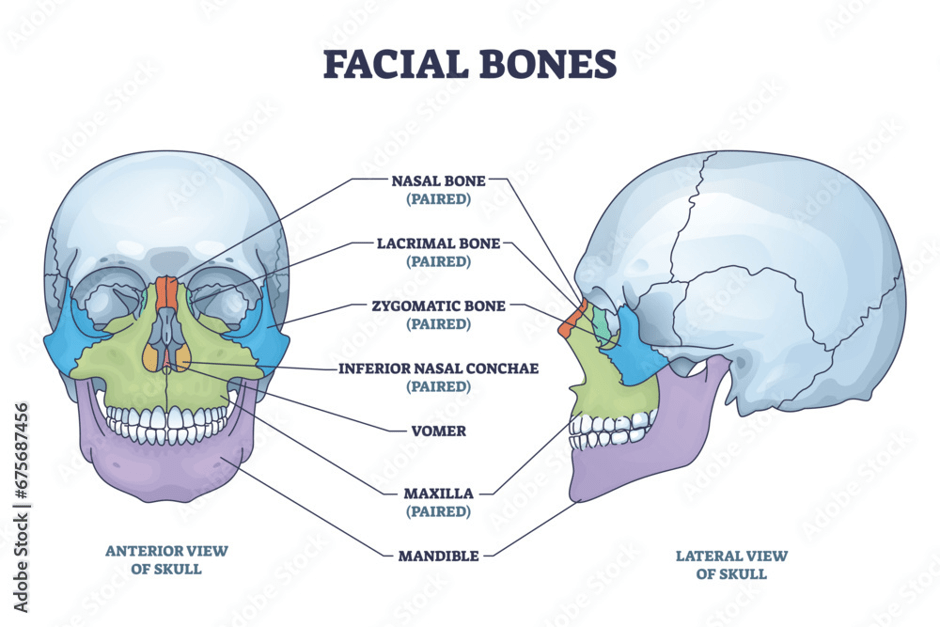
Example Two: Facial Bones
Facial bones
The face has 14 irregular bones:
Some of the facial bones are paired (x2)
Nasal
Lacrimals
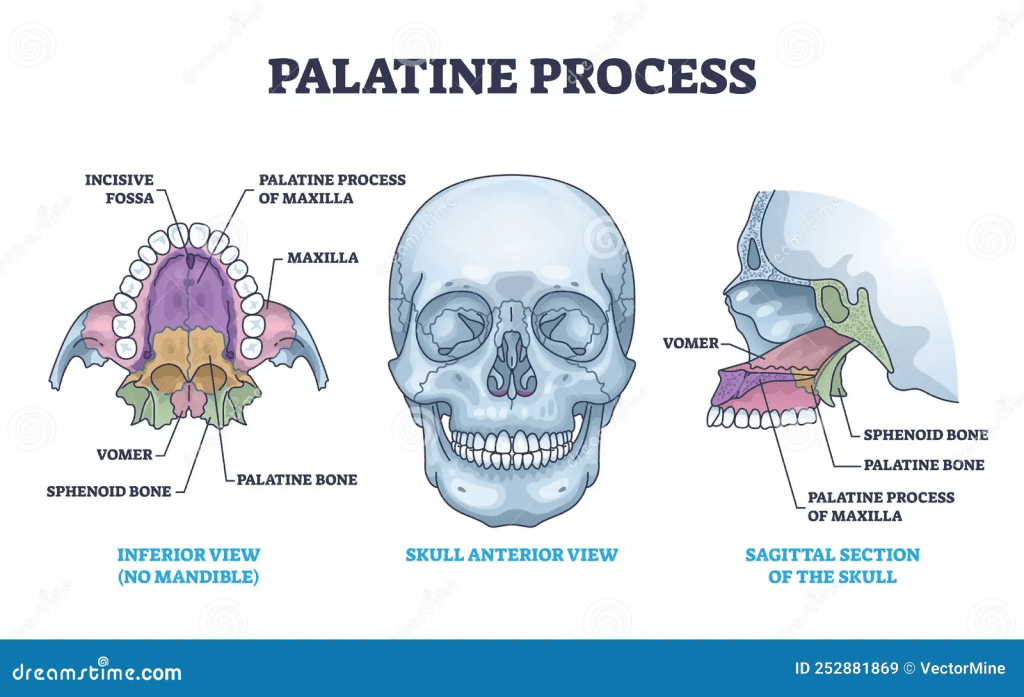
Maxillae (upper jaw)
Inferior nasal concha
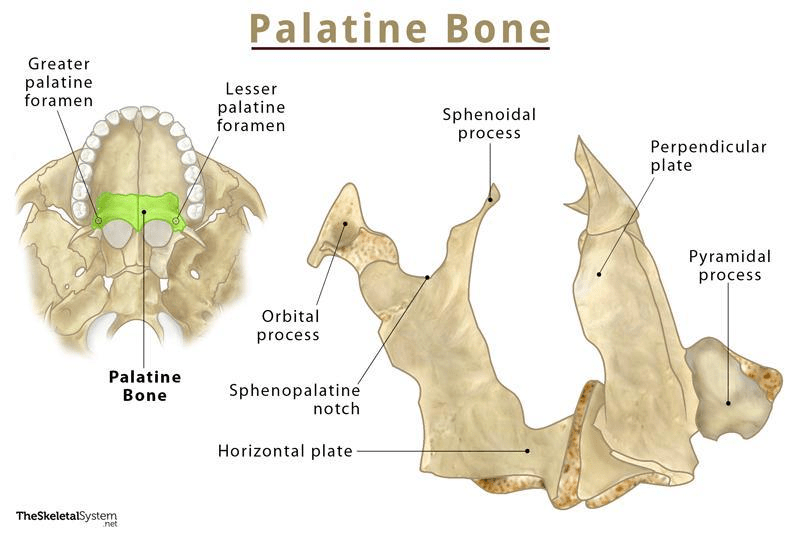
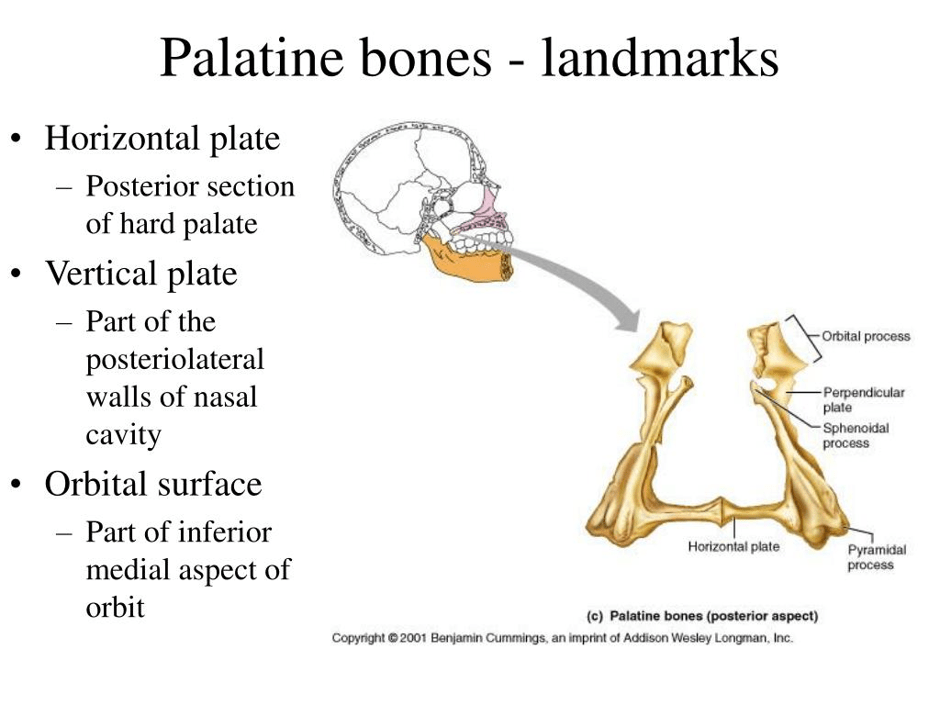
Palatine (x2 of each): They are part of the uvula in the throat and the hard palate, contributing to the wall of the nasal cavity, mouth, and orbits. Each palatine bone consists of two main parts: the horizontal plate and the perpendicular plate, which form an L-shape.
Zygometric
Some are singular bones: (x1)
Vomer
Mandible (lower jaw)
Example Three Of The Irregular Bone: Pelvis (hip bones)
Structure
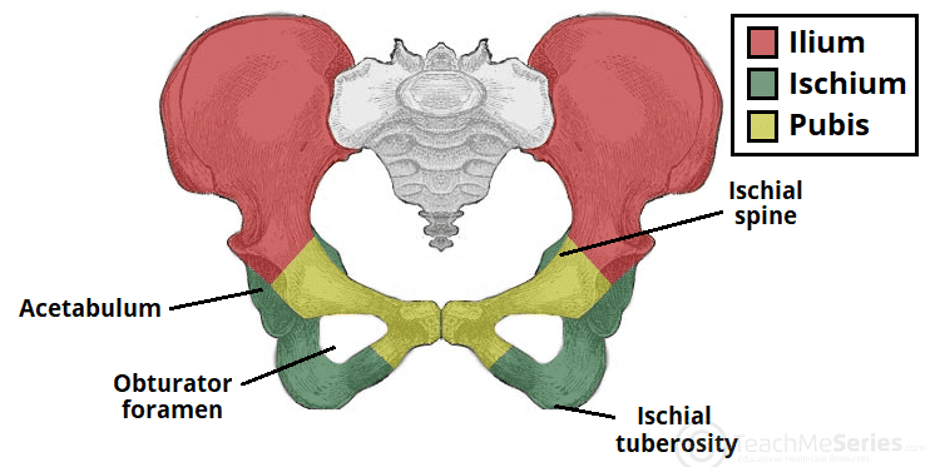
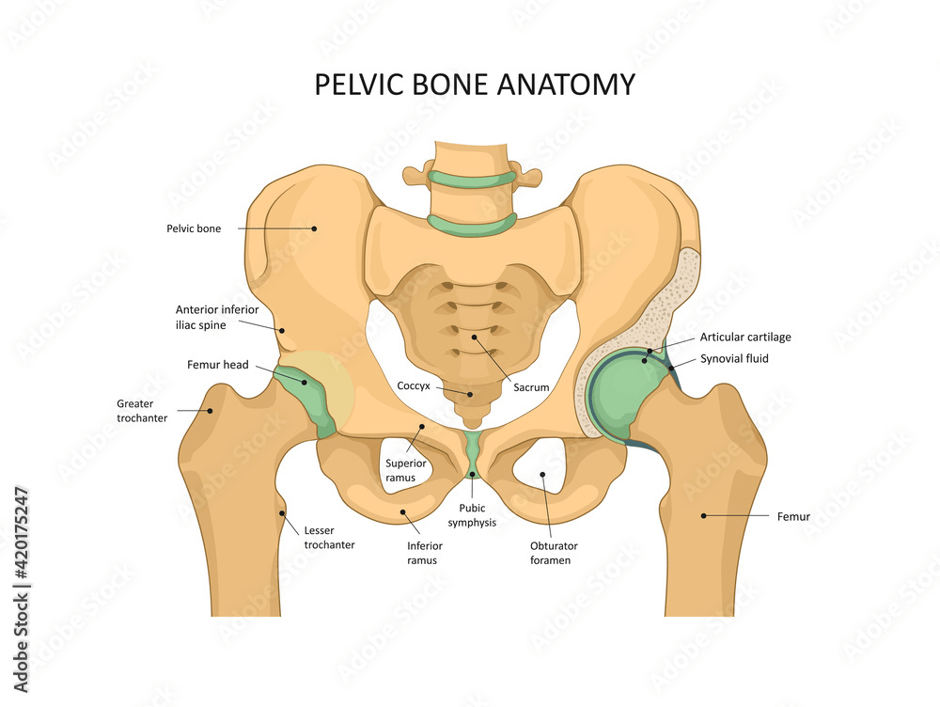
It consists of three structures: the pubis, the ilium, and the ischium.
Function
It protects organs in the pelvic cavity.
Support the weight of the upper body.
Support base for leg movement.
Long Bone

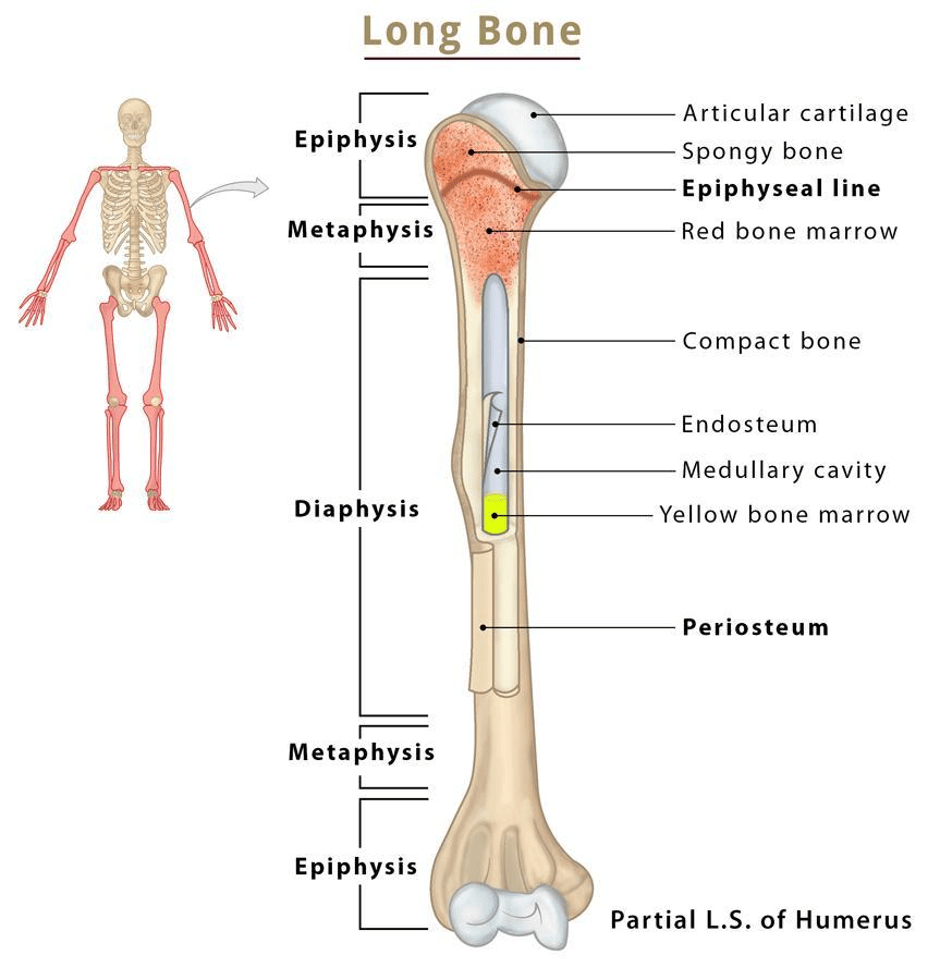
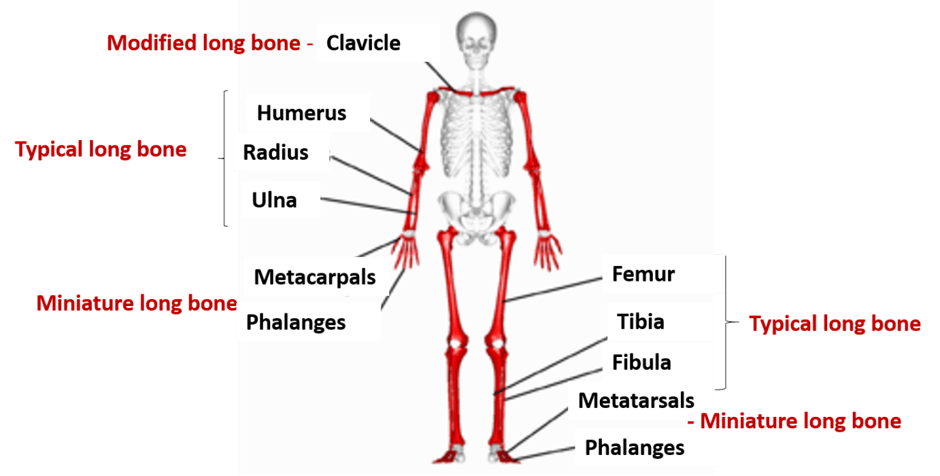
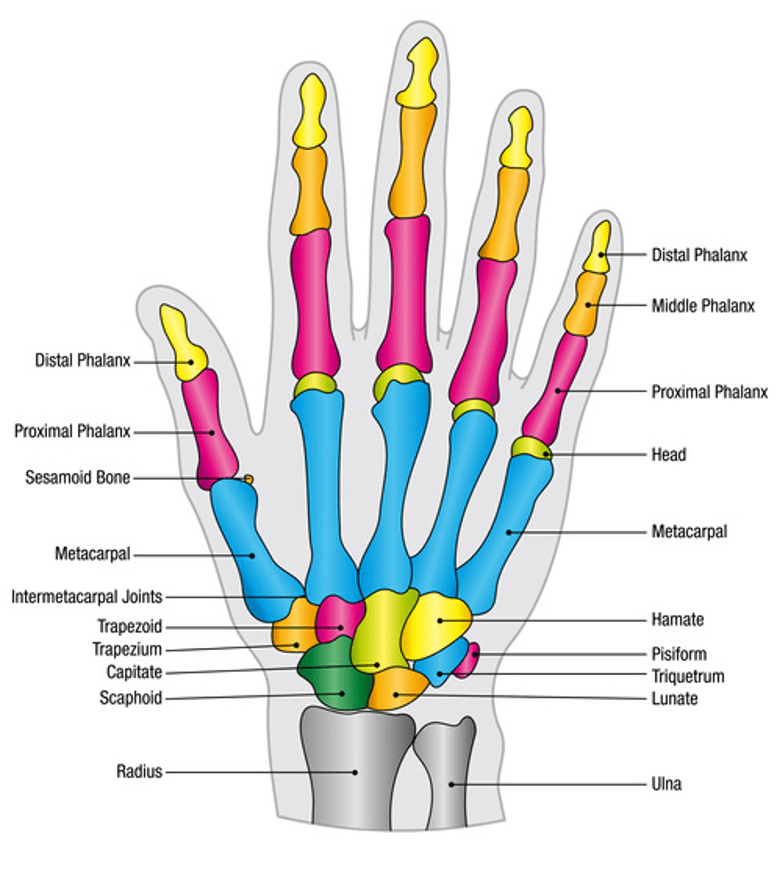
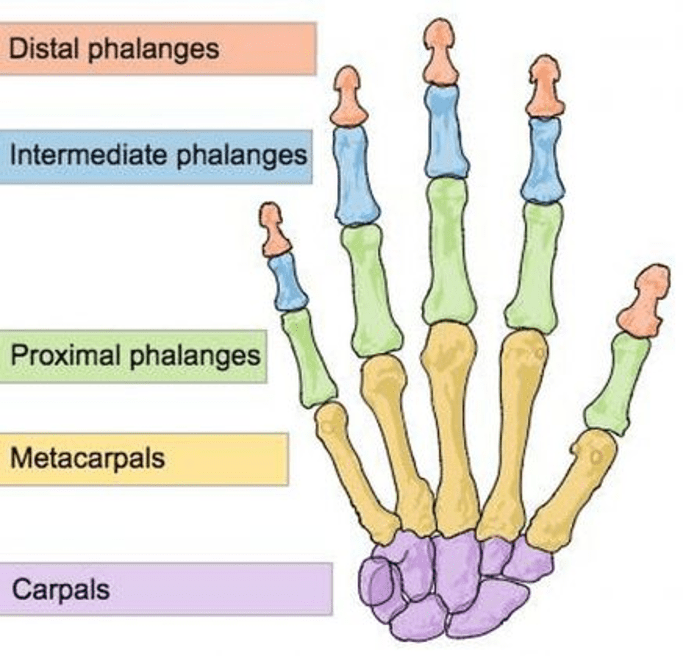
Example Of Long Bones:
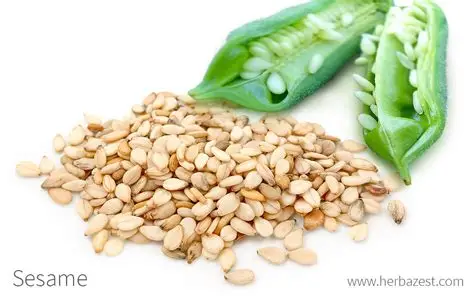
Sesamoid Bone
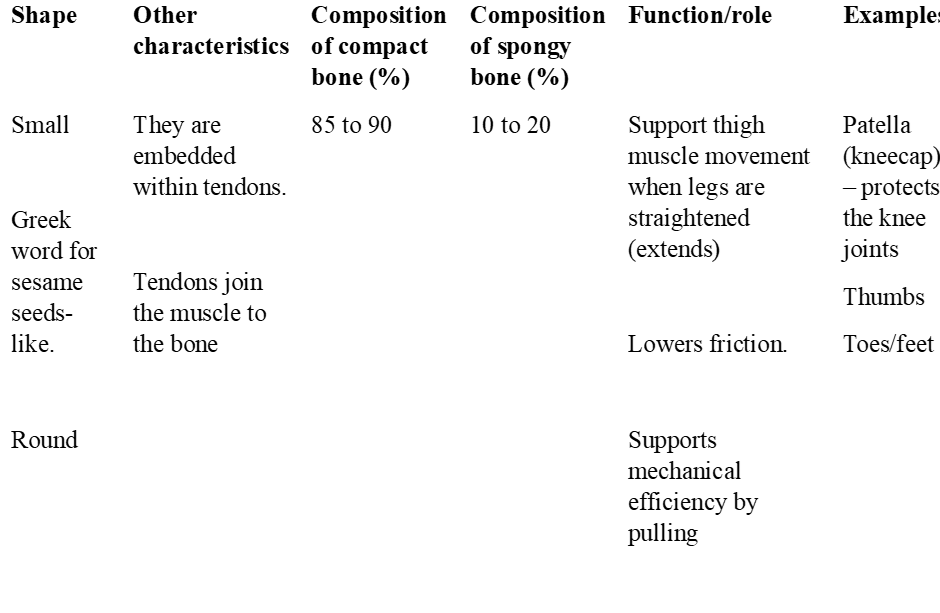
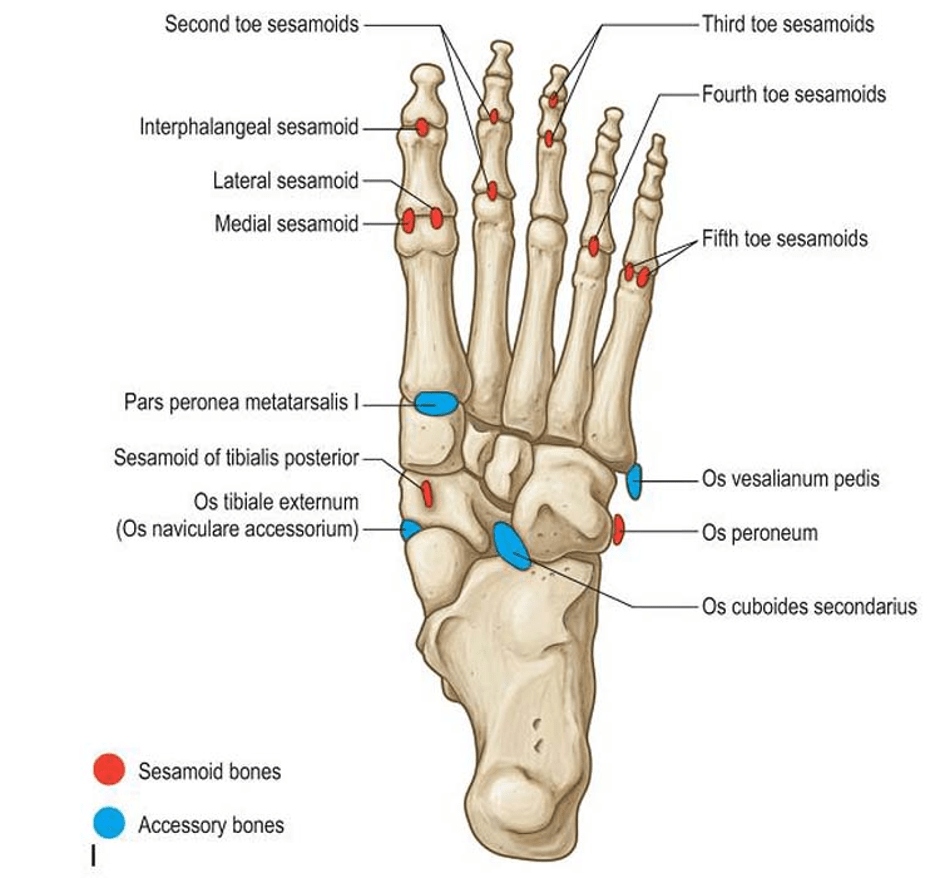
Example One Of Sesamoid Bone: Feet
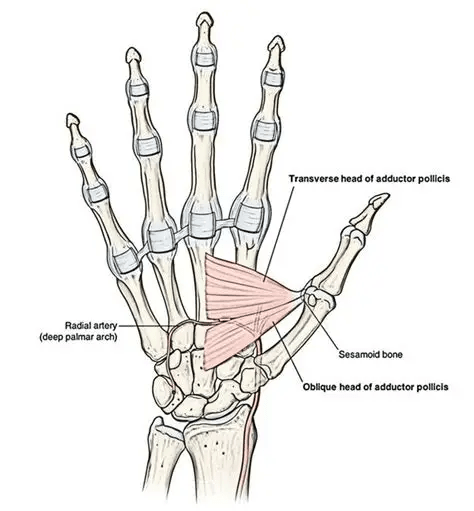
Example Two of Sesamoid Bones: Thumb of the hand
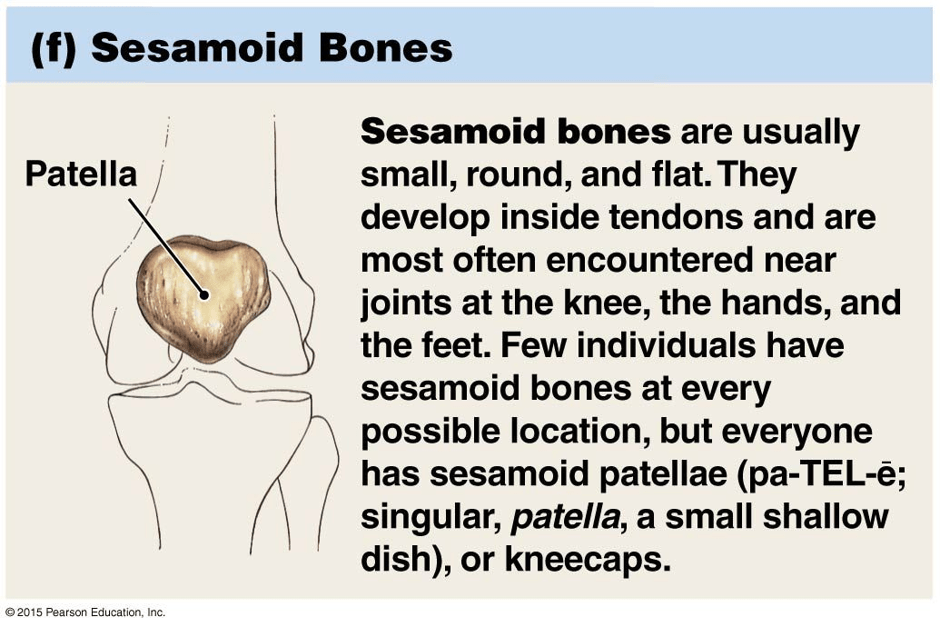
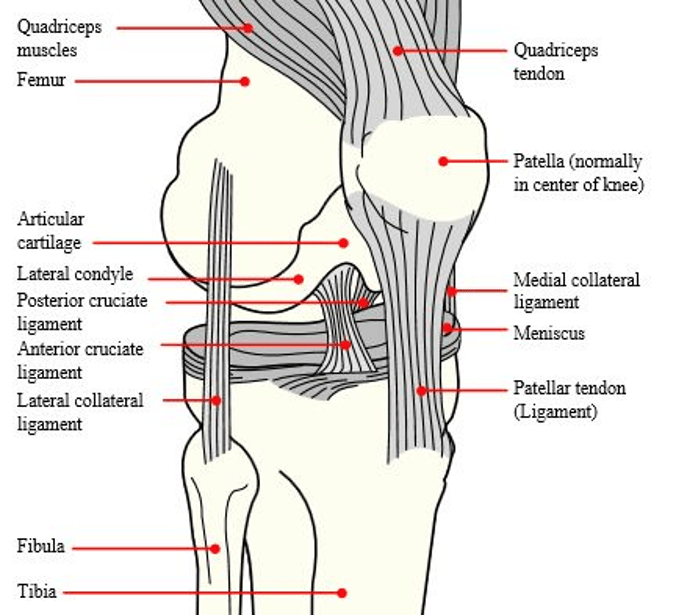
Example Three of Sesamoid Bones: Kneecap/Patella
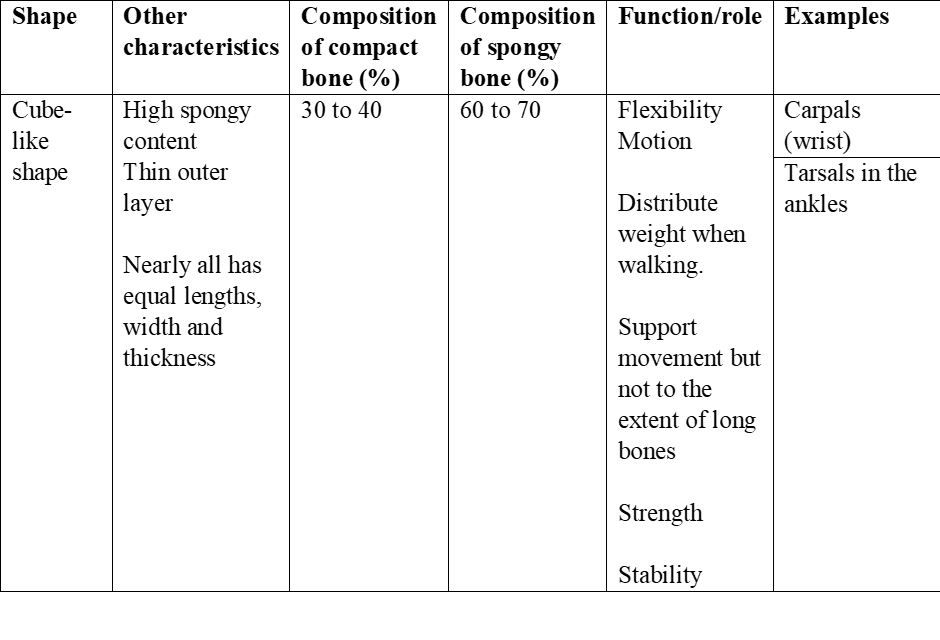
Short Bones
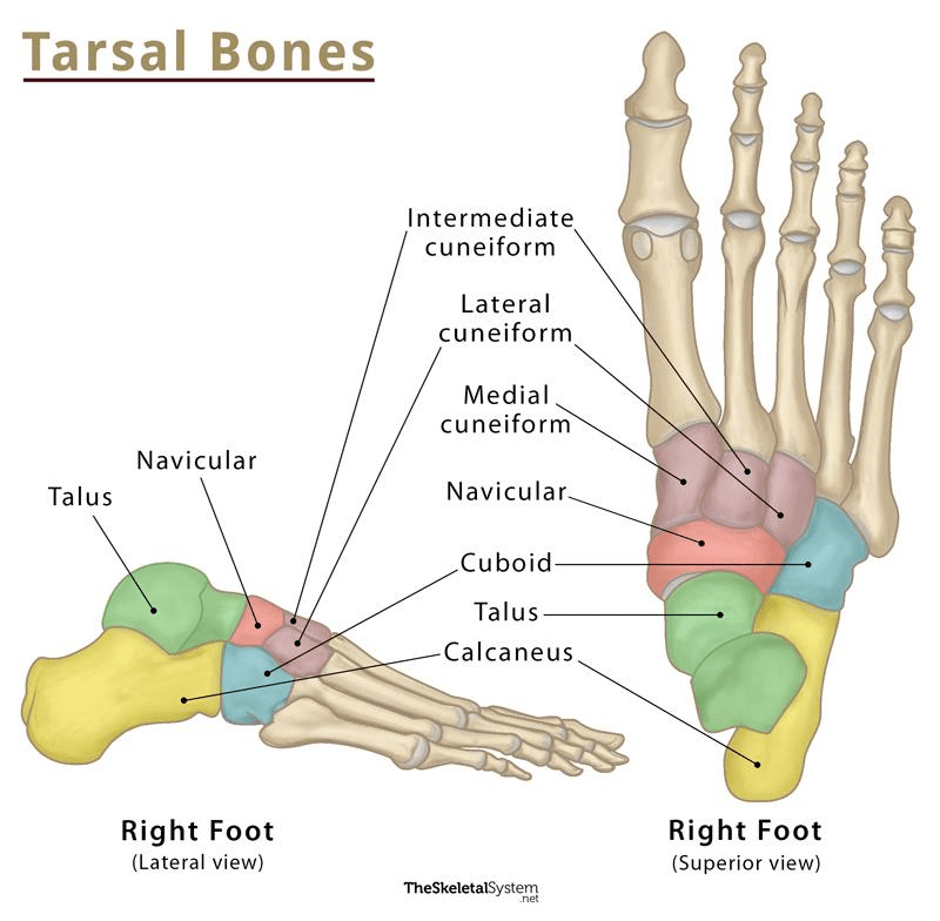
Example One of Short Bones: The foot bones
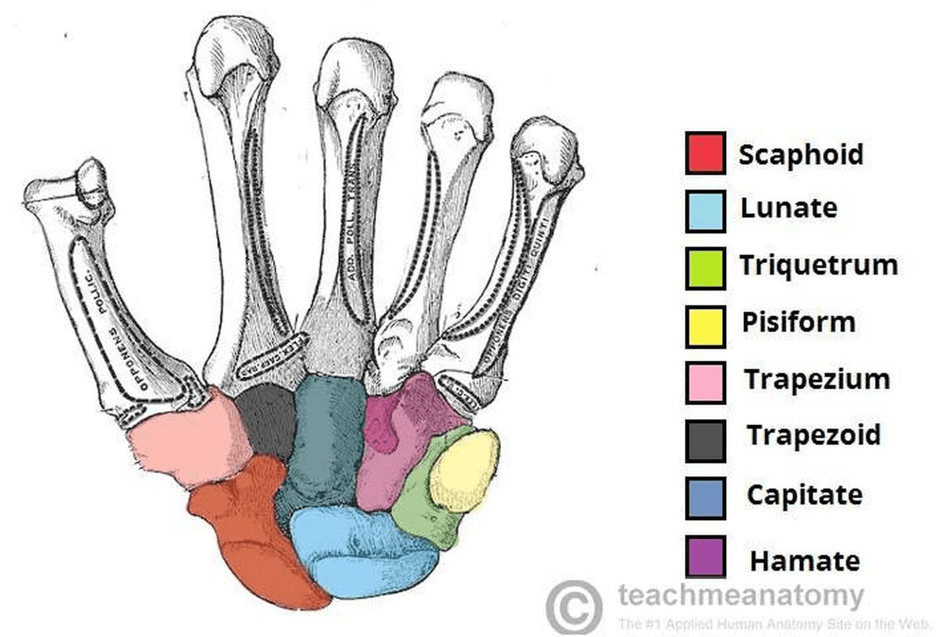
Example Two Of Short Bones: Carpals of the Hand
Further Reading
References
Cowan, P., Launico, M. and Kahai, P. (2024) Anatomy, Bones. Available at: https://www.ncbi.nlm.nih.gov/books/NBK537199/ (Accessed: 9th April 2026)
Cleveland Clinic (2024) Skeletal System (Musculoskeletal System). Available at: https://my.clevelandclinic.org/health/body/21048-skeletal-system (Accessed: 3rd April 2026)
Anatomy and Physiology Diploma notes
Thomas, J. and Monaghan, T. (2007) Oxford Handbook Of Clinical Examination And Practical Skills Oxford: Oxford University Press.
Visible Body (2026) The Long and the Short of It: The Five Types of Bones. Available at: https://www.visiblebody.com/learn/skeleton/types-of-bones (Accessed 4th April 2026)
Yale Team-Based Learning (n.d). Connective Tissue. Available at: https://medcell.org/tbl/histology_of_connective_tissues/reading.php (Accessed: 23rd April 2026)
Updated July 2026 Next Review July 2028

